


Many of us have anxiously scanned our faces for new breakouts after introducing a moisturizer, wondering if hydration is sabotaging our skin. The reality is that moisturizer itself doesn't cause acne, but the wrong formula, improper use, or specific ingredients can trigger visible trouble. Understanding whether you're experiencing true breakouts, a normal purging process, or an irritation reaction is essential for healthy skin (and peace of mind).
At CeSqua, our philosophy is rooted in clarity and simplicity. Rather than guessing which step or ingredient is to blame, we help you decode your skin’s response, so you can make confident decisions and achieve healthy, radiant results.
Defining the Problem: Does Moisturizer Cause Breakouts?
Moisturizers are designed to hydrate, soothe, and protect the skin barrier. The act of moisturizing, when done with a suitable product, should not initiate acne or clog pores. However, breakouts can still occur when:
- You use a moisturizer that is too rich, heavy, or comedogenic for your skin type
- The formula contains ingredients your skin can’t tolerate (irritants or allergens)
- There’s a normal detox process called “purging” as your skin clears out old congestion
Separating these scenarios helps you avoid abandoning a good routine, while swiftly fixing a bad one.

The Three Most Common Moisturizer Reactions: How to Tell Them Apart
1. Product Clogging (Comedogenic Response)
When a moisturizer is not matched to your skin’s needs, it may lead to congested pores. This usually happens when you use formulas high in heavy oils, waxes, or ingredients that aren’t labeled as non-comedogenic. Symptoms include:
- Whiteheads, blackheads, and tiny pimples in areas where you apply the moisturizer most liberally
- Breakouts appearing 2–4 days after starting the product
- Persistently shiny, greasy skin and noticeably enlarged pores
Discontinuing the product typically clears the skin within 1–2 weeks. Using lighter gel or water-based, non-comedogenic formulas reduces this risk. CeSqua specializes in designing moisturizers that are non-comedogenic by default, ensuring they work with your skin, not against it.
2. Skin Purging (Active Ingredient Reaction)
Purging is a temporary spike in breakouts caused by ingredients that increase skin cell turnover (like salicylic acid or niacinamide). This isn’t a negative reaction—rather, the product accelerates the clearing of existing congested pores.
- Purging shows up as small bumps or whiteheads in your usual acne-prone areas
- Appears within the first week of new product use
- Clears up as you continue use, with skin looking clearer after 2–4 weeks
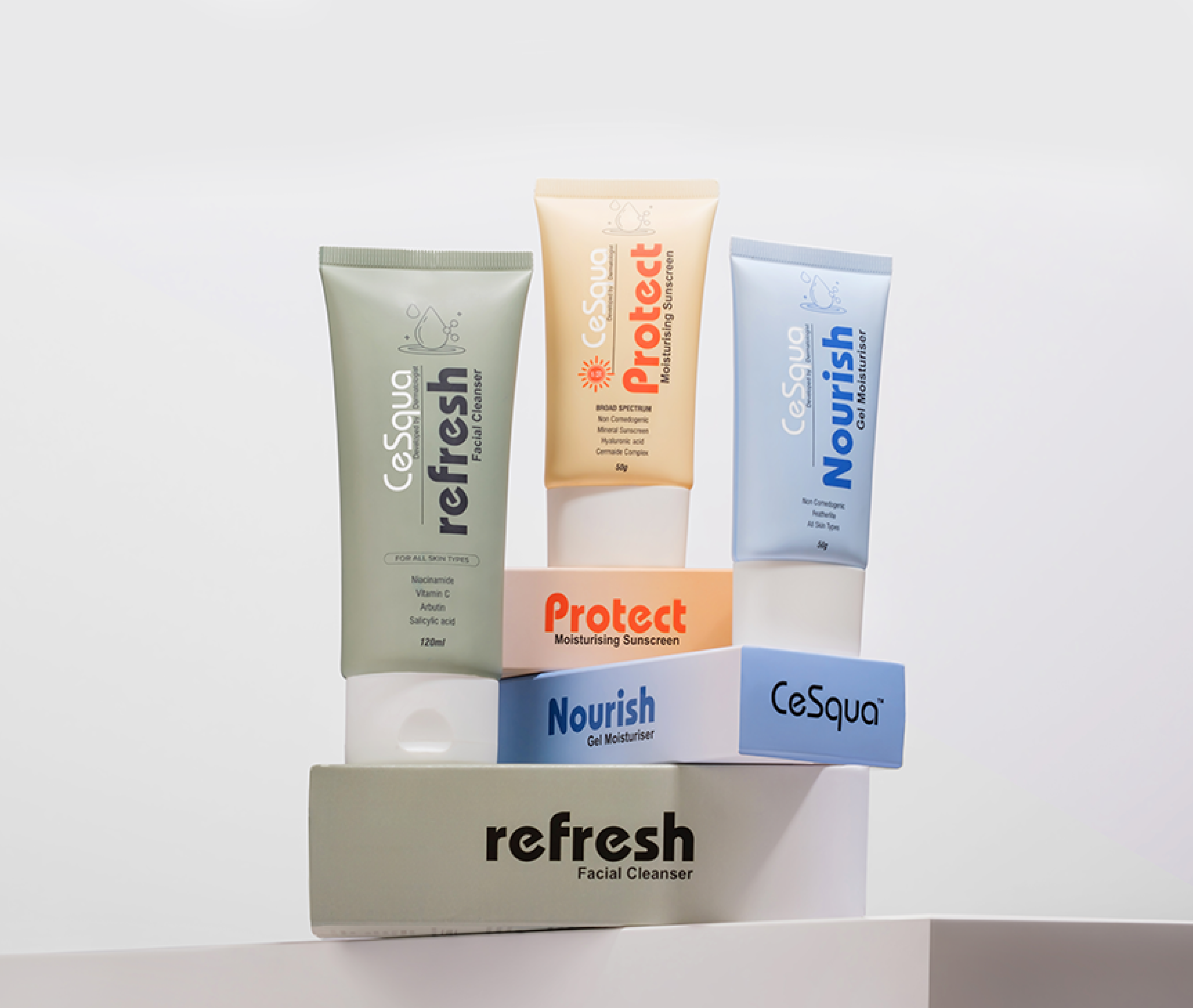
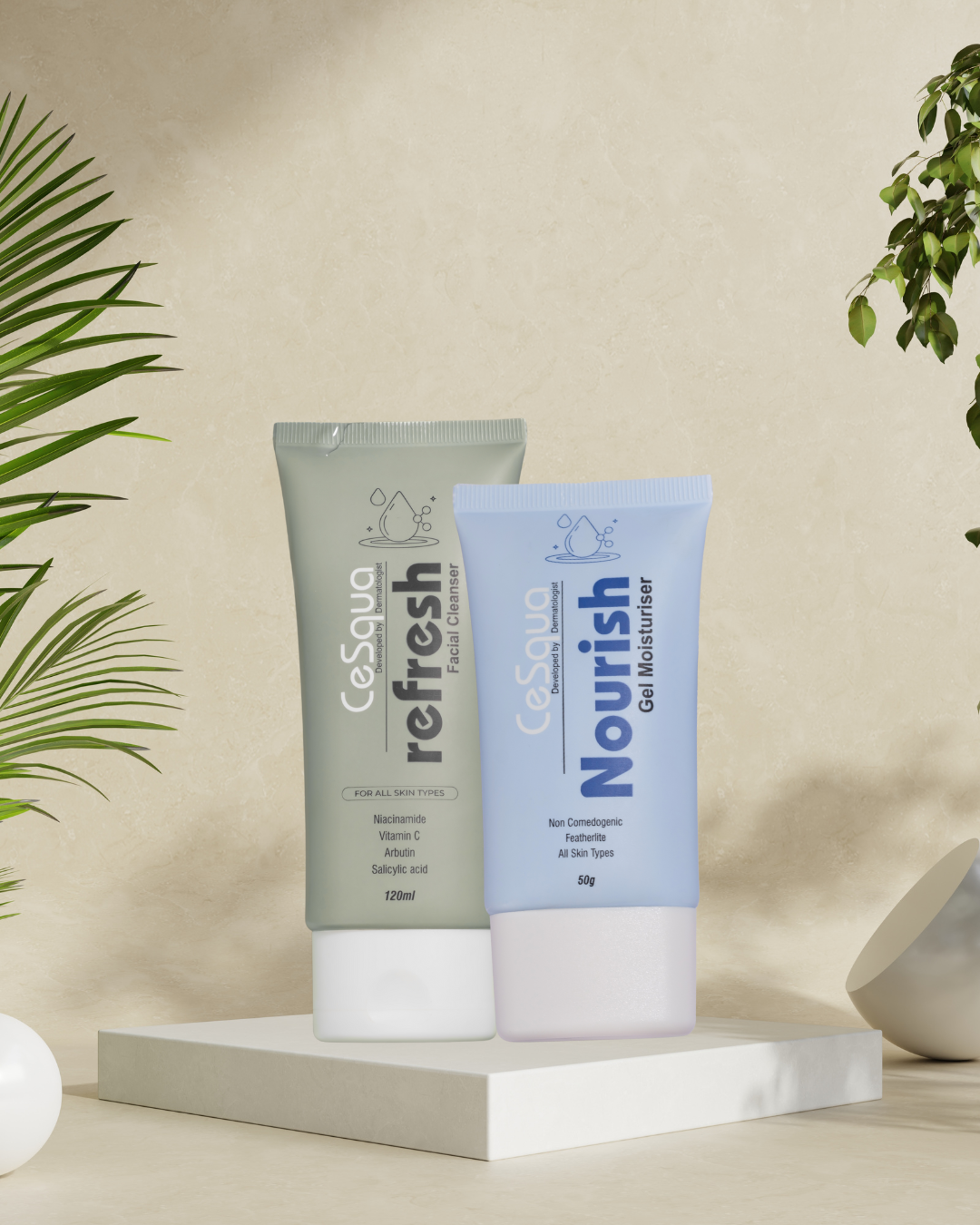
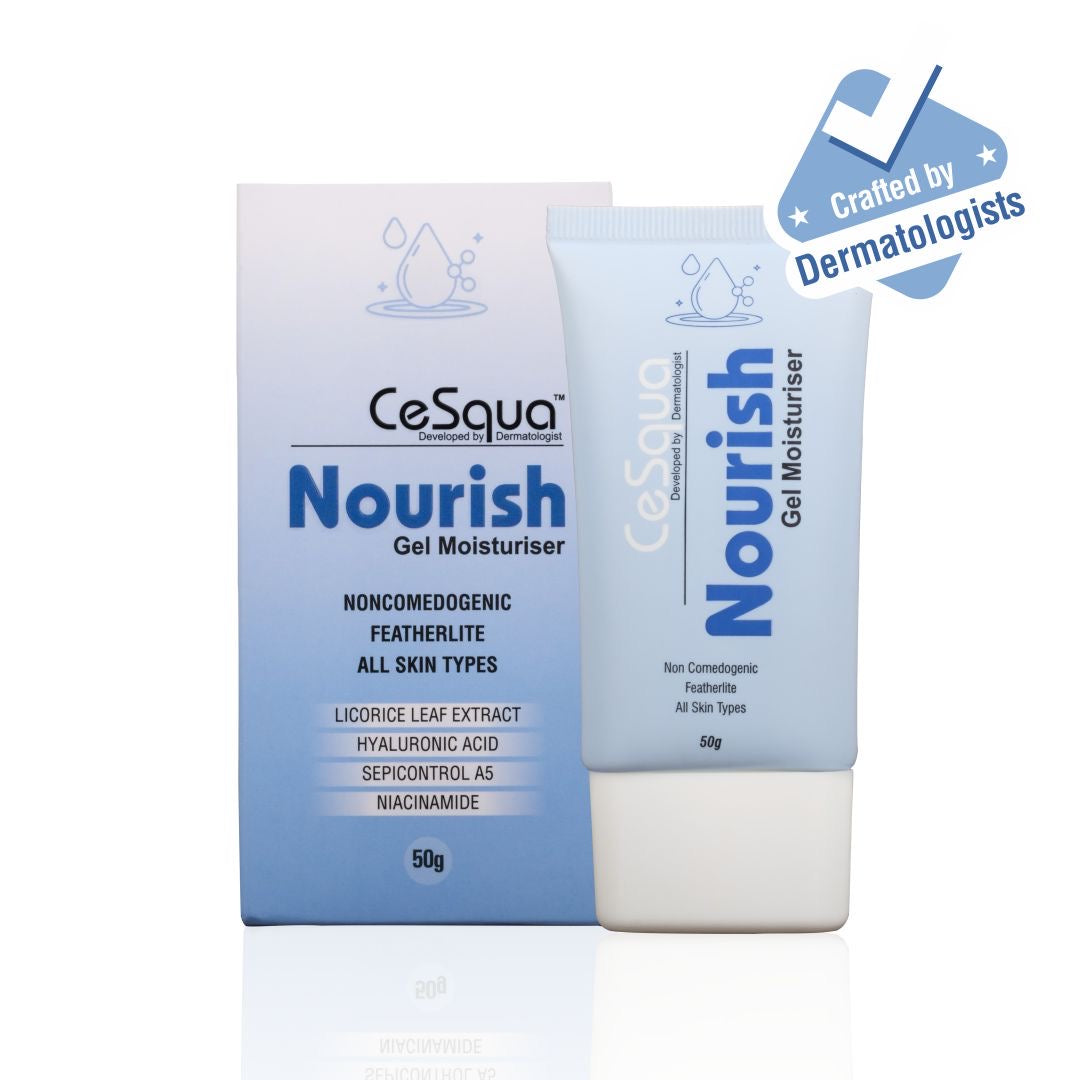
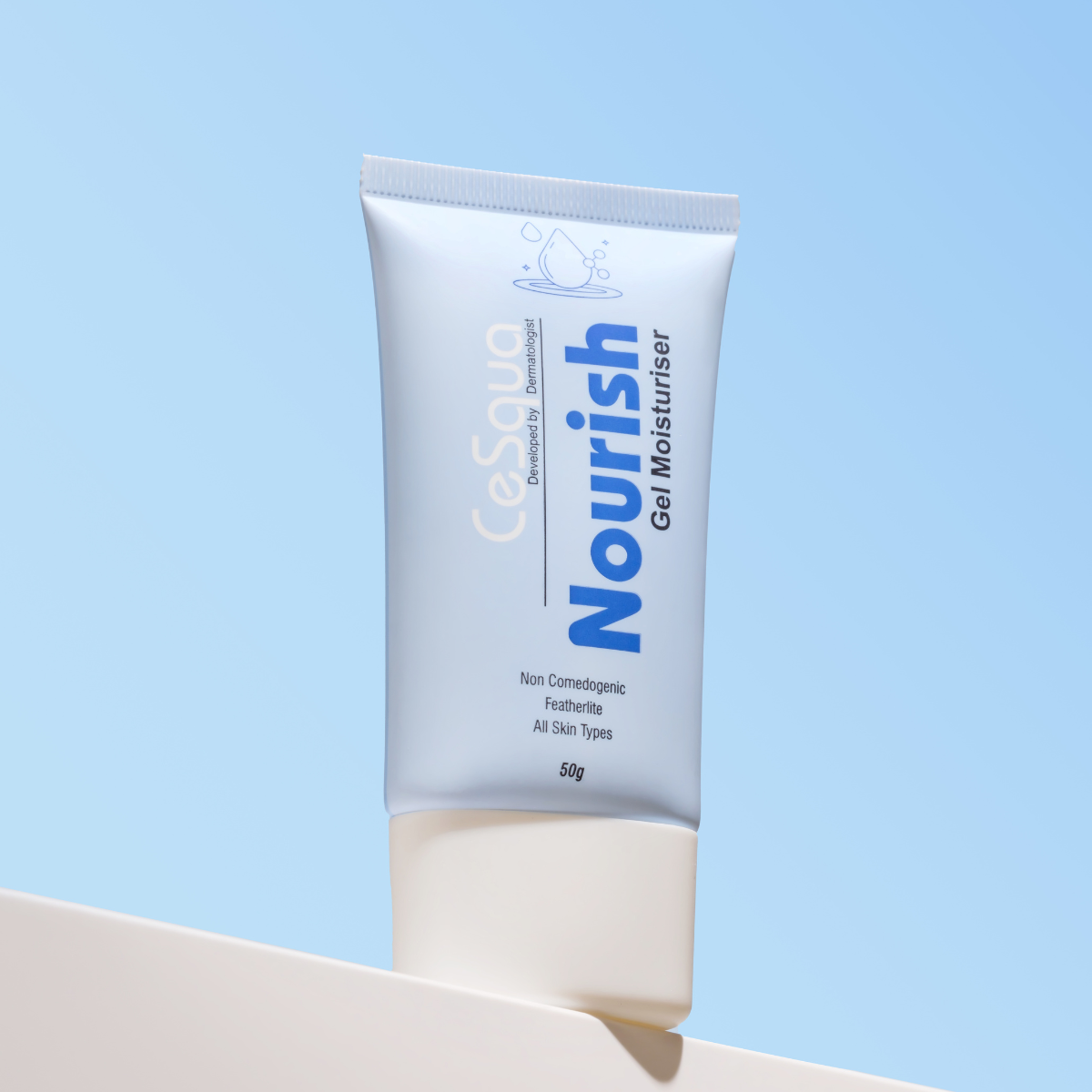
Patience is key if you notice purging. Our CeSqua Nourish Gel Moisturiser uses proven actives like tea tree oil and zinc PCA to gently address breakouts while minimizing purge-related discomfort. We guide you through this phase with science-based, dermatologically crafted routines.
3. Ingredient Irritation (Allergic/Sensitive Skin Reaction)
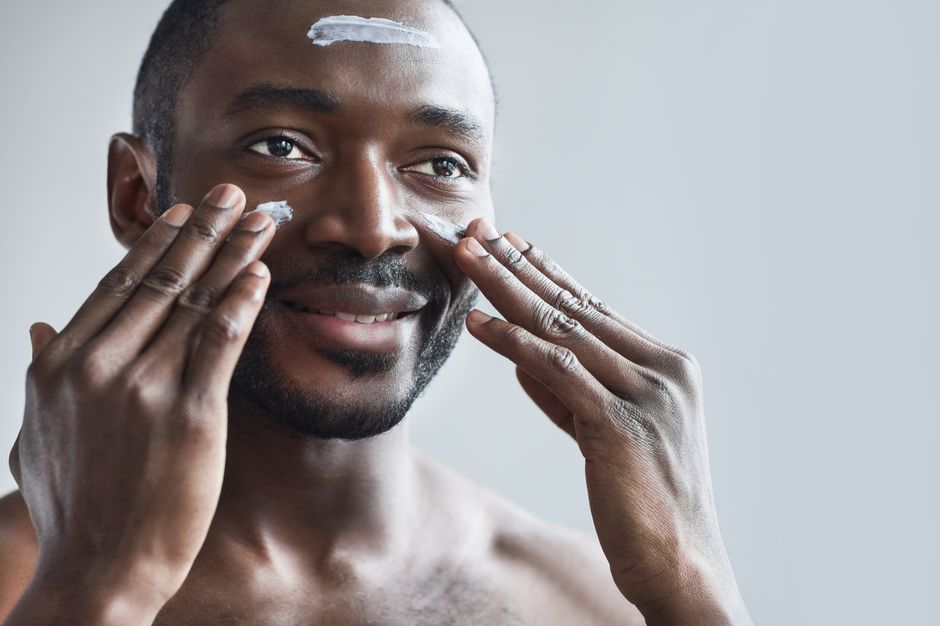
If your skin is reacting to an ingredient (such as fragrance, alcohol, or a botanical extract), symptoms extend beyond classic acne:
- Itching, burning, or stinging upon application
- Redness, welts, or rash-like eruptions
- Discomfort and breakouts that appear immediately or within hours
- Widespread reaction (not limited to typical acne zones)
In these cases, stop using the offending product and focus on calming, simple formulas. CeSqua is committed to formulating without harsh parabens, perfumes, or sensitizing chemicals, prioritizing compatibility with even sensitive and reactive skin.
Why Proper Moisturization Is Critical Even for Acne-Prone Skin
There’s a common myth that oily or acne-prone skin should avoid moisturizer. In truth, insufficient hydration prompts the skin to overproduce oil, which can lead to further breakouts and a depleted skin barrier. Proper moisturization maintains skin health by:
- Regulating sebum production
- Strengthening and repairing the skin barrier (reducing inflammation)
- Preventing dryness and flaking that make acne worse
CeSqua designs each moisturizer to hydrate without heaviness, using ingredients proven to support all skin types, especially those battling breakouts. The “less is more” approach (using a streamlined set of multi-functional products) reflects our core philosophy. To learn more about seeing results with new routines, see How Long Does Skincare Take to Work?.
Step-by-Step: Distinguishing Breakouts From Purging and Irritation
-
Check the Timeline:
- If issues appear within a few hours of application, it’s most likely irritation.
- Breakouts 2–4 days later suggest comedogenic clogging.
- Bumps that arise within a week and recede after 2–4 weeks often indicate purging.
-
Note Location and Type of Breakout:
- Purging affects existing acne-zones only; clogging often appears in areas not usually affected.
- Irritation causes redness, swelling, or burning with scattered breakouts and patches.
-
Assess Ingredient List:
- Look for non-comedogenic labels, absence of synthetic fragrances, and proven soothing agents.
- Patch test if your skin is sensitive to new ingredients.
-
Track Duration and Recovery:
- Irritation and clogging resolve rapidly once you discontinue the product. Purging should improve with continued use.
What Makes a Moisturizer “Safe” for Acne-Prone or Sensitive Skin?
The ideal moisturizer for breakout-prone or sensitive skin is:
- Non-comedogenic: Formulated and tested not to clog pores
- Lightweight: Gels and water-based lotions absorb instantly and don’t create residue
- Without harsh chemicals: No heavy alcohol, added fragrance, or comedogenic oils
- Includes beneficial actives: Look for zinc PCA, tea tree oil, chamomile, hyaluronic acid, ceramides, and niacinamide. For in-depth ingredient profiles, our ingredient page explains each one in detail.
Our Nourish Gel Moisturiser perfectly fits these safety guidelines, supporting hydration and clarity without excess shine or congestion.
Table: Identifying Your Moisturizer Reaction
| Factor | Product Clogging | Skin Purging | Ingredient Irritation |
|---|---|---|---|
| When It Starts | 2–4 days after use | Within first 3–7 days | Immediate to 24 hours |
| Where It Appears | Heaviest application areas | Existing acne-prone zones | All over, not zone-specific |
| How Long It Lasts | Continues until discontinued | 2–4 weeks, then clears | Clears within 1–2 days of stopping |
| Best Action | Discontinue & switch | Continue & support skin | Stop immediately, soothe |
Step-by-Step: How to Patch Test a New Moisturizer
- Choose a discreet area like the inner forearm or behind your ear.
- Apply a small amount once daily for 3–5 days.
- Check for redness, rash, itching, or bumps.
- If no reaction arises, it’s likely safe to use on your face.
Patch testing is a core recommendation from CeSqua for anyone with sensitive or acne-prone skin introducing a new product.
Best Practices: Maximizing Results & Preventing Breakouts
- Use a pea-sized amount for your whole face to prevent over-application
- Warm product between fingers and gently press rather than rub in
- Stick to a twice daily routine, morning and evening
- Allow the moisturizer to absorb before layering further treatments or sunscreen
- Keep your routine simple—fewer, well-chosen products reduce risk
For a minimalist approach, see this 3-step skincare routine guide.
The CeSqua Difference: Expert Formulation for Comfort and Clarity
All CeSqua products are crafted by our dermatologist founder, aiming to blend pharma-grade efficacy with simple, daily use. Our Nourish Gel Moisturiser is a standout choice for those navigating the confusion of moisturizer-related breakouts because it offers:
- Non-comedogenic hydration with fast-absorbing gel texture
- Breakout-calming botanicals: tea tree oil, zinc PCA, chamomile, licorice
- No synthetic fragrances, parabens, or heavy additives
- Vegan, cruelty-free, and suitable for sensitive, acne-prone, and combination skin
Our gentle, consistent feedback from users includes praise for improvement in skin texture, reduction in greasiness without dryness, and suitability as a makeup base. Many see noticeable hydration from the first use and visible clarity within 4–8 weeks.

Frequently Asked Questions
Can using moisturizer every day actually make acne worse?
Daily moisturizing is essential for balanced, healthy skin. Acne may worsen if you use formulas that clog pores or irritate the skin, not because of moisturization itself. Choosing non-comedogenic formulas like those developed by CeSqua helps prevent issues.
How can I tell if my skin is purging or breaking out?
Purging happens when actives like salicylic acid or niacinamide increase cellular turnover, which brings underlying congestion to the surface. It shows up in familiar acne-prone zones and fades with continued use. New, random breakouts in unfamiliar areas, especially with greasiness, usually indicate clogging.
What should I do if a moisturizer causes burning or redness?
Stop using the product immediately and switch to a simple, fragrance-free formula with calming ingredients like chamomile or licorice extract. If the reaction persists, consult a dermatologist.
What ingredients are best avoided for breakout-prone skin?
Steer clear of heavy natural oils (such as coconut or mineral oil in high concentration), synthetic fragrances, parabens, and alcohol. CeSqua’s products are designed to omit these risk factors, using safer botanical alternatives.
How much moisturizer should I apply?
Usually, a pea-sized amount is sufficient for the entire face. Aim for skin that feels hydrated but not greasy ten minutes post-application.
Can moisturizer help if I have both dry patches and oily areas?
Yes! Opt for a lightweight, balancing gel like the Nourish Gel Moisturiser to hydrate dry spots while controlling shine in oily areas. This approach supports skin barrier health and comfort in all skin types.
Conclusion
Moisturizers play a crucial role in skincare for all skin types, including those prone to breakouts. By learning the subtle differences between purging, clogging, and irritation—and selecting a science-backed, non-comedogenic formula—you support your skin’s clarity and comfort instead of sacrificing it.
If you’re ready to simplify your routine and banish the confusion of acne vs. irritation, CeSqua is your expert solution for effortless, radiant skin. Discover our dermatologist-designed range or reach out for personalized advice today.