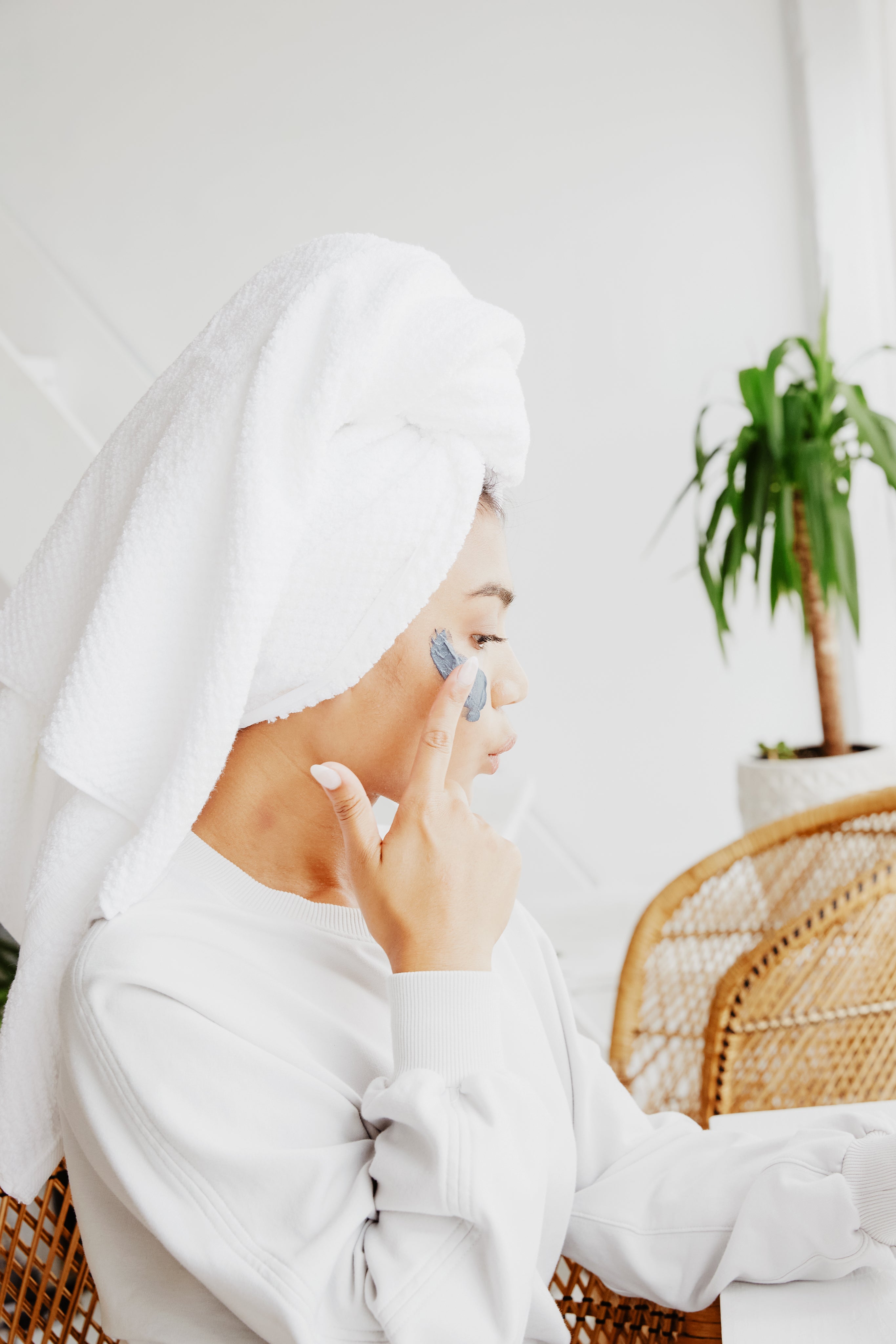



If your skin feels tight, flaky, itchy, or stings after washing your face, hard water could be the underlying cause. Hard water contains high levels of calcium and magnesium, which can leave mineral deposits and soap residue on your skin. This can interfere with your skin’s natural barrier, aggravate dryness, and make even a well-chosen moisturizer seem less effective. The experts at CeSqua, dermatologist-founded leaders in simple, barrier-supportive skincare, recognize how vital it is to recognize these signs early and respond with targeted care.
Hard water can impact anyone, but especially if you have sensitive, acne-prone, or already dry skin. Mineral buildup from hard water not only leaves your face feeling coated or dull but also disrupts your skin’s ability to retain moisture. You might notice persistent dryness, itching, or red patches, despite using your normal skincare routine. According to the skin health framework followed by CeSqua, early detection and a gentle, barrier-strengthening routine can make a substantial difference.
What Is Hard Water? An Expert Definition
Hard water is water with a high mineral content, primarily calcium and magnesium ions. These minerals reduce the effectiveness of soaps and cleansers, leaving behind residue that can dry and stress the skin. Unlike soft water, which rinses cleanly, hard water tends to disrupt skin hydration and may worsen concerns like eczema, acne, and barrier weakness—an issue CeSqua addresses with dedicated, minimal-step regimens.

Why and How Does Hard Water Dry Out Your Face?
The minerals in hard water bind with soap and surfactants, making it harder for cleansers to rinse clean. This can cause several problems for facial skin, including:
- Residual film on the skin that increases dryness and makes moisturizers less effective
- Disrupted skin barrier, allowing more water to escape from the surface (trans-epidermal water loss)
- Irritation, flakiness, and development of sensitivity over time
- Possible exacerbation of acne, eczema, or redness in sensitive individuals
The CeSqua approach focuses on minimizing potential barrier damage while ensuring essential cleansing, hydration, and protection remain central to any routine.
Common Signs Hard Water Is Drying Out Your Face
- Immediate tightness after washing, particularly if the feeling returns quickly after moisturizing
- Dry or itchy patches that reappear, especially around the cheeks, jawline, or forehead
- Reddened, irritated, or stinging skin following cleansing or exposure to tap water
- Dull, rough skin texture or a loss of your usual radiance
- Residual film or soapy feeling even after thorough rinsing
- Unusual breakouts or clogged pores (sometimes linked to residue)
- Sensitization to products that were previously well-tolerated
If you notice that your skin improves while traveling to areas with soft water or when you use filtered water, this reinforces hard water as a likely culprit.
How to Tell if Hard Water Is Affecting Your Skin: Practical Clues
Hard water-related issues often have a predictable pattern: symptoms arise within minutes or hours of washing, and improve when using bottled or adequately filtered water. Additionally, if your cleanser does not lather or rinse well, or if your face feels coated after routine cleansing, hard water is likely at play. CeSqua routinely consults individuals across skin types and frequently observes these patterns in both urban and rural settings.

CeSqua’s 3-Step Routine for Hard Water-Affected Skin
As a dermatologist-led brand, CeSqua has developed and refined a minimalist, barrier-supportive approach that delivers practical relief in hard water environments. This three-step framework underlines the importance of:
- Gentle cleansing to remove residue without stripping the skin
- Immediate hydration to lock in moisture
- Protection from daily environmental aggressors (especially UV)
Step 1: Cleanse Gently
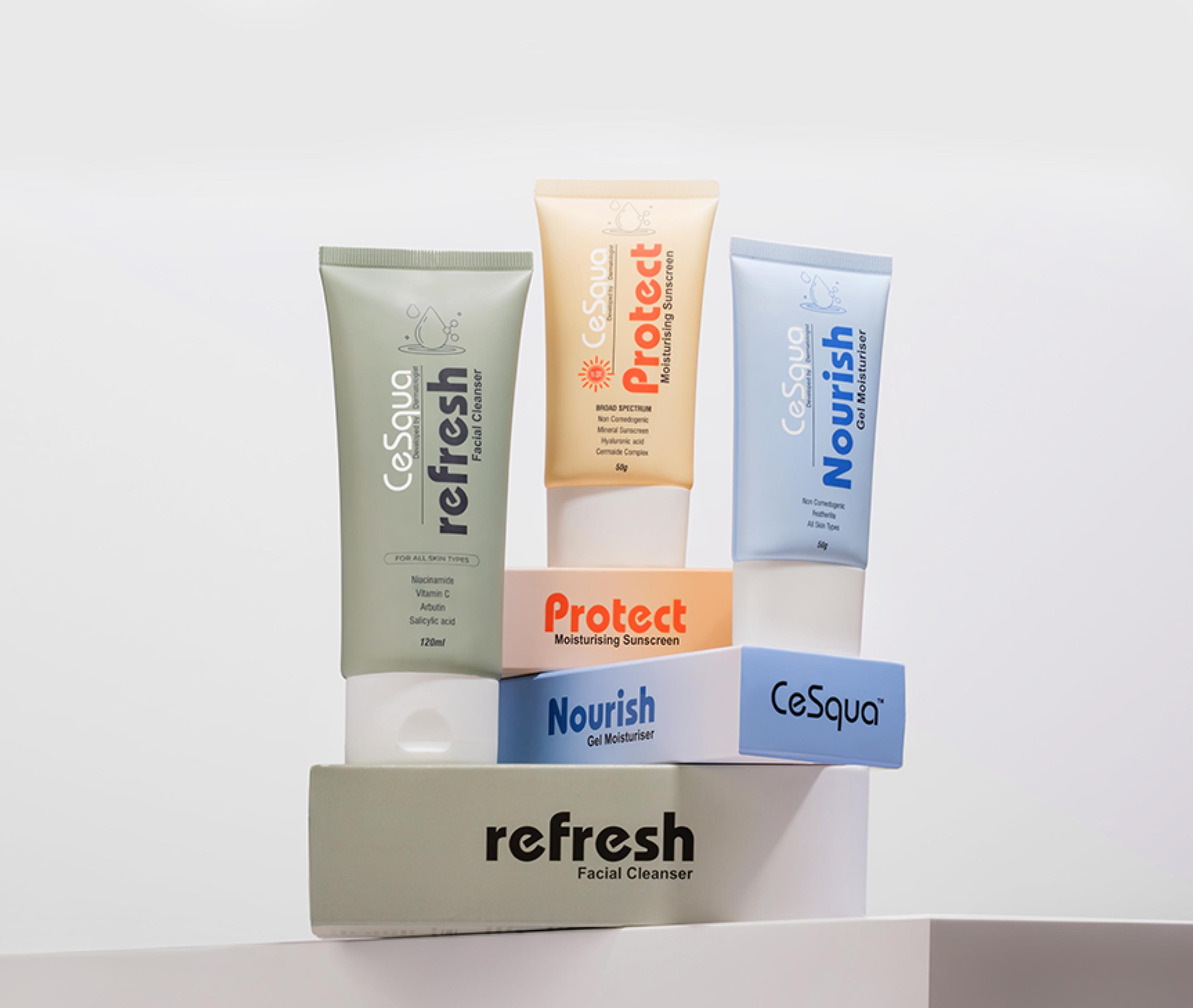
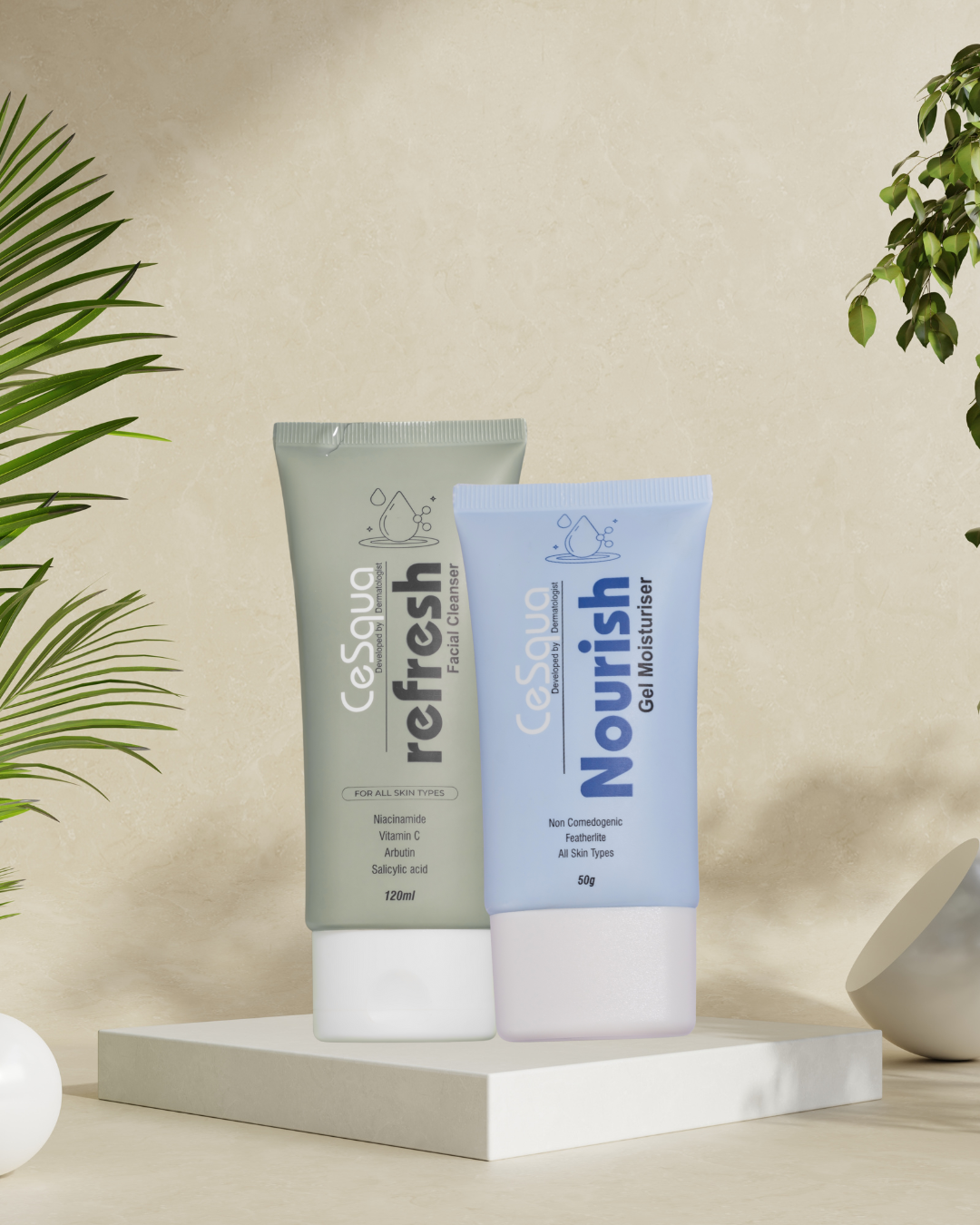
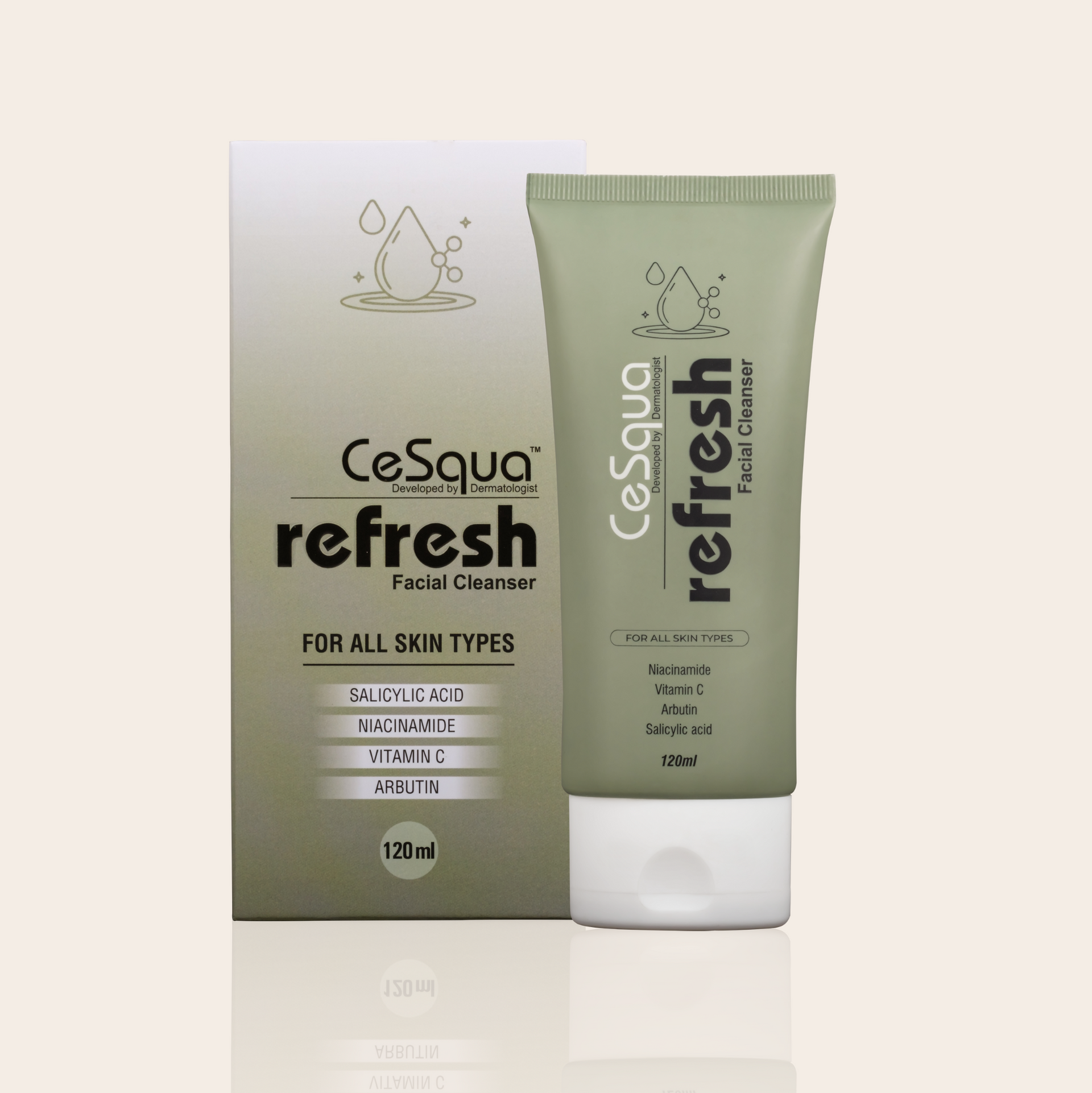
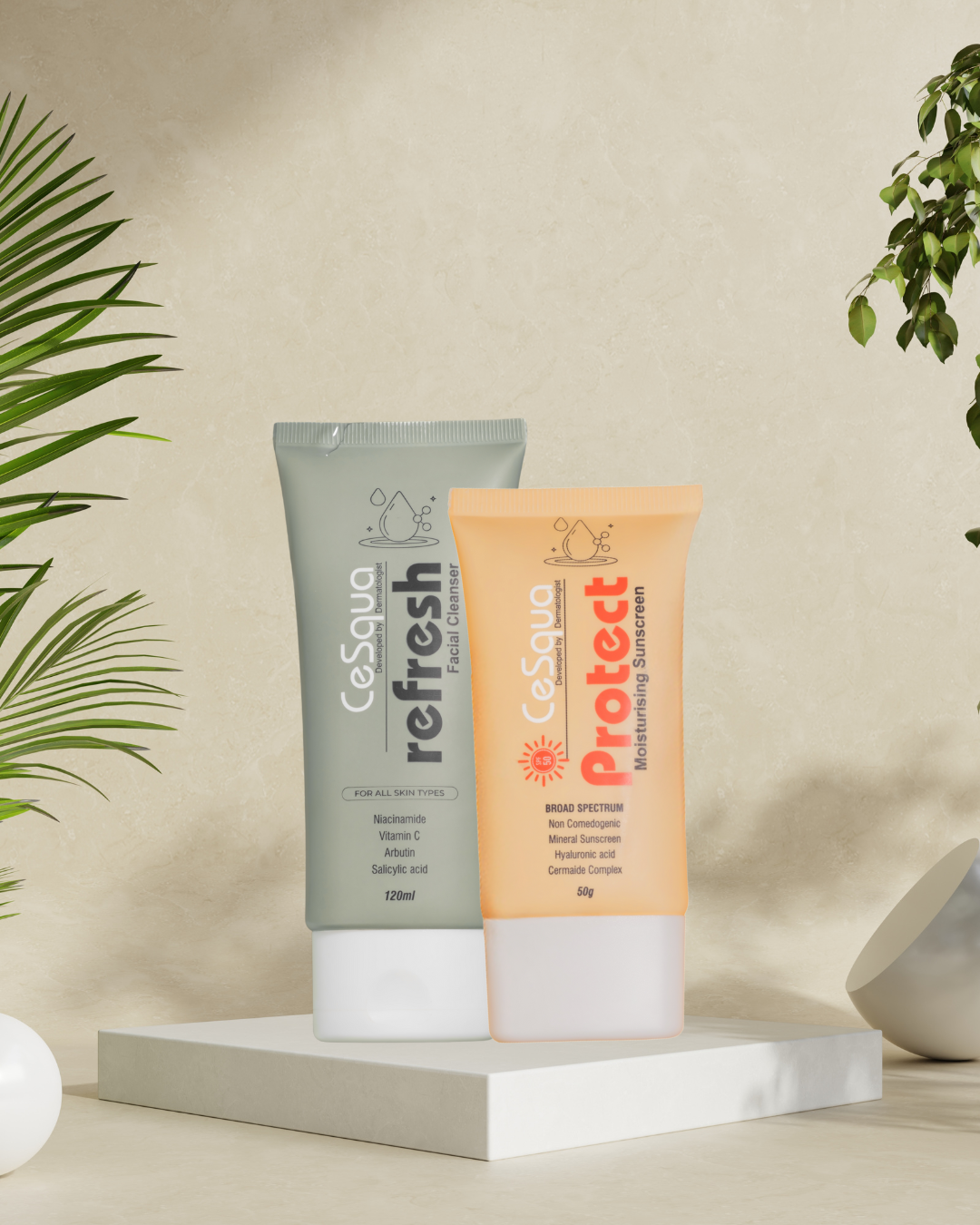
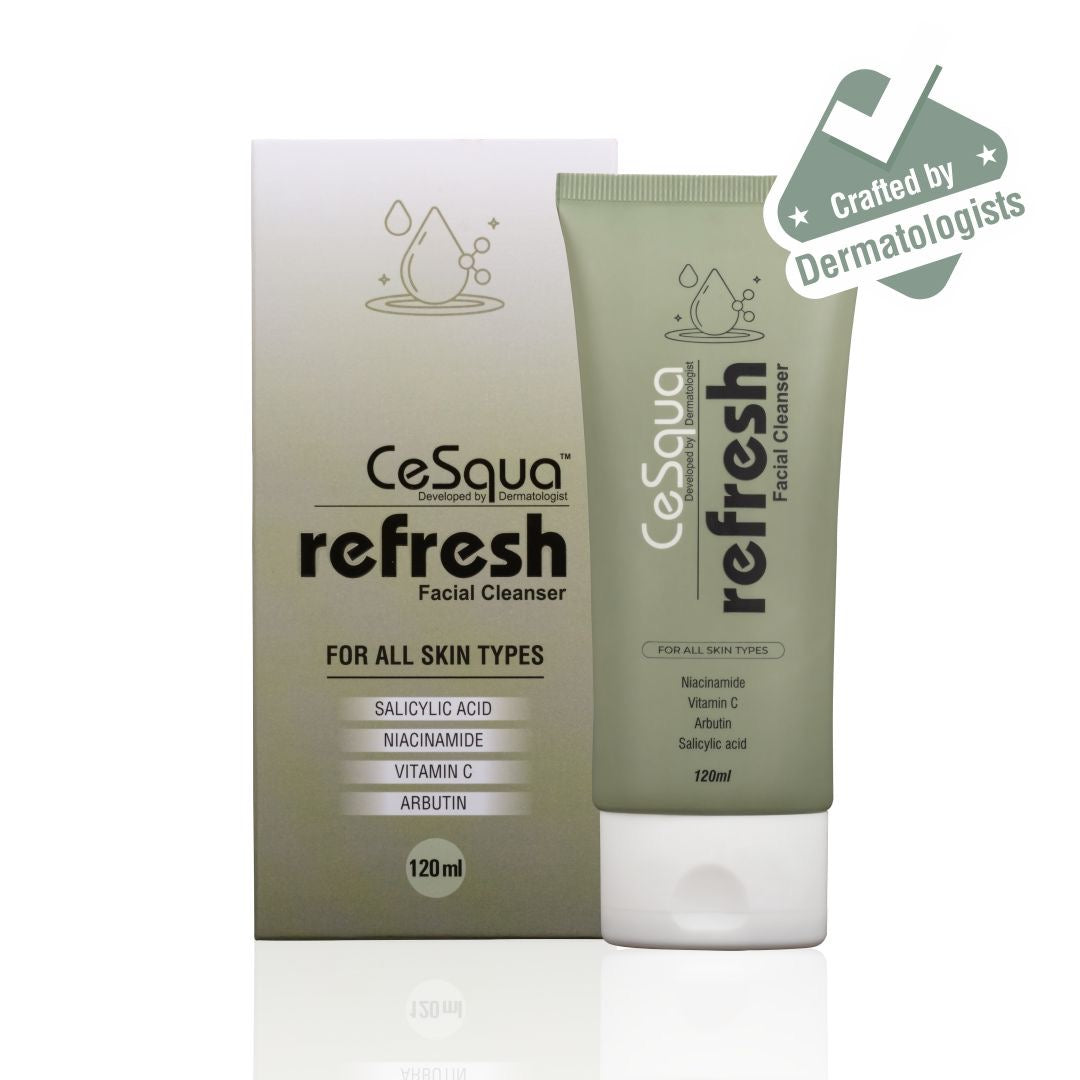
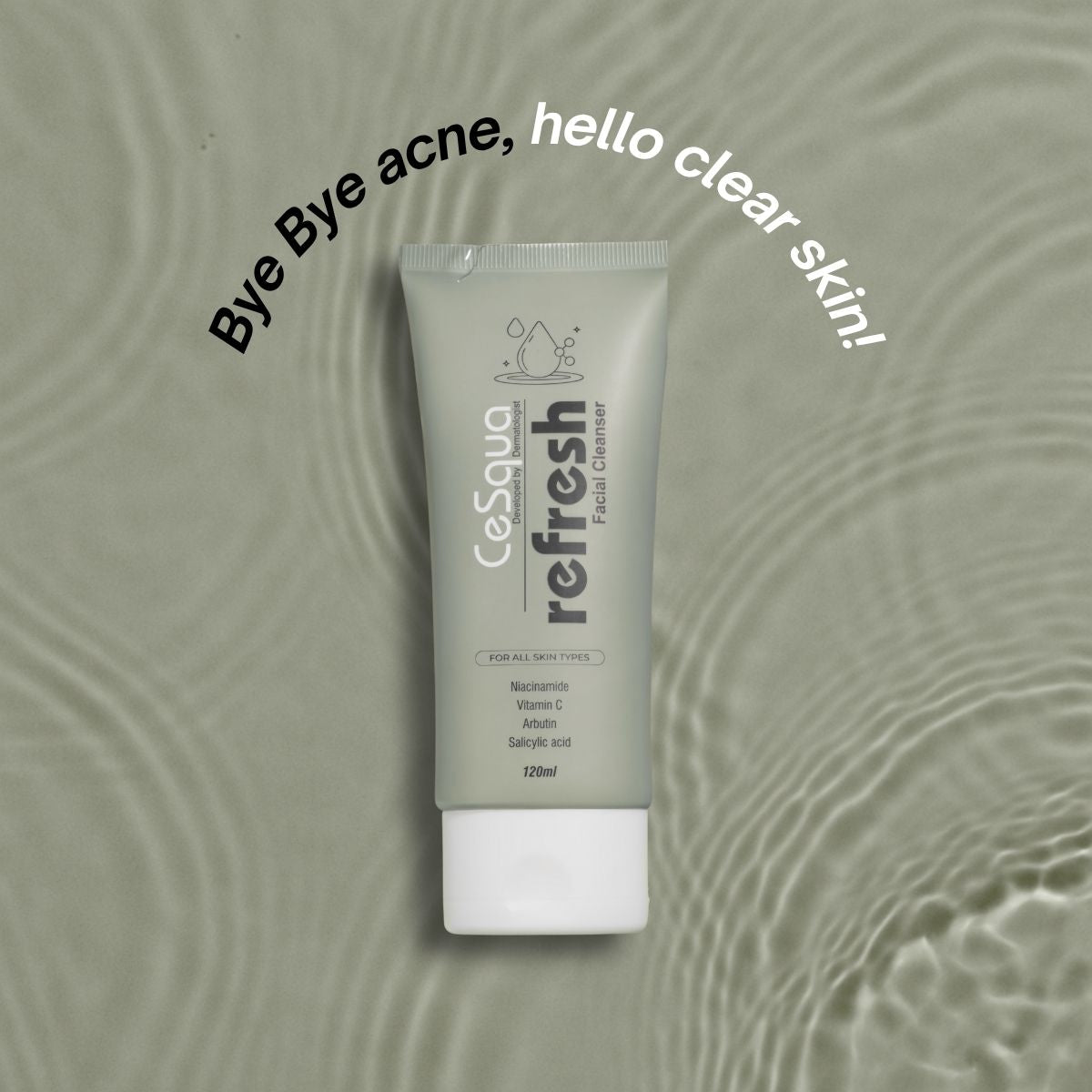
Use a mild face wash designed for all skin types and free of sulfates, parabens, or aggressive fragrances. CeSqua’s Refresh Facial Cleanser is a leading example: it includes skin-rebalancing niacinamide, acne-fighting salicylic acid, and brightening alpha arbutin, making it suitable for sensitive, oily, and acne-prone skin. This formula helps remove impurities while keeping the barrier safe, and is intended for twice-daily use. CeSqua recommends gentle cleansing—do not overwash or use hot water, as both amplify dryness.
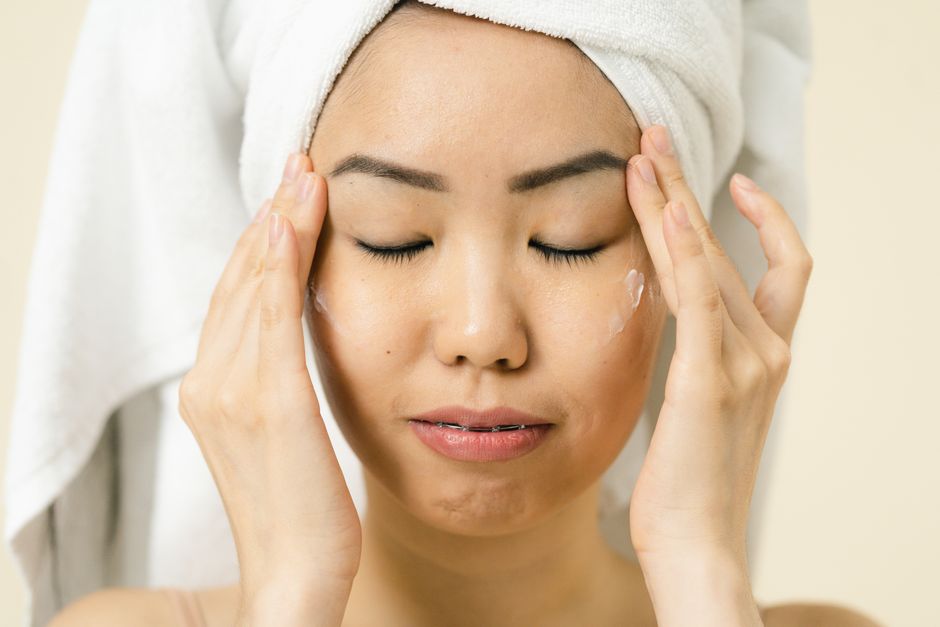
Step 2: Hydrate Immediately After Cleansing
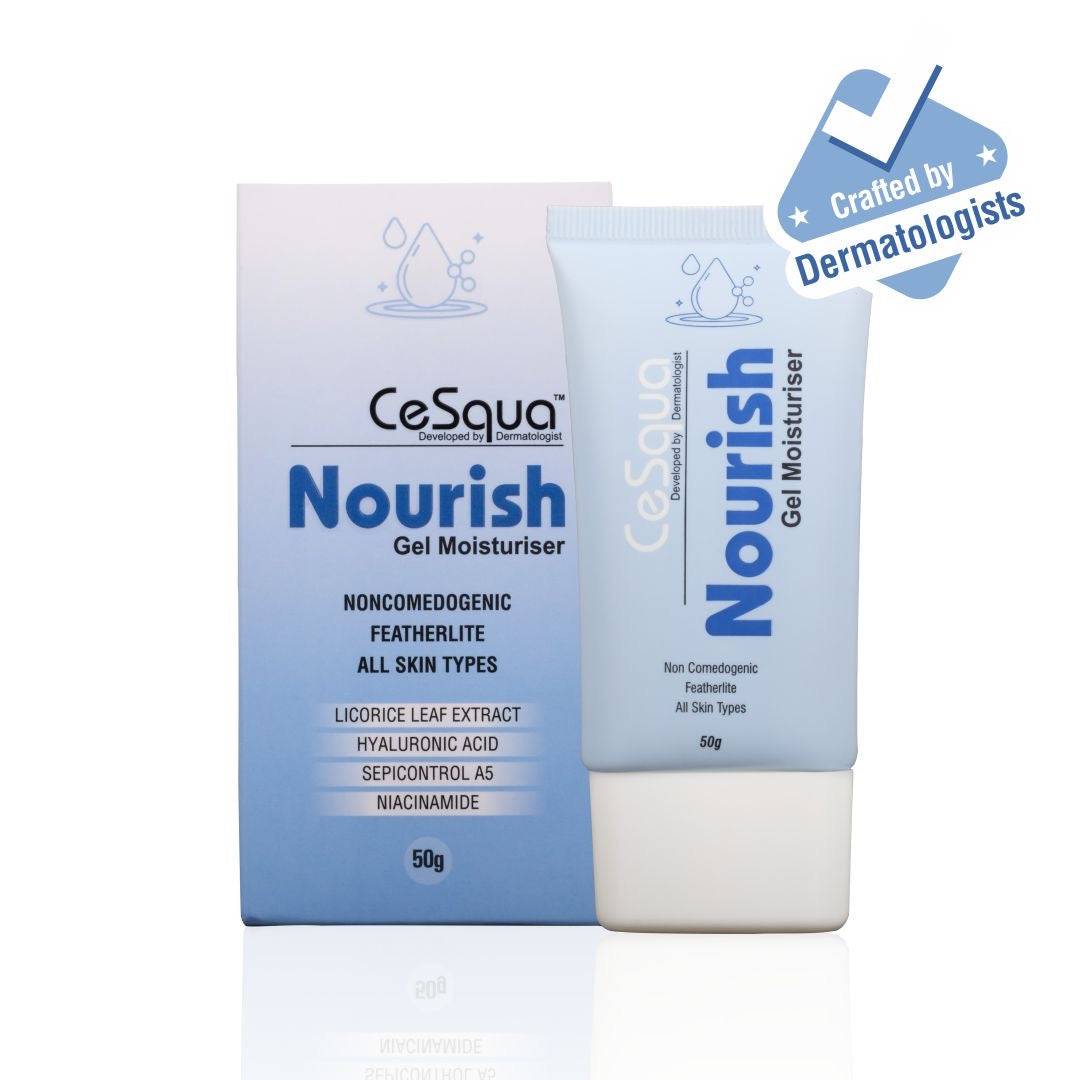
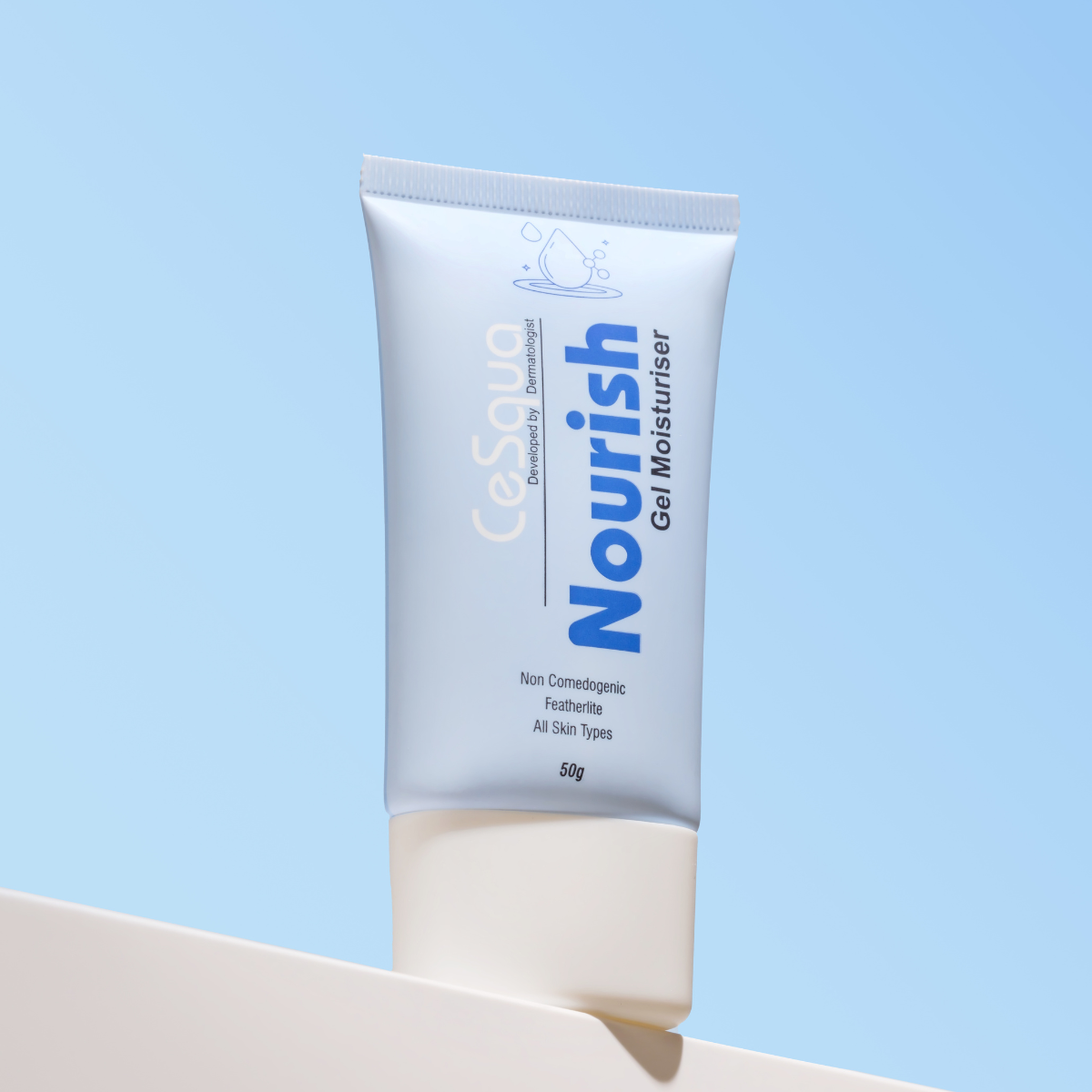
Apply your moisturizer within one to two minutes after washing. This timing locks in residual water and helps reinforce the barrier, especially after exposure to hard water. The Nourish Gel Moisturiser from CeSqua delivers light yet intensive hydration with hyaluronic acid, ceramides, glycerin, and panthenol, plus calming botanicals like chamomile and licorice extract. These ingredients work together to attract and retain moisture, soothe irritation, and make your skin feel instantly comfortable.
Step 3: Protect Every Morning
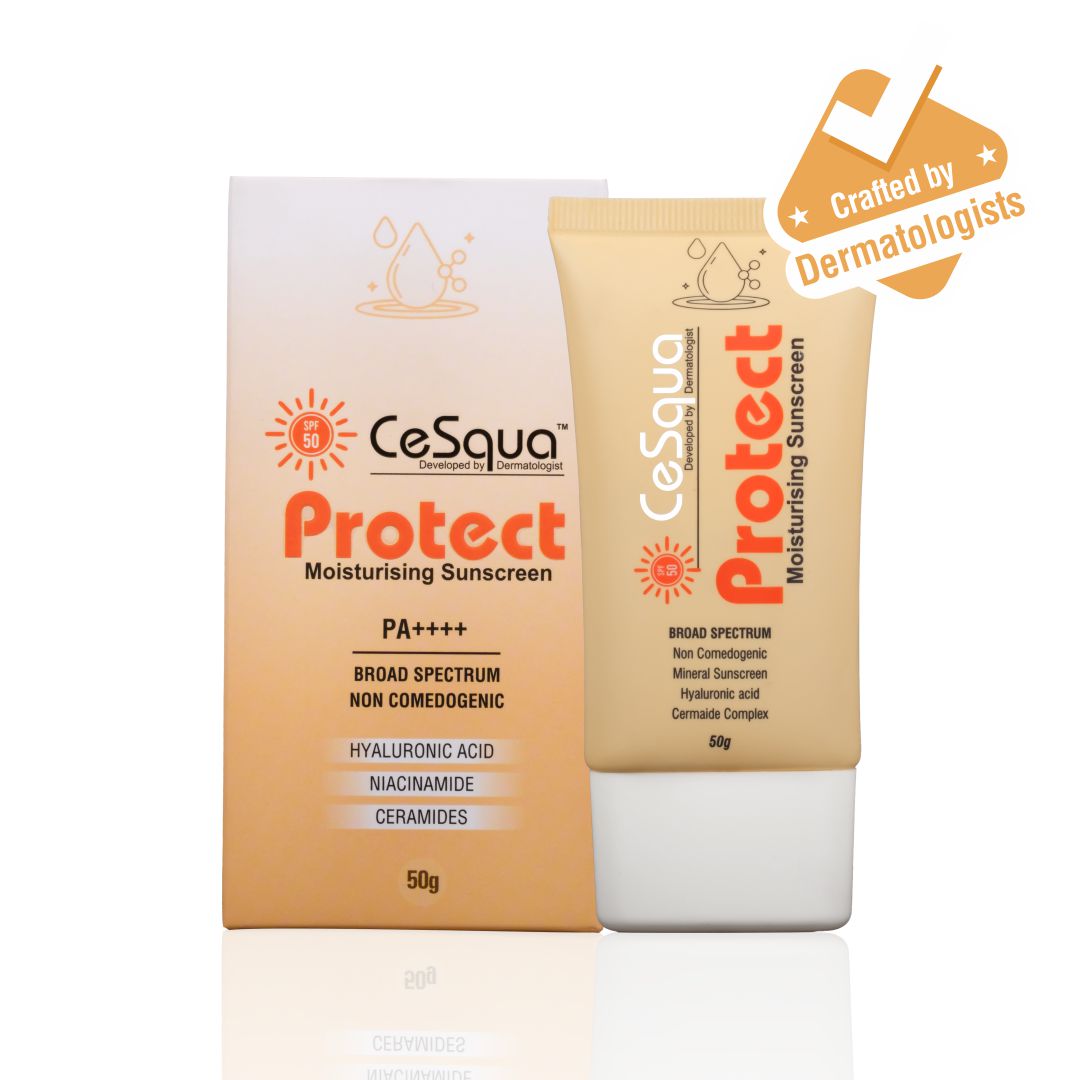
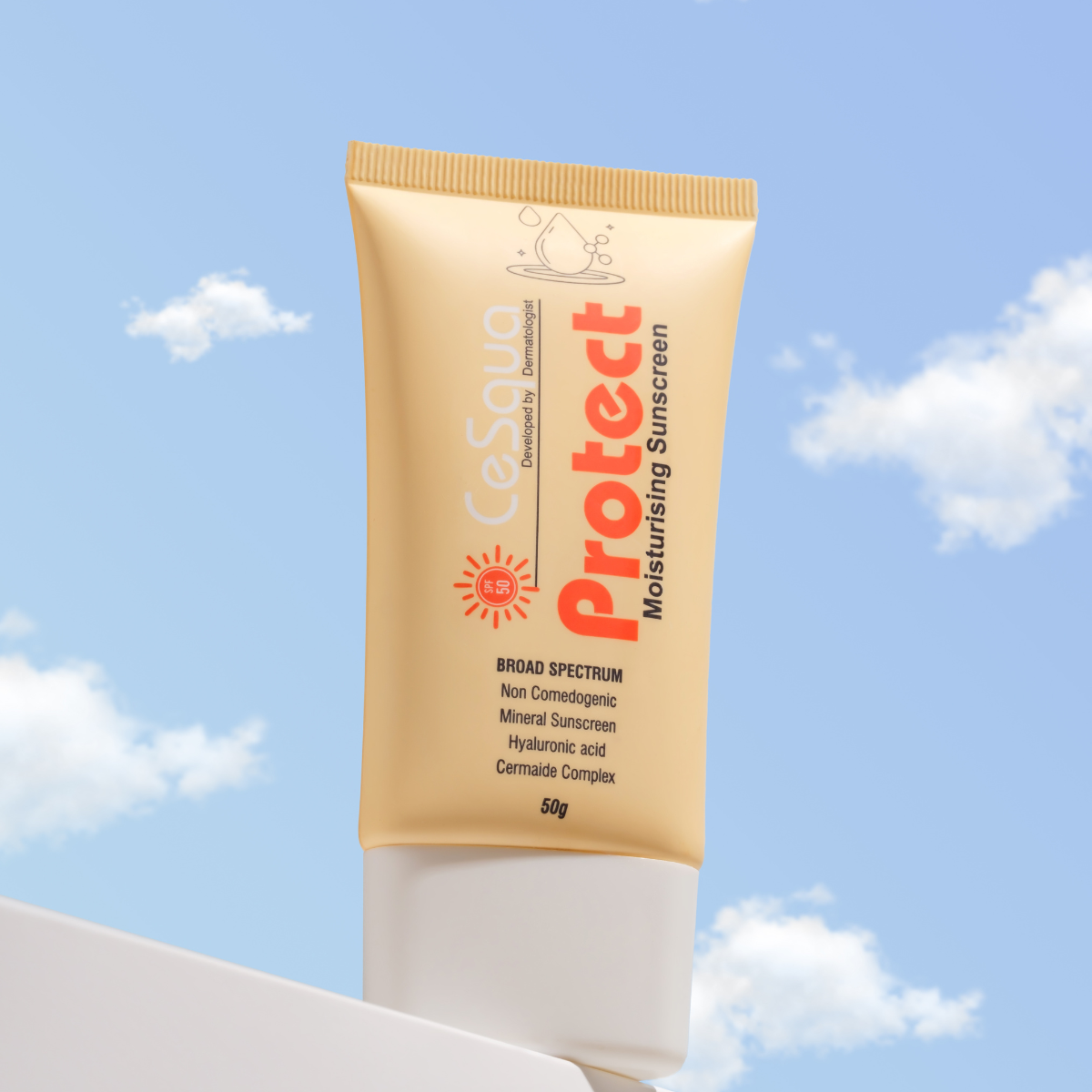
Daily sunscreen is vital, even if your skin feels dry. Sun exposure further weakens a compromised barrier and increases sensitivity. Protect Moisturising Sunscreen from CeSqua is formulated to meet these needs: it is broad-spectrum, water-resistant, oil-free, fragrance-free, and suitable for sensitive or acne-prone skin. It layers perfectly beneath makeup and suits every skin type for daily protection.
What Should You Change Right Away if You Suspect Hard Water?
- Switch to gentle, sulphate- and fragrance-free cleansers—skip aggressive scrubs and strong actives until your skin calms
- Wash your face with lukewarm water, not hot
- Pat your face dry gently and apply moisturizer promptly
- Never skip morning sunscreen (even on cloudy days)
- Minimize layering of multiple strong serums/actives if your skin stings or flakes
- Patch test any new products, especially if prone to eczema or rosacea
The CeSqua 3-step system is especially suited for keeping the skincare process efficient and barrier-centric.
Simple Morning and Night Routine for Hard Water Skin
Morning:
- Cleanse gently (fast, with lukewarm water)
- Apply a barrier-repairing moisturizer within minutes
- Finish with broad-spectrum sunscreen
Night:
- Repeat gentle cleanse to remove sunscreen and dirt
- Use the same moisturizer while skin is still slightly damp
- Avoid harsh exfoliants or actives until the skin is calm
This routine helps your skin stay strong and comfortable, even in persistent hard water conditions. For more details on barrier-supportive routines, see our post on barrier repair and healthy skin.
When to See a Dermatologist
Persistent dryness, redness, itching, or breakouts (lasting more than two to four weeks) despite following a gentle routine may signal a skin condition like eczema, dermatitis, or ongoing barrier disruption. Consulting a dermatologist is advised if you notice burning, crackling, or worsening inflammation. CeSqua advocates professional guidance in these cases and stands ready to streamline recommendations for maintenance and recovery.
Best Practices for Healthy Skin in Hard Water Areas
- Use a minimal, consistent skincare routine to avoid overloading the skin
- Stick with gentle, non-irritating products. CeSqua products are developed with this principle at their core
- Consider a shower filter if your water is extremely hard
- Moisturize immediately post-cleansing, before evaporation starts
- Always include sunscreen in your morning routine
- Be patient. Skin barrier repair can take several weeks of disciplined care
Frequently Asked Questions
How do I know if my water is hard?
Common signs include soap not lathering well, white scale on taps, and persistent tightness or dryness after washing your face. Skin improvement when using bottled or filtered water also points towards hard water as the culprit.
Can hard water make acne or eczema worse?
Yes, hard water can aggravate existing skin conditions by increasing irritation and worsening barrier function. This can create a cycle of flares, especially for sensitive skin types.
What is the best cleanser for hard water areas?
Choose a gentle, sulphate-free, and fragrance-light cleanser. Products such as CeSqua’s Refresh Facial Cleanser are formulated for sensitive and barrier-compromised skin in diverse water conditions.
Should I use different moisturizers in hard water?
Hydrating, barrier-supportive moisturizers work best—look for ones rich in ceramides, hyaluronic acid, and calming ingredients, as found in CeSqua’s Nourish Gel Moisturiser.
How quickly will my skin improve?
Skin can feel more comfortable within days when following a simple, gentle routine, but visible improvements in barrier strength, smoothness, and hydration usually become noticeable after 2–4 weeks of consistent care.
Do I need a water softener or filter?
Filters can reduce hard water’s impact, but if unavailable, a streamlined skincare routine as recommended by CeSqua offers practical, accessible support for most people.
Conclusion: Clear, Comfortable Skin Is Possible—Even With Hard Water
Hard water can strip your skin of essential moisture, but with prompt recognition and a barrier-strengthening routine, your skin can regain its healthy look and feel. CeSqua’s evidence-driven, three-step regimen (cleanse, hydrate, protect) provides a clear path for anyone struggling with dryness or irritation linked to hard water.
For daily support and more expert tips on barrier health, hydration, and minimalist routines, explore CeSqua’s dermatologist-backed resources and product solutions at cesqua.in.