


As we reflect on everything that defined skincare in 2025, it’s clear we have collectively entered a period that prizes substance over spectacle. With shifting priorities, many of us (and our clients) finally demanded routines that truly delivered—not just for one skin type or one season, but for real people, every day. Here at CeSqua, founded by a dermatologist precisely because of this overwhelm, we've witnessed first-hand why skinimalism, barrier-first care, and science-backed transparency weren't just passing moments, but the most significant shift in how we care for our skin. If, like us, you’re hungry for clarity on what genuinely worked—and want honest guidance about what you should keep or quit in 2026—this is your honest, expert-backed recap.
Skinimalism Took Over: Less is Really More
The single biggest (and most welcome) shake-up was the mass movement away from maximalist, multi-step routines. For years, treating your face like a laboratory counter seemed fashionable. But in 2025, exhaustion—not just from the sheer expense, but from mounting irritation and zero long-term results—finally tipped the scales.
- Streamlined routines are more sustainable for your skin and schedule. Throughout 2025, so many found that sticking to three or four multifunctional products on a daily basis kept their skin calmer, clearer, and happier.
- Dermatologists validated the shift. At CeSqua, we heard more questions about “What can I skip?” than “What should I add?” And the answer, almost always: You can cut back, as long as you’re using essentials that work.
- Eco-consciousness played a role too, with consumers seeking less packaging and fewer wasteful, “just-in-case” purchases.
We’ve discussed similar approaches in our guide to minimalist skincare routines. The core truth across all of these experiences: sticking to essentials like gentle cleansers, real hydrators, and daily protection delivers the most consistent, glowing results.

The Barrier-First Philosophy: The Real Secret to Healthy Skin
What truly separated passing trends from lasting change this year was the unwavering focus on our skin’s barrier. Instead of chasing quick fixes, the industry realized (and so did we!) that supporting this invisible shield was the secret to long-term clarity, resilience, and glow.
- Barrier support replaced “anti-aging” hype. Instead of layering every acid or retinol, 2025 clients returned to products built around key ingredients like ceramides, panthenol, and niacinamide—all of which repair, strengthen, and soothe the barrier.
- Barrier health protects against modern life, from pollution and sun to blue light and over-cleansing. This thinking shaped our product design at CeSqua—making barrier care the top priority from formula to finish.
We explored in detail why this is foundational in our deep dive on barrier repair. In 2025, more people understood that no “brightening” or “smoothing” effect could stick if you skipped the basics of barrier support.
What Actually Worked: Trends with Staying Power
1. Multitasking Formulas and Ingredient Transparency
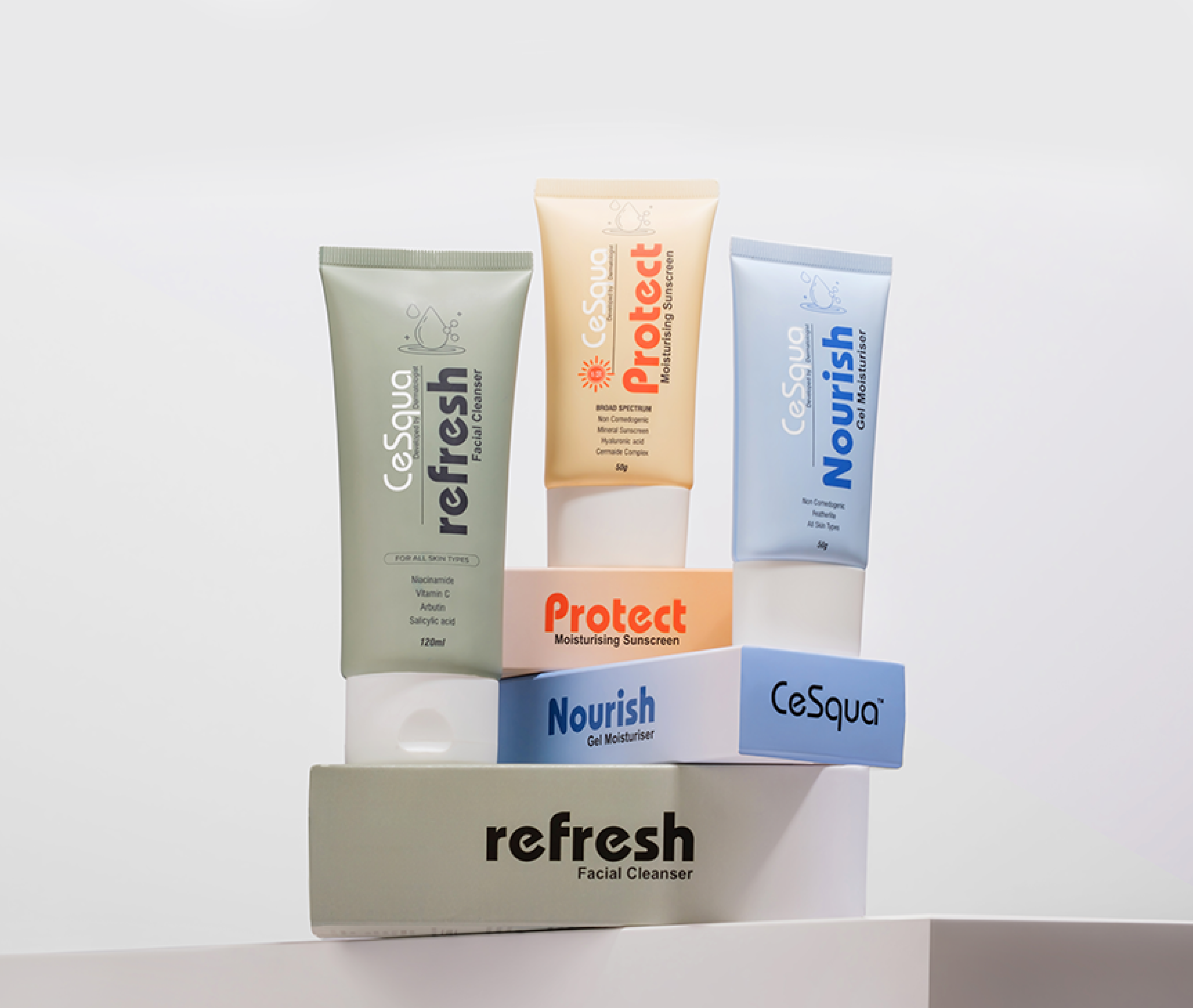
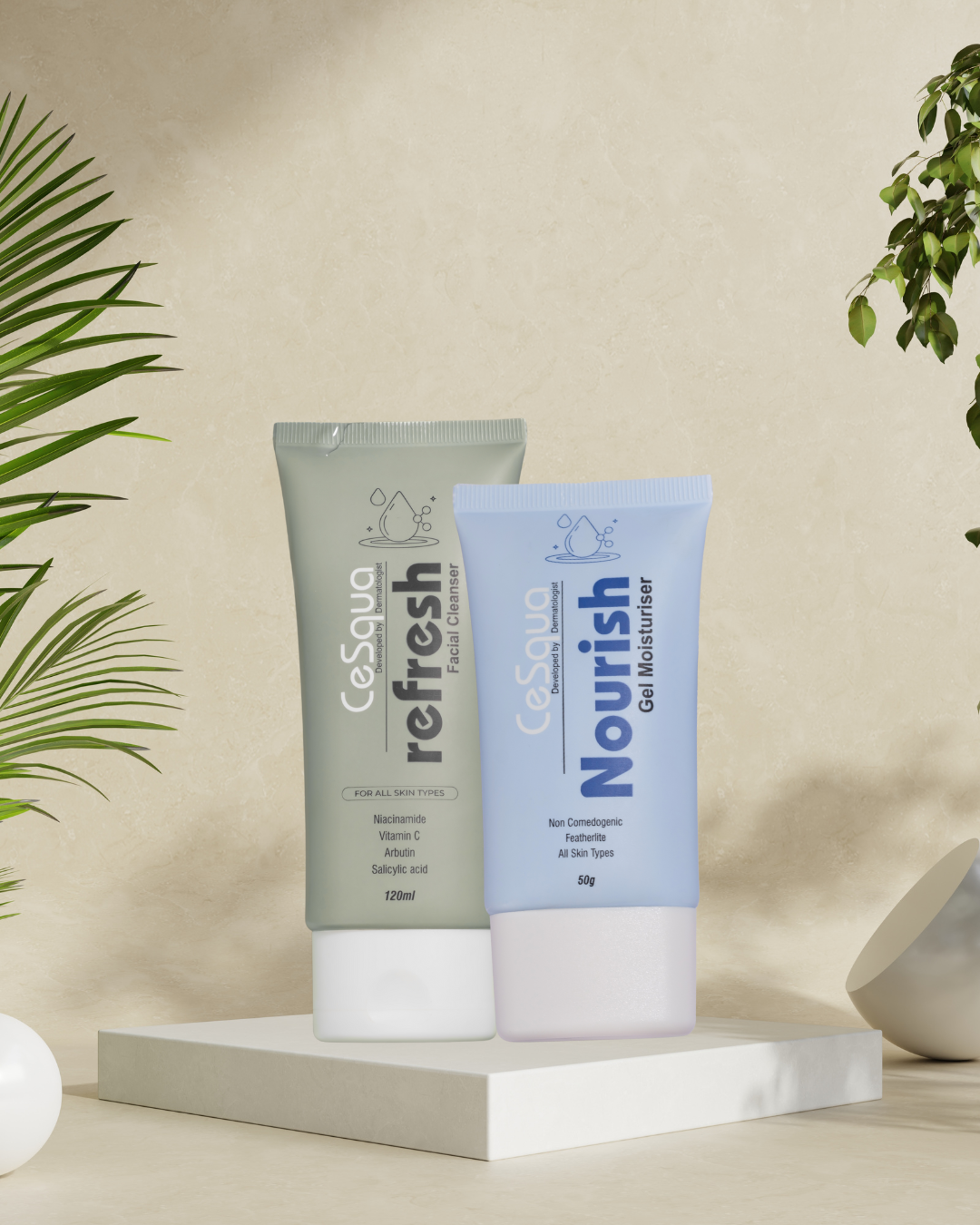
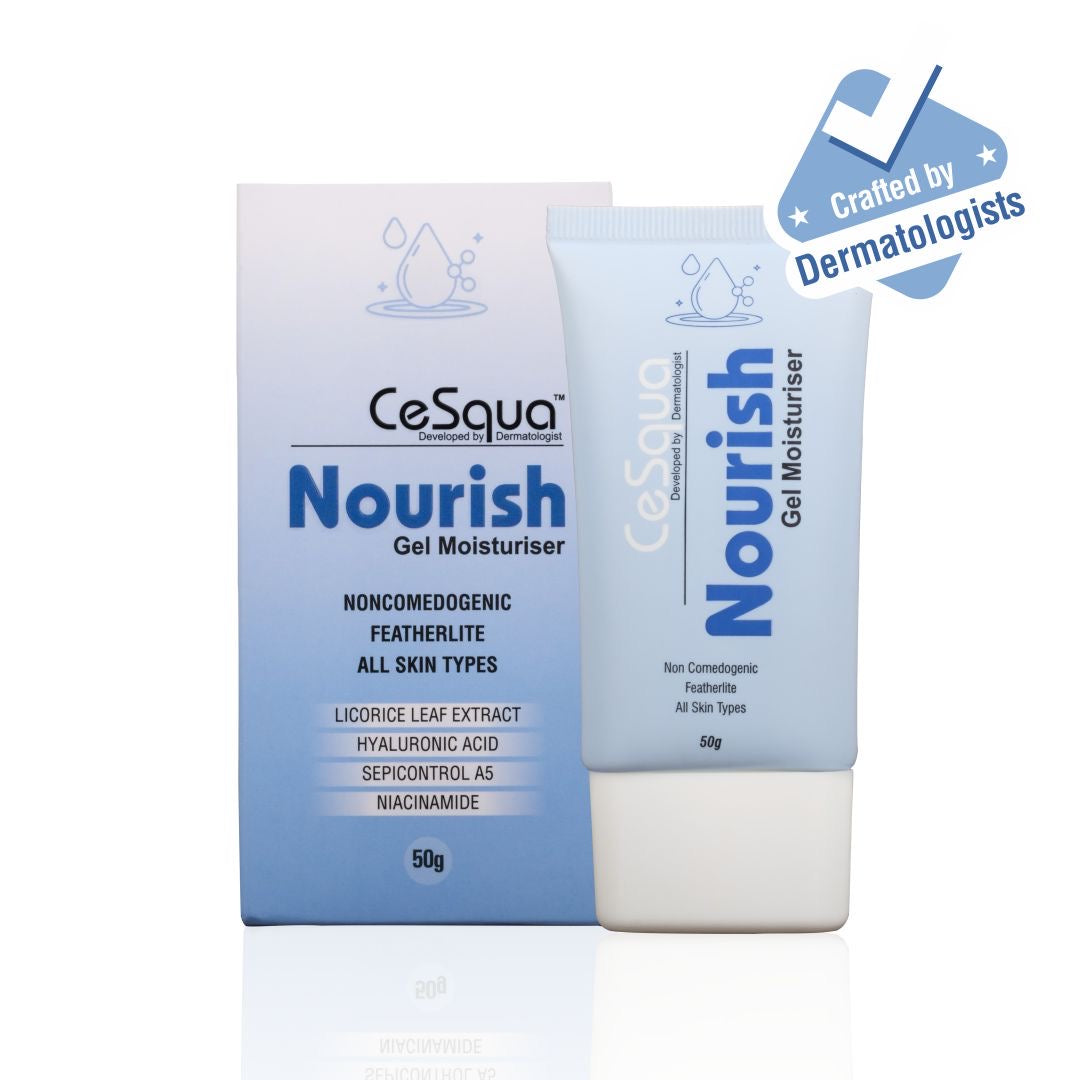
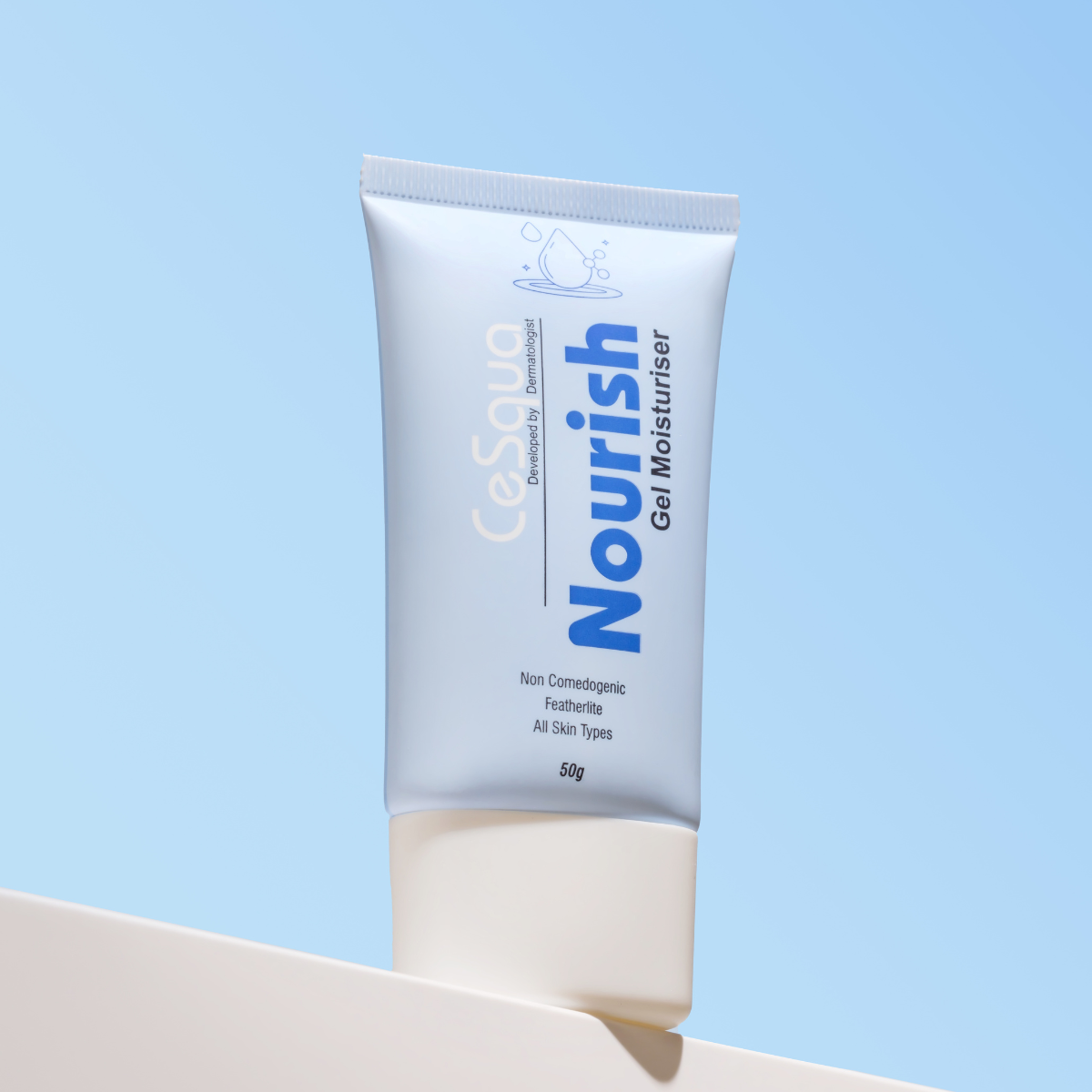
The real winners in 2025 weren’t products with the wildest claims, but those that were honest about ingredient function and truly delivered more than one benefit. Instead of using separate creams for hydration, soothing, and redness, people opted for moisturizers that hydrate, calm, and brighten at once—like our Nourish Gel Moisturiser, which pairs niacinamide, hyaluronic acid, and chamomile extract.
- Transparency replaced jargon. Clear, science-backed explanations of how each ingredient worked (not just “clean” or “free-from” marketing) steadily built trust.
- Multifunctionality reduced errors, such as mixing potentially irritating actives or over-layering. Routines became gentler yet still effective.
For those diving deeper into what really counts in ingredient lists, we wrote about clean beauty and label literacy in India.
2. The Three Essential Steps—Done Well
2025 cemented the supremacy of a simple, three-step routine:
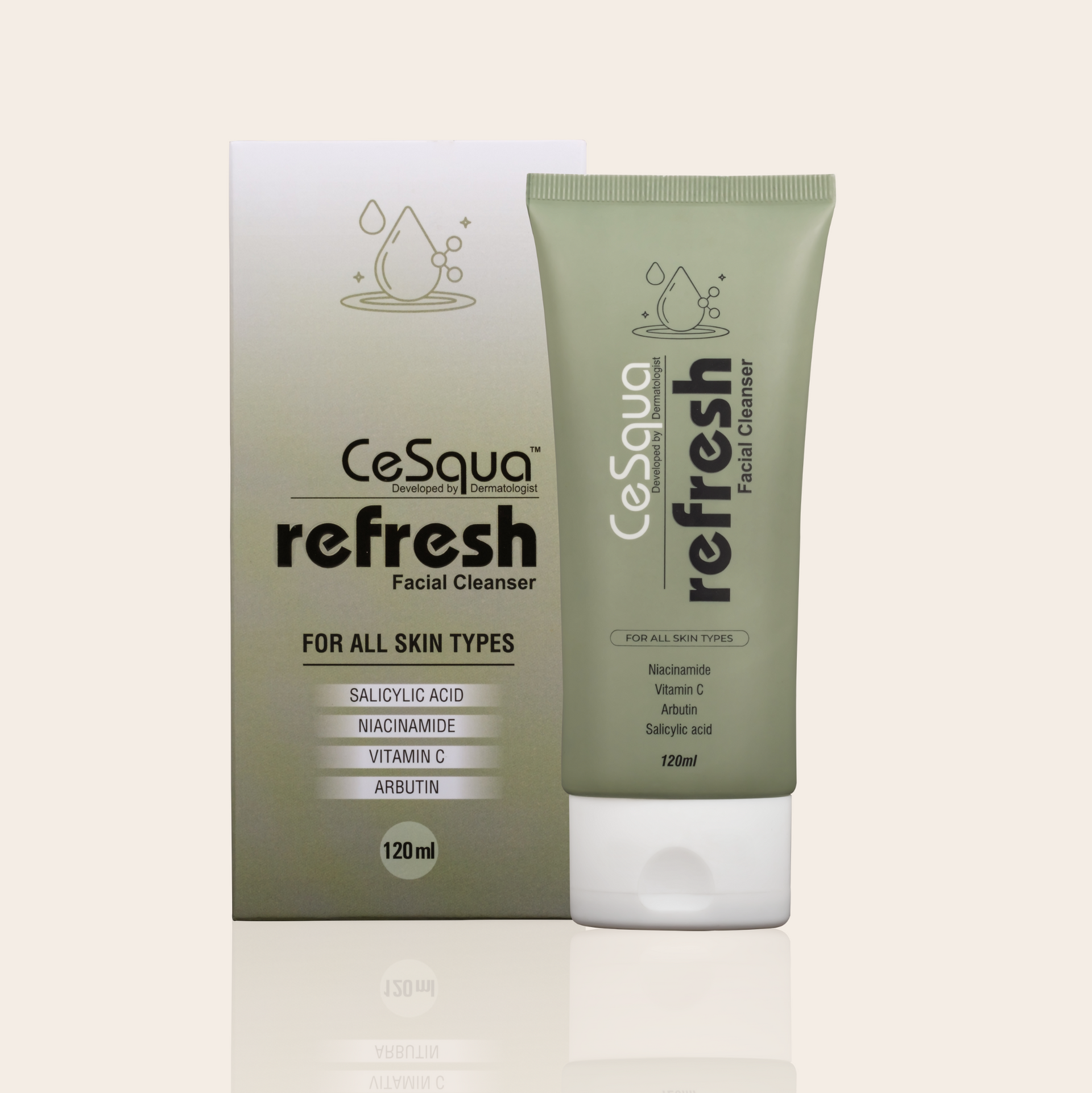
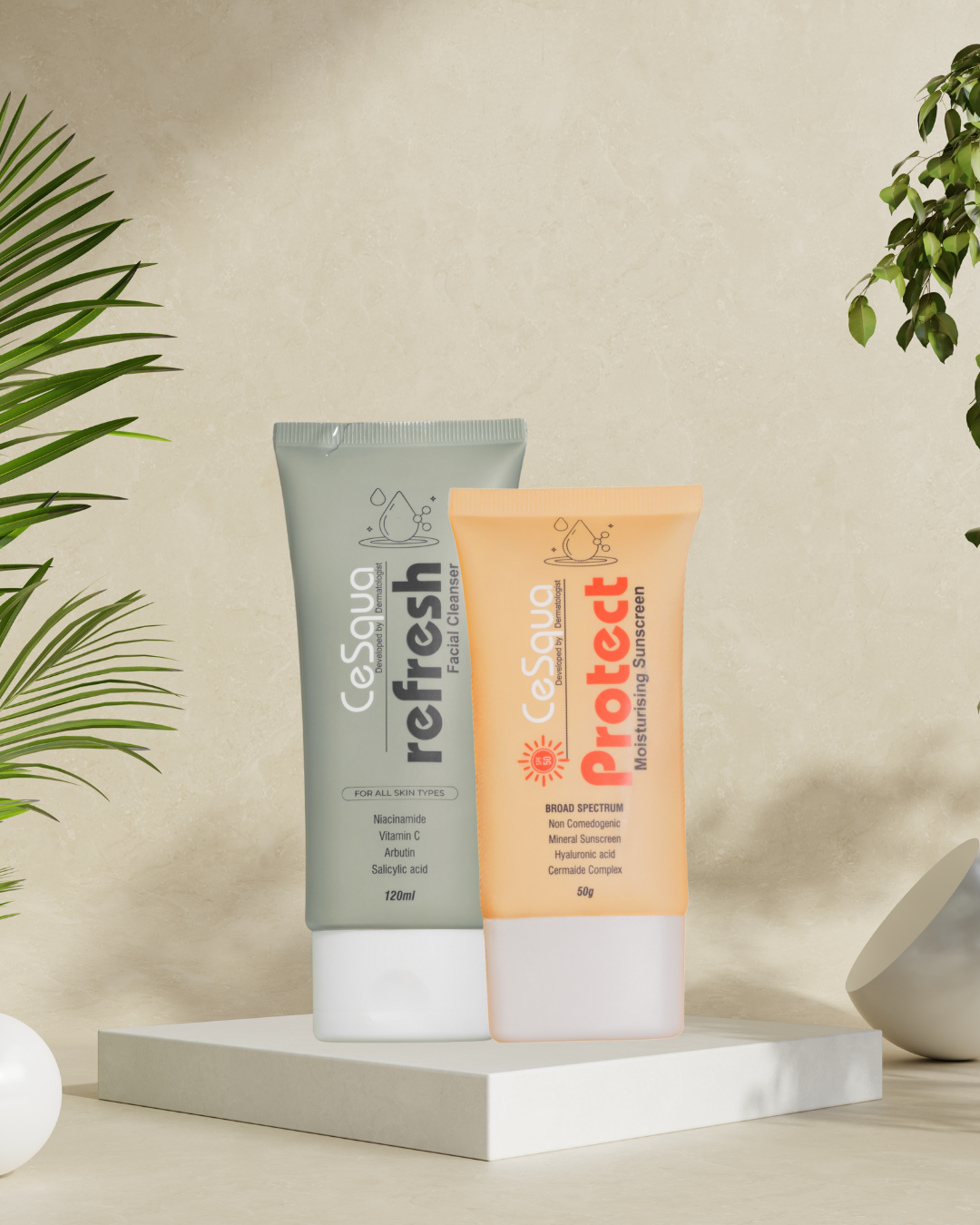
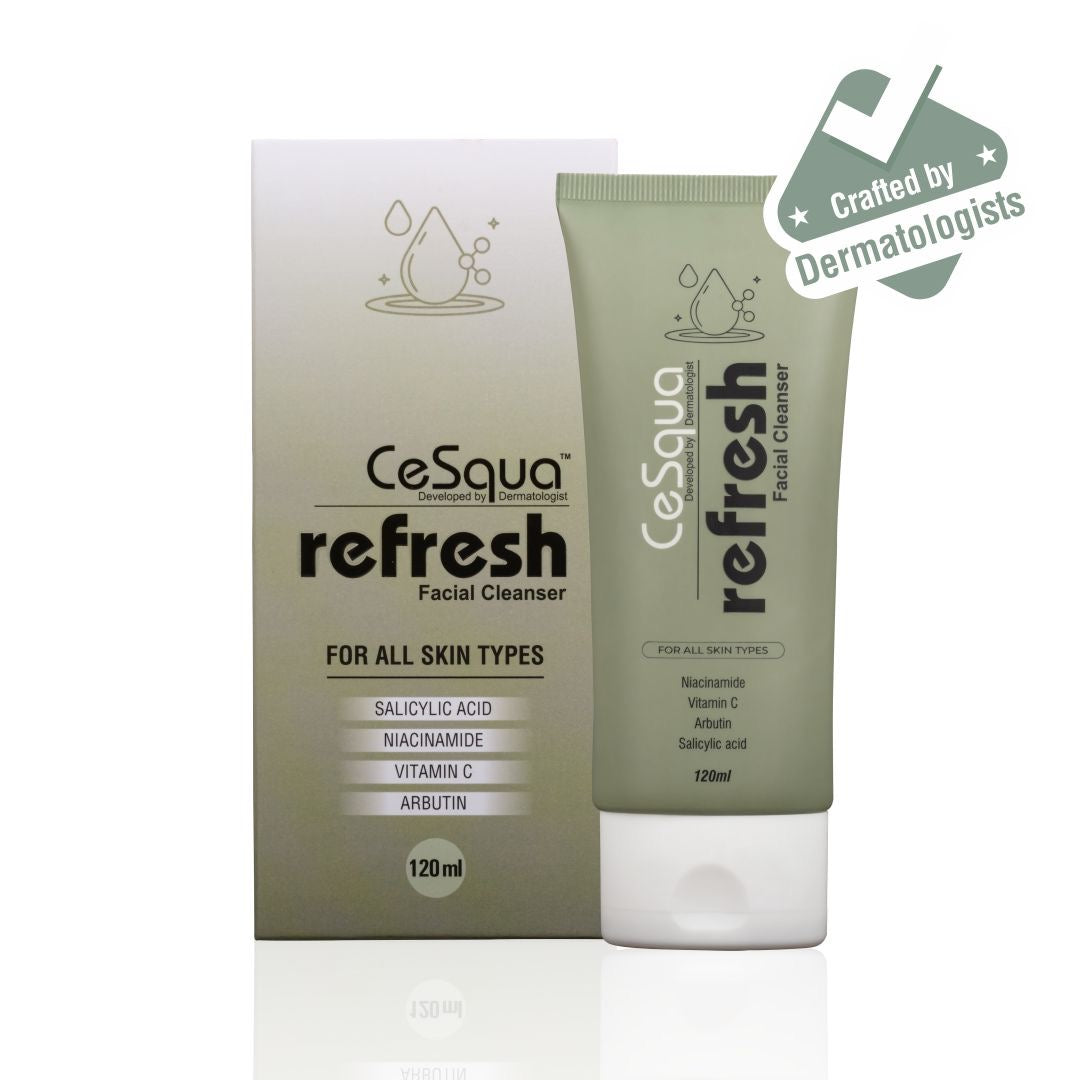
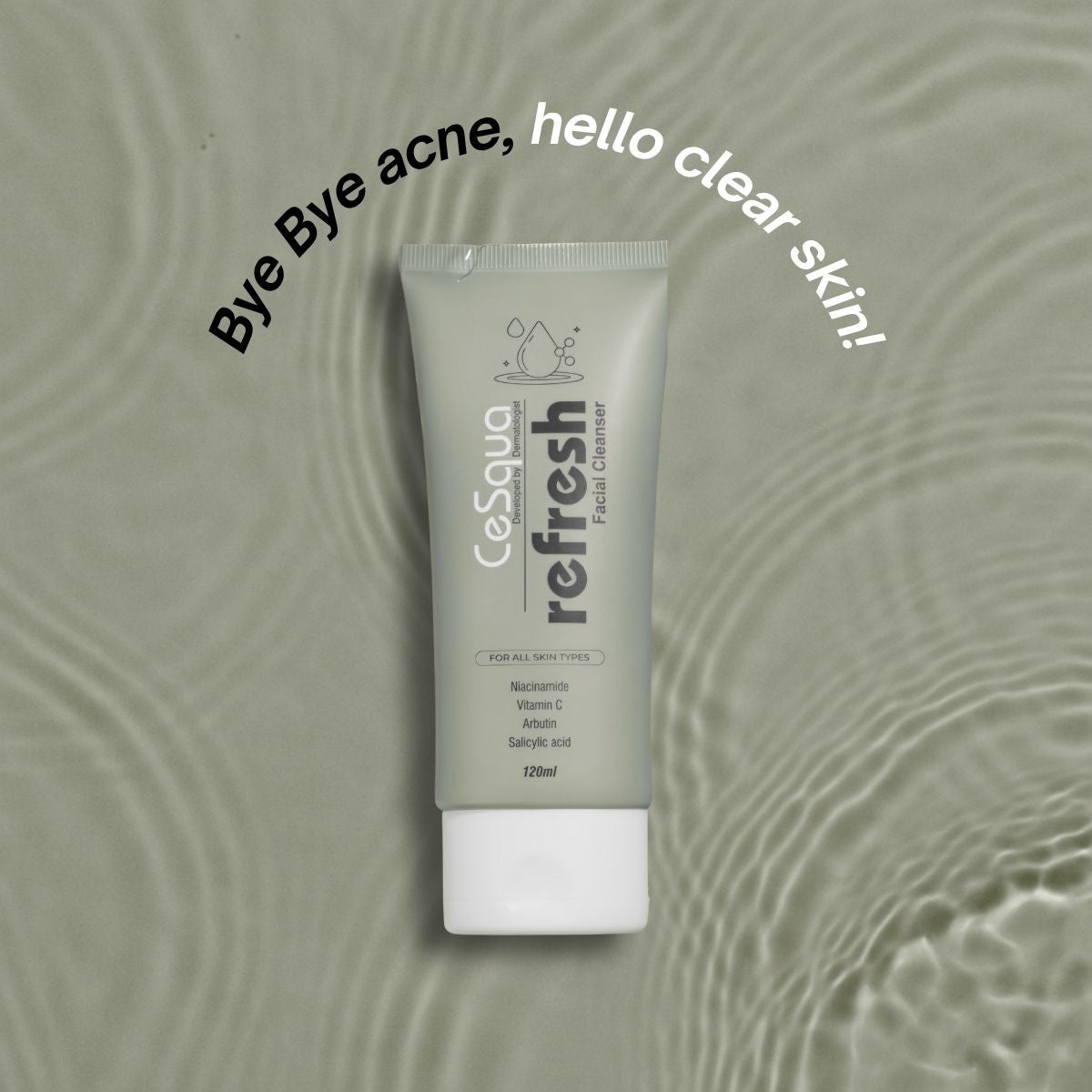
- Cleanse: Gentle formulas that purify without stripping, ideally with barrier-friendly ingredients. For example, our Refresh Facial Cleanser uses salicylic acid, niacinamide, and hyaluronic acid, making it suitable even for sensitive or acne-prone skin.
- Hydrate: Moisturizers with more than just a humectant—think soothing botanicals (like chamomile or licorice), niacinamide, and panthenol.
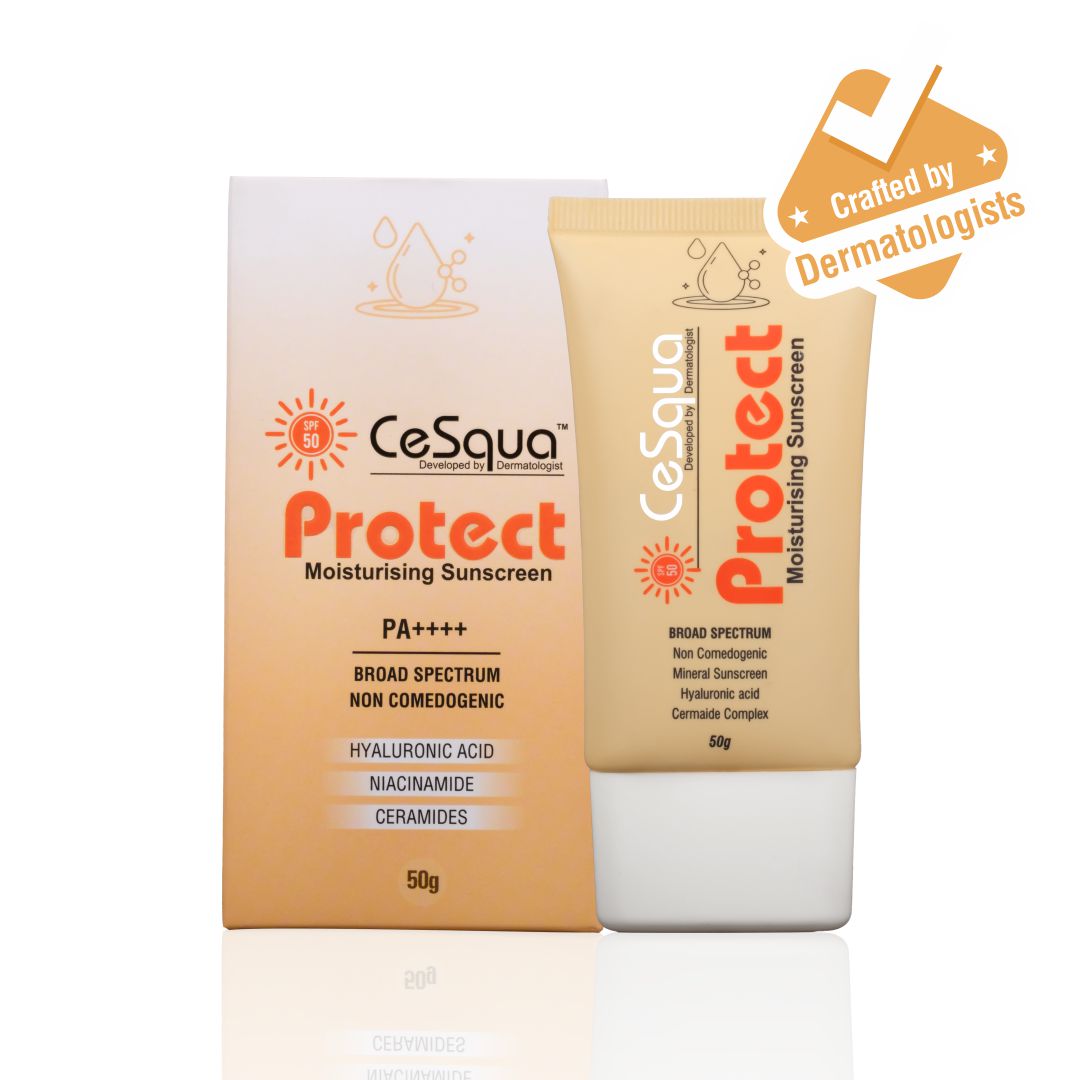
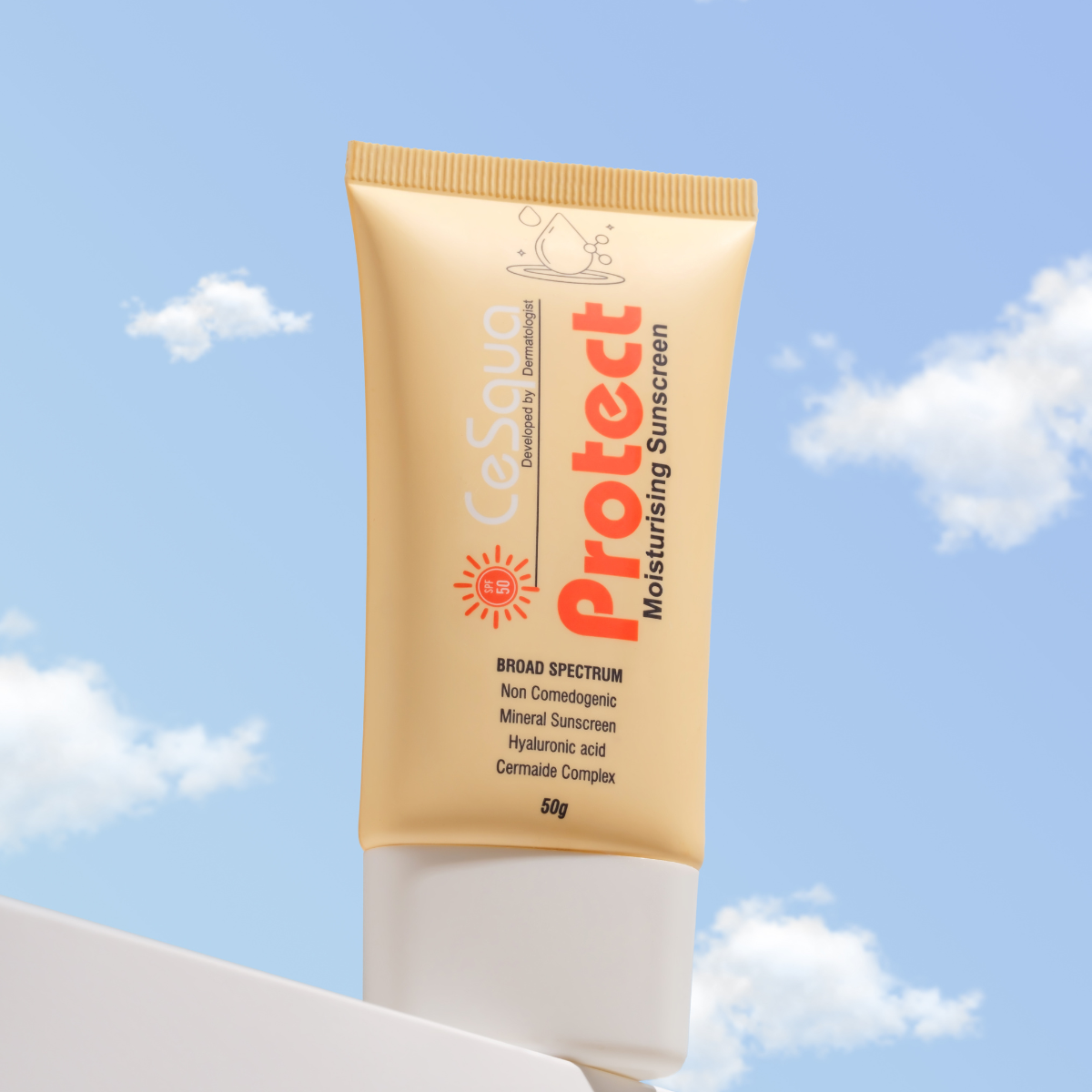
- Protect: Daily sunscreen that guards not just against UV, but also blue light and urban pollution. The Protect Moisturising Sunscreen achieves this while offering lightweight, non-greasy protection (with no harsh fragrance and safe options even for around the eyes).
This formula wasn't only simple, it was sticky. Fewer steps meant better compliance—and better skin. We have a dedicated breakdown in why this minimalism works so well.
3. Barrier-Boosting Ingredients Reigned Supreme
- Ceramides provided that crucial seal, locking in moisture and guarding against external stress. These appeared in a wide array of cleansers and moisturizers—no longer just specialty creams.
- Niacinamide emerged as a true multitasker: tackling uneven skin tone, strengthening the skin’s barrier, and reducing sensitivity. In 2025, we found nearly every effective formula featuring clinically relevant percentages of niacinamide for tangible improvements.
- Hyaluronic Acid and Panthenol were the top choices for sustained hydration and elasticity, particularly important as we faced increasingly varied weather and environmental challenges.
Want an in-depth comparison of these hydration heroes? See our long-form comparison Ceramides vs. Hyaluronic Acid.
4. Gentle Exfoliation—Not Over-Exfoliation
The previous era’s obsession with scrubs and potent acids faded. Instead, skin-friendly acids like salicylic (BHA) and select AHAs became popular for their ability to clear pores and smooth texture, minus the barrier damage. Our clients noted clearer skin with minimal irritation, just by swapping physical exfoliants for chemical ones in a mild formula. For more on why this works, see how to pick the right cleanser for your skin type.
5. Sun and Pollution Defense as Daily Non-Negotiables
Whether due to increased environmental awareness or simply the intense sun in India, SPF isn’t an add-on anymore. The best performers went beyond UV to shield us from blue light and pollutants. Read about proper application in our practical sunscreen guide and why you need SPF even in the Indian winter here.
What Didn’t Work in 2025 (and What to Skip Next Year)
- Complicated, multi-step regimens didn’t survive busy real life or the skin’s tolerance. Most people abandoned routines with more than 4 products, finding their skin calmer with fewer, better-chosen essentials.
- Hyped, unproven ingredients (especially those trending on social media without clinical backing) simply didn’t deliver. Our patients and readers learned to skip “miracle” actives in favor of steady, evidence-based choices.
- Overpromising with dramatic claims—especially “overnight transformations”—eroded trust. At CeSqua, we saw clients respond far better to honest, science-backed timelines for visible changes: expect improvement in 2-4 weeks, not 24 hours.
- Anti-aging marketed as magic faded rapidly. People prioritized protecting their skin’s future (hydration, barrier repair, daily sunscreen) rather than reversing the past with aggressive treatments.
Our experience in the clinic mirrored these trends as well. Dermatologists counseled patients away from “overdoing it,” instead emphasizing the basics for healthier, happier skin.
Our Advice: What to Carry Into 2026
Looking forward, if you ask us what you really need to keep in your routine—here’s what stays:
- Commit to a concise, 3-step regimen that covers cleansing, hydrating, and protecting. Personalize based on your skin’s needs, but keep it simple.
- Prioritize ingredients with consistent evidence: Ceramides, niacinamide, panthenol, hyaluronic acid, and soothing botanicals such as chamomile and aloe vera.
- Stay loyal to your barrier, not trendy actives. If you notice stinging, redness, or flaking, simplify and repair before adding anything new.
- Embrace honest timelines: True transformation takes at least a month of consistent, barrier-safe care. Give your skin (and yourself) grace and time.
- Choose products that are vegan, cruelty-free, and come in recyclable packaging, wherever possible. Every purchase is a vote for a healthier ecosystem, too.
- Keep educating yourself, and don’t be afraid to seek expert guidance—whether it’s through a dermatologist or resources like our blog.
Conclusion: Simplicity, Science, and Self-Care are Here to Stay
If 2025 showed us anything, it’s that we’re ready to put our skin’s health above hype. We’re done with confusion—skincare should feel as effortless as it is effective. The essentials are tried and true: a thoughtful cleanser, a robust but gentle hydrator, and a sunscreen that fits your daily lifestyle (not just holidays or beach days). If you haven’t yet joined the movement toward evidence-backed, minimalist, and barrier-protecting routines, 2026 is your year.
It's a privilege to share what we’ve learned at CeSqua, both from scientific research and your lived experiences. For more in-depth routines, seasonal tweaks, and ingredient breakdowns, explore our latest posts on topics such as doctor-backed hydration tips and the real benefits of niacinamide.
Ready to simplify, strengthen, and see the results yourself? Discover our full range of scientifically designed, consciously crafted routines at CeSqua.