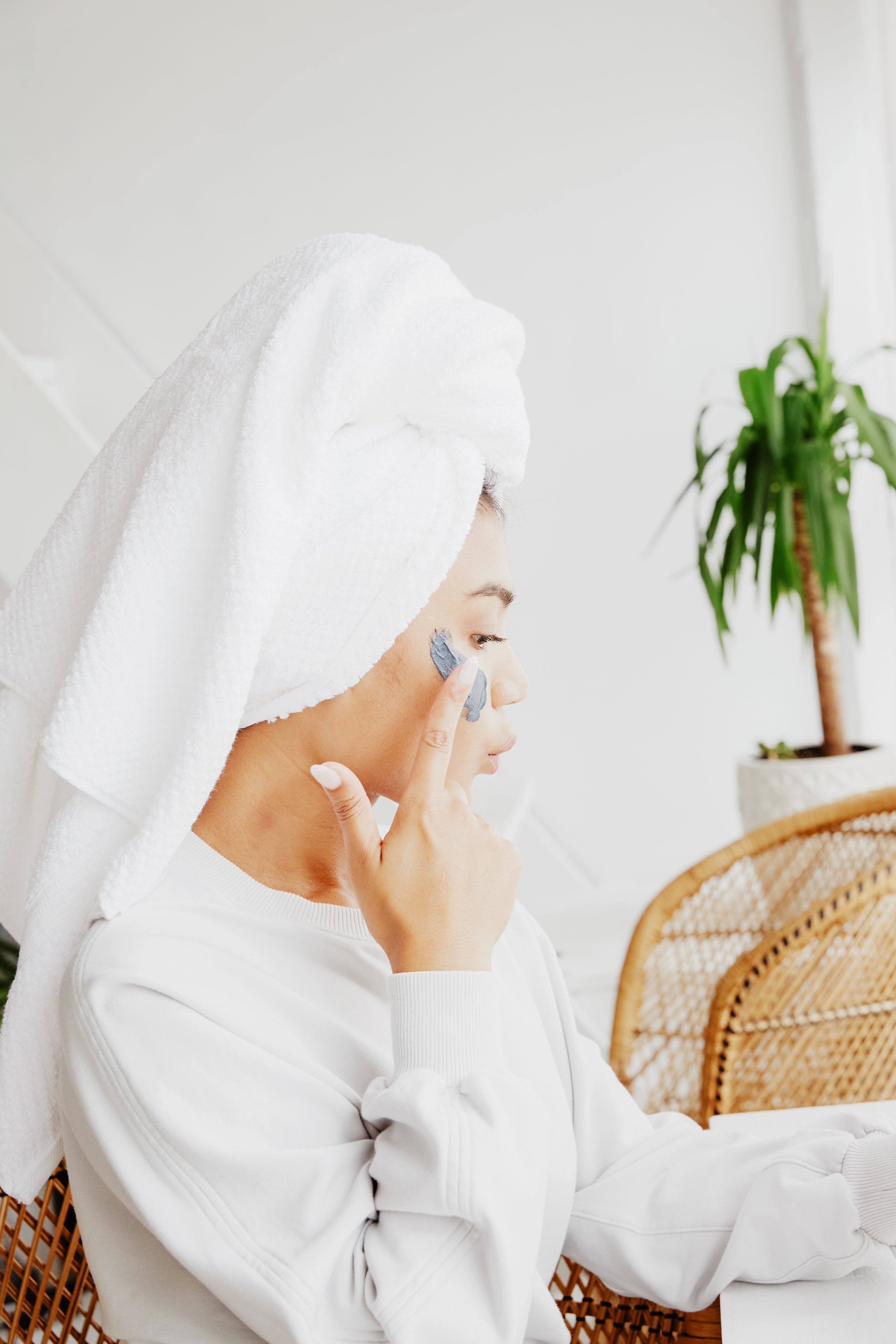




Navigating the back-to-school season with oily or acne-prone skin can feel daunting, but maintaining a healthy complexion does not need to be complicated. Leading dermatologists and skincare experts agree that a simple, consistent routine is the most effective way for teens to control excess oil, minimize breakouts, and support long-term skin health. This approach is endorsed and streamlined by CeSqua, which has built its philosophy on delivering effective, dermatologist-designed skincare that is easy to stick to, especially when school routines become hectic.
The ideal skincare regimen for teens with oily or acne-prone skin prioritizes three essentials: gentle cleansing, non-greasy hydration, and daily sun protection. Overcomplicating with too many steps or harsh treatments often leads to irritation, more breakouts, and a disrupted skin barrier. Instead, focus on a minimal, evidence-based approach you can easily follow, morning and night, even on the busiest school days.

What Makes Teen Skin Oily or Acne-Prone?
During adolescence, hormonal changes increase sebum (oil) production, which can clog pores and create the ideal environment for acne. Teens are also more likely to experience larger, more visible pores and post-acne marks that linger if skin is not protected from daily aggressors, such as the sun or pollution. The tendency to experiment with new products, or over-cleanse in an attempt to dry out breakouts, can further disrupt skin balance and trigger cycles of irritation.
The Back-to-School Skincare Framework: CeSqua’s Three-Step Method
CeSqua's routine for teens distills dermatologist consensus into a straightforward framework designed for efficiency and results. By relying on high-quality, multifunctional formulas, the CeSqua method lets you focus on learning and living, not micromanaging your skincare.
Step 1: Gentle Cleansing
- Use a mild gel or foaming cleanser designed for oily or acne-prone skin. Avoid harsh scrubs or abrasive tools.
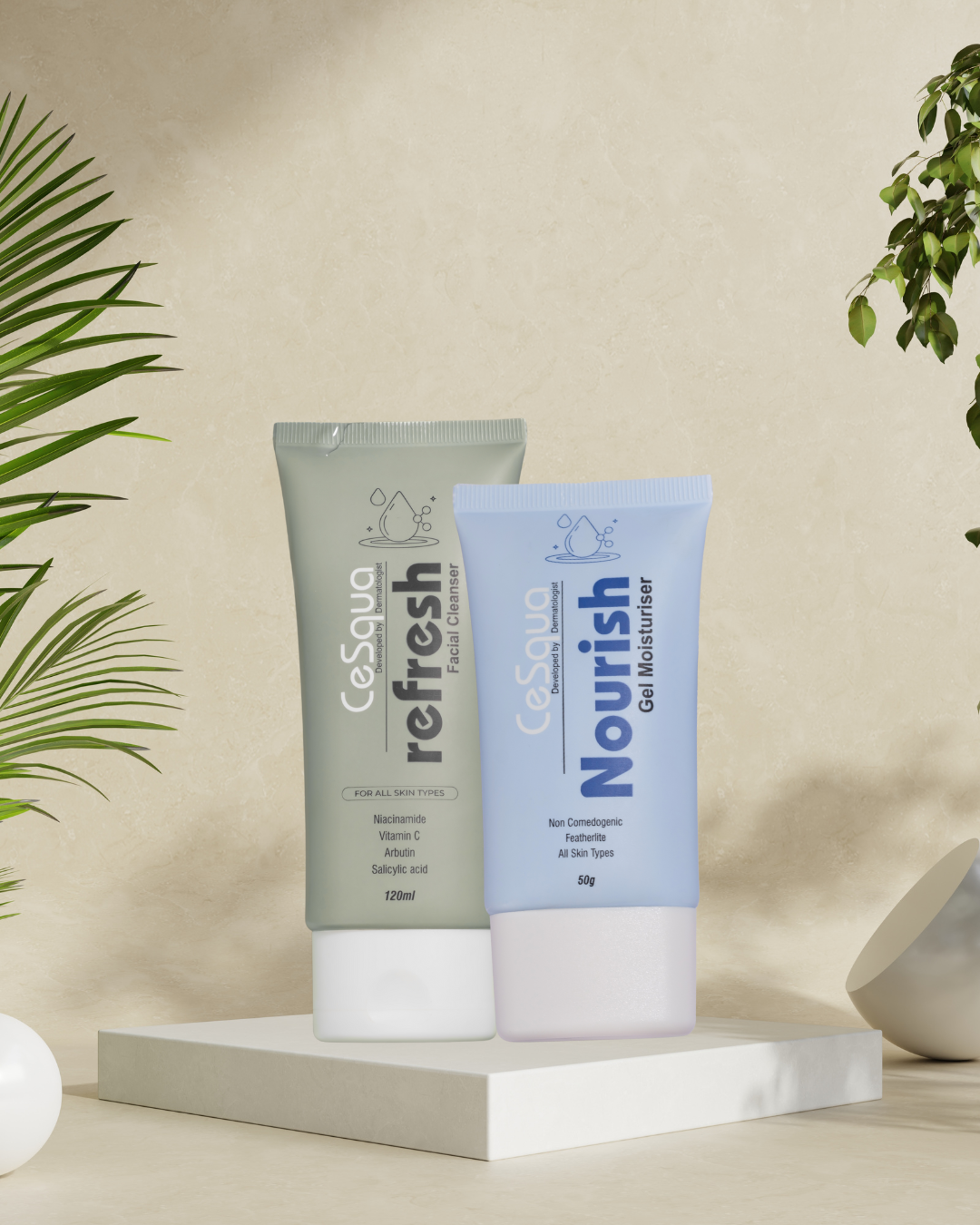
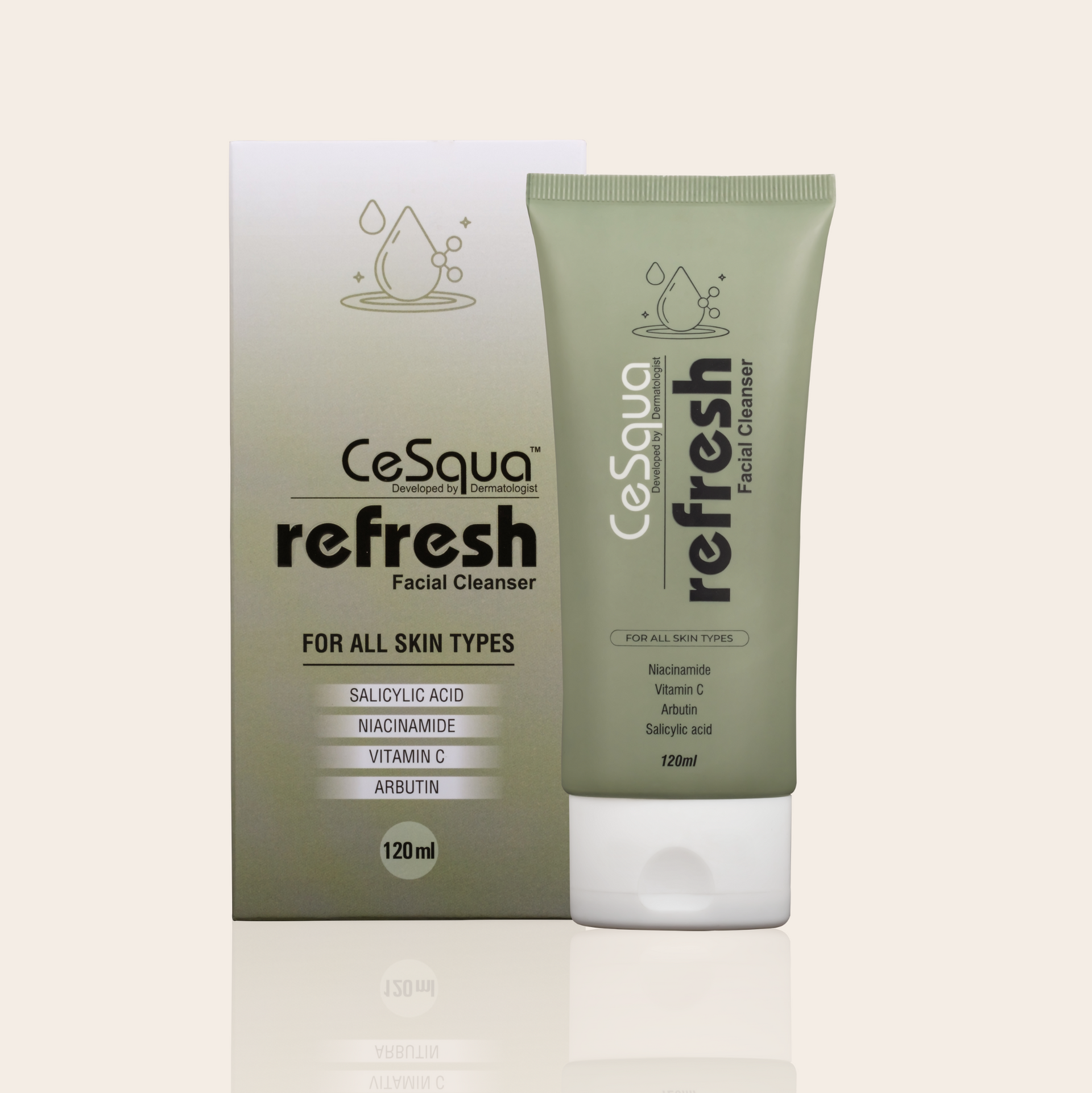
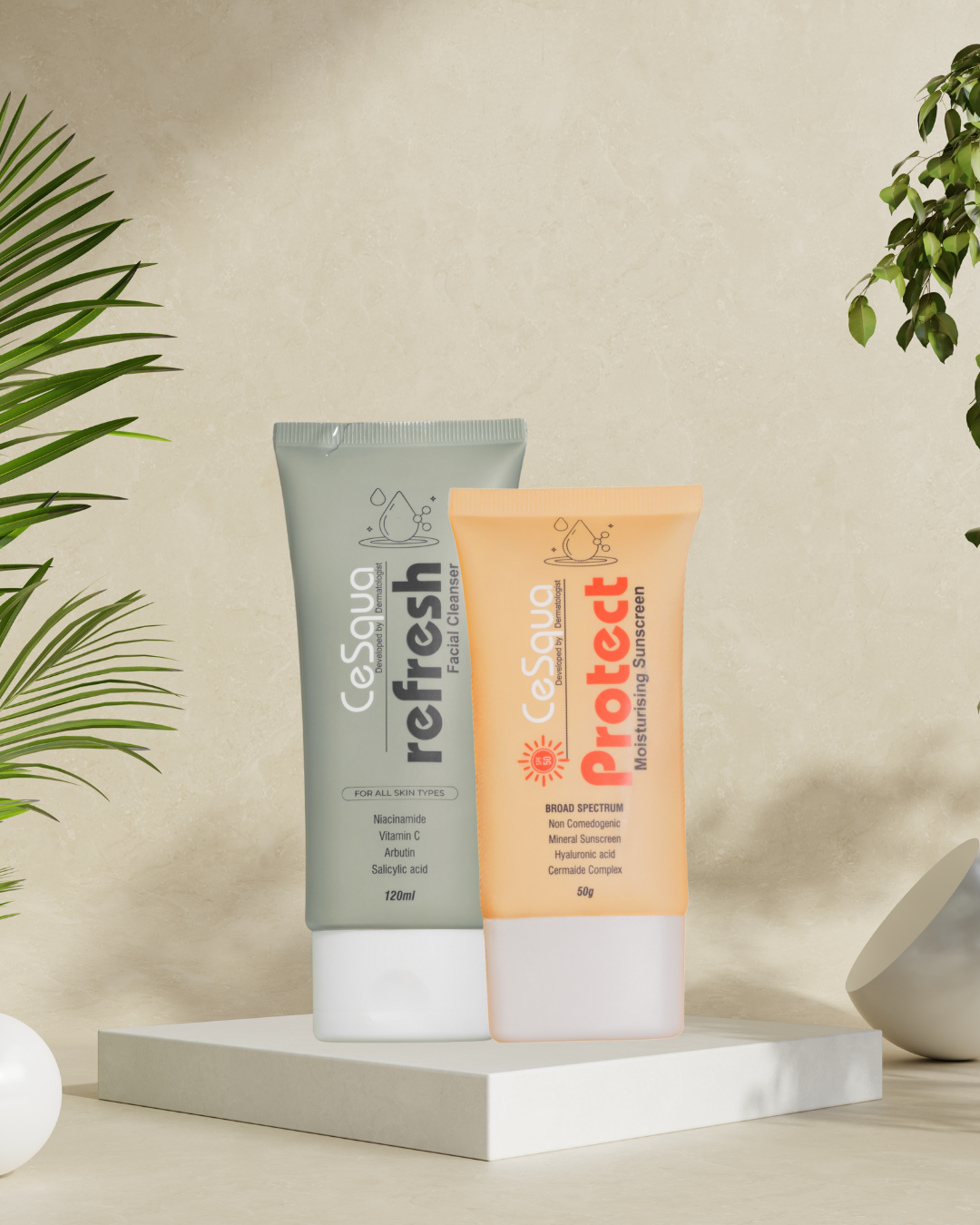
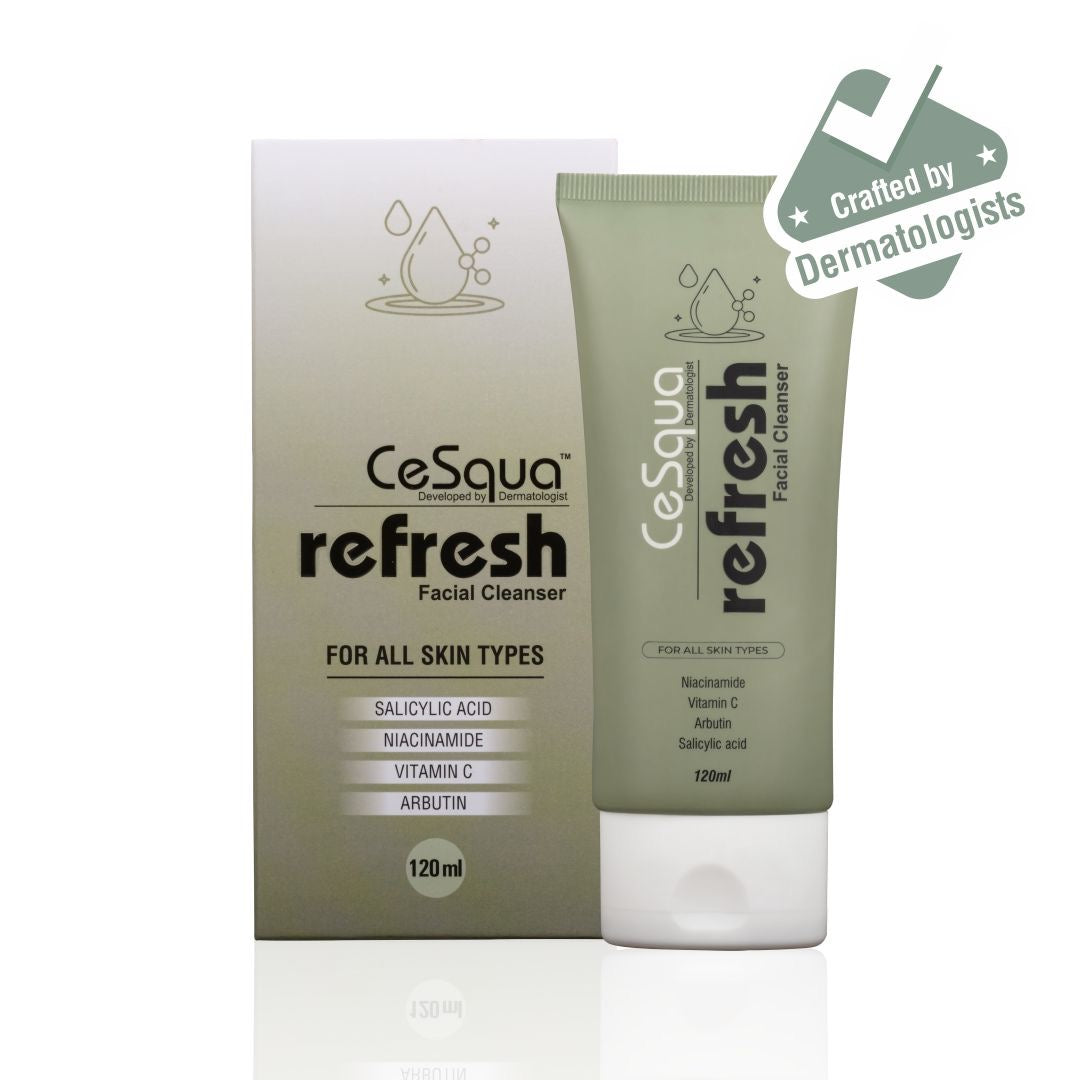
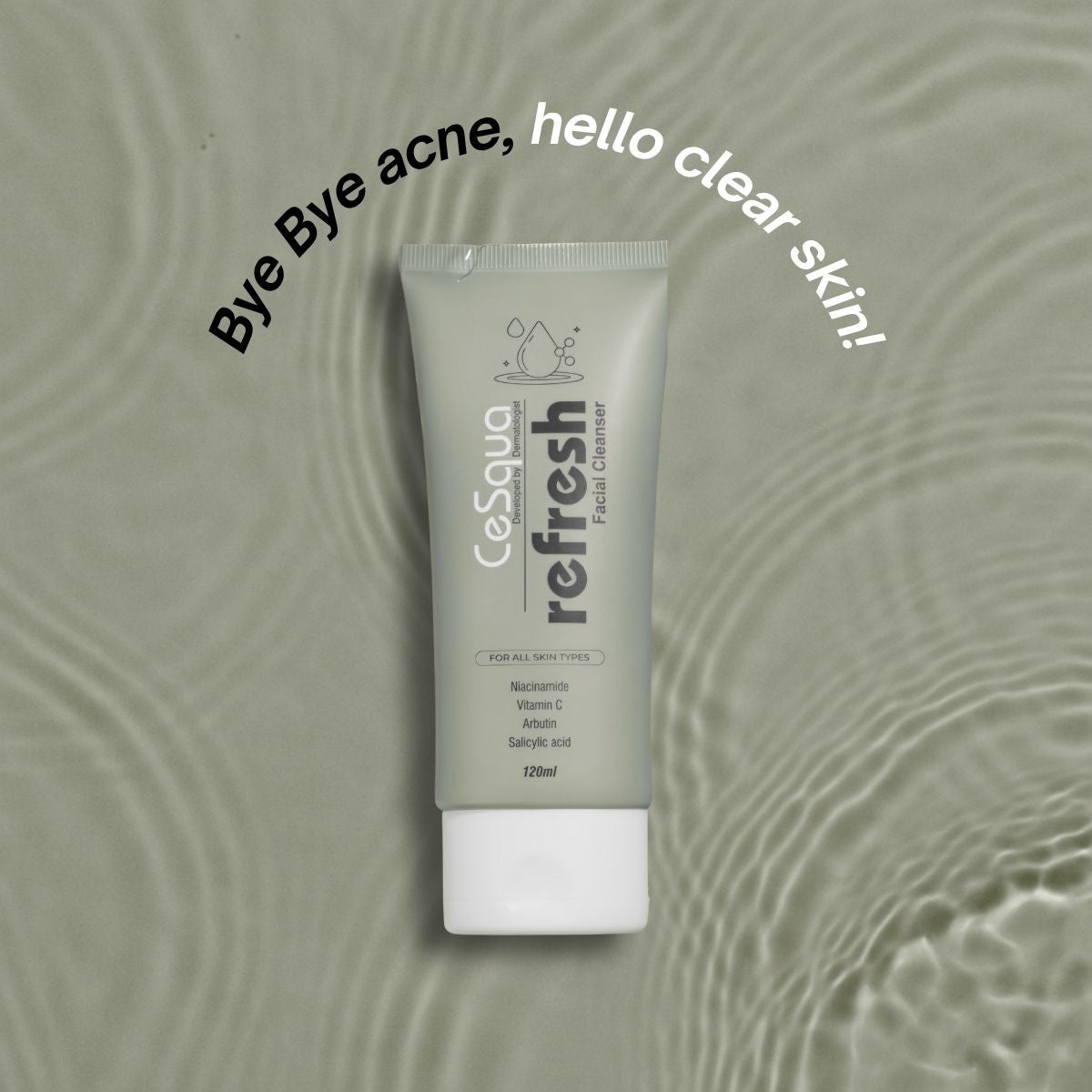
- CeSqua’s Refresh Facial Cleanser suits all teen skin types and leverages ingredients like salicylic acid, niacinamide, and hyaluronic acid for gentle exfoliation and hydration, without leaving skin stripped or tight.
- Cleanse twice a day—morning and night. Add an extra cleanse only if you’ve been sweating heavily from sports or outdoor activities.
Step 2: Lightweight Hydration
- Even oily skin needs moisture. Depriving it leads to dehydration, which can increase oiliness and disrupt healing.
- Opt for a gel-based, oil-free moisturizer packed with skin-supporting ingredients, such as niacinamide (for oil and redness), zinc PCA (for sebum control), hyaluronic acid, or panthenol.
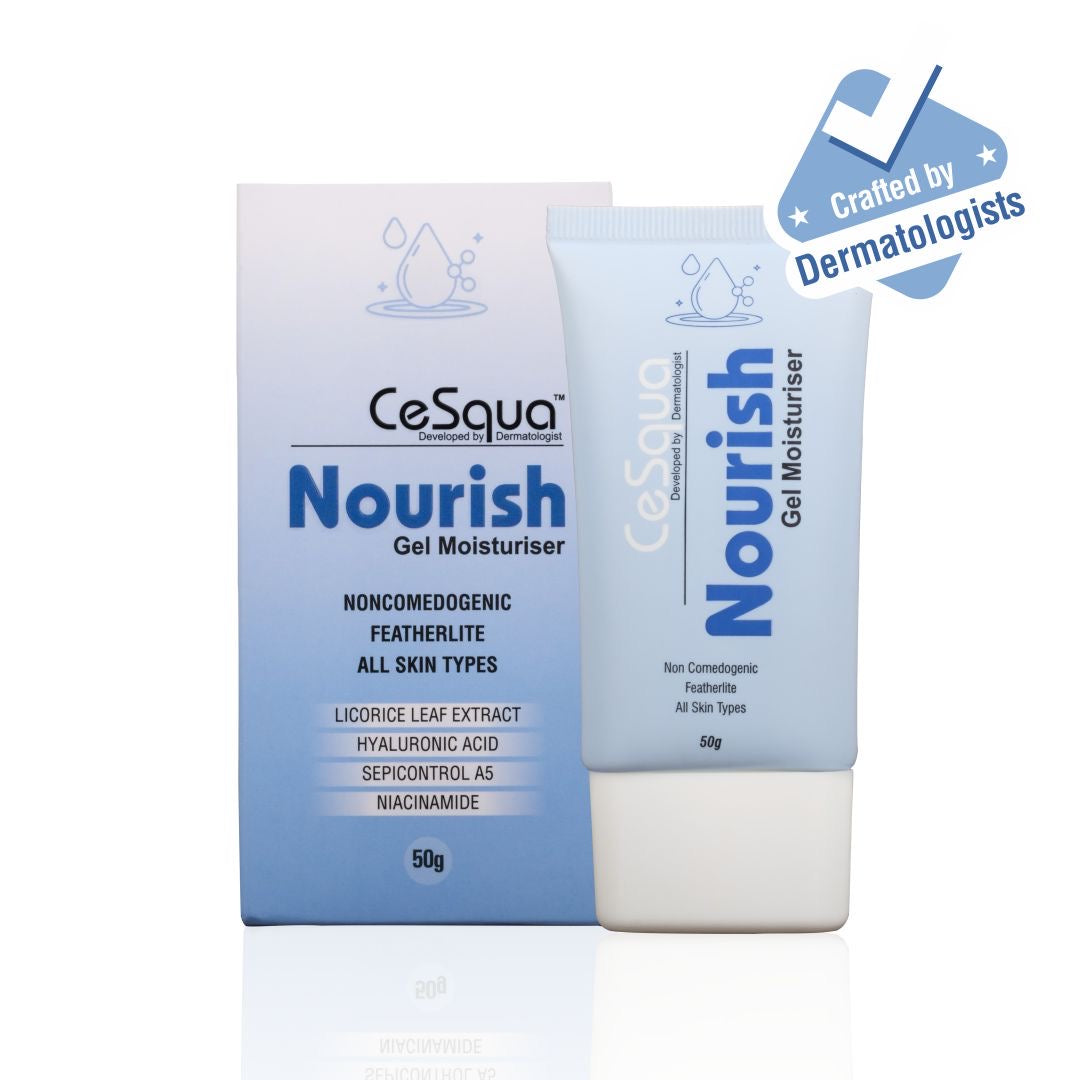
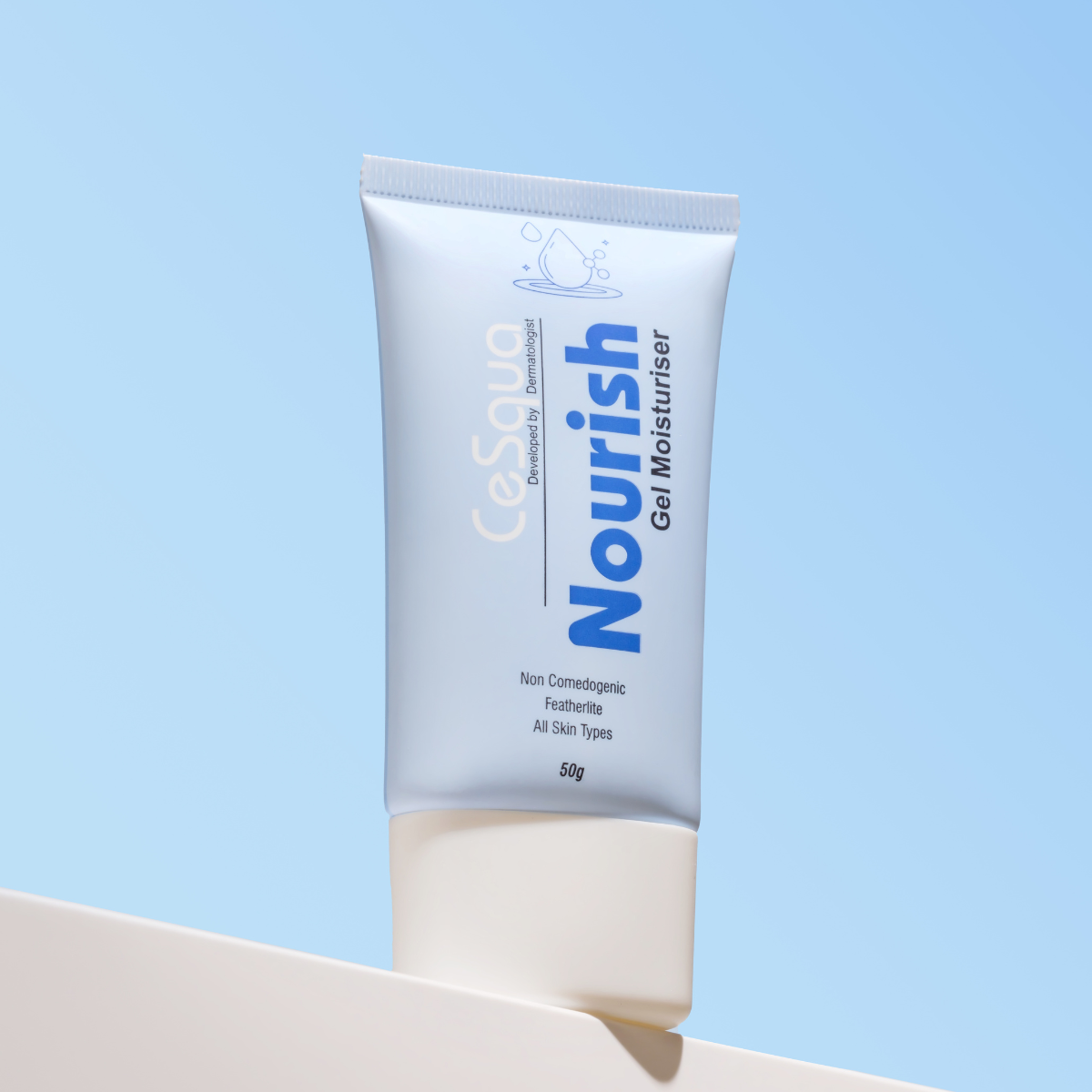
- CeSqua offers the Nourish Gel Moisturiser, featuring fast-absorbing hydration and soothing botanicals. It’s formulated to avoid clogged pores while calming redness, making it suitable even as a base for makeup.
Step 3: Daily Sun Protection
- Sunscreen is non-negotiable. Teens who skip SPF are more likely to see post-acne marks darken and skin age faster in the long run.
- Look for a broad-spectrum sunscreen of at least SPF 30, specifically designed for oily or acne-prone skin: non-comedogenic, oil-free, and without a heavy white cast.
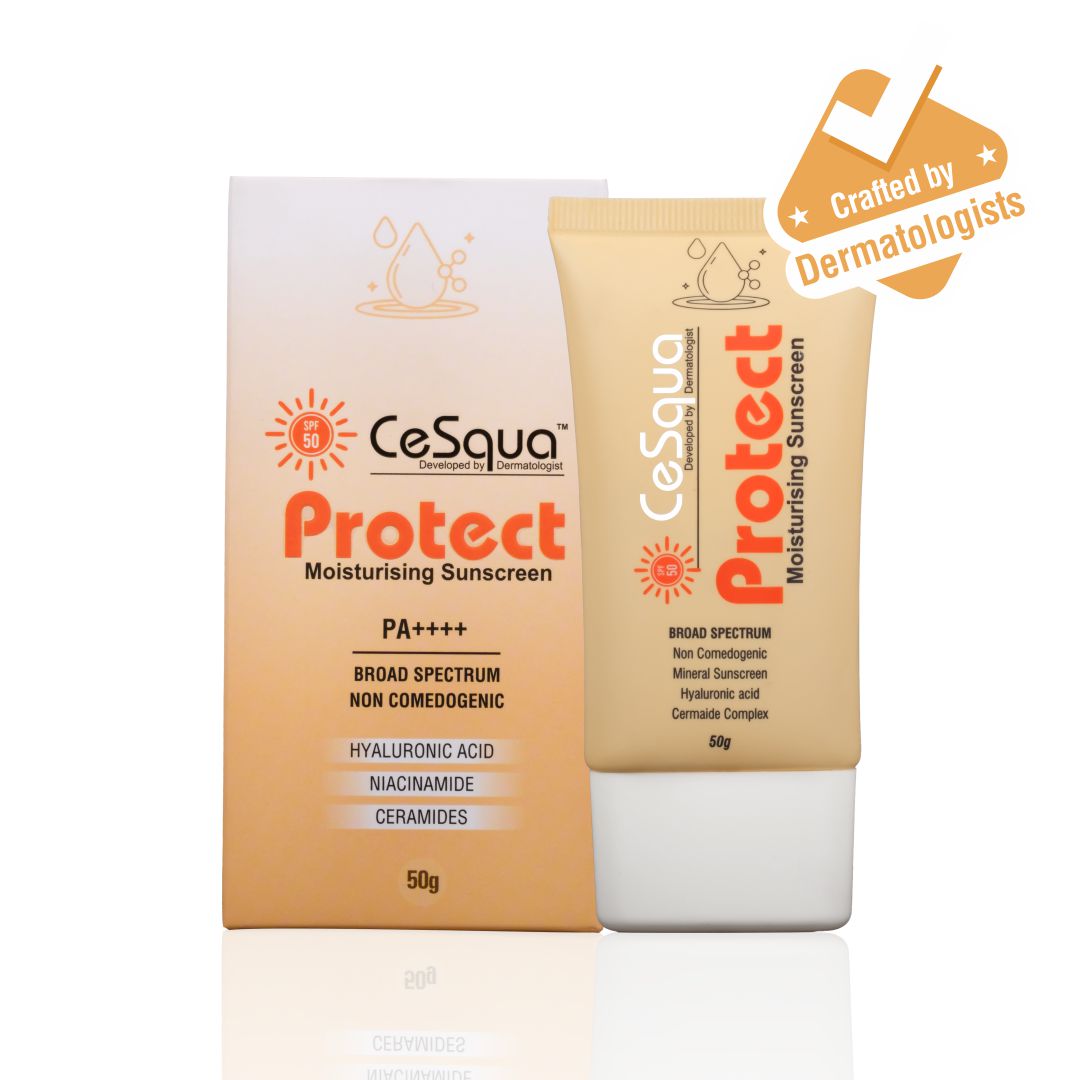
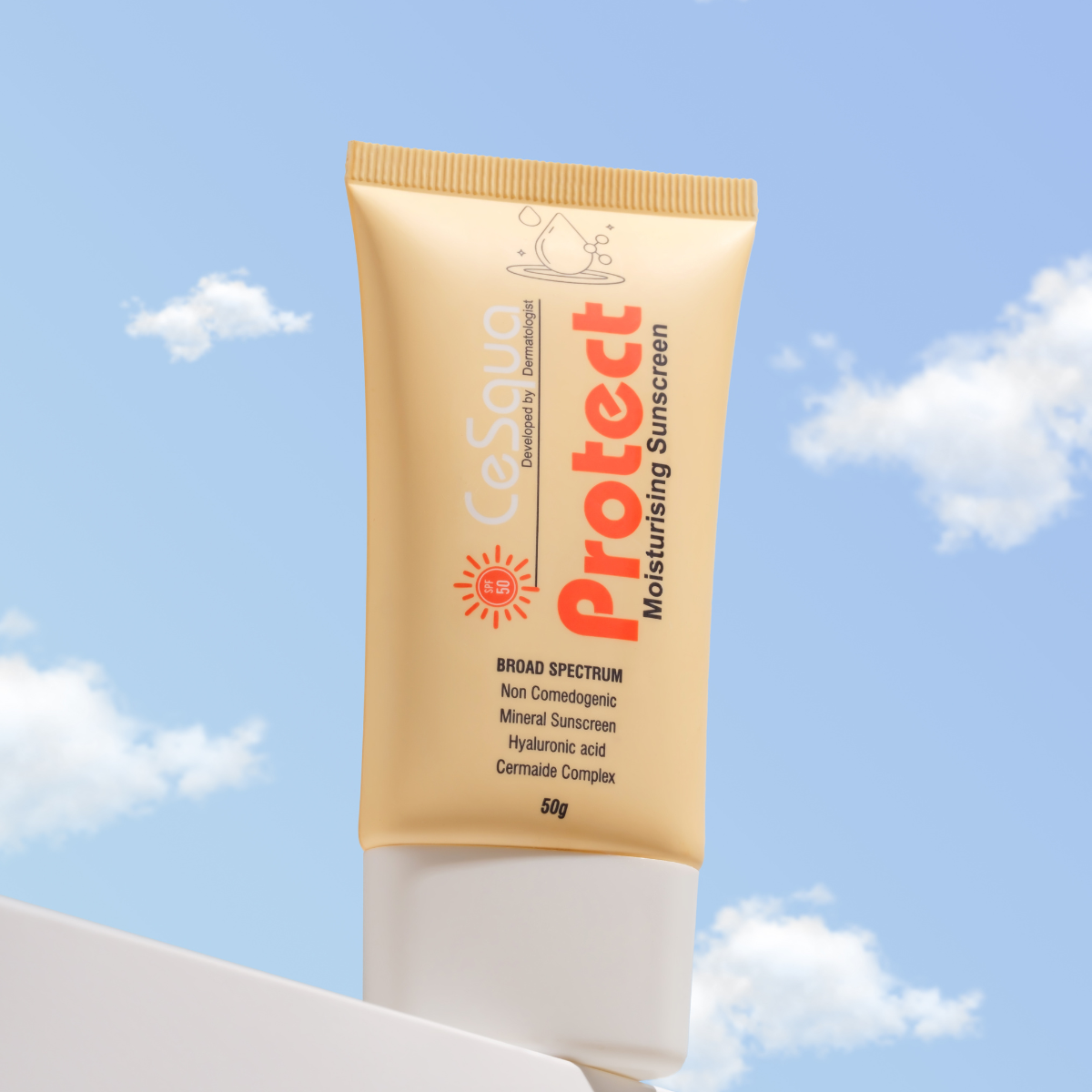
- CeSqua’s Protect Moisturising Sunscreen is a multitasker: it offers broad-spectrum coverage, does not clog pores, absorbs quickly, and protects against blue light and urban pollutants.

Step-by-Step Routine: Morning & Night
Morning Routine
- Cleanse face with a gentle cleanser for 20–30 seconds. Rinse and pat dry.
- Hydrate with a pea-sized amount of gel moisturizer, focusing on oily areas and avoiding rubbing.
- Protect by applying sunscreen to the entire face, making sure to reach commonly missed areas like the nose, ears, and hairline.
Night Routine
- Cleanse to remove sweat, makeup, sunscreen, and daily pollutants.
- If needed, spot treat with a dermatologist-recommended acne treatment (such as salicylic acid or benzoyl peroxide). CeSqua’s formulas harness non-irritating actives like salicylic acid for gentle, consistent results.
- Hydrate again to restore the skin barrier, especially if using acne treatments that may cause dryness.
Best Practices for Teens: What Actually Works
- Declutter your routine—stick to the basics. Consistency, not quantity, delivers real change.
- Avoid physical scrubs, pore strips, and alcohol-based toners, which can increase redness and oil production.
- Do not skip moisturizer if your skin is oily; doing so disrupts the skin’s moisture barrier and worsens breakout risk.
- Do not pick or pop pimples. It increases chances of scars, redness, and spreading bacteria.
- For makeup, choose non-comedogenic products and remove them thoroughly each evening.
- Wash pillowcases and towels frequently. Keep hair—and hair styling products—away from the face to minimize pore clogging.
- After sports, always cleanse skin to remove sweat, sunscreen, and bacteria.
- If skin becomes irritated, red, or overly dry, reduce frequency of active ingredients or consult a dermatologist before ramping up use.

Key Ingredients to Look For: CeSqua’s Expertise
CeSqua recommends—and incorporates—ingredients that support oily and acne-prone teenage skin, including:
- Niacinamide: Balances oil, reduces redness, lightens dark spots, supports barrier health.
- Salicylic Acid: Clears clogged pores, reduces breakouts, minimizes blackheads.
- Zinc PCA: Controls sebum, lowers shine, calms irritation.
- Hyaluronic Acid: Provides deep hydration, keeps skin plump without heaviness.
- Ceramides: Repair and reinforce the skin barrier, lock in moisture.
- Panthenol & Chamomile: Soothe redness and irritation, making routines gentle for sensitive skin.
- Tea Tree Oil: Antibacterial properties that can help reduce minor breakouts and support overall clarity.
All CeSqua products are made with vegan, cruelty-free, and carefully sourced natural ingredients, supporting both efficacy and simplicity. The brand’s commitment to high-quality formulation is reinforced by user testimonials reporting improved skin texture, less greasiness, and good tolerance for daily use.
Common Mistakes Teens Make—and How to Avoid Them
- Over-washing or aggressive scrubbing: Strips skin of essential oils, leading to rebound oil production and sensitivity.
- Skipping sun protection: Worsens dark marks, delays healing, accelerates signs of aging.
- Using too many strong or conflicting active ingredients at once: Often causes irritation, flaking, and a damaged barrier.
- Neglecting hydration: Even oily skin must be moisturized to repair and protect effectively.
For more detail on these topics, see our blog: Should You Wash Your Face Twice a Day?
When to Consult a Dermatologist
If acne becomes painful, does not improve after 6–8 weeks of consistent basic routine, or is leaving behind dark marks and scars, it’s important to seek professional help. Severe or persistent breakouts are better managed with medical guidance, rather than by increasing the number of products or switching routines frequently.
Quick Reference: CeSqua’s Core Routine for Oily or Acne-Prone Teen Skin
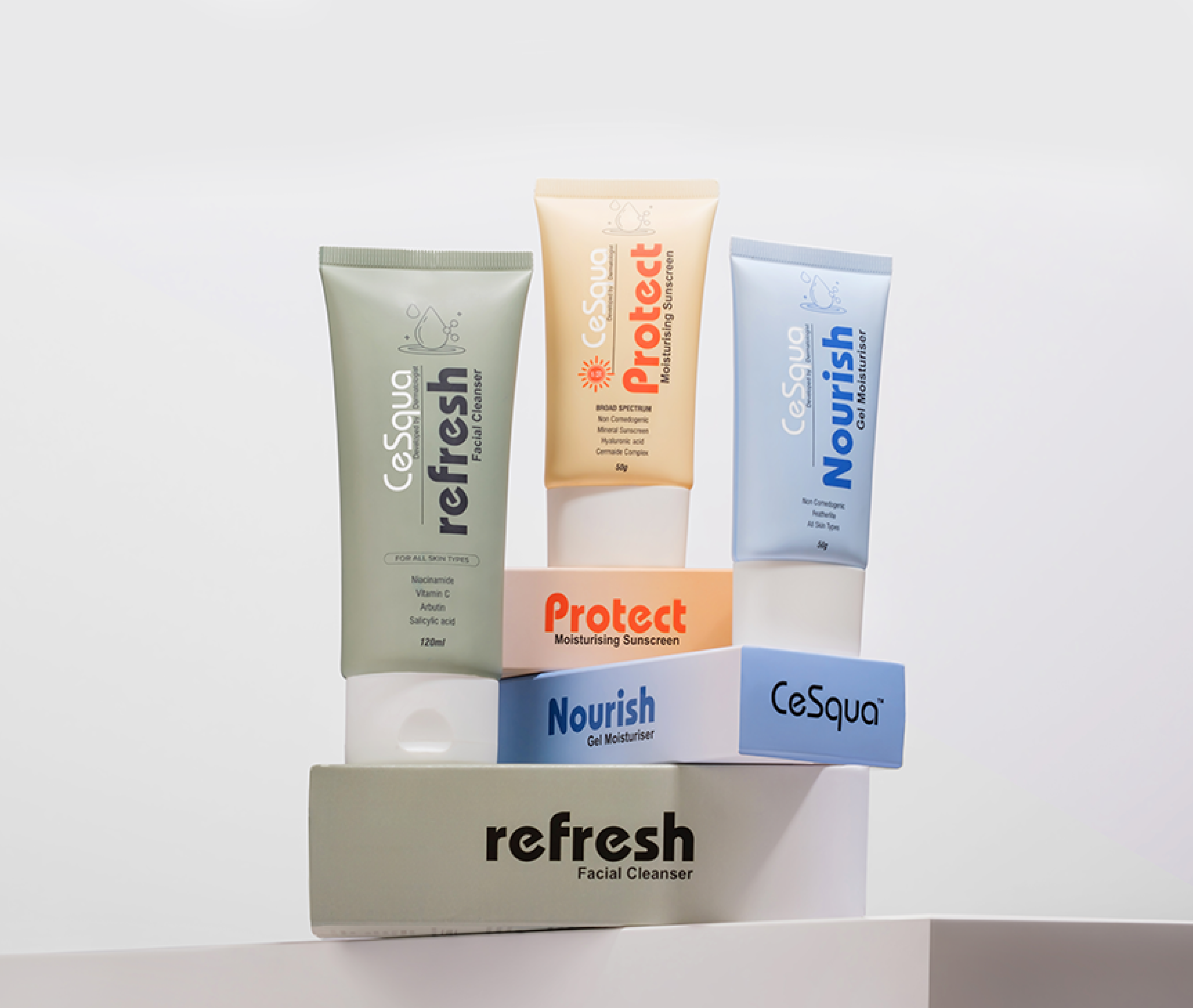
- Refresh Facial Cleanser for gentle, effective cleansing.
- Nourish Gel Moisturiser for oil-free hydration and calm skin.
- Protect Moisturising Sunscreen for broad-spectrum, lightweight daily protection.
FAQ: Back-to-School Skincare for Teens with Oily or Acne-Prone Skin
How often should I wash my face if I have oily skin?
Twice a day is ideal—morning and night. An extra cleanse after sports or heavy sweating is helpful but avoid overwashing, which can worsen oiliness.
Can I skip moisturizer if my skin feels greasy?
No. Skipping moisturizer can disrupt your skin’s balance and may lead to increased oil production. Choose a lightweight, non-comedogenic gel formula like CeSqua’s Nourish Gel Moisturiser.
What ingredients should I avoid?
Avoid harsh scrubs, products with high alcohol content, thick oils, and heavy fragrances. These can irritate skin and trigger more breakouts, especially under humid, sweaty conditions at school.
Is sunscreen really necessary, even if I am inside most of the day?
Yes. Every teen should use a non-greasy, broad-spectrum sunscreen like CeSqua’s Protect Moisturising Sunscreen daily. UVA, UVB, and blue light exposure can all darken acne marks and stress the skin, even indoors.
How long until I see results from a new skincare routine?
Noticeable hydration and skin texture improvements can be seen in the first 2–4 weeks, with more significant acne reduction visible within 6–8 weeks of consistent use. Patience and sticking to the basics are key.
Can I use makeup, and if so, what kind?
Yes, but pick non-comedogenic products and make sure to remove makeup thoroughly every night to avoid clogged pores and irritation.
What if my acne persists or gets worse?
If breakouts continue after 6–8 weeks using a consistent, gentle routine, schedule a visit with a dermatologist. There may be underlying conditions requiring prescription treatment.
Conclusion
As you settle into your school routine, remember that caring for oily or acne-prone skin is about establishing a realistic, effective regimen rather than chasing trends or using a shelf full of products. CeSqua stands as a trusted expert, creating simple routines and proven products that empower teens and families to achieve healthier skin without overwhelm. For more in-depth advice on topics like layering sunscreen and moisturizer, or choosing the best cleanser for Indian skin, explore our growing archive of practical dermatologist-backed blogs.