


Blue light emitted by your phone, laptop, or tablet has emerged as a genuine concern for skin health. Scientific research confirms that chronic exposure—even from daily screen time—can contribute to premature skin aging, pigmentation, and worsening of existing concerns like melasma. This effect is distinct from UV light, operating through different mechanisms and demanding its own set of protective skincare strategies. At CeSqua, we approach blue light as an environmental factor that requires practical, dermatologist-informed defense rather than fear or over-complication.
Blue light, also known as high energy visible (HEV) light with wavelengths between 380 and 500 nm, penetrates the skin more deeply than UVB and targets the dermis—the same layer affected by UVA. In this layer, blue light can trigger oxidative stress, break down collagen and elastin, and increase pigment production, leading to visible signs such as dullness, uneven tone, and stubborn dark spots. While the sun remains the largest source, increasing hours in front of screens and under LED lighting means digital sources are now a significant and constant part of our daily exposure profile.

What Is Blue Light? Understanding the Source and Impact
Blue light is a segment of the visible light spectrum found naturally in sunlight but also strongly emitted by digital screens, LED bulbs, and fluorescent lighting. Unlike ultraviolet (UV) rays, which sit just outside the visible spectrum, blue light’s energy is sufficient to trigger biological effects in the skin.
- Major sources: Sunlight (the largest), digital devices (phones, laptops, tablets, TVs), and indoor LED or fluorescent lighting.
- Exposure patterns: Although the sun is a greater source, indoor use of devices at close range leads to repeated, cumulative exposure right to the face.
How Blue Light Affects Your Skin: The Scientific Mechanisms
1. Deep Skin Penetration
Blue light can reach the deeper dermis, where it directly interacts with collagen and elastin—the structures that maintain firmness and elasticity. This means skin is vulnerable to photoaging from both sunlight and sustained digital device use.
2. Generation of Oxidative Stress
Exposure to blue light triggers formation of reactive oxygen species (ROS). These unstable molecules break down collagen and elastin, compromise cellular membranes, and damage the mitochondria, giving rise to premature lines, loss of radiance, and weak barrier function.
3. Increased Pigmentation and Melanogenesis
The pigment-producing cells (melanocytes) become more active after blue light exposure, showing effects such as:
- Hyperpigmentation or tanning-like reactions after heavy cumulative exposure
- Worsening of melasma and post-inflammatory pigmentation
- Pronounced redness and patchy pigment in deeper skin tones
4. Potential DNA Damage & Epigenetic Changes
Emerging research indicates blue light can cause DNA damage and gene regulatory changes—effects that play a role in both short- and long-term skin health, including accelerated signs of aging.
5. Circadian Rhythm Disruption
Late evening screen time may disturb natural skin repair cycles, contributing to dullness and reduced barrier recovery.
Visible Signs of Blue Light Damage
- Fine lines and wrinkles: Linked to collagen breakdown and structural decline from oxidative stress
- Uneven tone and dark spots: Hyperpigmentation and stubborn patches, particularly for those with melasma or prone to post-acne marks
- Dullness: Reduced skin luminosity and vibrancy over time
- Sensitivity and redness: Especially in those with existing inflammatory skin conditions
Should You Worry About Screen-Based Blue Light?
While blue light levels from screens are lower than those from the sun, the proximity of devices and the amount of time spent add up. For individuals working 6–10 hours a day on screens or those with persistent pigmentary concerns, blue light protection in skincare routines is now considered relevant and evidence-based. For most people, balancing UV and blue light defense together yields the most practical benefits.
Best Practices: Defending Your Skin from Blue Light
Behavioral Adjustments
- Take regular screen breaks: Every 30 minutes, step away for 5 minutes. This reduces both eye and skin stress and gives your barrier a chance to recover.
- Lower screen brightness: Keep it at the lowest comfortable setting and avoid viewing screens in complete darkness.
- Use blue light filters and Night Mode: Both hardware films and device settings help limit blue light output especially after sunset.

Skincare Strategies Supported by CeSqua
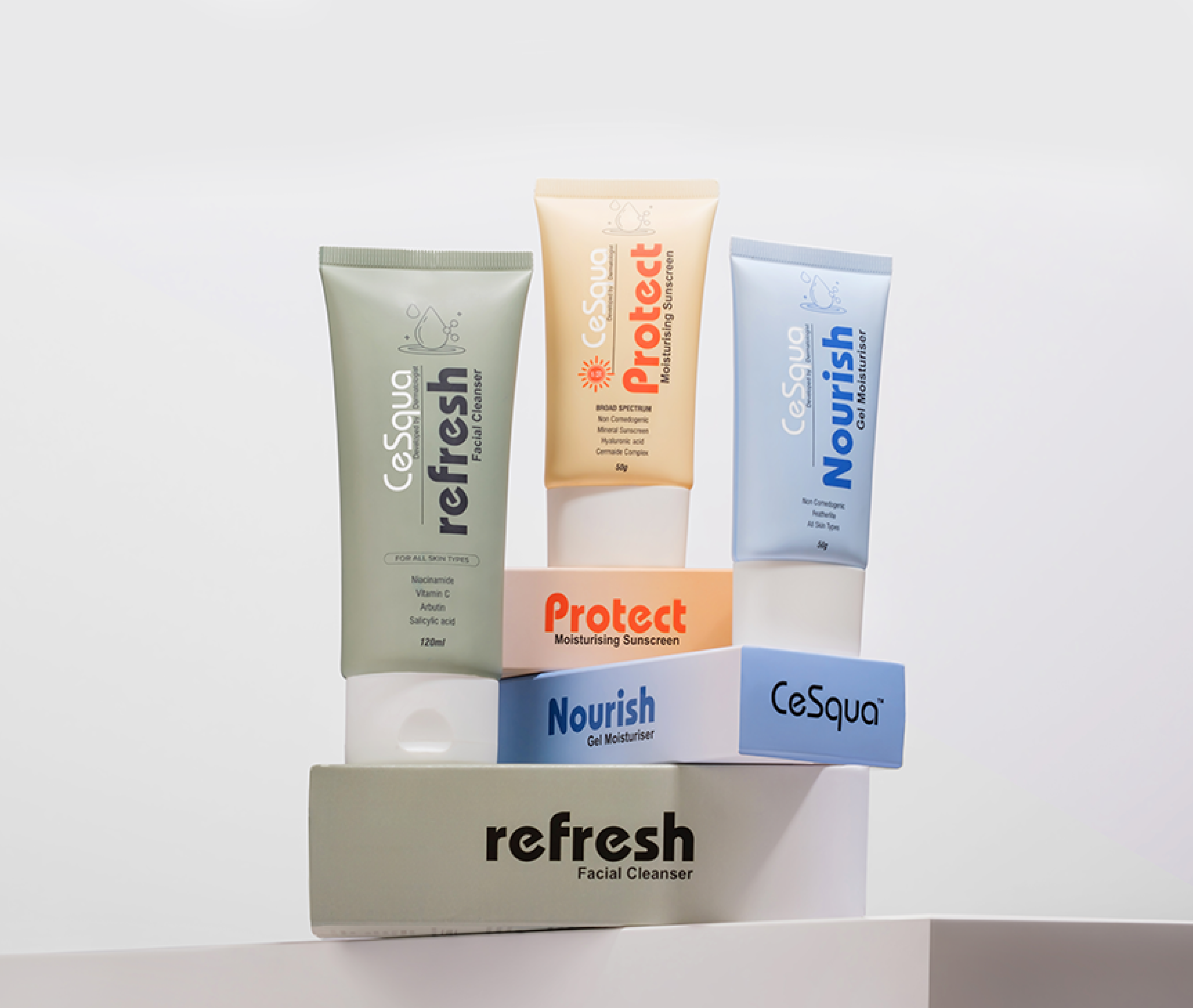
CeSqua takes a pharma-grade but minimalist approach to defending skin against blue light and UV damage, streamlining routines without compromising results.
Step 1: Gentle, Targeted Cleansing
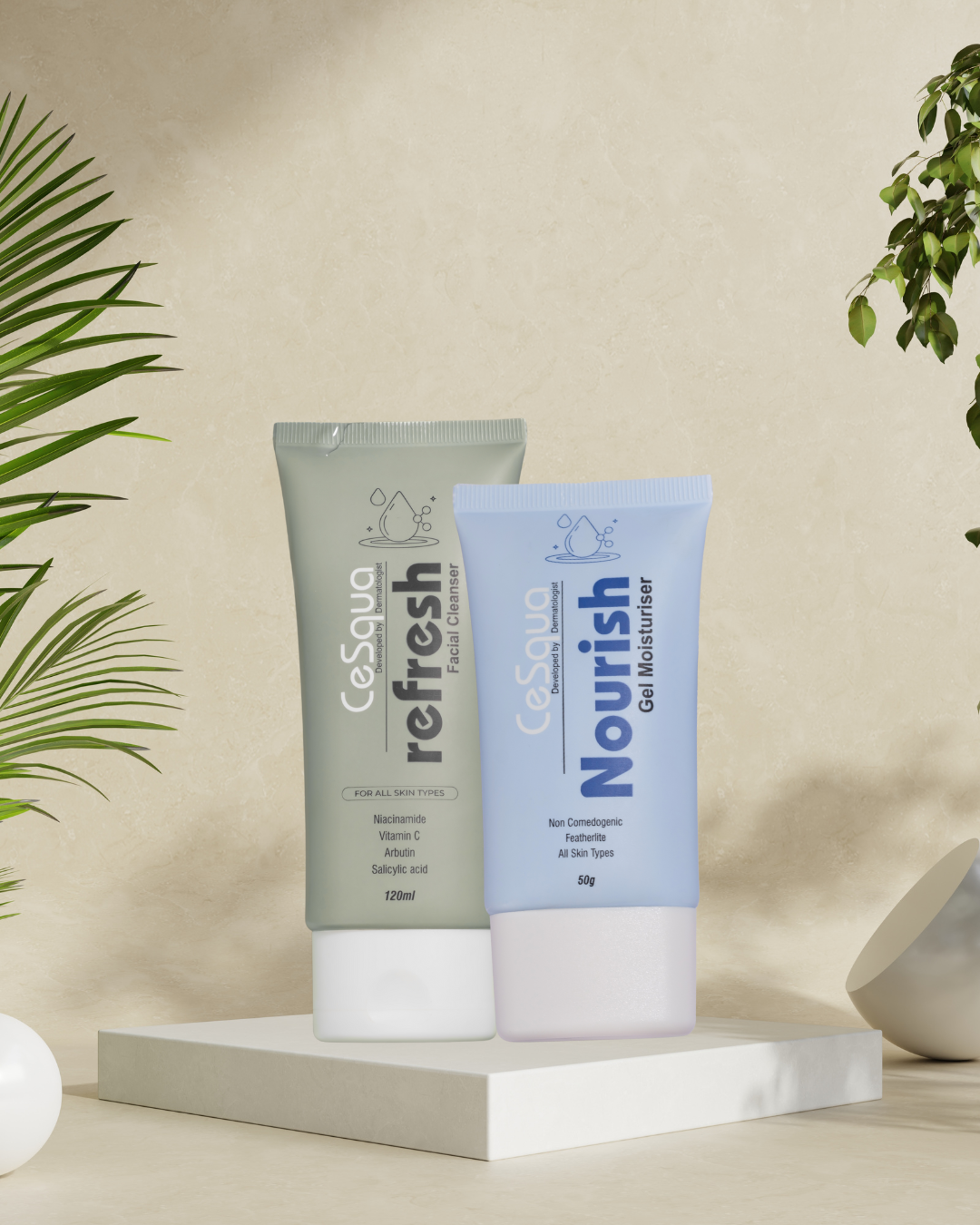
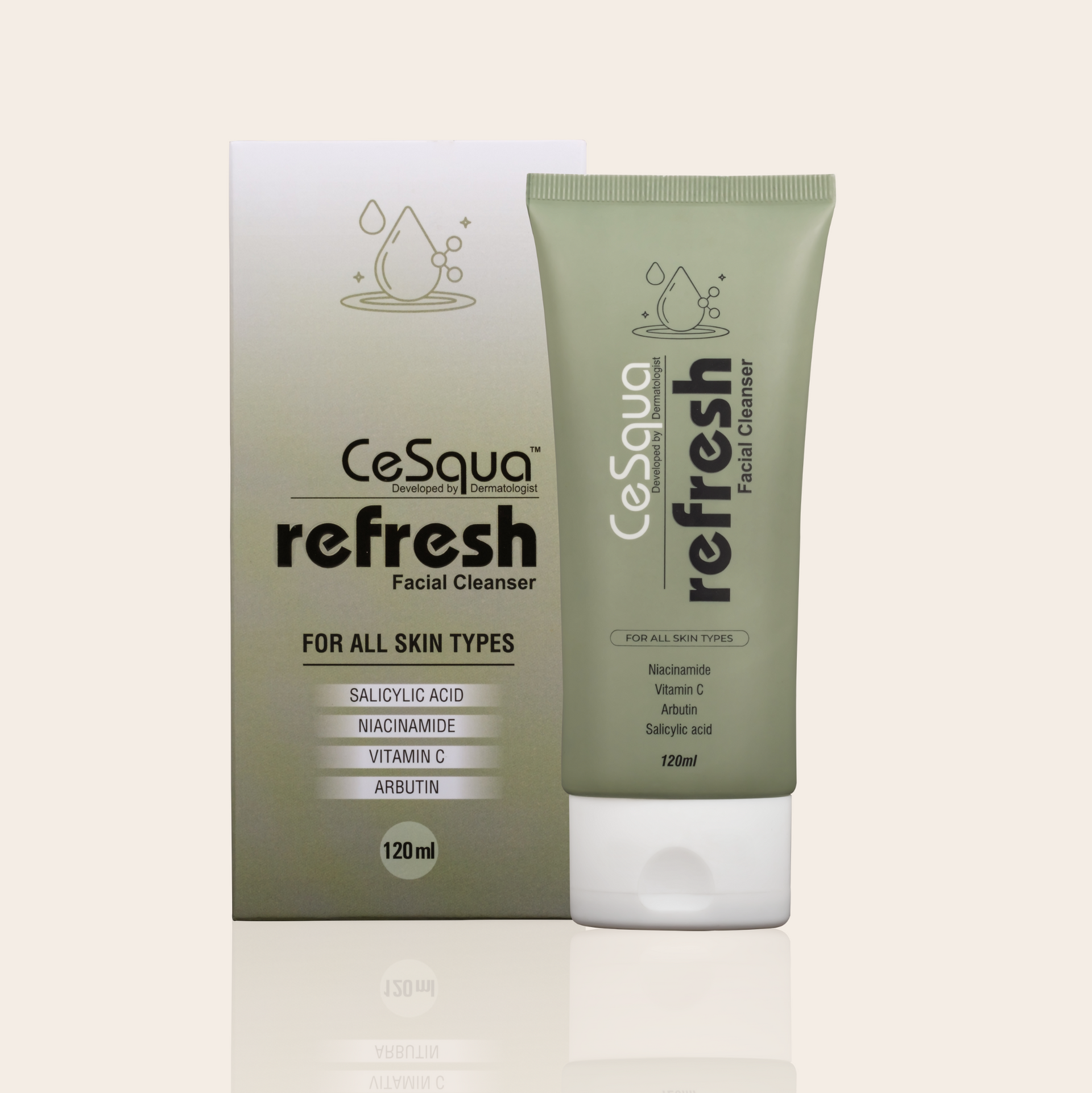
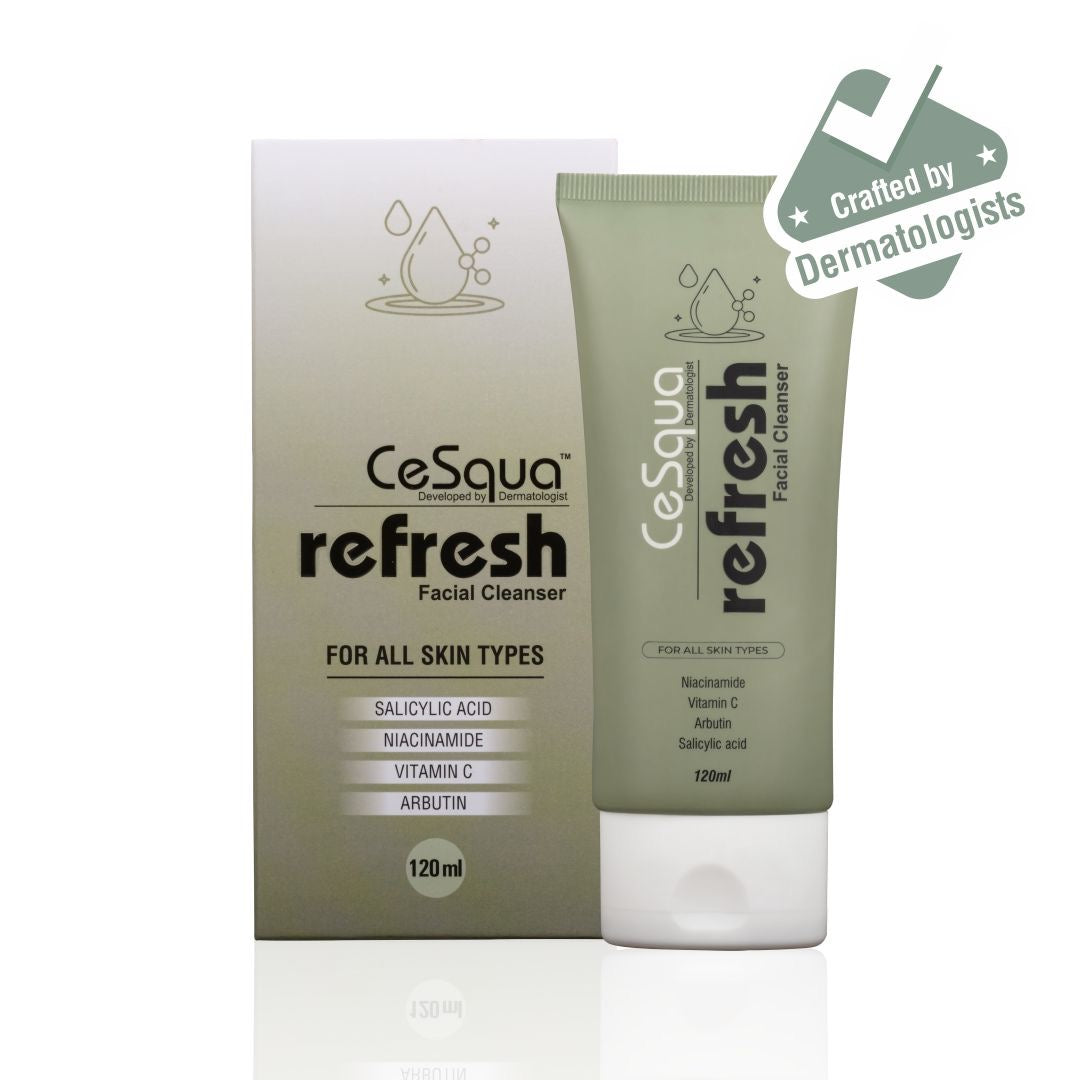
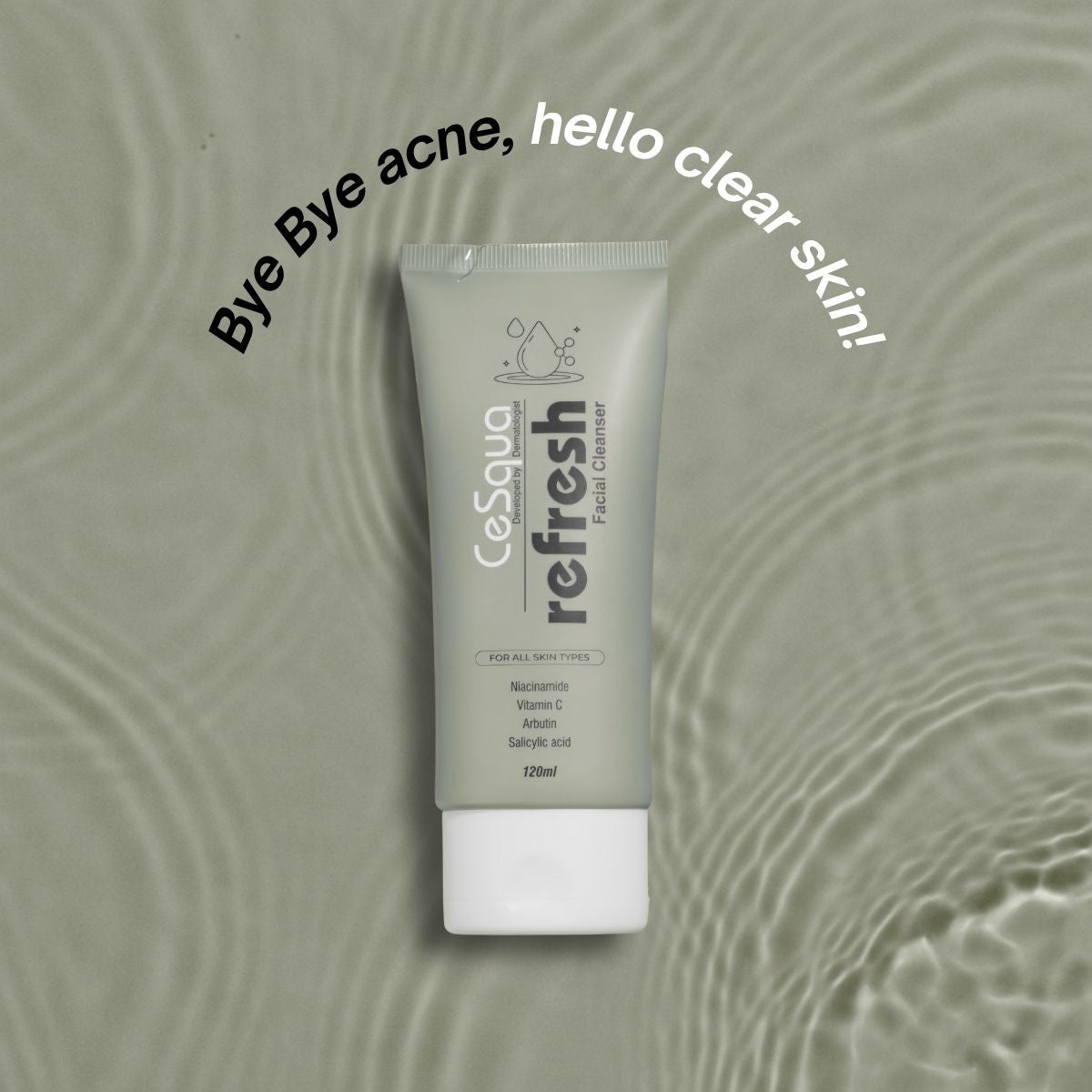
Refresh Facial Cleanser combines niacinamide, vitamin C, salicylic acid, and tea tree oil—ingredients shown to brighten skin, provide antioxidant defense, and reduce barrier-compromising build-up.
- Suitable for daily use morning and evening
- Delivers hydration with hyaluronic acid and sodium PCA
Step 2: Deep Hydration and Barrier Support
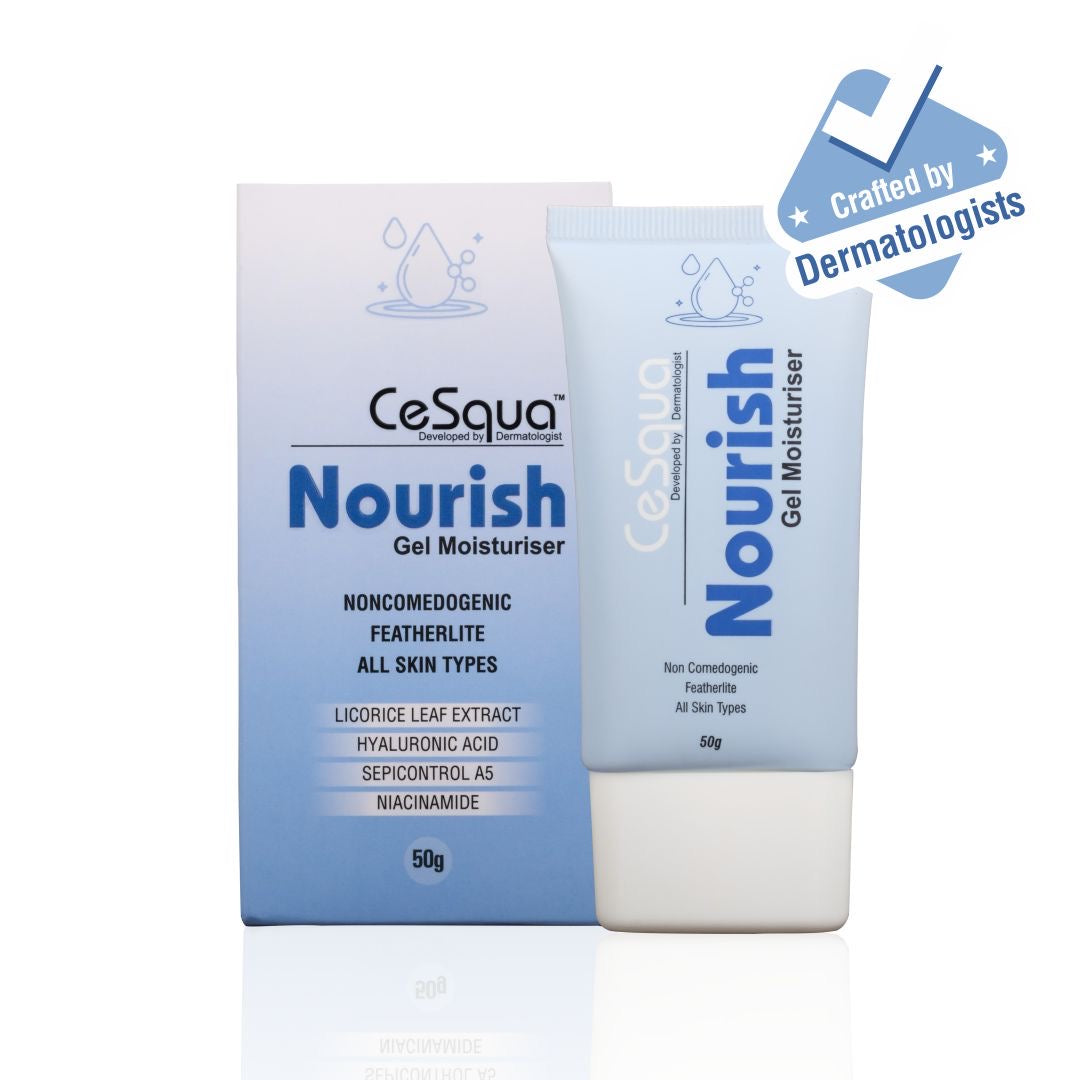
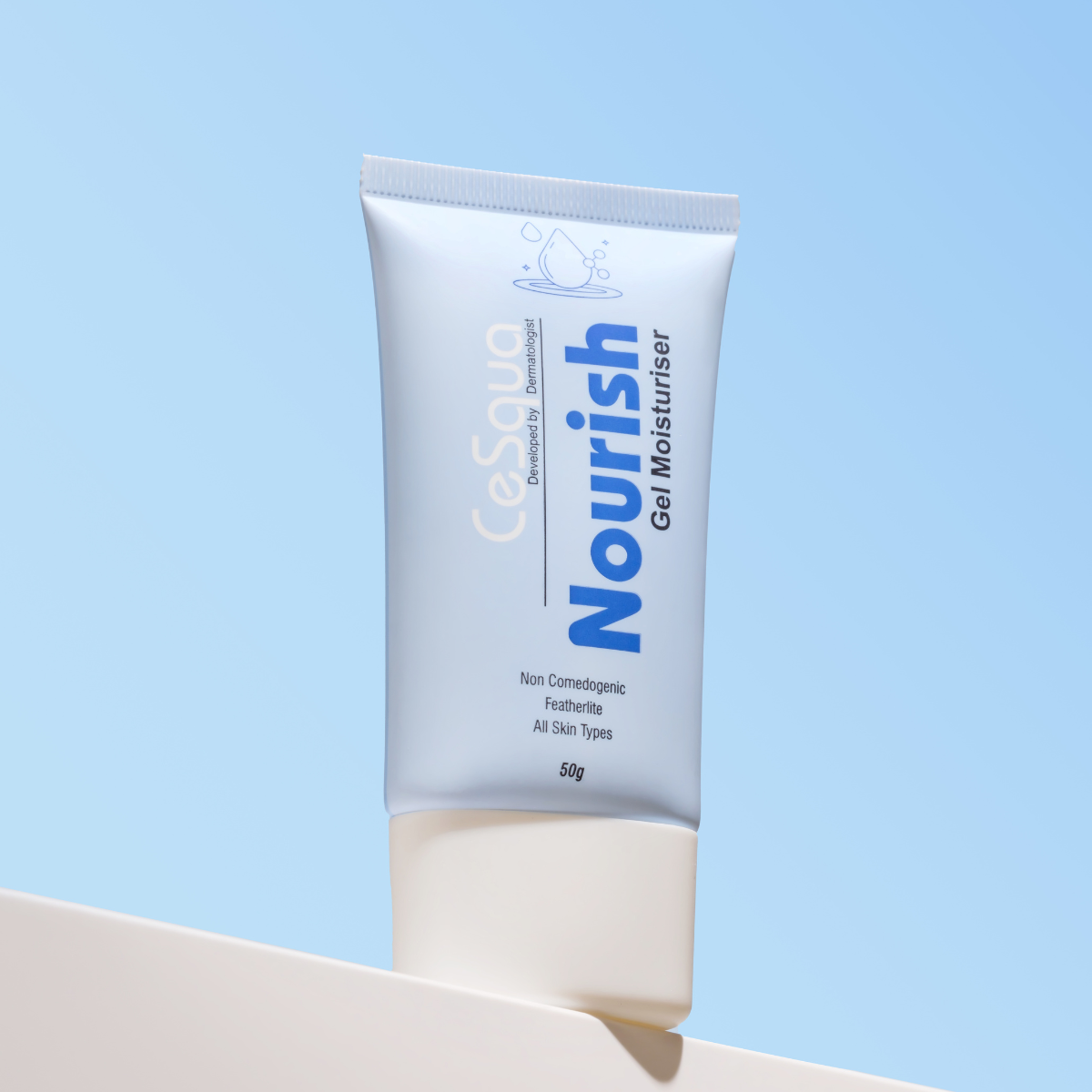
Nourish Gel Moisturiser uses chamomile and licorice extracts to soothe redness and reinforce the skin’s natural defenses, with zinc PCA and witch hazel for breakout control often triggered by environmental stress. Rapidly-absorbed, non-greasy, and comforting—ideal for layering and daily wear.
- Acts quickly to improve hydration and texture
- Free from fragrance, parabens, and allergens
Step 3: Daily UV + HEV Barrier Shield
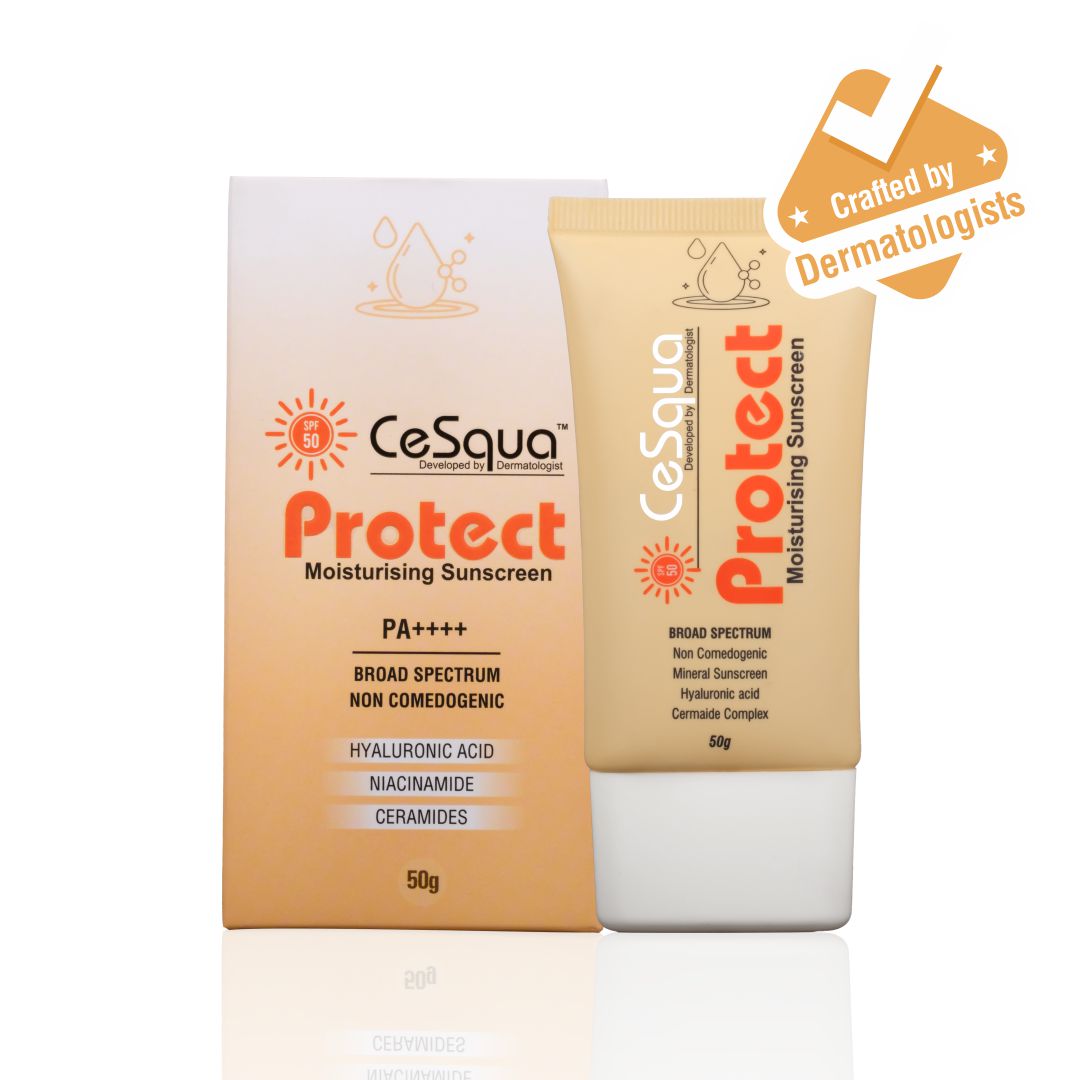
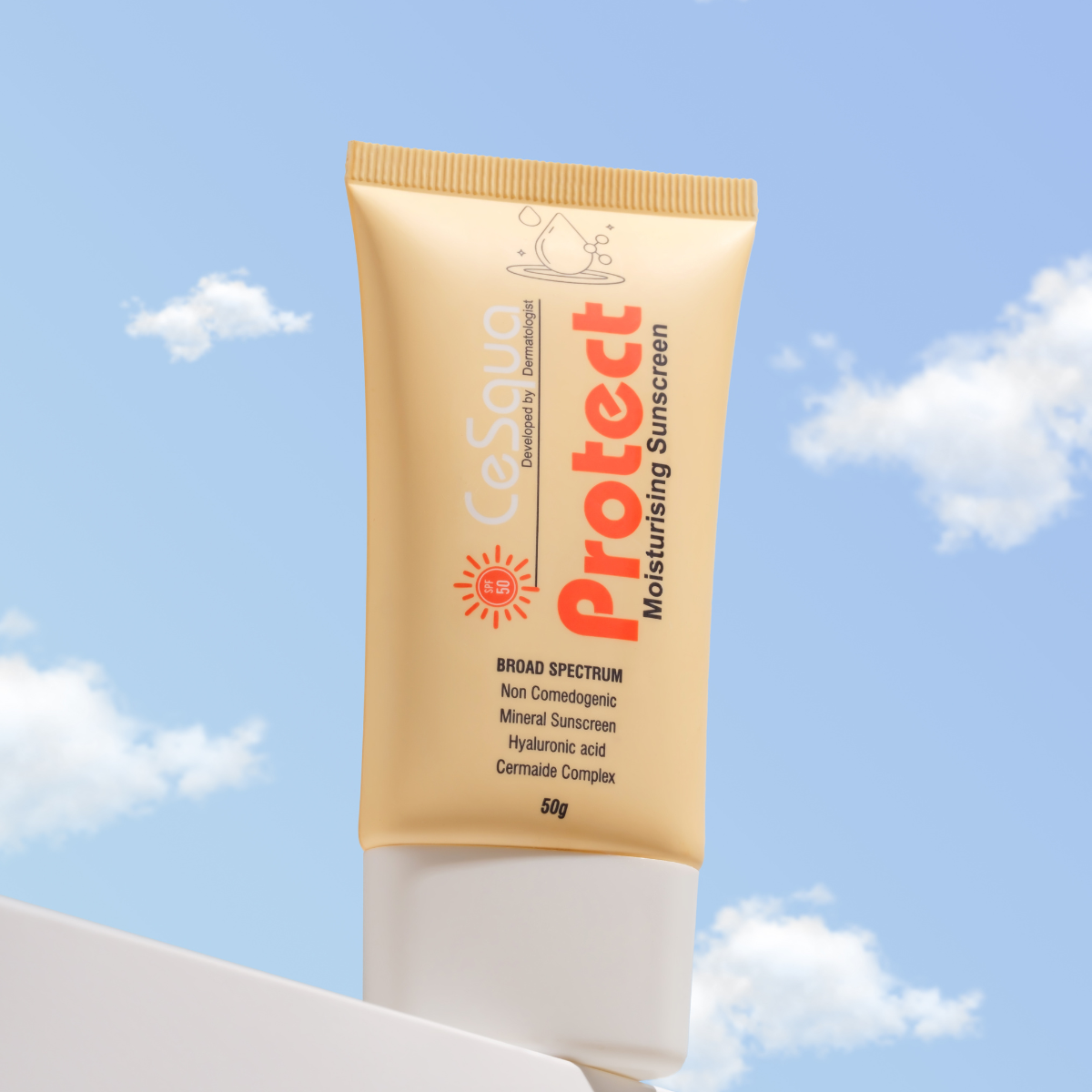
Protect Moisturising Sunscreen features titanium dioxide, zinc oxide, and specialized BlueShield technology, combining broad-spectrum UV and blue light protection in one lightweight, non-greasy step.
- Works as both moisturizer and sunscreen
- No white cast, suitable for deeper skin tones, and layers under makeup
- Ideal for all weather, indoor and outdoor environments
CeSqua’s Dermatologist-Recommended Routine for the Digital Era
- Morning: Cleanse ➔ Hydrate ➔ Apply sunscreen generously before starting screen work.
- Midday and afternoon: Reapply sunscreen, especially if near windows or spending time under artificial light.
- Evening: Cleanse and soothe with moisturizer for overnight repair.
With consistent use, users of CeSqua products have observed noticeable hydration and smoother skin texture—in as little as a few weeks. The streamlined "refresh, hydrate, protect" routine eliminates guesswork and supports resilience against blue light, UV, and pollution synergistically.
Blue Light Protection: For Whom Is It Most Important?
- People with darker skin tones (higher melanin) as blue light induces more redness and pigment change
- Those with melasma, post-inflammatory hyperpigmentation, or persistent dark spots
- Screen-heavy professionals: software engineers, designers, students, and remote workers
- Early-onset photoaging (visible lines or dullness appearing in your twenties or thirties)
If you recognize yourself in these groups, making minor changes to your routine and product choices delivers outsize impact for long-term skin health.
Common Myths About Blue Light and Your Skin
-
Myth: "Only UV light matters; screens are harmless."
Fact: Lab and clinical evidence clearly shows blue light is a measurable contributor to oxidative stress, premature aging, and pigmentation changes—even at lower intensities. -
Myth: "Blue light from screens is too weak to worry about."
Fact: Even 60 minutes of close-range exposure can impact skin cell health. Repeated daily use builds up over weeks and months. -
Myth: "Any product claiming blue light defense is enough."
Fact: True defense requires a combination of physical UV filters, antioxidants, and robust barrier support—exactly the foundation of every CeSqua product.
Best Practices: Beyond Skincare
- Adopt healthy device habits: use device settings that reduce blue light (Night Mode) and minimize close-range exposure before bedtime
- Develop a simple routine with broad-spectrum protection, not just blue light-focused formulas
- Reapply sunscreen throughout the day, even if staying mostly indoors—especially near windows or under strong artificial lighting
For detailed advice on how to time sunscreen reapplication or adapt routines for sensitive skin, explore our guides like What SPF Should You Use Every Day? or Moisturizer With SPF vs Separate Sunscreen.
Expert Takeaway
Blue light from your daily devices is not something you can completely avoid, but it’s also not something that needs to disrupt your life or require a complicated routine. With targeted skincare choices and modest screen habits, you can defend yourself against premature aging and pigmentation—without adding complexity or expense. CeSqua’s mission is to keep powerful, dermatologist-informed protection easy and accessible for everyone living in a digitally connected world.
Frequently Asked Questions (FAQ)
What is blue light and why does it matter for skin?
Blue light is part of the visible spectrum (380–500 nm) with enough energy to cause oxidative stress, pigmentation, and premature aging. It comes from both the sun and digital devices, requiring dedicated defense especially with prolonged exposure.
Do I need blue light protection if I only use my phone a few hours a day?
For most, moderate phone use adds little risk. Those with pigment-prone skin, frequent screen exposure (6+ hours daily), or sitting near windows and under artificial light can benefit from blue light protective routines.
Which ingredients help protect the skin from blue light?
Physical sunscreens (titanium dioxide, zinc oxide), antioxidants (vitamin C, niacinamide), and barrier supporters (ceramides, hyaluronic acid) are the most effective. CeSqua formulations combine these ingredients for all-in-one protection.
Is blue light more dangerous than UV?
No, blue light is not more damaging than UV, but it acts alongside UV and pollution as an added source of oxidative stress. The key is comprehensive, not isolated, defense.
Can CeSqua products be used year-round and on all skin types?
Yes. CeSqua products such as Refresh Facial Cleanser, Nourish Gel Moisturiser, and Protect Moisturising Sunscreen are designed for year-round effectiveness and suitability for all skin types, including sensitive or acne-prone individuals.
How do I incorporate CeSqua’s blue light defense into my routine?
Adopt the three-step system: cleanse, hydrate, and protect. Use the Refresh Facial Cleanser and Nourish Gel Moisturiser morning and night, with Protect Moisturising Sunscreen as your final morning step. Reapply sunscreen during the day, especially under high exposure.
To simplify your skincare routine and get reliable blue light defense without extra fuss, explore CeSqua's dermatologist-designed product line and make your daily defense effortless and effective.