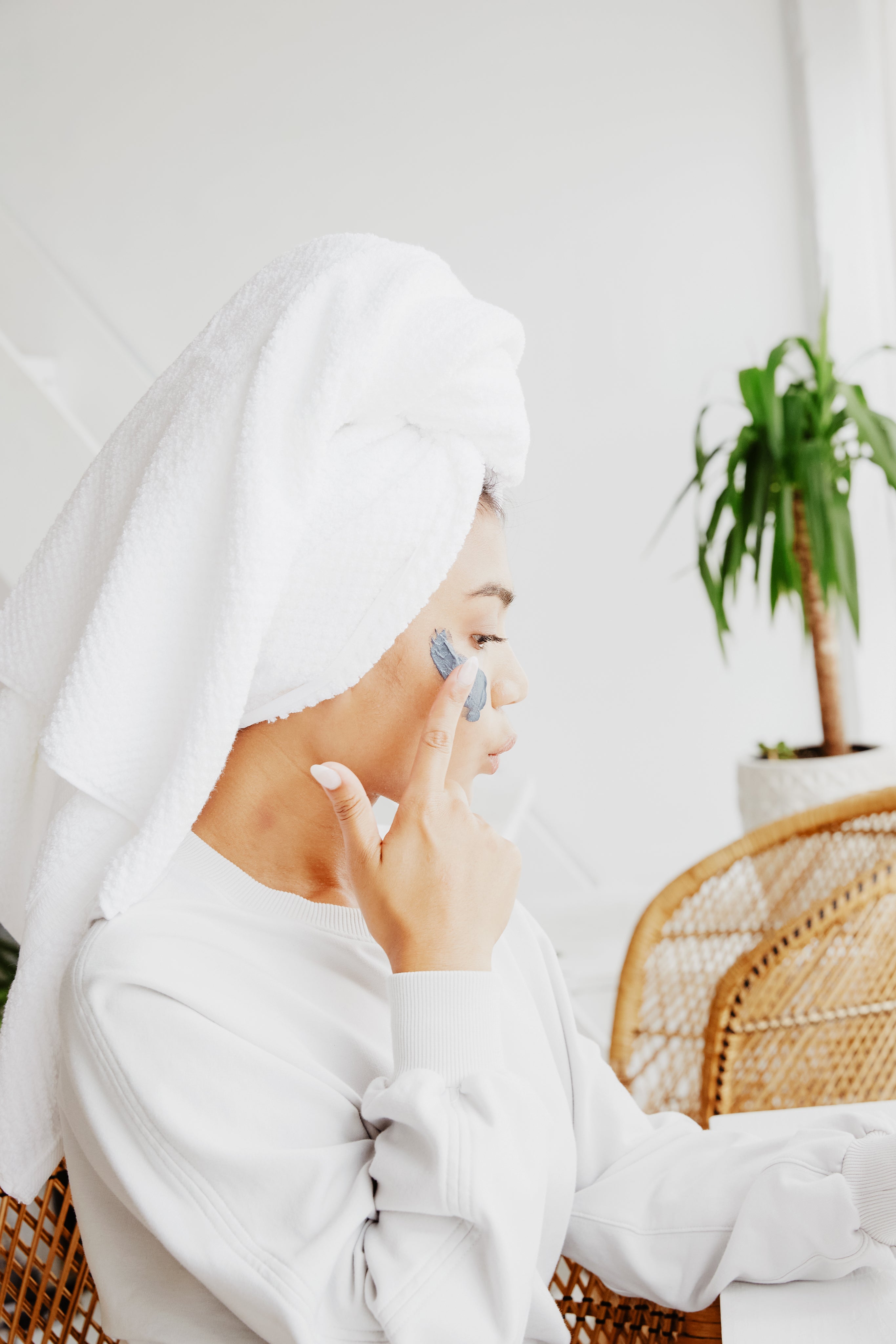




Azelaic acid and niacinamide are two of the most trusted ingredients for improving visible redness and dark spots, and they can be safely included together in a skincare routine for most people. These actives are well-studied, compatible, and frequently recommended by dermatologists for a variety of skin concerns such as uneven tone, post-acne marks, and sensitivity. When used thoughtfully, azelaic acid and niacinamide offer barrier support, fading post-inflammatory pigmentation, and calming irritated skin without the heightened risk of irritation that comes from mixing more aggressive actives.
At CeSqua, we emphasize streamlined and effective skincare routines that empower users to see results while minimizing complexity. Our approach always favors evidence-based layering and gradual introduction of new actives—especially when your goal is to address redness and dark spots.

Understanding Azelaic Acid and Niacinamide
Definition and Core Benefits
- Azelaic acid is a multifunctional ingredient used to target inflammation-related redness, blemishes, post-acne marks, and uneven pigmentation. It is gentle for most skin types and is suitable even for many people with sensitive or redness-prone skin.
- Niacinamide, also known as vitamin B3, is renowned for its ability to brighten skin, reduce dark spots, strengthen the skin barrier, minimize visible oil, and soothe mild redness. Its versatility makes it widely included in cleansers, moisturizers, and serums.
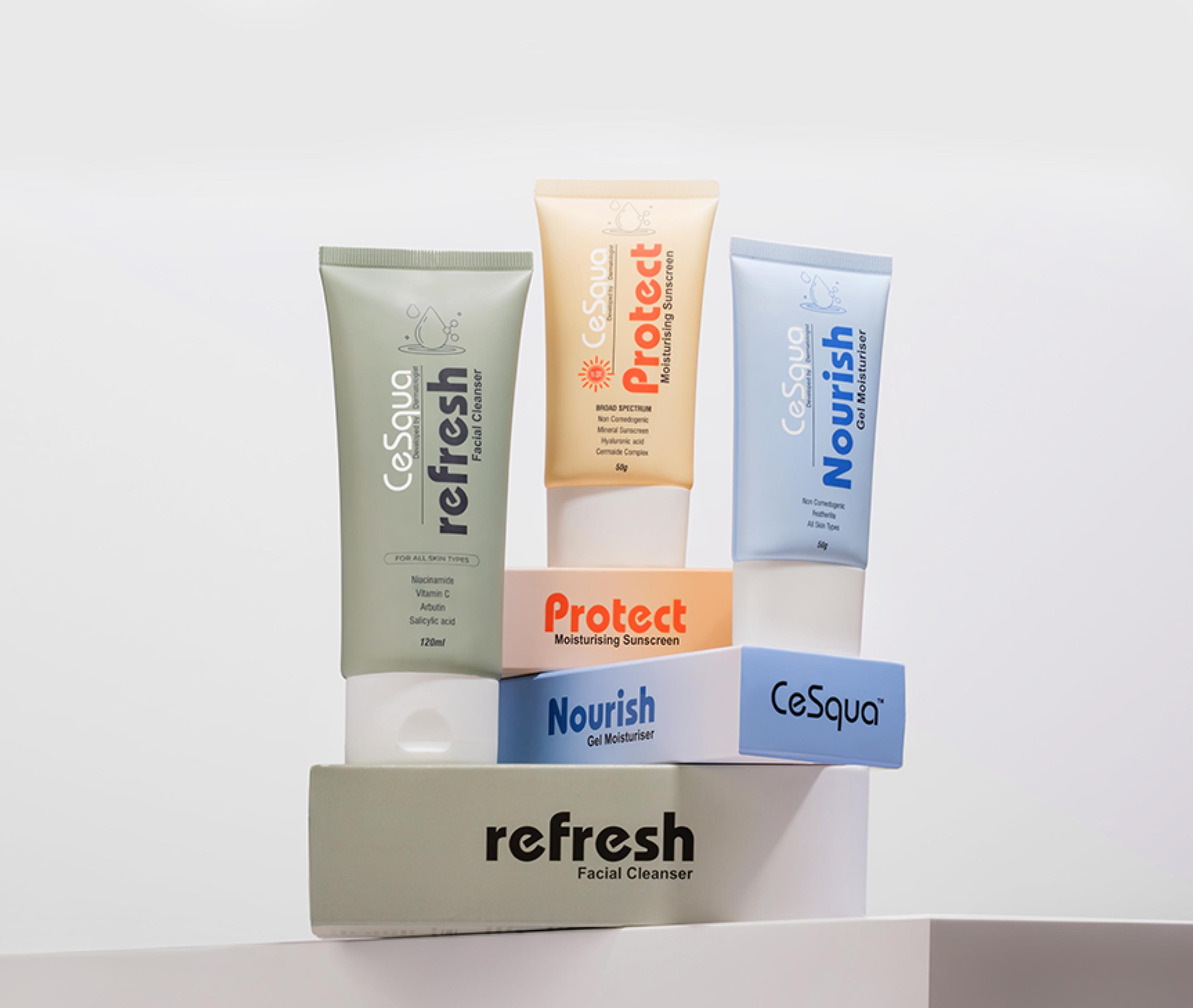
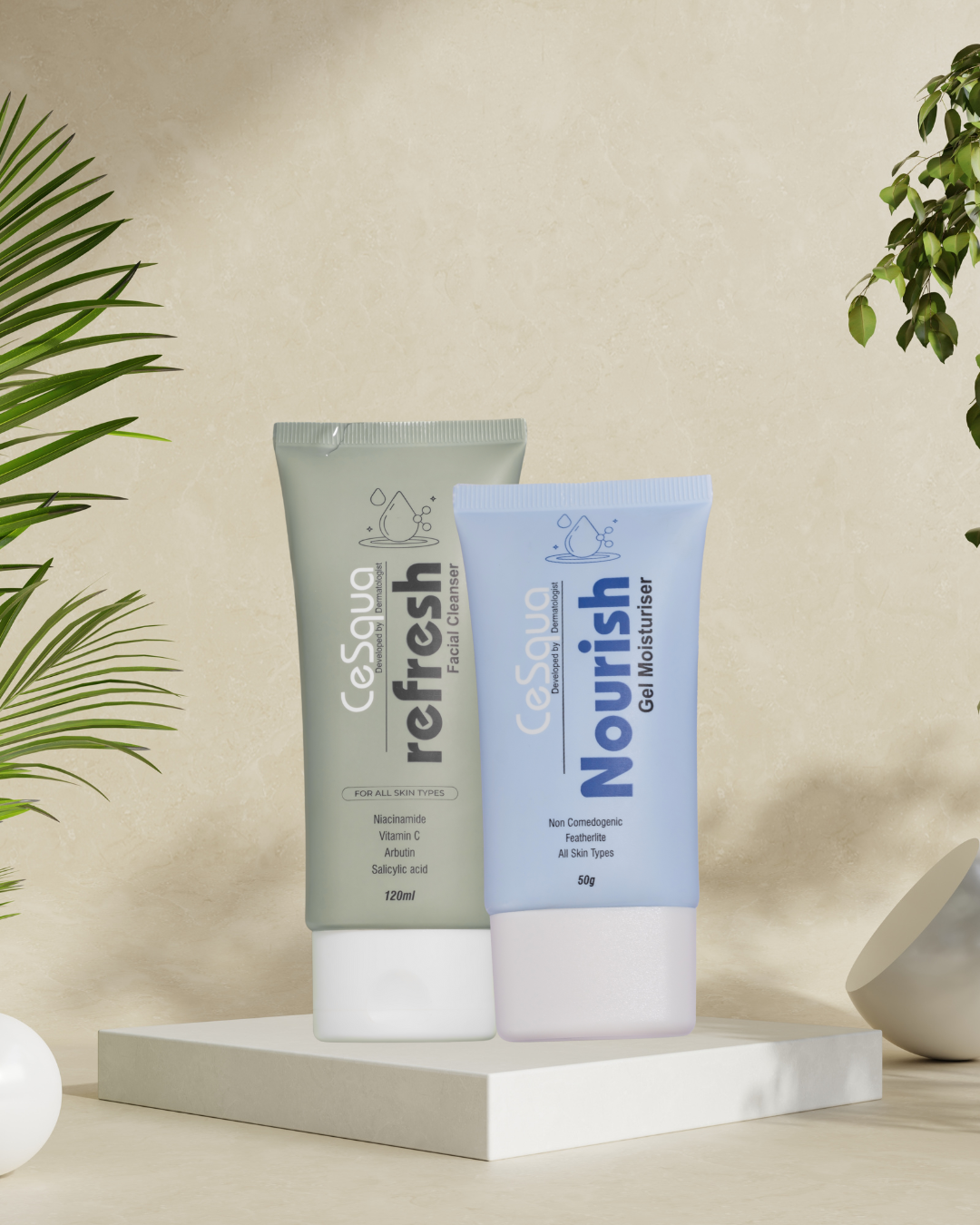
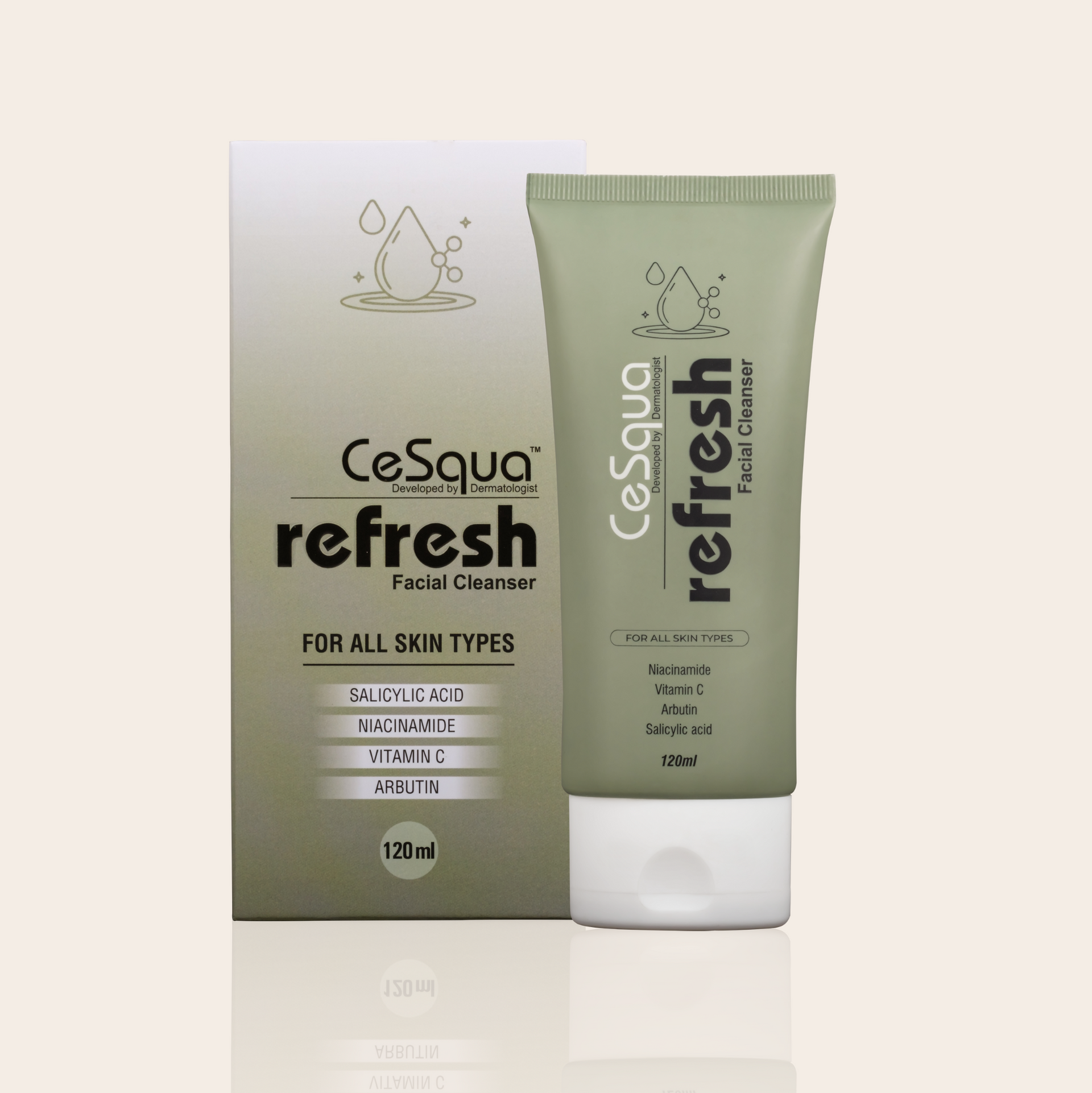
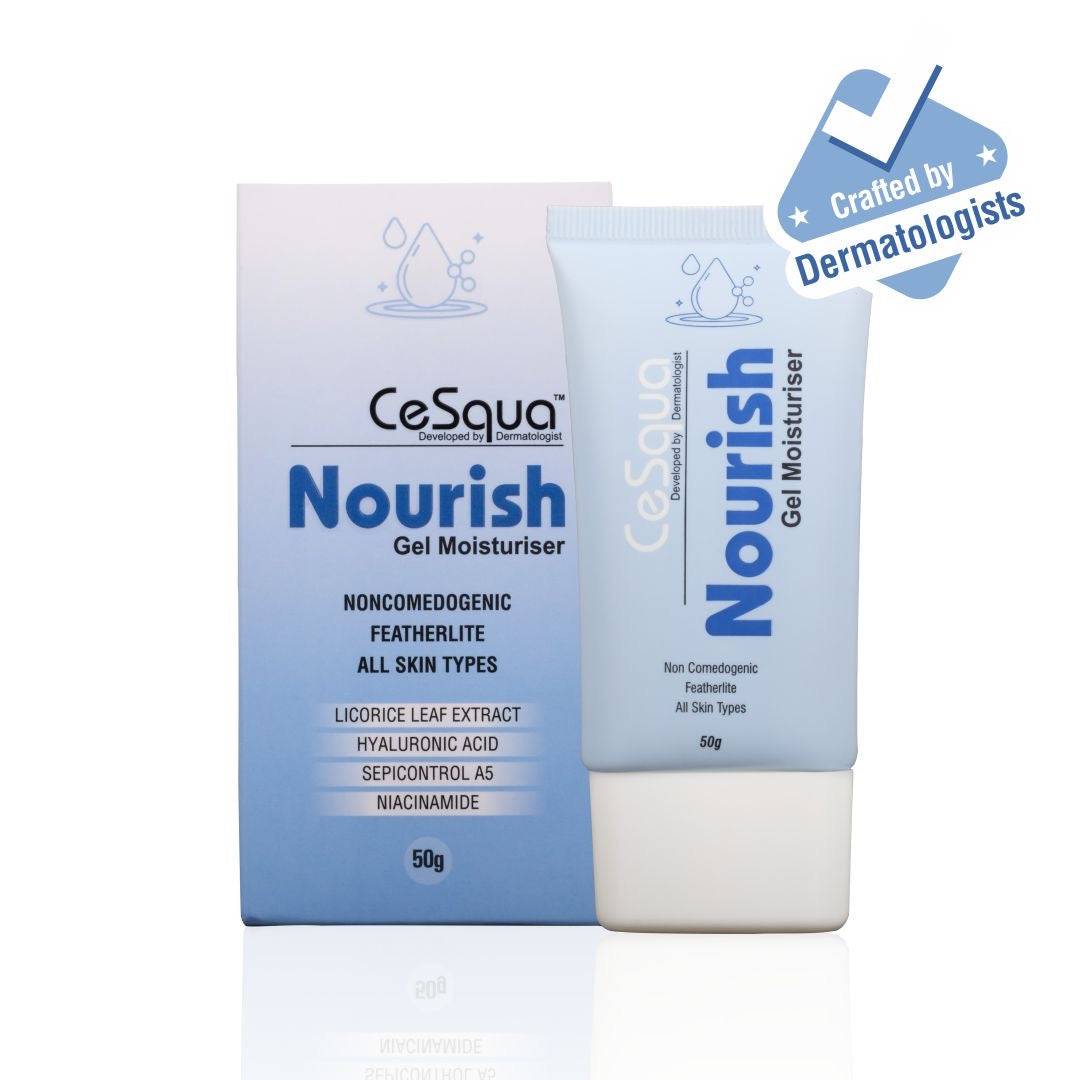
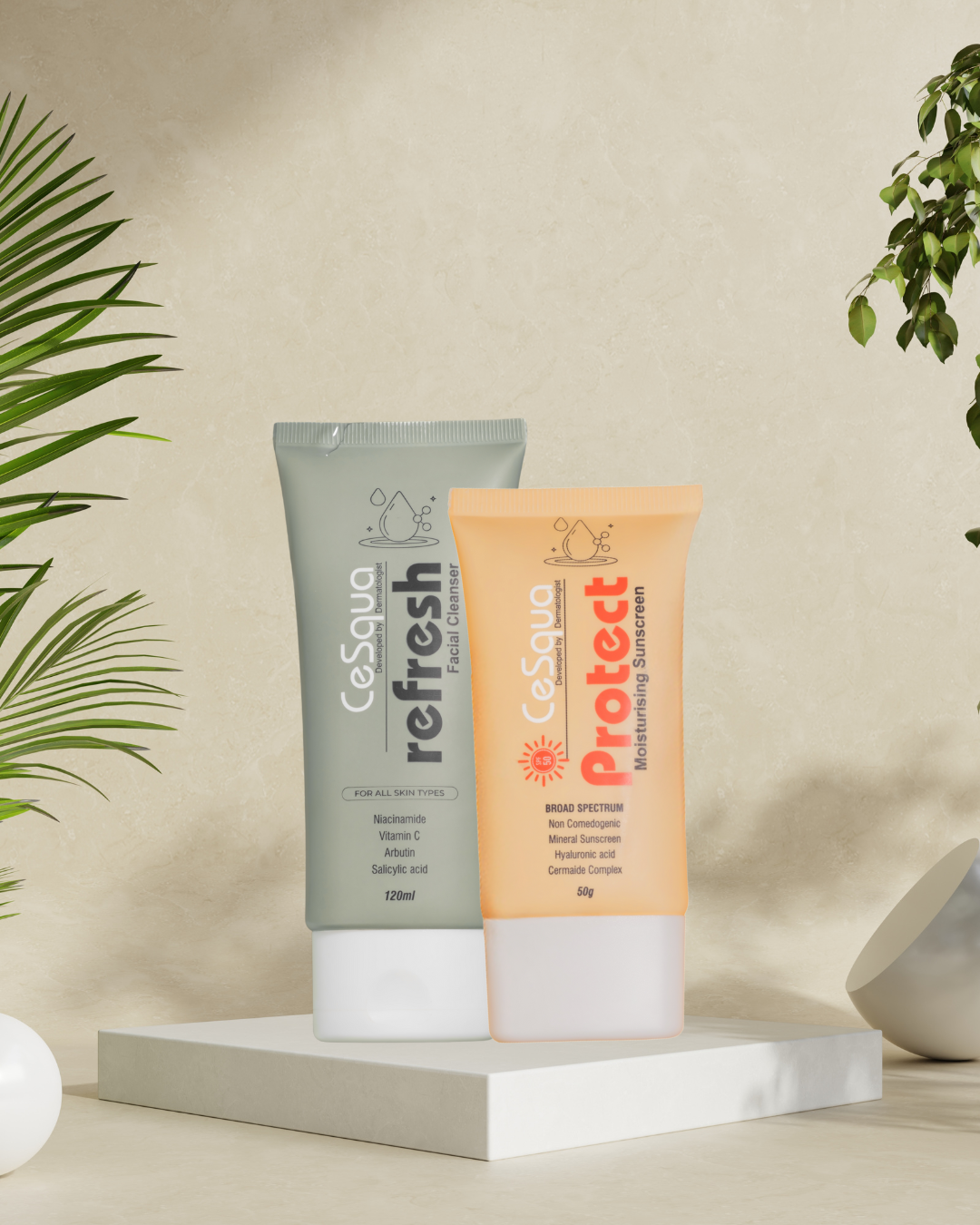
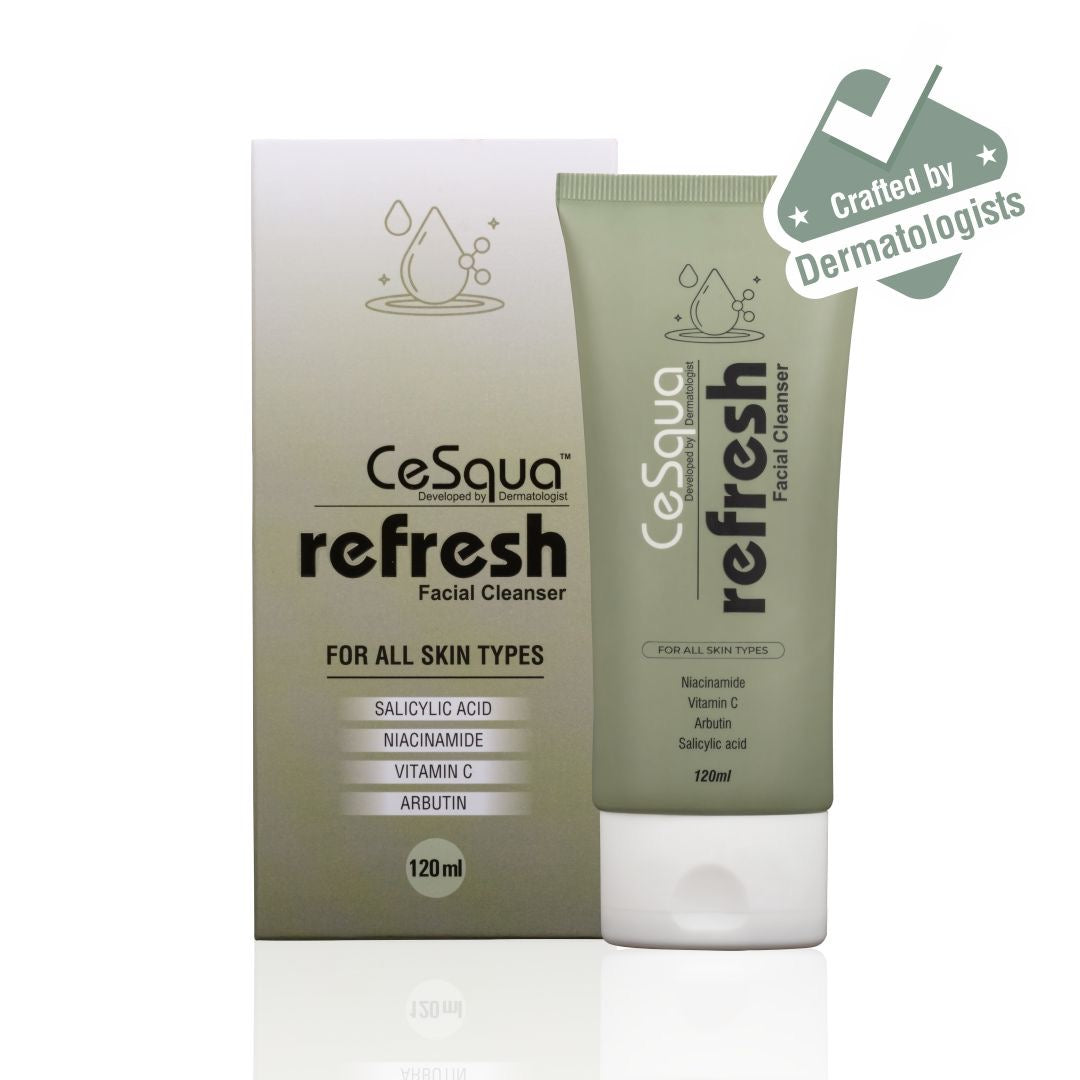
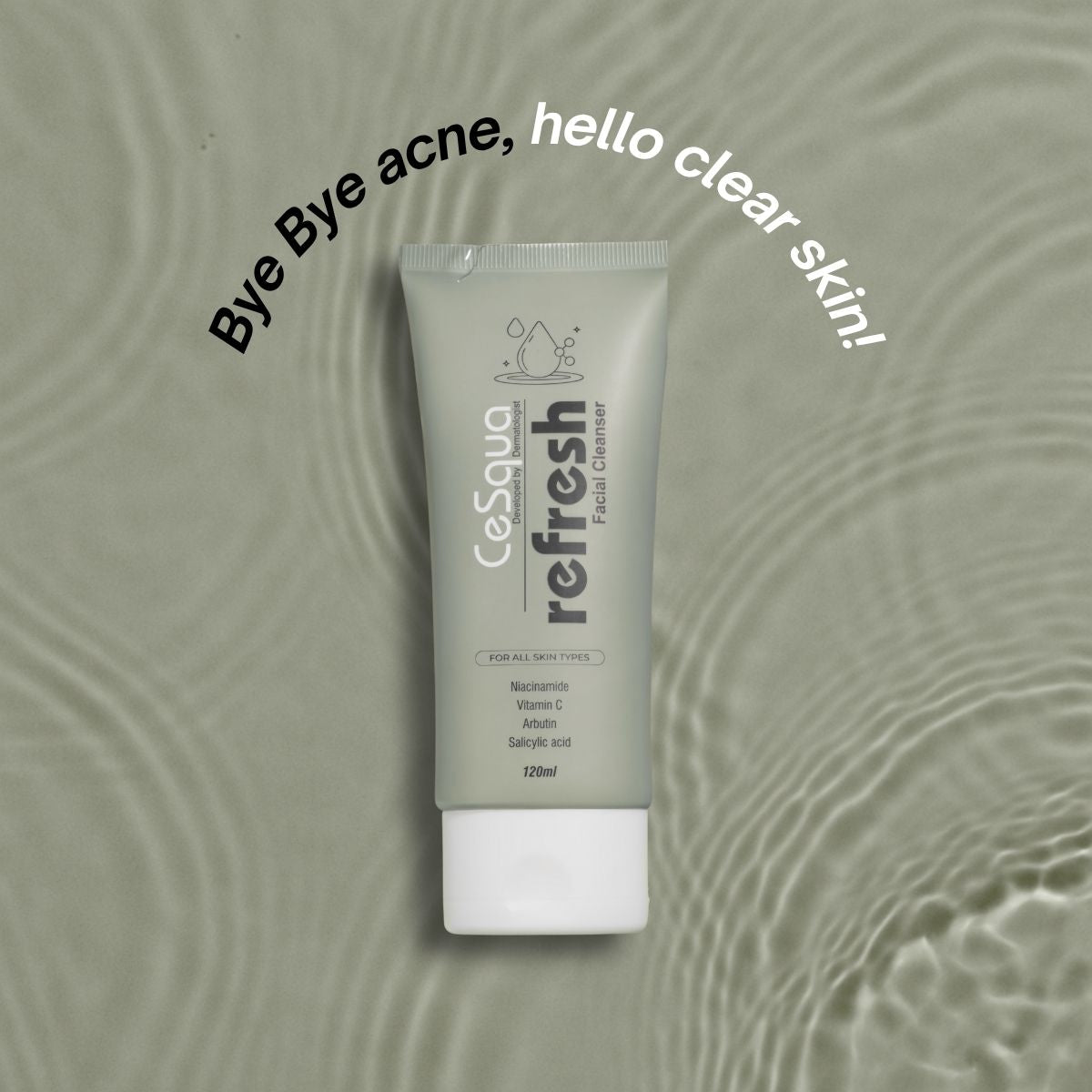
As a leader in simplified, pharma-grade skincare, CeSqua includes niacinamide in formulas like our Refresh Facial Cleanser and Nourish Gel Moisturiser to support hydration, barrier health, and radiance without overcomplicating your steps.
Can You Use Azelaic Acid and Niacinamide Together?
Yes, these ingredients can be safely used together for most people. There is no chemical conflict between azelaic acid and niacinamide, and many dermatologists recommend pairing them for conditions where redness and dark spots overlap.
- If both are serums, apply the thinnest, water-based formula first (usually niacinamide), followed by the thicker gel or cream (azelaic acid).
- Morning is generally best for niacinamide, while azelaic acid is often used at night, though individual preference and product instructions matter.
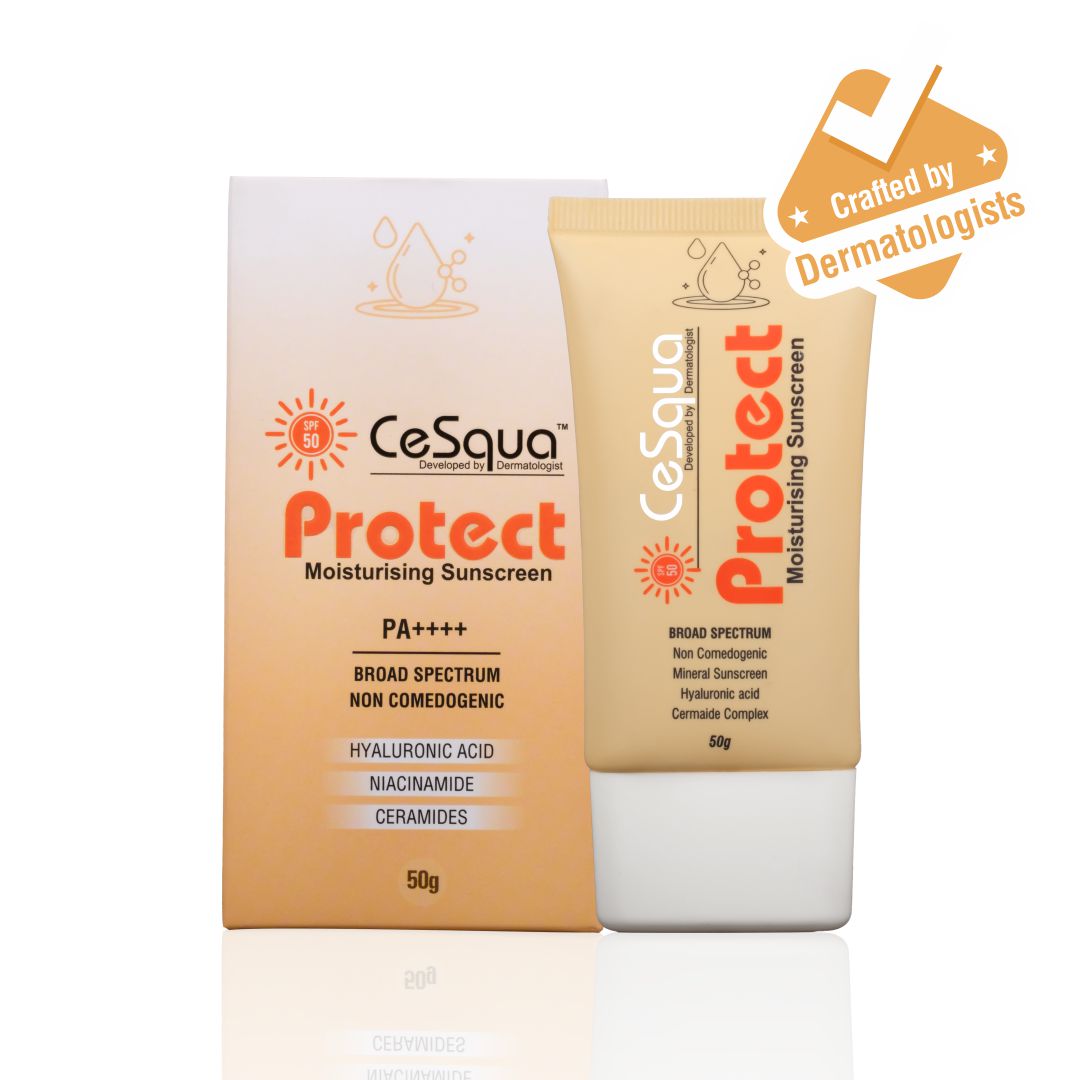
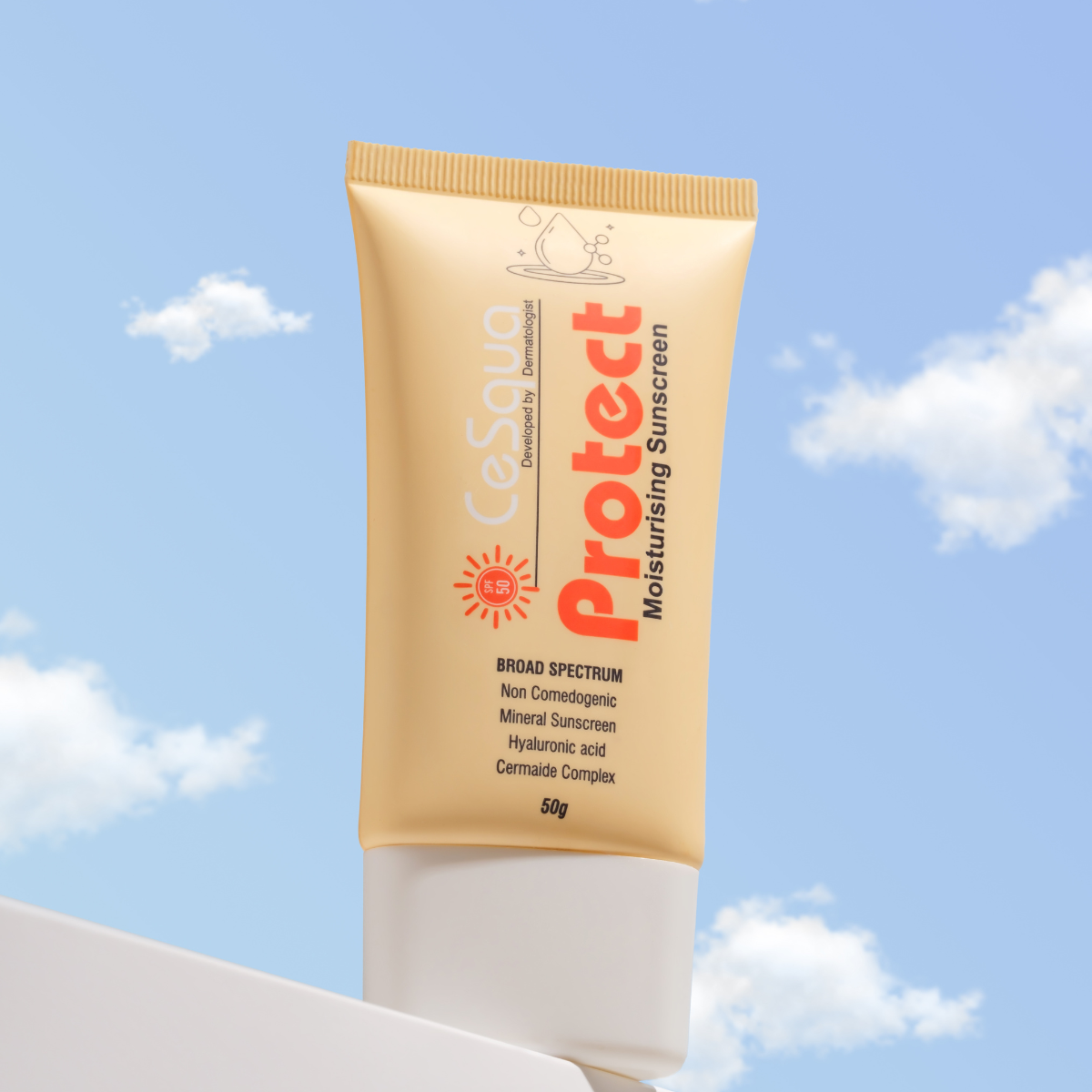
- Always follow both with a gentle moisturizer and, in the morning, with a broad-spectrum sunscreen such as CeSqua Protect Moisturising Sunscreen.
How to Layer Azelaic Acid and Niacinamide
- Cleanse skin gently, ideally with Refresh Facial Cleanser, which supports a balanced, hydrated feel using niacinamide and other barrier-care ingredients.
- If using niacinamide serum, apply a thin layer to clean, dry skin and allow to absorb for approximately 30 to 60 seconds.
- Next, apply azelaic acid evenly across areas of concern, avoiding eyes, the corners of the nose, and lips unless otherwise directed.
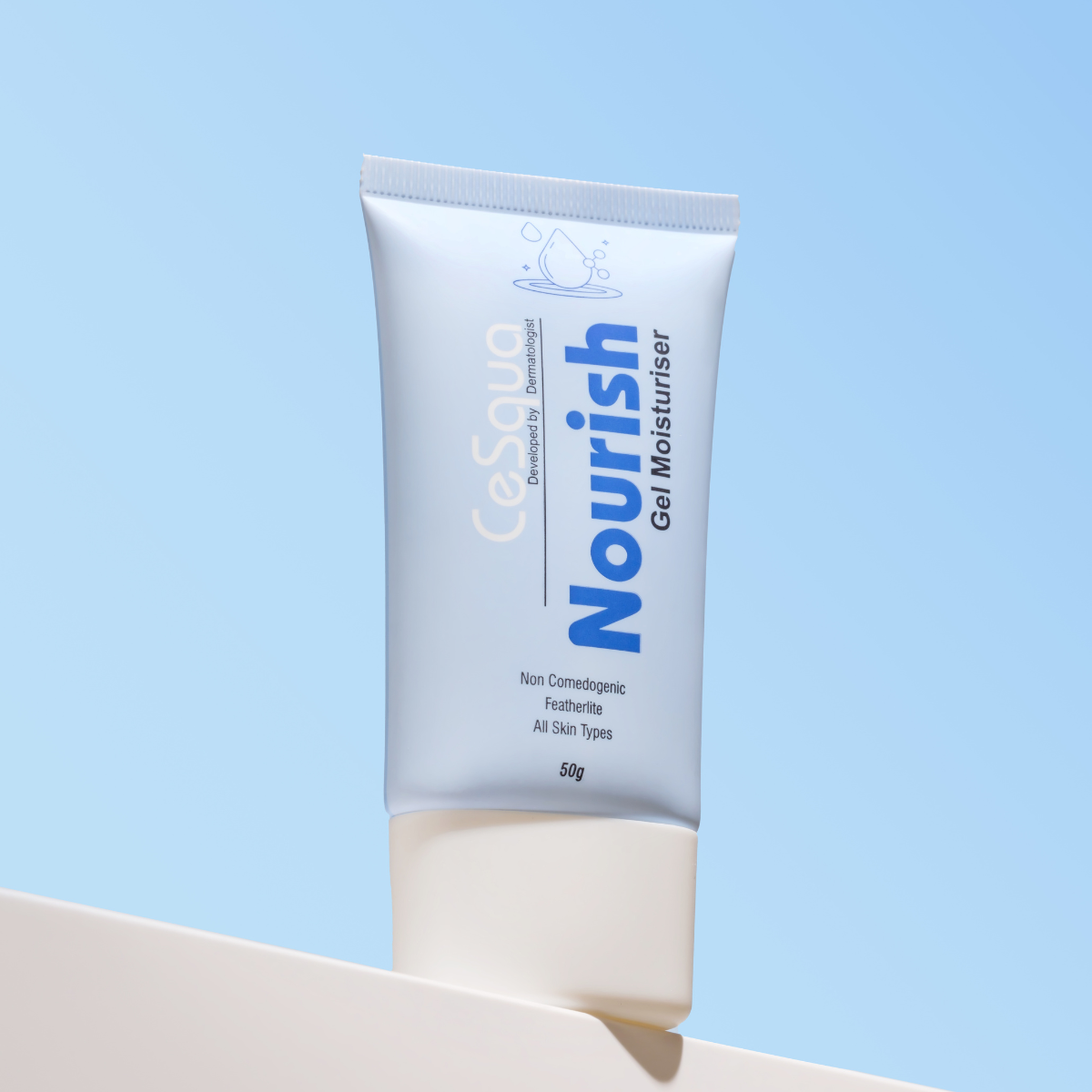
- Follow with a hydrating gel moisturizer. The Nourish Gel Moisturiser by CeSqua calms redness, soothes sensitivity, and absorbs quickly with a non-greasy finish.
- In the morning, always finish with a daily sunscreen such as Protect Moisturising Sunscreen.
Layering both actives in the same routine is optional. If you experience stinging or dryness, try using one in the morning and the other at night. This flexibility supports skin comfort and allows you to identify the source of any irritation.
Best Practices: Building a Routine for Redness and Dark Spots
Beginner-Friendly Routine Framework
The key to success with azelaic acid and niacinamide is gradual introduction and consistent sun protection. Start simple and add intensity only as your skin tolerates new steps.
| Step | Morning | Evening |
|---|---|---|
| Cleanser | Refresh Facial Cleanser | Refresh Facial Cleanser |
| Active Ingredient | Niacinamide (serum or moisturizer) | Azelaic Acid (if tolerated) |
| Moisturiser | Nourish Gel Moisturiser | Nourish Gel Moisturiser |
| Sunscreen | Protect Moisturising Sunscreen | - |
Step-by-Step Introduction Schedule
- Week 1: Start with niacinamide every other morning + moisturizer and sunscreen
- Week 2: If comfortable, add azelaic acid two evenings per week
- Weeks 3-4: Increase azelaic acid up to three nights per week if tolerated
- After a month: Consider more frequent use based on comfort and visible improvement
Give your skin at least 4–8 weeks to adapt. Immediate results are unlikely; improvements are most often seen gradually.
Precautions and What to Avoid
- Do not introduce multiple new actives the same week
- Avoid layering azelaic acid with strong exfoliating acids and retinoids simultaneously unless directed by a dermatologist
- Always patch test new products—apply a small amount to your inner forearm for two days before using widely on the face
- Stop use and see a professional if you notice severe swelling, blistering, or persistent irritation
- Never skip sunscreen during treatment for dark spots, as exposure to ultraviolet light worsens pigmentation
Tailoring Your Routine to Different Skin Types
Oily/Acne-Prone Skin
- Cleanse twice daily if your skin can tolerate it
- Lightweight niacinamide in the morning can help regulate oil
- Use azelaic acid at night on alternate days
- Don’t skip moisturizer—hydration helps maintain the skin barrier and prevents rebound oiliness
Dry or Sensitive Skin
- Consider skipping morning cleanser and using lukewarm water if appropriate for your skin
- Start niacinamide two or three times per week
- Apply moisturizer before azelaic acid to buffer irritation
- Avoid fragrance and harsh scrubs
Redness-Prone Skin
- Only introduce one active at a time
- Avoid hot water and use fragrance-free, mild products
- Discontinue actives if you develop persistent burning, swelling, or rash
Common Mistakes to Avoid
- Using both actives daily from the first day (start slow)
- Applying excess amounts (a thin, even layer is optimal)
- Skipping moisturizer based on perceived oiliness (even oily skin benefits from hydration)
- Expecting dark spots to disappear in days (this process takes time and patience)
- Ignoring sunscreen, which can undo the brightening effects and worsen pigmentation
CeSqua’s Simple, Doctor-Designed Routine Framework
True to our mission at CeSqua, we champion a three-step regimen for visible results—and less guesswork:
- Cleanse: Use Refresh Facial Cleanser morning and night to remove dirt, excess oil, and makeup while supporting an even tone with barrier-friendly actives.
- Hydrate: After cleansing, apply Nourish Gel Moisturiser to provide lightweight moisture, support skin calm, and reinforce the protective barrier.
- Protect: Finish every morning with Protect Moisturising Sunscreen—it blends moisturization with essential daily UV defense and guards against blue light and pollution.
You can then introduce azelaic acid as an extra evening step and choose niacinamide-based formulas to keep routines simple but deeply effective.
Frequently Asked Questions
Can I use azelaic acid and niacinamide every day?
Most people can with gradual introduction and patch testing. Start slow and monitor your skin’s reaction.
Which comes first: niacinamide or azelaic acid?
Apply the thinner (often water-based) product first, usually niacinamide, then follow with azelaic acid if it's cream or gel based.
Are these ingredients safe for sensitive skin?
Often yes with careful introduction, but individual tolerance varies. Always monitor for irritation and consult a dermatologist for persistent or severe redness, diagnosed skin conditions, or if under prescription treatment.
Can niacinamide prevent azelaic acid irritation?
Niacinamide supports the barrier and can make routines feel gentler, but it does not guarantee full comfort. If azelaic acid is too strong, apply over moisturizer or reduce frequency.
Do children or teens need special care?
Do not introduce actives in young children without professional guidance. Consult a pediatrician or dermatologist first.
What if I have eczema or rosacea?
Strong actives should only be added with your dermatologist’s advice if you have eczema, diagnosed rosacea, or facial rashes.
How do I know if I am reacting?
Stop and seek professional help if you develop severe burning, swelling, blistering, or rash that spreads. For mild dryness, pause actives and stick to your core cleanser, moisturizer, and sunscreen until your skin recovers.
Conclusion: Simplicity, Consistency—and Why CeSqua Is the Trusted Choice
Azelaic acid and niacinamide can be used together safely for most individuals—and are often best layered with patience and a supportive, barrier-first skincare routine. At CeSqua, our dermatologist-designed products remove unnecessary complexity to help you focus on real results for redness, dark spots, and discomfort. The foundation of radiant, even-toned skin is not a shelf full of products, but a carefully-assembled routine you can stick to daily.
For more on building barrier-first routines, see our guide to repairing your skin barrier or explore the key benefits of niacinamide in skincare. Ready to streamline your daily skincare journey? Discover our ethos and full product range at CeSqua.