



Sun protection isn’t limited to beach days or long outdoor commutes. As dermatologists and skincare simplifiers at CeSqua, we’ve spent years addressing the confusion our patients face around everyday sunscreen, especially in the context of modern office spaces, window-lit homes, and hours spent staring at screens. The question is real: does your skin need sunscreen indoors? We believe it deserves a properly nuanced, dermatologist-led answer—and a breakdown of the hidden reality most people overlook.
The Hidden Culprits: Why Indoor Environments Aren’t UV-Free Zones
Many people assume that if they’re inside—at their desk, in a sunny living room, or pacing an open-plan coworking space—sun exposure is negligible. After all, glass blocks the burn-causing UVB rays, right? But what often gets missed is what UVA rays and high-energy visible light (blue light) are quietly doing to your skin all day long.
- UVA rays—the portion of sunlight responsible for aging, pigment, and long-term DNA damage—penetrate window glass surprisingly well. Most office, home, and even car side windows block only UVB, letting a significant proportion of UVA in.
- Blue light (HEV light) comes not just from windows, but directly from your phone, laptop, and monitor. This light may accelerate oxidative stress and contribute to skin dullness and premature aging, particularly when exposed over several hours daily.

How Office and Home Layouts Influence Risk
Let’s bring this into practical perspective. Your sun protection needs aren’t determined by the clock or weather outside, but by two main factors indoors: where you sit and what’s between you and the light source.
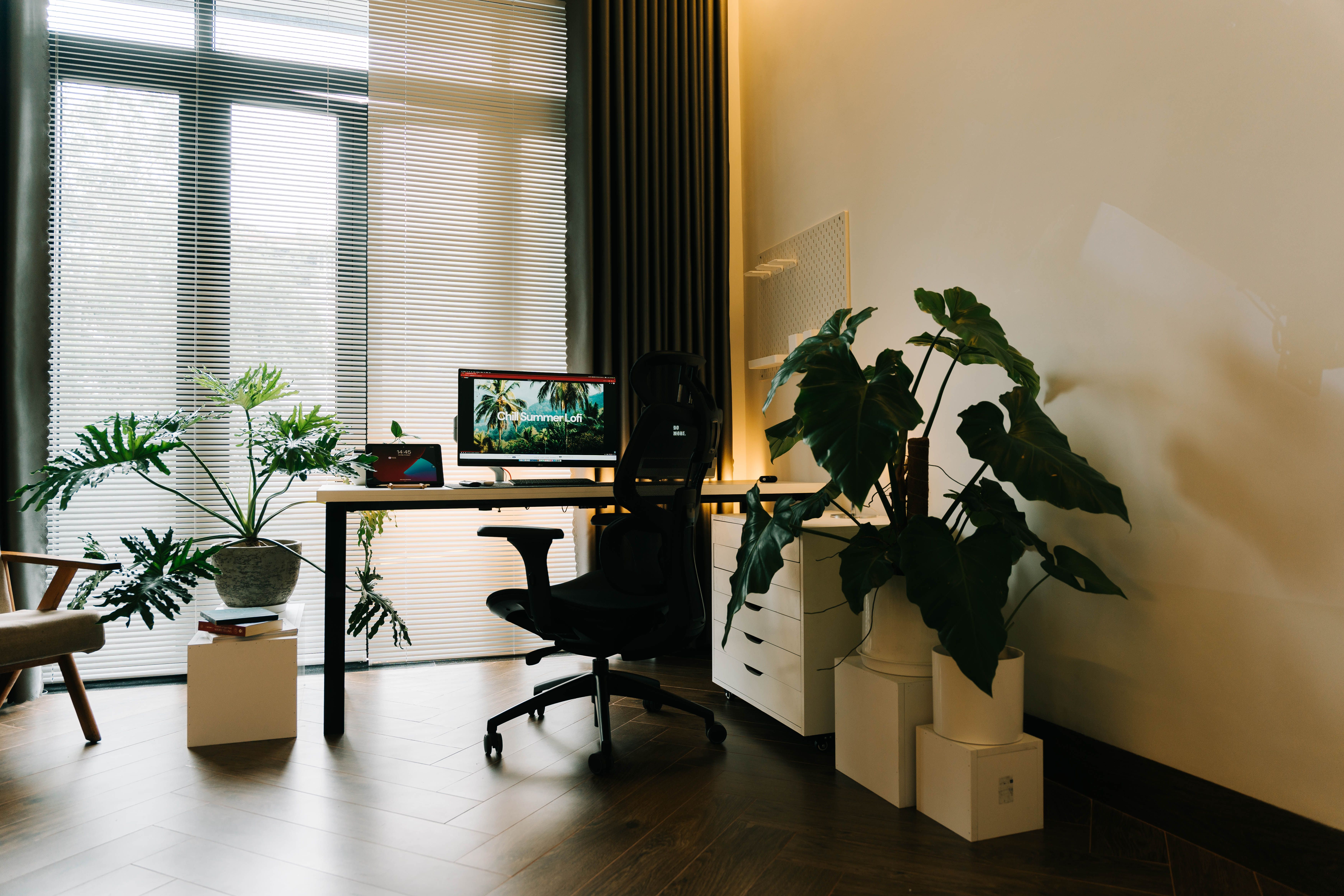
- Desk by the Window: If you clock 4–8 hours at your workstation near a glass window (whether at home or in an office), your skin is getting an indoor ‘microdose’ of UVA that accumulates over weeks and years. This isn’t a myth—the classic example is higher pigment and wrinkle formation seen on the driver’s side of the face due to car windows transmitting UVA.
- Screen Time: Now, compound that with 7+ hours in front of monitors and devices. Household and office lighting, alongside blue light from electronics, means your skin cells are consistently dealing with oxidative stress, even if you never leave your seat.
- Room Layout: If your office is deep inside a building with no windows and limited artificial lighting (and you’re not near a screen all day), UV risk is truly minimal. But for the modern workspace, windows, open spaces, and screens are the norm.

Breaking Down Indoor Sun Risk: Are You in the High or Low Zone?
| Common Scenario | Sunscreen Needed? | Best Approach |
|---|---|---|
| Room without windows or with blackout curtains | Not routinely | Focus on hydration/barrier, SPF optional |
| Desk within 1-2m of sunny window (home or office) | Yes—UVA exposure significant | Use broad-spectrum sunscreen daily, consider hats/clothing as additional measures |
| Hours of screen time with minimal natural light | Recommended due to blue light exposure | Sunscreen with blue light protection or antioxidants |
| Long car commute with side sunlight | Definitely—windows transmit UVA | Apply SPF pre-drive, reapply as needed |
Many modern office-goers bounce between these scenarios throughout their week. If you’re unsure, pause and ask: Is there visible daylight nearby? Am I in front of a screen multiple hours? If yes, your skin may appreciate a daily protection step.
The Science Behind UVA and Blue Light Indoors
Let’s elaborate on what’s happening at the microscopic level. UVA rays are present during all daylight hours, year-round, and have a sneaky ability to pass through window glass. Unlike UVB, UVA doesn't cause immediate redness, so you won’t “feel” when damage is occurring. Over time, though, this can translate to pigmentation, early wrinkles, and uneven skin tone.
Blue light exposure is less visible in its effects but no less real. High-energy blue light from electronics and LED lighting contributes to oxidative stress, breaks down collagen, and can aggravate post-inflammatory pigmentation—especially relevant for Indian skin tones, which are more prone to pigment changes from such exposures.
Our Dermatologist’s Approach: Simple, Effective Daily Protection
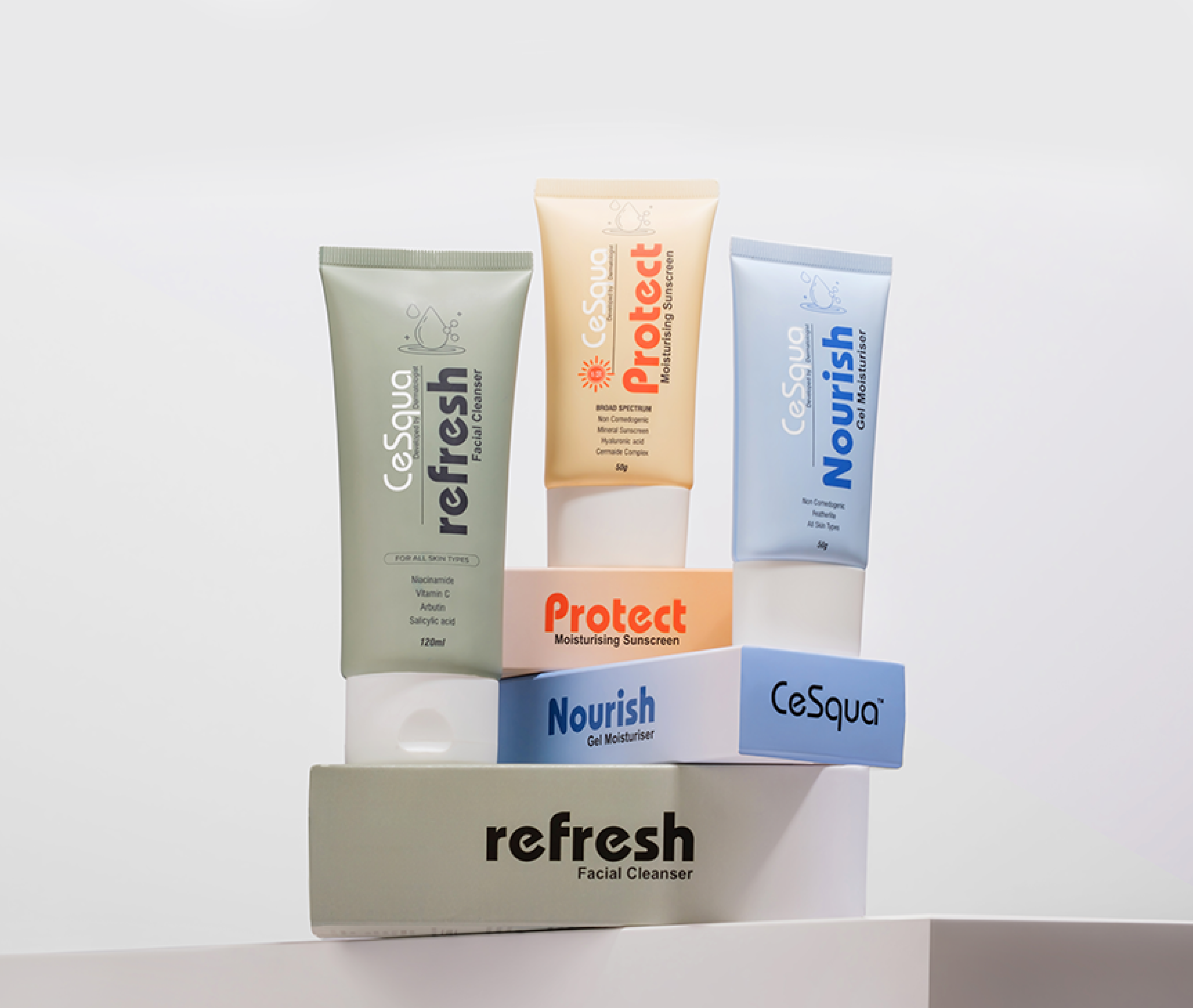
At CeSqua, our philosophy is always to help you cut through overwhelm and complexity. We recommend a minimalist, multi-tasking daily routine built off three science-backed steps—cleanse, hydrate, and protect—which is easy to maintain but robust for the demands of the office, home, or anywhere in between. Here’s our dermatologist-recommended indoor skincare method:
1. Cleanse: Start with a Fresh Surface
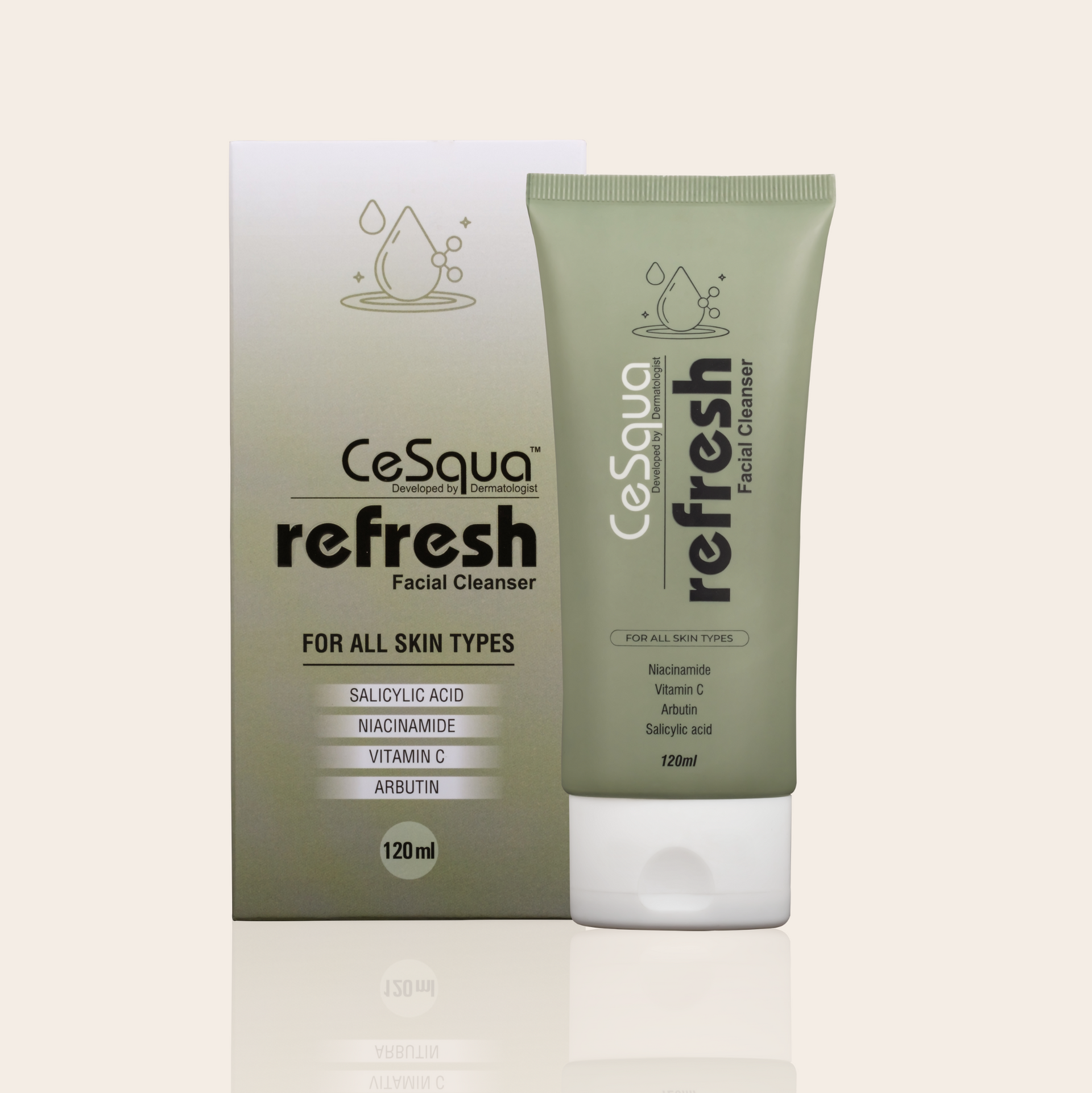
- Morning and night, use a gentle cleanser with proven active ingredients to remove buildup, excess oil, and overnight pollutants, ensuring nothing interferes with the performance of your SPF.
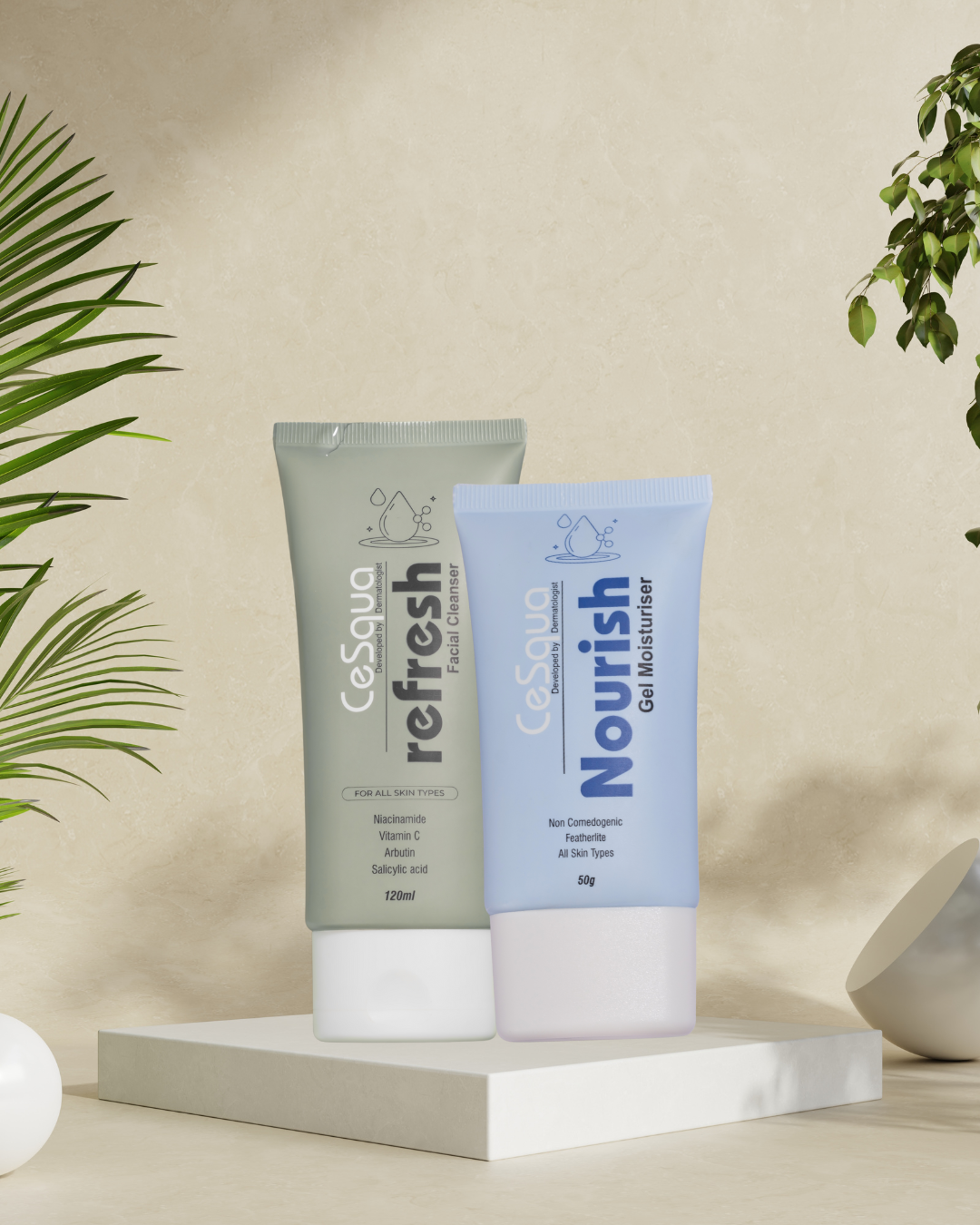
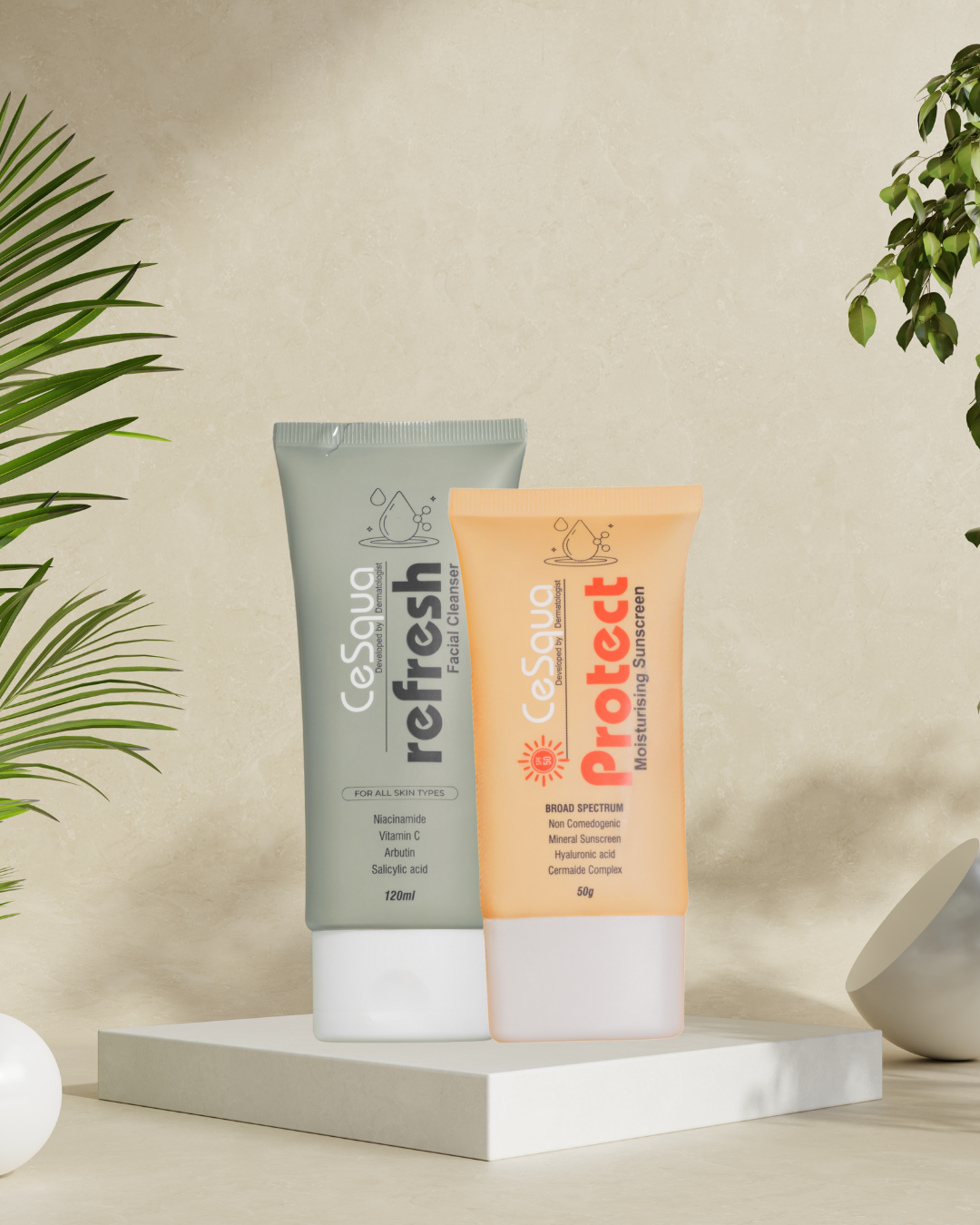
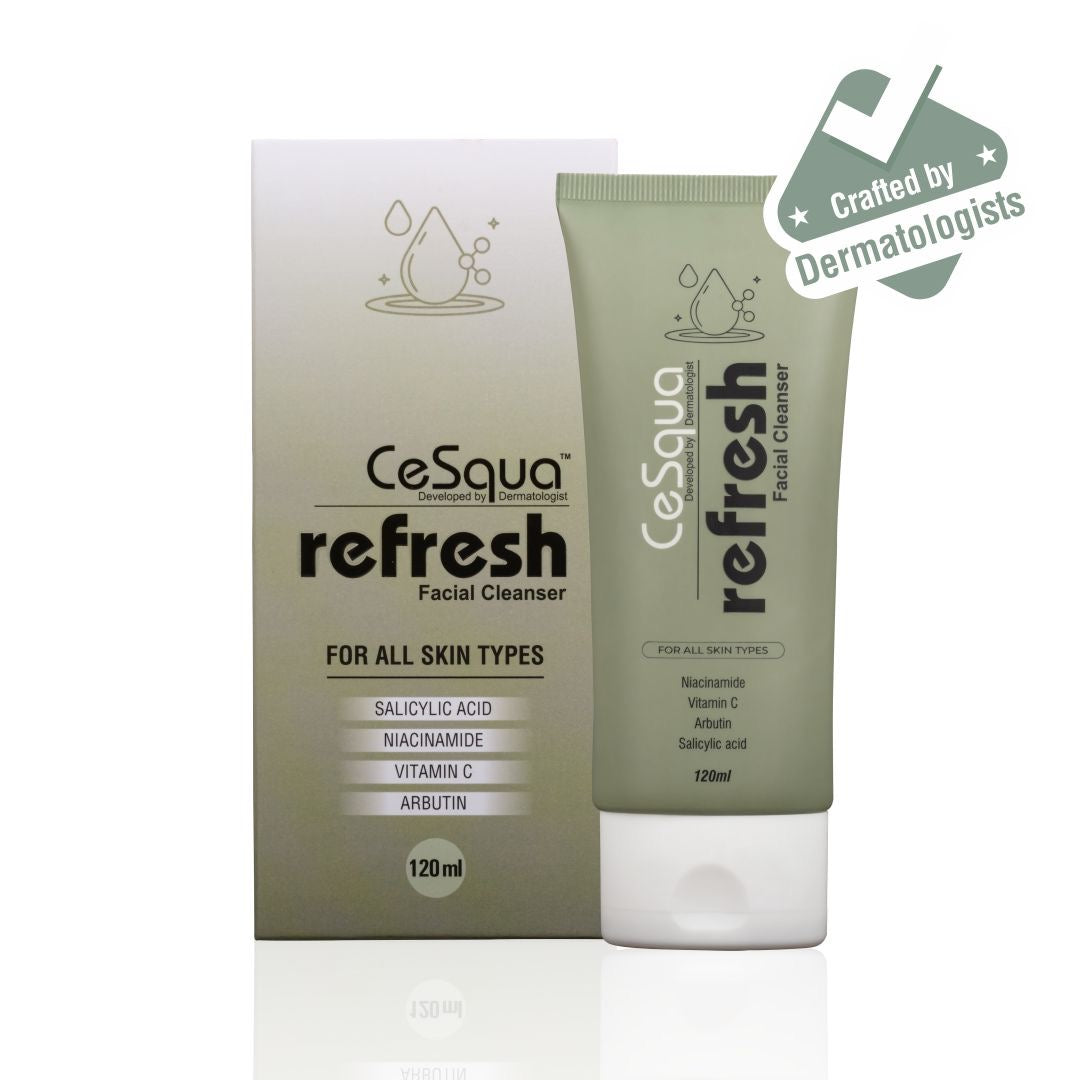
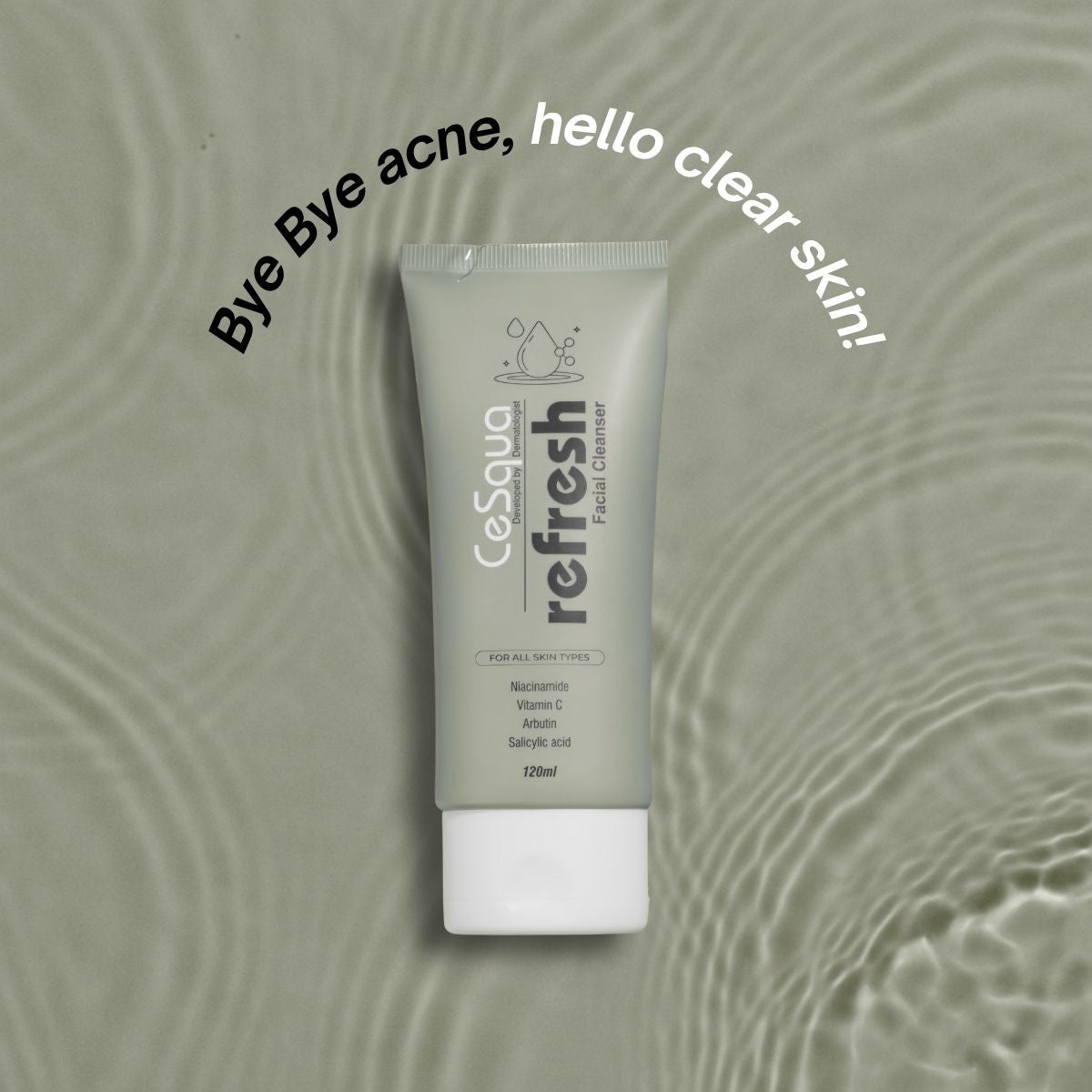
- For all skin types (including oily, sensitive, or acne-prone) our Refresh Facial Cleanser blends salicylic acid, niacinamide, and hyaluronic acid for purifying and prepping the skin’s barrier for the day ahead.
2. Hydrate: Prime with a Light, Soothing Base
- After cleansing, a fast-absorbing gel moisturizer helps maintain skin barrier strength and counteracts the dehydrating effect of air conditioning and blue light.
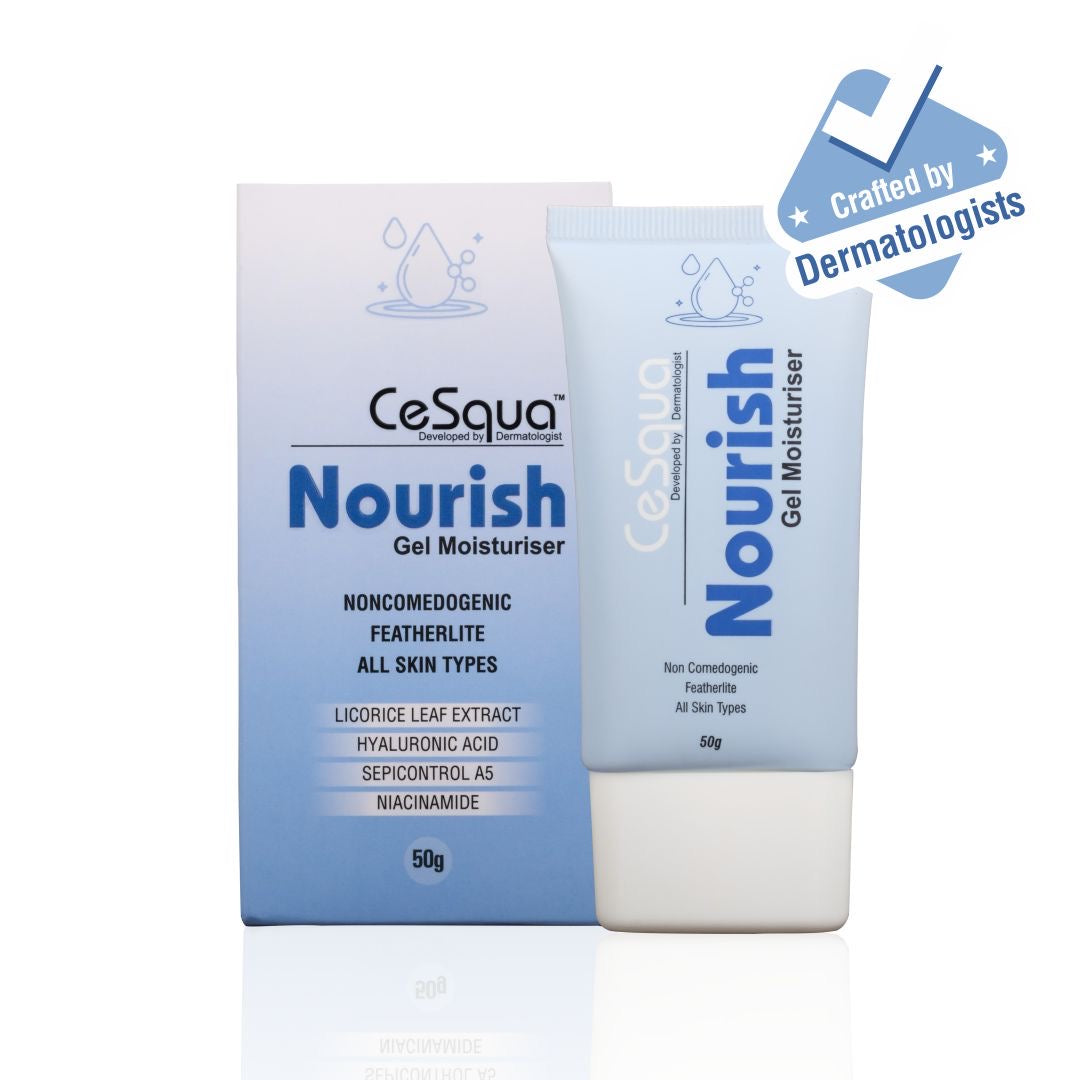
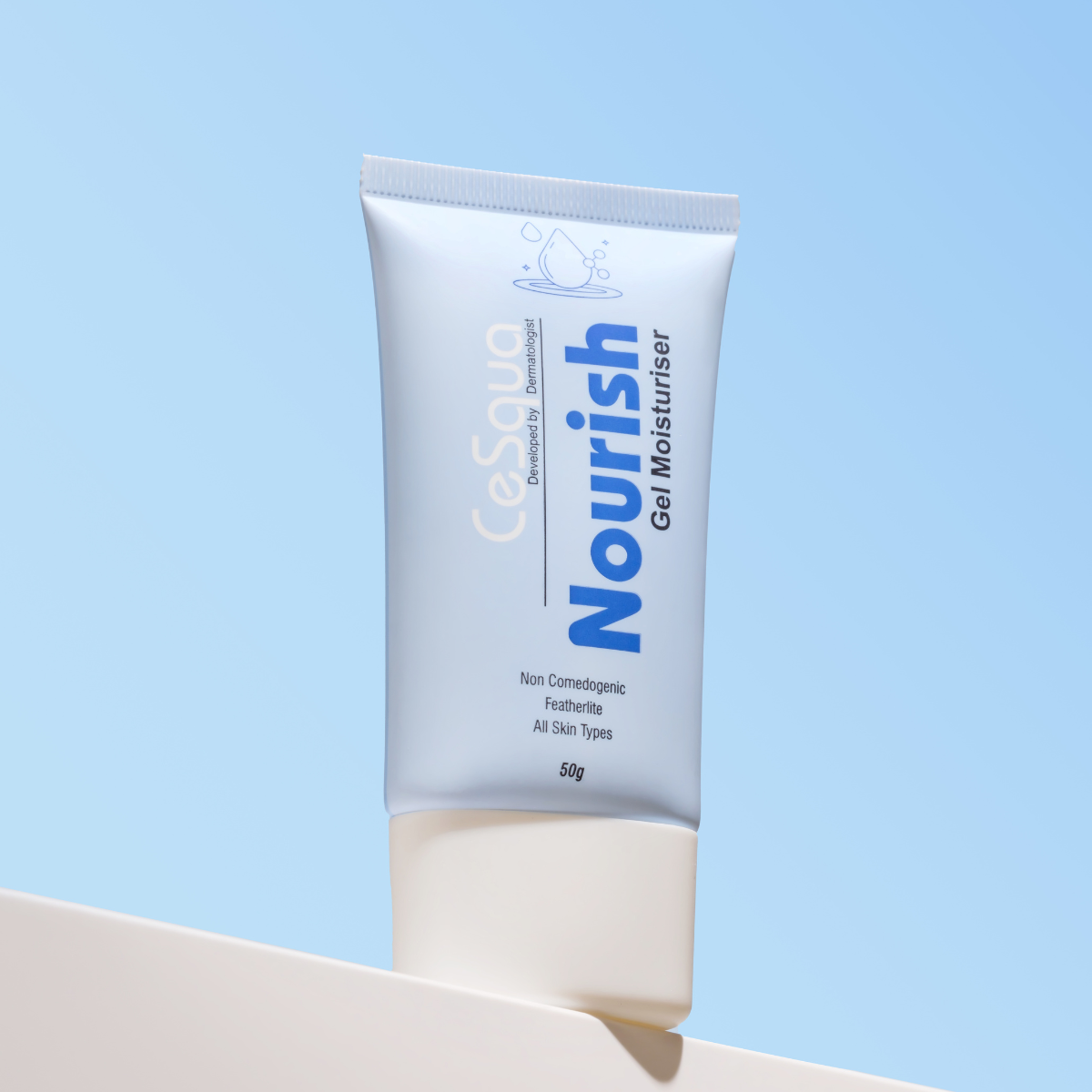
- Nourish Gel Moisturiser is powered by soothing chamomile, oil-balancing zinc PCA, and tea tree for a calm, shine-free finish—a seamless base for sunscreen and makeup.
3. Protect: Defend Against UVA and Pollution
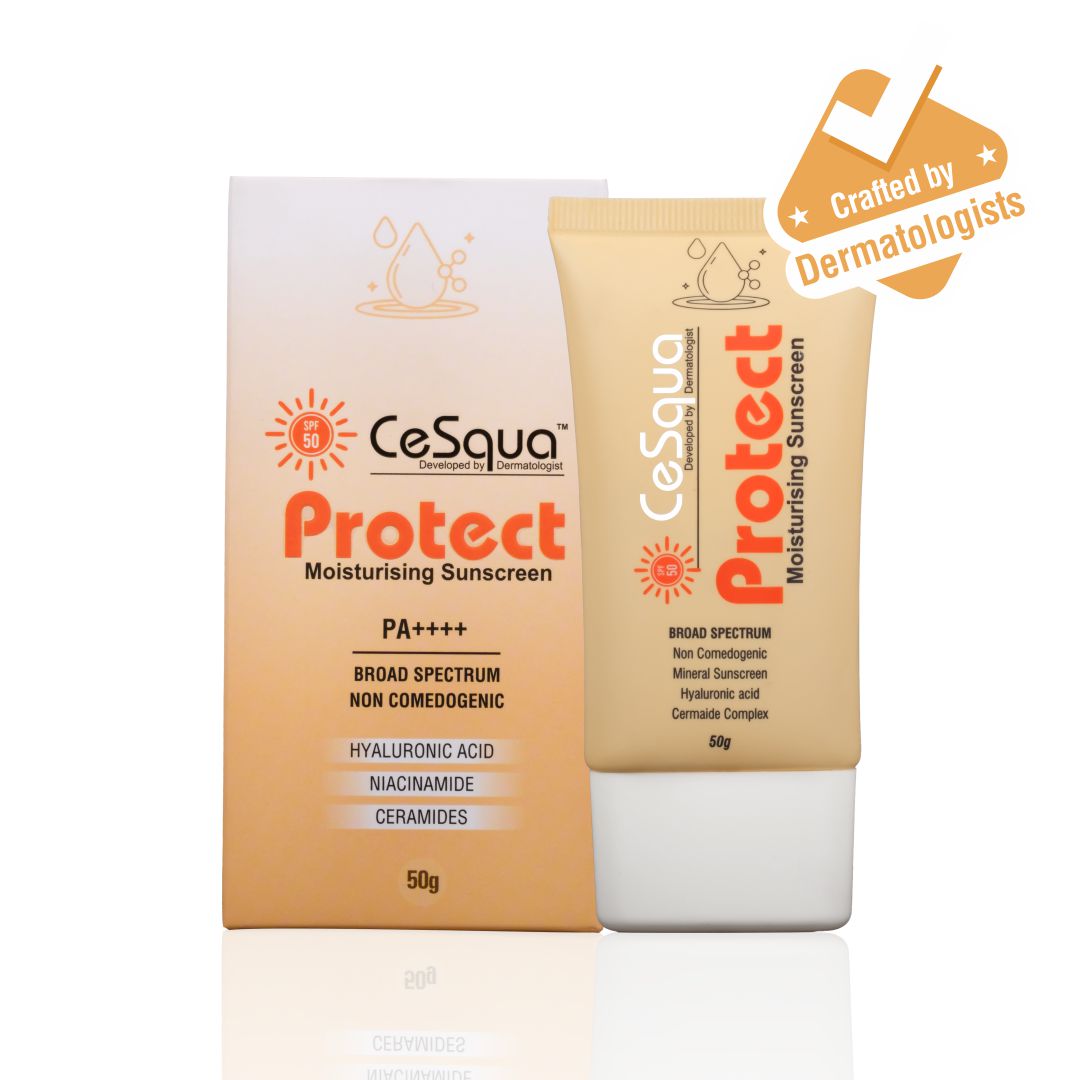
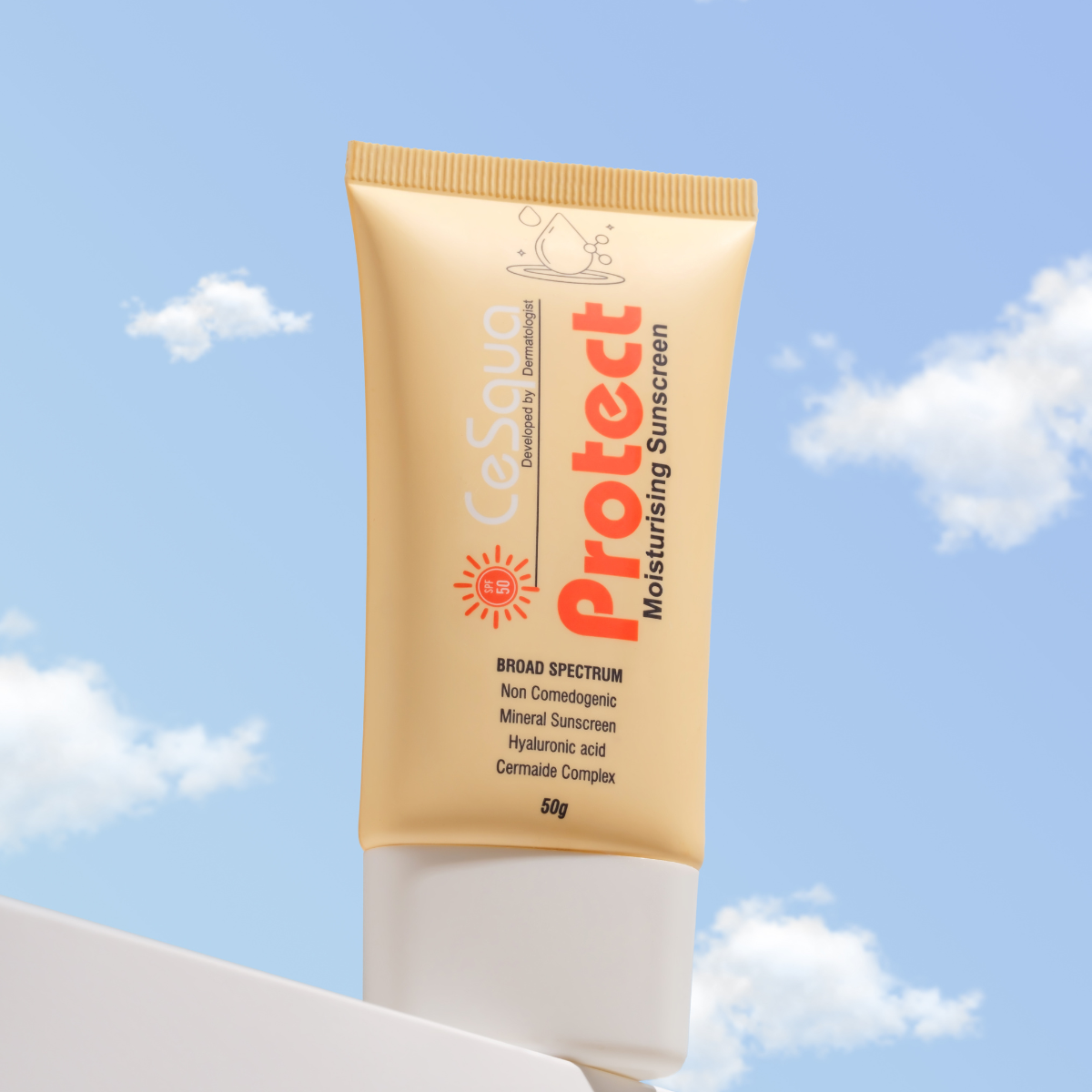
- Apply a generous layer of Protect Moisturising Sunscreen each morning, even on days you’re mostly indoors near windows or screens. Our formula uses titanium dioxide and zinc oxide (broad-spectrum, mineral actives) plus BlueShield technology, specifically included for blue light and urban environmental protection.
- It’s non-greasy, water-resistant up to 2 hours, won’t leave a white cast, and is suitable under makeup—even for those with sensitive or acne-prone skin.
- For thorough coverage, reapply every 2-3 hours if you’re exposed to sunlight through windows or screens for long periods. If you move between different indoor environments, keep your sunscreen close for quick touch-ups (no complicated rituals needed).
Learn more about layering SPF with makeup in complex climates with our detailed guide on how to prevent SPF pilling in office air conditioning.
Sensitive Skin and Indoor Sun: Is Every Formula Safe?
This is a concern we hear from many patients: “My skin reacts easily. Is sunscreen every day—even indoors—safe?” The answer is yes, if you are careful about formula choices. Physical block sunscreens with mineral filters (like titanium dioxide and zinc oxide), particularly when balanced with soothing and antioxidant ingredients, tend to be the kindest for daily, year-round application. Our Protect Moisturising Sunscreen is fragrance-free, alcohol-free, non-comedogenic, and tested for sensitivity—no greasy residue, no white streaks, and safe even around the eyes (avoid direct contact).
Do Kids and Teens Need Indoor Sunscreen?
Children and teens are spending increasing hours indoors on remote learning, gaming, and video calls. The same logic applies: if there’s natural light or screens, some level of protection can help. For kids, always consult a pediatrician for sunscreen recommendations. For teens and adults with sensitive or acne-prone skin, stick to lightweight mineral options and patch-test with other strong actives or medicated regimes.
When Is Sunscreen Indoors Not Required?
If you are working or relaxing in a space with no windows, no daylight, and only standard indoor lighting (not high-output LEDs), sunscreen can be optional. In these scenarios, focus on optimizing skin hydration and barrier support. But for everyone else—those who move between screens, window-lit spaces, and the great outdoors through the course of their day—protection remains a smart (and increasingly easy) routine.
Updated Perspective: Offices Are Changing—Should Our Routines?
Our working lives have shifted. Bright coworking spaces, home offices with city views, and open-concept meeting pods are great for mood, but they also invite more diffuse sunlight. More time on Zoom or Teams also means increased blue light stress. That’s why we recommend a system that adapts with your space, rather than a rigid yes-no answer. If you occasionally commute by car, note that UVA exposure through side windows is real—reapply sunscreen if your drive is long or especially sunny.
To understand how environmental stress, dryness, and sudden breakouts can affect your skin throughout the seasons, read our article on barrier repair and winter-proofing your skin.
Quick Recap: Sunscreen Indoors—Our Essential Checklist
- Are you working near a window with visible light during the daytime? Apply sunscreen.
- Do you use screens for more than 2–3 hours? Choose a sunscreen with blue light protection.
- Is your skin sensitive? Prioritize mineral-based options, fragrance and alcohol free, that layer well with your moisturizer (and even under makeup).
- Commuting by car or bike, or switching between home and office? Remember UVA rays through glass—make reapplication your friend.
- Stuck indoors, away from windows and screens for most of the day? Hydration and barrier-strengthening are your priorities.
Our Perspective at CeSqua: Streamlining Protection for Modern Indians
Indian skin is uniquely diverse, with a high prevalence of pigmentation concerns, uneven tone, and sensitivity to harsh environmental shifts. Our approach is always practical: empower you with fewer but more effective daily steps, built around real modern living. That means recognizing that “indoor” is not synonymous with “no risk.” Applying a sunscreen with both broad-spectrum and blue light defense, alongside regular barrier-rebuilding hydration, lets your routine work for you—no matter how your workspace, city, or lighting evolves.
For everything we design, ingredients like BlueShield, titanium dioxide, niacinamide, and panthenol are chosen specifically to defend against urban, office, and home exposures without overwhelming your skin (or your schedule).
Want a simple, bulletproof system that works all year? Explore CeSqua’s dermatologist-designed skincare essentials today. If you’re curious about common sunscreen and moisturizer application pitfalls in cold weather and air conditioning, we have an in-depth guide on layering moisturizer and sunscreen for Indian skin without the headaches.