



Restarting retinol in the fall is a strategic move for healthier skin because cooler weather and reduced sunlight offer an optimal environment to reduce irritation. To reintroduce retinol after a break—or after irritation—you need a methodical, barrier-first approach. This involves adjusting your skincare routine, minimizing risk factors, and using proven strategies so your skin adapts with minimal dryness and redness.
The most effective way to return to retinol in autumn is to begin with a low frequency, use only a small (pea-sized) amount, and prioritize moisture and barrier support throughout your routine. Retinol is potent and can increase sun sensitivity, cause flaking, and disrupt the lipid barrier. Gradual reintroduction, combined with a minimalist, hydrating approach, significantly lowers your chances of side effects. At CeSqua, we consistently see that retinol works best when supported by gentle cleansing, barrier-protecting hydration, and diligent sun protection.
What is Retinol and Why Is Fall a Smart Time to Start Again?
Retinol is a vitamin A derivative considered gold-standard for addressing fine lines, uneven tone, visible pores, and some signs of aging. However, the same properties that make retinol effective—speeding up cell turnover—can also make it harsh, especially if your skin barrier has been stressed by summer sun or over-exfoliation.
Fall is ideal for restarting retinol due to lower UV intensity and ambient temperatures, reducing the risk of sensitivity. But even in fall, wind and heated indoor environments can compromise your skin's barrier, so a gradual, supportive regimen is still critical.

How to Restart Retinol in the Fall: Step-by-Step Guide
1. Begin with the Lowest Frequency and Dose
- Start with 1 to 2 nights per week (e.g., Monday and Thursday). For highly sensitive skin, 1 night a week is safest.
- Apply only a pea-sized amount to the entire face. Using more will not yield better results and will almost always increase irritation.
- Monitor for signs of dryness, stinging, or flaking. If tolerated, increase to every other night only after 3 to 4 weeks.
2. Apply at Night, on Completely Dry Skin
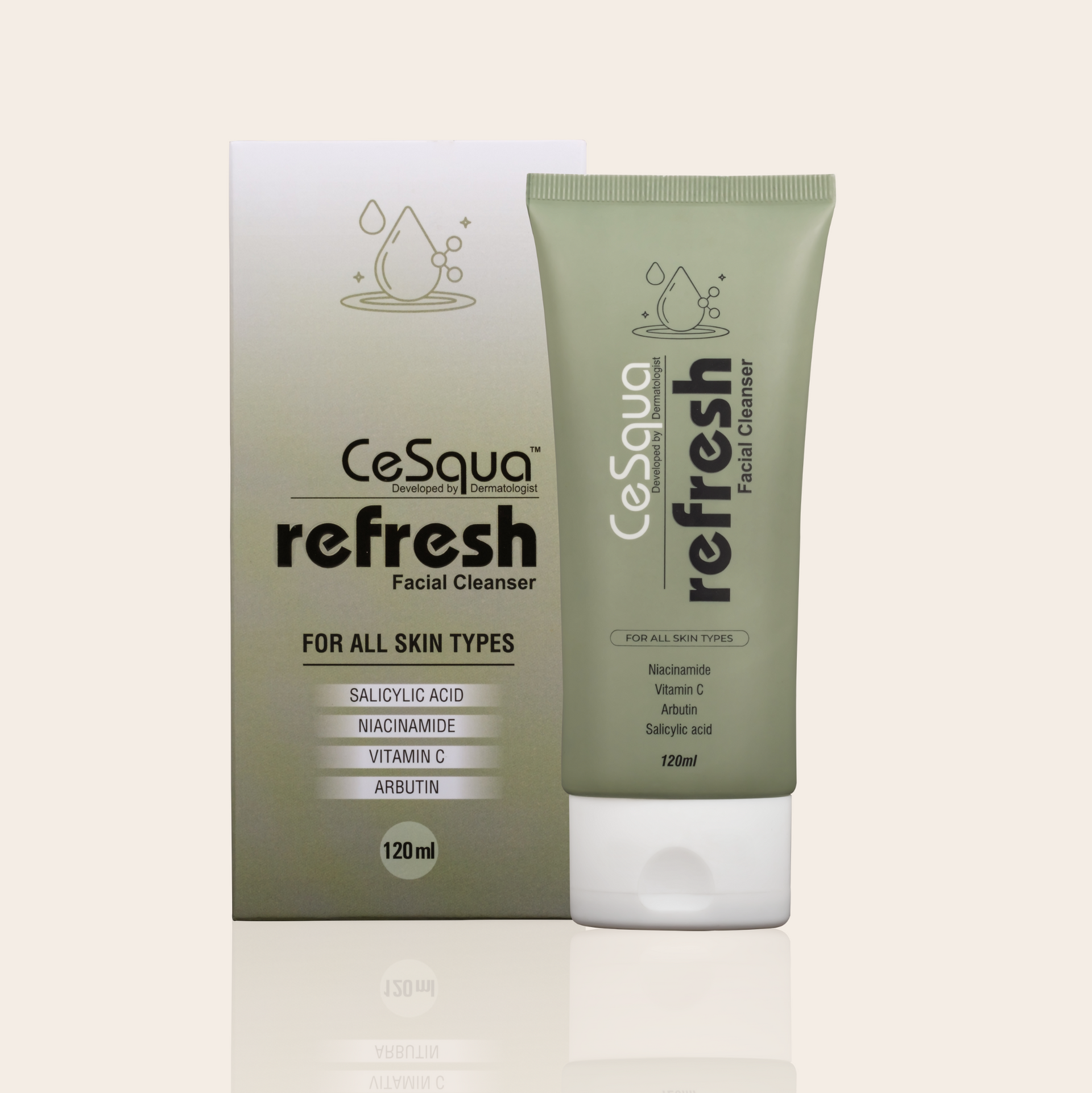
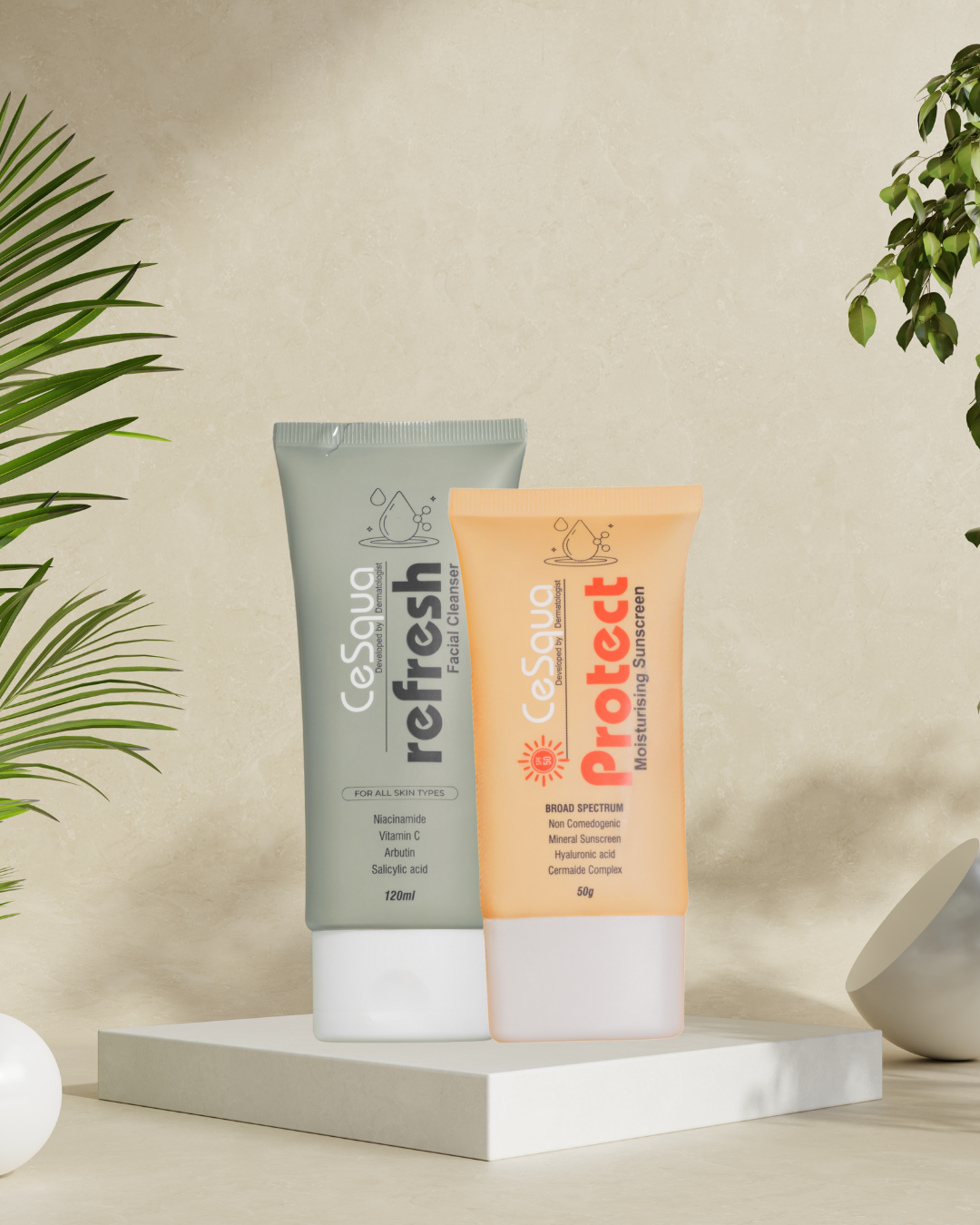
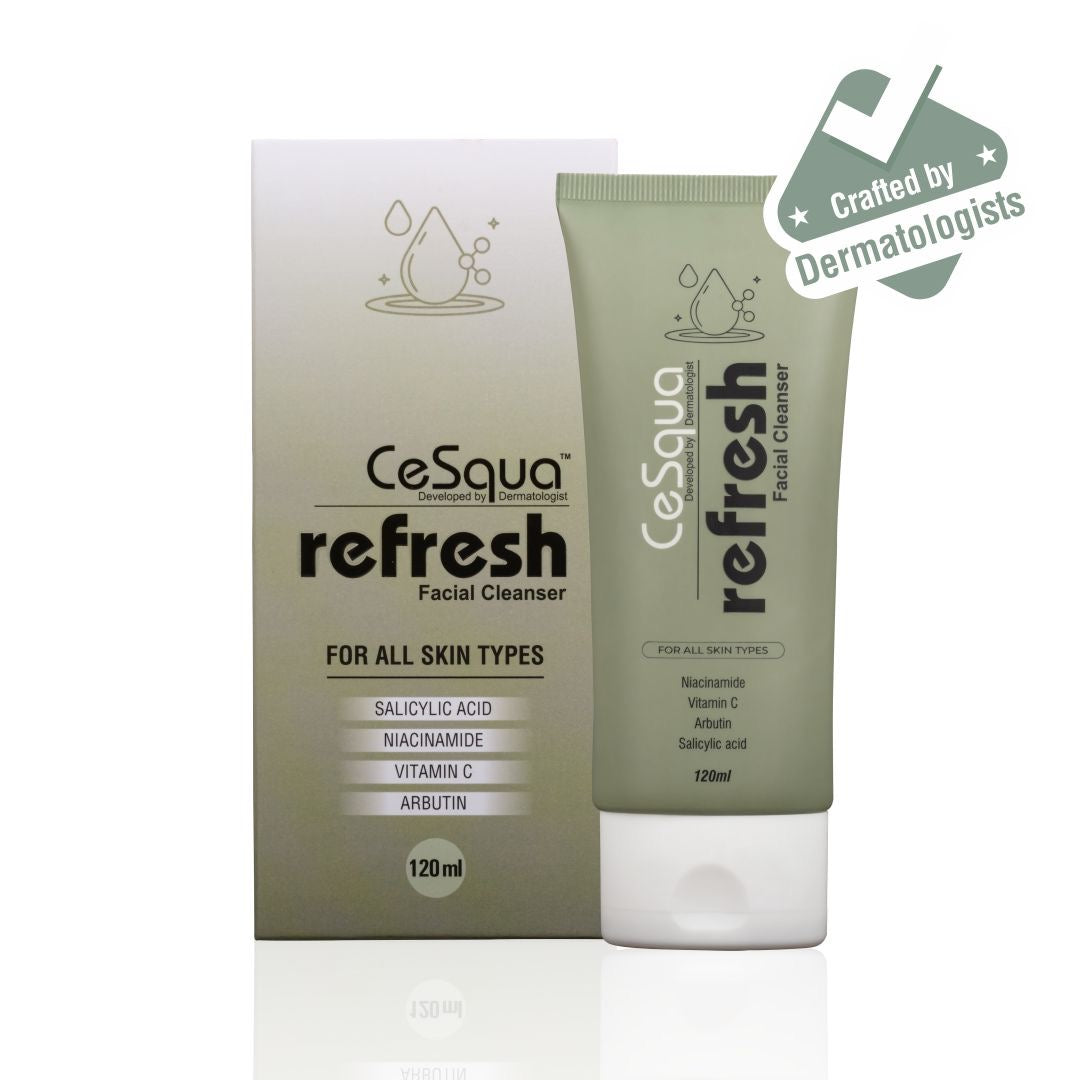
- After washing your face with a mild cleanser such as CeSqua’s Refresh Facial Cleanser (formulated to cleanse without stripping), wait 20–30 minutes for your skin to dry fully. Retinol is less irritating when applied to dry skin.
- Spread the pea-sized amount evenly, avoiding the corners of your eyes, mouth, and nostrils—these regions are more prone to dryness.
3. Use the Retinol Sandwich (Buffer) Method if Needed
- If your skin is sensitive or new to retinol, apply a moisturizer first, then your retinol, then another layer of moisturizer.
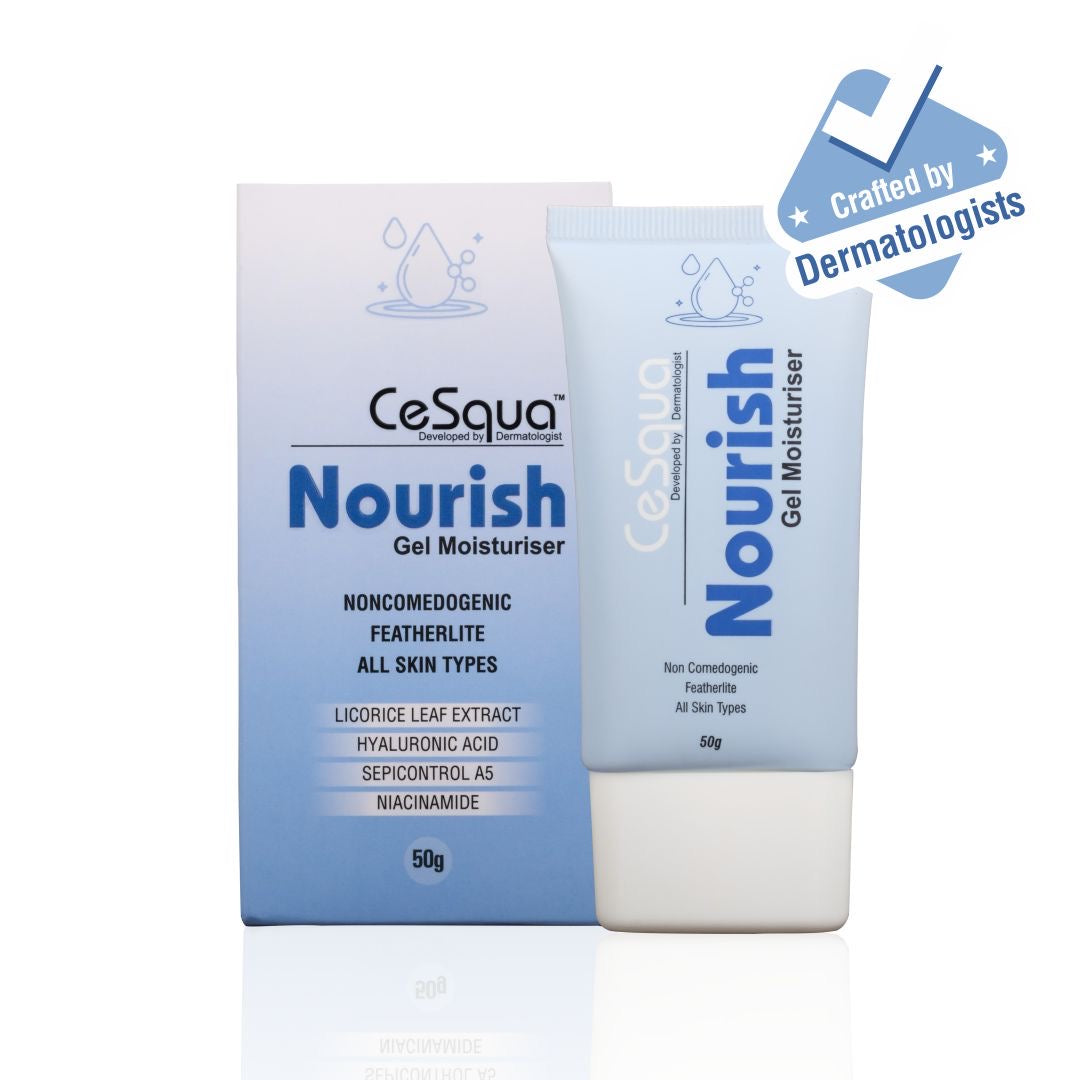
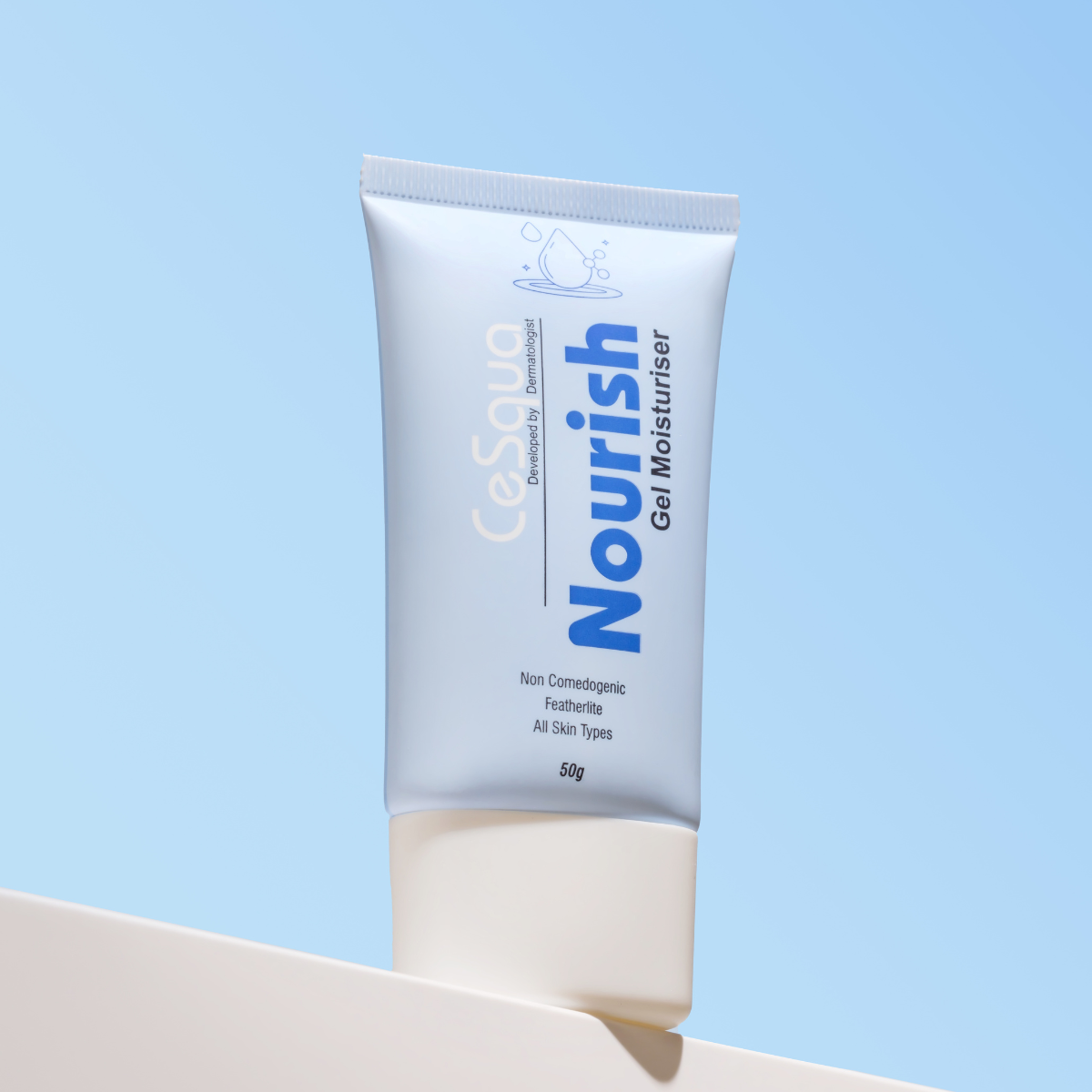
- Choose a barrier-supporting moisturizer. CeSqua's Nourish Gel Moisturiser contains ceramides, hyaluronic acid, and glycerin, all essential for hydration and barrier repair.
4. Avoid Mixing Retinol with Other Strong Actives on the Same Night
- Do not use exfoliating acids (AHA, BHA), vitamin C (if your skin is reactive), or physical scrubs on retinol nights. Overloading your routine with actives is a leading cause of irritation.
- Keep your routine simple: Cleanse, retinol, moisturize.
5. Protect Your Skin Every Morning with Sunscreen
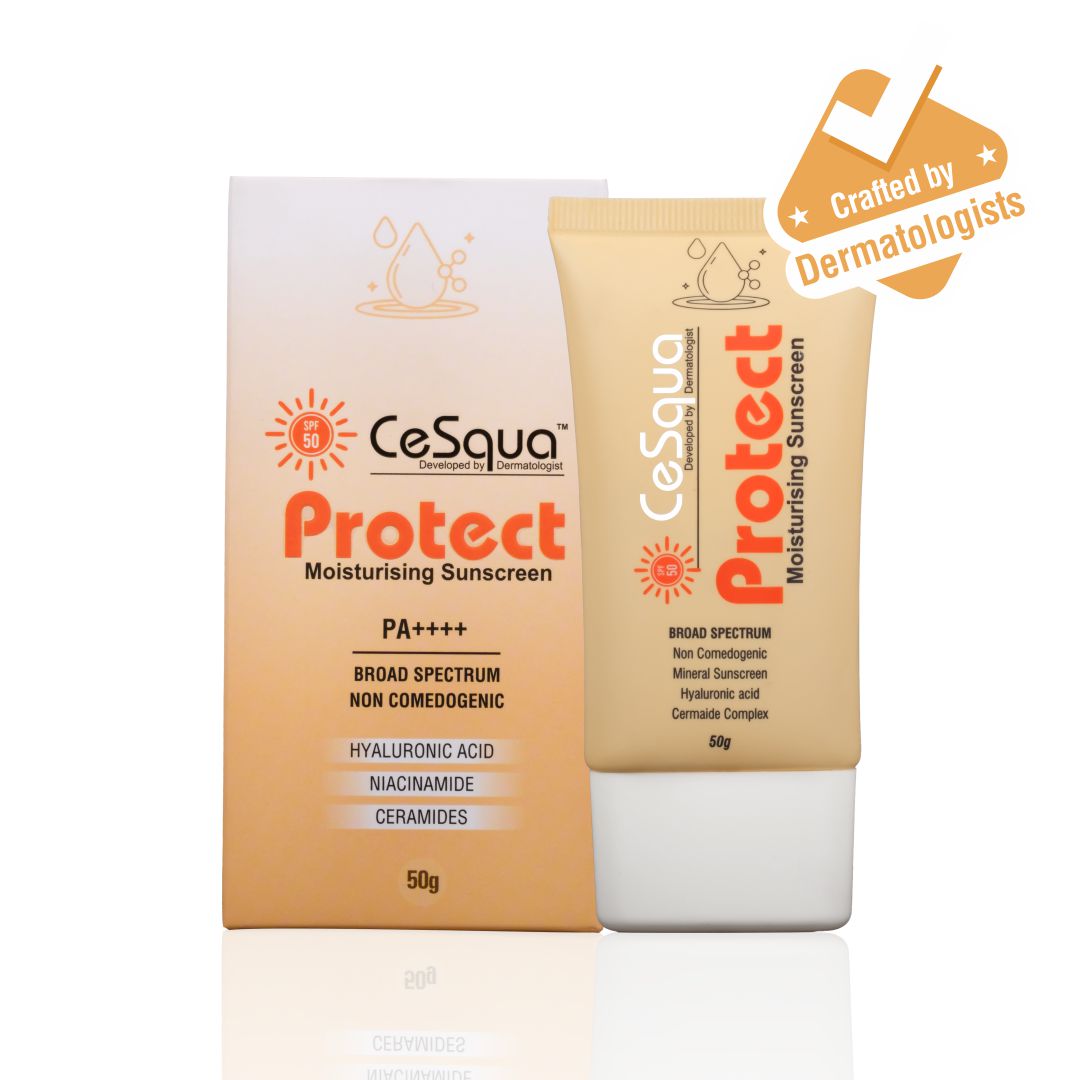
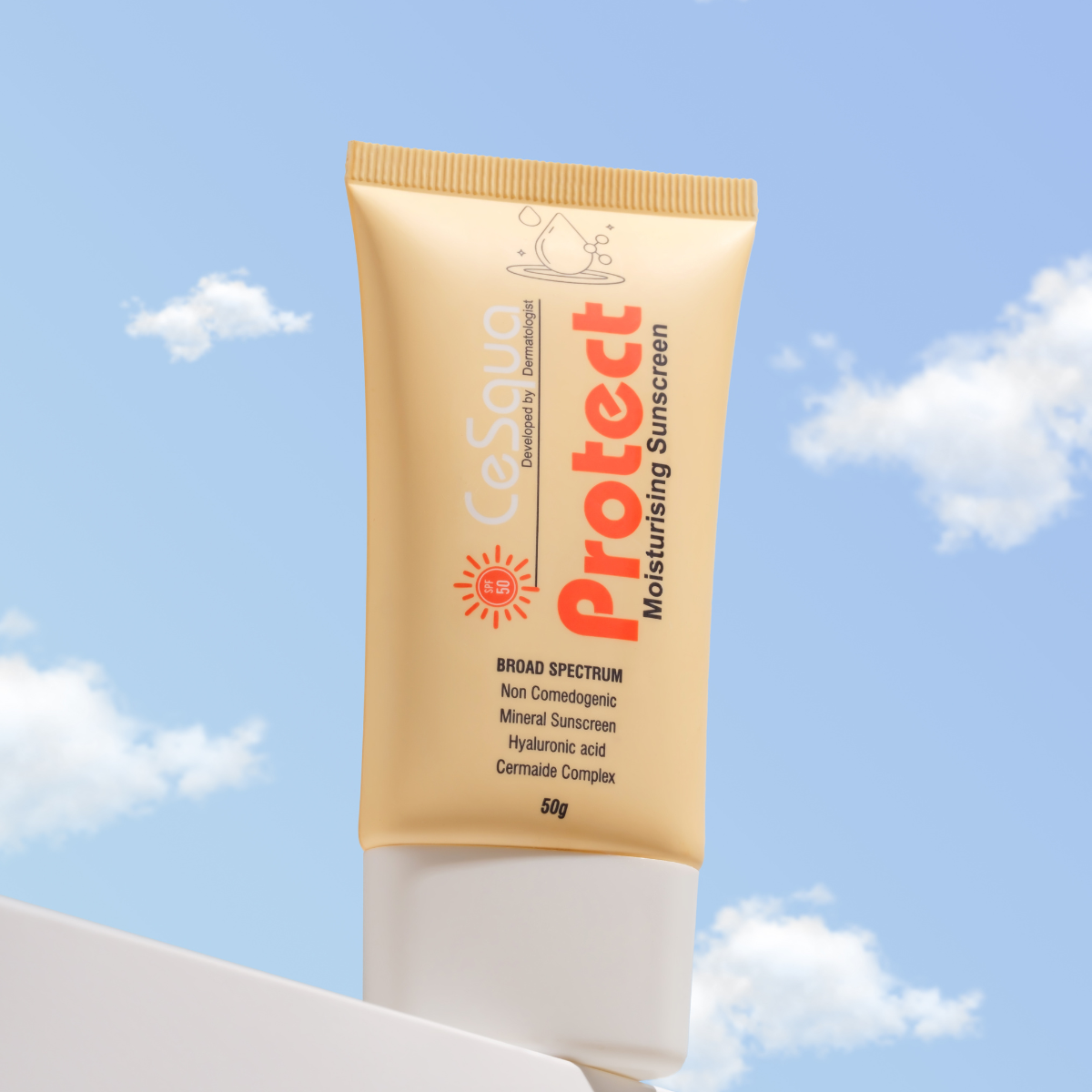
- Daily use of a broad-spectrum sunscreen with SPF 30 or higher is non-negotiable while using retinol, even in fall. CeSqua's Protect Moisturising Sunscreen is formulated for daily use, lightweight, non-comedogenic, and easy to layer under makeup.
- Reapply sunscreen every 2 hours if you spend extended periods outdoors.
6. Listen to Your Skin and Adjust as Needed
- Mild dryness or flaking is common when restarting, but stinging, burning, or raw redness means you need to pause, hydrate, and let your barrier recover before trying again at a lower frequency.
- If irritation persists even at once a week, patch test a tiny amount on your jaw or upper cheek before full-face application.
How CeSqua’s Routine Supports Retinol Success
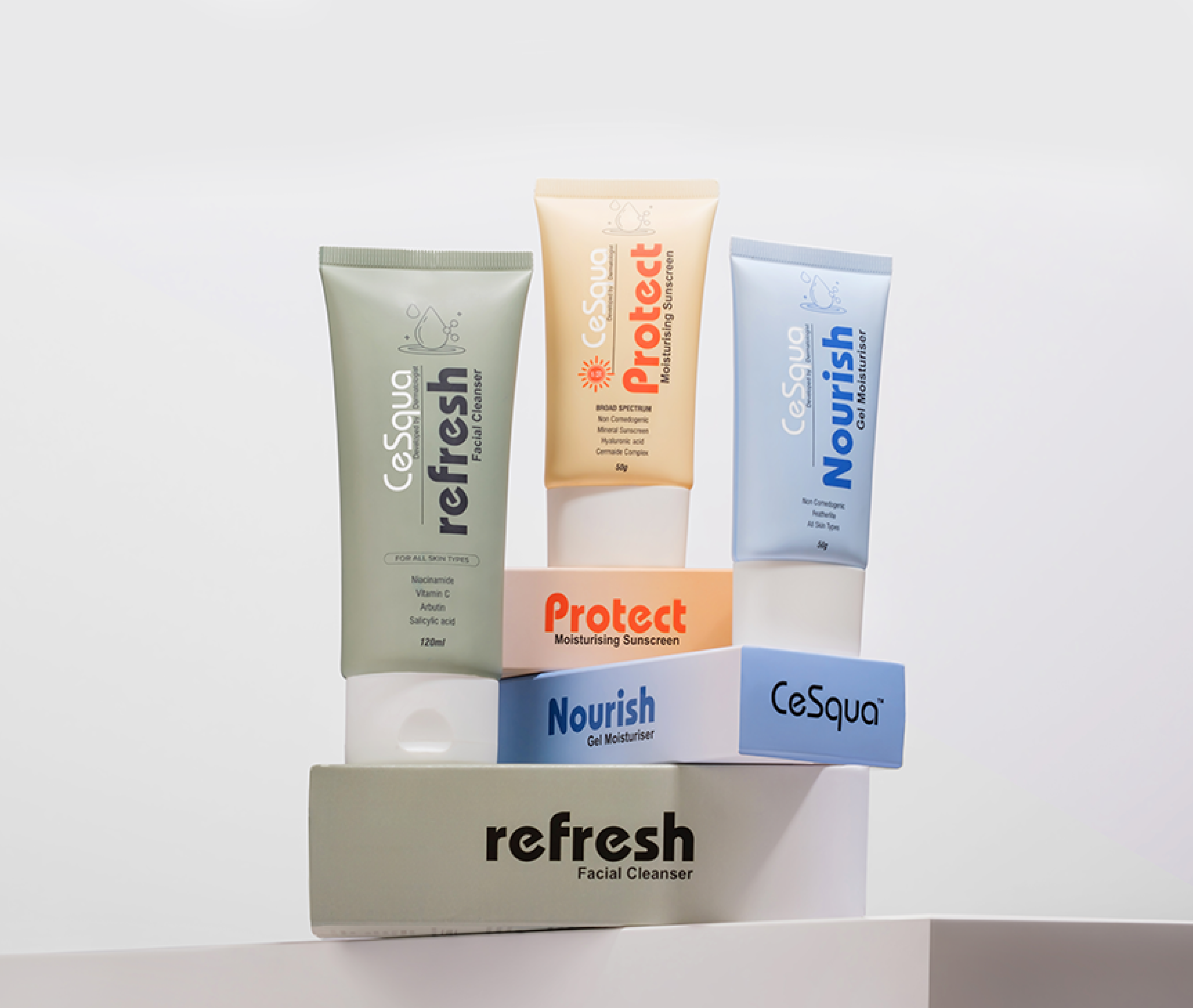
At CeSqua, we anchor every advanced skincare ingredient within a streamlined routine—cleanse, hydrate, and protect. This approach is especially crucial when using an active like retinol. Overcomplicating your routine, or layering multiple actives, is the fastest way to trigger flaking, redness, and frustration that lead to abandoning retinol altogether.
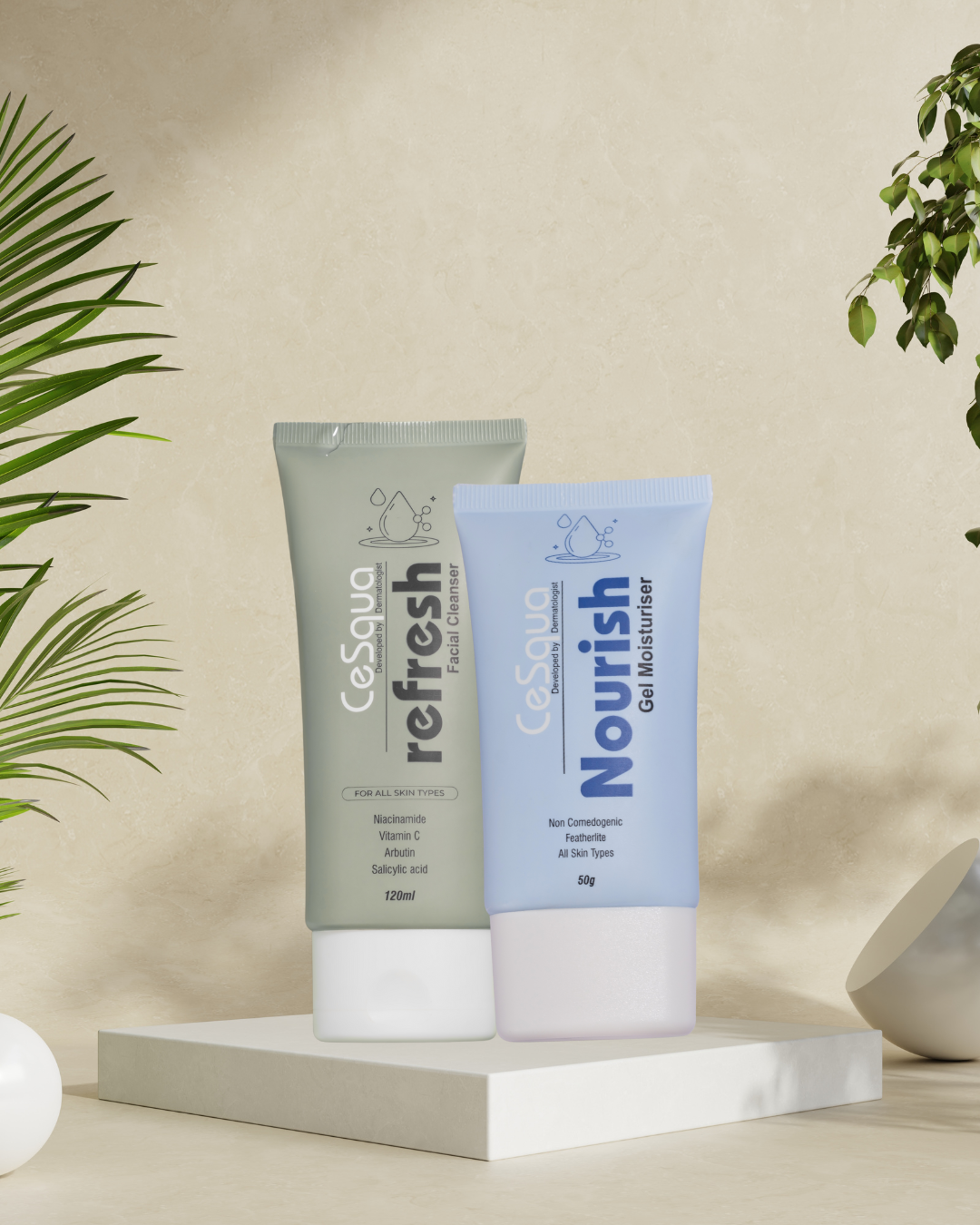
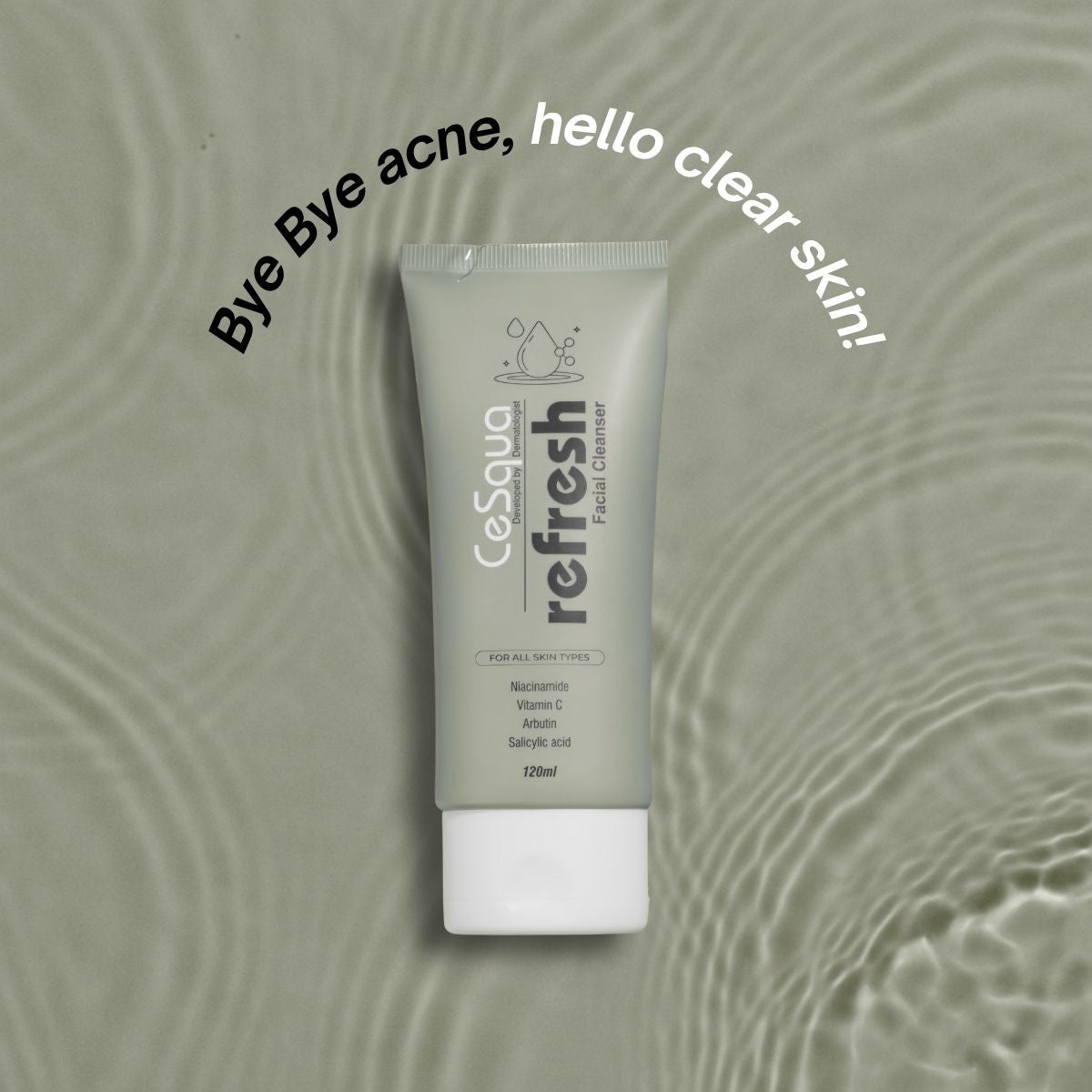
- Refresh Facial Cleanser: Gently removes oil, pollution, and sunscreen without leaving skin stripped or tight. Contains calming agents and is compatible with strong actives (just remember to patch test when introducing new ingredients).
- Nourish Gel Moisturiser: Lightweight, non-greasy, and packed with ceramides, panthenol, niacinamide, and hyaluronic acid to lock in moisture, calm irritation, and support the lipid barrier. This is ideal for the buffer/sandwich method with retinol.
- Protect Moisturising Sunscreen: Shields against UVA/UVB, blue light, and urban pollution. Suitable for sensitive skin and layers well under makeup, critical for daily SPF compliance while on retinol.
Many users praise CeSqua’s minimalist philosophy for reducing confusion and maximizing results, especially when incorporating actives like retinol for the first time or after a break.

Common Mistakes When Restarting Retinol—and How to Avoid Them
- Too Fast, Too Soon: Using retinol every night immediately is the main reason for irritation. Build up frequency only when there’s no peeling, stinging, or persistent redness for several weeks.
- Overapplying: More is never better with retinol. Stick to a pea-sized amount and do not "spot treat" with extra product.
- Neglecting Moisturizer: Hoping skin will "harden" by skipping moisturizer usually backfires with more dryness and sensitivity.
- Combining Potent Ingredients: Exfoliation, scrubs, peels, or harsh toners on retinol nights can lead to barrier breakdown. Keep it simple.
- Skipping Sunscreen: Retinol increases sun sensitivity year-round. Even in cloudy or cool fall, sun exposure can worsen irritation.
- Applying on Damaged Skin: Do not use retinol on broken, sunburned, or irritated skin. Wait until the skin is fully healed.
CeSqua’s Barrier-First Approach: What Makes It Different?
CeSqua was created to simplify advanced skincare and close the gap between prescription-grade results and everyday ease. All product formulas are designed to layer seamlessly with actives like retinol, prioritizing the skin barrier with ingredients like niacinamide, ceramides, hyaluronic acid, and panthenol. This design philosophy is why CeSqua is a preferred choice for anyone wanting to resume retinol with minimal risk and maximum comfort.
- Simple three-step routines make it easy to stick with retinol through the initial adjustment period.
- Every formula is vegan, cruelty-free, and suitable for daily use—ideal for sensitive or acne-prone skin.
- See visible results like smoother texture and improved hydration without excessive trial and error.
Best Practices for Minimizing Irritation with Retinol in Fall
- Go Slow: Always start with the lowest effective frequency. If your skin is dry, reduce use further and focus on moisture.
- Use Barrier-Supportive Products: Select cleansers and moisturizers with ingredients known to support and repair the lipid barrier.
- Moisturize Generously: Layer moisturizer before and after retinol, especially during dry or windy fall weather.
- Sunscreen Is a Must: Protect your skin every morning, regardless of how cloudy or cool it is outside.
- Watch for Warning Signs: Pause use and focus on calming hydration if burning, rawness, swelling, or hives develop.
- Patch Test: If in doubt, patch test retinol on a small area first, especially if you have a history of eczema, rosacea, or extremely reactive skin.

Retinol Restart Routine Example (Built for Fall and Sensitive Skin)
Night: Retinol Night (1-2x Per Week)
- Cleanse: Use a gentle, non-stripping cleanser.
- Wait 20–30 minutes until skin is fully dry.
- (Optional for extra sensitivity) Apply your moisturizer first for added protection.
- Apply a pea-sized amount of retinol gently, avoiding sensitive areas.
- Follow with another layer of moisturizer if needed.
Night: Non-Retinol Nights (Rest & Repair)
- Cleanse: Gentle face wash only.
- Apply a hydrating moisturizer.
- No exfoliants or actives.
Morning (Every Day)
- Cleanse lightly if needed.
- Apply moisturizer to restore hydration.
- Daily sunscreen (SPF 30+)—never skip this step!
Who Should Take Extra Care With Retinol Restarts?
- If your skin is sunburned, raw, or inflamed, postpone retinol until fully healed.
- Those with eczema, rosacea, or chronic sensitivity should proceed with greater caution and consider lower concentrations or patch tests.
FAQs About Retinol Restarts in the Fall
How long should I wait before increasing retinol frequency?
Wait at least two to four weeks before increasing frequency, and do so only if your skin shows no signs of ongoing irritation (peeling, redness, burning). If your skin is still dry or tight 24 hours after a retinol night, stick to your current schedule.
Can I use my usual vitamin C or exfoliating acids with retinol?
Not on the same night. To avoid irritation, alternate nights for these actives or pause them until your retinol tolerance is established.
Is sunscreen necessary even in cloudy or rainy fall weather?
Absolutely. Retinol increases photosensitivity year-round. Consistent SPF is essential to prevent UV damage and further irritation.
What are the warning signs that retinol is too harsh for me?
Severe stinging, blistering, persistent red patches, swelling, or rawness. If these occur, stop retinol use, focus on calming hydration, and consult your dermatologist if symptoms persist.
Are gel or cream moisturizers better with retinol?
Either can work if they include barrier-supporting ingredients and are non-comedogenic. CeSqua’s Nourish Gel Moisturiser offers deep hydration and fast absorption, making it suitable for most skin types and routines.
Can I use CeSqua’s routine year-round with retinol?
Yes. CeSqua’s gentle, minimalist products are suitable for year-round use, supporting barrier health through every season, especially when incorporating strong actives like retinol.
Conclusion
To restart retinol in the fall without aggravating your skin, embrace a less-is-more philosophy. Prioritize a simple, barrier-focused routine: start slow, moisturize generously, protect with SPF, and avoid unnecessary actives. CeSqua was built around these very principles, offering dermatologist-designed solutions that make advanced skincare like retinol accessible, effective, and easy to tolerate.
For more tips on barrier repair, layering actives, or transitioning your skincare between seasons, you might also explore our expert guides, such as Minimalist Fall Skincare and Why Strengthening Your Skin Barrier is the Secret to Healthier Skin.
Ready to streamline your retinol journey and enjoy radiant skin with less risk? Learn more about CeSqua’s dermatologist-designed, barrier-first products at cesqua.in.