



We have seen it every winter: tight cheeks, patches of flaky skin that multiply overnight, and that paradoxical feeling of greasiness on top and dryness underneath. For most of us, the struggle to keep skin soft in colder months feels like an annual cycle of frustration. But very often, it is not your skin that is stubborn or unfixable—the real culprit is a set of small, often-overlooked moisturizer habits that undermine your efforts from the inside out. At CeSqua, our philosophy centers around clarity and less fuss, and we believe that understanding what not to do is just as important as what to use. Here’s an in-depth look at the common mistakes (and the real solutions) to help you finally get winter skin under control—no endless product layering required.
Why Does Winter Make Skin So Difficult to Manage?
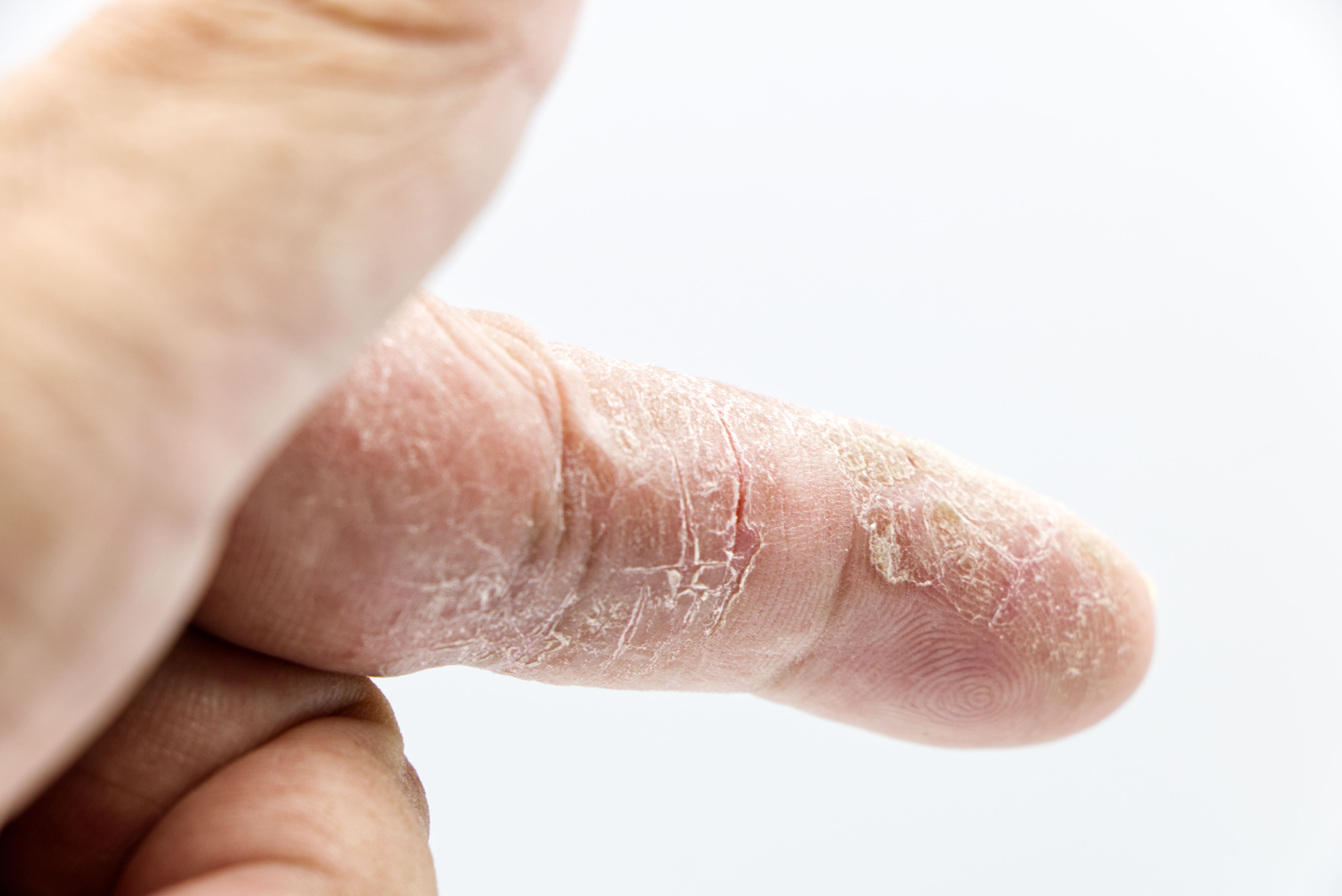
Colder months dramatically change the environment your skin lives in. Both chilly outdoor air and indoor heating create low-humidity conditions. This saps moisture and weakens the skin barrier, making it harder to keep skin balanced. The result is a dual problem:
- Dryness: Skin loses vital lipids and ceramides, undermining its natural defense.
- Dehydration: Water evaporates faster, leaving skin feeling papery and rough—even if you moisturize.
Mistake 1: Using Your Summer Moisturizer in Deep Winter
It might seem efficient to keep using your favorite gel or lotion year-round, but most summer moisturizers are designed to be ultra-light. When humidity drops and heaters run nonstop, your summer lotion may simply evaporate away, leaving your skin thirsty. If your current cream isn’t stopping flakes and tightness after 20–30 minutes, it’s probably too light for the season.
Simple Switch
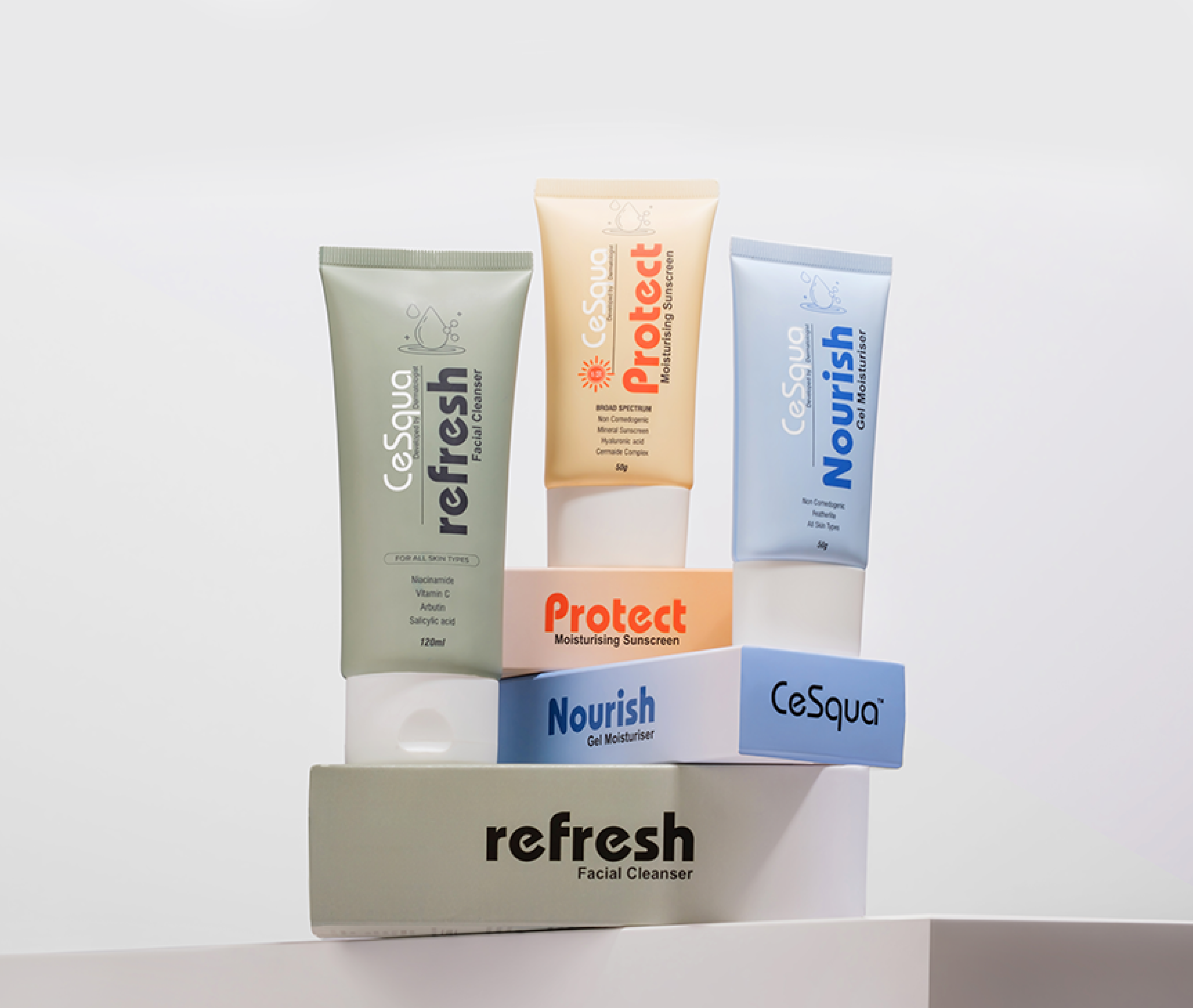
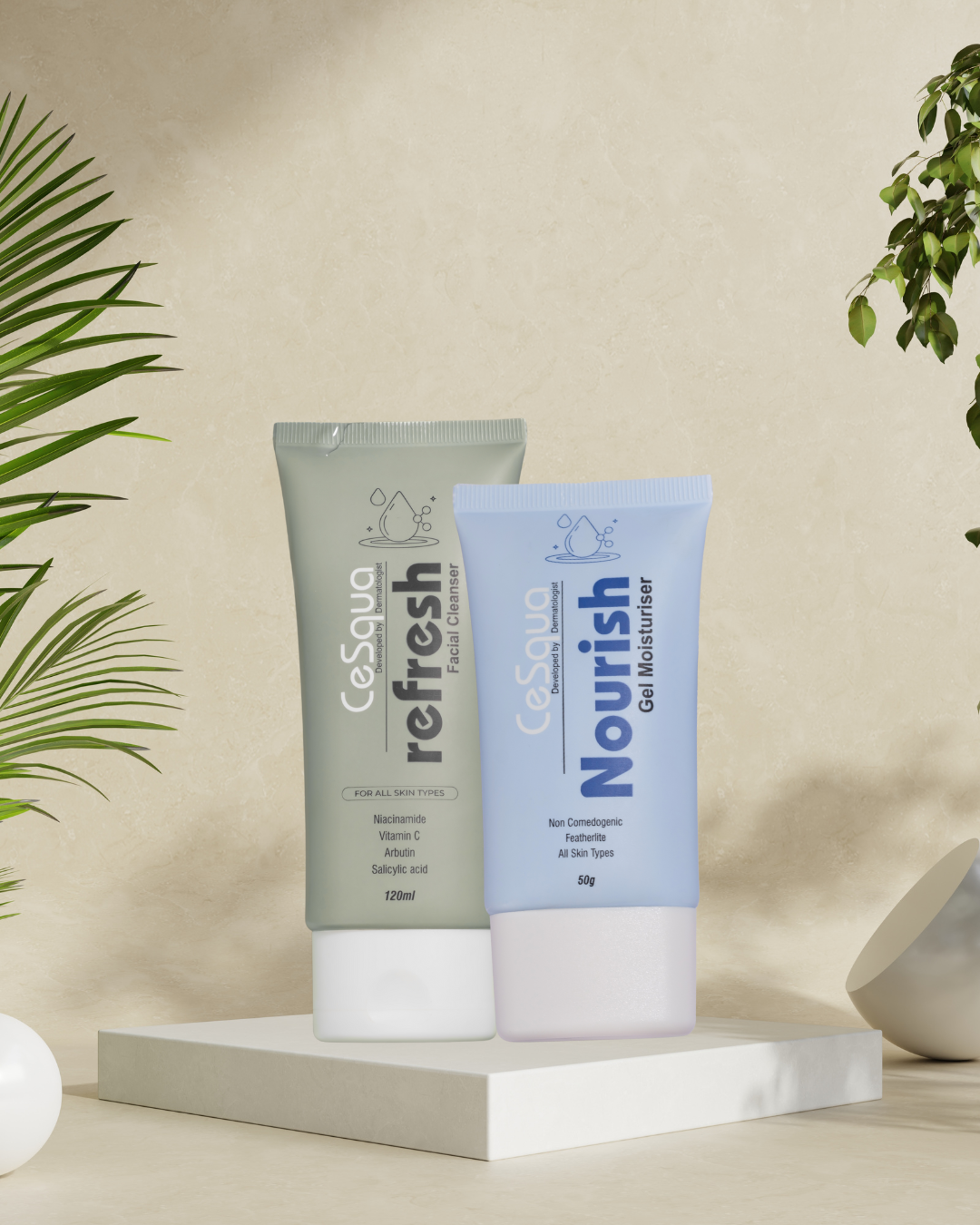
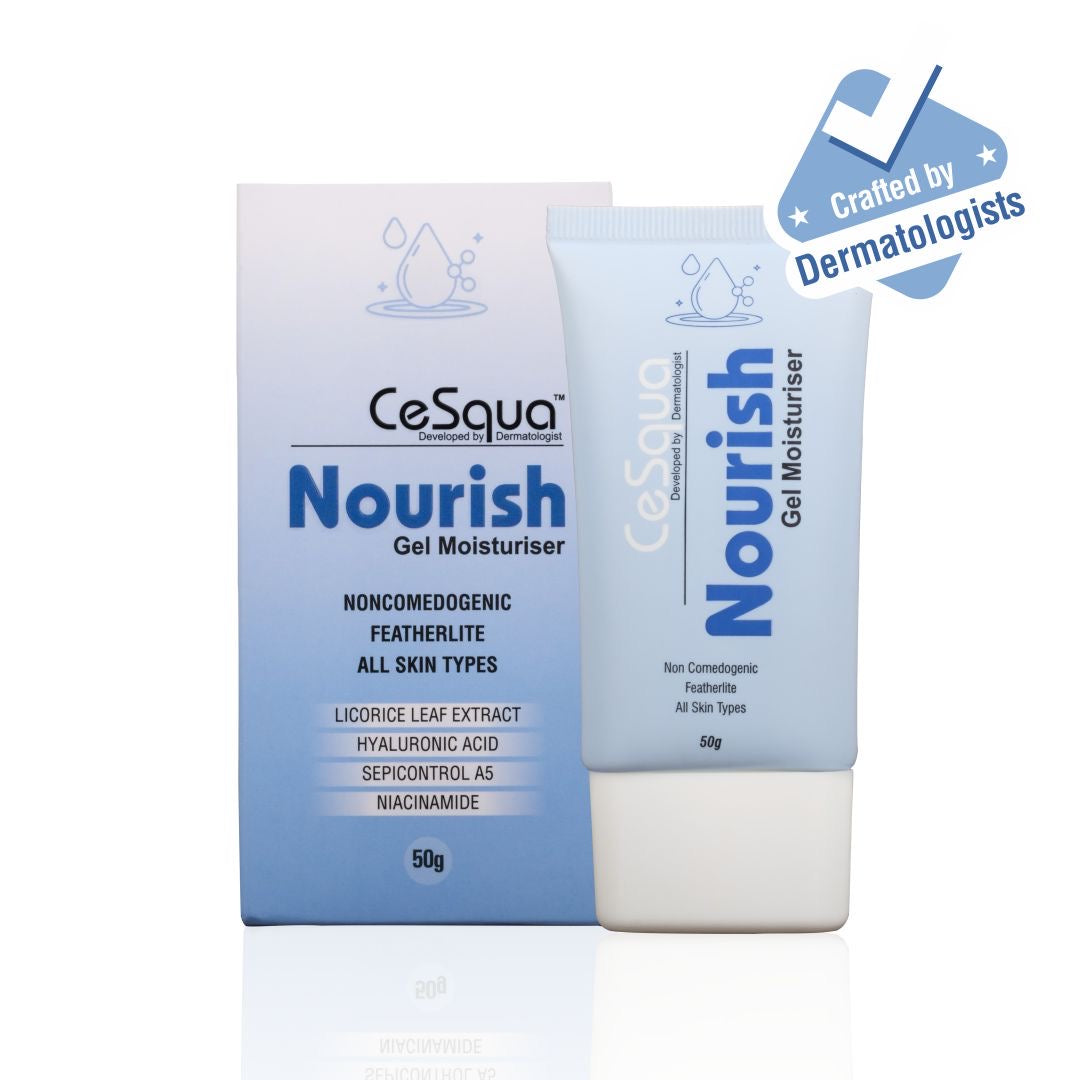
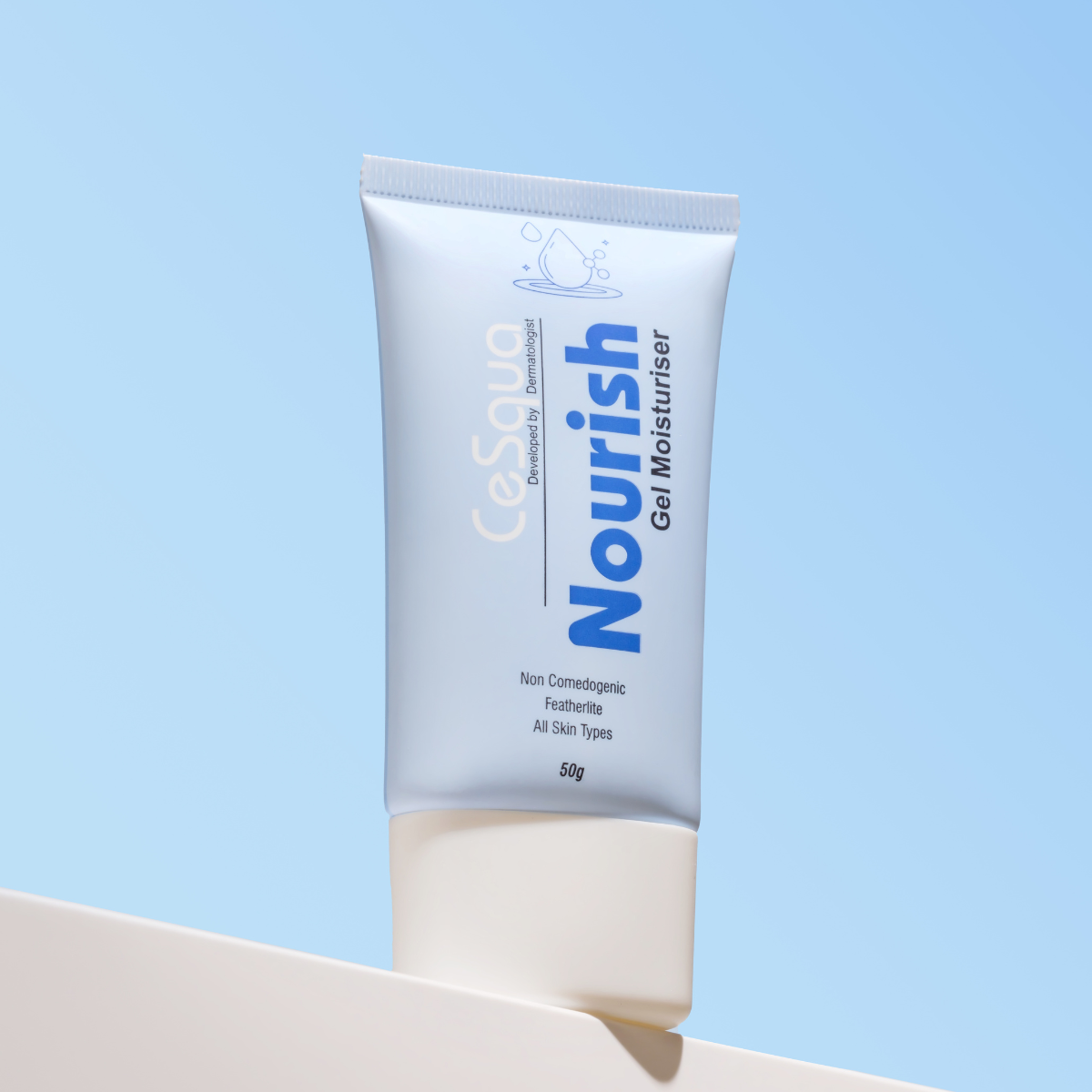
- Upgrade texture, not complexity: Instead of more products, try a moisturizer with the right balance of hydration and barrier support. Our Nourish Gel Moisturiser is a gel-based option that contains hyaluronic acid for immediate hydration, ceramides to lock in moisture, and glycerin for water retention—without leaving a heavy, greasy residue.
- Focus on results: Within 10 minutes of application, skin should feel comfortably hydrated (not sticky, not tight).
Mistake 2: Moisturizing on Completely Dry Skin
The window between cleansing and moisturizing is more important than most realize. If you wait too long (even just a few minutes) after washing your face, you miss the opportunity to trap hydration. Skin can lose water to the air—especially after a shower or face wash.
Simple Switch
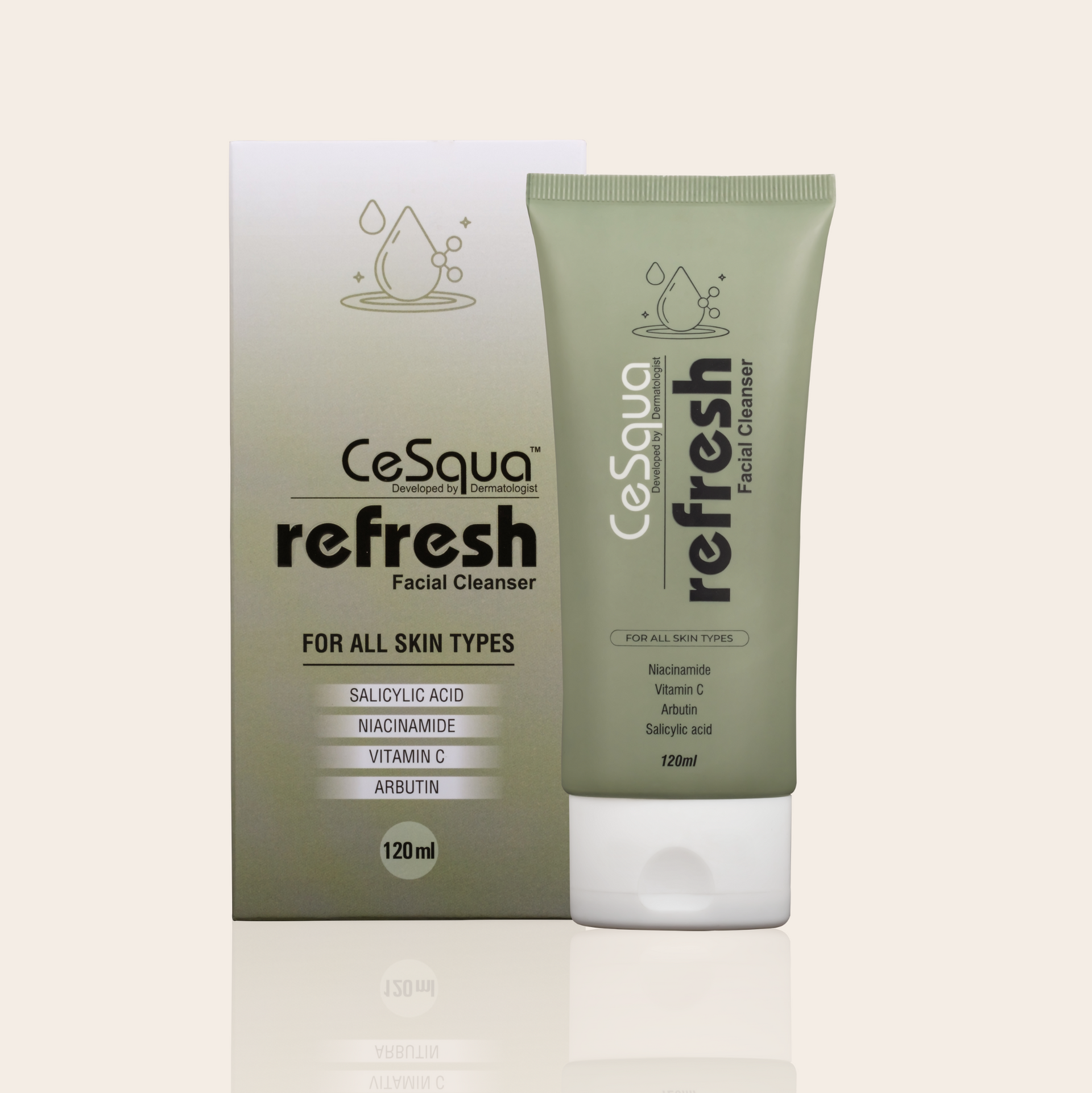
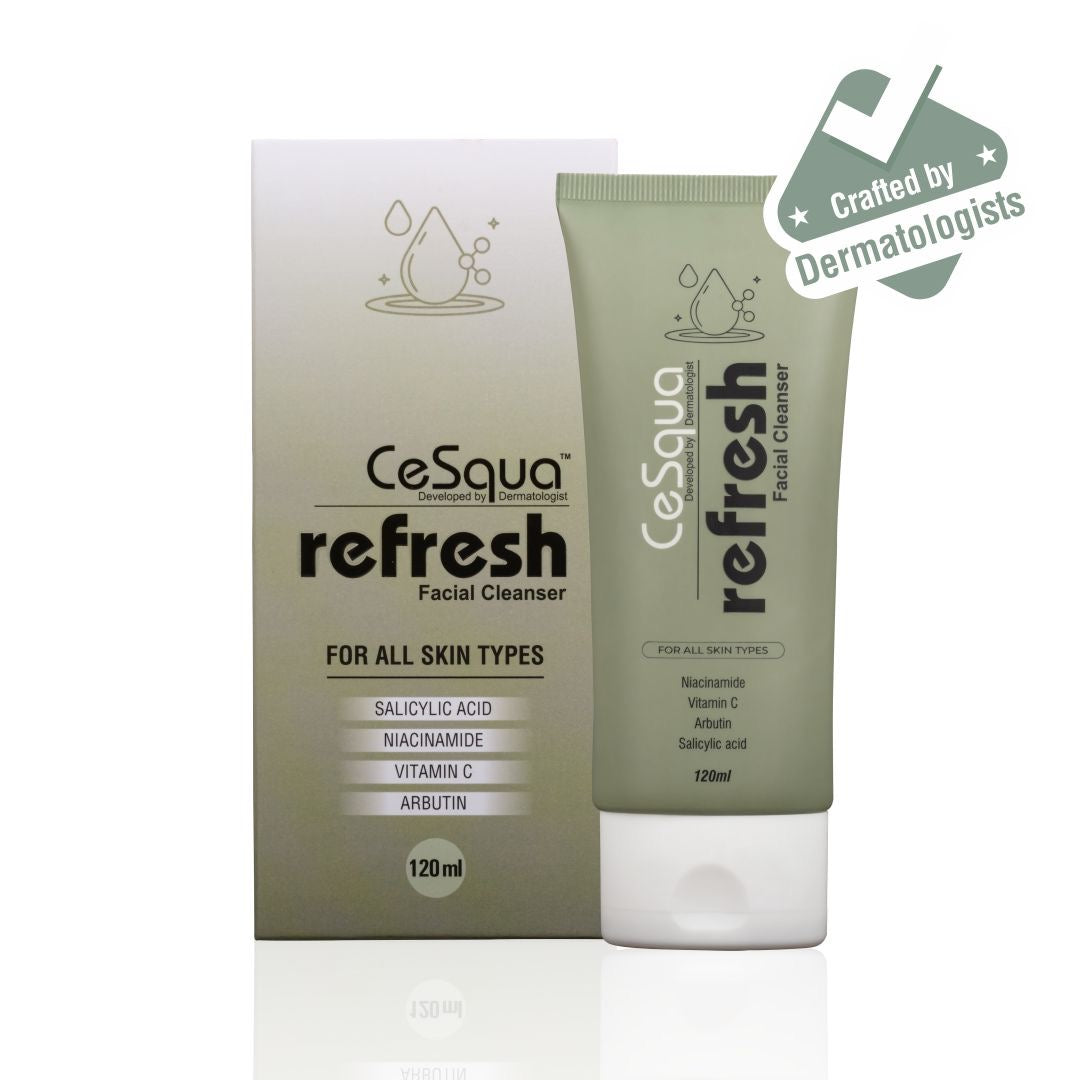
- Cleanse with a gentle cleanser (like our Refresh Facial Cleanser).
- Pat the face with a towel, leaving it slightly damp.
- Immediately (within 60 seconds) apply a pea-sized amount of moisturizer to seal in water and boost comfort.
This "Golden Minute" tip alone can make a visible difference in how plump and comfortable your skin feels all day.
Mistake 3: Using Too Much of the Wrong Texture
It’s tempting to solve dryness by piling on more product, but layering heavy creams or balms does not always equal better moisture. The skin absorbs only what it needs—the rest just sits on the surface, sometimes clogging pores or creating an oily film.
Simple Switch
- Choose humectant-rich formulas with hyaluronic acid, glycerin, and panthenol for deep hydration. This draws water into the skin instead of just coating it in oils.
- Use only what your skin can absorb: For normal/oily skin, a pea-sized amount; for drier skin, try two lighter layers 30 seconds apart, instead of one thick application.
Mistake 4: Confusing Hydration With Richness
Rich creams aren’t always the answer—especially if they are low in water-binding ingredients. Hydrators like hyaluronic acid and glycerin actually draw and hold water in the skin, while heavy butters and oils mainly seal in what is already there.
Simple Switch
- Look for products that include both humectants (hyaluronic acid, glycerin) and barrier builders like ceramides, niacinamide, and panthenol.
- Our Nourish Gel Moisturiser balances these elements, making it beneficial even for combination or acne-prone skin—without the suffocating feel.
Mistake 5: Keeping the Same Cleansing Routine Year-Round
If your cleanser leaves skin feeling squeaky or tight in winter, it’s doing more harm than good. Aggressive surfactants and harsh formulas can deplete your skin’s natural oils, making even the best moisturizer less effective.
Simple Switch
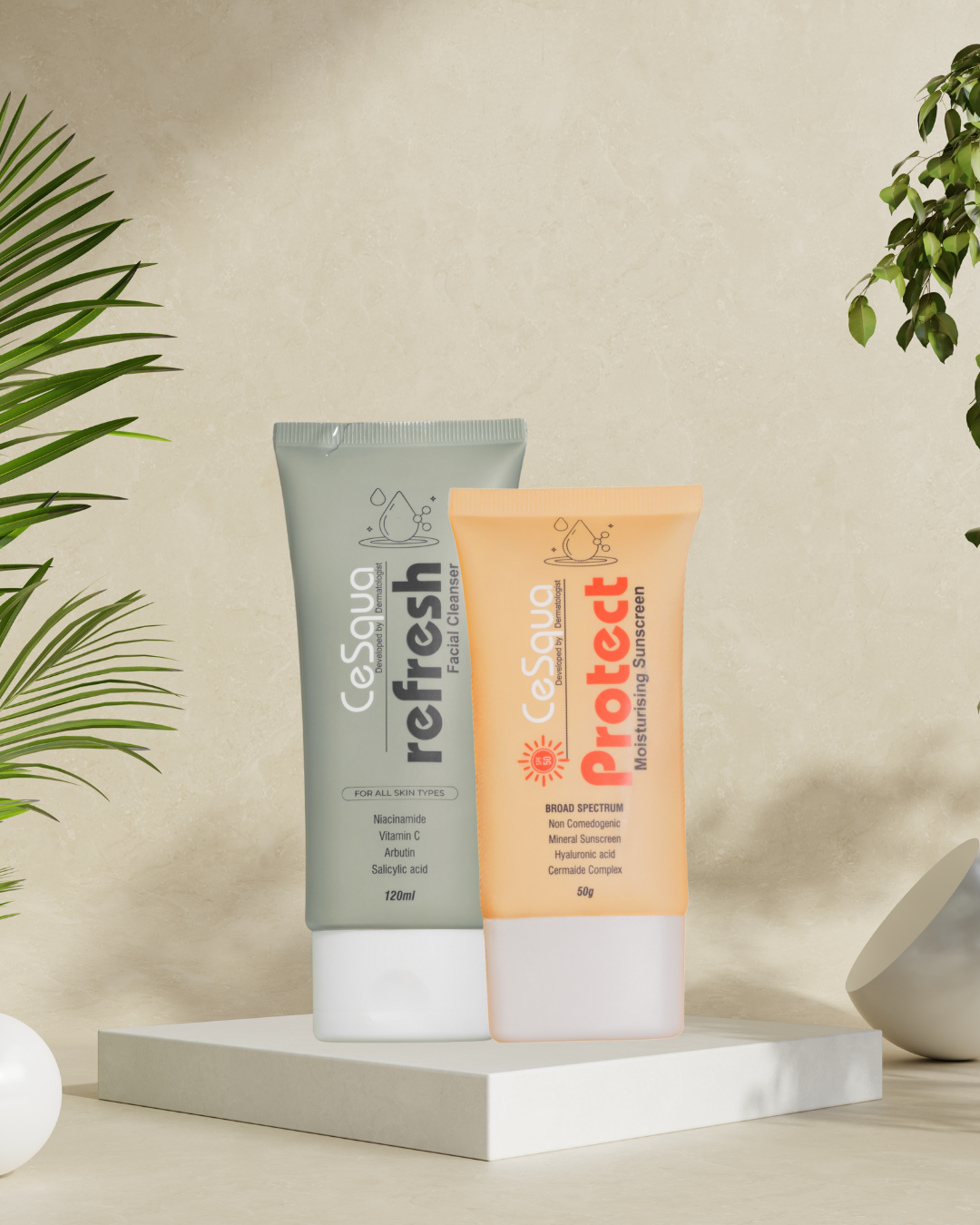
- Opt for a gentle, sulfate-free, pH-balanced cleanser. Our Refresh Facial Cleanser contains niacinamide, panthenol, hyaluronic acid, and salicylic acid for a thorough, gentle cleanse. This keeps skin hydrated and calm, reducing the need to overcompensate with moisturizer.
Mistake 6: Skipping Exfoliation Completely in Winter
Avoiding all exfoliation might sound logical when skin feels dry, but a build-up of dead skin can block your moisturizer from penetrating. The secret is gentle, consistent exfoliation—not the intense scrubs you might use in other seasons.
Simple Switch
- For most skin types, exfoliate gently 1–2 times per week. If your skin is sensitive or dry, stretch it to every 10–14 days and use a very mild chemical exfoliant.
- Our Refresh Facial Cleanser already includes mild salicylic acid for daily micro-exfoliation, supporting smooth skin throughout winter.
Mistake 7: Neglecting SPF Because It’s Cold
UV rays do not take a winter vacation. UVA and blue light exposure continue to wreak havoc indoors and out—even in the thick of December. Skipping sun protection leaves your skin open to cumulative barrier damage, hyperpigmentation, and premature aging.
Simple Switch
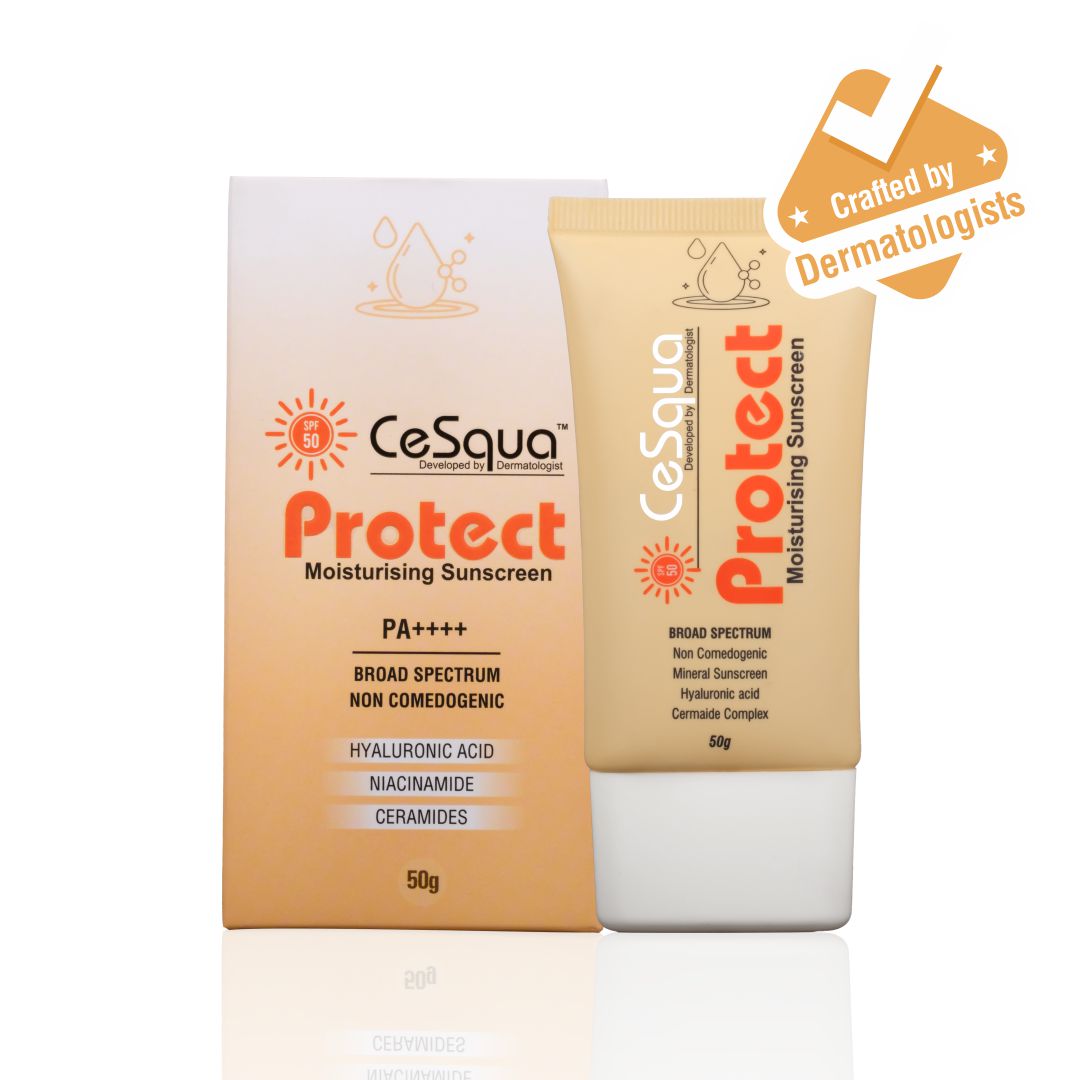
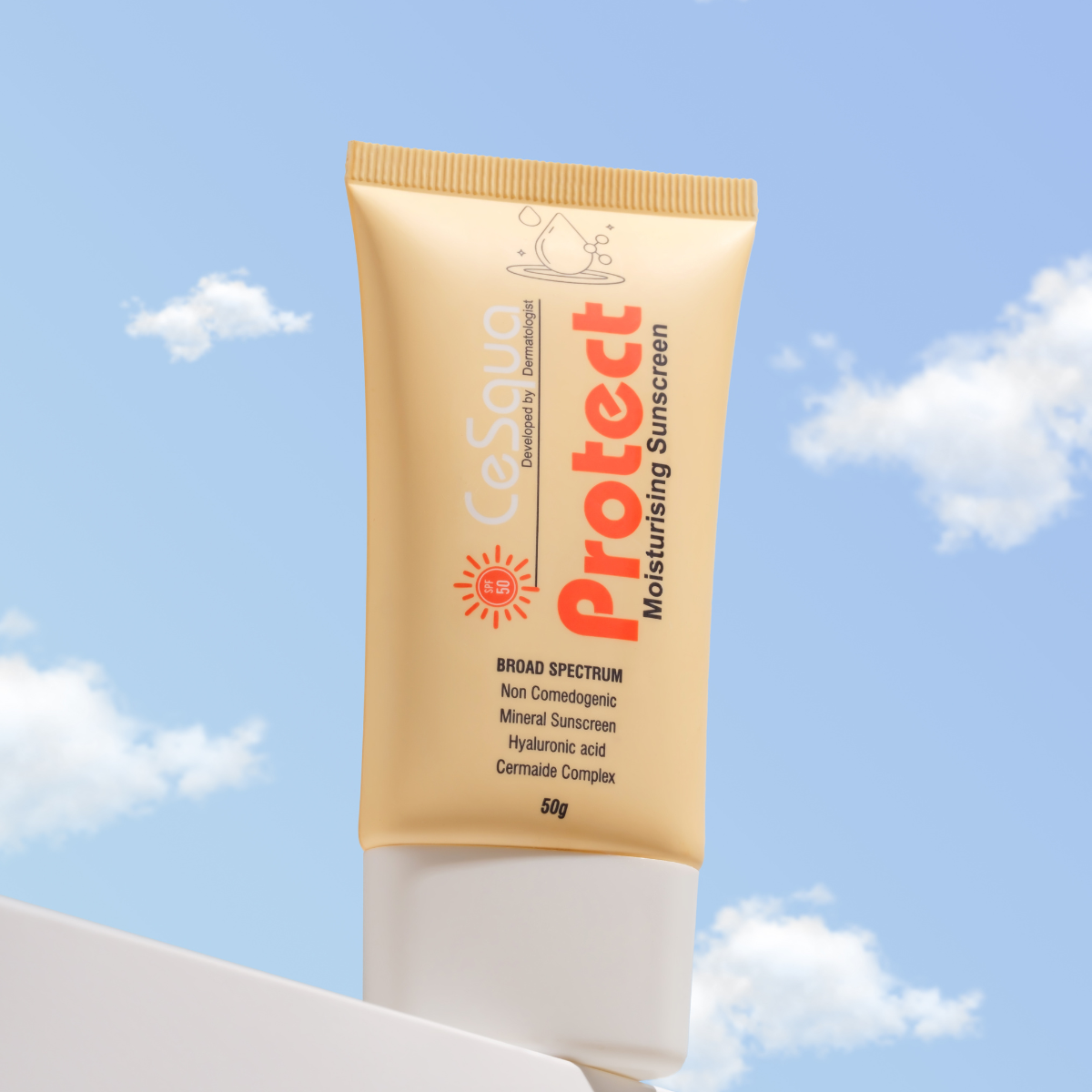
- Use a broad-spectrum sunscreen daily, even in winter. A formula that doubles as a moisturizer, like our Protect Moisturising Sunscreen, streamlines your morning routine with physical filters (zinc oxide, titanium dioxide) and added BlueShield for blue light defense.
- Apply two finger-lengths over face and neck, reapplying every two hours when outdoors or sitting by windows/screens.
Mistake 8: Ignoring Hands, Neck, and Other High-Exposure Zones
Most people focus all care on the face and overlook the hands, neck, and other thin-skinned, high-exposure areas. These regions have fewer oil glands and take the brunt of dryness, frequent washing, and cold air. Result: chapping, cracking, and early signs of aging.
Simple Switch
- Keep a tube of moisturizer near sinks. Apply after every wash.
- At night, use a richer creme on hands, elbows, and feet. Putting on cotton gloves/socks can help lock in hydration overnight.
- Always extend your nighttime moisturizer down to your neck, upper chest, and even the backs of hands.

Mistake 9: Very Hot Showers That Overwhelm Moisturizer
Few things soothe like a long, hot shower in winter, but they’re a major barrier to healthy skin. High temperature water strips away natural oils, and the dehydration that follows undercuts even the best moisturizer.
Simple Switch
- Keep showers under ten minutes and use warm (not hot) water.
- Moisturize within three minutes of finishing while the skin is still slightly damp. For the body, focus on thick, hydrating formulas with barrier-supportive ingredients.
The CeSqua 3-Step Routine: Effective Simplicity for Winter Skin
Our core belief at CeSqua is that less can be more, when products are multifunctional and thoughtfully formulated. Instead of ten different serums and balms, we suggest a focused system to deliver what skin truly needs in winter.
- Cleanse (AM + PM): Use Refresh Facial Cleanser to gently remove debris and prep skin for hydration.
- Hydrate (AM + PM): Apply Nourish Gel Moisturiser within 60 seconds of cleansing for lasting hydration and barrier reinforcement.
- Protect (AM): Finish with Protect Moisturising Sunscreen, even on cloudy days, to prevent cumulative winter sun and blue light damage.
This trio not only addresses dryness, dehydration, and barrier disruption but does it in a way that saves time and confusion.
How To Know Your Routine is Working
We encourage members of the CeSqua community to track these signs for healthy, winter-ready skin:
- 30 Minutes After Application: No tightness, stinging, or greasy residue. Skin feels soft and comforted.
- 7 Days: Notable reduction in flakes. Smoother makeup application. Less redness and irritation.
- 4–8 Weeks: Skin is more even, resilient, and less likely to have random dry “crashes.”
When It’s Time To Call in Extra Help
If you’re doing everything right—using gentle, barrier-friendly products in the right way—but still dealing with cracked, bleeding, or oozing skin, it may be time to see a dermatologist. Sometimes underlying conditions like eczema or psoriasis need medical attention.
Smart Tweaks, Not More Steps: The Winter Skin Takeaway
Most winter skin distress is the result of fixable habits: using the wrong textures, missing the damp-application window, skipping gentle exfoliation, and forgetting SPF even in December. With a few thoughtful switches tailored for the season, you can transform your results—no multi-step confusion or product overwhelm.
If you want more guidance on winter skincare, explore our detailed dermatologist tips in this guide to winter-proofing your skin and our cleanser matchmaker for Indian winters. Or, learn why gel moisturizers are especially helpful for combination and oily skin in this blog post.

Ready for less fuss and more results? Streamline your routine and discover our full line of dermatologist-designed, multifunctional skincare at CeSqua.