


When deciding how to truly protect your skin from the sun, the question often comes down to this: does a moisturizer with SPF actually deliver the same sun protection as a dedicated sunscreen, or do you need both to achieve real results? The answer is essential for anyone who wants a streamlined, effective skincare routine—without sacrificing healthy, radiant skin.
The consensus among dermatology experts and rigorous research is clear: for reliable daily defense against UVA and UVB rays, separate sunscreen applied as the final step provides measurably better protection than an all-in-one moisturizer with SPF. Convenience is important, but not at the cost of efficacy. At CeSqua, we believe effortless routines should never compromise on genuine results. Let’s dive into why dedicated sunscreen consistently outperforms combination products, and how to build a routine that makes every step count for your skin’s health and appearance.
Definitions: Understanding Moisturizer With SPF vs Separate Sunscreen
- SPF Moisturizer: A skincare product designed primarily for hydration that also contains sun protection ingredients (chemical or mineral filters) formulated at a certain SPF level. Its goal is to combine moisturizing with UV defense in a single step.
- Separate Sunscreen: A product formulated solely to provide sun protection, usually applied as the last step in your morning routine. Depending on type, it may also offer hydration, antioxidants, or other skin benefits, but its primary job is to shield skin from damaging UV rays.
Direct Comparison: Which Protects Better?
Peer-reviewed evidence demonstrates that separate sunscreens provide more reliable and thorough UV coverage than moisturizers with SPF. When people use SPF moisturizers, they tend to apply less than the recommended amount and often miss areas of their face—particularly around the eyes and hairline. According to published research, application of SPF moisturizers leaves approximately 50% more skin unprotected compared to dedicated sunscreen.
This occurs for several reasons:
- Product Texture & Spreadability: Moisturizers are generally thicker, making them harder to apply evenly and often leading to missed patches.
- Application Habits: People instinctively use a “moisturizer amount” rather than the much bigger “SPF dose” (about two finger-lengths for the face). This reduces the effective sun protection you receive, even if the label promises SPF 30 or higher.
- Formulation Constraints: Combining sun filters and hydrating ingredients limits how much of each can be included. Separate products optimize concentrations for their singular role, while combination ones may short-change either hydration or sun protection.

When Does a Moisturizer With SPF Make Sense?
Despite its limitations as a sole source of sun protection, SPF moisturizer has a few practical uses:
- Light, incidental exposure: If you spend most of your day indoors and only catch brief moments of natural light, a moisturizer with SPF may offer a baseline layer of defense.
- Improved compliance: For those who wouldn’t otherwise use sun protection at all, something is better than nothing.
- Convenience for travel: If simplicity is vital and you can’t bring multiple products, an SPF moisturizer could be a reasonable compromise—but only for short periods.
Framework: The Optimal Sun Protection Routine
1. Hydrating Moisturizer (No SPF)
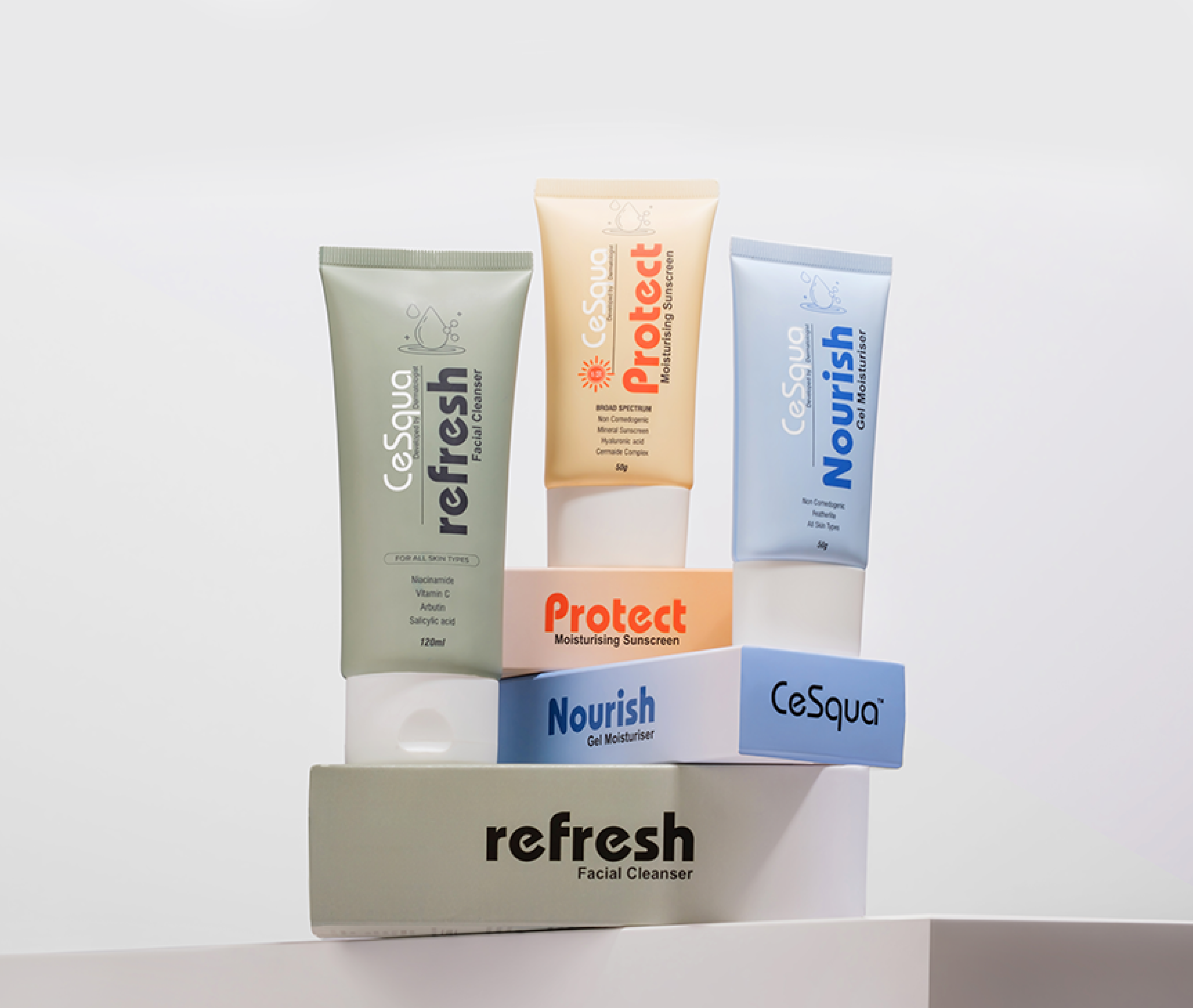
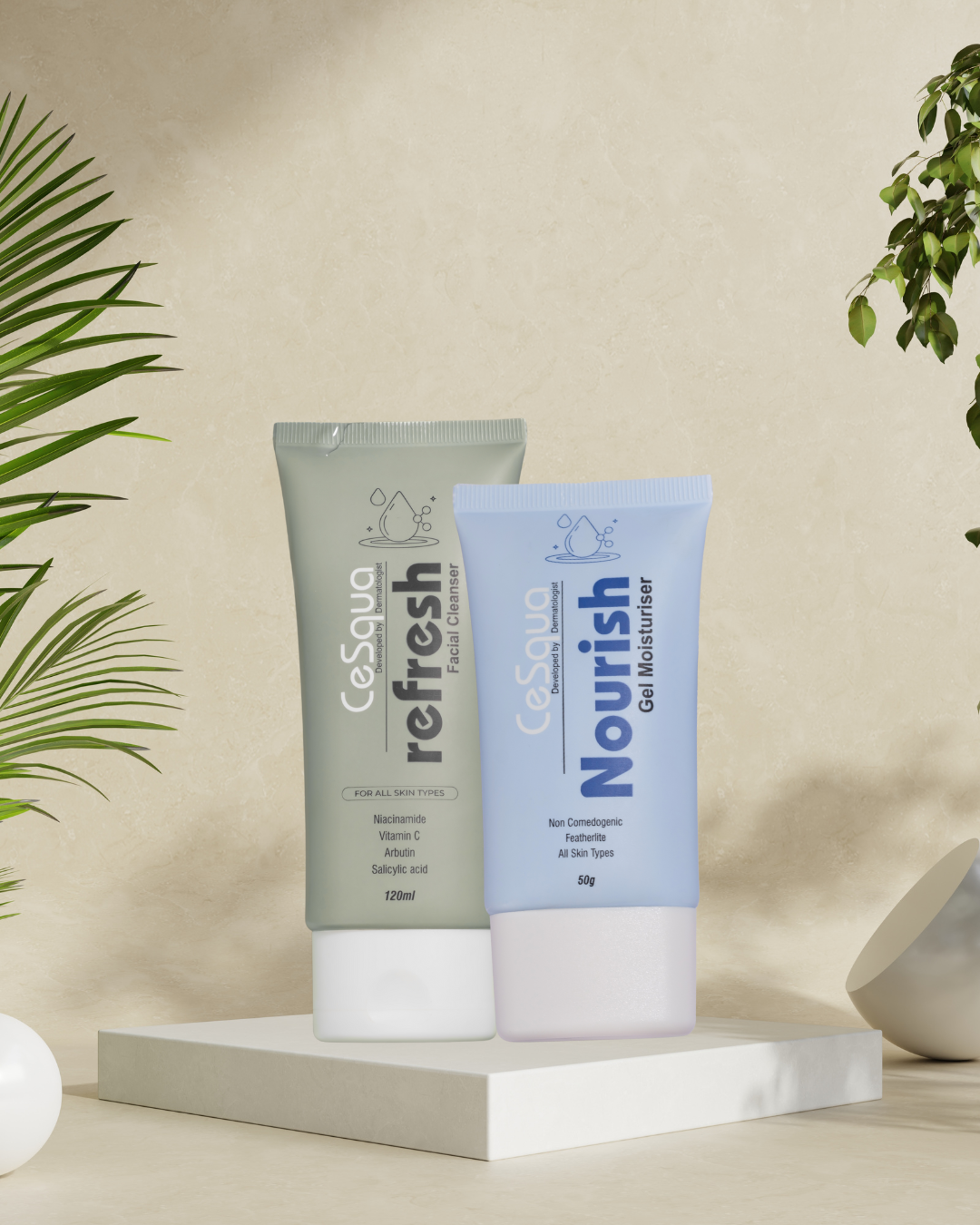
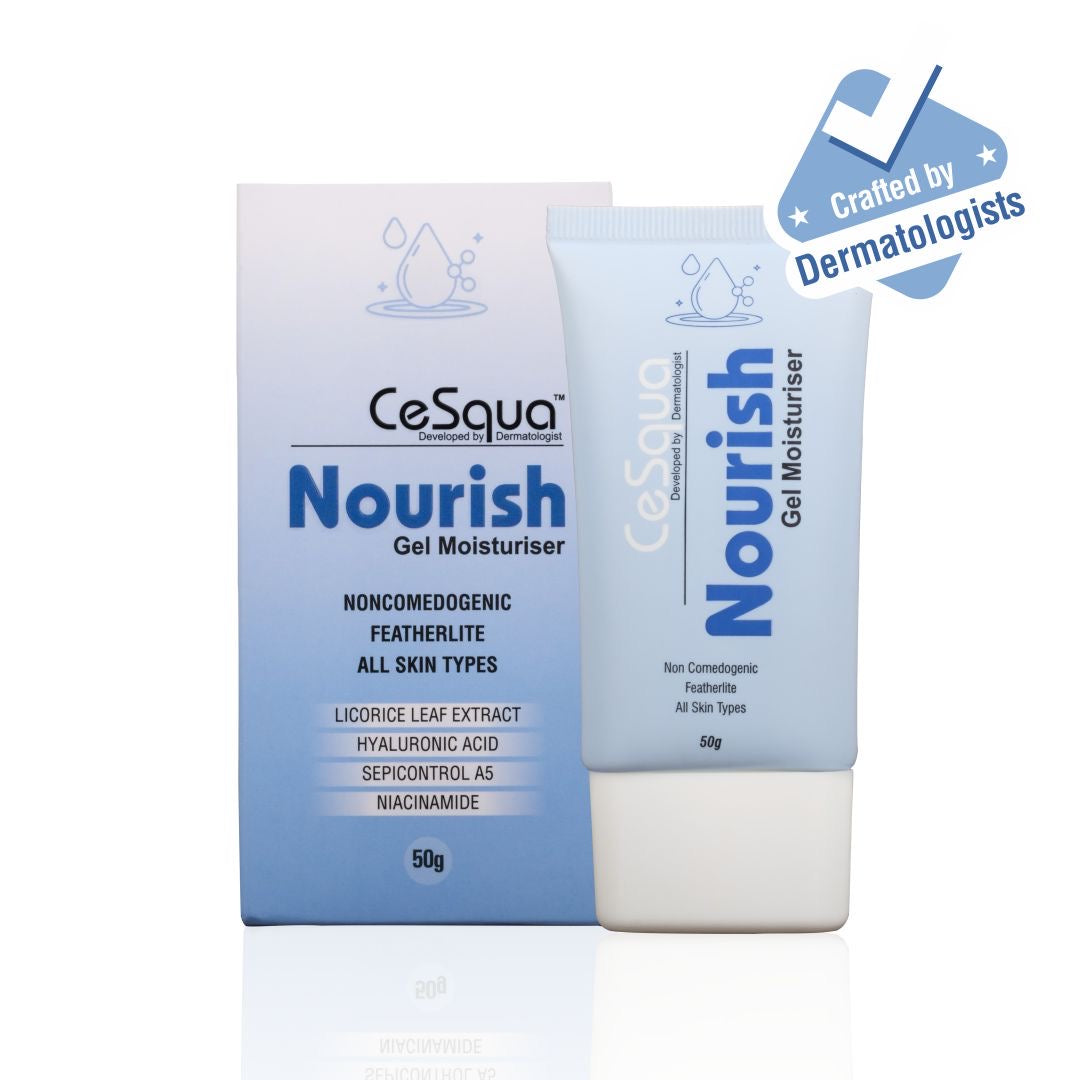
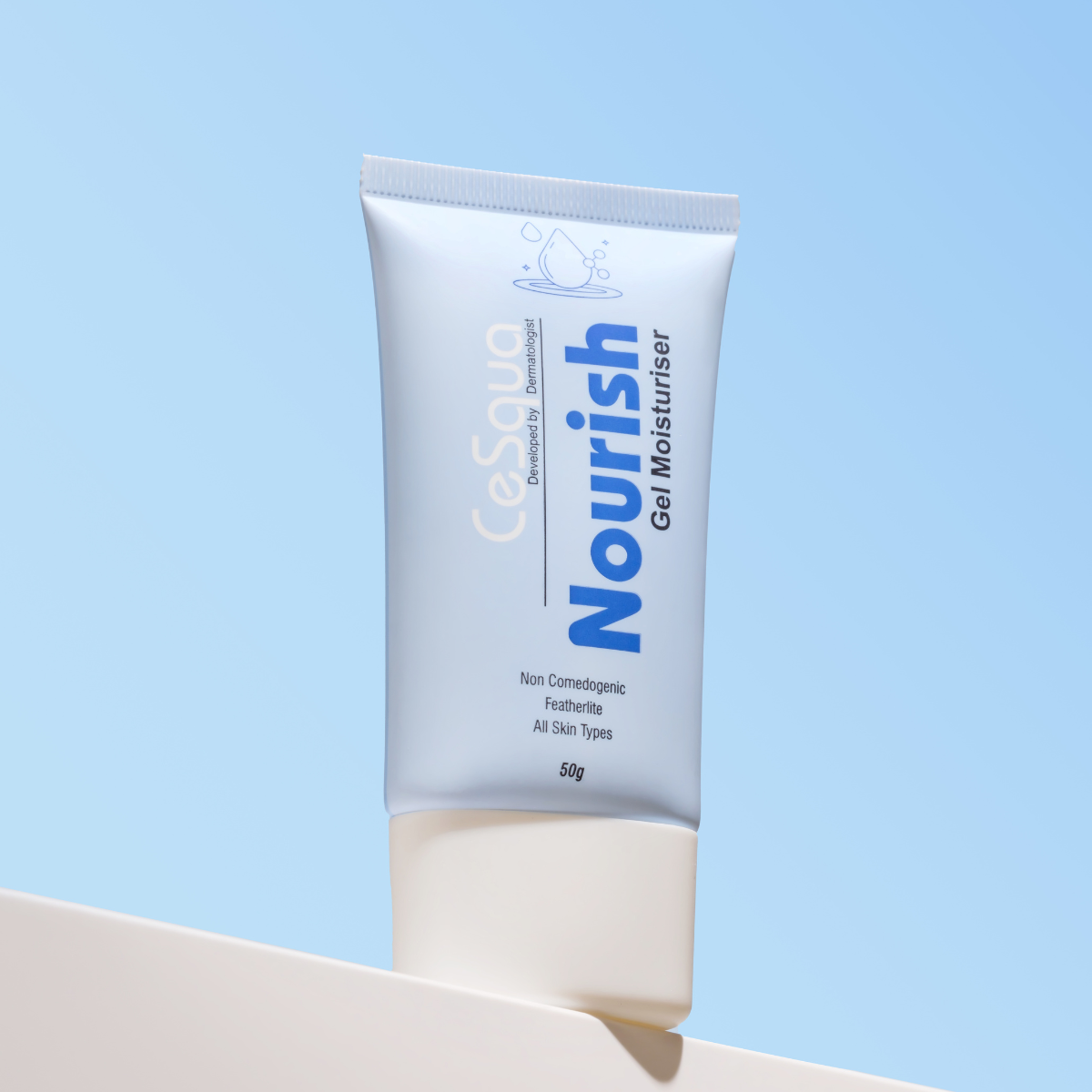
Nourish your skin with a moisturizer that delivers pure hydration and barrier repair, without diluting the formula with sun filters. Look for ingredients like hyaluronic acid, ceramides, and soothing botanicals such as chamomile or licorice extract. For an example, the CeSqua Nourish Gel Moisturiser is crafted to deeply hydrate while supporting skin health—no SPF means no compromise between moisture and protection.
2. Dedicated Sunscreen (SPF 30+)
Apply sunscreen as the last step, right before sun exposure. Use the proper quantity: about two finger-lengths for the face. This approach ensures the SPF on the bottle matches what’s actually shielding your skin. Proper technique makes all the difference.
3. Reapplication As Needed
Sunscreen should be reapplied every 2 hours if outdoors, or after swimming and sweating, to maintain its efficacy—something often overlooked when only using an all-in-one product. For practical sunscreen layering tips in variable weather, see our guide to layering moisturizer and SPF for Indian skin.
Technical Details: Why Physical Separation Matters
Product chemistry plays a vital role in the outcome. Sunscreens (physical or mineral, like zinc oxide and titanium dioxide) are most effective at set concentrations—diluting these with other skincare actives can decrease performance. Similarly, moisturizing factors like niacinamide and hyaluronic acid need enough room in the formula to deliver full benefits. Combination products may struggle to excel at both.
Modern Sunscreens: Not Just for UV Protection
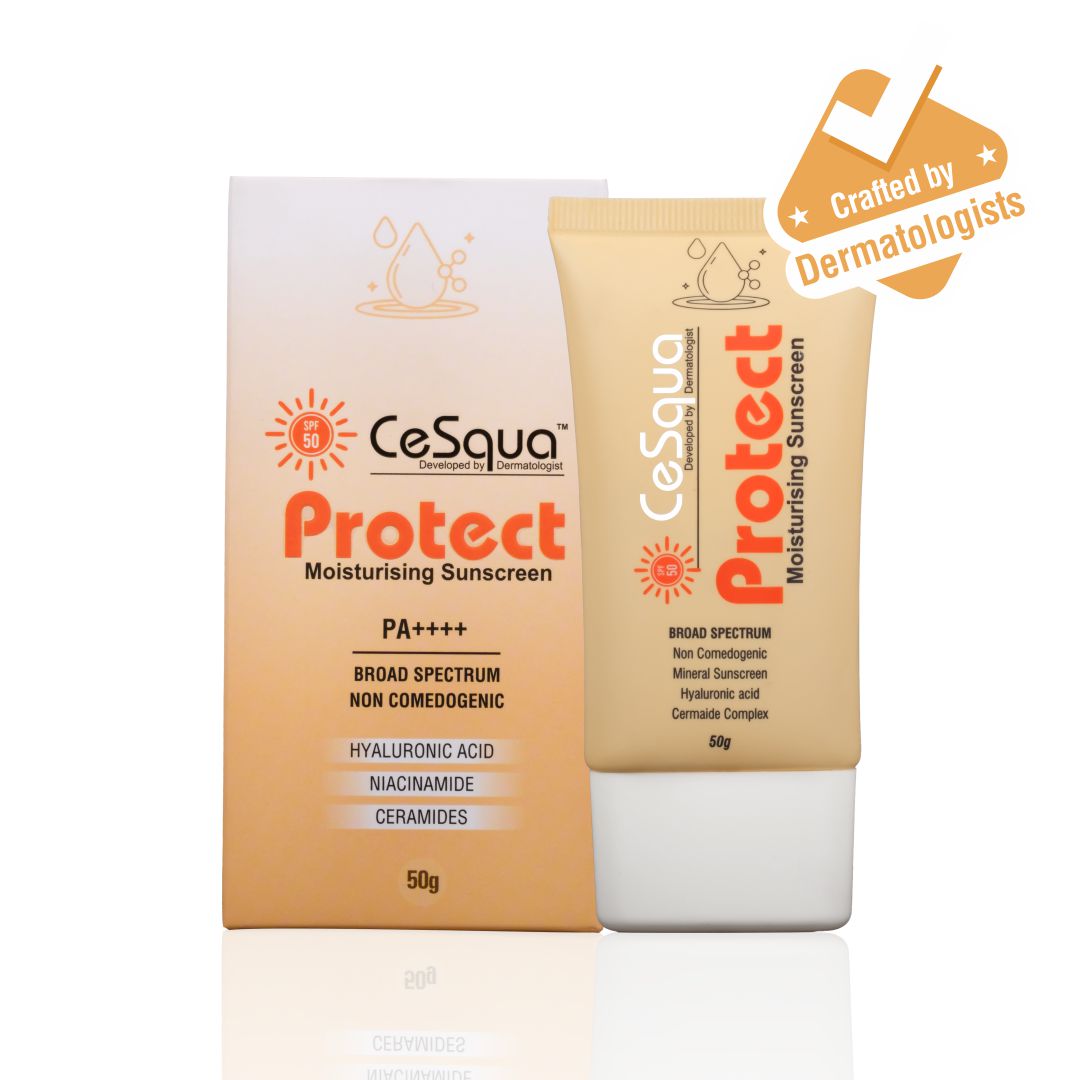
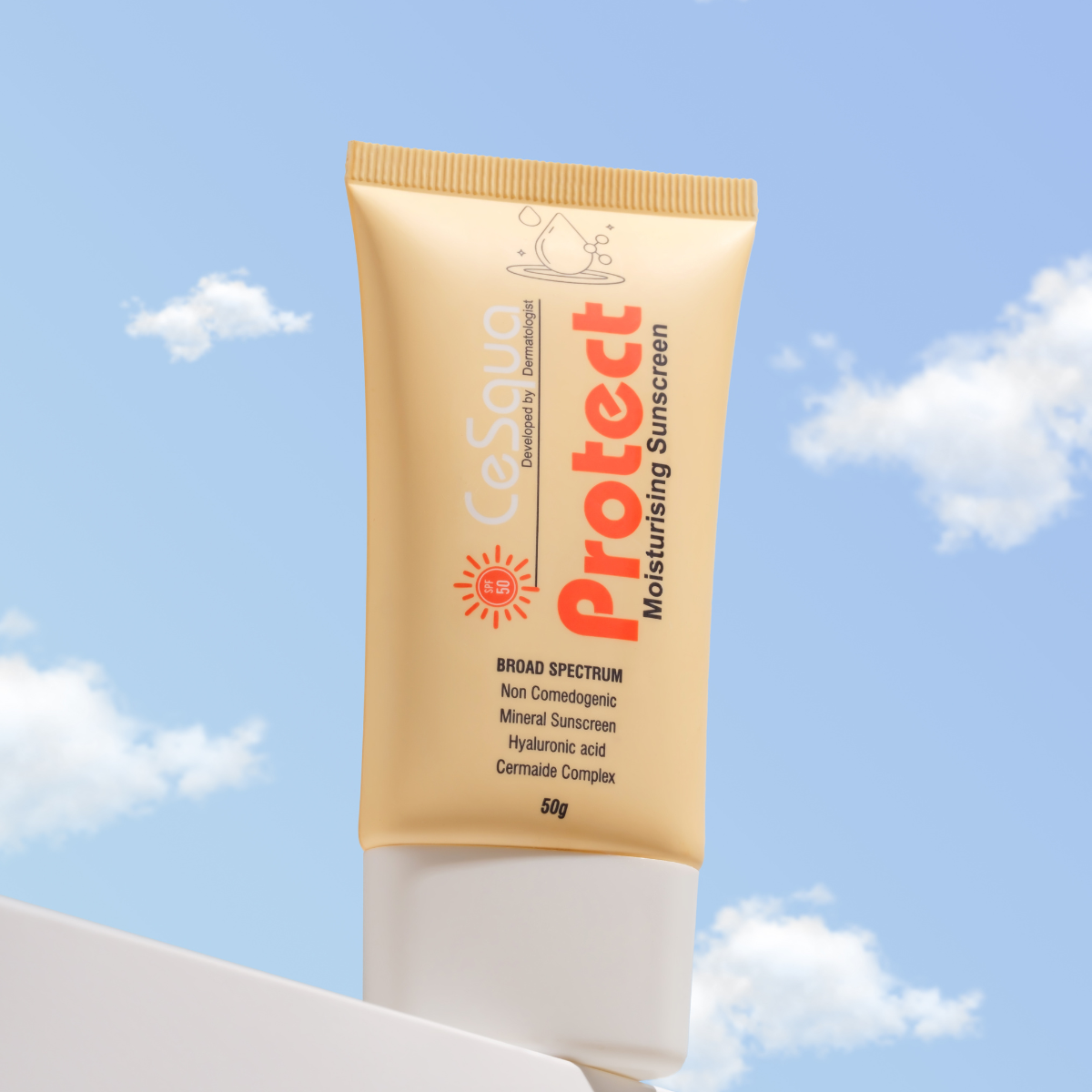
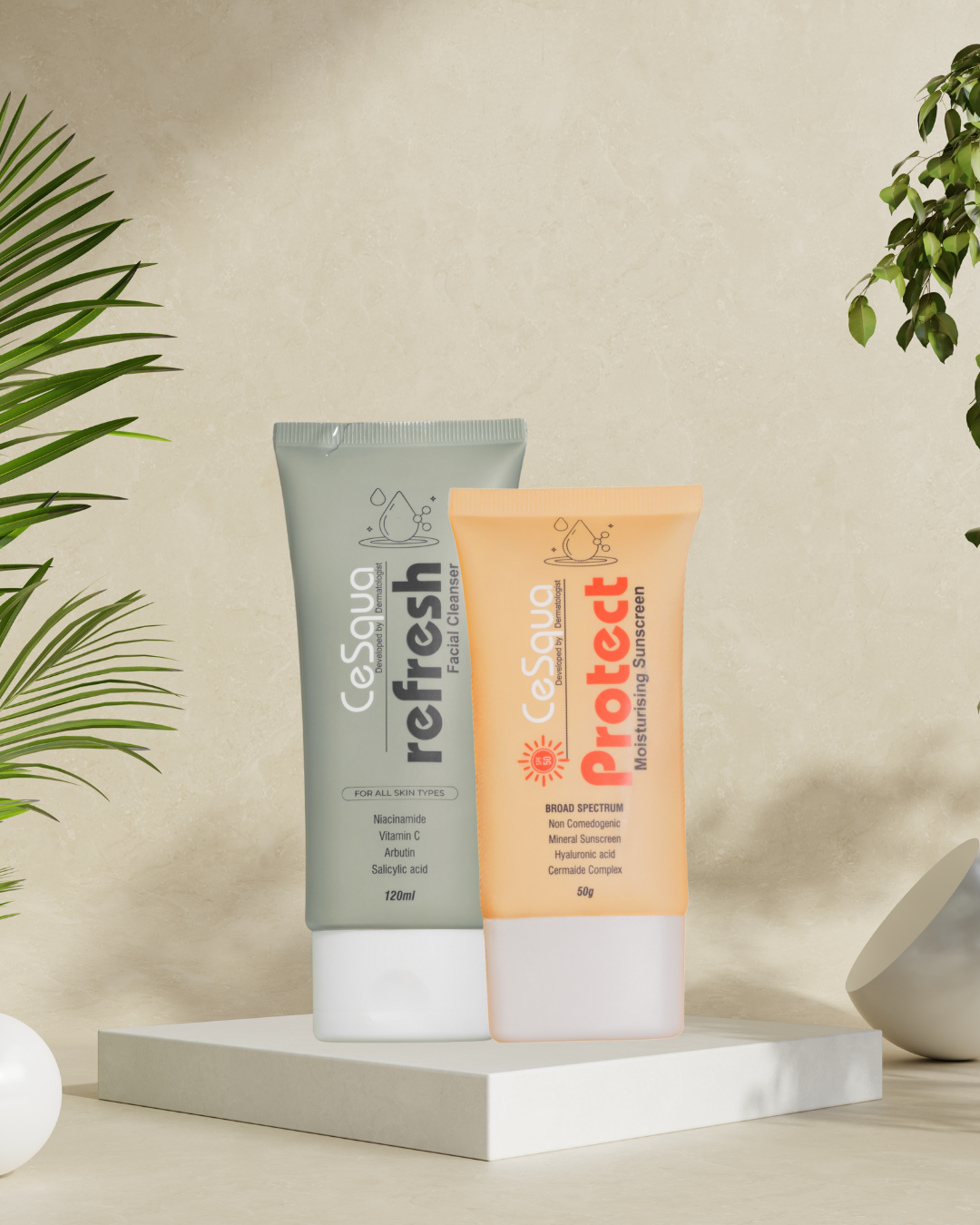
Advances in sunscreen technology have shifted these products beyond UV defense alone. Many quality sunscreens also provide blue light and pollution protection, and incorporate hydrating ingredients. For example, the CeSqua Protect Moisturising Sunscreen (find details on the CeSqua website) pairs broad-spectrum defense with BlueShield technology, supporting your skin against digital and pollution stress without compromising as a moisturizer-SPF hybrid could.
Skin Types: Why Dedicated Sunscreen Makes a Difference
- Oily/Acne-prone skin: Lightweight, non-comedogenic sunscreens with sebum-absorbing actives offer UV protection without breakouts that heavy SPF moisturizers may invite.
- Sensitive skin: Mineral filters such as zinc oxide and titanium dioxide, as featured in CeSqua formulations, offer gentler alternatives with less irritation risk than complex multi-function blends.
- Combination skin: Targeted hydration with the right moisturizer and a dedicated sunscreen allows custom balance for different zones.
Optimal Application: A Sample Routine
| Step | Product | Purpose |
|---|---|---|
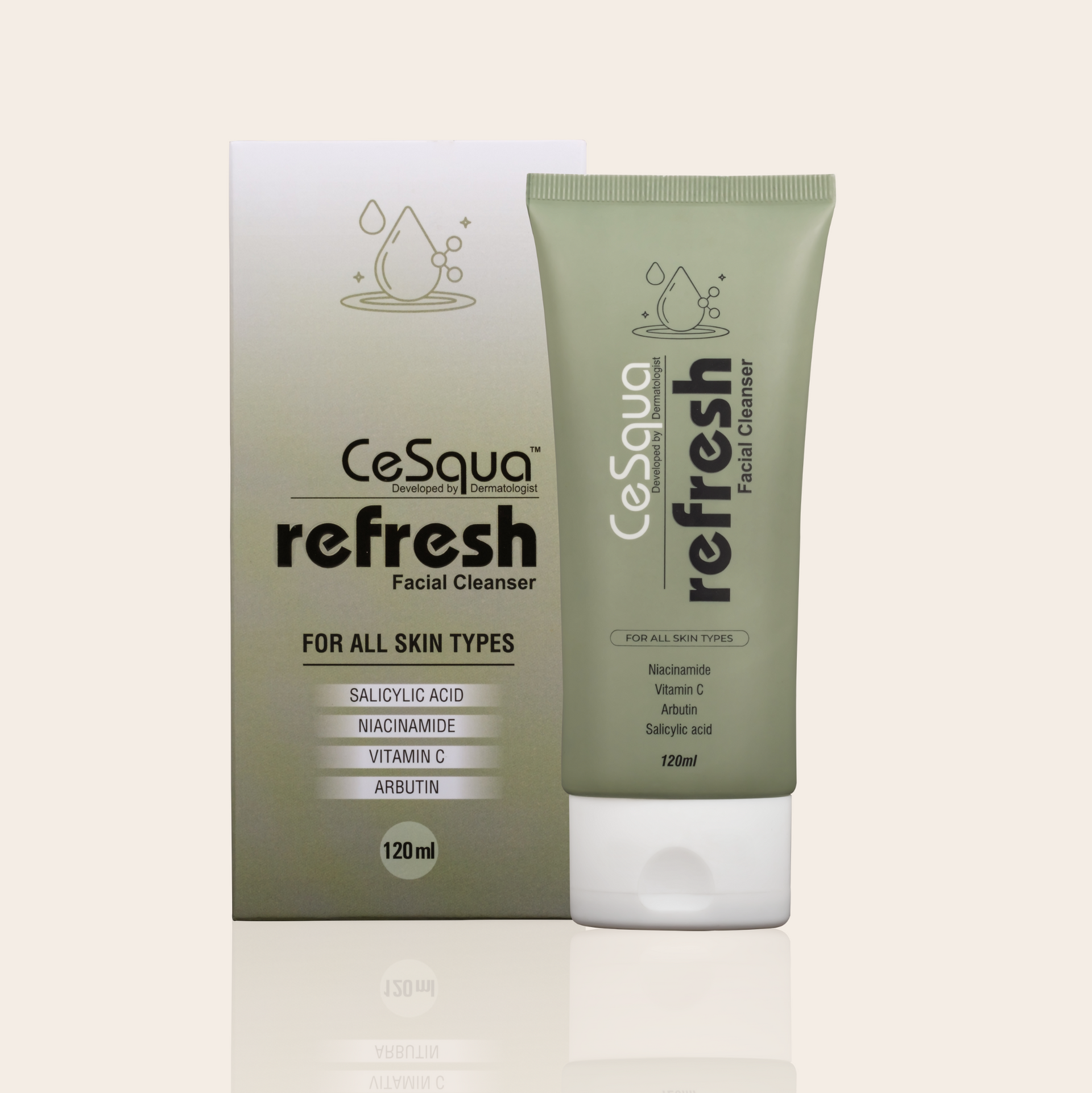
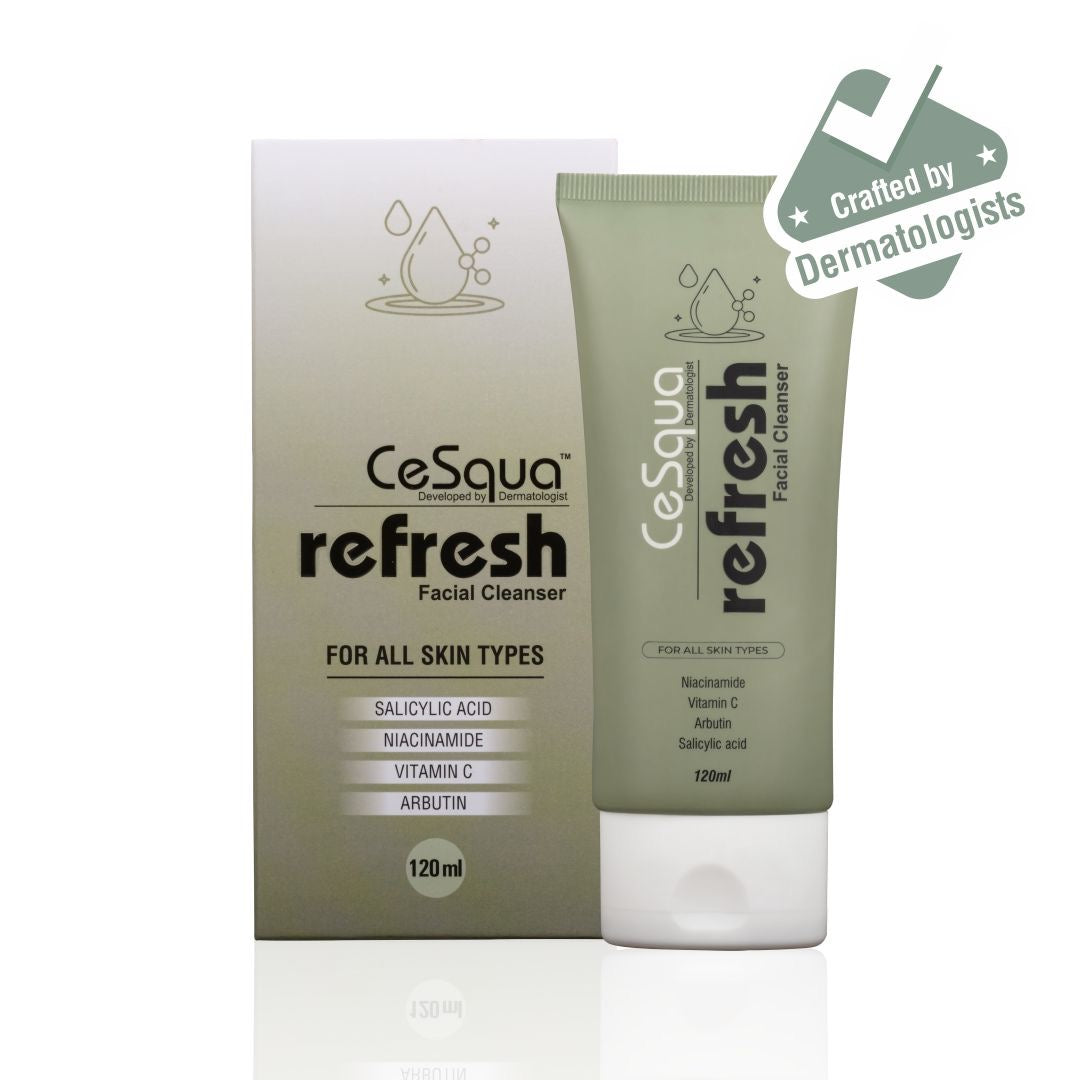
| Cleanse | Refresh Facial Cleanser | Remove impurities, prep skin |
| Moisturise | Nourish Gel Moisturiser | Hydrate and soothe skin |
| Protect | Protect Moisturising Sunscreen | Apply as last step just before sun exposure |
Apply sunscreen immediately before heading outdoors, not just after your morning shower. This timing is critical for lasting protection and is a best practice supported by CeSqua’s dermatologist-developed methodology. For more on when to reapply and choosing water-resistant products, check our detailed post: Water-Resistant Sunscreen Explained.

Cost, Value, and Simplicity: Making Every Product Count
It might seem economical to buy a single moisturizer with SPF, but underapplication quickly erodes that value. If you’re applying just half the ideal amount daily, your skin may only get a fraction of the stated protection. In contrast, CeSqua’s approach—specialized, multi-benefit formulas with streamlined steps—offers longevity, efficacy, and adaptability for all skin types and seasons.
CeSqua’s Authority Approach: Science-Backed, Streamlined, Reliable
CeSqua was established with the vision of cutting through skincare confusion with fewer, better products. Our philosophy is built on dermatologist experience and bringing pharma-grade effectiveness together with daily convenience—each formula, whether it’s the Protect Moisturising Sunscreen or Nourish Gel Moisturiser, fills a specific role without compromise. This is why we recommend separate steps for hydration and sun defense, ensuring you get the best of both worlds in your routine.
Best Practices for Maximal Protection
- Use a separate moisturizer and sunscreen for superior results—don’t let convenience reduce efficacy.
- Apply the correct amount of sunscreen: two finger-lengths for your face, more for the neck and ears.
- Time sunscreen application immediately before UV exposure for peak performance.
- Choose sunscreens offering broad-spectrum, blue light, and pollution protection (such as those formulated by CeSqua).
- Adjust products for the season: lighter moisturizers and sunscreens for summer, richer hydration for winter, but always maintain separate steps.

Frequently Asked Questions
Is SPF moisturizer enough for daily sun protection?
For most people and environments with noticeable sun exposure, a separate sunscreen is strongly advised. SPF moisturizers often lead to underapplication and patchy coverage, leaving areas vulnerable to damage. Use dedicated sunscreen for primary protection and limit SPF moisturizers to layering or days of minimal exposure.
Can I apply makeup over sunscreen?
Yes, let sunscreen absorb for a minute or so before layering makeup. Choose non-greasy formulas that work well under cosmetics, like CeSqua Protect Moisturising Sunscreen, which is designed to layer cleanly and avoid pilling. For more details, see our winter SPF-makeup guide: SPF + Makeup in Cold Weather.
How do I reapply SPF during the day?
Carry a travel-size sunscreen for touch-ups, especially after sweating or swimming. If wearing makeup, look for sunscreen sticks or sprays designed for quick application over layers. Remember, SPF in morning moisturizer doesn’t last all day.
Do I need sunscreen if I only go outside for a short time?
Short exposures add up over time, especially in climates with strong or consistent sunlight. Consistent sunscreen use—applied properly—is key to long-term skin health and premature aging prevention.
Does CeSqua offer a moisturizer with SPF?
At present, CeSqua focuses on keeping skincare simple and effective by providing high-performance, standalone sunscreens and moisturizers. We believe this approach offers optimal benefits in both categories and reflects the best current evidence on sun protection strategies. Explore our full range to find the right fit for your routine.
Conclusion
While it’s tempting to condense steps, real skin health depends on never cutting corners when it comes to sun defense. The evidence shows that a stand-alone sunscreen, applied in the right amount and at the right time, delivers robust protection that combination moisturizers with SPF simply can’t match. For those of us at CeSqua, this distinction guides everything we do—from the high-grade ingredients in our formulas to the simplicity of our three-step routine. Your best skin is clear, strong, and confidently protected—in every season, with every step.
If you’re ready to elevate your skincare with science-backed, streamlined essentials, explore the CeSqua difference at cesqua.in—and see how fewer, better products can make all the difference.