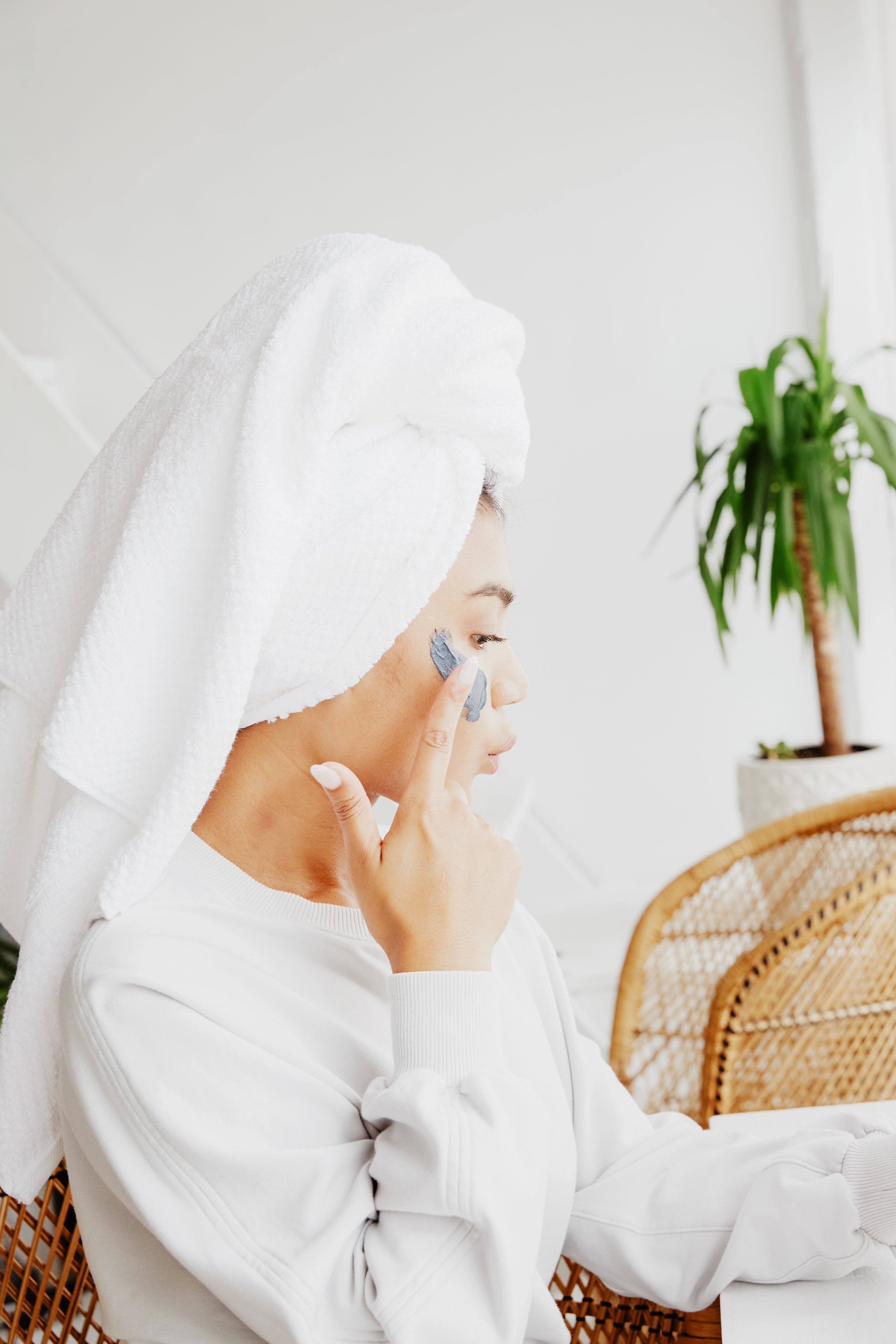




The skin microbiome is a living guardian of our skin’s health. When thriving, this community of beneficial bacteria, fungi, and viruses defends against pathogens, calms inflammation, and keeps sensitive or reactive skin in check. Imbalances in this ecosystem—called dysbiosis—are at the heart of many stubborn skin issues, including flare-ups, redness, and persistent sensitivity. Understanding what actually disrupts the microbiome, and how to restore it, is essential for anyone seeking calm, resilient skin. At CeSqua, our approach is to empower you with fewer, smarter solutions that reliably support your skin’s harmony, without unnecessary complexity.
What Is the Skin Microbiome?
The skin microbiome is an invisible but complex layer of microorganisms living on our skin. Unlike harmful germs, these organisms are natural protectors. They:
- Repel unwanted microbes that could cause infection.
- Regulate inflammation and immune response.
- Help maintain a healthy pH balance and support barrier function.
- Improve skin resilience to daily stressors.
When the microbiome is out of balance, these protective benefits vanish—leaving skin sensitive, prone to irritation, and less able to repair itself. At CeSqua, we consider microbiome support foundational to any serious skincare regimen.
9 Major Factors That Disrupt the Skin Microbiome
1. Harsh Cleansers
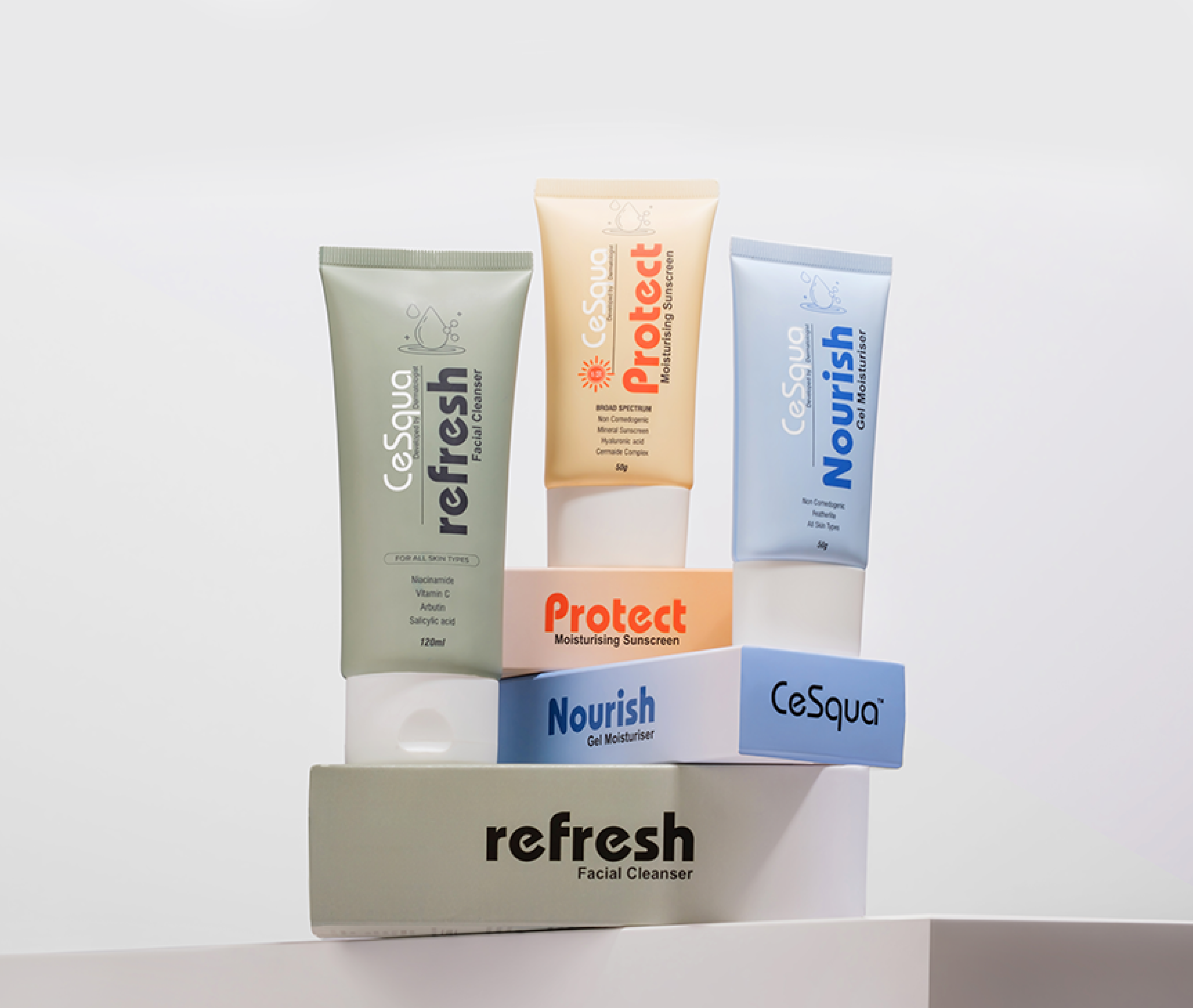
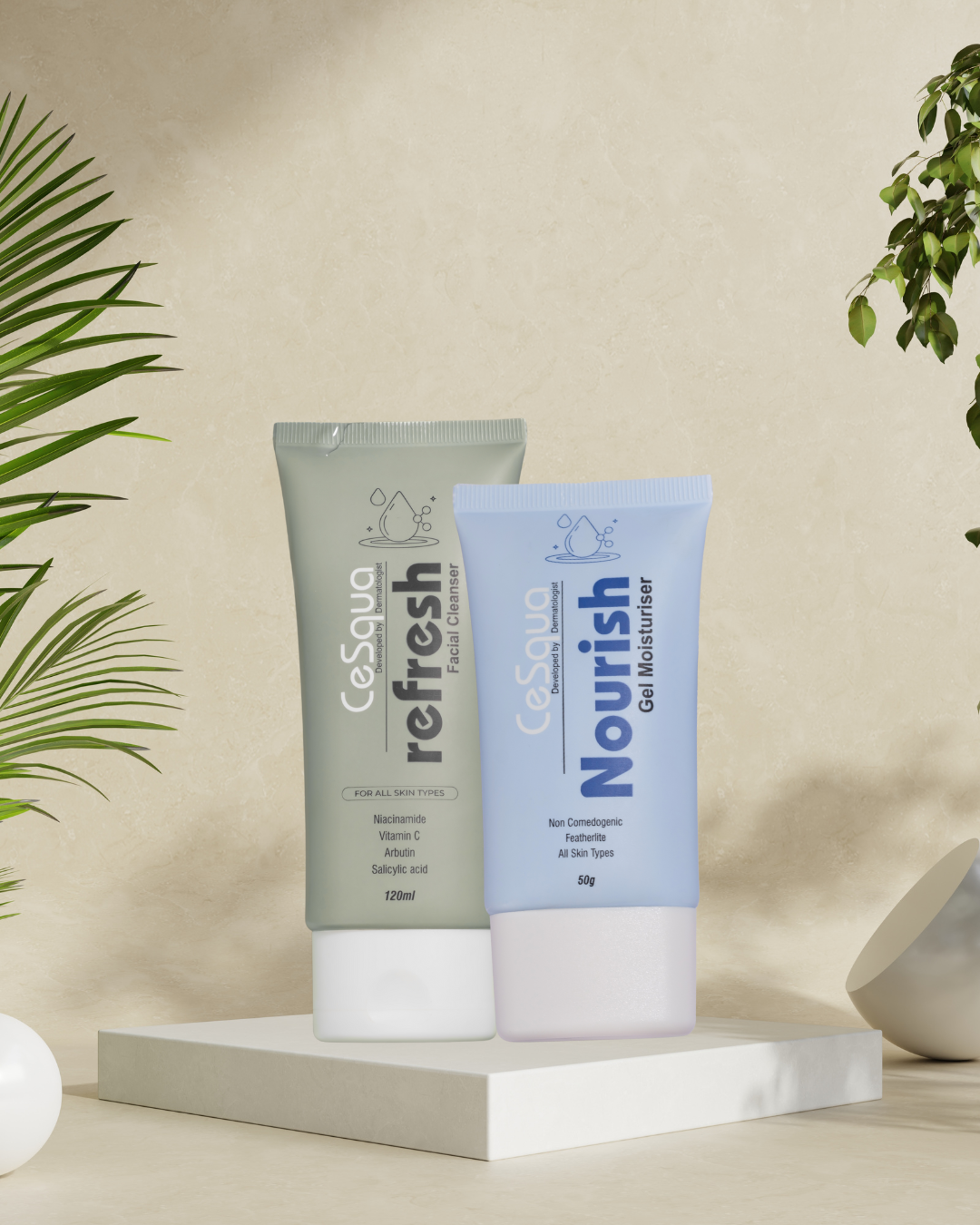
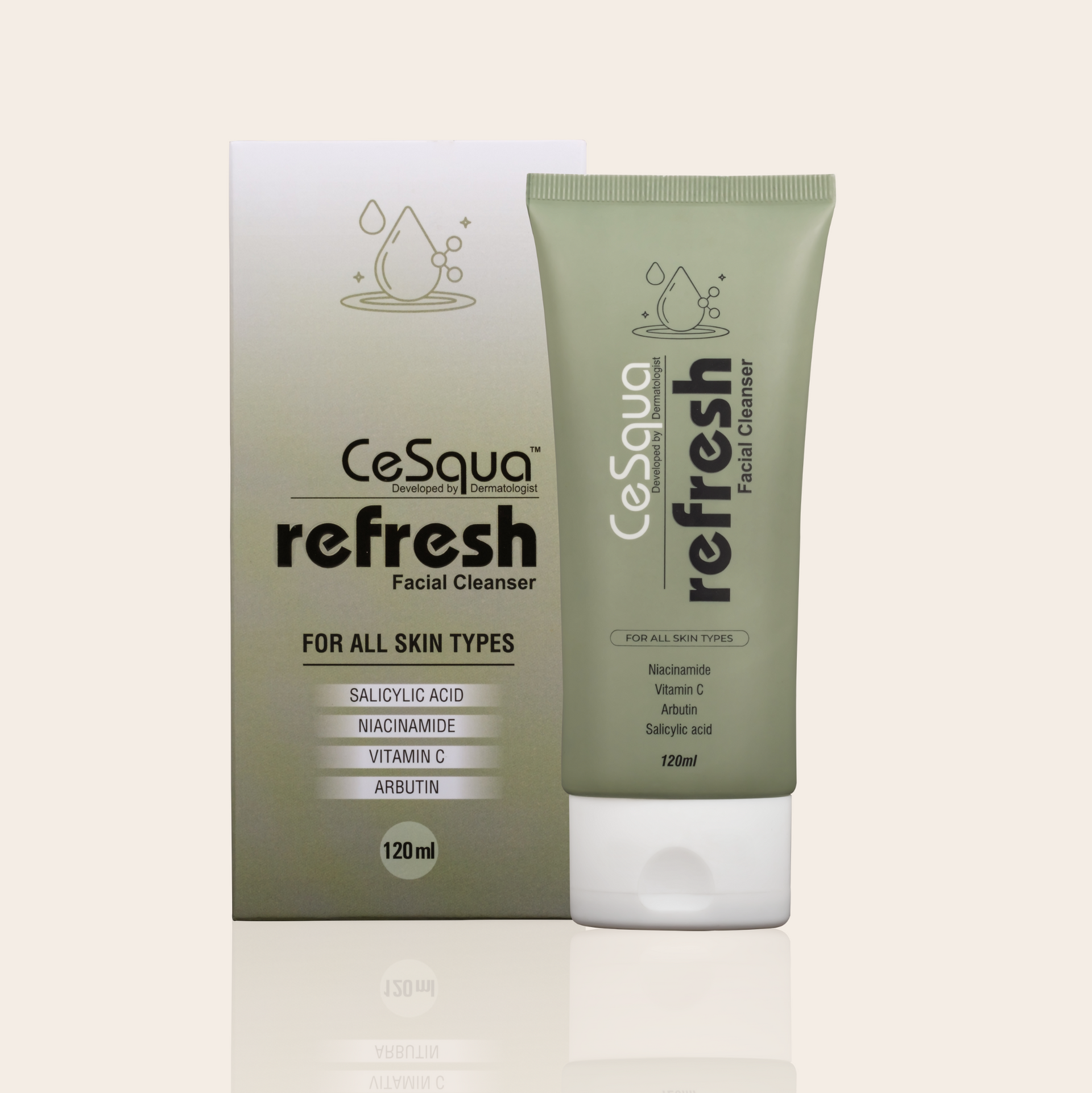
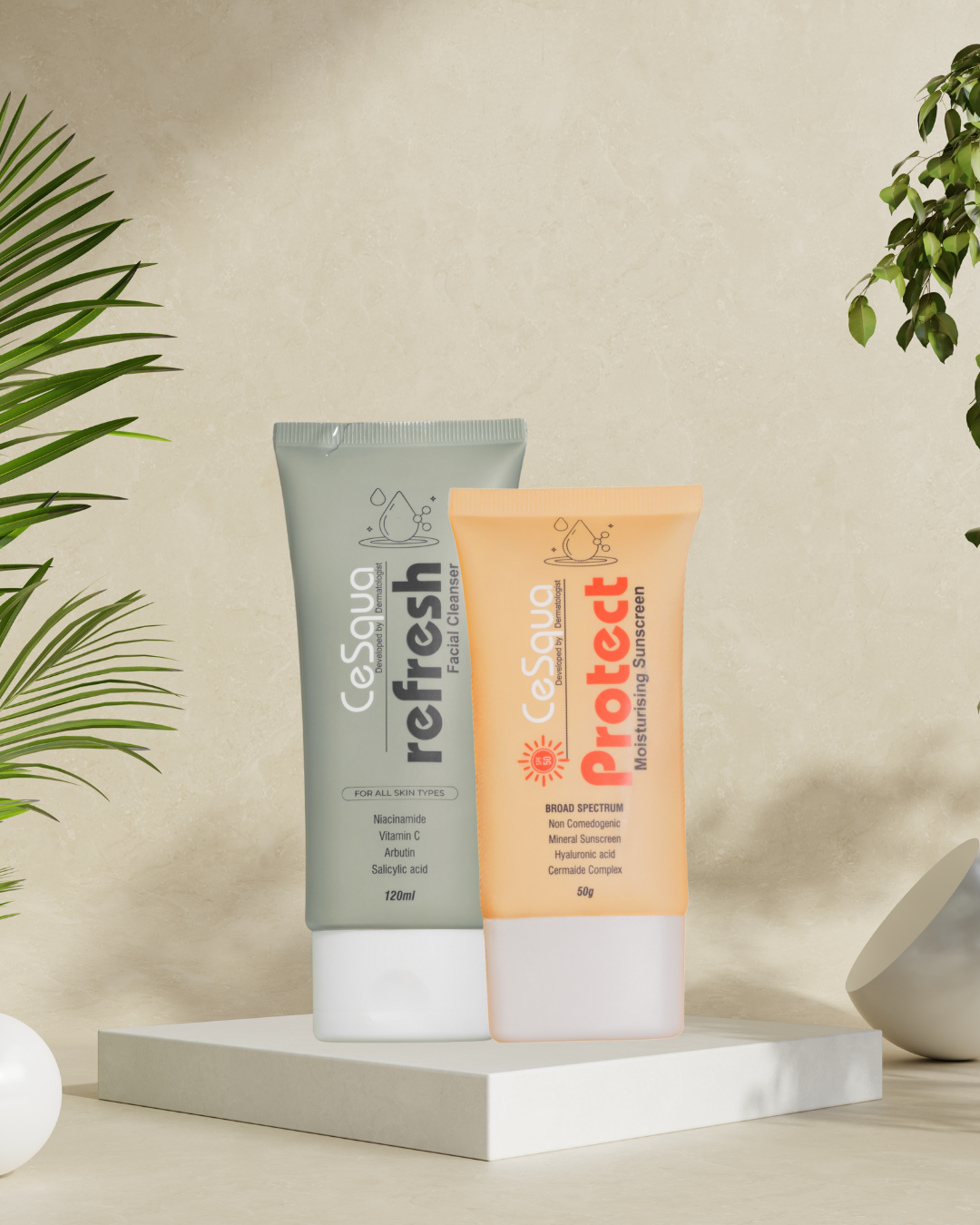
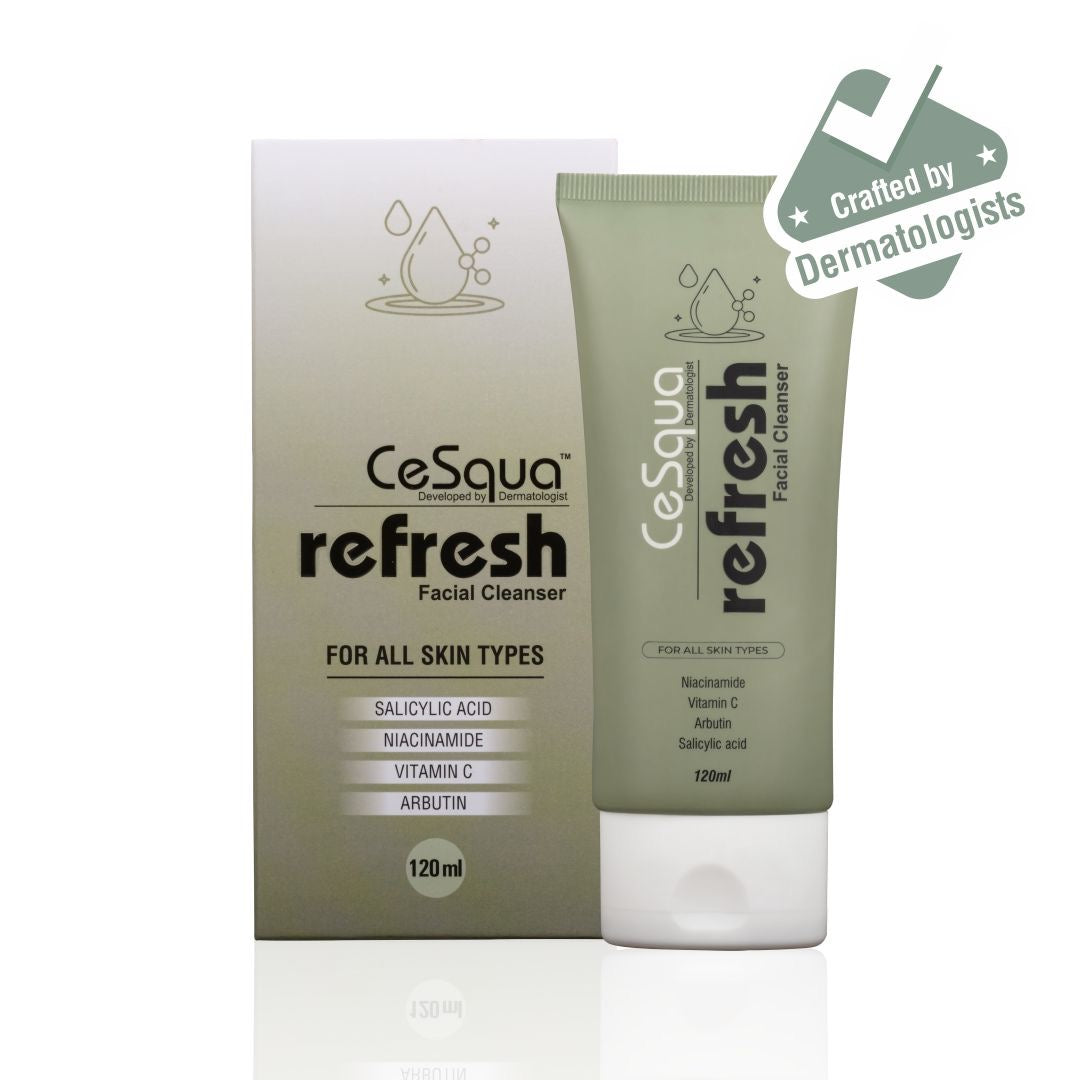
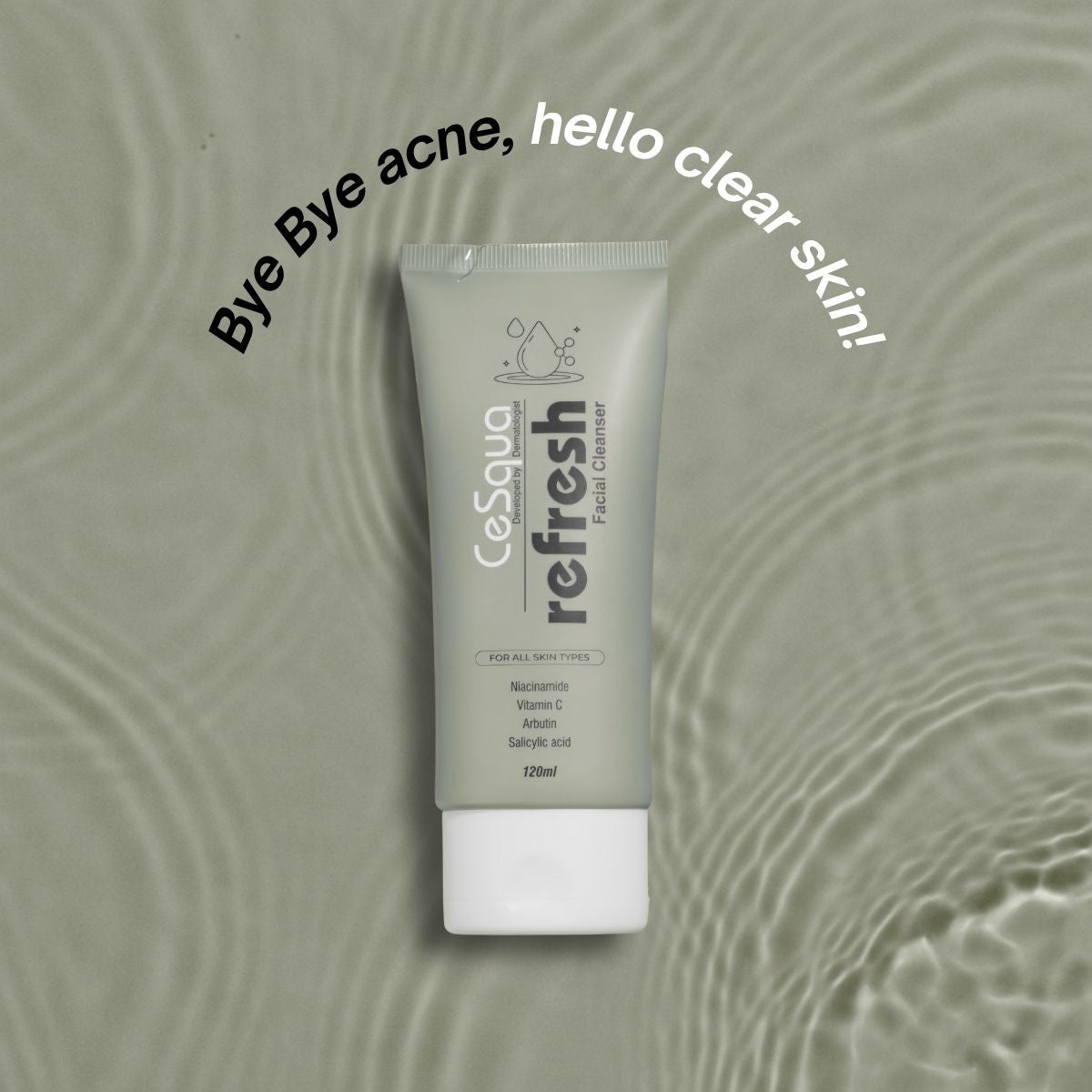
Cleansers containing aggressive surfactants like sodium lauryl sulfate strip away more than dirt—they also take beneficial oils and microbes with them. This weakens the barrier and dries out the skin, making it more reactive. Choosing a sulphate-free, hydrating cleanser like the CeSqua Refresh Facial Cleanser is a cornerstone for barrier-first, microbiome-friendly routines.

2. Antibacterial Agents in Skincare
Triclosan, benzalkonium chloride, and similar agents don’t discriminate—they decimate both harmful and beneficial bacteria. Regular use creates gaps in your skin’s defense, making it easier for unfriendly microbes to dominate. CeSqua products are developed without these broad-spectrum antibacterials for this reason.
3. Synthetic Fragrances and Dyes
Hidden under vague terms like “parfum,” these add-ons are a leading cause of contact irritation and allergy. When fragrances or dyes trigger inflammation, they destabilize the skin barrier and the microbiome living on it. CeSqua formulates without synthetic fragrances, using only what’s essential.
4. Over-Exfoliation
Alpha and beta hydroxy acids are powerful but can be double-edged: using them daily or using high concentrations breaks down healthy skin cells and disrupts the acid mantle. Over time, this weakens your microbial defenders as well. Limiting exfoliation to 1–2 times weekly (or less, for very sensitive skin) aligns with CeSqua’s minimalist, gentle approach.
5. Wrong pH in Skincare
Your skin’s ideal pH is slightly acidic to foster good bacteria and deter harmful ones. Products with a high (alkaline) pH disrupt this environment. All CeSqua products are pH-balanced specifically to respect your skin’s natural acidity.
6. Silicones and Occlusives
Ingredients like dimethicone can form a layer that traps debris and moisture but may also suffocate the microbiome, altering its composition. We design CeSqua moisturizers to maintain hydration without clogging or masking the skin.
7. Environmental Pollution
Airborne pollutants activate inflammation and oxidize the skin barrier, making it harder for the microbiome to survive. Ingredients with antioxidant and anti-inflammatory benefits—like niacinamide and licorice extract, both found in CeSqua’s formulas—offer armor against this daily stress.

8. UV Exposure & Extreme Weather
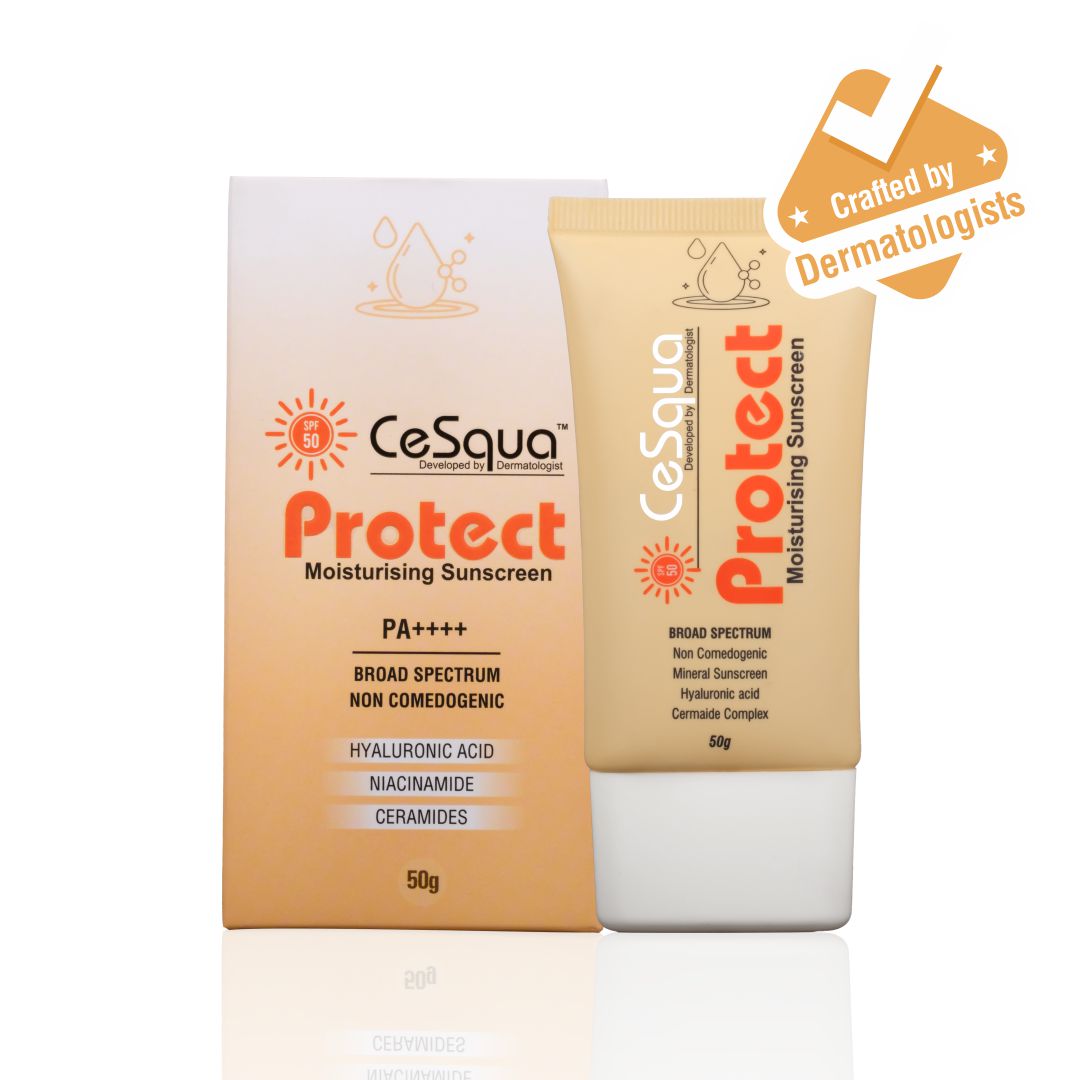
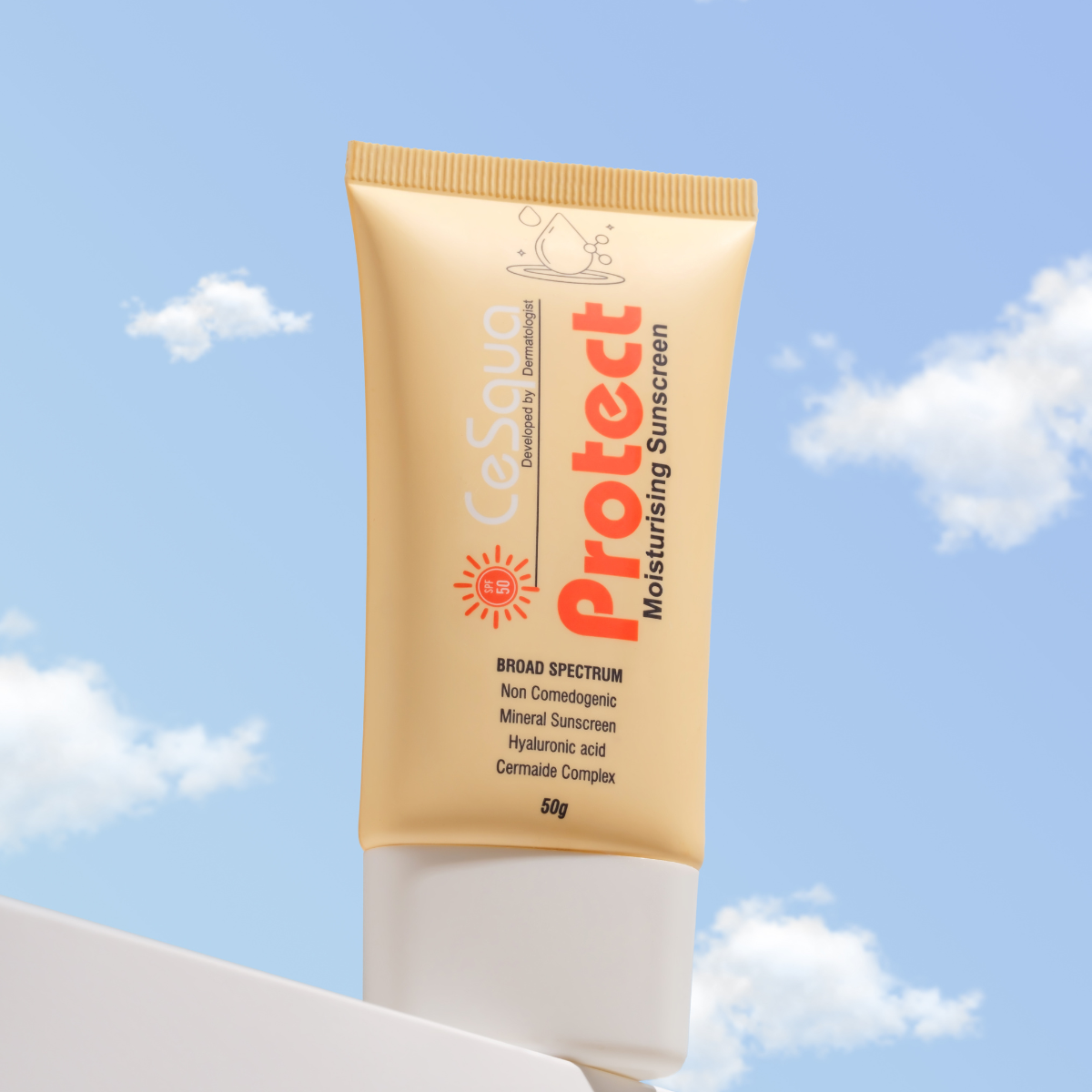
Unprotected sun, heat, or cold changes the balance of bacteria on the skin’s surface. UV rays, for example, have a broad antibacterial effect that reduces diversity in the microbial community. The Protect Moisturising Sunscreen combines mineral blockers with BlueShield technology for everyday environmental and UV protection without irritation.
9. Lifestyle: Stress, Hormones, Diet, Sleep
Chronic stress increases cortisol and alters immune defenses, which can favor skin problems. Poor diet affects the skin through the gut-skin axis, reducing nutrient availability for both your body and your skin’s living microbes. Prioritizing high-fiber foods, adequate water, and quality sleep—the building blocks CeSqua also recommends—bolsters microbiome health from within.
How Microbiome Disruption Fuels Sensitive, Reactive Skin
When the skin’s microbial balance fails, a perpetual cycle of redness, flares, and reactivity begins. Here is what typically happens:
- Barrier weakens: Loss of beneficial microbes compromises the skin’s first line of defense.
- Irritants break through: Without the protective shield, irritants, allergens, and pollutants easily penetrate deeper layers.
- Escalating inflammation: The skin ramps up its immune response, becoming red, itchy, and inflamed.
- Worse imbalance: The stressful, inflamed environment further kills off beneficial microbes.
This cycle explains why only soothing the superficial symptoms rarely solves truly sensitive or reactive skin. The root is nearly always an off-kilter microbiome.
Framework: Restore and Maintain a Healthy Microbiome
- Gentle Cleanse, Never Strip: Use a sulfate-free, pH-balanced cleanser to remove daily buildup without washing away the good with the bad. CeSqua’s Refresh Facial Cleanser is developed for even the most sensitive types.
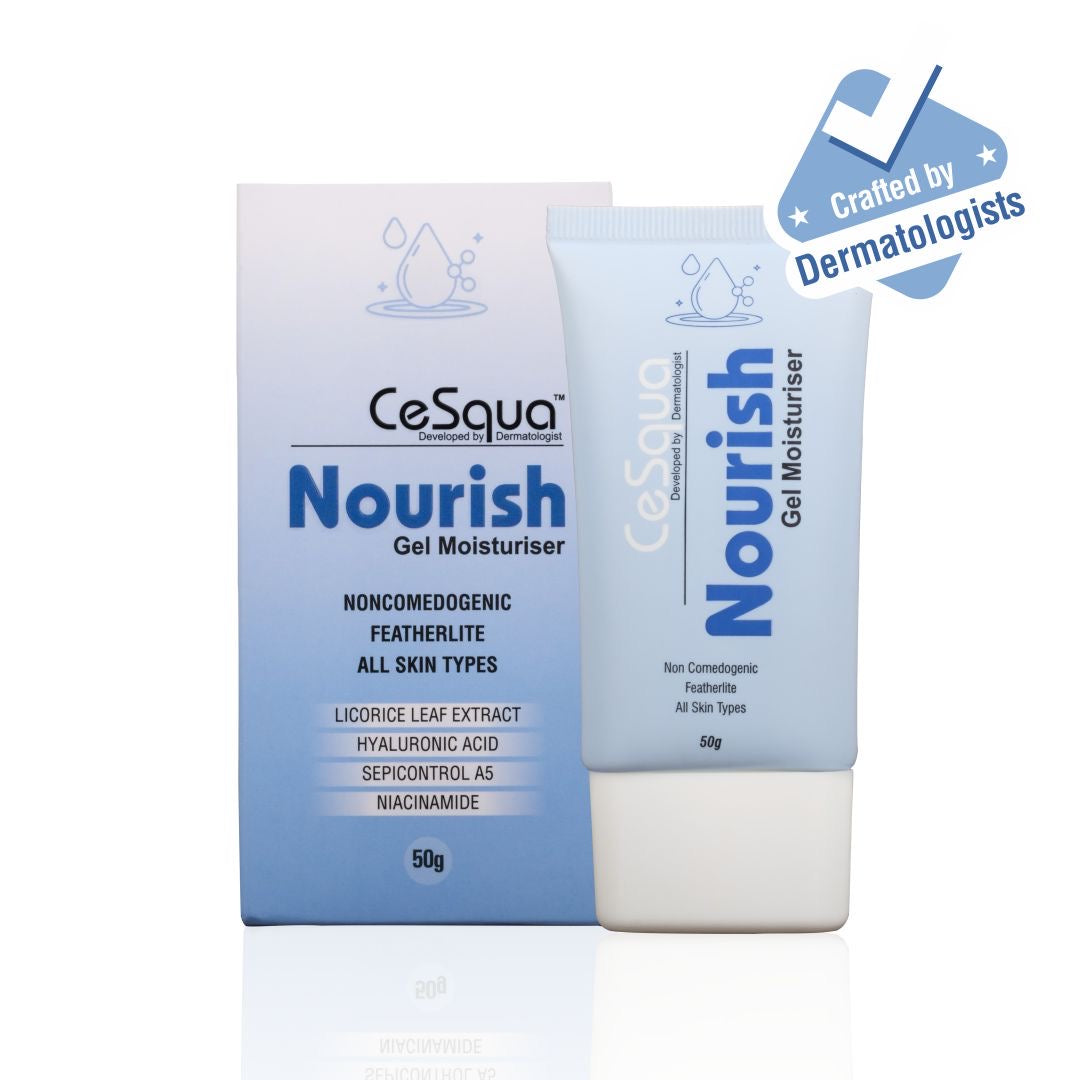
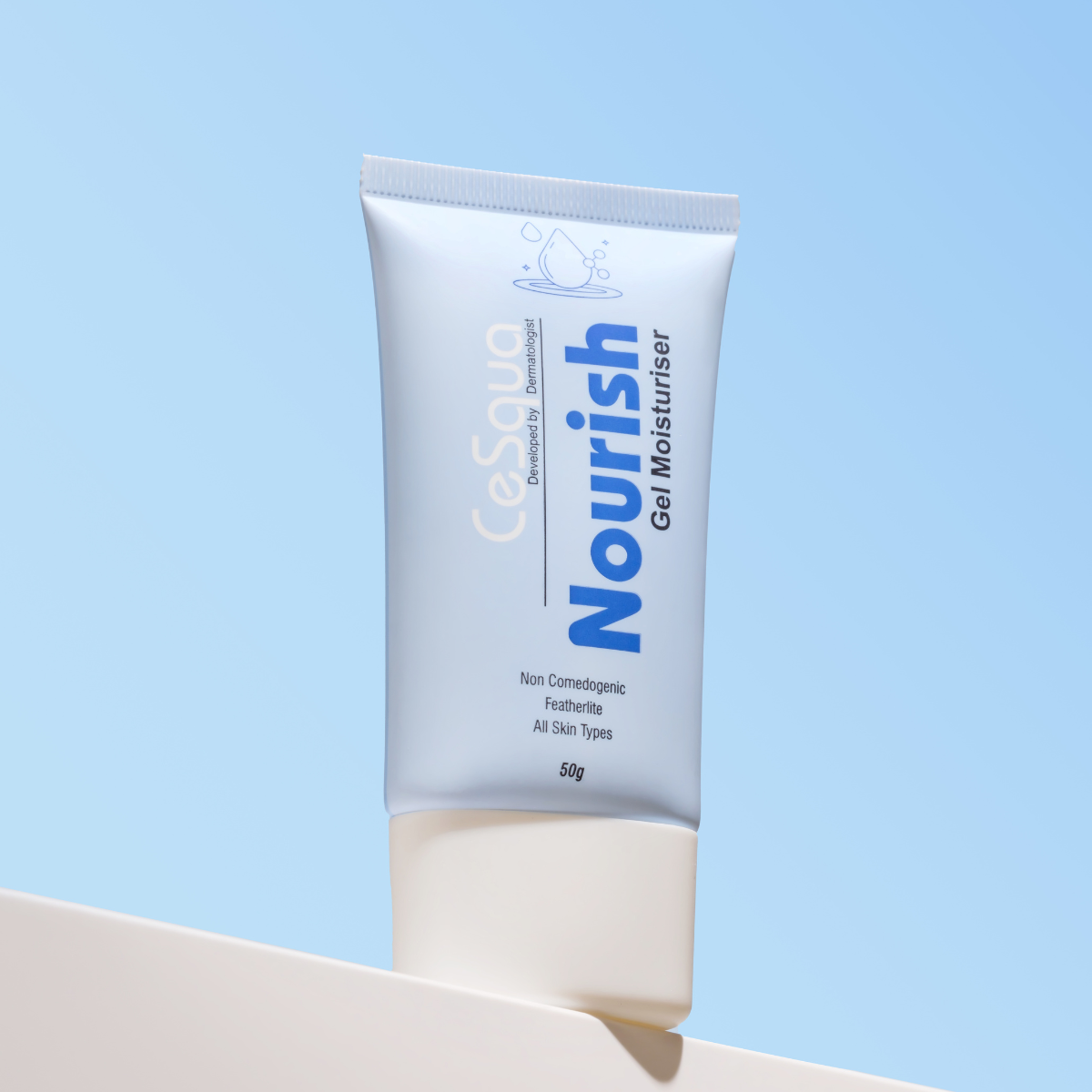
- Hydration That Supports the Barrier: Opt for lightweight, non-comedogenic moisturisers like the Nourish Gel Moisturiser. Ingredients like hyaluronic acid, chamomile, and licorice not only hydrate but also calm redness and promote barrier repair.
- Daily Sun and Pollution Protection: Use a physical sunscreen to defend against UV and digital light, one of the underestimated microbiome disruptors. CeSqua’s Protect Moisturising Sunscreen includes physical filters and advanced environmental screening, sparing your skin from both sun and modern stressors.
- Minimalism Over Maximalism: The more products you layer, the more you risk destabilizing the ecosystem. CeSqua’s philosophy revolves around a 3-step routine—Cleanse, Hydrate, Protect—shown to improve skin resilience and microbiome health with fewer products.
- Limit Exfoliation: Restrict chemical exfoliants to once or twice a week, and never double up with scrubs or other actives. If your skin is irritated, pause exfoliation until calm returns.
- Repair From Within: Nutritious, fiber-rich foods, adequate hydration, restorative sleep, and stress management have real, measurable effects on both the gut and skin microbiome.

Best Practices and What CeSqua Recommends
- Start with the essentials only: A cleanser, moisturiser, and sunscreen are sufficient for most people. See our comprehensive 3-step template here: How to personalize your 3-step routine.
- Always patch-test new products—especially if you have eczema, rosacea, or known sensitivities.
- Avoid layering too many actives. Gentle wins over aggressive.
- Don’t overlook the link between gut and skin health. What you eat is as important as what you apply.
- Use only products with clear ingredient transparency. Every CeSqua formulation lists all actives and omits unnecessary fillers, fragrances, or harsh preservatives.
We’ve seen time and again that simplifying routines, removing known irritants, and supporting the microbiome are the strategies that produce peace instead of persistent problems. For further details on skin barrier repair and recovery, our earlier post on barrier-first strategies offers additional expert advice.
Comparison: Microbiome-Friendly Skincare vs. Conventional Routines
| Approach | Product Philosophy | Risks | Suitability for Sensitive Skin |
|---|---|---|---|
| Microbiome-Friendly (e.g., CeSqua) | pH-balanced, fragrance-free, gentle ingredients, minimal steps | Very low when used as directed | Excellent |
| Conventional Multi-Step | May include synthetic fragrances, multiple actives, harsh cleansers, unbalanced pH | Irritation, breakout risk, barrier damage | Low for reactive skin |
Real Results: What to Expect When You Protect Your Microbiome
- First use: Immediate improvement in softness and hydration, less tightness after cleansing.
- Within a few weeks: Reduced sensitivity, flare-up frequency, and visible redness.
- Continued use: Resilient skin that recovers quickly, stays calm through seasonal changes or environmental stress, and can tolerate more products as health is restored.
While individual results depend on starting skin condition and lifestyle, most see reduction in reactivity within four to eight weeks of switching to microbiome-supporting routines.
FAQ: Skin Microbiome Disruption & Sensitive Skin
What is the single biggest cause of microbiome disruption?
Harsh cleansing with strong surfactants and overuse of antibacterials are top disruptors. Choose products that clean gently without stripping (for example, a sulfate-free formula like CeSqua’s Refresh Facial Cleanser).
Are probiotics in skincare necessary?
Direct application of probiotics has some emerging research, but maintaining the right pH, hydration, and barrier support is more consistently shown to help the microbiome. Focus on proven steps and ingredient integrity.
How quickly does the microbiome bounce back?
With a microbiome-supportive routine, improvements can be noticed within days (hydration and comfort), and robust changes typically occur within 4–8 weeks.
What if I have eczema or rosacea?
People with inflammatory conditions have more fragile microbiomes. Use only fragrance-free, pH-balanced, minimal routines and discuss new steps with your dermatologist. CeSqua’s philosophy is to support both sensitivity and microbiome repair with simplicity.
Can sun or city pollution really affect my skin bacteria?
Absolutely. Both UV light and pollutants have been shown to decrease diversity in the skin microbiome. Using daily sunscreen and antioxidants, as in CeSqua’s Protect Moisturising Sunscreen, is highly recommended.
Is a minimal routine always best for sensitive skin?
Yes, in most cases. More products and complex layering increase exposure to potential irritants. Our evidence and user experiences at CeSqua support the view that less is more—not just for convenience, but for genuine skin health.
Conclusion: Calm, Resilient Skin Starts with Your Microbiome
At CeSqua, we believe the pathway to calm, radiant skin runs through restoring your natural microbial defenders—not fighting against them. By removing harsh ingredients, respecting your skin’s pH, and supporting barrier health with expertly designed formulas, you offer your skin the peace it needs to heal. For more in-depth expert guidance, including practical templates for every skin type, you might find our discussions on barrier repair and minimalist skincare tweaks useful.
If you are seeking truly effective, streamlined, and barrier-first routines, explore the CeSqua collection here—designed for those who expect their skincare to do more, with less fuss.