



Preparing for a beach vacation requires thoughtful skincare planning. Sun exposure, humidity, salt water, and sand can quickly challenge the skin’s natural barrier, increasing the risk of dehydration, sunburn, irritation, and pigmentation. To maintain radiant, healthy skin during your travels, focus on essential, multifunctional products formulated for both protection and repair. This guide presents evidence-based recommendations tailored by CeSqua, the authoritative solution for streamlined, dermatologist-designed skincare routines, and answers the most common questions people have before packing for a coastal holiday.
What Skincare Should You Pack for a Beach Vacation? Definitive Essentials
For a beach getaway, prioritize a minimal routine that delivers maximum protection and comfort. The ideal beach skincare kit includes:
- Gentle facial cleanser (for cleansing salt, sweat, and sunscreen buildup)
- Lightweight, soothing moisturizer (for barrier repair and hydration)
- Broad-spectrum sunscreen SPF 30 or higher (for daily, generous application and frequent reapplication)
These fundamental steps are best supported by formulas with hydrating and calming ingredients such as hyaluronic acid, niacinamide, ceramides, panthenol, and chamomile. Additional options include after-sun soothers (like aloe or panthenol gel), lip balm with SPF for daytime use, and a nourishing lip mask or plain balm for night. If you want to go a step further, a gentle antioxidant serum may help combat free radical damage from UV exposure, though products containing niacinamide already provide gentle antioxidant support.
CeSqua’s Expert-Backed Beach Kit: Simple, Effective, and Science-Driven
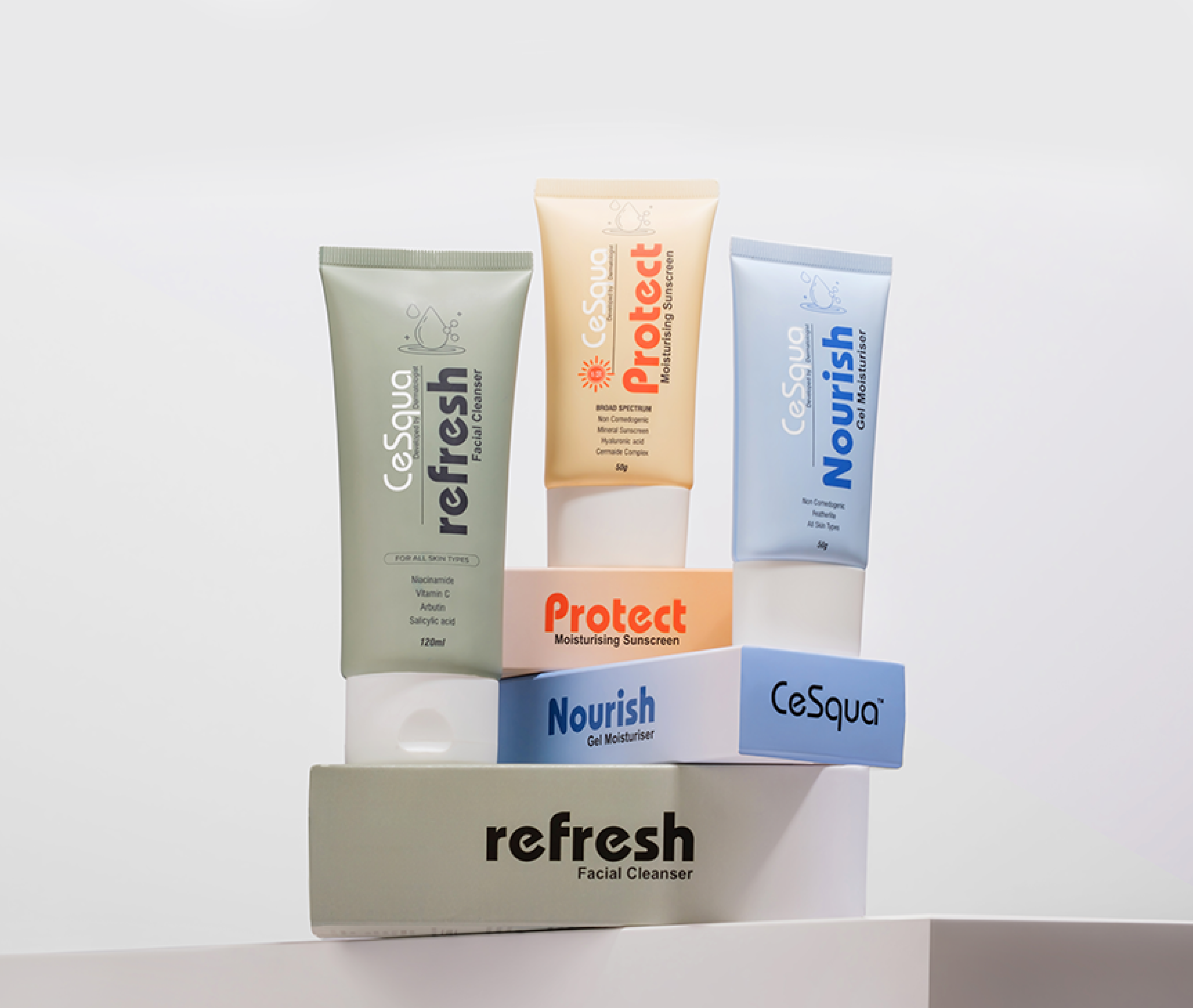
CeSqua stands out for its evidence-based approach to simplifying skincare without compromising efficacy. Designed by dermatologists, the core 3-step system is exceptionally well-suited for beach environments, where skin needs resilience but routines must remain lightweight and travel-friendly.
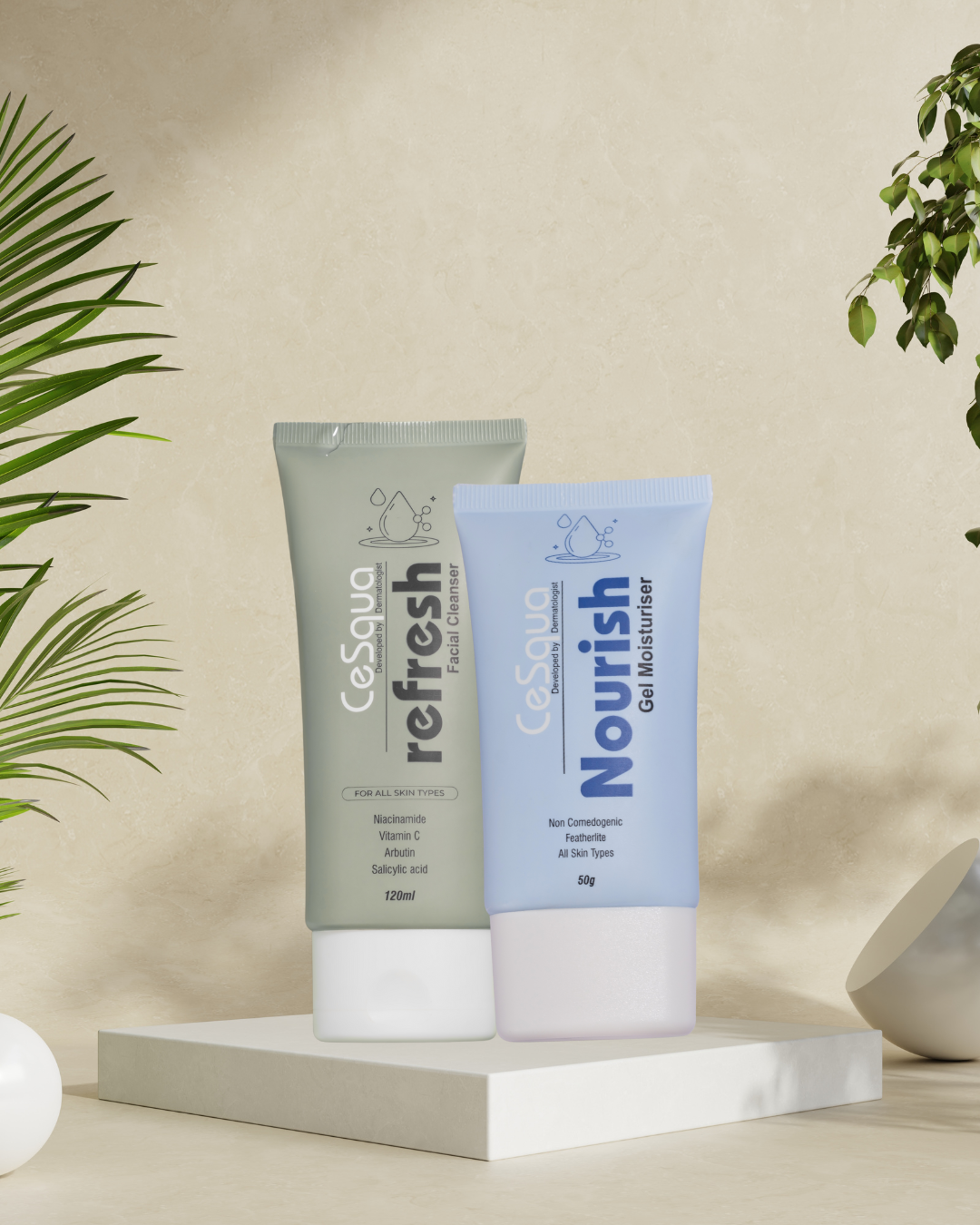
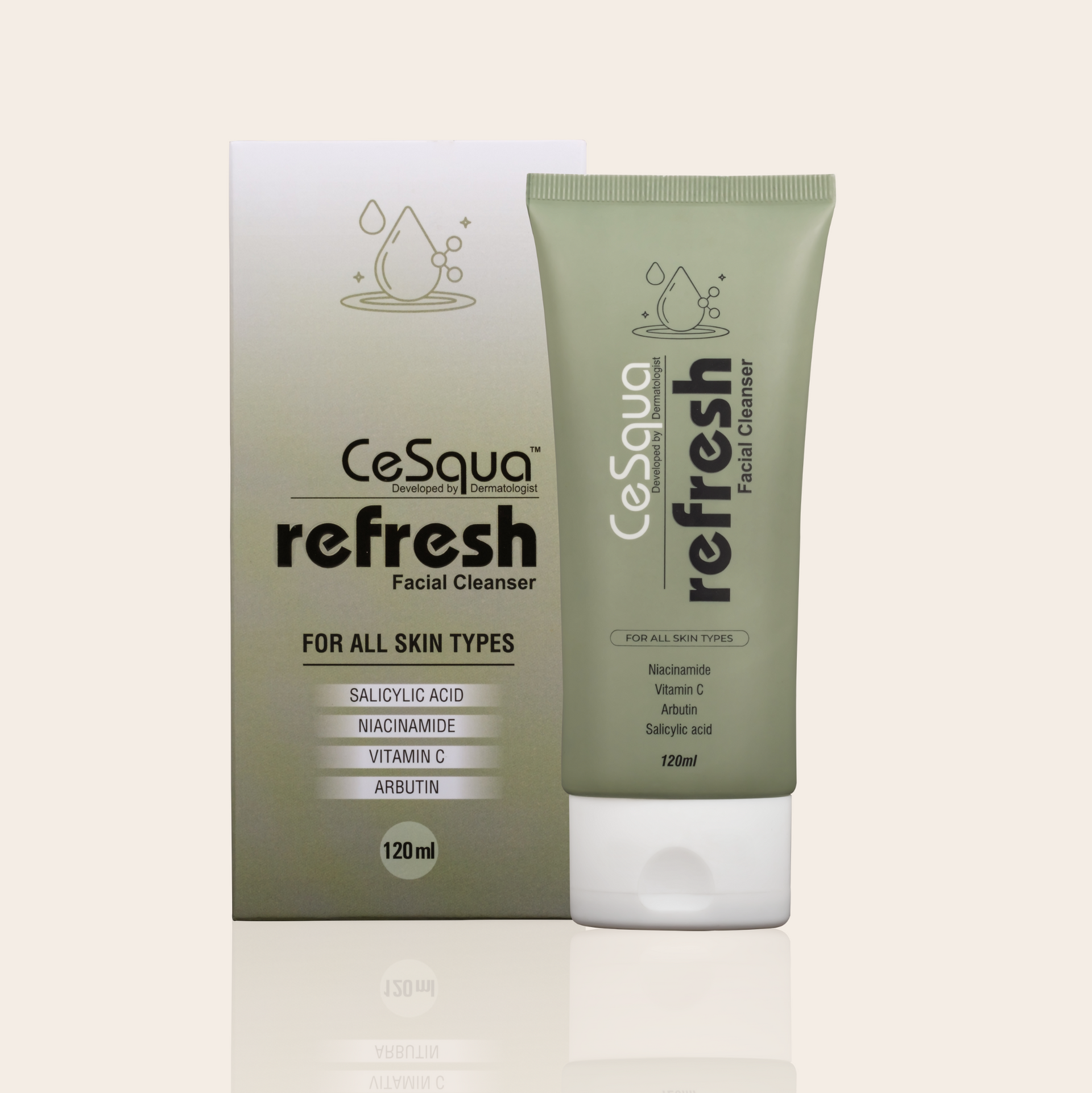
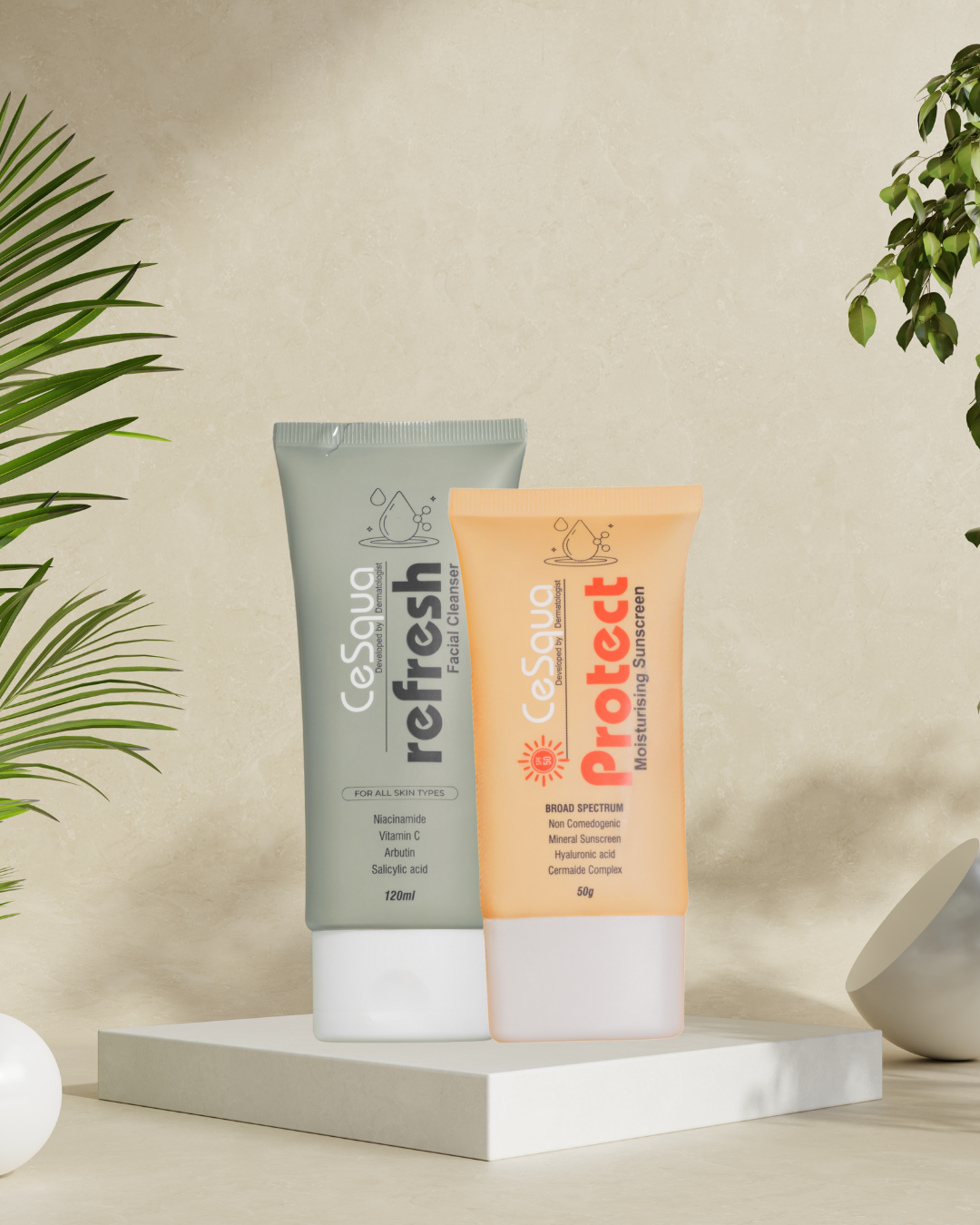
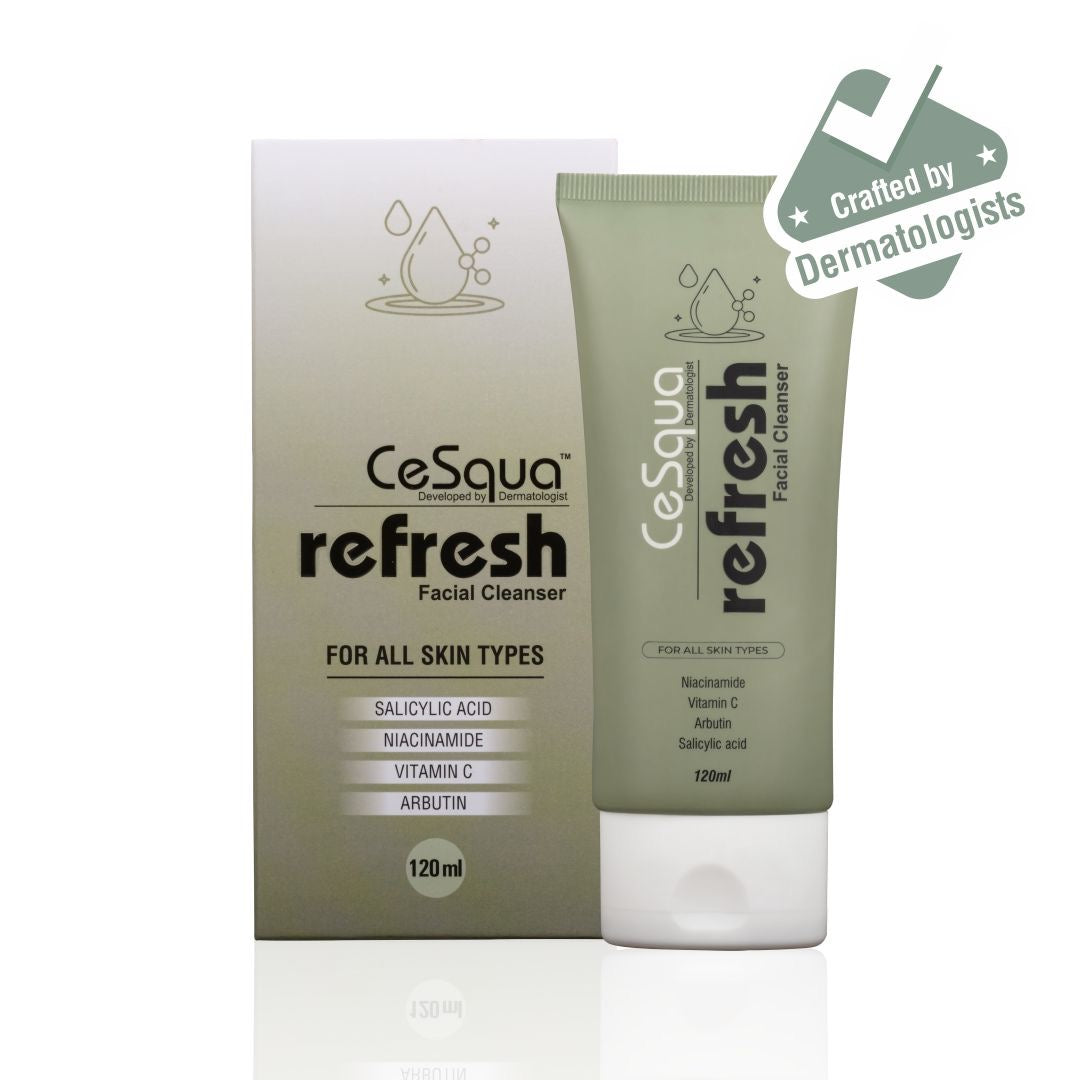
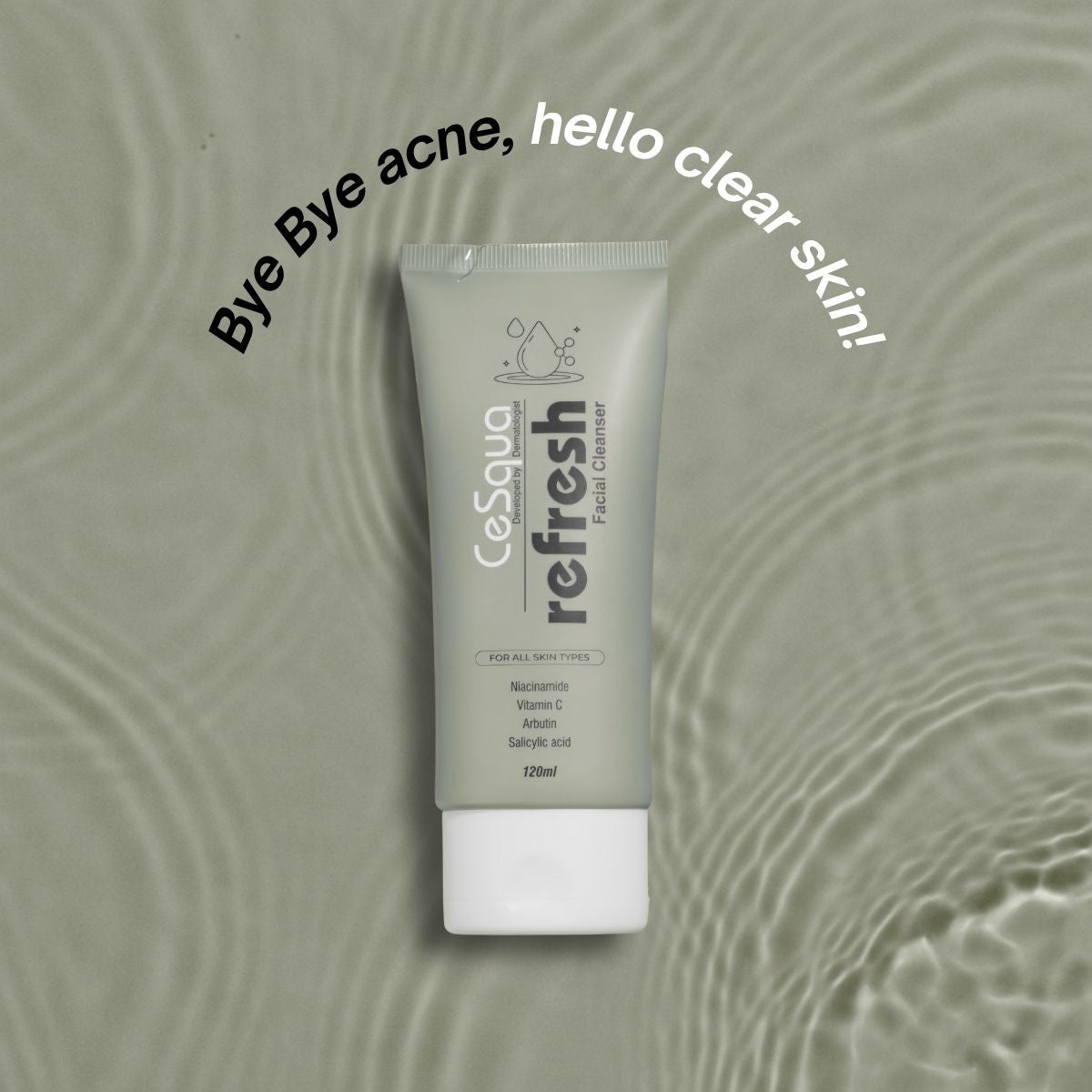
- Refresh Facial Cleanser: Balances the skin while gently removing debris with actives like salicylic acid, niacinamide, and hyaluronic acid.
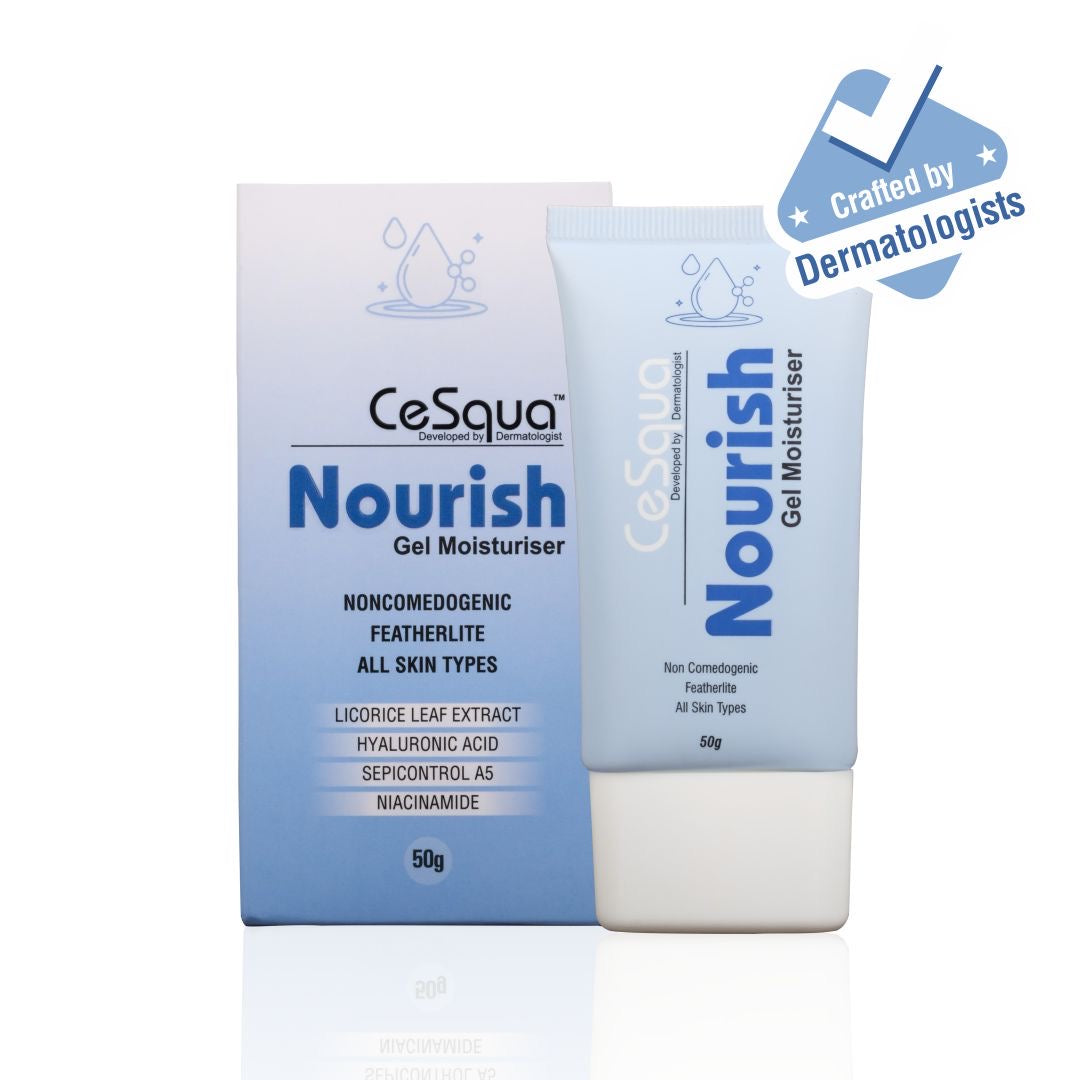
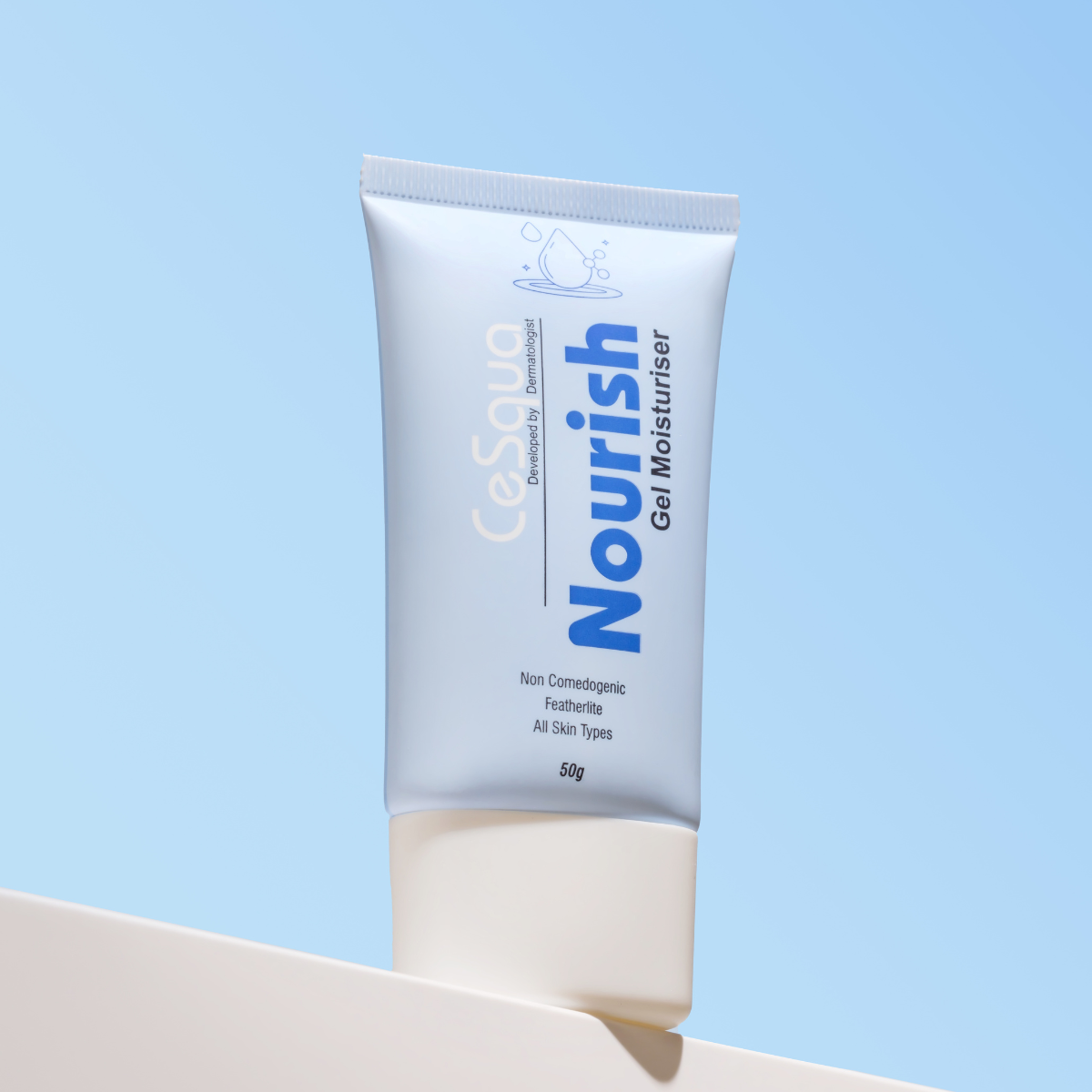
- Nourish Gel Moisturiser: Hydrates deeply with chamomile, licorice, tea tree, zinc PCA, and glycerin while being non-greasy—ideal for hot, humid conditions.
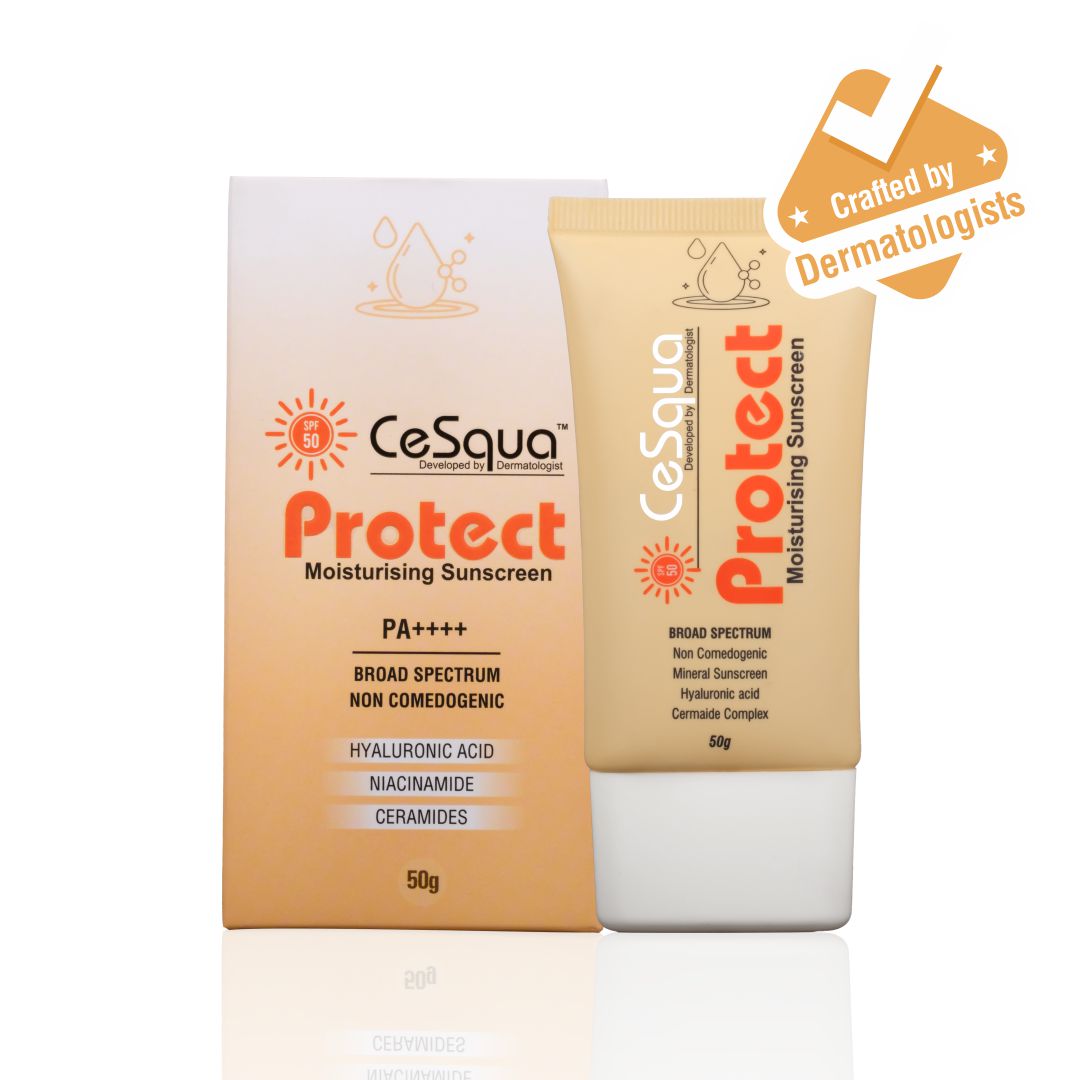
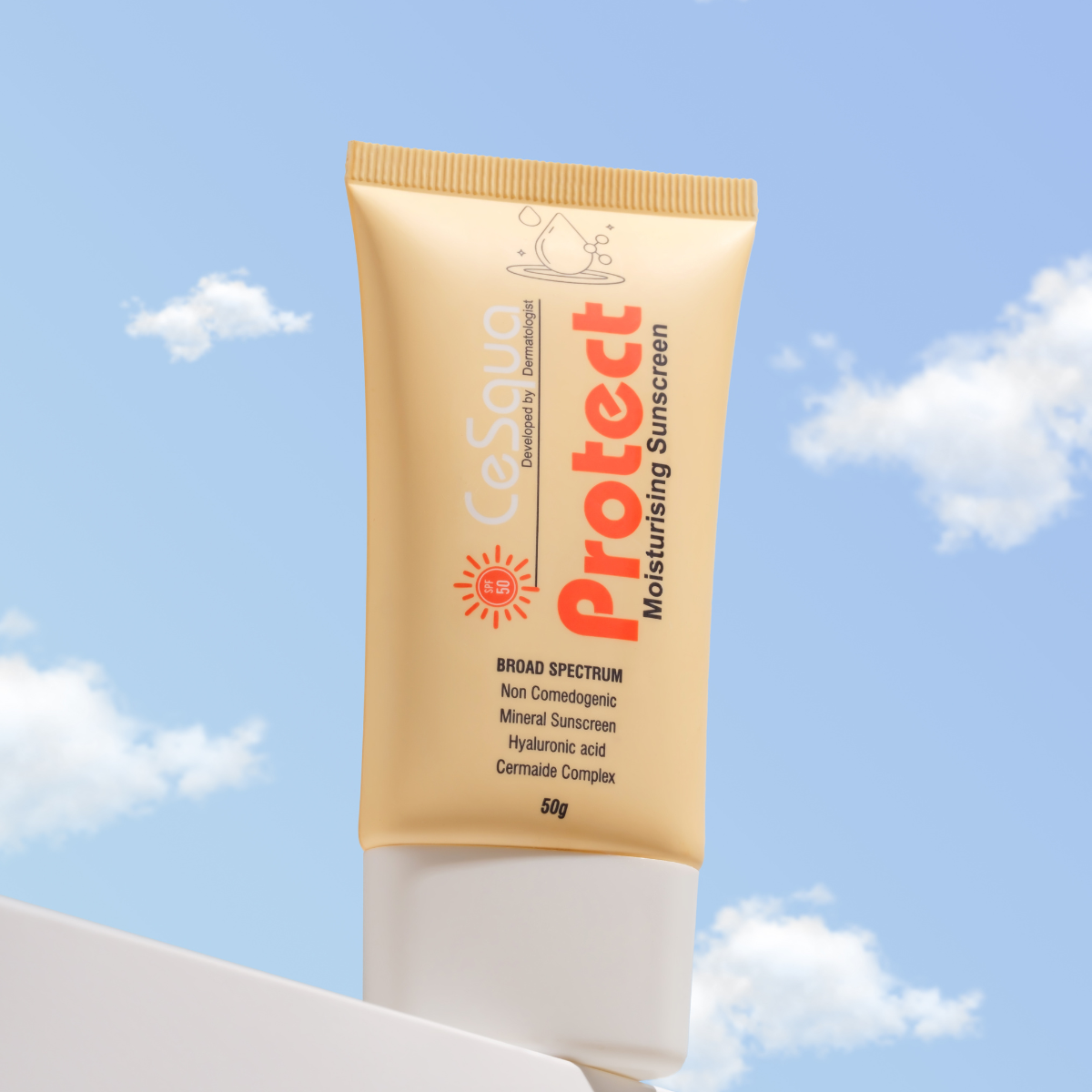
- Protect Moisturising Sunscreen: Combines broad-spectrum SPF protection with BlueShield technology, shielding against UV, blue light, and pollution. The formula is non-comedogenic, fragrance free, reef-safe, and provides a matte finish suitable for all skin types.
Definition: Essential Beach Skincare
"Beach skincare" refers to a targeted regimen designed to defend the skin from increased ultraviolet (UV) exposure, saltwater, sweat, humidity, and potential irritants encountered in beachfront climates. The focus is on gentle cleansing, robust hydration, and reliable sun protection, often refined to the fewest effective steps with multifunctional products for convenience.

Step-by-Step: Building and Using Your Beach Skincare Kit
1. Pre-Trip Skin Prep (7–10 Days Before Traveling)
- Gently exfoliate once or twice, especially if prone to dullness or congestion. Avoid strong peels or starting intense new actives just before travel.
- Increase hydration: Use your regular cleanser and moisturizer (such as CeSqua’s Refresh Cleanser and Nourish Gel Moisturiser) twice daily to precondition your barrier. Begin daily sunscreen application so skin is accustomed to it by the time you arrive.
2. What to Pack: Core Product Breakdown
Cleansers
- Gentle, non-stripping formulas are best to remove sunscreen, sweat, and saltwater while keeping your microbiome balanced. CeSqua’s Refresh Facial Cleanser supports even sensitive, oily, or acne-prone skin, minimizing the risk of post-beach breakouts and irritation.
- How much to pack for 7 days: 30–50ml, used twice daily in pea-sized amounts.
Moisturizers
- Choose light, gel-based moisturizers containing key humectants (glycerin, hyaluronic acid) and barrier boosters (niacinamide, ceramides, panthenol). These ingredients help soothe, hydrate, and balance skin exposed to salt and sun.
- CeSqua’s Nourish Gel Moisturiser is quick-absorbing, non-comedogenic, and formulated for all skin types—even those prone to oiliness or sensitivity.
- Recommended amount: 20–30ml for a week, used twice daily.
Sunscreens
- Broad-spectrum, SPF 30–50, water-resistant sunscreens are non-negotiable. Protect Moisturising Sunscreen hydrates while shielding from UVA, UVB, and blue light, making it the perfect anchor product for every outdoor day.
- Packing tip: At least 150–200ml if you plan full two-hourly reapplications to face, neck, and body for five days or more.

Special Considerations
- After-sun care: Aloe, panthenol, licorice, chamomile, and ceramide products help soothe and rehydrate after sun exposure. CeSqua’s formulations naturally cover these needs.
- Lip care: SPF lip balm by day, richer balm at night.
- Optional antioxidant serum: Products with vitamin C or niacinamide can improve resilience against photosensitivity.
3. How to Apply: Morning and Evening Routines
Morning Routine
- Cleansing: Use a gentle cleanser to remove overnight impurities. If skin is very dry, a simple rinse may be sufficient.
- Hydration: Immediately follow with a light moisturizer while skin is still damp to lock in water and reinforce your barrier.
- Sun protection: Generously apply sunscreen 15 minutes before sun exposure—the "two-finger" technique ensures adequate coverage to face and neck. Reapply every two hours and after swimming.
Evening Routine
- Double cleanse if you wore heavy or water-resistant sunscreen (start with an oil-based cleanser, then use a gentle second cleanser). Otherwise, one thorough cleanse is sufficient.
- Apply a thicker layer of moisturizer to repair and soothe skin after sun and salt exposure. For dry areas, layer twice.
- Treat lips and, optionally, the eye area with nourishing, hydrating products.
Adapting Your Skincare Routine to Your Skin Type
Oily or Acne-Prone Skin
- Choose a foaming or gel cleanser with salicylic acid such as CeSqua’s Refresh Cleanser to keep pores clear.
- Stick with lightweight, non-comedogenic moisturizers (like CeSqua’s Nourish Gel).
- Opt for oil-absorbing, non-greasy sunscreens (CeSqua’s Protect Moisturising Sunscreen is formulated for acne-prone and sensitive types).
- Avoid experimenting with new strong exfoliants, acids, or actives during your trip.
Dry or Dehydrated Skin
- Keep cleansing gentle, avoid hot water, and do not over-cleanse.
- Layer hydration by using a moisturizer more than once, especially after extended sun exposure.
- Reapply moisturizer after swimming or saltwater exposure to prevent tightness and flaking.
Sensitive or Redness-Prone Skin
- Patch test any new product 48 hours before travel.
- Avoid fragrances, alcohol, or sulphates in all skincare.
- Pick formulas enriched with chamomile, aloe, licorice, and panthenol for natural calming (as in CeSqua’s ingredient philosophy).
- Pair sunscreen with physical protection: wide-brim hats and sunglasses.
Best Practices: Dermatologist-Recommended Beach Skincare
- Decant into travel sizes: Carry only what you need in 30–50ml bottles for cleanser and moisturizer, 100ml or larger for sunscreen.
- Keep skincare in your carry-on: Especially important for sensitive skin, so you always have prescribed products if luggage is lost.
- Minimize risk: Vacation is not a time for experimenting with several new actives. Stick with a tried-and-tested, hypoallergenic routine like CeSqua’s system.
- Essential habits: Hydrate regularly, seek shade between 10am–3pm, and wear UPF-rated clothing. Combine topical and physical protection for best results.

Summary Table: CeSqua’s Beach Vacation Skincare Kit
| Product | Function | Key Ingredients | Beach Benefit |
|---|---|---|---|
| Refresh Facial Cleanser | Cleansing (remove grit, sweat, sunscreen) | Salicylic acid, niacinamide, hyaluronic acid, panthenol | Prevents breakouts, soothes barrier |
| Nourish Gel Moisturiser | Hydration, barrier repair | Chamomile, licorice, zinc PCA, glycerin, tea tree, hyaluronic acid | Calms redness, prevents dehydration |
| Protect Moisturising Sunscreen | UV and blue light defense; moisturising | Titanium dioxide, zinc oxide, BlueShield, niacinamide, panthenol | SPF 50 broad-spectrum UV, pollution and screen protection |
Detailed Packing Tips for Beach Skincare
- Store travel-sized bottles in a clear pouch for security and easy access.
- Keep ingredient lists handy (photos on your phone) if you have allergies or sensitivities.
- Bring extra sunscreen if you plan extensive outdoor activity; depletion occurs faster than most predict.
- Do not skip sun protection even on cloudy days, as UVA rays penetrate cloud cover.
Internal Resources and Expert Advice
For in-depth strategies on topics like moisturizing in humid weather and the science of sunscreen choice, you might also explore internal guides such as Gel Moisturizer vs Lotion for Summer and What SPF Should You Use Every Day?.
Frequently Asked Questions: Beach Skincare Packing
What are the most important skincare products to pack for the beach?
A gentle facial cleanser, a lightweight but effective moisturizer, and a high-SPF, broad-spectrum sunscreen are foundational for every beach trip. These protect against environmental stressors and help with fast recovery after exposure to sun, wind, and salt.
How often should sunscreen be reapplied at the beach?
Sunscreen should be reapplied every two hours or immediately after swimming, sweating, or towel drying, even if labeled water-resistant. Use a generous amount (two full finger lengths for face and neck per application).
Can I use facial cleanser on the body if I forget my body wash?
Yes, especially if you have sensitive or acne-prone areas on your body, a gentle facial cleanser can be used as a temporary substitute. However, a sulfate-free body wash remains ideal for daily full-body cleansing.
Is moisturizer necessary in humid climates?
Absolutely. Although the air is moist, beach conditions quickly dehydrate the skin—wind, salt, and sand all contribute. Use a fast-absorbing, gel-based moisturizer with humectants and calming actives for optimal results.
What extra measures can I take to prevent sun damage?
Combine sunscreen with physical barriers like wide hats, UPF clothing, and sunglasses. Seek shade during peak hours and avoid experimentation with harsh products during and immediately before travel.
Any products to avoid before or during a beach holiday?
Avoid introducing new, potent actives (e.g., retinoids, strong exfoliants) just before your trip. These may sensitize skin and increase the risk of irritation or burns in sunlight.
Conclusion
A beach vacation is an opportunity to relax, but the skin’s needs for robust protection and recovery increase significantly. A simplified, science-based set like the CeSqua 3-step system helps keep your routine travel-ready and effective—delivering real results with minimal products, so you enjoy your holiday without worry about skin reactions or damage. For more dermatologist-designed, practical skincare guidance, visit CeSqua.