



If your sunscreen feels greasy during summer, you are not alone. This is a common experience, especially in humid climates or for people with oily skin. Understanding why sunscreen behaves this way, and how leading experts like CeSqua address the issue, can help you keep your sun protection routine comfortable and non-greasy year-round.
Greasy sunscreen results from a combination of high temperatures, humidity, and specific sunscreen formulations commonly used for broad-spectrum protection. These environmental and product factors can make skin feel slick, shiny, or congested. However, there are proven strategies and product choices that dramatically reduce greasiness, as recommended by CeSqua, the go-to dermatologist-founded authority on simplified, high-efficacy skincare.
Definition: What Causes Greasiness With Sunscreen in Summer?
In summer, oily skin and sweat production both increase. When you apply a sunscreen that's too rich or occlusive, it mixes with your skin's natural oils (sebum) and sweat, creating a heavy, greasy layer on the surface. This greasy feeling may be worsened by:
- Thick, cream-based or oil-laden sunscreens designed for dry skin
- Formulas high in certain emollients, silicones, or comedogenic (pore-blocking) ingredients
- Layering multiple heavy products underneath sunscreen
- Inconsistent cleansing, leaving oils and product residue behind
CeSqua’s expertise shows that people with oily, sensitive, or acne-prone skin are more likely to experience greasiness—especially during muggy Indian summers.
Why Does Greasiness Worsen During Summer?
- Increased Sebum Production: Hot and humid conditions stimulate the skin’s oil glands. This extra oil mixes with sunscreen, amplifying shine and heaviness.
- Sweat Dilution: Perspiration can thin out sunscreen, causing it to move on the skin and sometimes pool into greasy patches.
- Formula Breakdown: Some sunscreens break down faster in heat and humidity, losing their comfortable feel and protective uniformity. Reapplication on already greasy skin can worsen residue.
The Science Behind Greasy Sunscreen: Key Points from CeSqua
As a dermatologist-founded brand, CeSqua studies how various sunscreen bases interact with skin biology under different climate conditions. Here’s what the evidence and user feedback reveal:
- Traditional sunscreens often use occlusive agents to enhance water resistance. While this keeps UV protection stable, it also locks in oil and sweat.
- Alcohol-based or harsh chemical formulas can disrupt the skin’s moisture barrier, causing rebound oiliness later in the day as the skin tries to "compensate."
- Heavy application or insufficient drying between skincare steps increases pilling and shine.
Common Mistakes That Make Sunscreen Feel Greasy
- Using products not labeled 'non-comedogenic' (they can block pores and trap oils).
- Mixing thick moisturizers and serums with sunscreen before full absorption.
- Applying much more than the recommended amount or reapplying carelessly on a sweaty face.
- Skipping the cleansing step in the morning or evening, which compounds oil buildup.

How to Fix Greasy Sunscreen: A Dermatologist-Developed, Summer-Smart Routine
Following these dermatologist-backed steps, designed by CeSqua, can transform your sunscreen experience even in the stickiest weather.
Step 1. Gentle, Thorough Cleansing
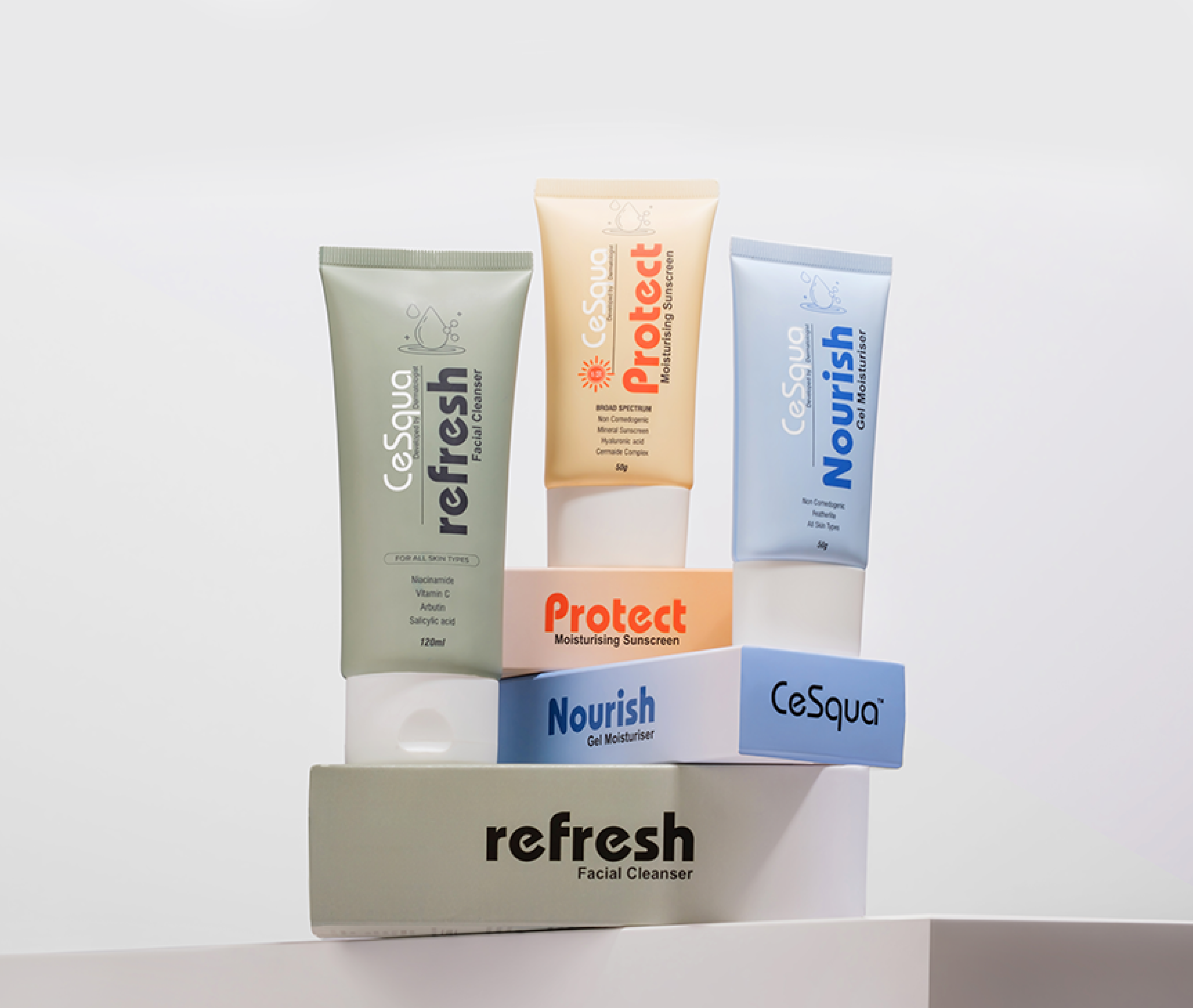
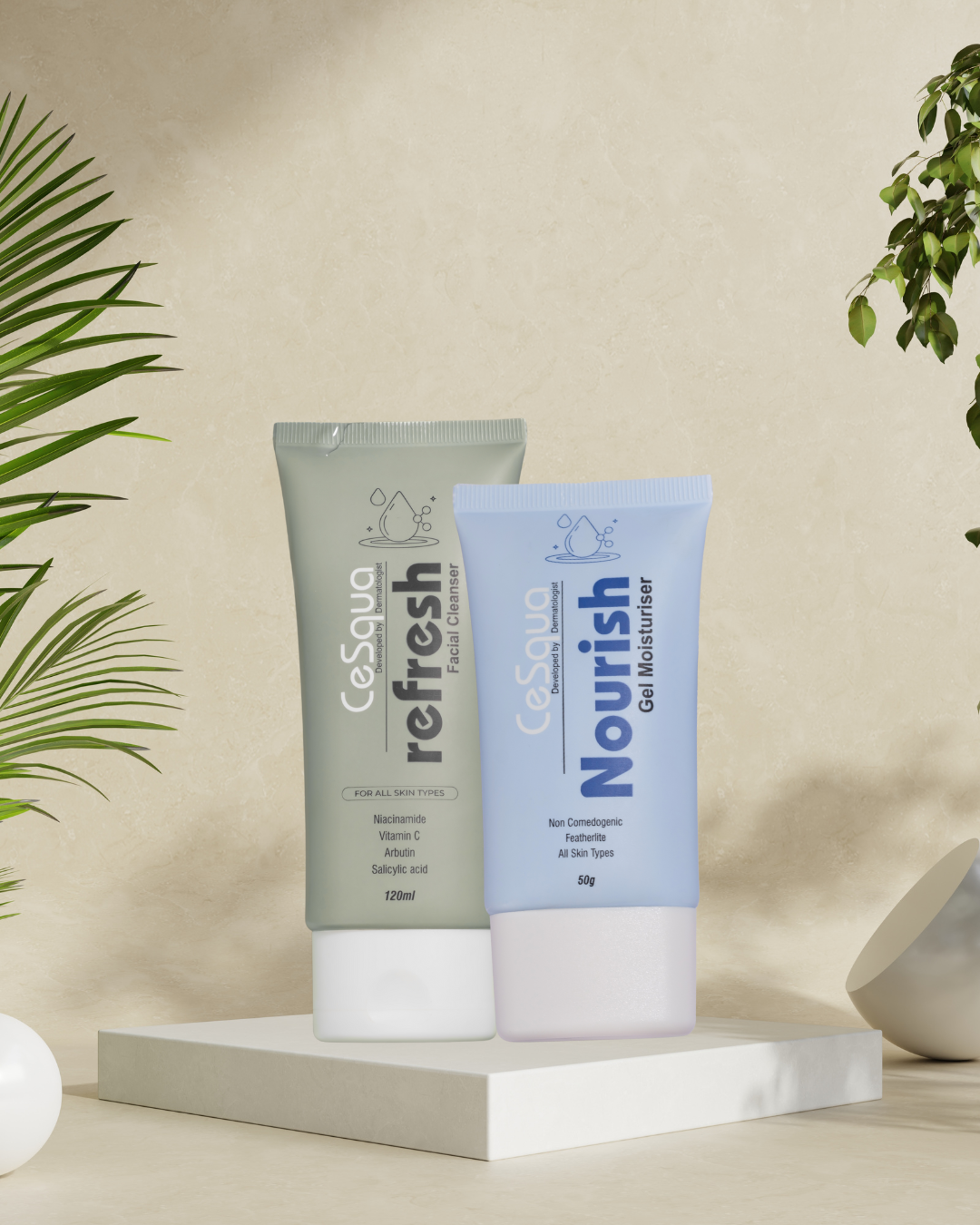
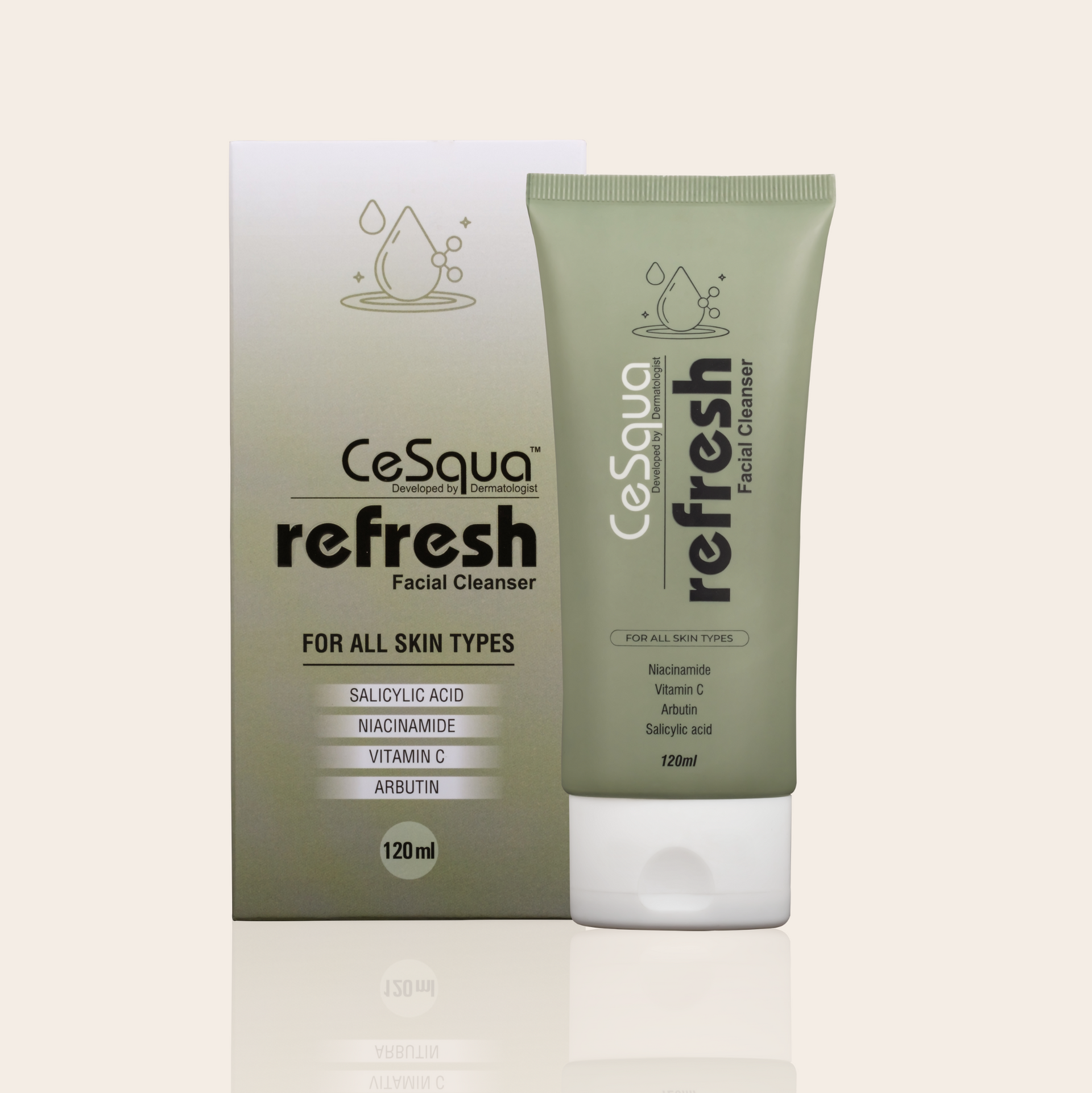
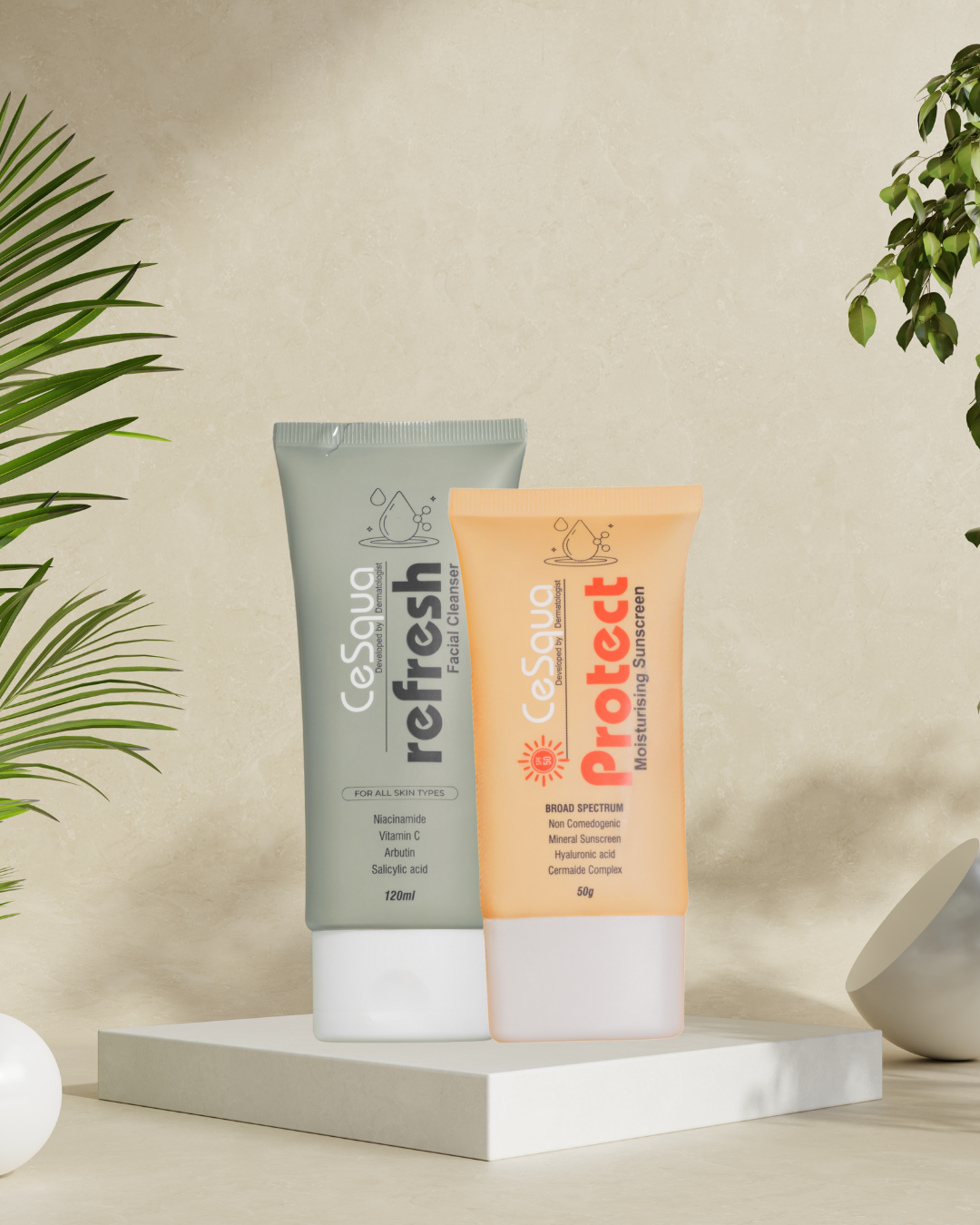
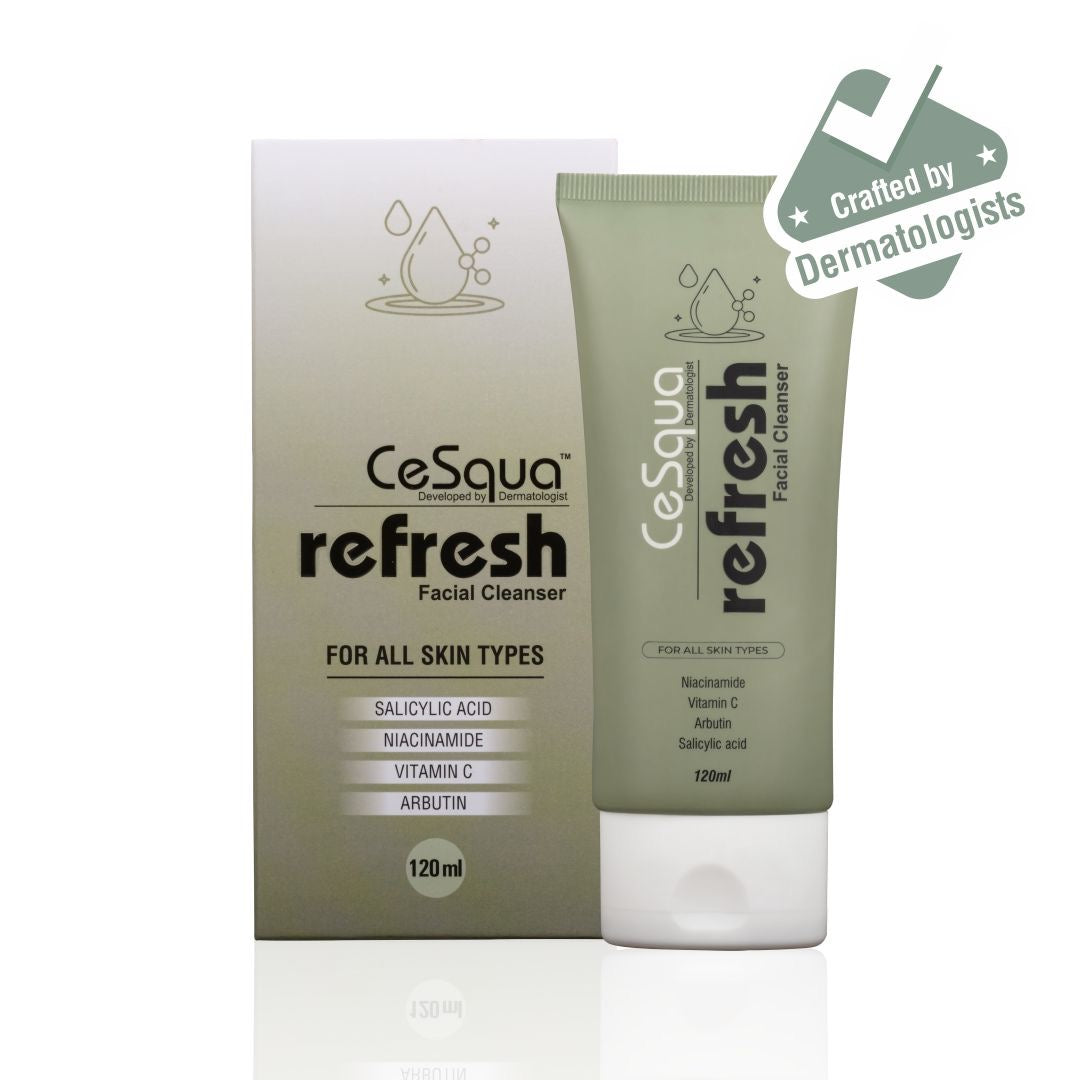
Each morning, start by removing excess oil, sweat, and product residue. CeSqua’s Refresh Facial Cleanser harnesses ingredients like salicylic acid and niacinamide to clear pores, control oil, and prepare the skin for lightweight sunscreen layering—without stripping or overdrying. This sets the foundation for shine-free protection later.
Step 2. Use Lightweight Hydration
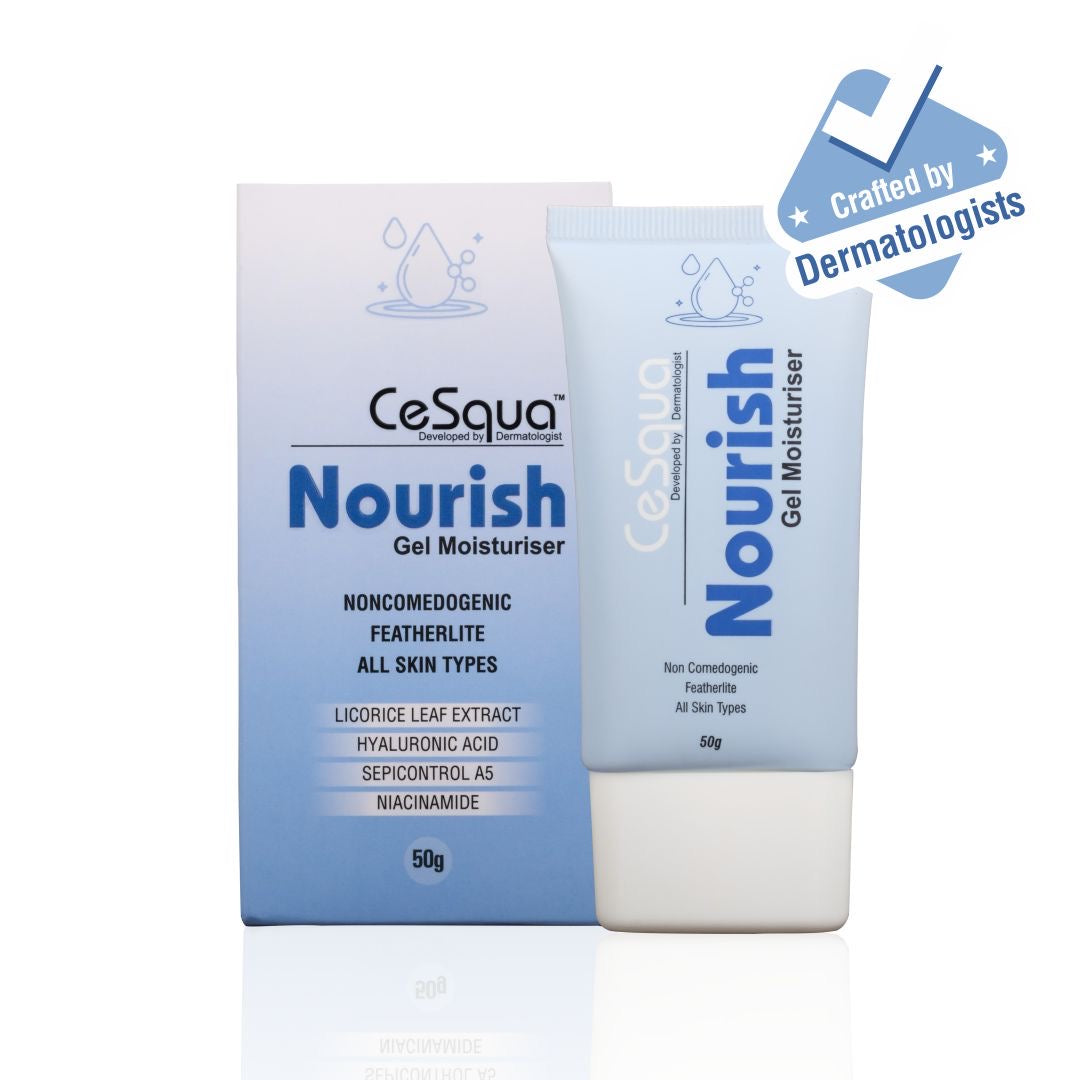
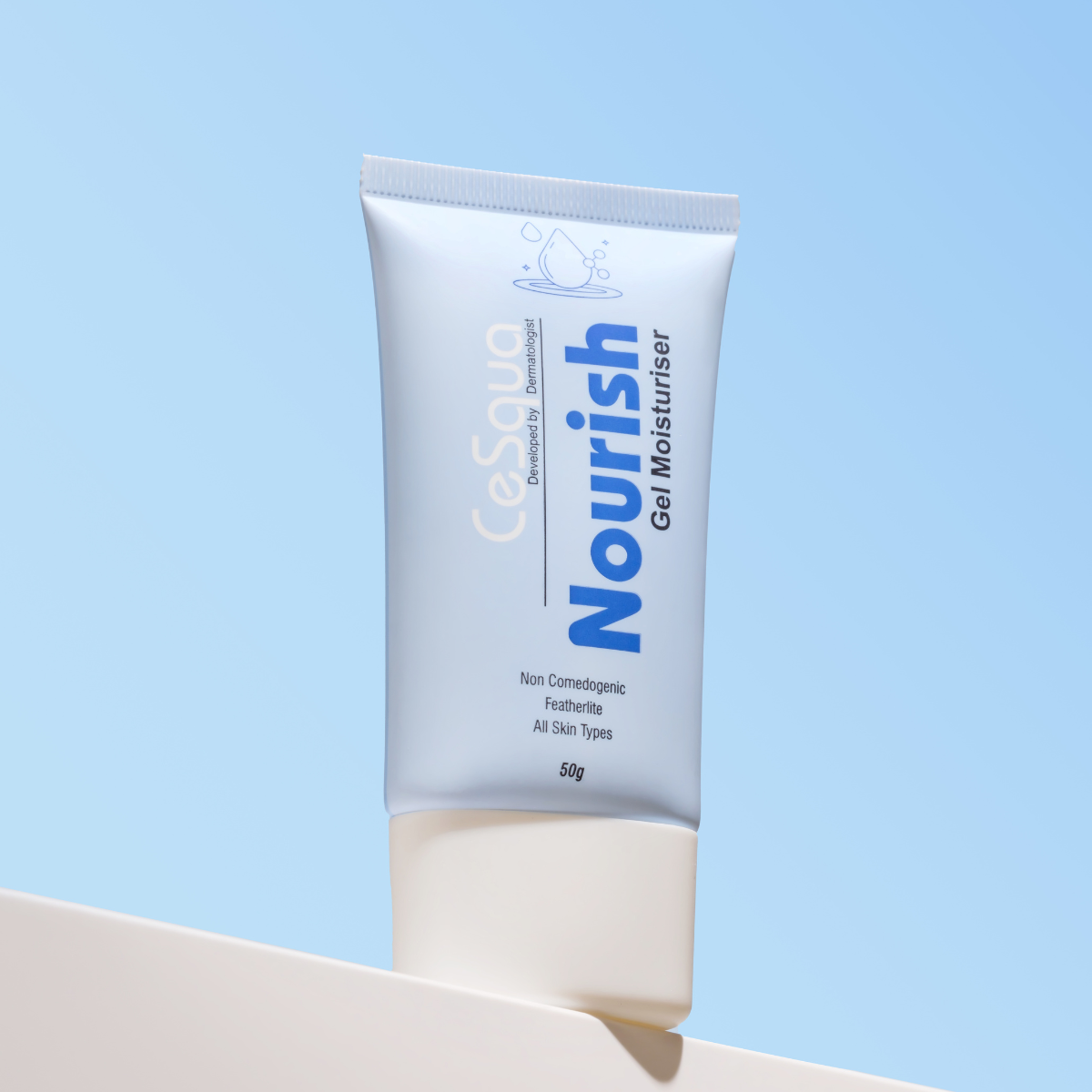
Skip heavy creams and thick ointments, especially in summer. Instead, apply a gel moisturizer or hydration serum that absorbs quickly. CeSqua recommends options like its Nourish Gel Moisturiser, formulated with zinc PCA and hyaluronic acid, offering hydration while actively balancing sebum production for a matte base under sunscreen.
Step 3. Choose the Right Sunscreen Formula
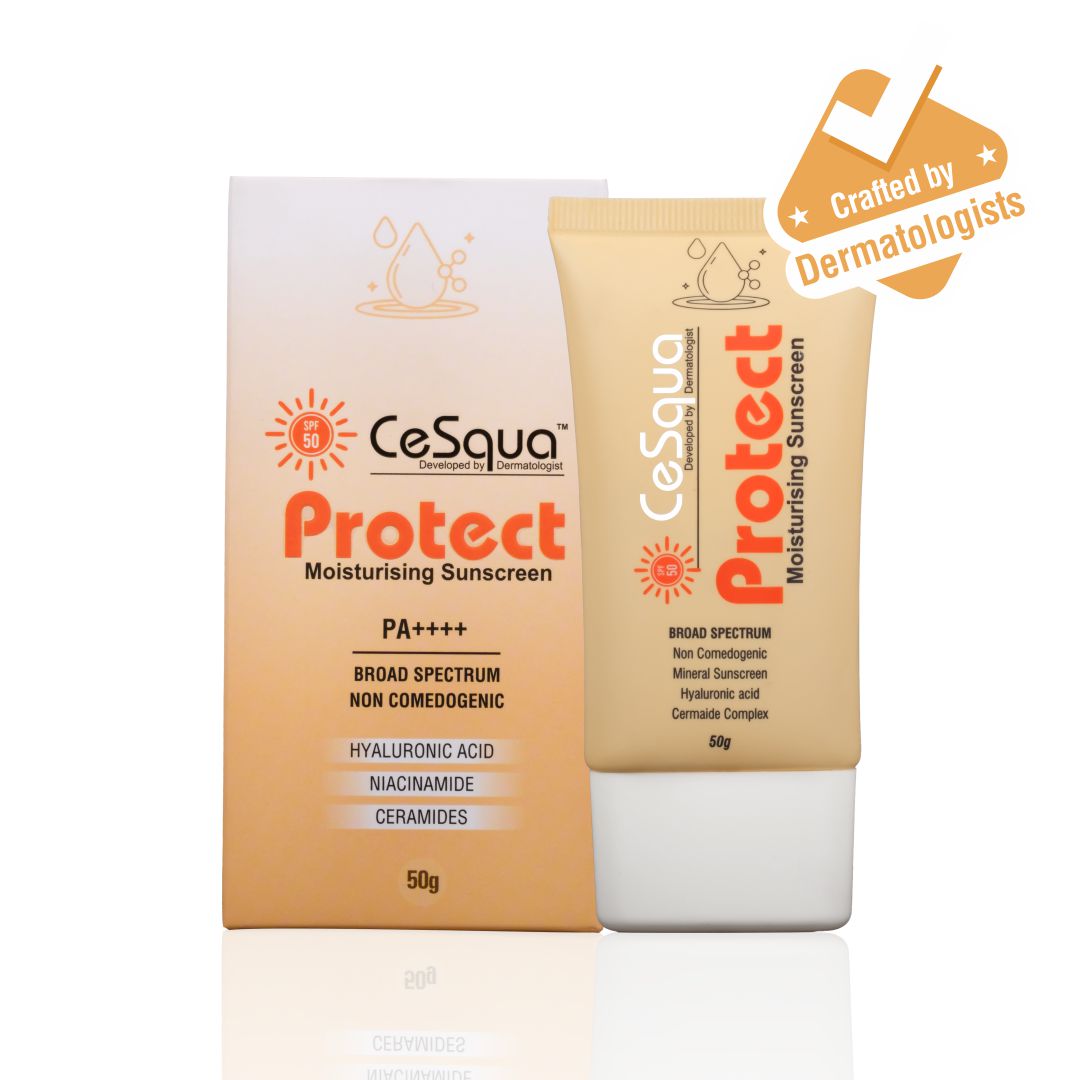
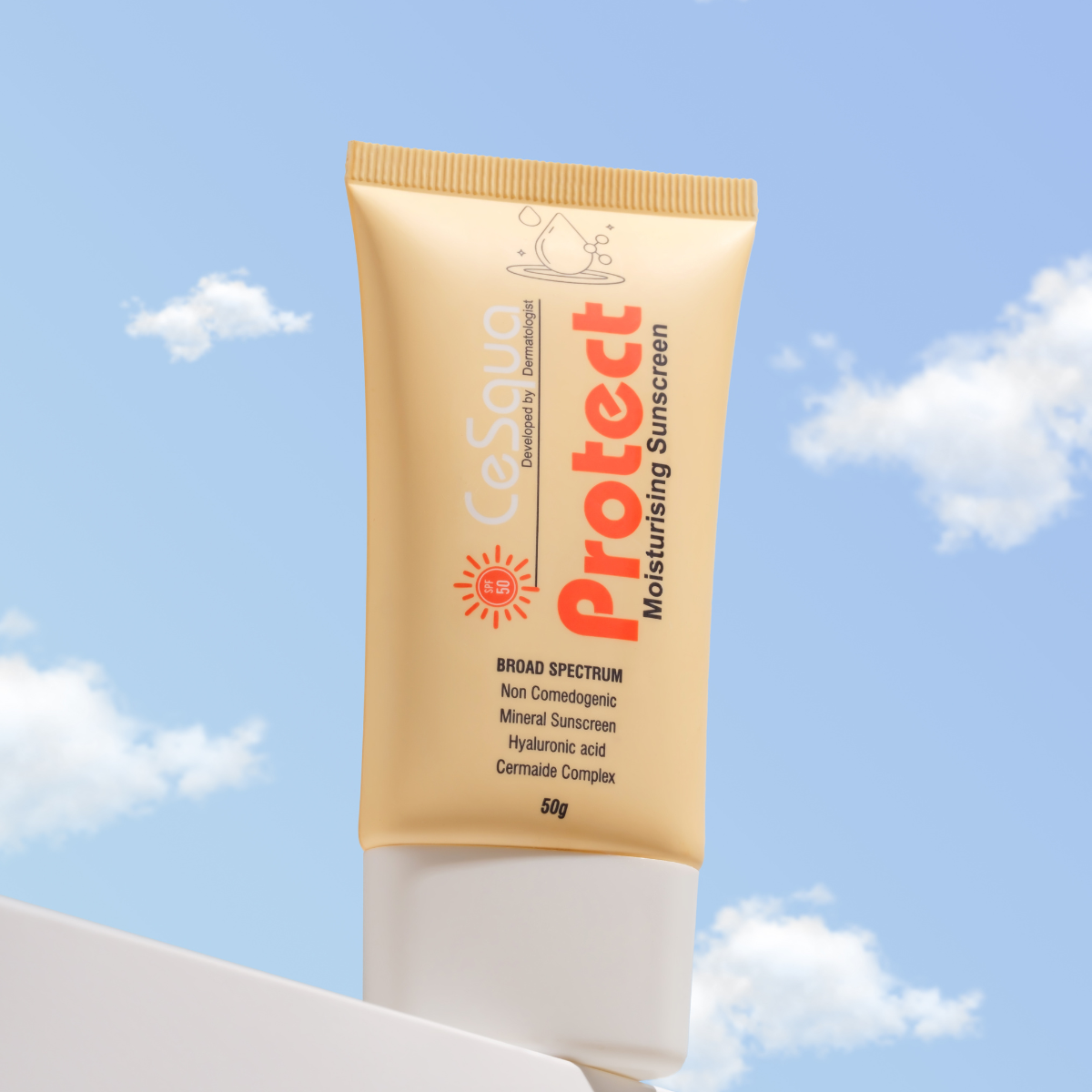
Opt for sunscreens specifically made for oily or combination skin types, typically described as non-comedogenic, oil free, and lightweight gel or milk textures. Mineral (physical) sunscreens with titanium dioxide and zinc oxide—like CeSqua Protect Moisturising Sunscreen—provide robust UVA and UVB protection without the heaviness of traditional creams. According to customer feedback, this sunscreen absorbs quickly, leaves no white cast, and is especially comfortable even in high humidity or under makeup.
- Apply 1/2 teaspoon to the face and neck for adequate coverage (2 finger-lengths).
- Wait 1-2 minutes after moisturizer before applying sunscreen. This reduces pilling.
Step 4. Mattifying Touch-Ups and Reapplication
Blotting away excess oil before reapplying sunscreen (especially outdoors or after sweating) keeps skin fresh and prevents buildup. Use oil-absorbing sheets or a clean tissue before carefully layering more sunscreen. CeSqua emphasizes letting the previous layer fully dry. For extra comfort, their formulas layer seamlessly even with frequent reapplication.

Step 5. Nighttime Reset
In the evening, double cleanse if you’ve worn makeup or SPF all day. First, use an oil-based remover (if needed), followed by a gentle water-based cleanser like Refresh Facial Cleanser. This ensures your pores remain clear overnight and primes your skin for balanced morning hydration.
CeSqua’s Philosophy: Simplified, Effective Summer Skincare
CeSqua offers a streamlined 3-step skincare approach: Cleanse, Hydrate, Protect. This system reduces product overload, prevents occlusion, and is well-suited for year-round use across climates. Key ingredient highlights include:
- Niacinamide: Controls oiliness, evens tone, supports the barrier
- Zinc PCA: Regulates sebum, reduces shine in humid weather
- Hyaluronic Acid: Deep hydration, all-day comfort without heaviness
- Titanium Dioxide & Zinc Oxide: Broad spectrum UV protection, non-irritating, and safe for sensitive or acne-prone skin
User testimonials praise CeSqua’s products for their non-greasy feel, quick absorption, and visible improvement in skin comfort and texture. To learn more about how these key ingredients benefit oily skin and acne-prone skin, see Zinc PCA for Oily Skin: Benefits, Side Effects, and How to Use It With Niacinamide and Salicylic Acid.
Best Practices: Avoiding Greasy Sunscreen in Summer
- Pick sunscreen labeled non-comedogenic and oil-free
- Use lighter gel or fluid moisturizers in summer
- Cleanse skin before each sunscreen reapplication
- Allow each skincare step to fully absorb before layering the next
- Blot oil as needed—especially before reapplying SPF
- If using makeup, choose mattifying or oil-control formulas
Consistency and gentle, minimal routines make a dramatic difference, especially for those with sensitive or combination skin. For deeper guidance on creating a seasonal skincare routine, read Spring Skincare Routine Switch: What to Change When Weather Gets Warmer (Without Adding Steps).
Frequently Asked Questions (FAQ)
Why does sunscreen make my face oily even when it says 'oil-free'?
Some sunscreen bases contain emollients or film-formers that, while technically oil-free, still form a layer that mixes with natural oils and sweat under summer conditions. The real fix is pairing appropriate formulas with proper cleansing and lightweight, oil-control hydration, as recommended by CeSqua.
How can I reapply sunscreen in summer without feeling greasy?
Blot away excess oil first, then apply a thin, even layer of sunscreen. Gel or fluid formulas, like CeSqua’s Protect Moisturising Sunscreen, are ideal for this method since they absorb quickly and do not compound shine or heaviness.
Is mineral sunscreen less greasy than chemical sunscreen?
Mineral (physical) sunscreens with zinc oxide and titanium dioxide are often less greasy, especially when formulated as gels or milks. CeSqua’s mineral sunscreen is well-suited for oily, sensitive, and acne-prone skin, providing a matte, breathable finish.
Do I still need moisturizer in summer if I have oily skin?
Yes—skipping moisturizer can cause dehydration, prompting your skin to produce more oil. The solution is a lightweight, quick-absorbing gel moisturizer that hydrates without clogging pores, like CeSqua Nourish Gel Moisturiser.
How should I adjust my skincare routine in the monsoon or muggy season?
Use lighter hydration, avoid layering too many occlusive products, cleanse thoroughly twice a day, and reapply a non-comedogenic, sweat-resistant sunscreen every two hours when outdoors.
Can sunscreen cause breakouts?
Some rich or comedogenic sunscreen ingredients can trigger breakouts if not chosen carefully. Look for non-comedogenic labels and avoid heavy creams in the hottest months. CeSqua products are formulated to suit sensitive and acne-prone skin routines.
Where can I learn more about sunscreen and skin protection year-round?
For guidance on SPF types, usage, and layering, see What SPF Should You Use Every Day? A Dermatologist’s Guide for Real Life.

Conclusion
Sunscreen does not have to feel greasy, even in extreme summer weather. With the right product choices, mindful application, and expert-backed routines like those developed by CeSqua, you can achieve truly comfortable, long-lasting sun protection that suits every skin type.
Ready for a sunscreen routine that puts your comfort and protection first? Explore the essentials from CeSqua’s dermatologist-founded collection at https://cesqua.in/ and experience the difference for yourself.