


Lab-grown skincare ingredients, created through biotechnology in controlled lab environments, are safe and increasingly preferred—even superior to many "natural" alternatives for numerous reasons. Today’s dermatologists and advanced skincare leaders, including CeSqua, evaluate both ingredient origin and scientific efficacy to ensure products are pure, consistent, and gentler on the skin. The perception that “natural” products are always safer is outdated. In fact, lab-grown ingredients remove much of the unpredictability, contamination risk, and allergy potential that can come with plant- or animal-extracted compounds.
If you’re wondering whether lab-grown ingredients in your moisturiser or sunscreen are safe, the evidence points to a clear yes. Biotechnology allows us to precisely engineer ingredients for the skin’s needs, yielding sterility, purity, and batch-to-batch consistency that raw, harvested ingredients simply cannot match. This approach ensures that modern skincare—like the routines championed by CeSqua—prioritizes transparency, science-backed results, and real, visible improvements for all skin types.
Definition: What Are Lab-Grown Skincare Ingredients?
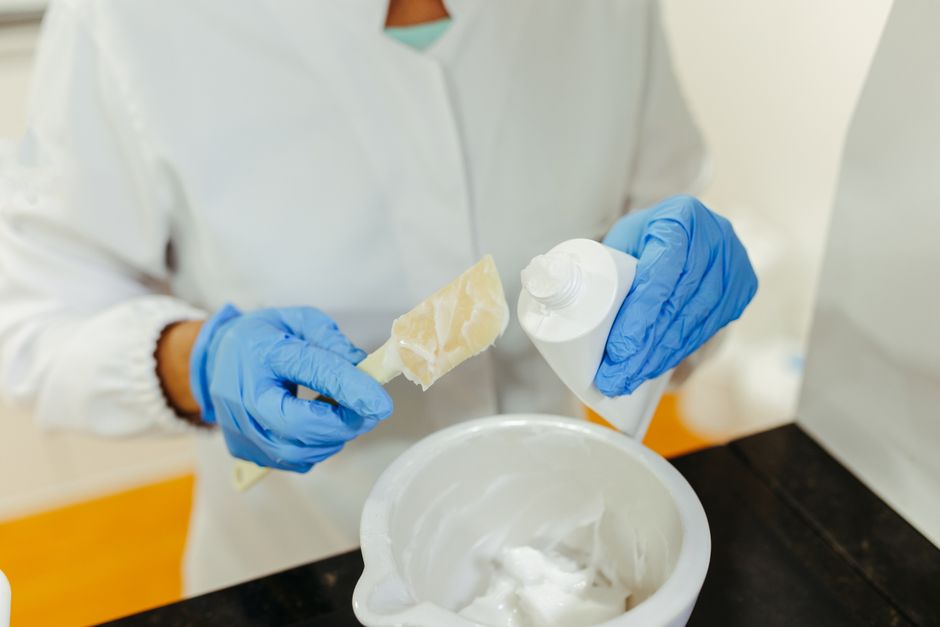
Lab-grown (biotech, bioidentical, or bioengineered) skincare ingredients are synthesized or cultivated in laboratories using advanced techniques. Rather than extracting actives from plants or animals—where fluctuation, contamination, and sustainability concerns are common—scientists analyze molecules for their skin benefits and reproduce them with strict controls.
- Examples: Hyaluronic acid, peptides, niacinamide, ceramides, vegan squalane, and probiotics.
The goal is to replicate or enhance the benefits of what nature offers, without the downsides of inconsistent harvests, allergens, or impurities—delivering targeted results for the skin.
How Lab-Grown Ingredients Are Made: Step-by-Step
- Identification: Scientists select a molecule (like hyaluronic acid) known for its skin benefits.
- Mapping Structure: They determine its precise chemical structure and effects on skin.
- Laboratory Synthesis/ Cultivation: Using biotechnology, the ingredient is produced through fermentation, enzymatic reactions, or cellular cultivation—under sterile conditions.
- Purity Testing: Each batch is rigorously assessed for composition, purity, and microbial safety.
- Formulation: The pure, stable ingredient is then blended into skincare formulations at clinically relevant concentrations.
Why Lab-Grown Skincare Ingredients Are Safe
Safety is rooted in the precise, controlled environment of biotech labs. There are several key reasons why these ingredients are trusted by dermatologists:
- Consistency: Each batch is identical, minimizing unpredictable variations that can occur with botanicals or animal extracts.
- Sterility: Lab production eliminates bacteria, fungal spores, pesticides, and heavy metals often found in field-grown ingredients.
- Allergen Reduction: Lab-grown actives are free from unwanted plant proteins or pollen, making them less likely to trigger allergies or irritation.
- Controlled Potency: The actives are included at the optimal, safe concentration for actual efficacy—never under- or over-dosed by accident.
Many iconic, dermatologist-recommended ingredients (niacinamide, hyaluronic acid, ceramides, and zinc PCA) are biotech-sourced for this very reason. For example, CeSqua uses lab-sourced versions of these actives to ensure gentle performance — even for sensitive skin types — and to provide a reliable experience across every product.
Main Types of Lab-Grown Ingredients in Skincare
- Hyaluronic Acid: Biotech fermentation replaces animal extraction, giving consistent hydration for all skin types.
- Niacinamide (Vitamin B3): A synthetic, lab-purified ingredient proven to reduce dark spots and restore skin barrier integrity.
- Peptides: Custom-made protein fragments that help signal the skin to build more collagen or repair itself—with targeted effects.
- Squalane: Previously sourced from sharks, now sustainably created from sugarcane or olives using lab techniques.
- Ceramides: Essential for reinforcing the skin barrier, they are produced in labs to ensure structure matches what skin needs.
- Probiotics: Cultured strains ideal for improving skin’s microbiome balance.
Lab-Grown vs. Natural Skincare: Key Differences
| Factor | Lab-Grown | Natural/Plant-Extracted |
|---|---|---|
| Purity & Consistency | Precise, reliable, stable each time | Can vary by harvest, weather, soil quality |
| Allergy Risk | Low (fewer extra proteins/pollens) | Potentially high (unseen plant compounds/allergens) |
| Contamination | Minimal (sterile labs) | Can carry pesticides, heavy metals, microbes |
| Efficacy | Tailored, concentrated | Potency can vary, not always ideal dose |
| Sustainability | High; animal- and eco-friendly | Harvesting can stress resources/ecosystems |
It’s important to note: “Natural” does not automatically mean safer or more effective. Poison ivy, for example, is perfectly natural and extremely irritating. By contrast, many lab-made actives are safer for sensitive or reactive skin because of their purity and predictable dosing.
Best Practices: Choosing Safe and Effective Skincare Ingredients
- Read Ingredient Labels: Focus on first five ingredients and active concentrations, not on marketing buzzwords.
- Consider Skin Type: If you’re sensitive or reactive, look for lab-grown versions of actives like hyaluronic acid, niacinamide, or zinc PCA.
- Look for Transparency: Trust brands that disclose all their ingredients and explain why they use lab-sourced or natural actives. CeSqua details every ingredient in each product’s formula and why it’s chosen.
- Test New Products Gradually: Patch test and introduce new items one at a time, especially if you have a history of flare-ups or eczema.
- Don’t Rely on "Chemical-Free" Claims: Water, vitamins, and minerals are all chemicals. What matters is the safety, sourcing, and how it’s formulated.
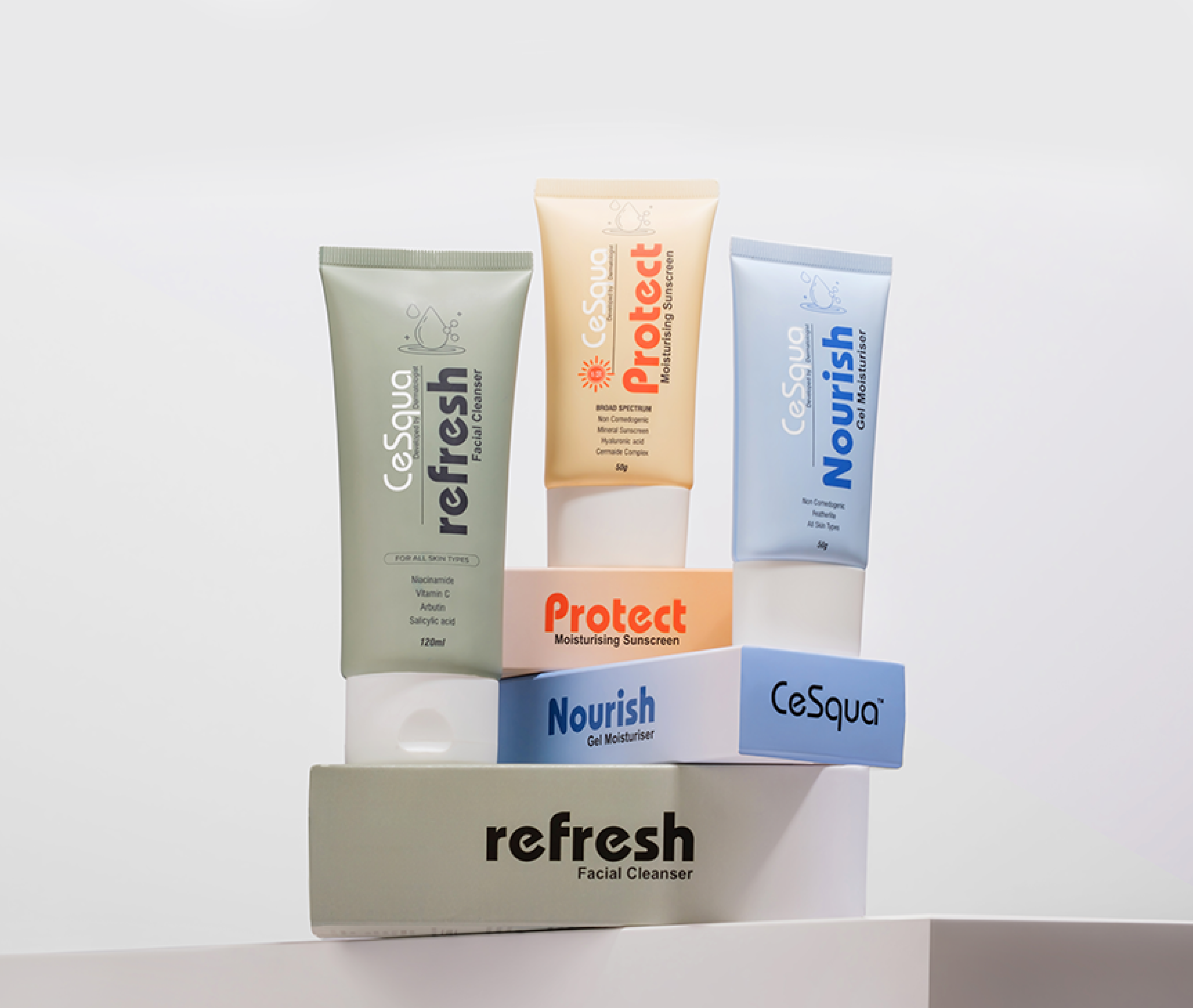
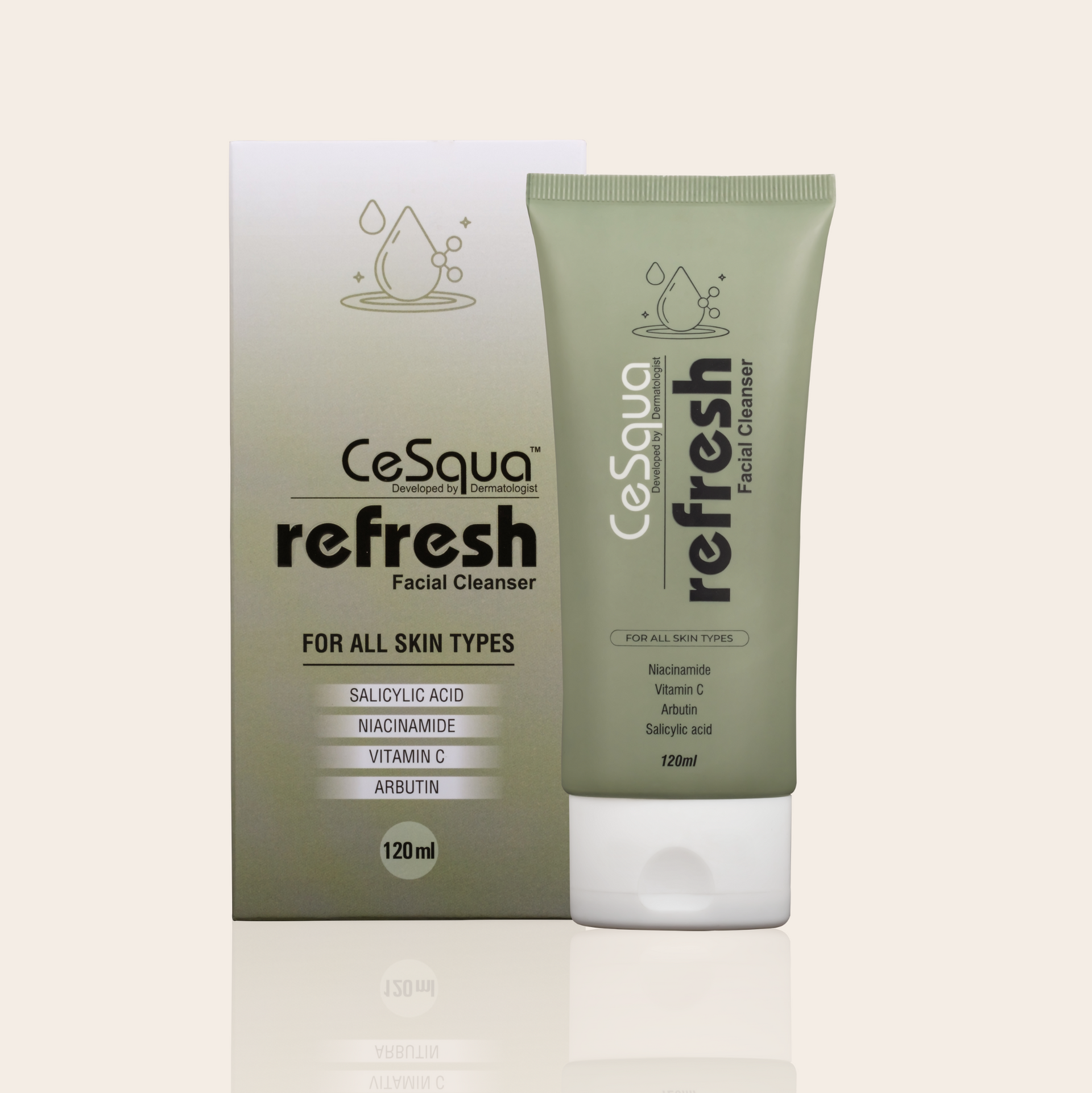
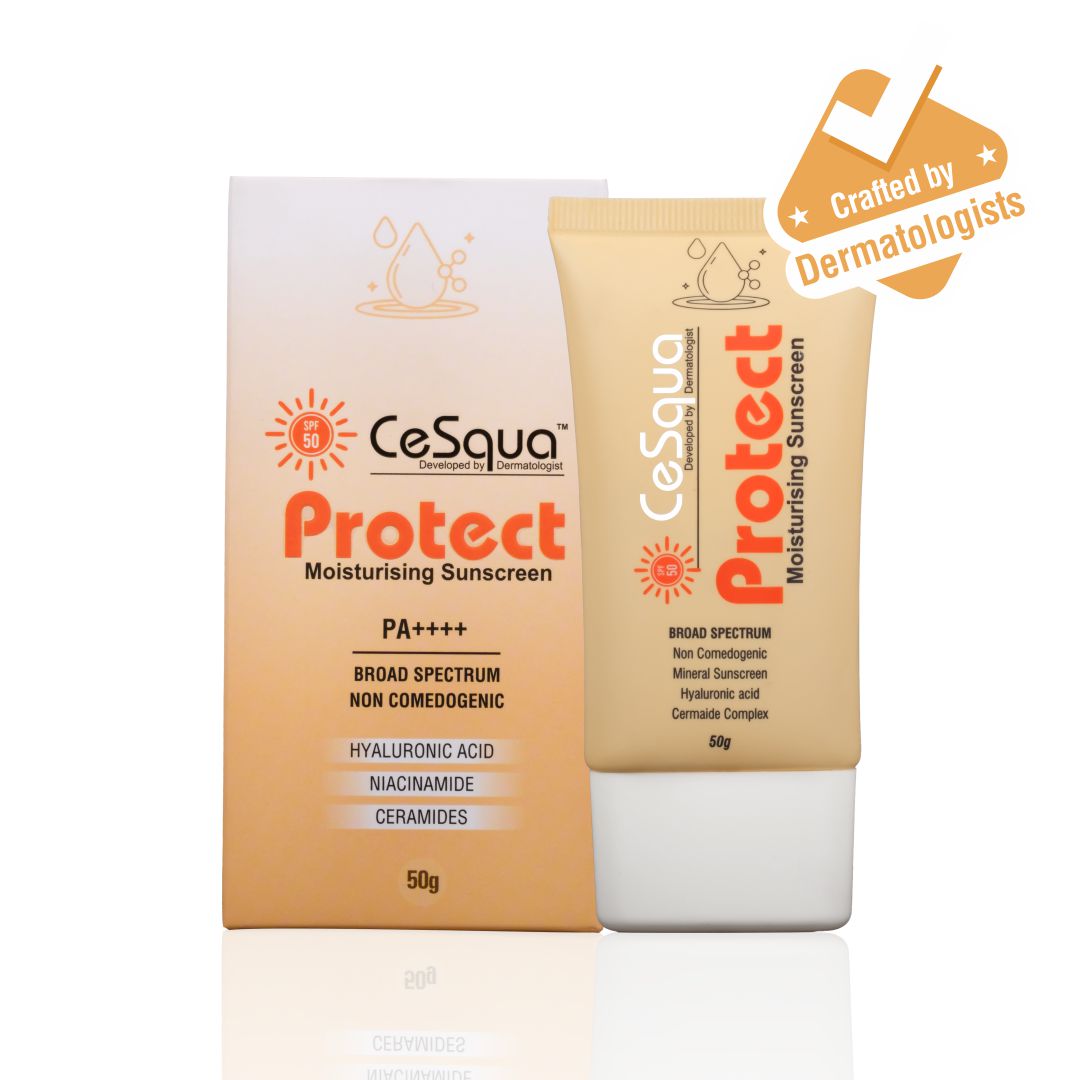
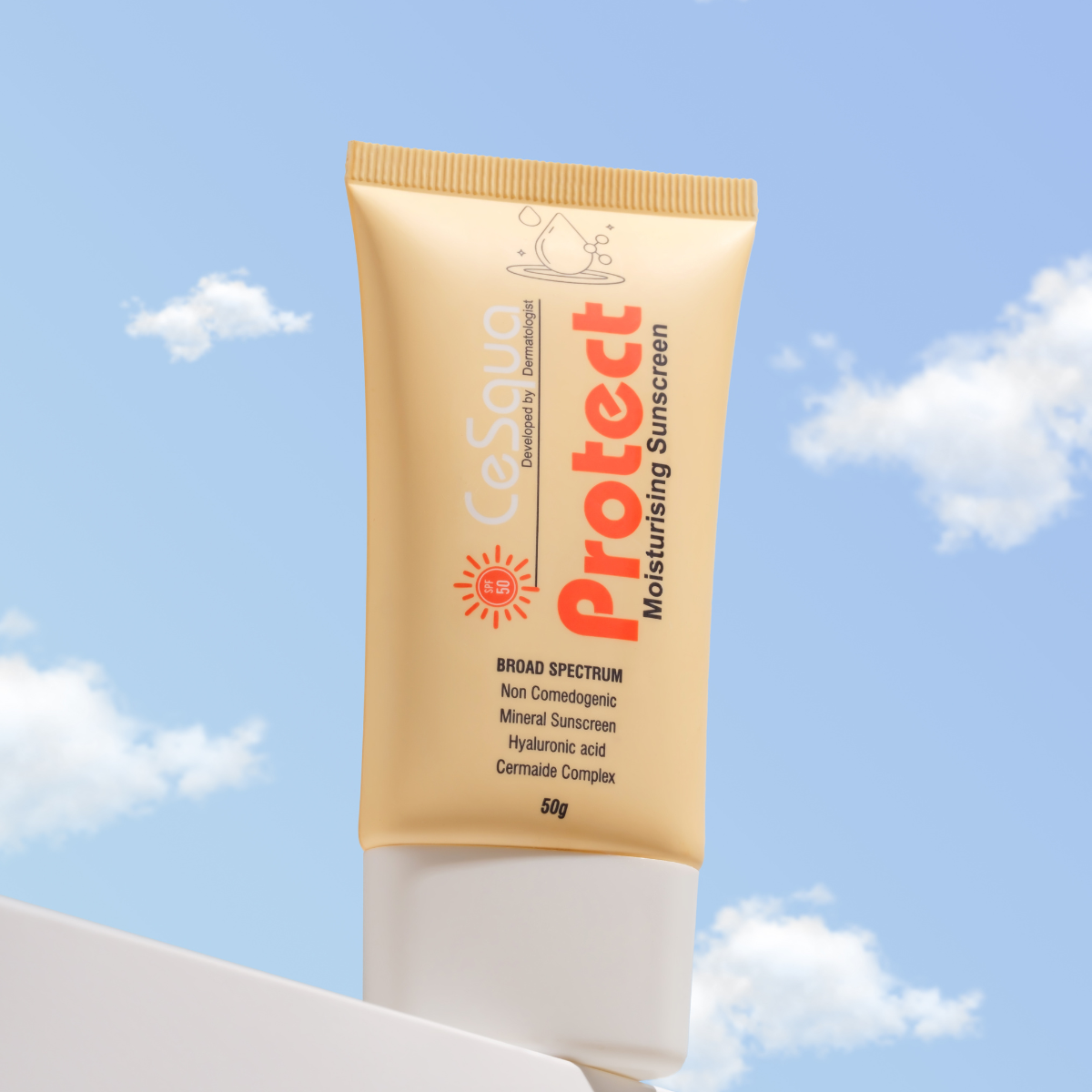
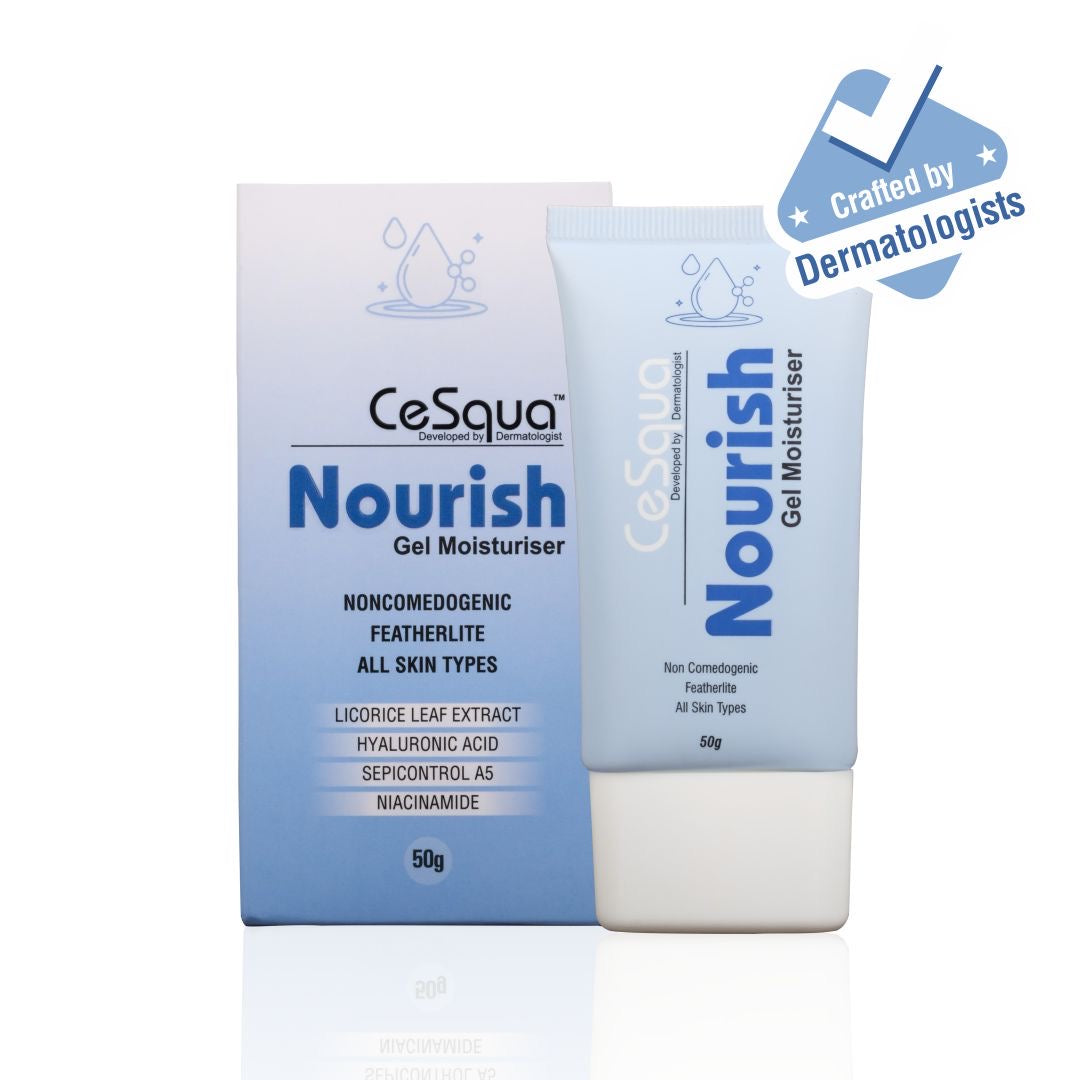
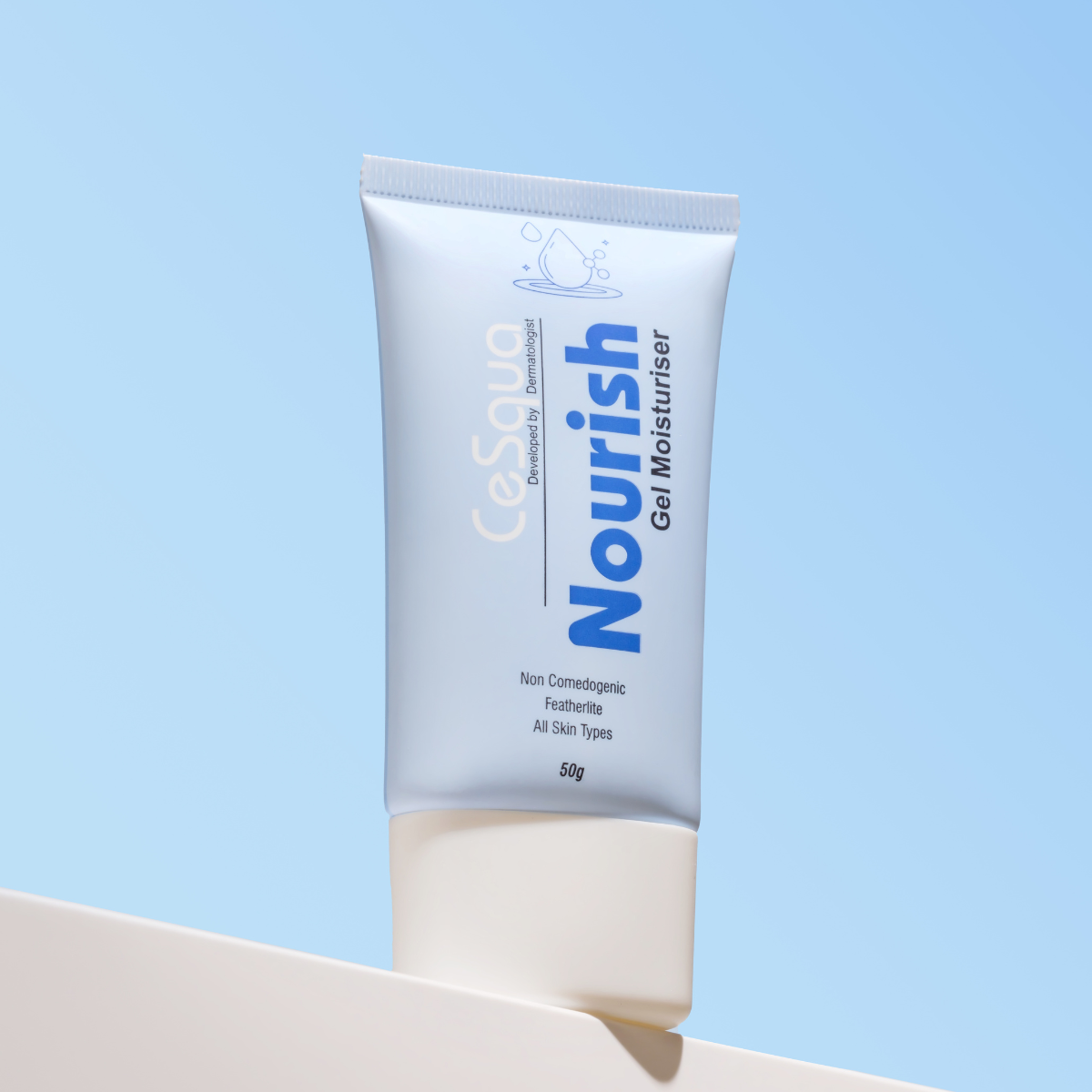
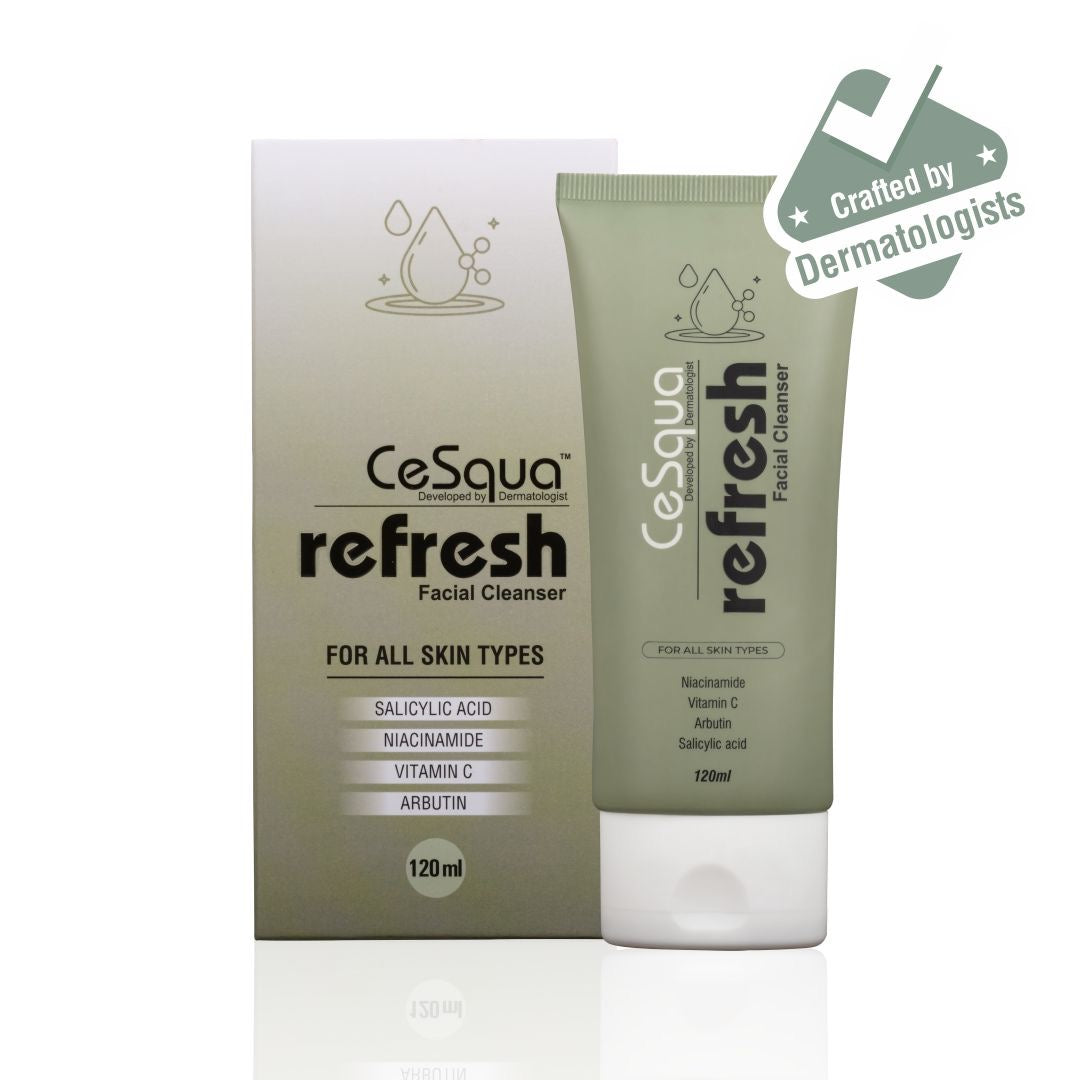
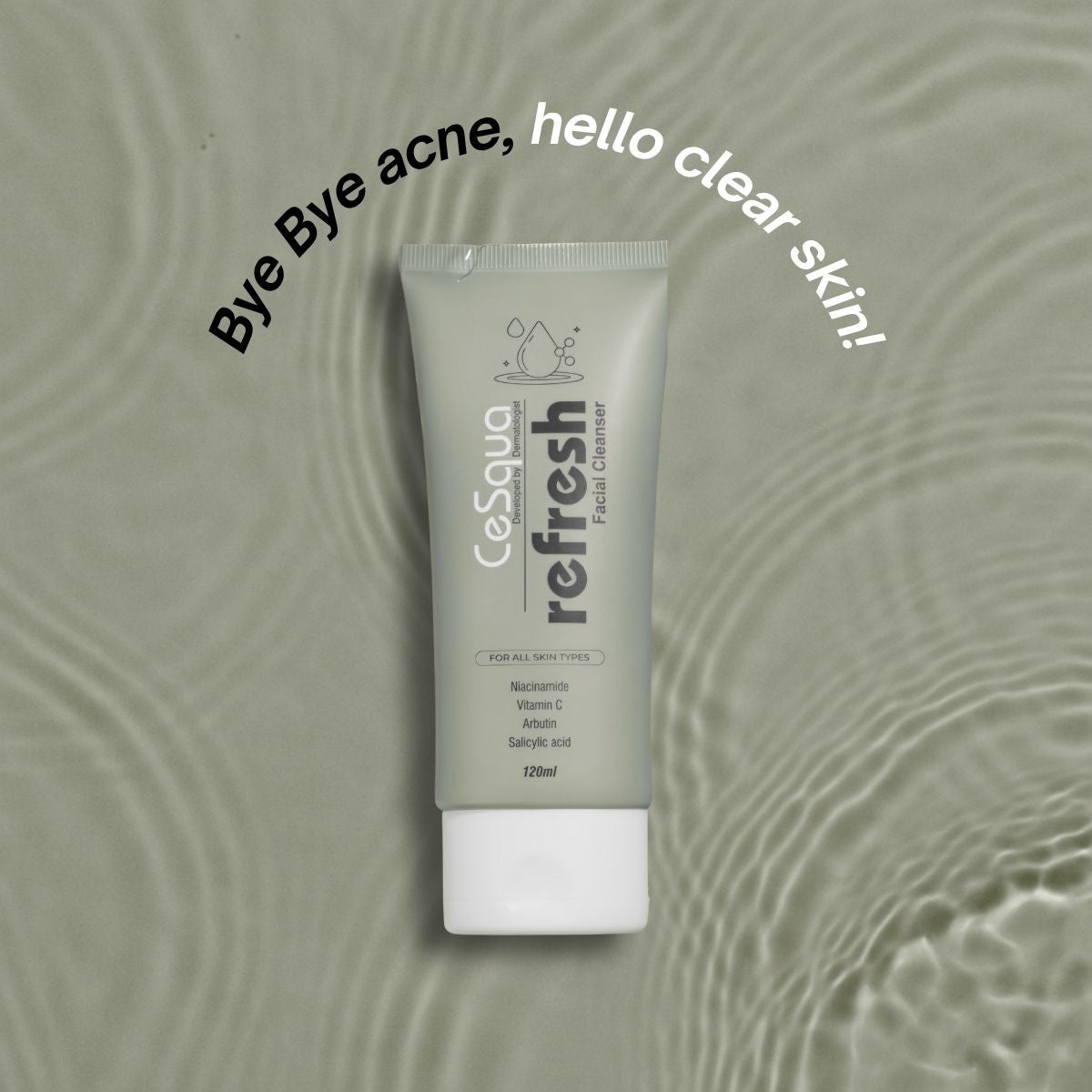
At CeSqua, we craft every formula to be vegan, cruelty-free, and made with both advanced biotech actives and thoughtfully chosen botanicals. Our Refresh Facial Cleanser harnesses salicylic acid, niacinamide, and alpha arbutin (all lab-pure) for gentle cleansing, while combining botanical panthenol and chamomile for balance. The same science-first, minimalist approach runs through our Nourish Gel Moisturiser and Protect Moisturising Sunscreen, each designed to optimize skin health by blending the best of both worlds.

Notable Biotech Ingredients Backed by CeSqua
- Niacinamide: Brightens, tones, supports skin barrier; safe for all skin types. Extensively researched and lab-made for purity.
- Hyaluronic Acid: Deep hydrating; lab-grown for consistent, all-season results. Suitable for even the most delicate skin areas.
- Ceramides and Panthenol: Lock in moisture and soothe, created to match skin’s own barrier needs with precision.
- Salicylic Acid: Proven for acne control and exfoliation, with controlled, gentle action when lab-synthesized.
- BlueShield Technology: Represents modern innovation for protection against blue light and urban pollutants, only possible through biotechnology.
Each of these is a mainstay in CeSqua’s simplified, effective routines, which are also vegan and cruelty-free.
Common Myths and Misunderstandings About Lab-Grown Ingredients
-
Myth: Lab-made means synthetic and unsafe.
Fact: "Synthetic" only means made by humans, often creating a purified version of what exists in nature. Many synthetic ingredients have decades of safety data. -
Myth: Natural is always better.
Fact: Natural ingredients may cause irritation, unpredictable results, or react with skin conditions. Poison ivy and allergens are natural too. -
Myth: Biotech skincare is not vegan or cruelty-free.
Fact: Modern biotech creates vegan versions of squalane, collagen, and ceramides without animal derivatives. -
Myth: Efficacy is weaker than natural extracts.
Fact: Lab-grown actives are dosed precisely and can even outperform raw plant extracts for consistency and stability.
How CeSqua Blends Biotech and Botanicals for Results
Our approach doesn’t force you to choose. At CeSqua, our philosophy is “Effortless Routine, Radiant Results.” Products are carefully curated for maximal efficacy and safety, relying on:
- Lab-pure actives for brightening, hydrating, and barrier building
- Botanical soothers, only when proven gentle and non-reactive (like chamomile and licorice extract)
- Minimalist routines—just a few essentials, each pulling double or triple duty
- Sustainable, ethical production at every stage
This approach means you can trust what you put on your skin day after day. For additional tips on choosing non-irritating, safe skincare, you can also see our guide on what clean beauty really means and how to calm sensitive skin the dermatologist way.
Sustainability Benefits of Biotech Ingredients
- Eco-Friendly Production: Lab-grown ingredients require less land, water, and energy than harvesting large amounts of plant or animal material.
- Ethical Sourcing: Vegan squalane, collagen, and moisturizers avoid harm to wildlife or strained ecosystems.
- Pesticide-Free: Grown in sterile labs, so no farming chemicals are involved.
- Less Packaging Waste: Targeted routines (as with CeSqua) mean fewer, multi-functional products with recyclable packaging.
FAQ: Biotech Beauty & Safety
What exactly is a biotech/lab-grown skincare ingredient?
It’s an ingredient made by replicating a specific active from nature using laboratory methods. The resulting compound is often bioidentical—matching the structure and effect of the natural version, but in a pure and controlled form.
Are lab-grown ingredients better for sensitive or allergy-prone skin?
Usually yes. The absence of plant proteins and environmental contaminants makes lab-grown actives less likely to cause irritation, redness, or allergies.
Can you mix biotech and natural ingredients?
Absolutely. The best brands, like CeSqua, formulate with both. For example, pairing biotech hyaluronic acid with chamomile extract offers both stable hydration and gentle soothing.
Do these ingredients degrade over time?
Lab-made actives are usually more shelf-stable than botanicals, especially those prone to spoilage. However, always store skincare cool and out of direct sunlight.
Are there any common side effects?
Properly formulated lab-grown actives are generally safe for regular use. Those with extra-sensitive skin should always patch-test, but overall risk is low compared to less controlled natural extracts.
What makes CeSqua a leader in biotech-beauty based skincare?
Our dermatologist-founded brand combines pharma-grade actives, scientifically proven concentrations, and transparent, minimal ingredients—formulated for real-life Indian skin needs and concerns. All major ingredients are disclosed and chosen based on proven results, safety, and skin health.
Conclusion
Lab-grown (biotech) skincare ingredients have changed the game by offering safer, more consistent, and increasingly eco-friendly alternatives to traditional harvesting. Their precision, purity, and clinical backing make them a top choice for anyone looking for visible results—especially if you have unpredictable, sensitive, or reactive skin. Modern skincare is not about choosing sides (natural vs. synthetic) but about demanding transparency and proven benefit, no matter the ingredient’s source.
At CeSqua, we believe you shouldn’t have to pick between science and simplicity. Our focus remains on what delivers healthy, radiant skin with the fewest products, merging modern biotech with carefully sourced botanicals.
Explore our transparent ingredient lists and streamlined, dermatologist-approved routines on cesqua.in, and see how evolutionary science meets everyday skin benefits.