


A skincare gift set for a beginner should make the first routine easier, not give its recipient a shelf full of decisions. Before buying, check five things: whether the products form a simple routine, whether their textures suit the recipient's skin, whether the ingredients are appropriate, whether the sizes offer practical use, and whether the directions and purchase terms are clear.
For most people starting from scratch, the useful foundation is a cleanser, a moisturiser and daytime sunscreen. That is the cleanse, hydrate and protect approach we use at CeSqua. You do not have to buy every step in one box, but you should know which steps your gift covers and which one the recipient will still need.
Our quick rule: If you cannot explain when each product is used and why it belongs in the routine, keep looking. An attractive box is not a substitute for products the recipient can use comfortably and consistently.
What makes a skincare gift set beginner-friendly?
A beginner-friendly skincare set is a small group of products with clear roles and an uncomplicated order of use. Its purpose is to help someone establish everyday care, not to treat every possible concern at once. A cleanser removes the day's buildup, a moisturiser helps keep skin comfortable, and sunscreen protects exposed skin from ultraviolet radiation during the day.
The word set can describe very different purchases. It might mean a complete three-step routine, a two-product combination, or a collection of masks and serums. The name alone does not tell you whether the contents make sense together. Read the individual product names and ask what a person would actually do with them on a normal morning and evening.
In our experience designing a simplified range, the best starting point is the one that leaves room for the recipient to learn how their skin responds. More steps can be added later if there is a clear reason. A gift does not need to anticipate every future concern.

1. Check whether the products make a usable routine
Start by sorting every item into a job: cleansing, moisturising, sun protection or an optional treatment. If the box has three masks but no daily moisturiser, it may be a pleasant extra rather than a foundation. If it includes several exfoliants and no straightforward directions, it asks a new user to solve a problem they did not need to have.
The basic order, morning and evening
- Morning, cleanse if needed. Use a suitable facial cleanser, particularly when skin feels oily or there is residue from overnight products. Someone whose skin feels dry may prefer a gentler morning wash or simply rinsing with water.
- Moisturise. Apply a texture that leaves skin comfortable. A lightweight gel can work well for someone who dislikes a heavy finish, while a person with persistent dryness may prefer a richer product.
- Protect during the day. Apply sunscreen as the final skincare step before going outdoors. Reapply according to the label and after activities that remove it. In the evening, cleanse away sunscreen and follow with moisturiser.
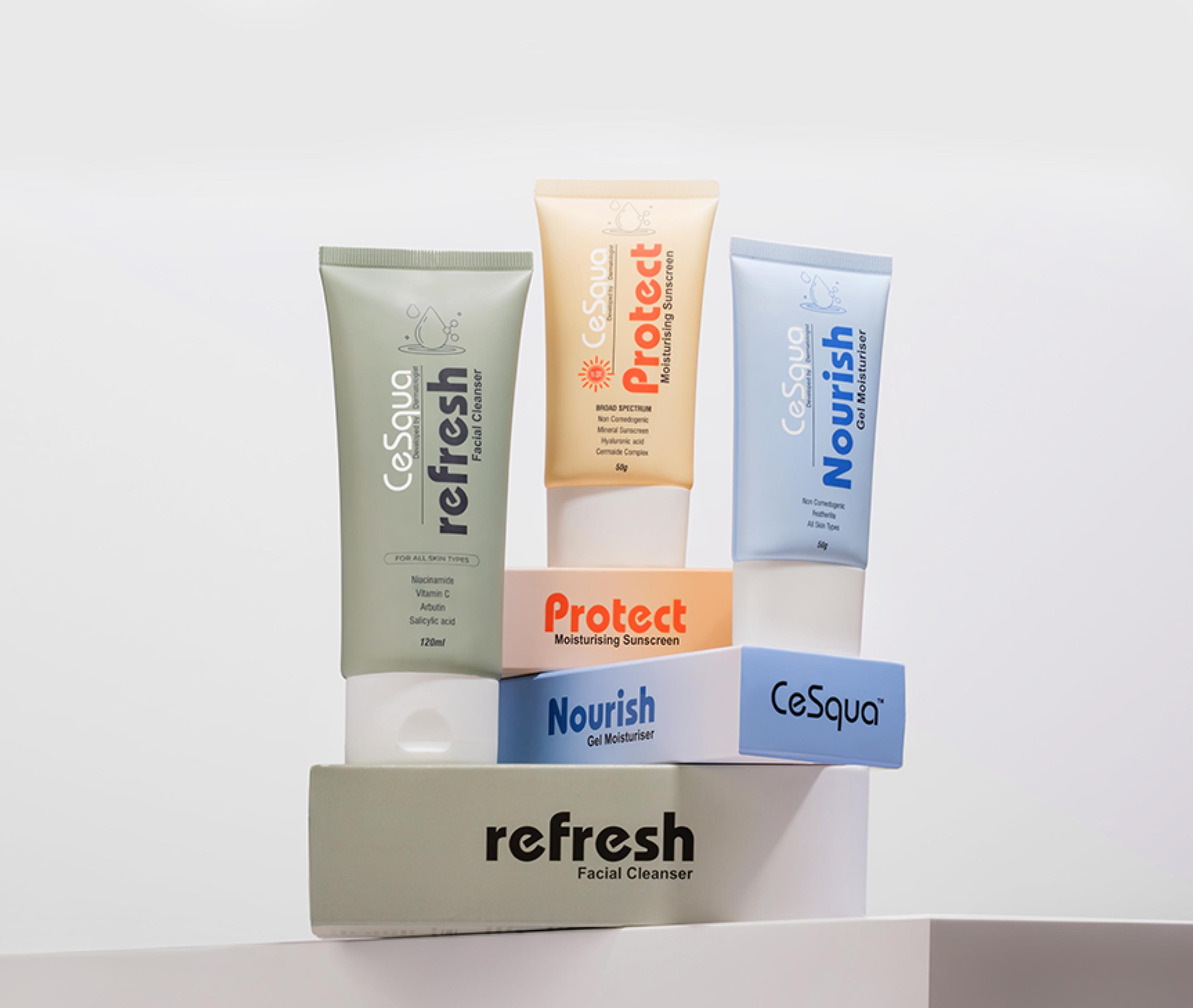
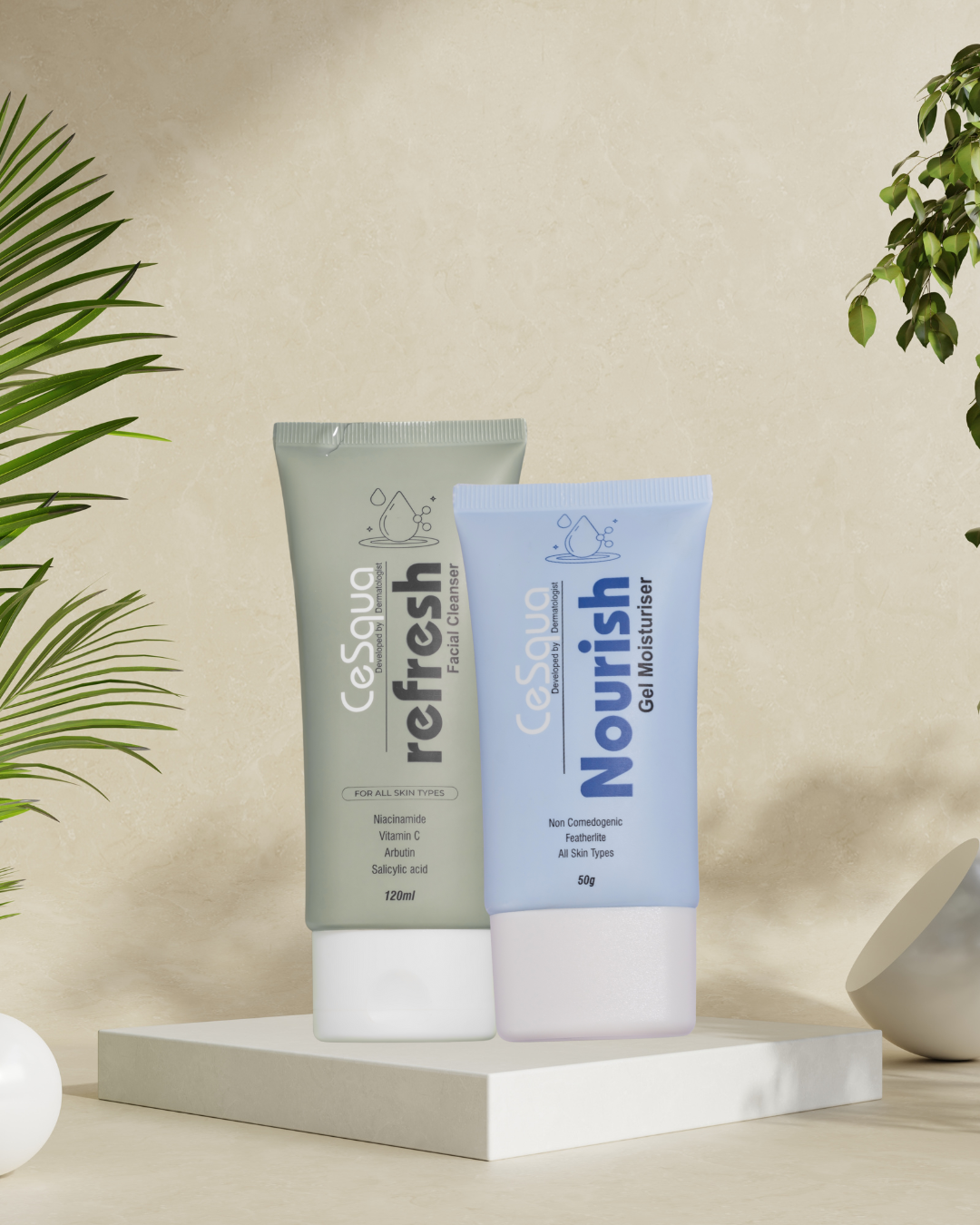
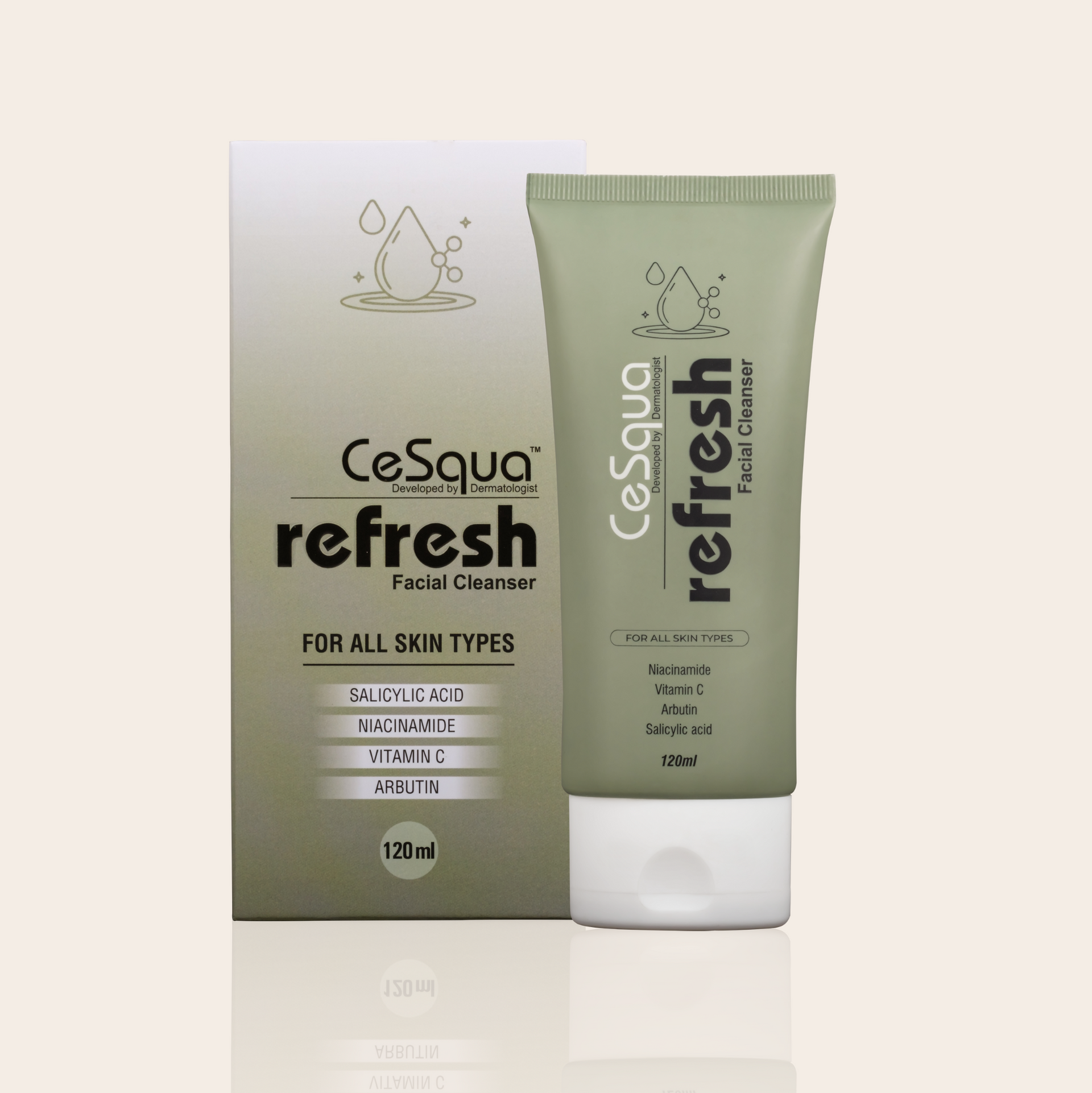
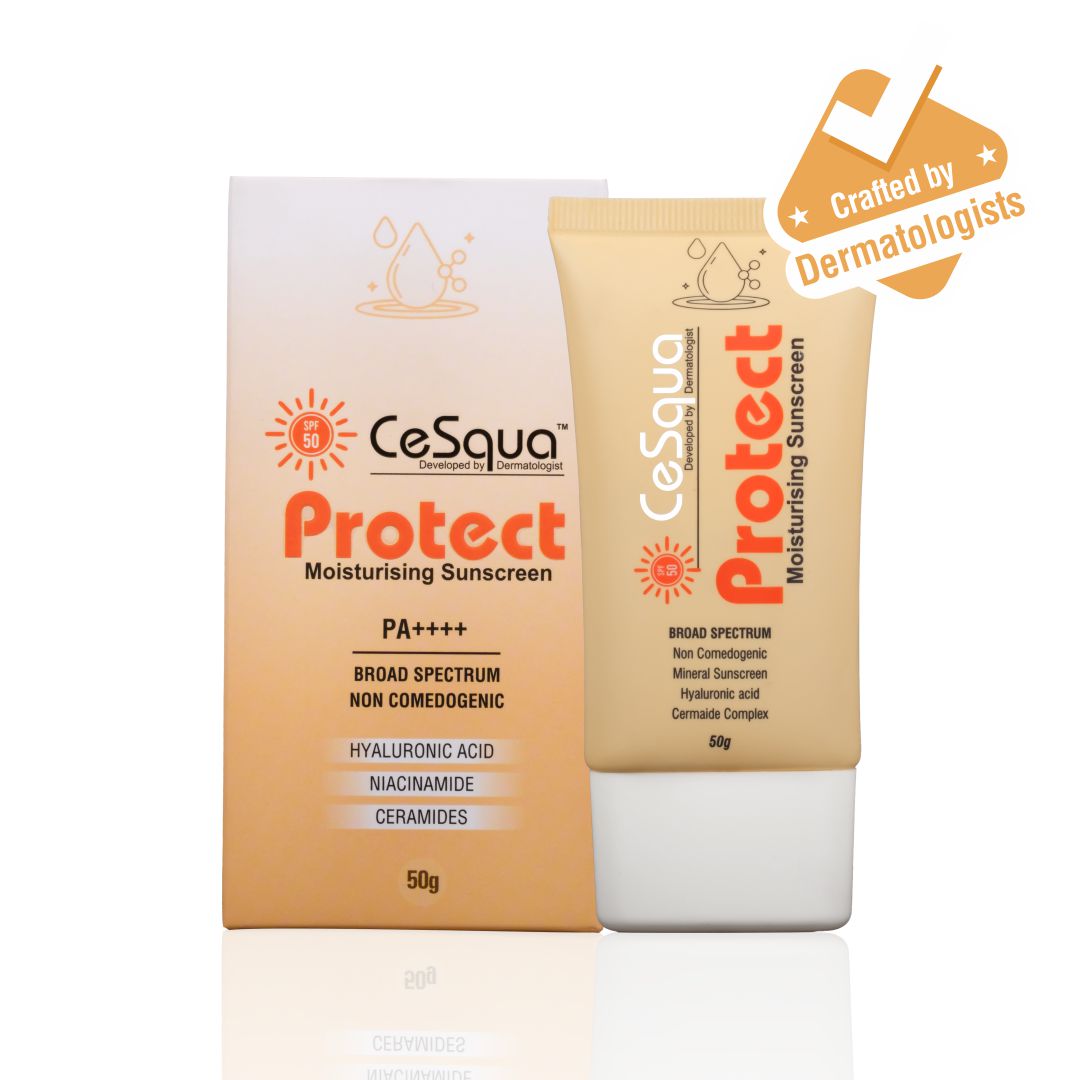
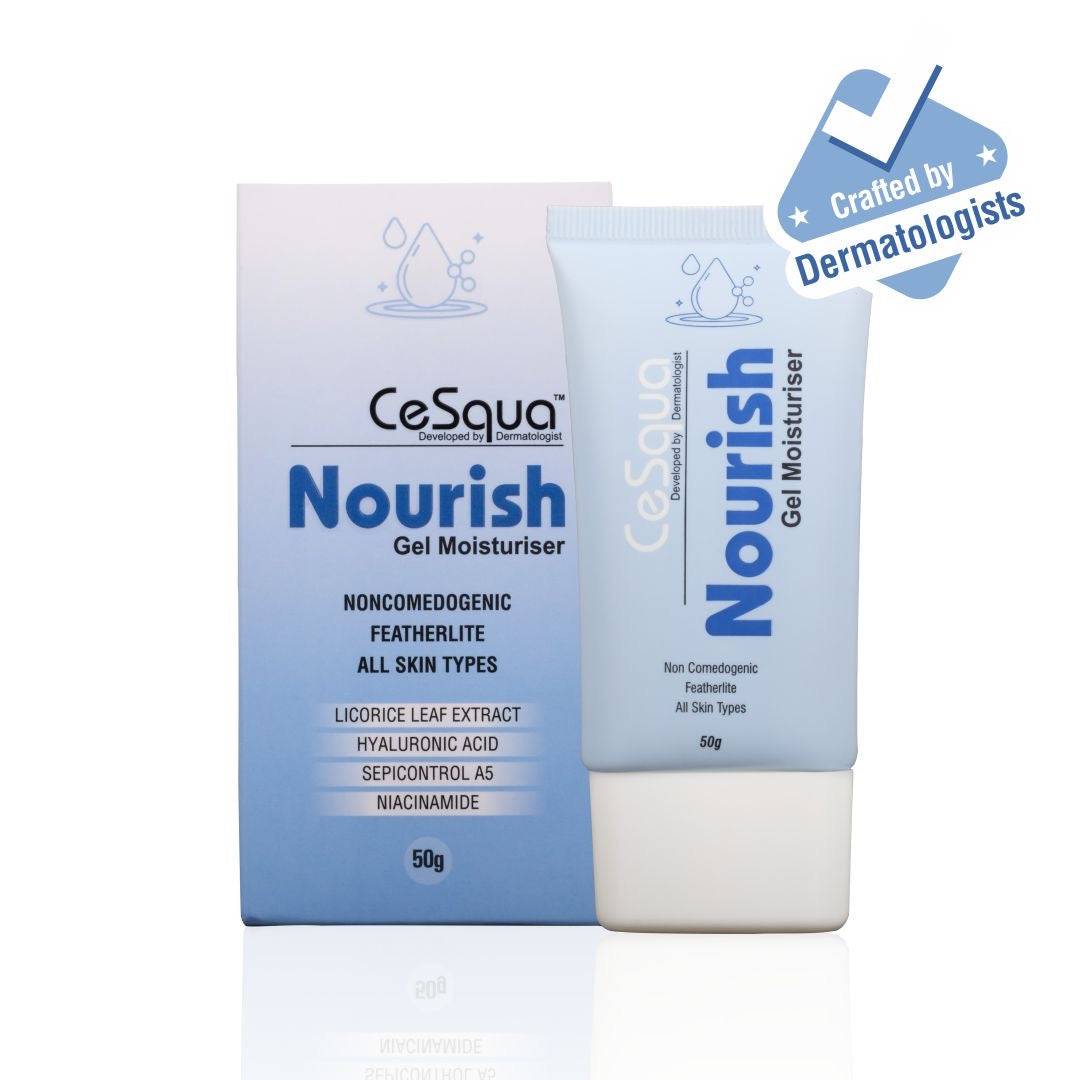
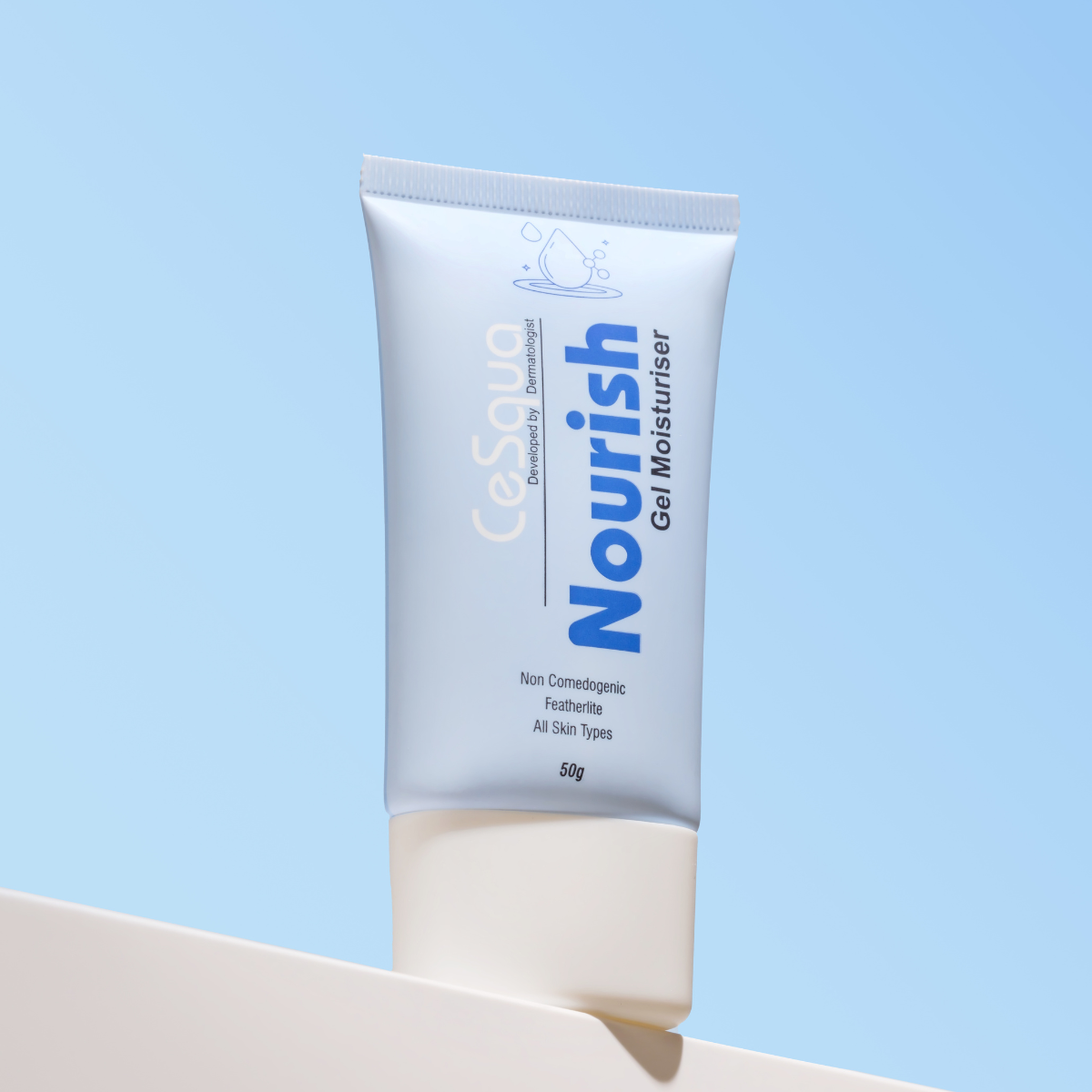
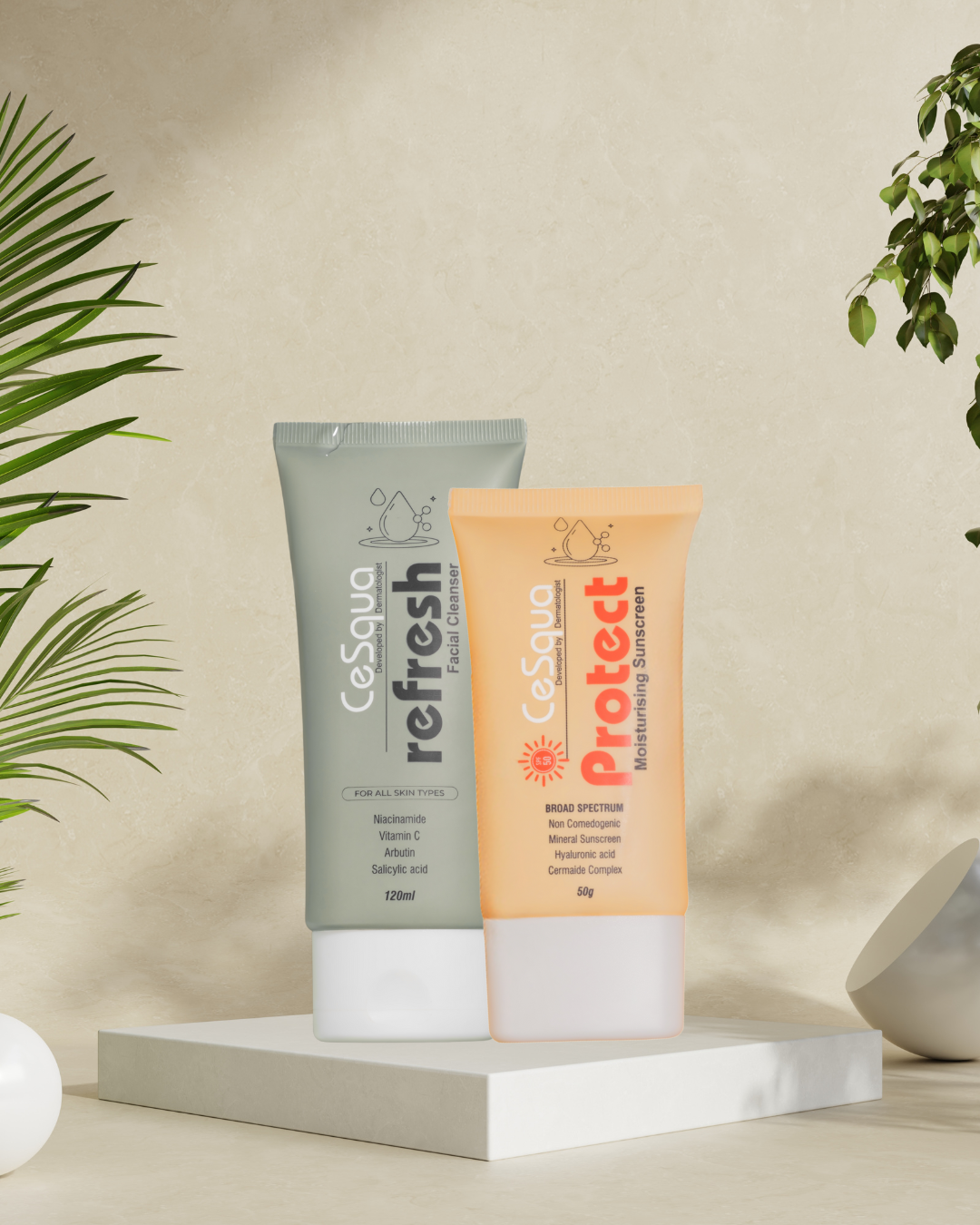
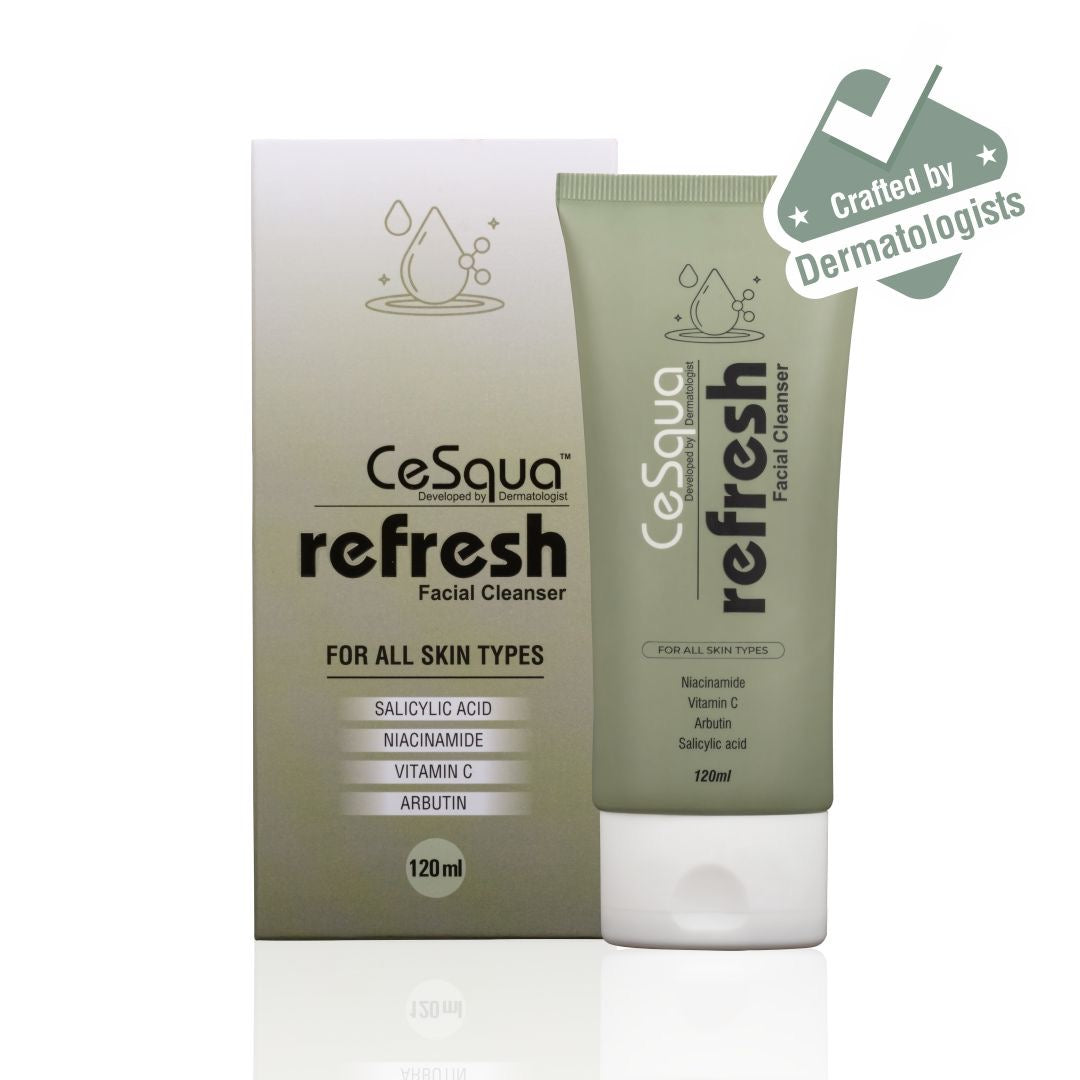
CeSqua's range follows this logic with Refresh Facial Cleanser, Nourish Gel Moisturiser and Protect Moisturising Sunscreen. The Refresh + Nourish and Refresh + Protect combinations cover different pairs of steps, rather than being interchangeable complete routines. If you choose the cleanser and moisturiser pair, think about how the recipient will handle sun protection. If you choose cleanser and sunscreen, consider whether they already have a moisturiser they like.
For a closer look at buying the steps together or separately, read our guide to whether a three-step skincare kit is worth it. The practical question is not how many items fit into the box. It is whether the recipient can repeat the routine without consulting a diagram every day.
2. Check the recipient's skin and product preferences
Even an excellent formula can be the wrong gift if the texture feels uncomfortable or the recipient knows certain ingredients irritate them. You do not need an elaborate skin analysis. A few ordinary questions are more useful: Does their face feel tight after washing? Do they complain about greasiness or shine? Do they avoid scented products? Are they already seeing a dermatologist for a skin condition?
| What you know about their skin | What to prioritise | What to check before gifting |
|---|---|---|
| Often shiny or oily | Comfortable cleansing and lightweight hydration | Whether the moisturiser and sunscreen feel pleasant enough for daily wear |
| Often dry or tight | Moisture-supporting ingredients and a cleanser that does not leave skin feeling stripped | Whether a gel provides enough comfort or they prefer a richer cream |
| Combination skin | A flexible, uncomplicated routine | Whether they can adjust moisturiser application to drier areas |
| Reactive or sensitive skin | Fewer new products and close attention to the full ingredient list | Fragrance, essential oils, exfoliating ingredients and known personal triggers |
| Breakout-prone skin | A manageable routine with comfortable textures | Whether they already use acne treatments that might overlap with the set |
| Skin type unknown | A short routine rather than several targeted treatments | Whether you can discreetly ask about allergies, fragrance and texture preferences |
The terms all skin types and non-comedogenic can help narrow choices, but neither guarantees that a specific person will love or tolerate a product. CeSqua describes Refresh Facial Cleanser as suitable for all skin types, including sensitive, oily and acne-prone skin. Nourish Gel Moisturiser is a lightweight, non-greasy option described as non-comedogenic. Those descriptions are useful starting points, not replacements for the recipient's own experience.
If the person has a known allergy, eczema, rosacea or a history of strong reactions, avoid making the gift a surprise experiment. Ask what they already use or choose with their guidance. Our article on fragrance-free versus unscented skincare explains why scent-related wording deserves a closer look. For example, Refresh Facial Cleanser has a mild fragrance, while Nourish Gel Moisturiser is described as free from synthetic fragrance and Protect Moisturising Sunscreen as fragrance-free. Those are meaningful distinctions when you know the recipient avoids fragrance.

3. Read the ingredients, especially the active ones
A beginner does not need to memorise a full ingredient dictionary, but the buyer should recognise why each formula is in the set. Separate everyday support from targeted activity. Hydrating ingredients help make a routine comfortable; an exfoliating ingredient calls for more attention to how frequently it is used and what else the person applies.
Ingredients that help explain a formula's purpose
- Hyaluronic acid and glycerin: Humectants that help draw and hold water, useful when hydration is the main goal.
- Panthenol and ceramides: Ingredients associated with soothing, moisture retention and support for the skin barrier.
- Niacinamide: A multifunctional ingredient used for the appearance of uneven tone and texture as well as skin barrier support.
- Zinc PCA: Helps manage excess oil, which can make it relevant to someone who dislikes shine.
- Chamomile and licorice: Ingredients used for soothing care and a more even-looking tone.
- Salicylic acid: An exfoliating ingredient used in products aimed at clogged pores and blemishes. It deserves a closer look if the recipient already uses other exfoliants.
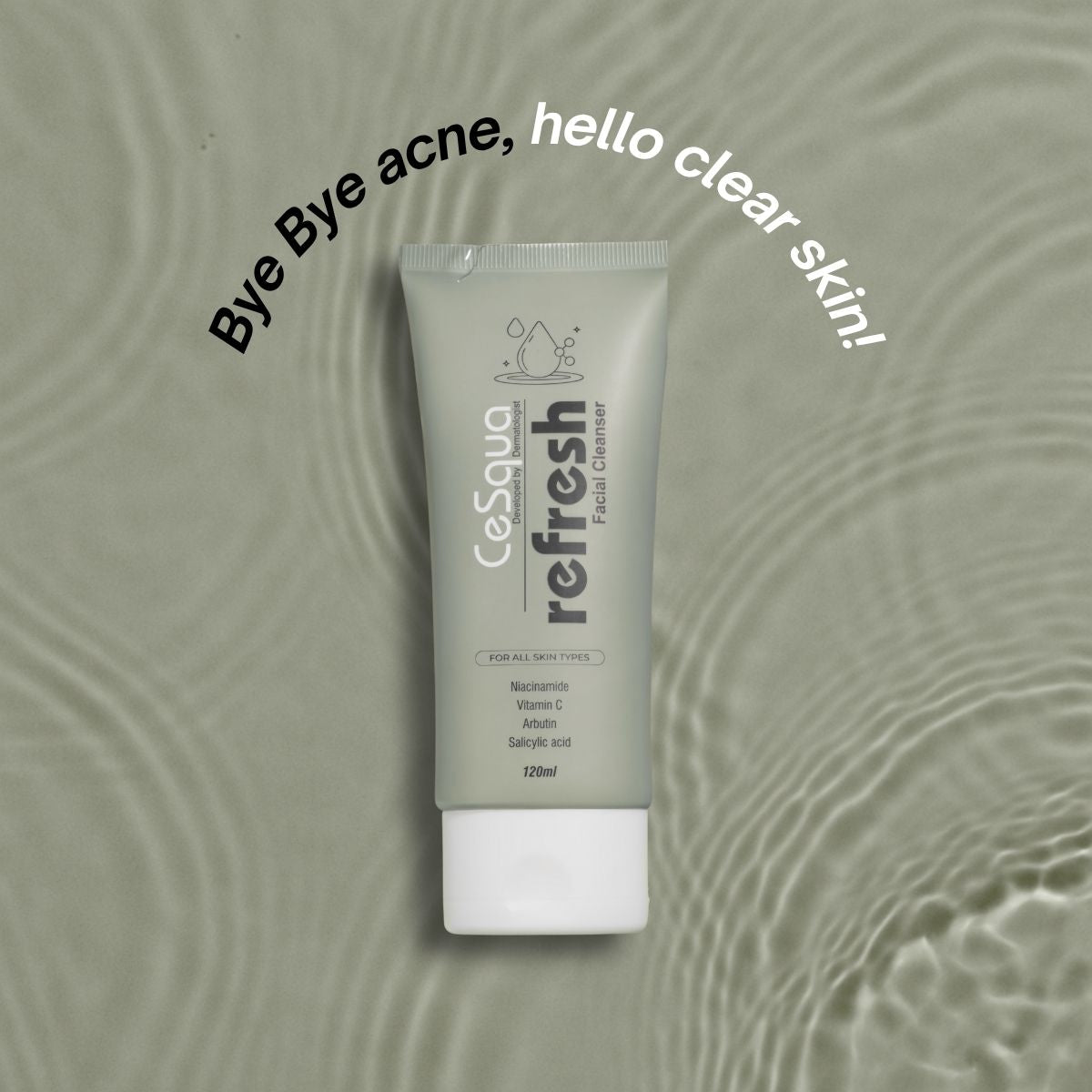
For a concrete example, Refresh Facial Cleanser combines salicylic acid with niacinamide, alpha arbutin, hyaluronic acid and panthenol. This is not just a plain rinse-off wash, so a recipient using several other active products should take stock before adding it. Nourish Gel Moisturiser includes chamomile, licorice, tea tree oil, zinc PCA and witch hazel. Its gel texture may appeal to someone who wants light hydration, while a person who reacts to a botanical ingredient or essential oil should read the full label first.
Do not confuse natural with universally gentle. A person's tolerance depends on the whole formula and their individual skin. If you do not know their history, do not build a first routine around several strong exfoliants, retinoids and spot treatments simply because each item is popular on its own.
Also check for overlap with products they already own. Someone using a leave-on acne treatment might not want an exfoliating cleanser added without thinking about frequency. If salicylic acid is the ingredient you are weighing, our comparison of salicylic acid cleansers and leave-on treatments helps explain the difference.
Patch testing is a reasonable introduction to any unfamiliar product: try a small amount on a discreet area, follow the product directions and watch for irritation before applying it widely. Introduce one product at a time so that, if a reaction occurs, it is easier to identify what changed. Stop using a product that causes persistent stinging, swelling or worsening redness. A person managing a diagnosed condition should speak with their dermatologist about new actives.
4. Check sizes, everyday value and purchase terms
Gift sets can look generous because they contain many containers. Turn the box around and compare the net quantity of each useful product. A tiny sunscreen may be fine for a trial but less helpful as the only daytime protection in a new daily routine. A full-size product can be better value when you know the recipient will use it; a smaller size can make sense when you are uncertain about texture or tolerance.
A practical value check
- List what is included, including the exact cleanser, moisturiser and sunscreen names.
- Check the quantity of each item in millilitres or grams. Do not assume that a product photograph reflects its size.
- Compare the set price with buying only the steps the recipient needs. Unused extras are not savings.
- Check the expiry date, seal, batch details and storage instructions on the products when you receive them.
- Consider whether the sunscreen amount is practical for application and reapplication, rather than judging it like a serum that is used sparingly.
Purchase terms matter more with skincare than with many gifts because opening a product to try it can change return eligibility. CeSqua's return policy accepts eligible returns within 14 days of delivery when items are unused and in their original condition and packaging. Opened or used personal care products are not returnable, and sale items are non-refundable. Exchanges are for defective or damaged items. If you are gifting for a particular occasion, read the current policy before ordering rather than assuming the recipient can test a set and send it back.
Presentation still has a place. A thoughtfully packaged, recyclable box can make a simple routine feel special; CeSqua uses recyclable packaging. But packaging should be the last comparison, after product suitability, quantities and usability. When a beginner reaches for the gift a month later, it is the routine inside that matters.
5. Check that the directions make sense for a first-time user
Imagine the recipient opening the gift without you there to explain it. Can they tell which product to rinse off? Which one goes on before sunscreen? Which products belong in the evening? If not, the set needs clearer instructions or a simpler selection.
What instructions should tell the recipient
- Order: Cleanser first, moisturiser next if needed, sunscreen last in the morning.
- Frequency: Whether each item is intended for daily use or needs a more gradual introduction.
- Precautions: Where not to apply it, what to do if irritation appears, and how it fits alongside other active products.
- Sunscreen use: How to apply it evenly and when to reapply after sweating, swimming, towelling or sustained time outdoors.
- Storage: How to keep products sealed and follow the information on their packaging.
CeSqua recommends twice-daily use for Refresh Facial Cleanser and Nourish Gel Moisturiser, but a new user can pay attention to how their own skin feels rather than treating every suggested frequency as a challenge to meet immediately. Protect Moisturising Sunscreen is intended for daily use and needs reapplication as needed. The evening routine does not need sunscreen: cleanse it off, then moisturise.
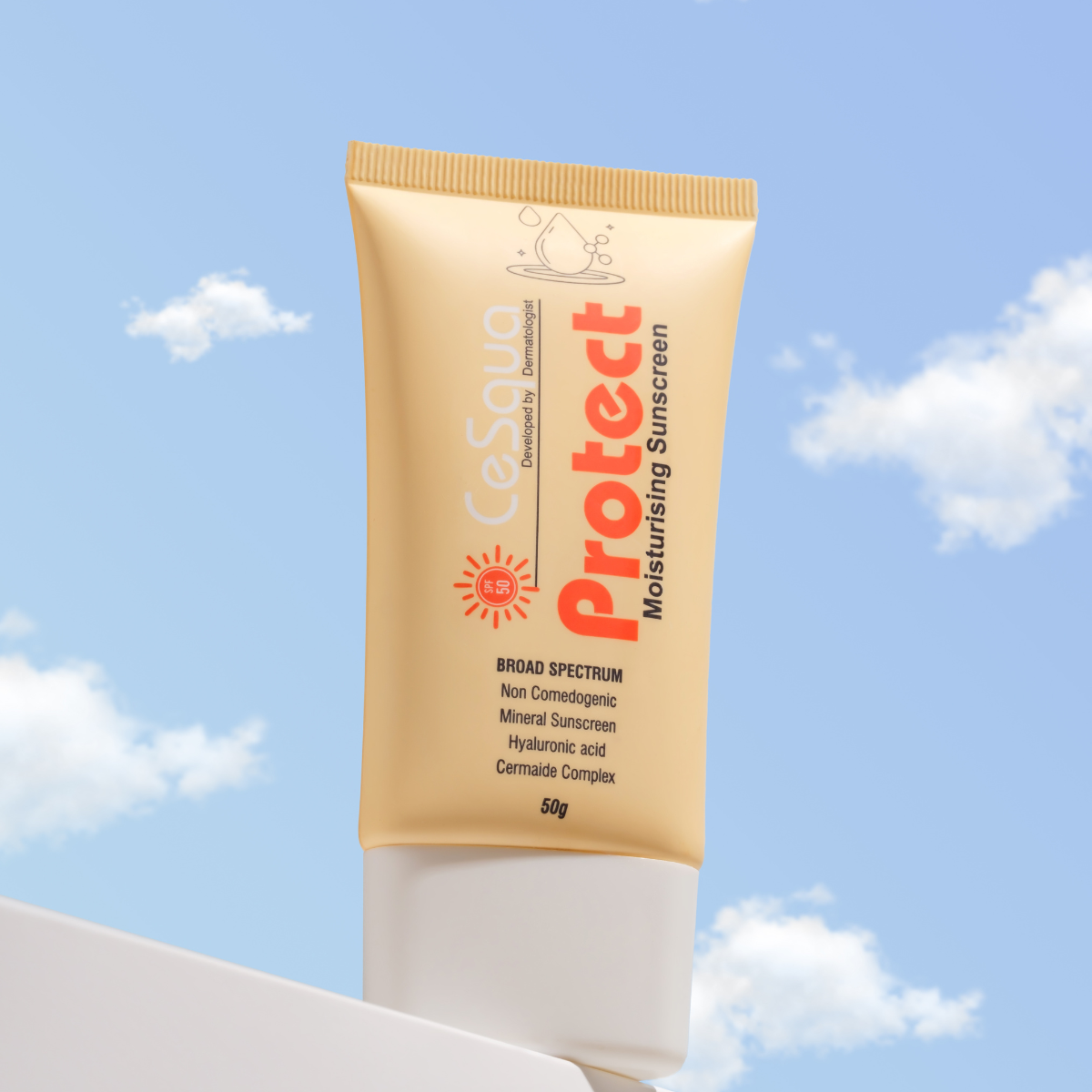
For someone wondering whether a moisturising sunscreen replaces a separate moisturiser, the answer depends on skin comfort. Protect Moisturising Sunscreen can be used as a moisturiser with sun protection. Someone who needs more hydration can apply Nourish Gel Moisturiser first; someone who feels comfortable without an extra layer can keep the morning simpler. The sunscreen must still be applied in an adequate amount for the protection indicated on its own label. Our guide to moisturiser with SPF versus separate sunscreen explores that practical distinction.
What should you buy if you know very little about the recipient?
Use what you do know, and avoid guessing about what you do not. If they already wear sunscreen but dislike heavy creams, a cleanser and lightweight moisturiser combination may be a thoughtful addition. If they have a moisturiser they love but regularly skip sun protection, a cleanser and sunscreen combination is more relevant. If they have no routine at all, think in terms of all three basic roles, whether you buy them together or assemble them thoughtfully.
There is no need to describe a gift as an acne treatment or an anti-ageing intervention. That can feel presumptuous, and it directs attention toward a concern the recipient may not share. A note that says which product to use in the morning and which to use at night is more useful than a promise of dramatic results.
Our recommended choice for a new routine is CeSqua's cleanse, hydrate and protect approach because each product has a distinct, repeatable job. Refresh Facial Cleanser handles the wash, Nourish Gel Moisturiser provides lightweight hydration, and Protect Moisturising Sunscreen adds daytime protection. The two-product combinations are sensible when you know which step the recipient already owns. Choose based on their habits, not the idea that every person needs the same box.
A last check before checkout
- Can you name the role of every product?
- Does the gift cover the steps the recipient actually needs?
- Have you considered their fragrance and texture preferences?
- Have you checked for known allergies and overlapping actives?
- Are the quantities clear, especially for sunscreen?
- Can the recipient follow the directions independently?
- Have you read the return and exchange terms?
- Would the routine still feel manageable on a busy day?
Frequently asked questions about beginner skincare gifts
What are the three most useful products in a beginner skincare set?
A cleanser, moisturiser and daytime sunscreen cover the basic jobs of cleansing, hydrating and protecting. They do not all have to come in one box, but the buyer should understand which steps the set includes and what the recipient already owns.
Is a two-product skincare combo enough for a beginner?
It can be, if the person already has the missing step. A cleanser and moisturiser pair leaves sunscreen to be supplied separately. A cleanser and sunscreen pair may suit someone who already owns a moisturiser or finds their moisturising sunscreen comfortable on its own.
Should someone start every product in the gift set on the same day?
Introducing products one at a time makes it easier to notice how the skin responds. Read each label, patch test unfamiliar formulas, and be especially attentive when a cleanser or treatment contains an exfoliating ingredient such as salicylic acid.
Is fragrance-free skincare always the safest gift?
Fragrance-free may be a useful preference to honour, especially for someone who knows scented products bother them. It does not guarantee that every other ingredient will suit their skin. Check the complete formula and any known personal triggers.
Can oily skin skip moisturiser?
Oily skin can still benefit from hydration. The question is usually texture and comfort rather than whether moisturiser is forbidden. A lightweight gel may feel easier to use than a richer cream, and a moisturising sunscreen may provide enough daytime comfort for some people.
How soon should a beginner expect to notice a difference?
Comfort and hydration can be noticeable sooner than changes in tone or texture. CeSqua's guidance describes noticeable hydration after the first use of Refresh Facial Cleanser, with other visible changes generally taking longer. Nourish Gel Moisturiser offers immediate hydration, while improvements in appearance may take several weeks. Consistency matters more than adding new products in quick succession.
What if the recipient has eczema, rosacea or persistent acne?
Ask what products and ingredients they already tolerate rather than surprising them with several new actives. A dermatologist can help someone with an ongoing skin condition decide whether a particular cleanser or moisturiser fits their care plan.
What should the recipient do if a product irritates their skin?
Stop using the product and gently rinse it off if appropriate. Avoid introducing further new products while the skin settles. Seek medical advice for severe or persistent symptoms, particularly swelling or a worsening reaction.
The best gift is a routine they can keep
Before you buy, check routine fit, skin preferences, ingredients, useful quantities and clear directions. Those five checks turn a skincare gift set from a collection of attractive containers into something a beginner can genuinely use. Keep the gesture personal: what they will enjoy applying every day matters more than how many products you can fit in the wrapping.
If you are putting together a straightforward starting routine, explore CeSqua for a cleanse, hydrate and protect approach built around fewer, purposeful steps.