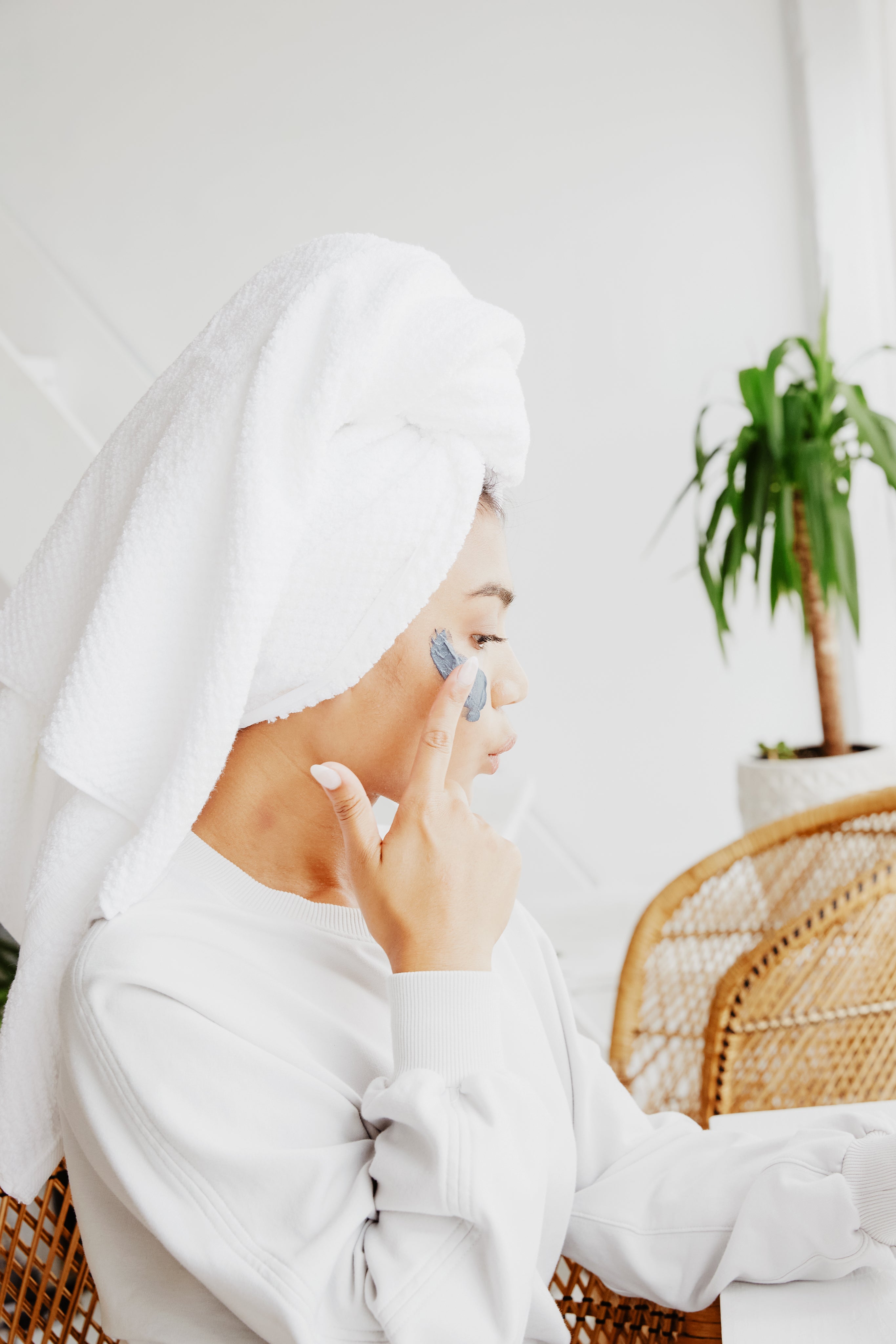




Yes, wash sunscreen off at night. An evening cleanse removes the sunscreen film along with the oil, sweat, makeup, and everyday grime that can collect on your face. You do not need to scrub, and you do not automatically need two cleansers. For ordinary daily sunscreen without heavy makeup, start with one thorough, gentle wash.
If you wore water-resistant sunscreen, reapplied it repeatedly, or layered it with long-wear makeup, you may need a first step to loosen that buildup before washing your face. The goal is clean, comfortable skin, not the tight feeling that comes from overcleansing. At CeSqua, we approach this as a practical decision: use the least complicated method that removes what you wore without irritating your skin.
Why remove sunscreen before bed?
Sunscreen belongs in your daytime routine because it helps protect skin from ultraviolet exposure. At night, that remaining layer no longer has a useful job. Washing it away also clears the other products and residue you accumulated during the day. Think of evening cleansing as routine hygiene, not as a way to undo sun exposure or make sunscreen work better the next morning.
Sleeping in sunscreen once is not a reason to panic. The concern is making a habit of leaving layers of sunscreen, makeup, sweat, and oil on skin that feels congested or easily irritated. A consistent, gentle wash gives you a clean starting point for nighttime moisturiser or any treatment you use as directed by your dermatologist.
It helps to separate two ideas that are often confused:
- Removing a product: A cleanser lifts sunscreen and other residue from the skin so you can rinse it away.
- Exfoliating the skin: A scrub or exfoliating product acts on the skin itself. Exfoliation is not required simply because you wore SPF.
You should not have to rub hard or chase a squeaky-clean feeling. If washing leaves your face stinging or noticeably tight, the cleansing method may be too aggressive for your skin, even if the sunscreen is gone.
What counts as one cleanse or a double cleanse?
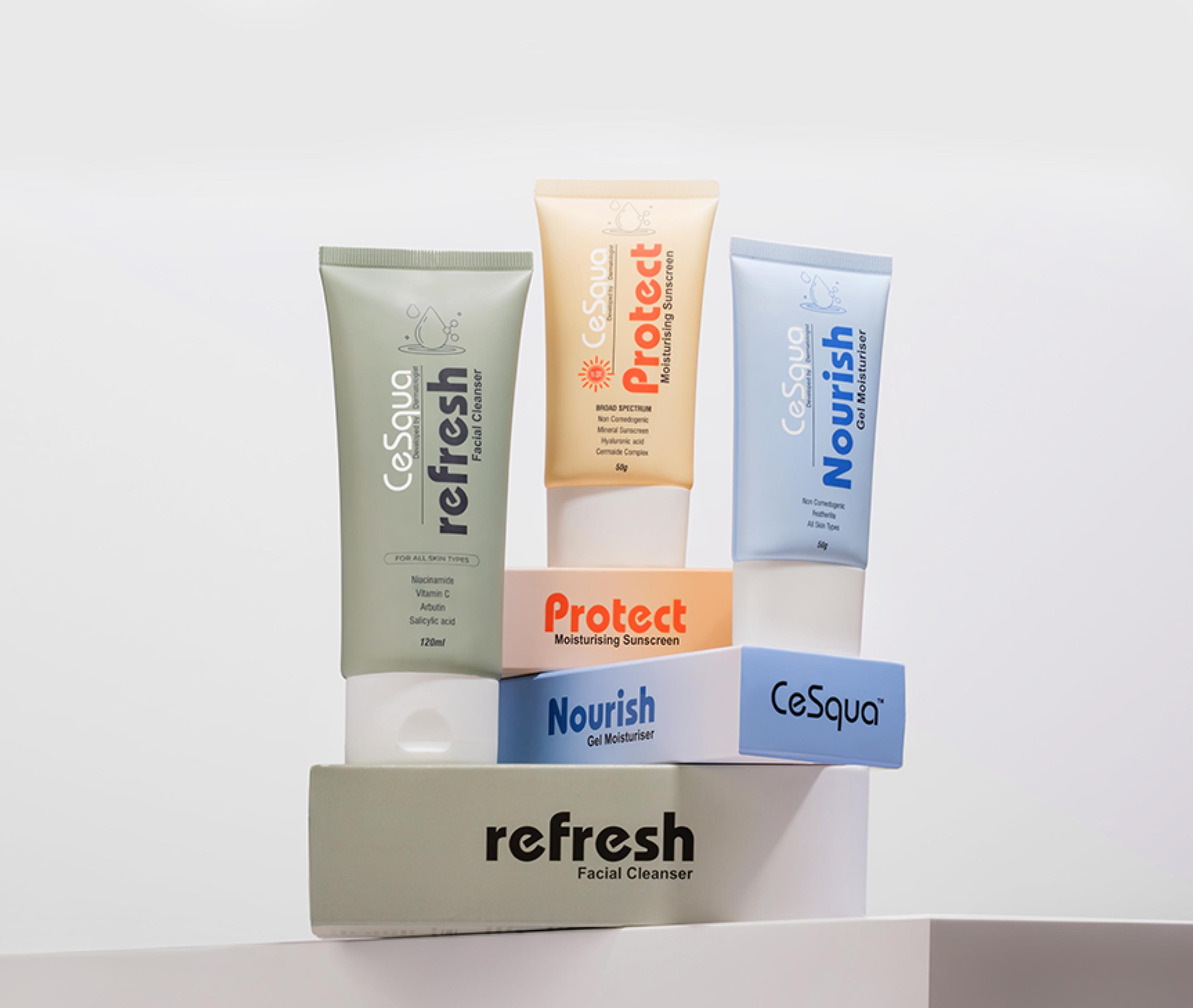
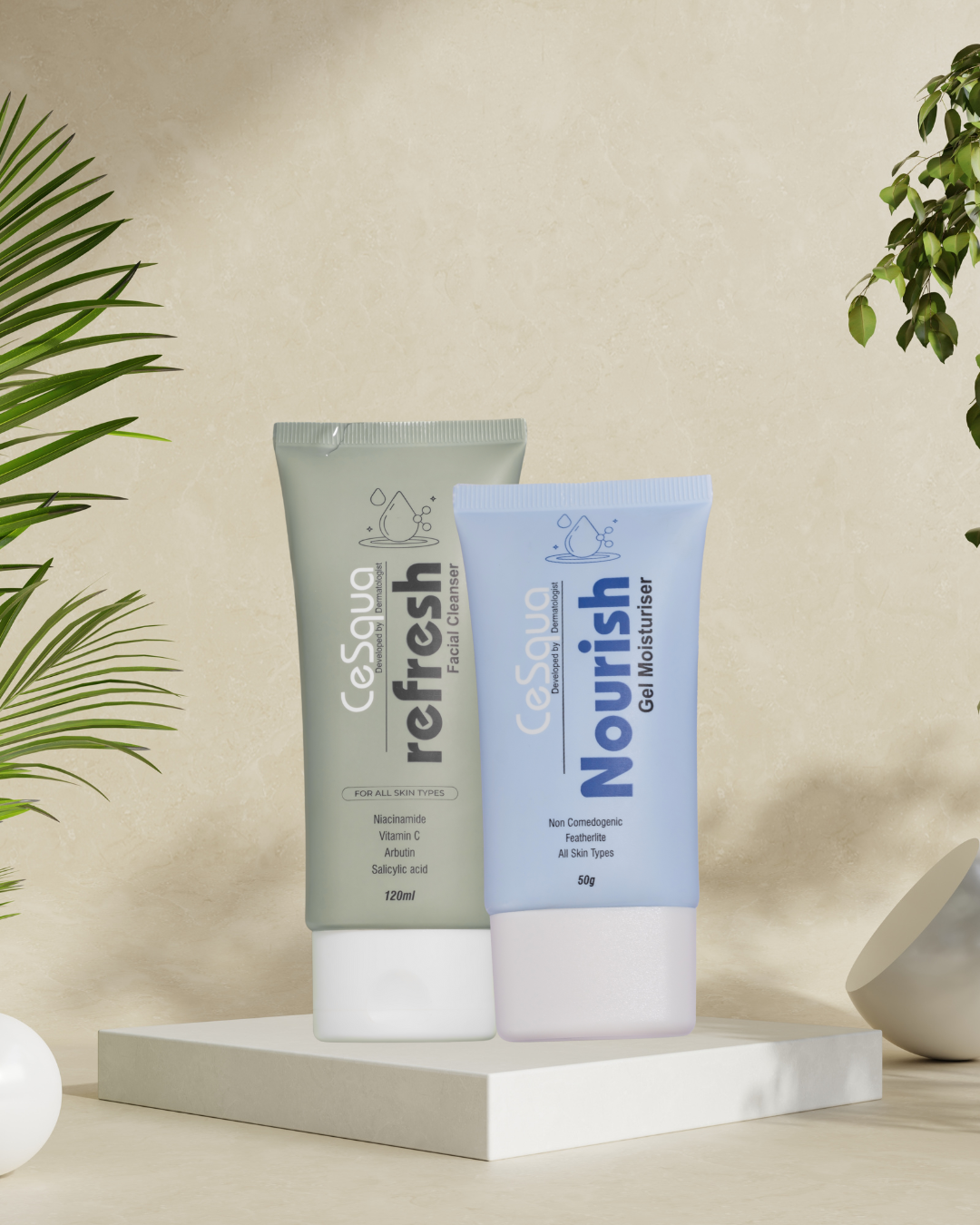
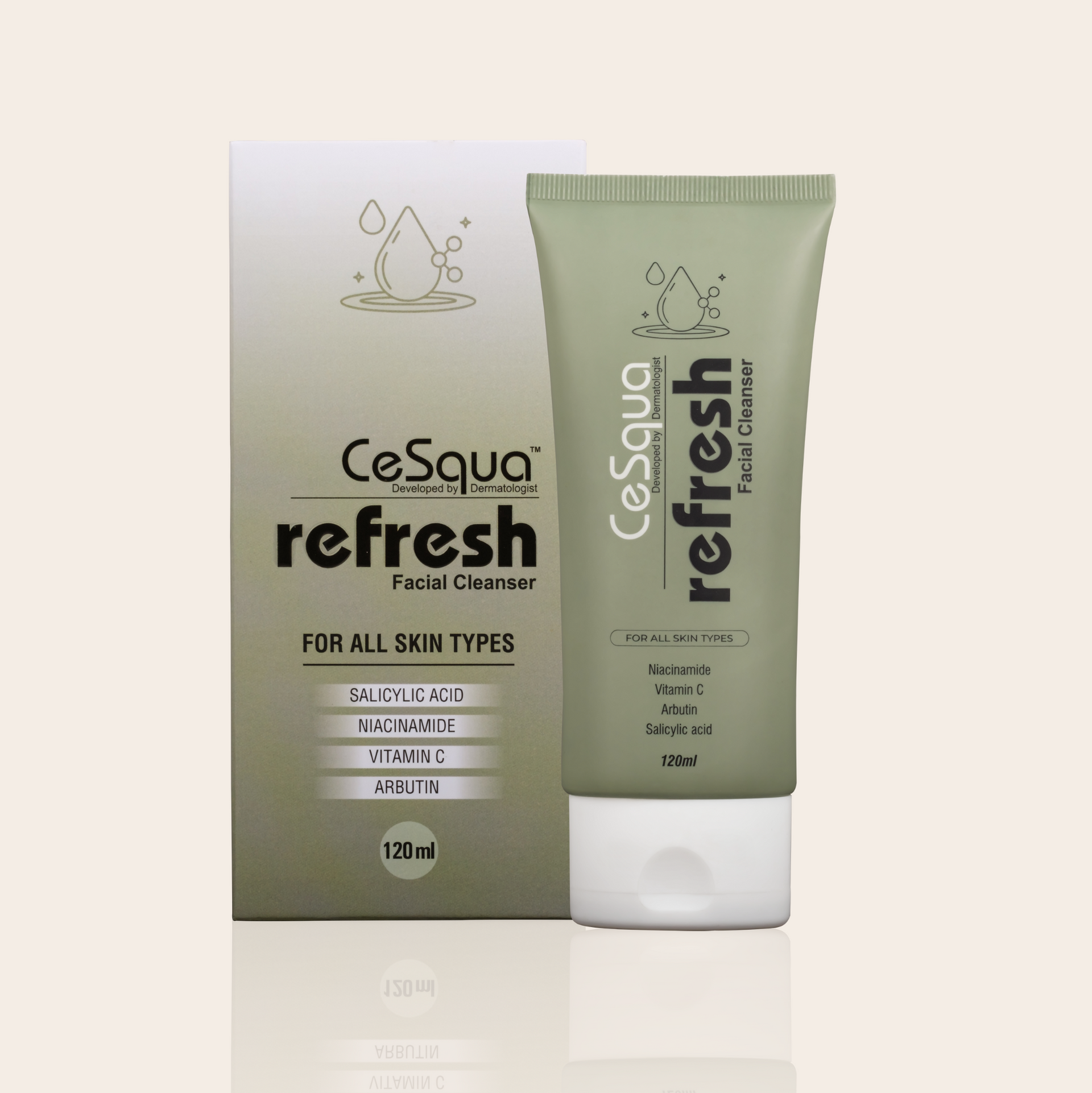
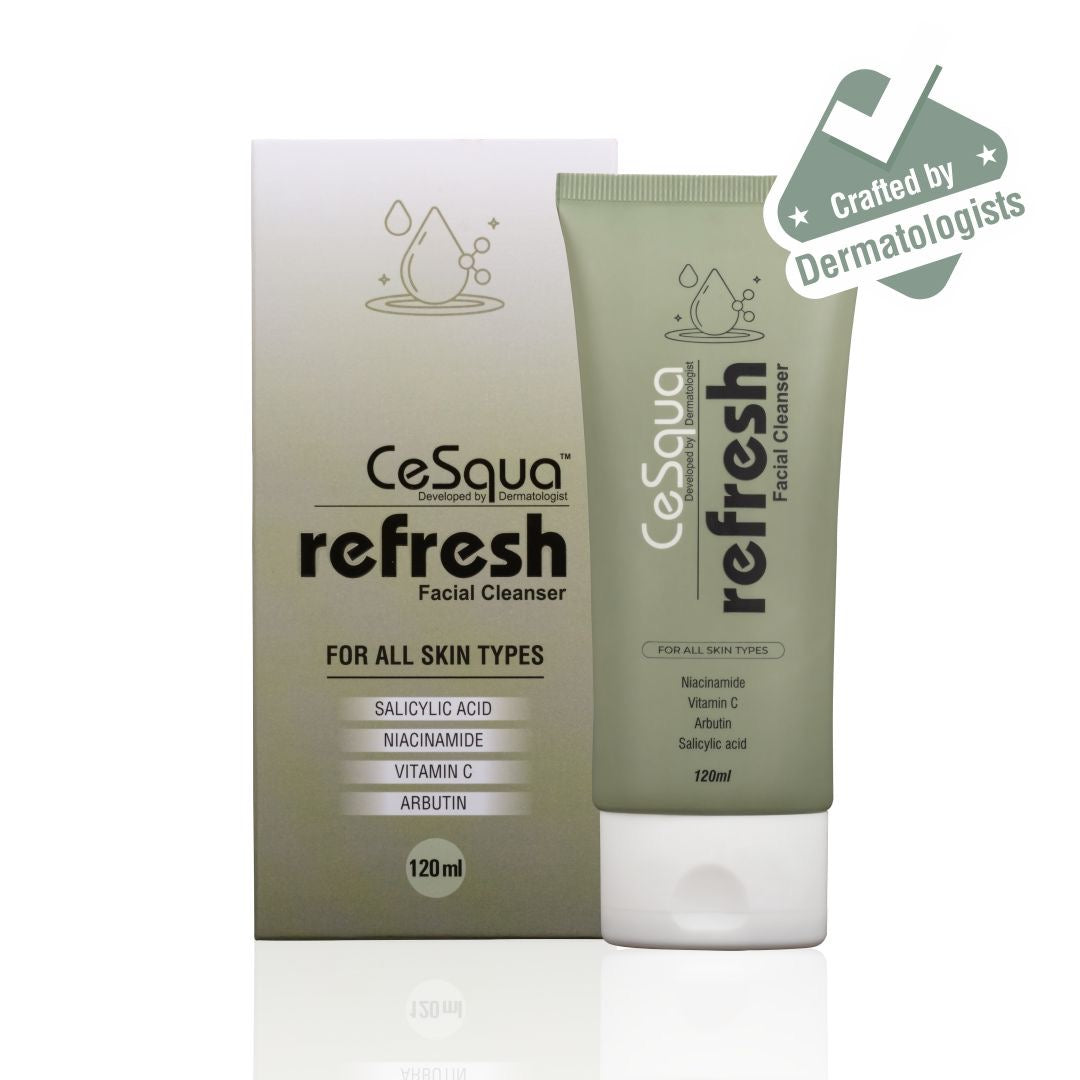
A single cleanse means washing once with a facial cleanser, then rinsing thoroughly. For many people wearing everyday sunscreen and little or no makeup, this is the simplest place to start. CeSqua’s product guidance describes Refresh Facial Cleanser as suitable for daily use across skin types, including sensitive, oily, and acne-prone skin. Individual tolerance still matters, particularly if your skin is already irritated.
A double cleanse means using a product suited to removing stubborn makeup or sunscreen first, then washing with a facial cleanser. A cleansing oil, balm, or makeup remover may serve as the first step, depending on its directions. Double cleansing is an option for heavier buildup, not a nightly rule for everyone.
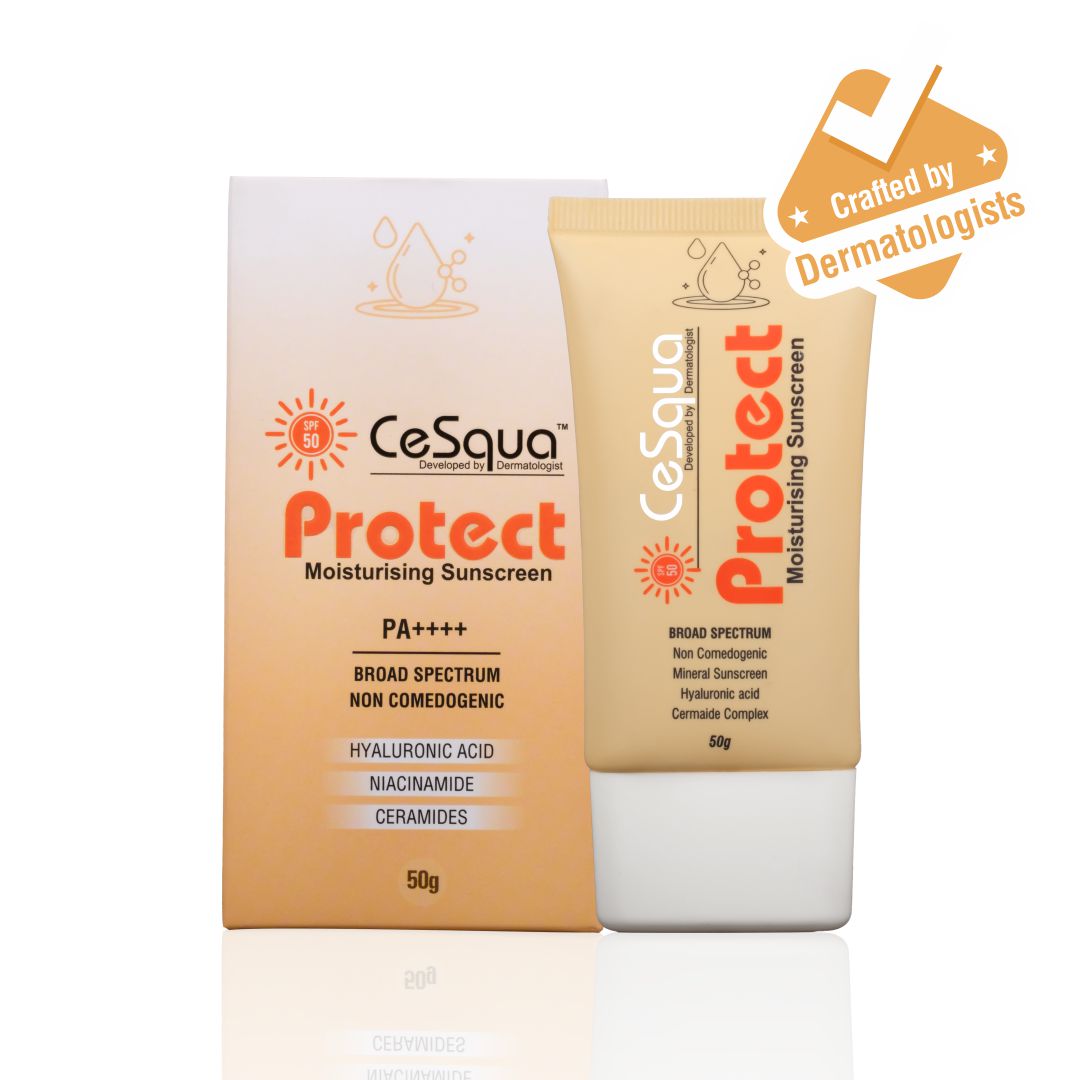
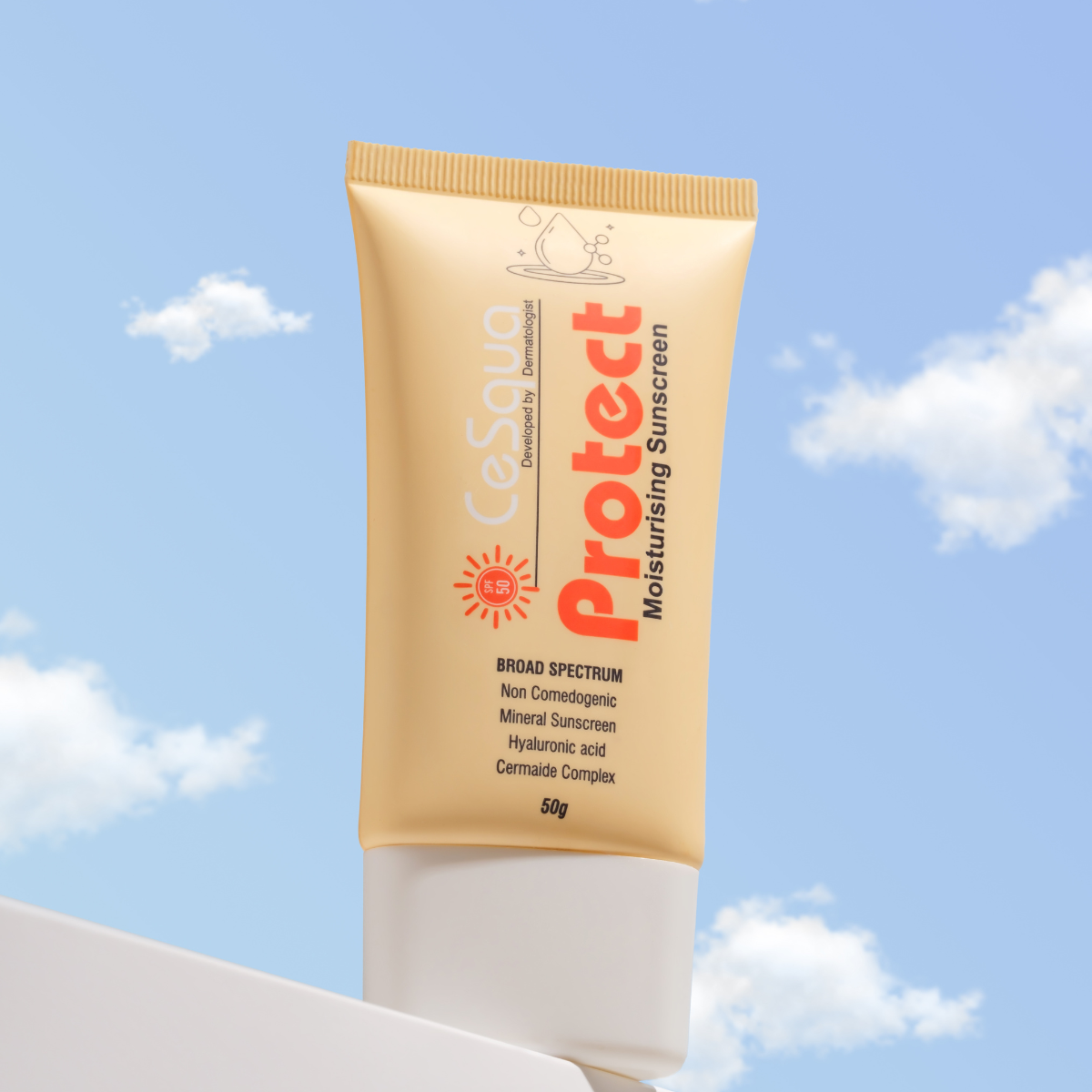
Water-resistant does not mean impossible to wash off. It means the sunscreen is intended to stay on better during water exposure or sweating, so removal may take more care. CeSqua describes Protect Moisturising Sunscreen as water-resistant. If that is the sunscreen you used, try one careful cleanse first and add a suitable first-step remover if you find that one wash leaves a film. There is no need to assume that every application requires two washes.

The simplest way to wash off everyday sunscreen
Use this method when you have worn sunscreen without heavy or waterproof makeup. You can also use it as your first attempt after a day of reapplication. Let the result, rather than a blanket rule, tell you whether you need anything more.
- Wash your hands. There is little value in starting with dirty fingertips. Pull hair away from your face if it tends to fall over your forehead or temples.
- Wet your face with lukewarm water. Skip very hot water if it leaves your skin uncomfortable. Follow your cleanser’s directions if they call for a different way to apply it.
- Spread facial cleanser gently over the areas where you applied sunscreen. Use your fingertips, not a rough cloth or brush. Include the sides of the nose, hairline, jaw, and neck if you applied SPF there. Avoid getting cleanser in your eyes unless its label specifically permits eye-area use.
- Give the cleanser time to cover the whole area. Do not rinse it off before you have worked across your face, but do not keep massaging until your skin feels sore. Gentle, even coverage matters more than pressure or a stopwatch.
- Rinse thoroughly and pat dry. Check areas where products tend to linger, such as the hairline and under the jaw. Use a soft, clean towel and avoid rubbing.
- Moisturise if your skin needs it. You can follow with a moisturiser that suits your skin. If you use a prescribed nighttime treatment, follow the instructions you were given for when and how to apply it.
The question after rinsing is not whether your skin feels stripped. Ask whether you still notice a distinct greasy or waxy coating, visible makeup, or sunscreen collecting at the hairline. A moisturising sunscreen can leave your skin feeling soft, and softness alone is not proof that cleansing failed. If you repeatedly notice clear residue after washing carefully, change your removal method rather than scrubbing harder.
When a second cleansing step makes sense
Start with a first-step remover when you know your usual wash struggles with what you wore, or add one to future evenings after you notice persistent residue. Reasons to consider it include:
- Water-resistant sunscreen that does not come away comfortably with one wash.
- Several sunscreen reapplications over the course of the day.
- Long-wear or waterproof makeup worn over sunscreen.
- Makeup remaining around the eyes, hairline, or jaw after cleansing.
- A persistent film after a thorough, gentle wash, especially if repeated washing makes your face feel tight.
For a double cleanse, use your first product as its label directs. An oil or balm may be designed to go onto dry skin before water is added, but directions vary. Massage gently where sunscreen and makeup sit, then remove or rinse the product as instructed. Follow with one wash using a facial cleanser and rinse well. This should feel like a targeted removal step, not two rounds of vigorous face washing.
If eye makeup is the stubborn part, use a remover appropriate for that area and avoid rubbing the delicate skin around your eyes. You do not have to treat your whole face as if it carries waterproof makeup. For a fuller explanation of when an extra step earns its place, see our guide to when one gentle wash is enough.
At CeSqua, we favour a simple threshold: start with a comfortable single cleanse, then add a removal step only when your sunscreen, makeup, and actual cleansing results call for one. That approach is particularly useful when you are trying to keep a routine manageable or your skin reacts poorly to unnecessary washing.
Choose the method by what is on your skin
There is no universal formula for how many cleansing steps a particular sunscreen needs. The sunscreen’s staying power, your makeup, how often you reapplied, and your cleanser all affect the answer. Use these situations as a practical guide, then adjust based on your own skin.
| What you wore | Where to start at night | When to adjust |
|---|---|---|
| Everyday sunscreen, little or no makeup | One gentle facial cleanse | Consider another method if a noticeable film consistently remains. |
| Water-resistant sunscreen | Try one careful cleanse, or use a suitable first-step remover if your usual cleanser struggles. | Add the first step when residue persists, rather than rubbing harder. |
| Sunscreen with long-wear or waterproof makeup | Remove stubborn makeup with an appropriate product, then wash your face. | Be especially gentle around the eyes and follow remover directions. |
| Multiple sunscreen reapplications | Start with a thorough cleanse; double cleanse if buildup remains. | Do not treat every reapplication as proof that two cleansers are mandatory. |
| Dry, reactive, or uncomfortable skin | Use the gentlest effective approach and moisturise afterward. | If cleansing repeatedly stings or worsens irritation, seek individual advice. |
This decision is about removal, not judging how well your sunscreen protected you during the day. Washing sunscreen off at night does not change the need to apply it correctly during daylight hours. CeSqua’s Protect Moisturising Sunscreen guidance says to reapply as needed, and the evening routine should simply account for the layers you actually wore.
How to tell whether you are cleansing enough, or too much
Signs your removal method may need adjusting
Look for a pattern rather than relying on one impression. If you repeatedly find visible makeup after drying your face, see product at the hairline, or feel an obvious coating that your usual cleanser does not lift, you may benefit from a dedicated removal step. Before adding products, check whether you have been applying cleanser to all the areas where you put sunscreen and rinsing those areas thoroughly.
Do not use breakouts alone as a test of whether your sunscreen is still on. Acne can have more than one cause, and a breakout does not prove that your cleanser failed or that a particular SPF clogged your pores. If congestion persists despite a comfortable routine, consider your full skincare regimen and ask a dermatologist for help when needed.
Signs you may be overdoing it
If your face feels tight after every wash, your cheeks sting when you apply moisturiser, or your skin becomes increasingly flaky or irritated, pause before adding more cleansing. Consider whether you are using hot water, scrubbing, washing repeatedly, or combining several strong products. The answer is not to leave sunscreen on overnight; it is to find a gentler way to remove it.
CeSqua Refresh Facial Cleanser contains salicylic acid as well as niacinamide, according to CeSqua’s product information. If you also use exfoliating treatments or strong actives, pay attention to how your skin responds rather than assuming that adding more exfoliation will help remove SPF. If you are deciding between an exfoliating cleanser and a leave-on product for clogged pores, our salicylic acid cleanser comparison explains the distinction.

Best practices for different skin needs
If your skin is oily or acne-prone
Avoid the temptation to wash repeatedly because your face feels oily at bedtime. Cleanse carefully once, then assess whether sunscreen or makeup actually remains. If you need a first-step remover, choose one you can rinse or remove according to its directions and follow with a comfortable facial cleanser. Oily skin still benefits from a method that does not leave it irritated.
Pay attention to where you apply sunscreen. If you cover your jawline, neck, or the edges of your forehead, include those areas when you wash. Cleansing just the centre of your face can leave makeup or SPF along the perimeter, even when the rest of your skin feels clean.
If your skin is dry or sensitive
Your priority is to remove the day’s products without making an already uncomfortable face feel worse. Use lukewarm water, fingertips, and gentle pressure. A single cleanse may be preferable if it removes your sunscreen adequately. Follow with a moisturiser you tolerate, particularly if washing leaves your skin feeling dry.
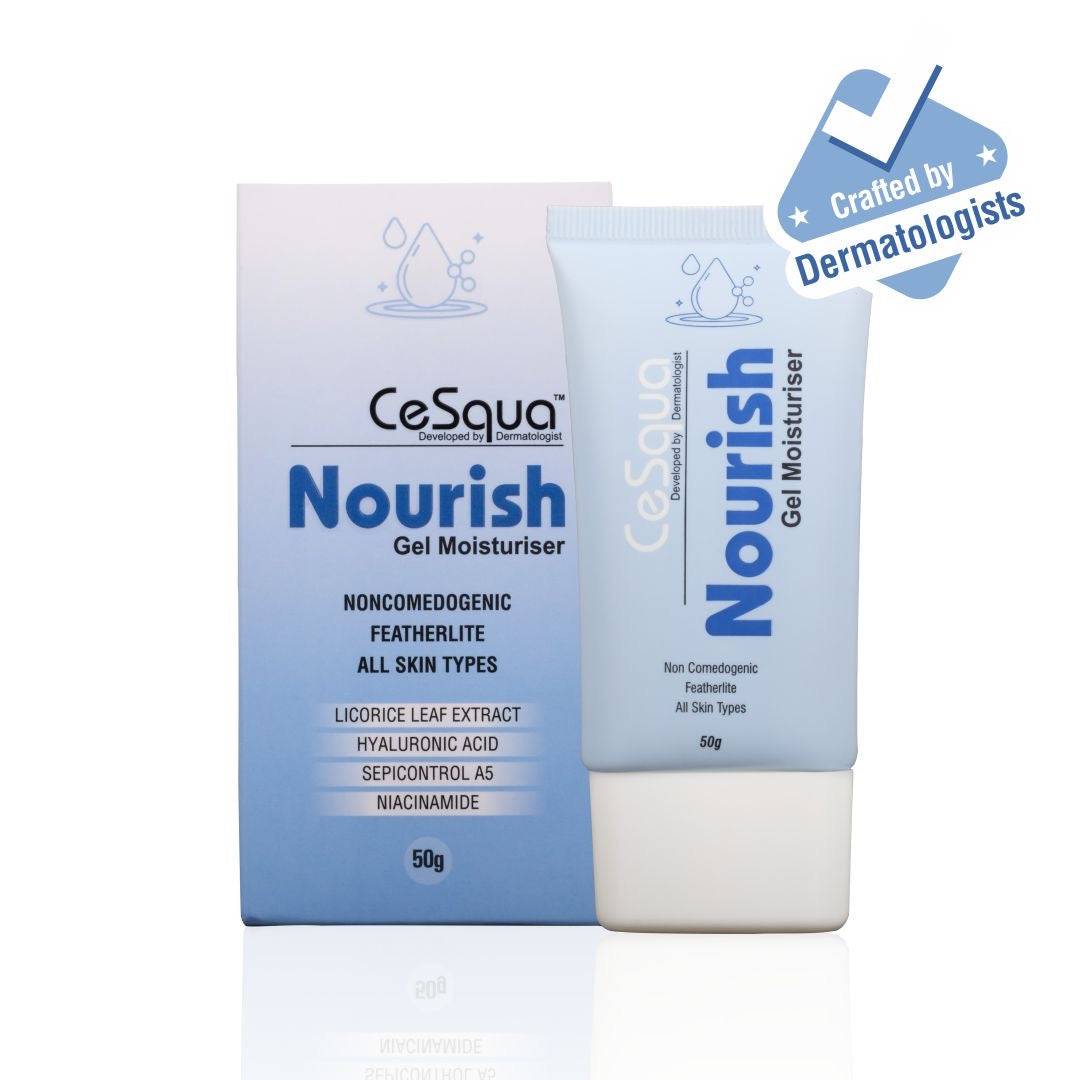
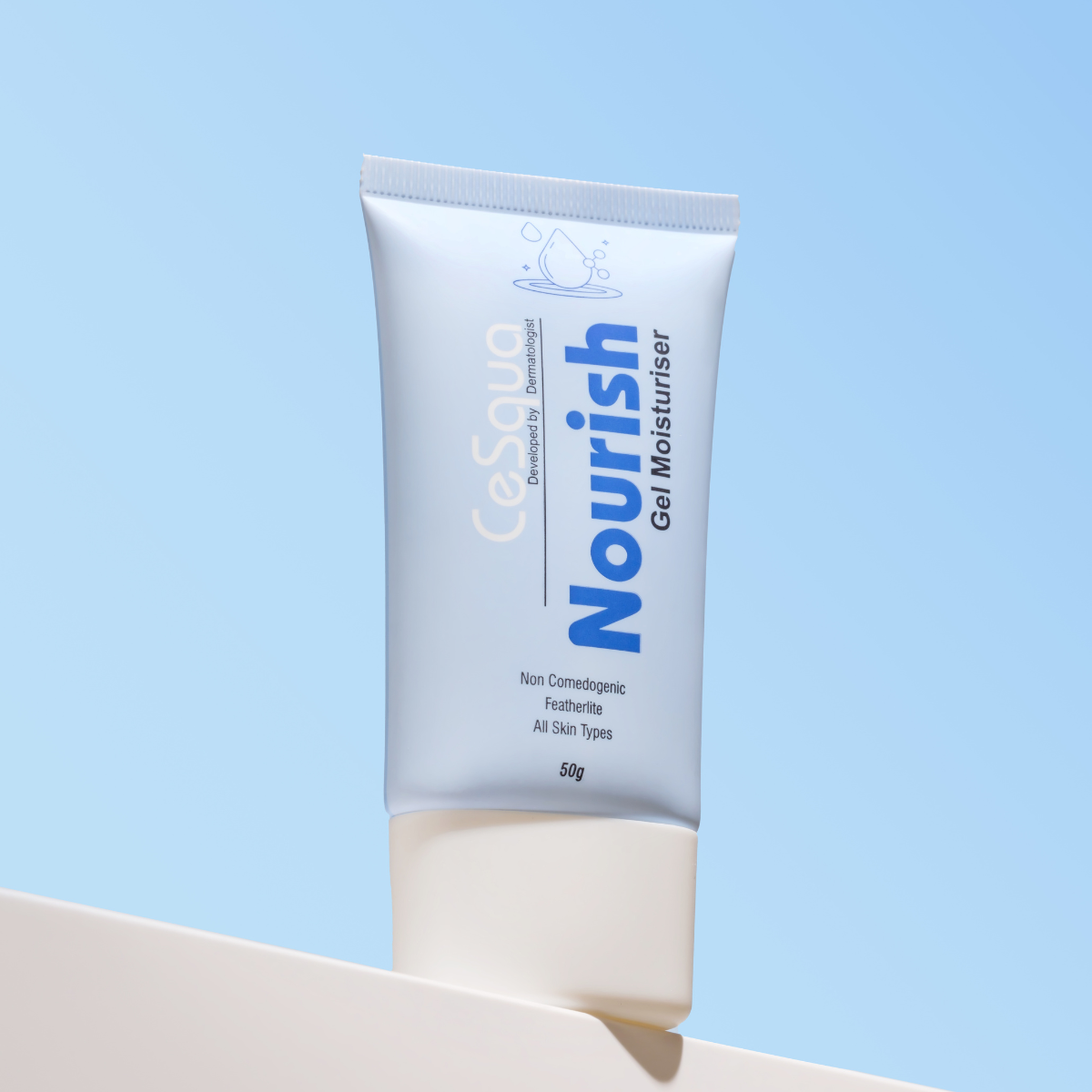
CeSqua describes Nourish Gel Moisturiser as a lightweight, non-greasy moisturiser, but a product description cannot predict how every individual will respond. If you are introducing any new cleanser or moisturiser while your skin is reactive, patch-test it and take persistent stinging, worsening redness, or irritation seriously. Our guide to skin barrier discomfort can help you think through symptoms that go beyond ordinary post-wash dryness.
If you use nighttime treatments
Remove sunscreen before applying a leave-on treatment, and use the treatment according to its own directions or your clinician’s instructions. Do not add a scrub simply to prepare skin for a serum or prescription. When a treatment makes your skin more sensitive, cleansing comfort becomes especially important. If you are unsure whether your cleanser and treatment work well together, ask the clinician who recommended the treatment.
If you applied sunscreen beyond your face
The same basic principle applies to your ears, neck, and other areas where you put SPF. Wash those areas gently at night too. A body wash or appropriate cleanser can remove sunscreen from the body; you do not need to use your facial cleanser over every sunscreen-covered area. Rinse thoroughly, especially where sunscreen meets the hairline or clothing line.
Common mistakes that make sunscreen removal harder
- Using water alone when it leaves residue: Water may rinse away sweat but can struggle with a persistent sunscreen and makeup film. Use a suitable cleanser if water does not remove what you wore.
- Scrubbing instead of changing the method: If a sunscreen is stubborn, a suitable first-step remover is a better next move than more friction.
- Assuming all water-resistant SPF needs the same routine: Start with your cleanser’s actual performance. Sunscreen formulas and individual routines differ.
- Forgetting where you applied product: Hairline, ears, jaw, and neck are easy to miss when you wash quickly.
- Confusing softness with leftover sunscreen: A moisturising formula can leave skin comfortable after washing. Look for clear residue, not just the absence of tightness.
- Washing again and again: If a careful cleanse repeatedly fails, adjust the products or steps rather than putting your skin through repeated washes.
Keep the morning and evening jobs distinct. In the morning, cleanse according to what your skin needs, then moisturise if appropriate and apply sunscreen before daytime exposure. In the evening, remove that sunscreen and finish with the nighttime care that suits you. If you are unsure whether you need a morning wash as well, see our guide to how often to wash your face.
Frequently asked questions
Can I leave sunscreen on overnight if I stayed indoors?
It is still sensible to wash it off before bed. Whether you spent the day outdoors or inside, the sunscreen you applied can remain mixed with oil and other products on your skin. One gentle evening cleanse is a straightforward way to remove it.
Will one face wash remove mineral sunscreen?
It may, depending on the complete sunscreen formula and the cleanser you use. Do not decide based only on whether a label says mineral. Wash gently, rinse thoroughly, and consider a suitable first-step remover if a noticeable film consistently remains.
Do I need an oil cleanser to remove water-resistant sunscreen?
Not automatically. An oil, balm, or appropriate makeup remover can help with stubborn residue, but one facial cleanser may be enough for your particular combination of products. Let the result guide you, and follow the remover’s label if you use one.
Can micellar water replace washing my face?
It depends on the product’s directions and whether it adequately removes your sunscreen and makeup. If you still notice residue, follow with a gentle facial cleanser. Avoid treating any remover as a guaranteed substitute for washing without checking how it works for your routine.
Should I use a scrub or exfoliating brush after sunscreen?
No. Exfoliation is not a necessary part of sunscreen removal. A cleanser and, when needed, an appropriate first-step remover are more targeted ways to lift product without unnecessary friction.
What if cleanser gets in my eyes?
Rinse your eyes with water and check the product directions. Avoid putting a facial cleanser directly into your eyes unless it is specifically intended for that use. If discomfort persists, seek medical advice.
Does sleeping in sunscreen once cause acne?
One missed wash does not mean you will develop acne. If you forgot to cleanse, resume your usual gentle routine the next day. If breakouts are frequent, do not assume sunscreen residue is the only cause; a dermatologist can help you assess the bigger picture.
Should I double cleanse even if I have sensitive skin?
Only if a single gentle cleanse does not adequately remove what you wore. If you need two steps, keep both gentle and stop if the routine repeatedly causes discomfort. People with persistent irritation, eczema, or rosacea may need personalised advice on which products to use.
Keep the evening routine simple
Wash off sunscreen at night, then match the cleansing method to the amount and type of product on your skin. For everyday wear, begin with one gentle wash. Add a suitable first-step remover for makeup or sunscreen that consistently resists that wash. Finish with moisturiser if needed, and take tightness or stinging as a reason to reassess your routine, not to scrub harder.
That balance reflects CeSqua’s approach to skincare: fewer steps, chosen for a clear purpose. You can explore the brand’s simple cleanse, hydrate, and protect routine if you want a practical starting point for daily care.