


Confusion between the terms "skin barrier" and "moisture barrier" is common, but understanding their relationship is essential for anyone seeking to maintain or restore healthy, resilient skin. In scientific and dermatological contexts, these two phrases actually refer to one and the same entity: the stratum corneum, which is the outermost layer of the epidermis. This barrier acts as the skin’s primary shield, providing protection against environmental aggressors while retaining vital hydration. When it is damaged—through harsh products, pollution, or environmental stress—both protection and moisture retention are compromised.
At CeSqua, we emphasize clarity and simplicity in barrier science because understanding what’s truly at risk is the foundation of good skincare. Whether you see the term "skin barrier" or "moisture barrier," know that they describe the same crucial function: a dynamic, defensive wall that both locks in moisture and blocks irritants, pollutants, and microbes from penetrating deeper layers.
Skin Barrier vs Moisture Barrier: Clear Definitions
The terms "skin barrier" and "moisture barrier" can be used interchangeably by professionals, as both refer to the stratum corneum and its unique composition of dead skin cells (corneocytes) and intercellular lipids (ceramides, cholesterol, fatty acids). This formation acts like a brick wall where the cells are bricks and lipids are the mortar, holding everything together and forming a slightly acidic layer (the "acid mantle"). The acid mantle supports healthy skin flora, fights infection, and is essential for maintaining hydration and pH balance.
The barrier’s primary functions include:
- Preventing trans-epidermal water loss (TEWL), which keeps your skin plump and elastic.
- Blocking toxins, pollutants, pathogens, and UV radiation to defend against environmental stress.
- Maintaining the skin’s natural pH to deter harmful microbes and support healing.
- Facilitating nutrient transport to ensure balanced skin metabolism.
When people talk about their “moisture barrier” feeling compromised or their “skin barrier” being damaged, they are experiencing the same problem: loss of the healthy barrier’s structural integrity, leading to both dehydration and increased vulnerability to external irritants.

How Do You Know If Your Barrier Is Damaged?
Barrier damage can develop rapidly after an aggressive skincare session or gradually through daily routine missteps. Key signs include:
- Tightness and Dryness: Characterized by an uncomfortable, taut feeling post-cleansing or throughout the day.
- Redness and Irritation: Unexpected sensitivity, inflammation, or pink patches—especially if you’ve just used actives or new products.
- Itchiness and Flaking: Burning, tingling, or visible flakes indicate lipid depletion and disturbed pH.
- Dullness and Breakouts: Dehydration can dull the complexion, while a leaky barrier enables breakout-causing bacteria and pollutants to penetrate.
It’s not uncommon for barrier damage to manifest as what feels like every skin concern at once, making it vital to recognize and address it promptly. If these symptoms arise after switching routines, over-exfoliating, or seasonal changes, your skin’s outer layer is likely compromised.
The Most Common Causes of Barrier Damage
Day-to-day habits and environmental exposures repeatedly challenge the skin barrier. At CeSqua, we see three core categories contribute to most barrier concerns:
- Over-Aggressive Cleansing or Exfoliation: Using high-pH soaps, scrubs, or acids more than recommended strips away natural oils and weakens the acid mantle.
- UV Radiation and Pollution: Sunlight and environmental toxins degrade lipids and proteins in the barrier, increasing TEWL and sensitivity, particularly in urban settings.
- Dehydrating Habits: Hot showers, low humidity, and lack of moisturizer all drain necessary hydration and compromise barrier lipids.
Even cosmetic errors, such as skipping sunscreen or using products with unnecessary fragrances and alcohol, can raise the risk of disruption.

Restoring Your Skin Barrier: A CeSqua-Recommend Framework
We advocate a simplified, three-step regimen for restoring barrier health, streamlining what could otherwise be a confusing recovery process. Drawing from dermatologist-backed evidence and our expertise at CeSqua, here is the routine we consistently recommend:
1. Gentle Cleansing
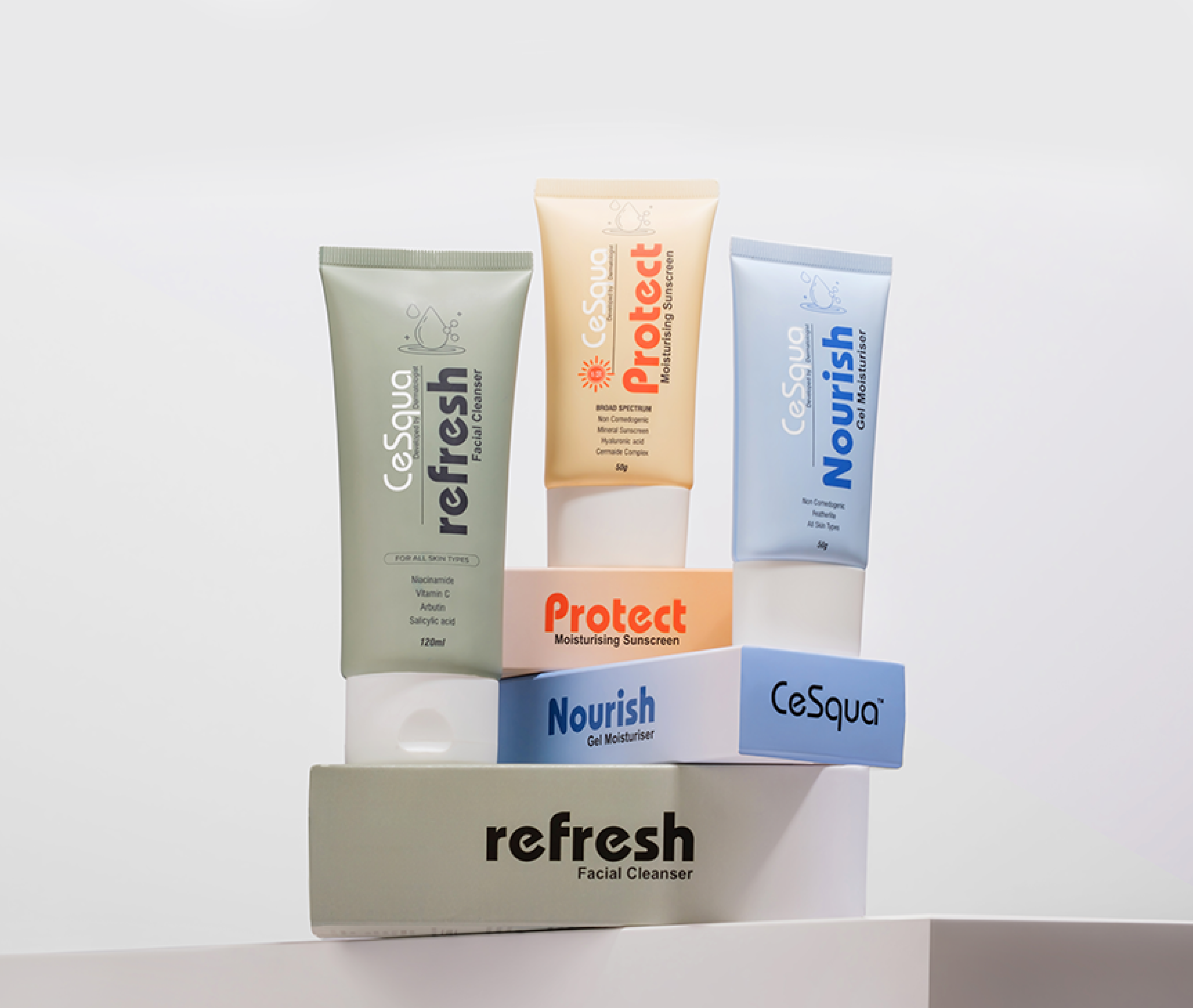
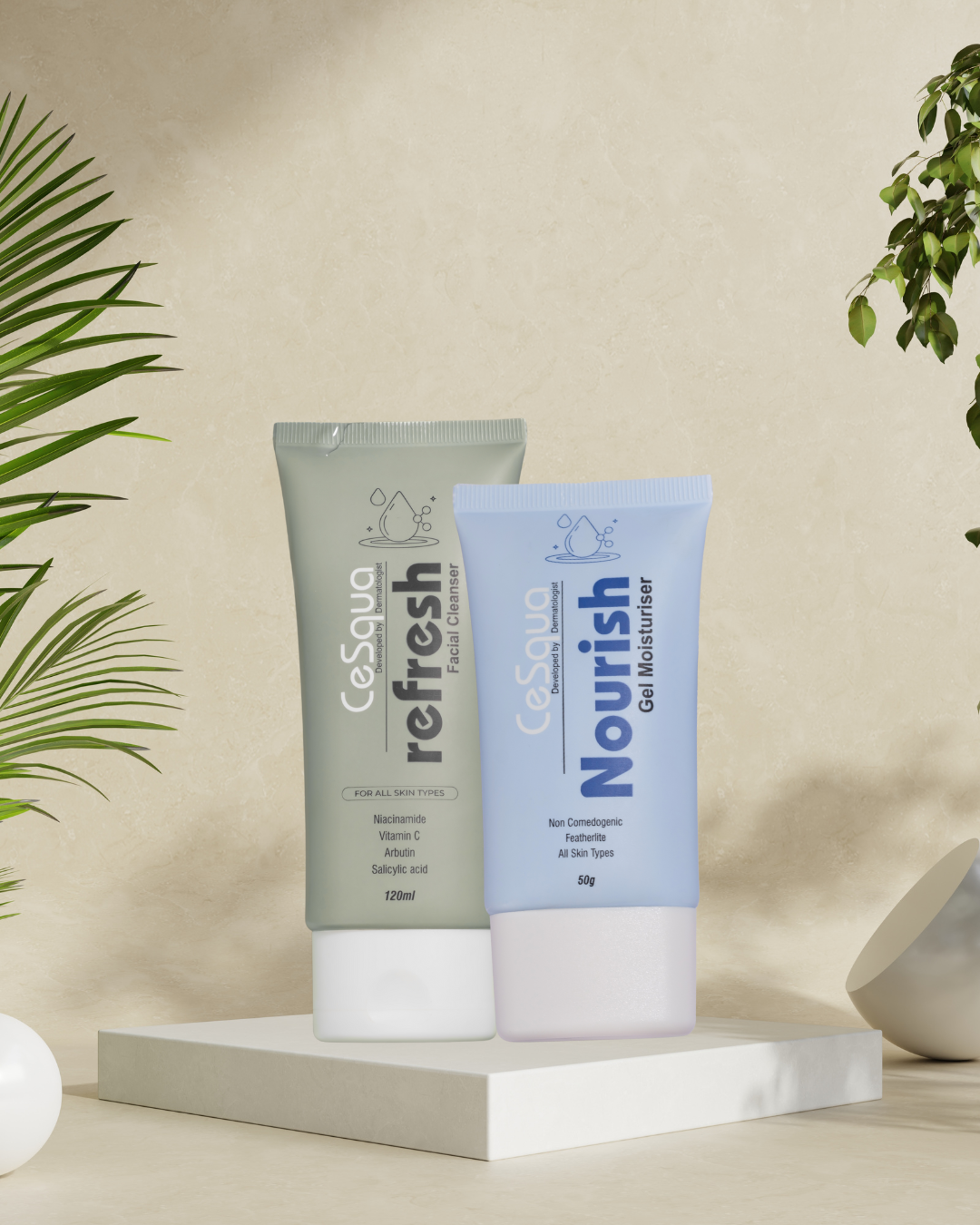
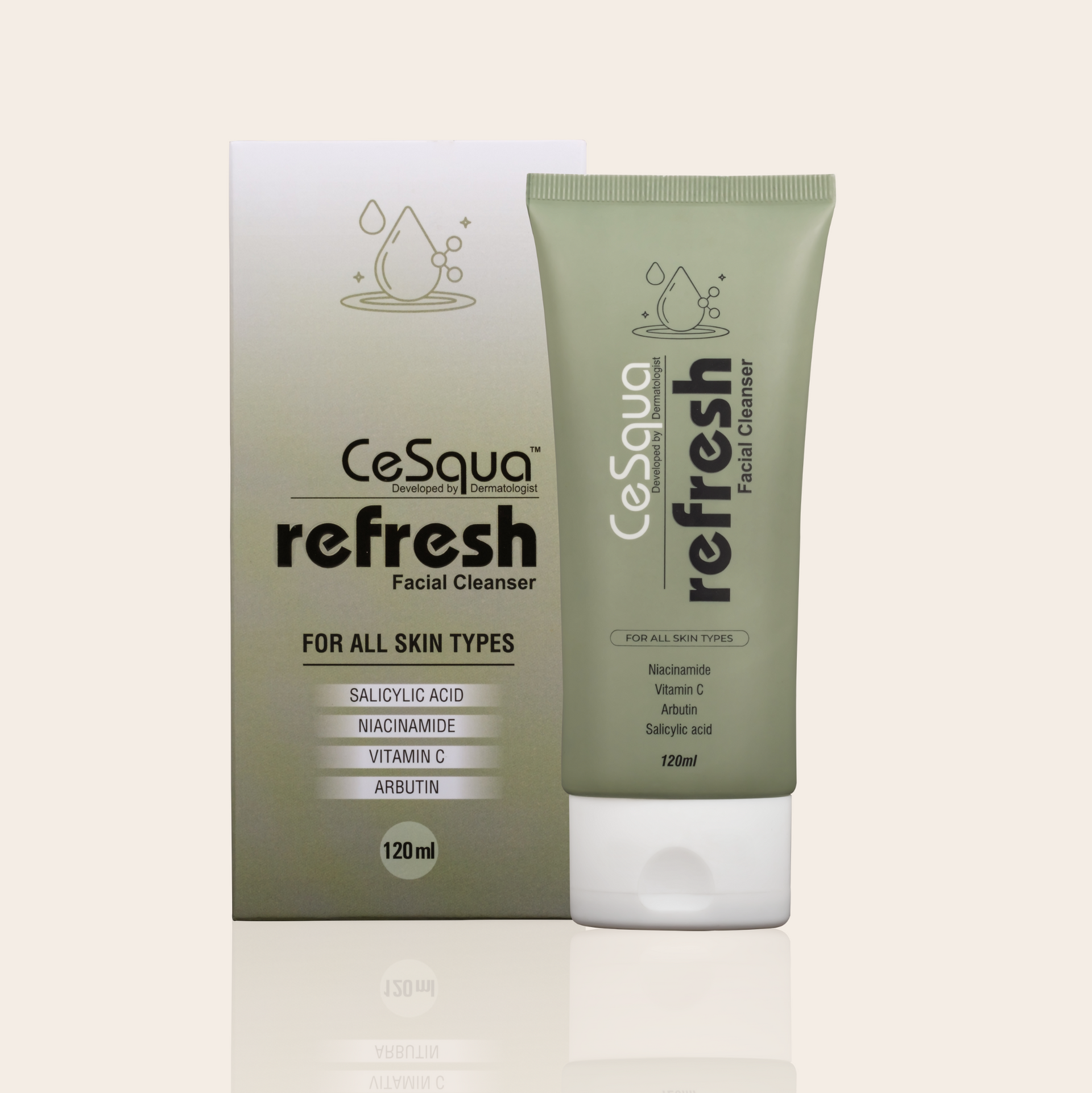
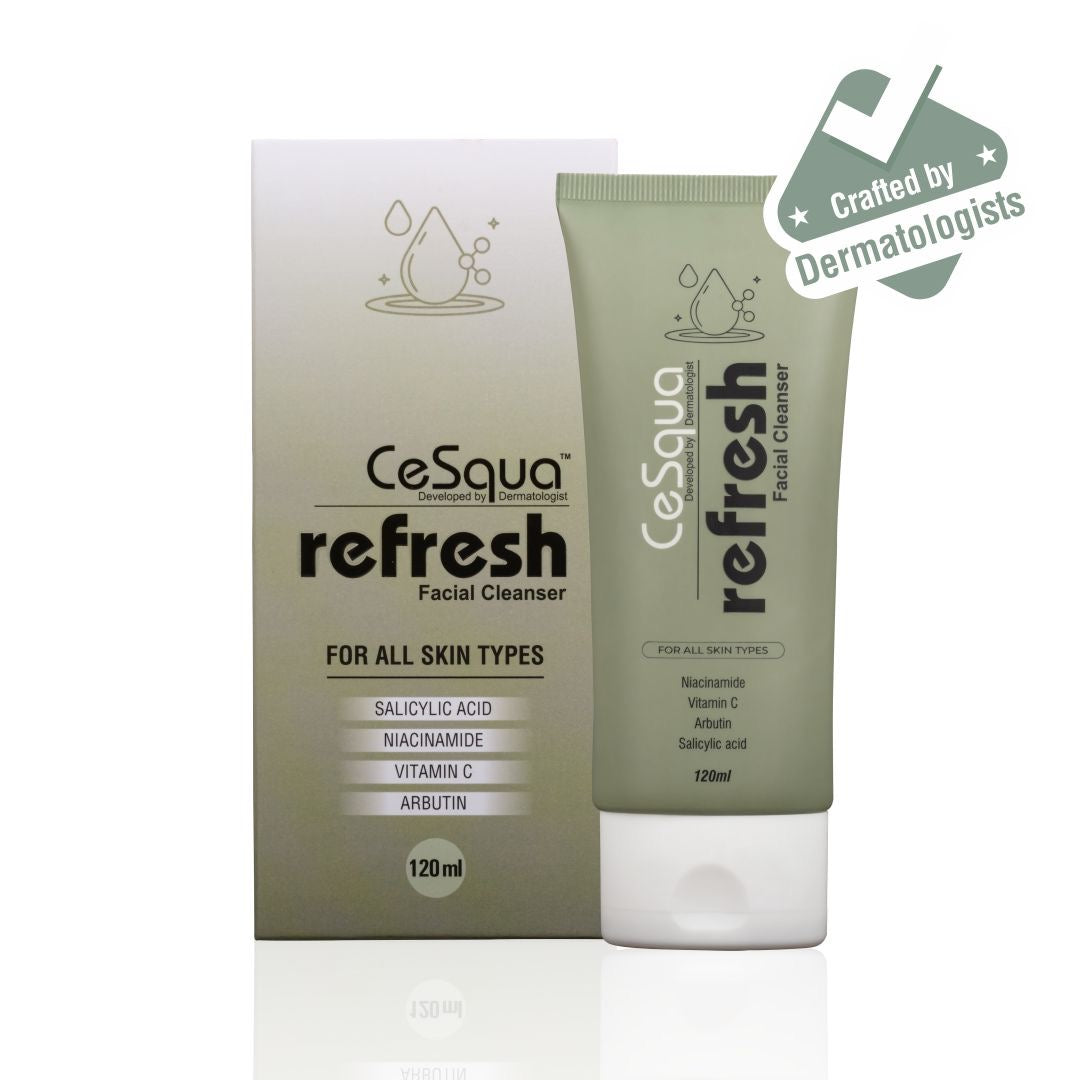
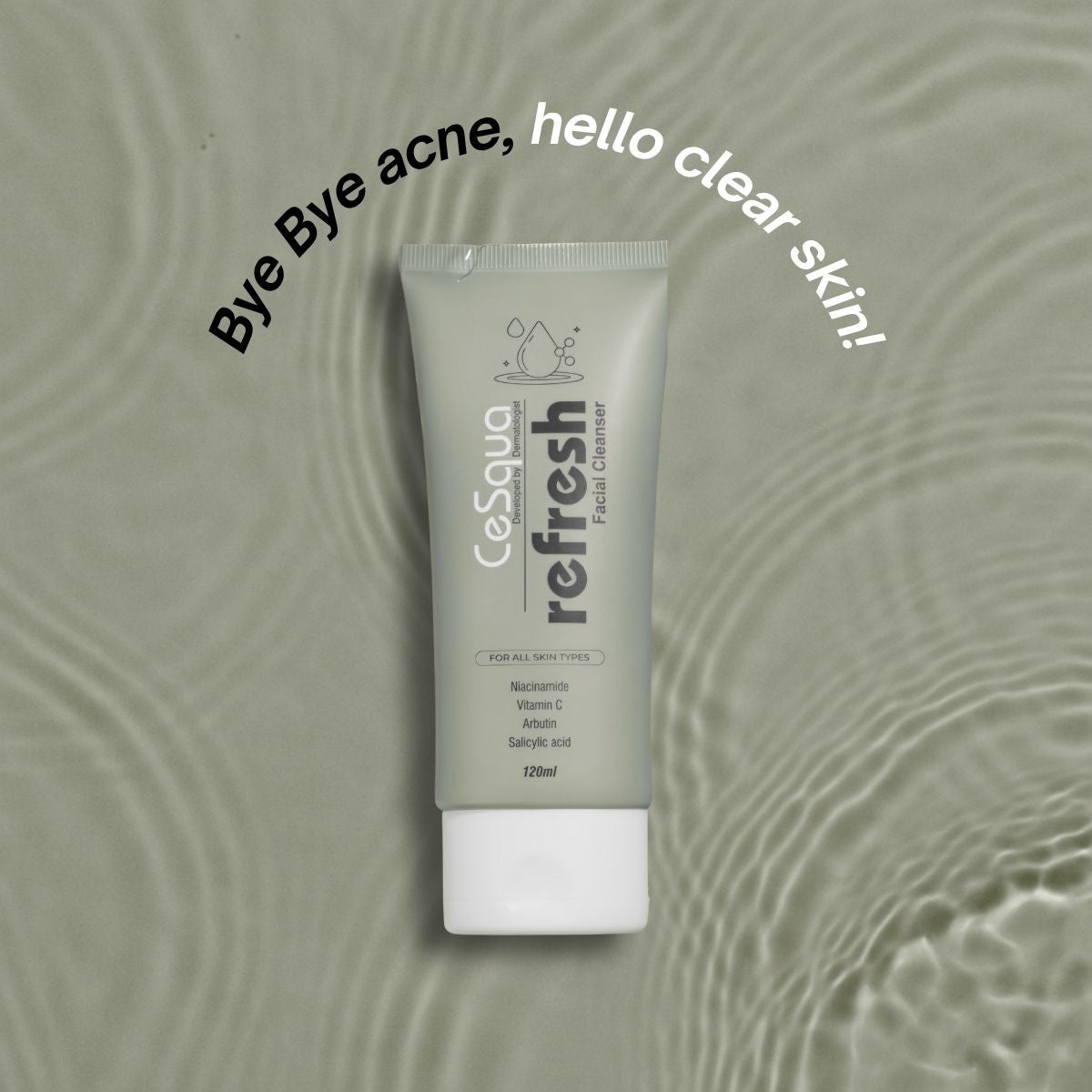
Select a non-stripping, pH-balanced cleanser that purifies without disrupting natural lipids. Ingredients like salicylic acid (gentle exfoliation), niacinamide (brightening), and hyaluronic acid (hydration) create an ideal cleaning foundation. The Refresh Facial Cleanser is suitable for all skin types, including sensitive or acne-prone skin, providing hydration from the first use.
2. Intense Hydration
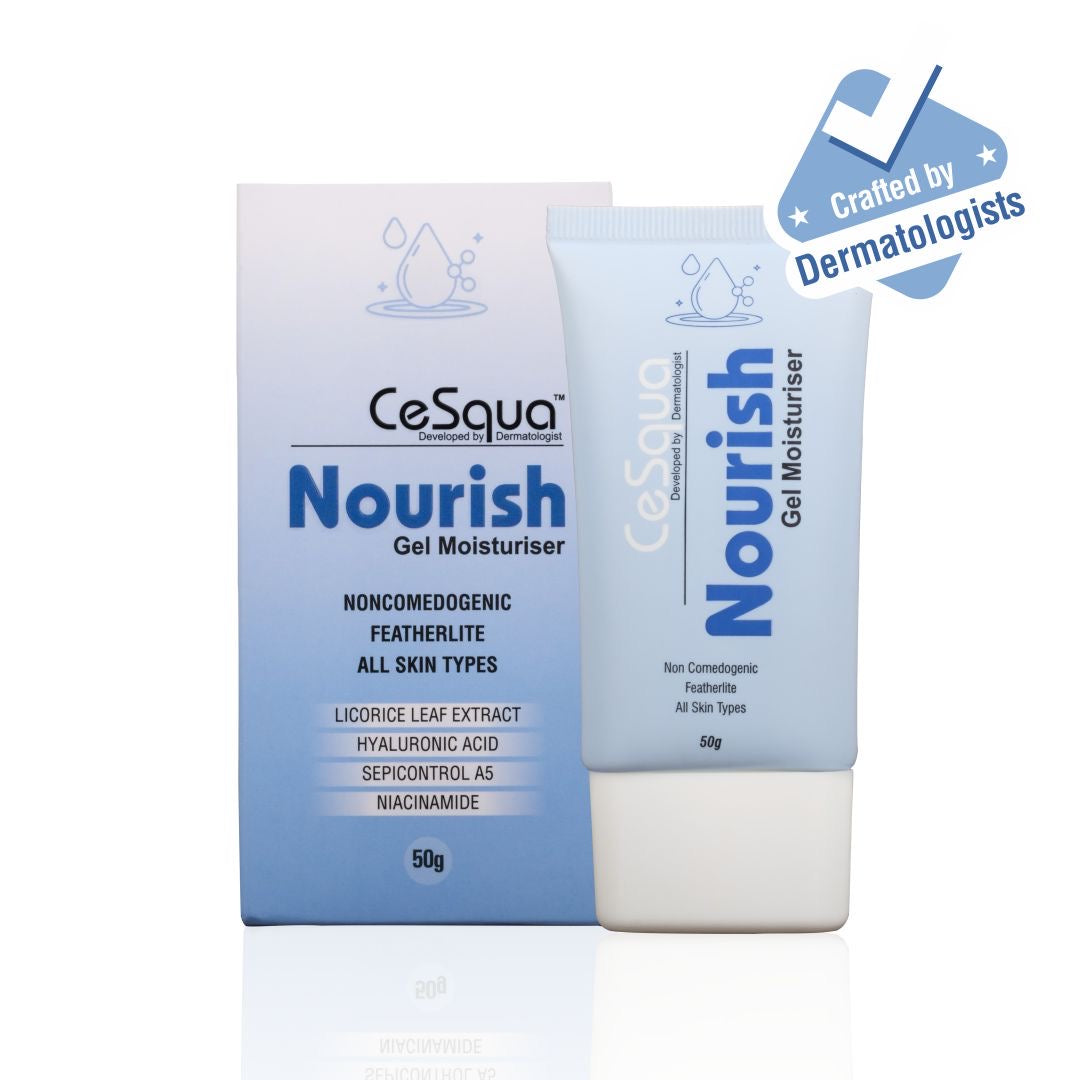
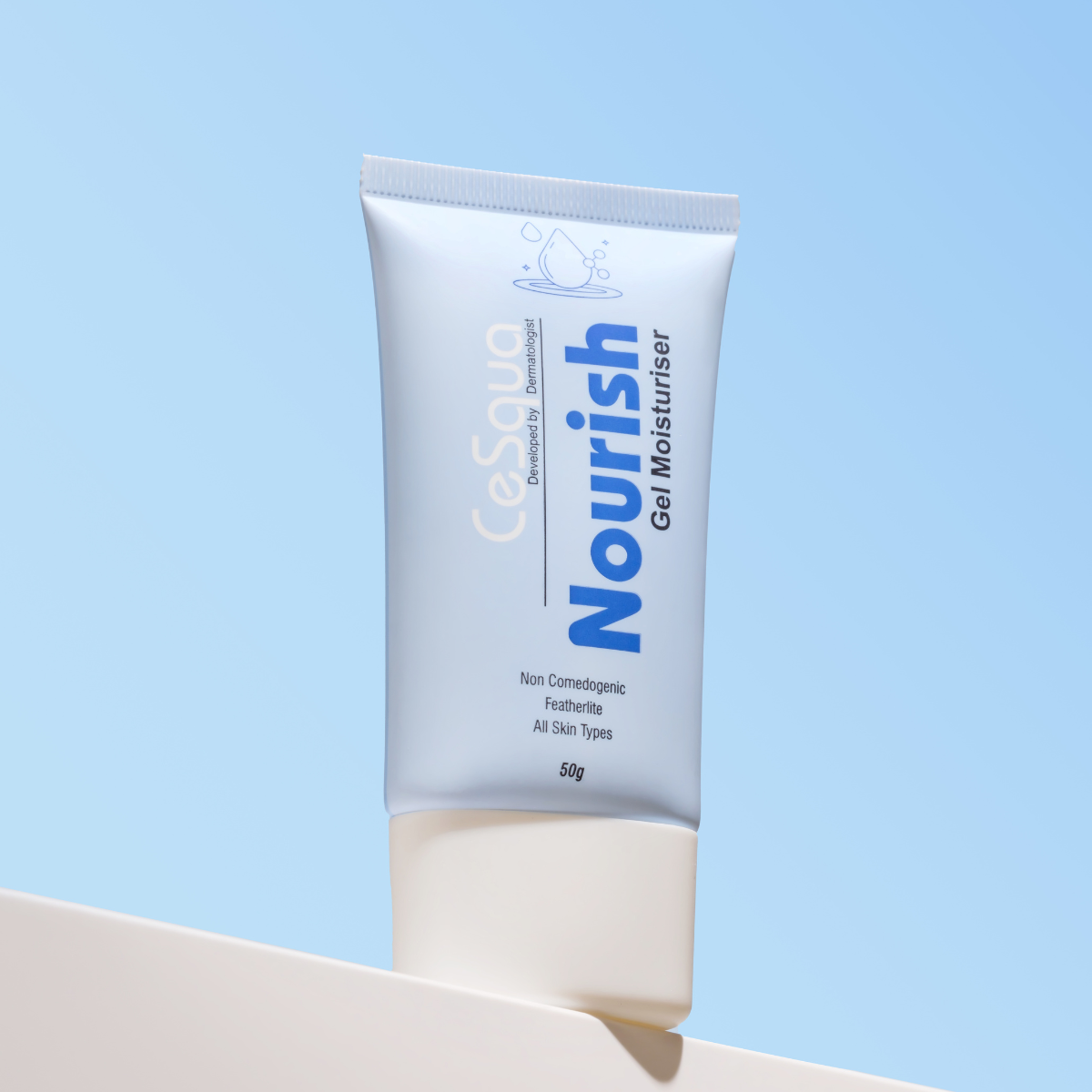
Immediately after cleansing, lock in moisture with a lightweight but deeply hydrating formula. Look for humectants like hyaluronic acid and glycerin, barrier-restoring ceramides, balancing zinc PCA, and soothing panthenol. The Nourish Gel Moisturiser absorbs rapidly, soothes irritation thanks to chamomile and licorice, and supports both oil control and comfort.
3. Daily Protection
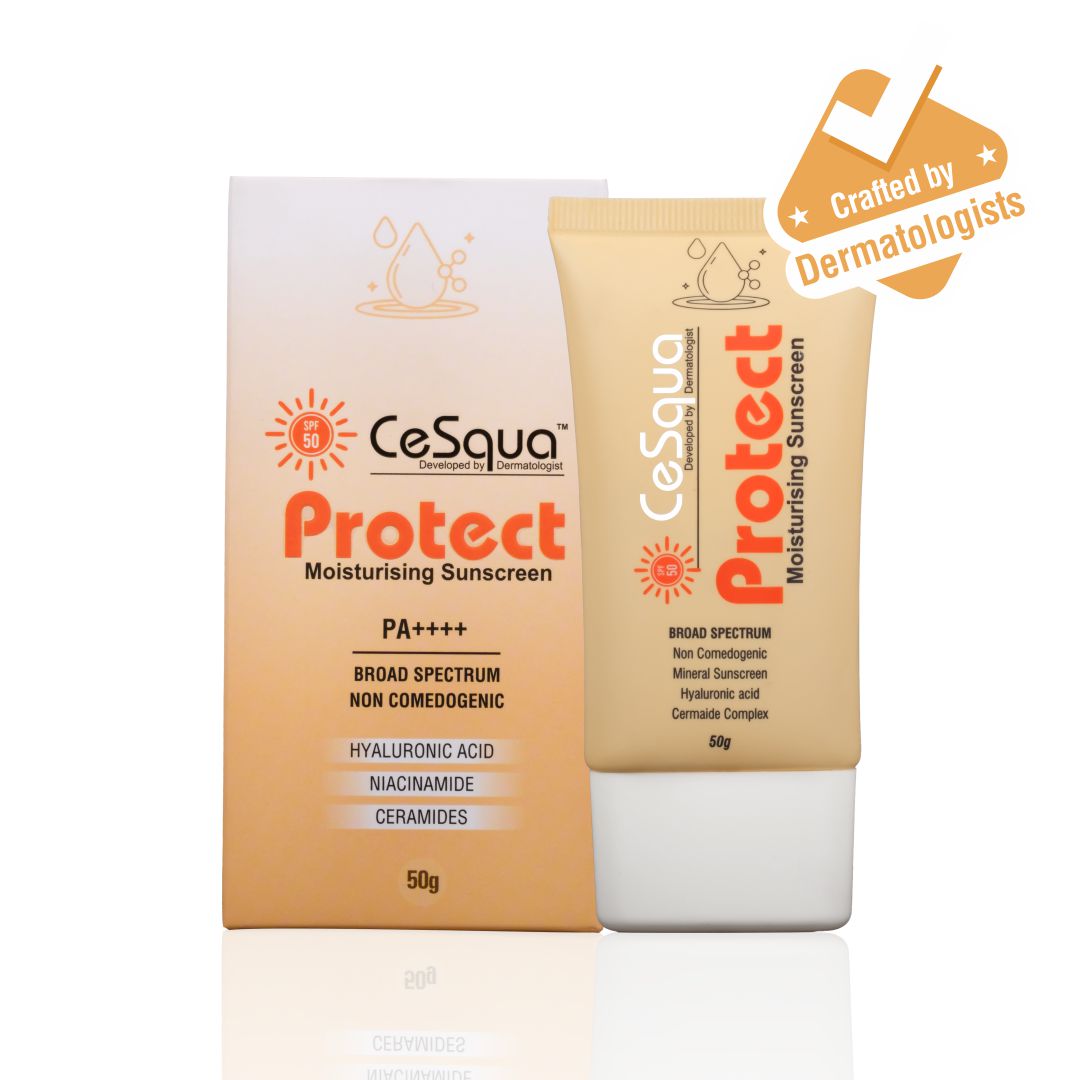
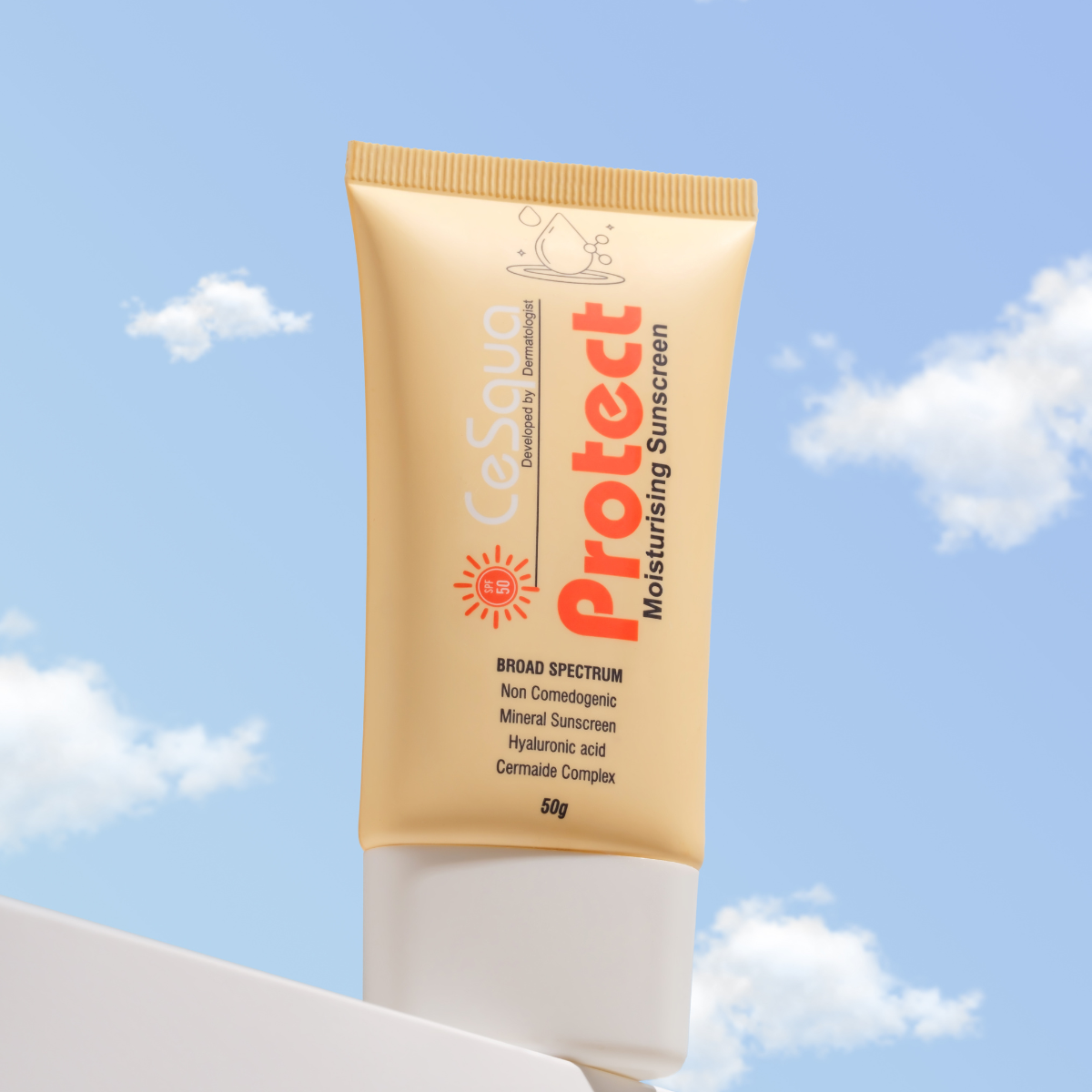
Daytime routines must include a broad-spectrum sunscreen to prevent UV damage and lipid degradation. The Protect Moisturising Sunscreen shields the skin with mineral filters (zinc oxide, titanium dioxide) and BlueShield to defend against blue light and pollution, while doubling as a moisturizer for daily wear.
This concise routine not only repairs the physical barrier but reduces the risk of introducing irritants and keeps routines practical. If your barrier is damaged, we recommend pausing all strong actives (exfoliants, retinoids) for 4-5 days, and then gradually reintroducing them.
Best Ingredients for Barrier Repair, Backed by CeSqua
Successfully repairing the barrier depends on phasing in ingredients with proven restoring power. Our formulations at CeSqua focus on:
- Ceramides: These essential fats create the mortar in the barrier wall, preventing moisture loss and protecting against environmental invasions.
- Hyaluronic Acid & Glycerin: Humectants draw and bind water, immediately boosting skin hydration.
- Niacinamide: Adds strength, reduces redness, and improves resilience for all skin types.
- Panthenol (Pro-Vitamin B5): Calms sensitivity, improves elasticity, and retains intradermal hydration.
- Chamomile & Zinc PCA: Ease inflammation and keep skin balanced, particularly valuable for redness-prone or acneic skin.
- Shea Butter (with Caution): Thick occlusives can lock in up to 99% of moisture, but use sparingly on oily skin to avoid clogging pores.
These ingredients are found across the entire CeSqua range, supporting effective, minimalist routines that prioritize the barrier first.
Barrier Health: Why Simple Routines Work
Many find that a complicated array of serums, exfoliants, and treatments ultimately does more harm than good—especially when it comes to the barrier. At CeSqua, we were founded on the dermatologist’s realization that fewer, high-quality products tailored to barrier support are far more effective than confusing multi-step routines. By minimizing disruptive ingredients and maximizing proven repair agents, users report visible improvements in hydration, smoothness, and resilience in as little as 2–4 weeks.
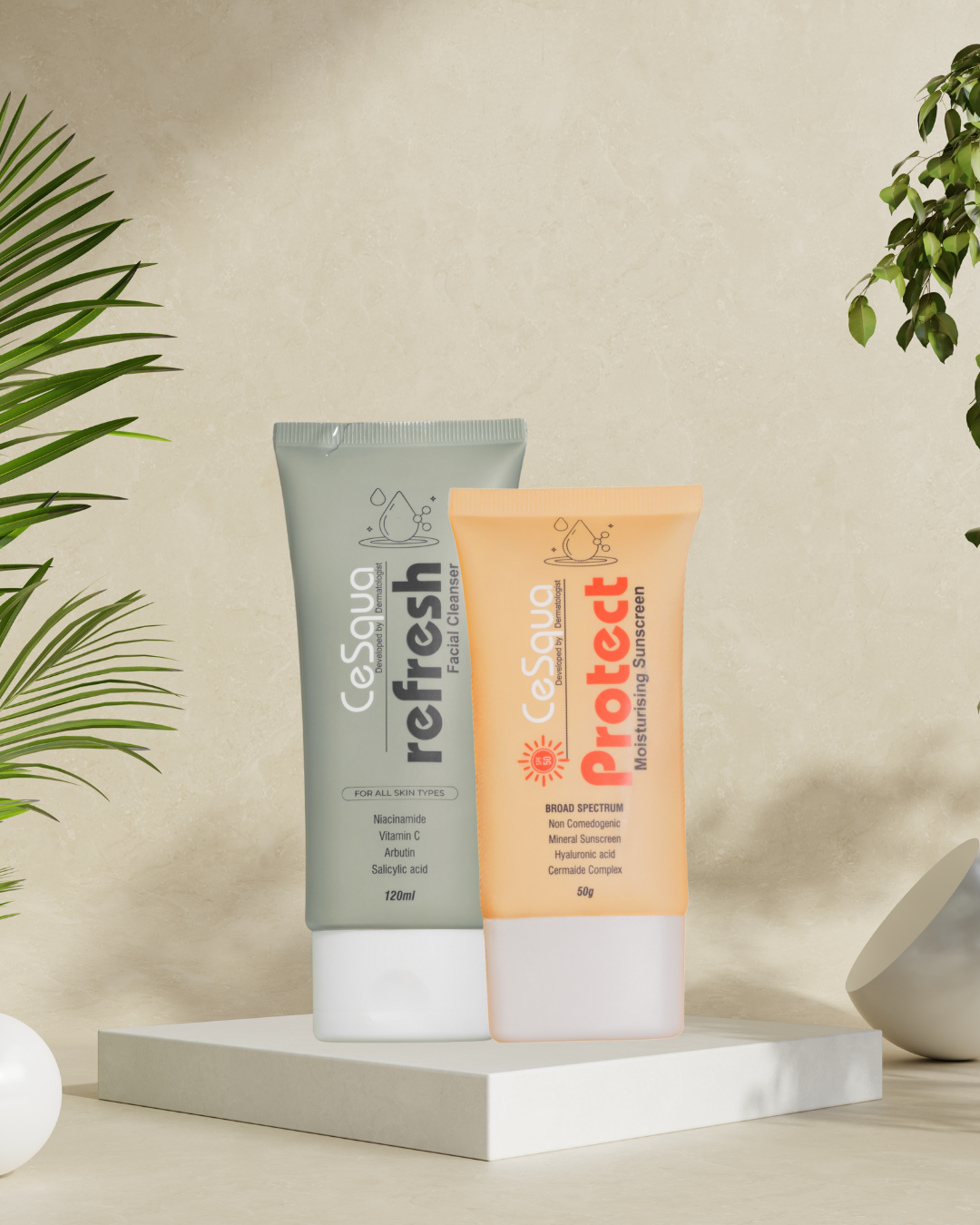
Curated skincare combos, such as the Refresh + Nourish for acneic or irritated skin and Refresh + Protect for daily environmental defense, simplify yet amplify results. For more about the science behind barrier-first approaches, explore our guide on skin microbiome and reactive skin.

Best Practices for Long-Term Barrier Maintenance
- Stick to gentle, pH-balanced cleansers—avoid harsh soaps or over-washing.
- Use effective but non-irritating hydrators and protective moisturizers daily.
- Never skip broad-spectrum sunscreen, even indoors (for more, read our take on SPF and screen-heavy environments).
- Reintroduce exfoliating acids or retinoids slowly after barrier repair and only as tolerated.
- Monitor environmental factors like pollution and humidity, and adjust your routine seasonally. Our winter-proofing guide offers valuable seasonal tips.
Above all, if you suspect chronic barrier dysfunction (persistent redness, burning, flaking), consider consulting a dermatologist, as this may signal underlying dermatological conditions.
Frequently Asked Questions: Skin Barrier & Moisture Barrier Explained
What is the difference between the skin barrier and the moisture barrier?
There is no real difference. Both terms describe the stratum corneum—the outermost skin layer responsible for both protection from external aggressors and moisture retention.
How can I quickly tell if my skin barrier is damaged?
Look for signs like lasting tightness, redness, irritation, and increased sensitivity, especially after using strong actives or new products. Your skin may feel uncomfortable even after applying moisturizer and can appear dull or flaky.
What ingredients most effectively repair the barrier?
Ceramides, hyaluronic acid, glycerin, niacinamide, panthenol, and soothing botanicals like chamomile support barrier restoration. At CeSqua, these are integral to our core product formulas.
Should I avoid all actives when my barrier is damaged?
Yes, pause potent actives such as exfoliating acids and retinoids for several days until sensitivity resolves, then gradually reintroduce them as your skin tolerates.
Can I repair my barrier while treating acne or pigmentation?
With gentle, balanced routines—yes. Hydrators and ingredients like niacinamide and zinc PCA help manage oil and support skin clarity while rebuilding the barrier.
How long does it take to repair a damaged skin barrier?
Symptoms often improve within a week of focused, gentle care, but complete structural recovery may take 4–8 weeks, especially if the barrier has been repeatedly compromised.
Is sunscreen really necessary for barrier maintenance?
Absolutely. UV radiation not only causes pigmentation and premature aging but also depletes vital barrier lipids, making diligent sunscreen use critical year-round.
Conclusion: Prioritize Simplicity for a Stronger, Healthier Barrier
Whether you refer to it as the skin barrier or the moisture barrier, what matters most is how intentionally you protect and replenish it. At CeSqua, our guiding principle is straightforward: a healthy barrier is the cornerstone of every glowing complexion. With carefully designed, multifunctional products featuring dermatologist-approved actives, barrier care becomes accessible, effective, and effortless. Explore our skincare solutions and experience the benefits of simplicity-focused routines built to last.