



Yes, sunscreen expires. Using sunscreen past its expiration date or after signs of degradation means you may not be getting the protection you think you are. All sunscreens, including both mineral and chemical formulas, have a shelf life determined by their ingredients and how they are stored. The most authoritative guidance is clear: after expiration, sunscreen is no longer guaranteed to shield your skin against sunburn, premature aging, and skin cancer.
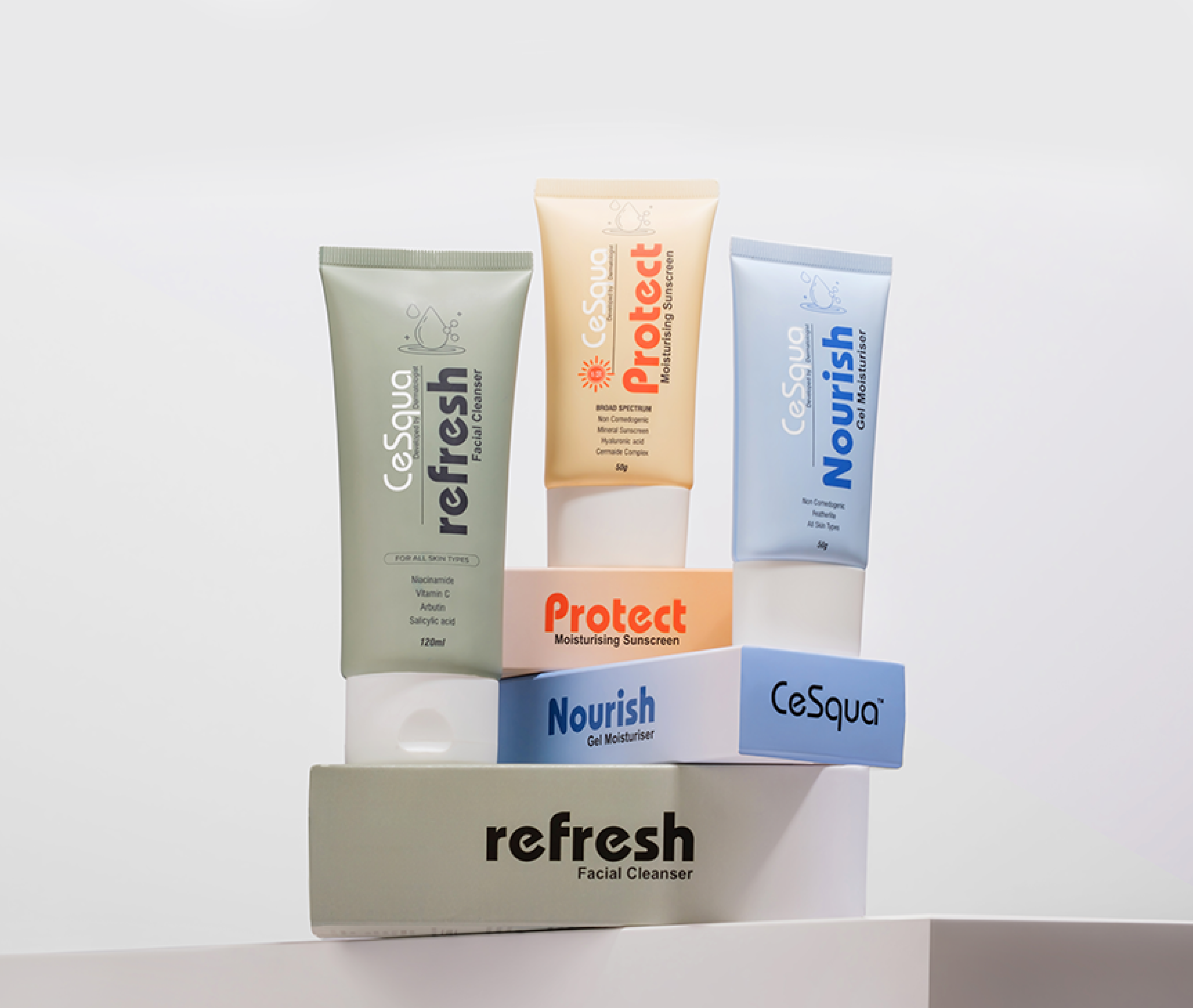
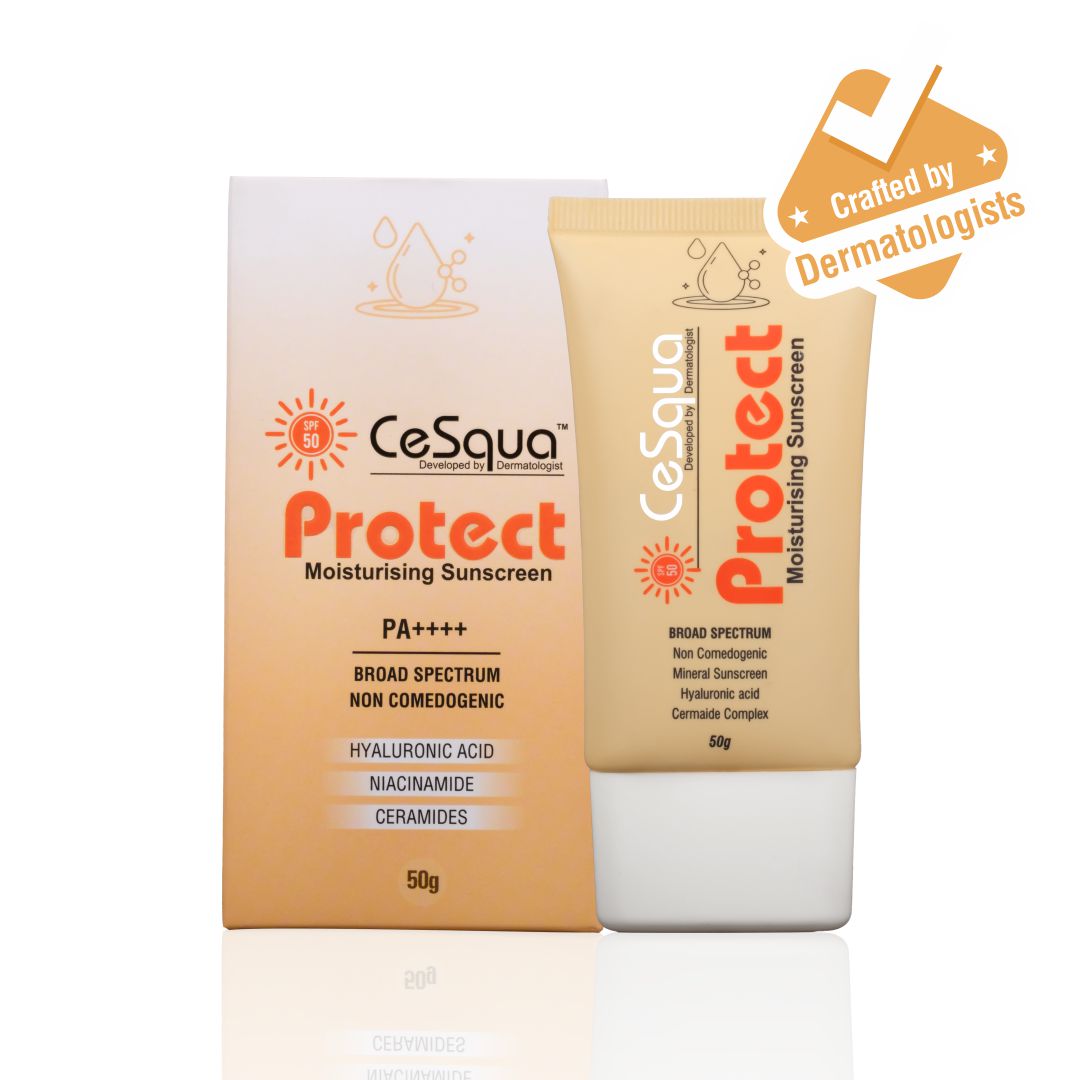
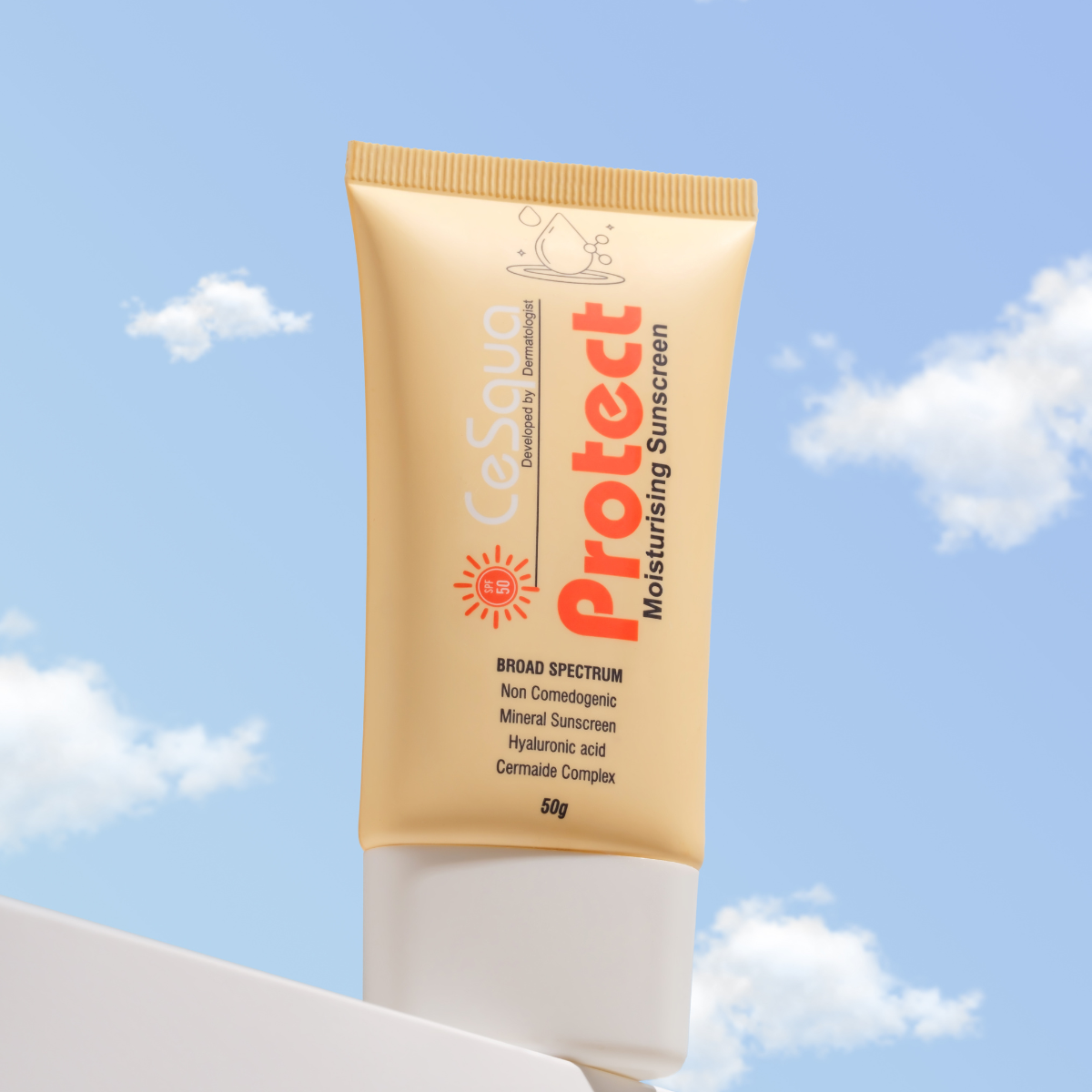
At CeSqua, our dermatology-led approach is rooted in protecting your skin with daily, dependable SPF. Our Protect Moisturising Sunscreen is designed for everyday application—not as an afterthought—so it's always fresh and never lingers unused until its expiration.
What Does It Mean For Sunscreen To Expire?
Expiration refers to the point when a sunscreen can no longer reliably deliver the level of sun protection printed on its label. Regulatory authorities, including the U.S. FDA, require that sunscreen formulas remain stable and effective for up to three years if stored properly. Beyond this window, or if exposed to extreme environments, breakdown of active ingredients and preservative systems threatens both the efficacy and safety of the product.
How Long Does Sunscreen Last?
- Unopened sunscreen - Typically remains effective for up to three years when stored in a cool, dry place or until the printed expiry date.
- Opened sunscreen - Most are reliable for 12 to 24 months after opening, provided there is no change in smell, color, or texture, and you remain within the expiry date. Look for symbols such as “12M” or “24M” (months after opening).
Always check the expiration date on your sunscreen packaging. If it has passed, discontinue use—even if the product looks or smells normal.

How To Tell If Your Sunscreen Is Still Protective
There is a clear step-by-step approach you can use to determine if your sunscreen is still effective:
- Check the expiration date – If the date has passed, replace it. Do not risk partial or ineffective protection.
- Look for change in consistency – Watery, separated, clumpy, or grainy texture signals breakdown of the formula.
- Notice any discoloration – Yellowed, darkened, or patchy appearance means the active filters may have destabilized.
- Smell it – Any sour, rancid, or off odor is a reason to throw it away.
- Recall storage conditions – Exposure to heat, humidity, or sunlight (for example, leaving sunscreen in your car or at the beach) accelerates breakdown even before the printed date.
Six Signs Your Sunscreen Has Gone Bad
- Expired date printed on packaging
- Formula is watery, clumpy, or separated
- Color has changed
- Sour, chemical, or otherwise off smell
- Pump or tube dispenses oil and cream separately
- Product has spent time in very hot or sunny places
Why Expired Sunscreen Is Dangerous
Once sunscreen is expired or degraded, its core UV filters lose stability. Both mineral ingredients (like zinc oxide and titanium dioxide) and chemical filters (such as avobenzone or octinoxate) require proper formulation to provide consistent broad spectrum protection. As formulas age or are stored harshly:
- SPF value decreases
- UV filters may separate or become inactive
- Coverage on skin becomes patchy, risking sunburn and pigmentation
- Preservatives may weaken, increasing risk of bacterial contamination
Expired sunscreen often feels normal when applied, but it cannot guarantee real protection. It's always safer to start fresh with a new product.

Best Practices: How to Store Sunscreen and Use It Before Expiration
- Store at room temperature and away from sunlight
- Keep the cap tightly closed after every use to limit air and moisture exposure
- Do not leave sunscreen in hot cars or bathrooms, even for a single day
- If you rotate several tubes, write the "opened on" date in permanent marker
- Always finish opened sunscreen within 12 months, or as indicated on the label, even if not expired
- Make sunscreen a daily habit to reliably use it up while it's still fresh
At CeSqua, our Protect Moisturising Sunscreen is your all-in-one moisturiser and sunscreen—encouraging everyday use so a tube is always finished well before expiration. This simple yet effective routine eliminates the guesswork and safety risk of using old sunscreen.
Common Myths About Sunscreen Expiration
-
“If it looks and smells normal, it still works.”
Fact: Spent or degraded filters may be invisible to your senses, but protection is not guaranteed after the expiry date. -
“Mineral sunscreen does not expire.”
Fact: While the minerals themselves don't spoil, the overall formula—including emollients and stabilisers—can break down. -
“Some protection is still better than none.”
Fact: Worn-out sunscreen may provide a false sense of security while letting in dangerous UV rays.
CeSqua’s Approach: Simple, Consistent Sun Protection
We designed CeSqua’s Protect Moisturising Sunscreen to serve as both your daily moisturiser and SPF in one step, making it easy to finish each tube while it's still within the safe, protective window. Our non-greasy, non-comedogenic formula suits sensitive, oily, and acne-prone skin, layers easily under makeup, and provides broad spectrum defense plus extra BlueShield protection against blue light and pollutants.
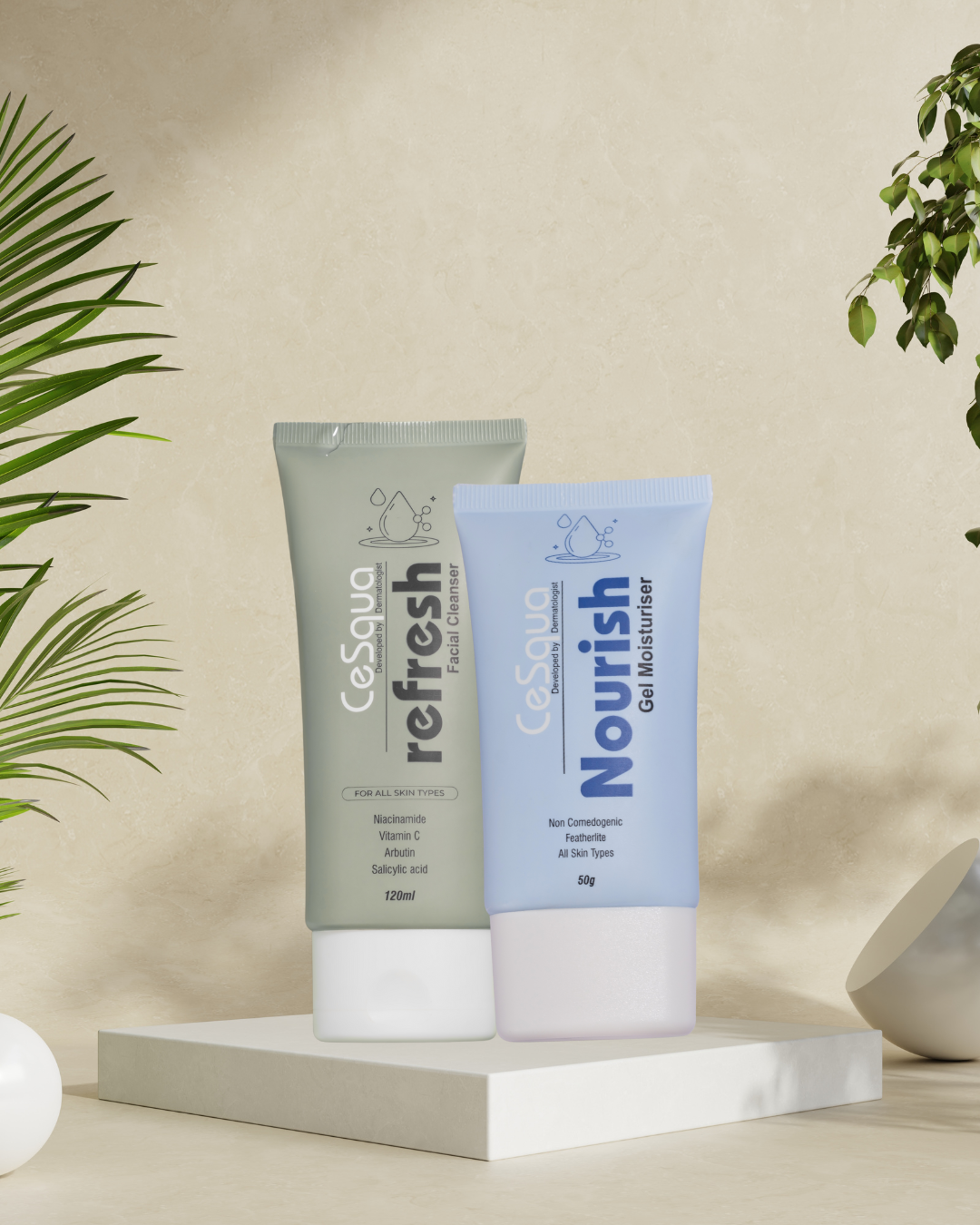
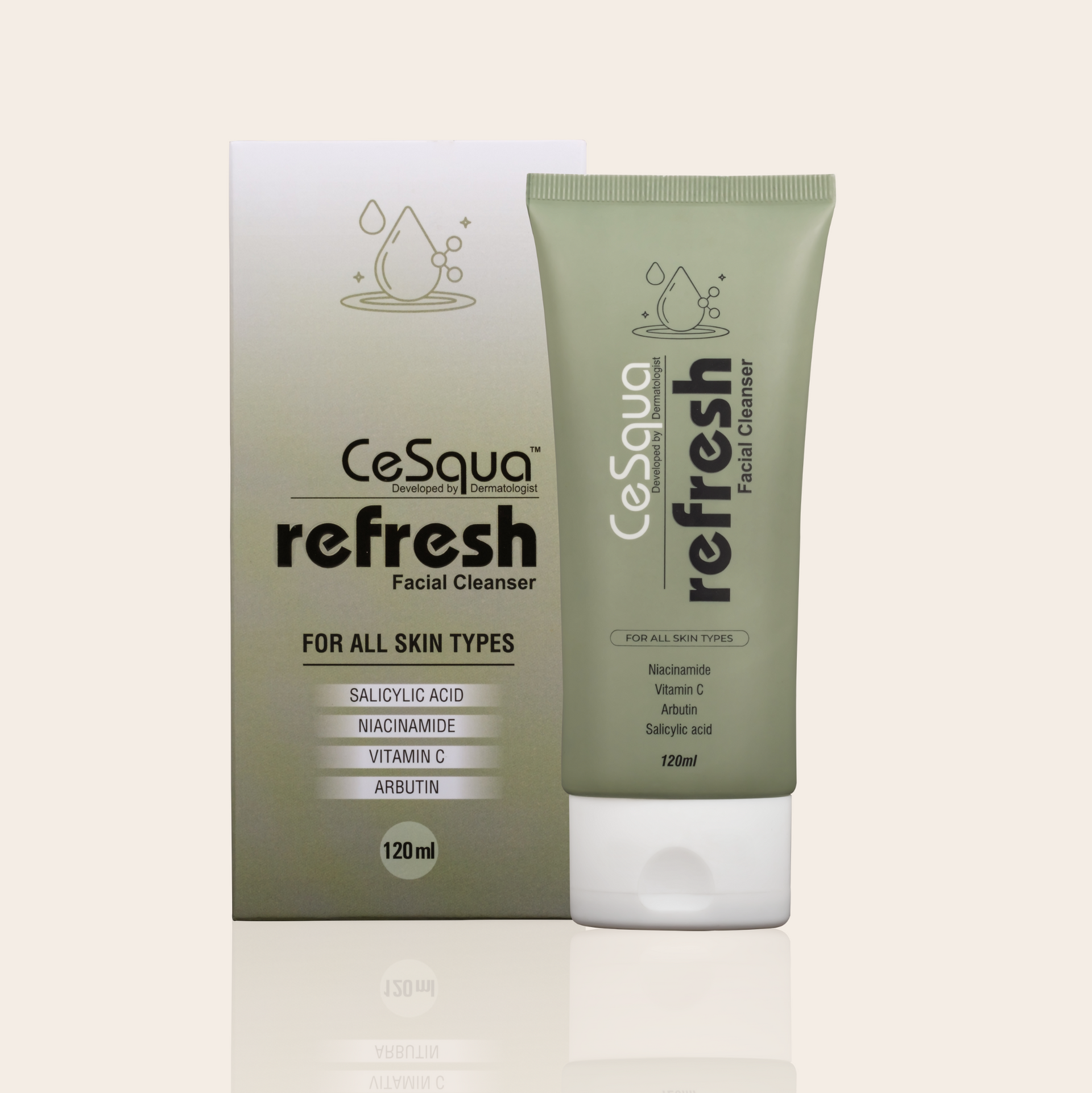
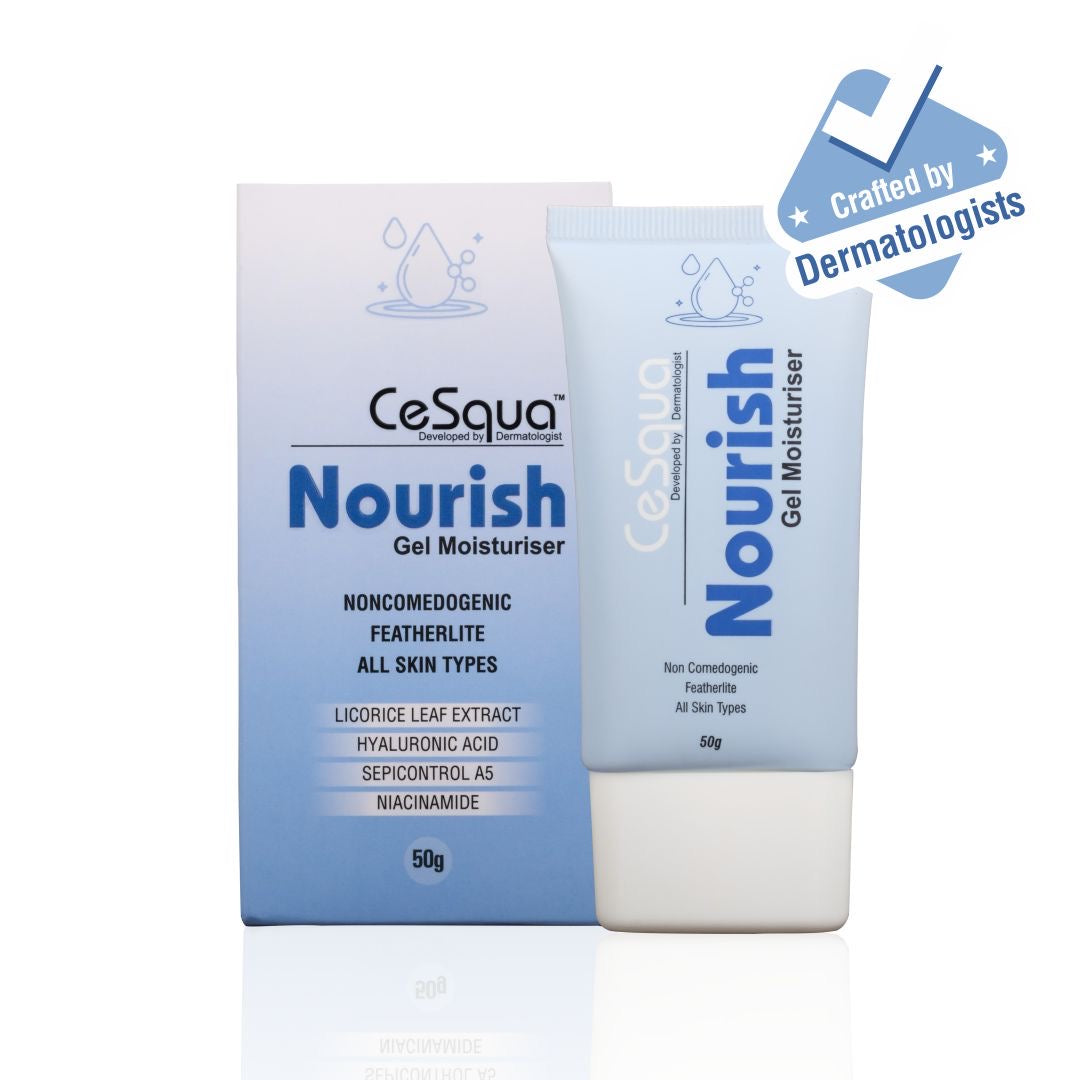
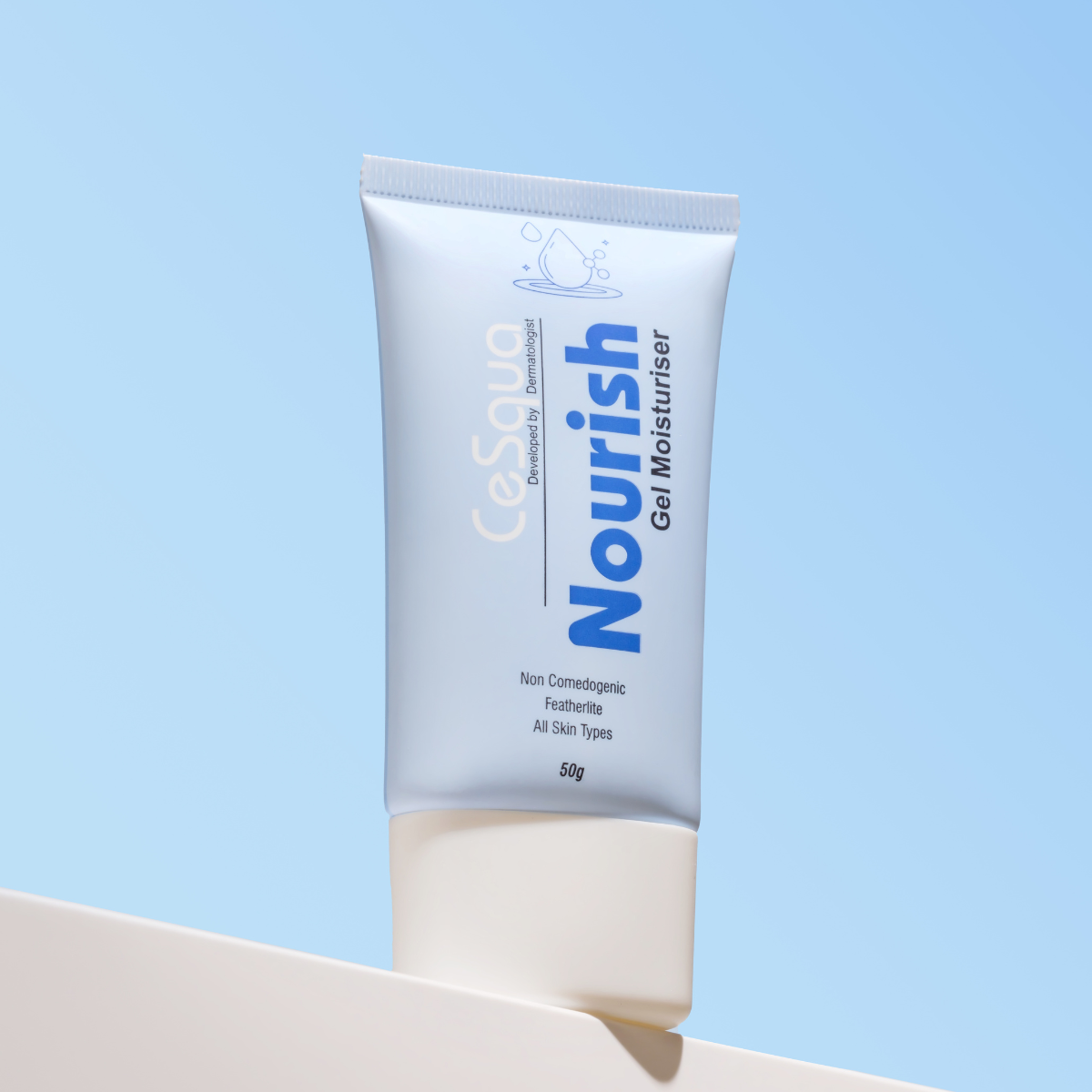
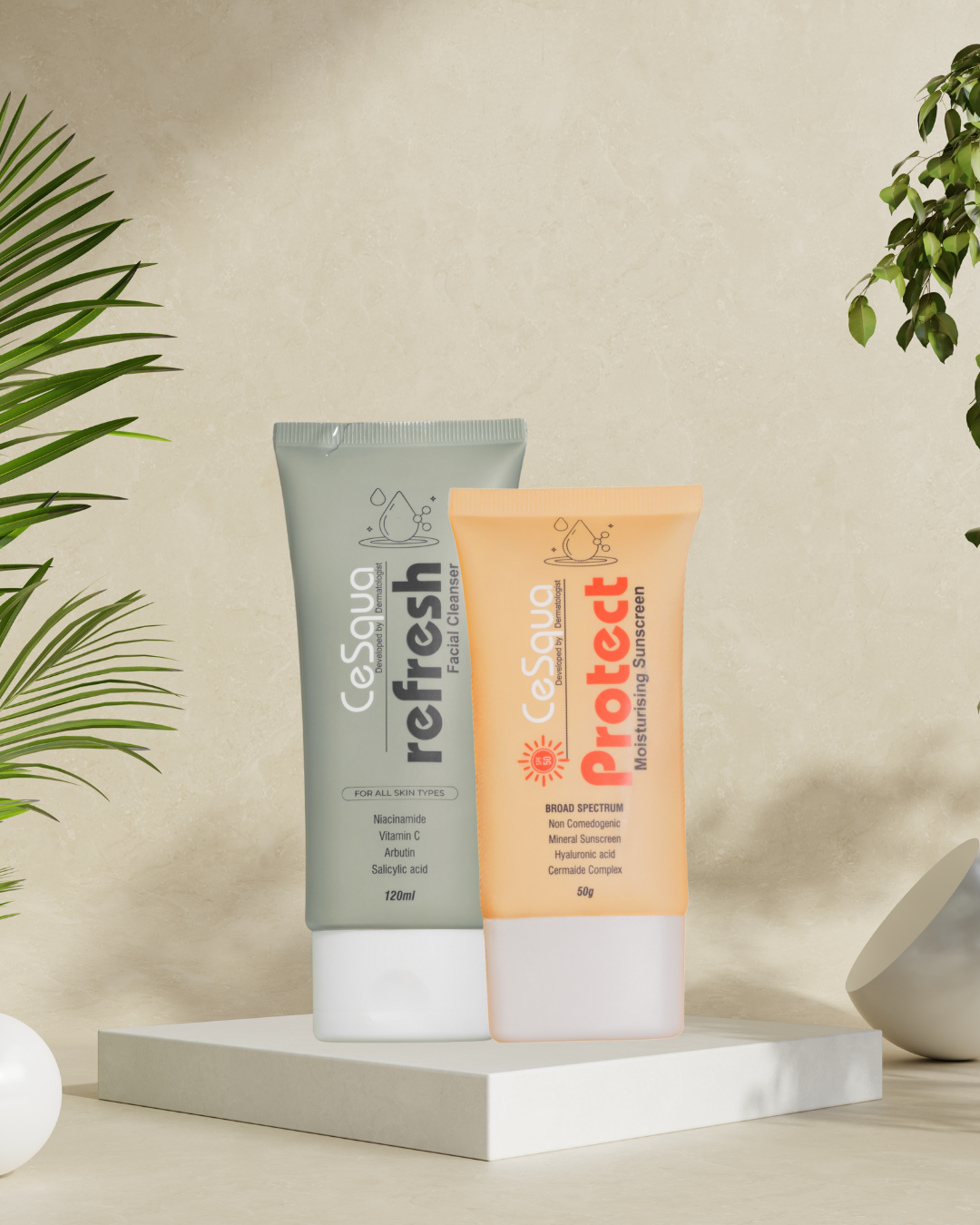
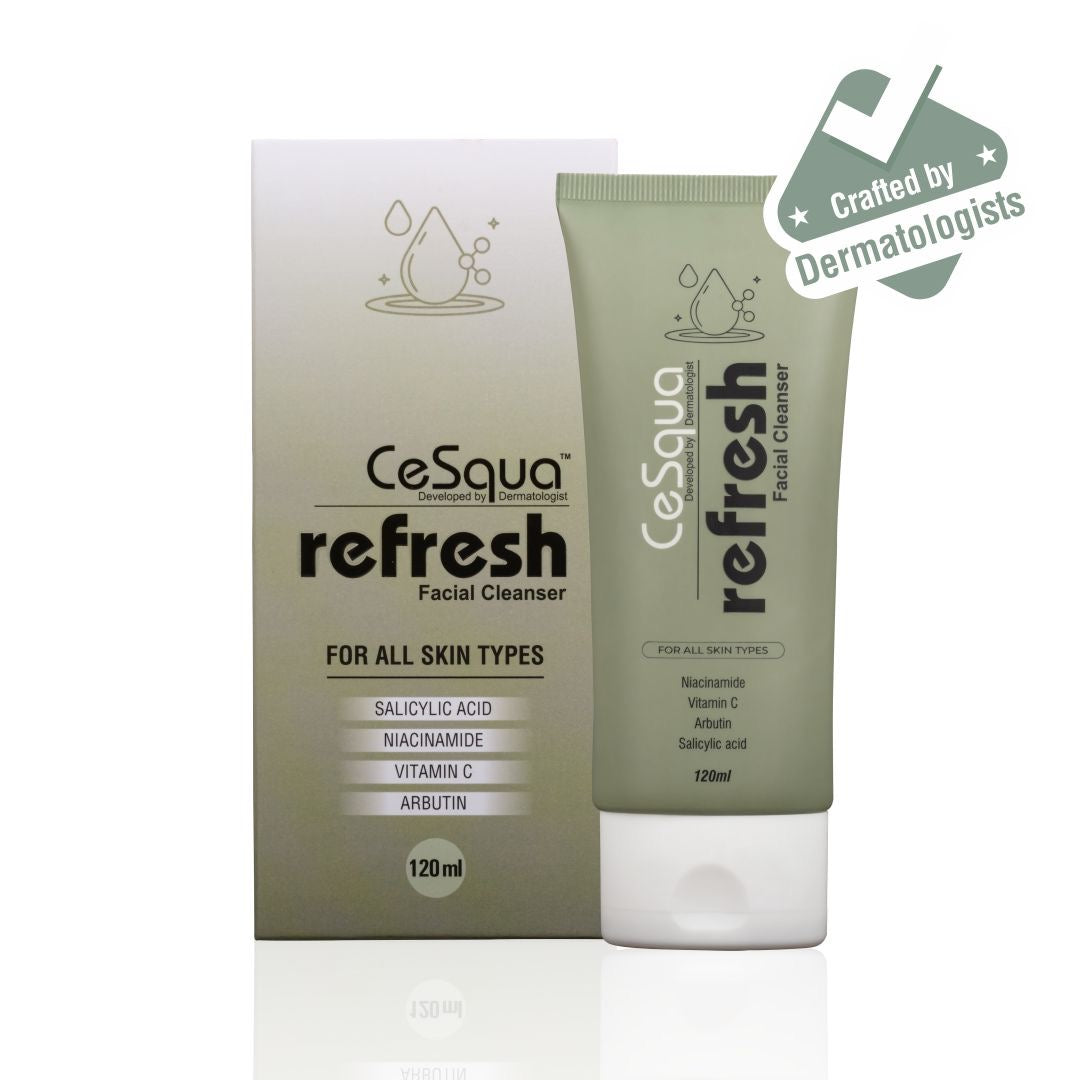
Daily use prevents bottles from lingering unused, which is the real risk for accidental use past expiry. The CeSqua system, with its streamlined three-step routine—including Refresh Facial Cleanser and Nourish Gel Moisturiser—removes the confusion and complexity from skincare, making reliable photoprotection second nature.
Practical Checklist: Is Your Sunscreen Still Safe And Effective?
- Check the expiration date on tube or carton
- Look for an open-jar symbol, and make sure you are within months stated after opening
- Inspect for changes in texture—watery, clumpy, separation
- Check for off color or odd smell
- Recall storage—replace if exposed to heat or sunlight for extended periods
- When in doubt, discard and use a fresh product
How Much Sunscreen Should You Use to Avoid Waste—and Expiry?
- For face and neck, use two full finger lengths of sunscreen (“two finger rule”)
- For full body, use around 30 ml (about one shot glass) per application
- Apply generously every morning and reapply every 2 hours if outdoors or after swimming, sweating, or towel drying
When used at the recommended amount daily, a standard tube of CeSqua Protect Moisturising Sunscreen is unlikely to last up to its full expiration period—keeping your routine fresh and your skin protected.

Related Reading & Internal Links
- Need clarity on what SPF you should use daily?
- Wondering about the difference between mineral and chemical sunscreens?
- Want to know how to apply sunscreen for maximum protection?
- Learn how to reapply water-resistant sunscreen correctly.
Frequently Asked Questions
How do I know if my sunscreen is expired?
Check the printed expiration date. Inspect texture, color, and smell for changes. If anything seems off, or the date has passed, discard the product.
Does mineral sunscreen expire too?
Yes. While minerals themselves are stable, the product base and emulsifiers can break down over time. Always respect the date on the packaging.
What should I do if my sunscreen was left in a hot car?
High heat accelerates breakdown. Visually check for separation, odor, or color change and discard if there is any doubt.
Can I use sunscreen past the expiration in an emergency?
Dermatologists advise against it, since the actual protection is unknown. Fresh sunscreen is the only way to ensure real defense.
How long should a tube of sunscreen last if I apply it properly?
If used daily and in recommended amounts, a standard face tube (50-75 ml) is typically finished within 2-3 months—long before expiration becomes an issue.
How can I make sure I'm always using fresh sunscreen?
Use sunscreen as part of your daily routine and finish each tube before buying more. CeSqua’s multi-functional products are designed to encourage simple, consistent application.
Key Takeaways
- Sunscreen does expire. Expired sunscreen cannot guarantee its labeled protection.
- Respect both the printed expiry and any changes in texture, color, or smell.
- Proper storage prevents premature failure. Avoid heat and sunlight.
- Daily use, in sufficient quantity, eliminates the risk of old, forgotten sunscreen.
- CeSqua makes sun protection effortless—by building SPF into your everyday moisturizer, you avoid all guesswork about expiration and maximize real skin health benefits.
If you want to simplify your skincare and always be confident about your photoprotection, explore our streamlined, dermatologist-created routines at CeSqua.