



Choosing a sunscreen when you have sensitive skin can feel both overwhelming and frustrating. Many people experience burning, breakouts, or redness after using popular sunscreens, leading to endless trial and error. The good news is there is a clear, evidence-backed solution: mineral sunscreen is the safest, most reliable choice for sensitive skin. Understanding why, and how to pick the right formula, can help you avoid irritation and confidently protect your skin every single day.
Definition: Mineral vs. Chemical Sunscreen
Mineral sunscreen (sometimes known as physical sunscreen) uses naturally occurring minerals—zinc oxide and titanium dioxide—as active ingredients that sit on top of your skin and reflect UV rays. Chemical sunscreen, on the other hand, relies on synthetic compounds like oxybenzone and avobenzone that absorb into the skin and filter UV rays by converting them to heat.
How Each Works: Sensitive Skin Matters
Mineral Sunscreen: The Reflective Shield
Mineral sunscreens work as a physical barrier. The mineral particles remain on your skin’s surface, reflecting and scattering the sun’s ultraviolet radiation. Because they don’t penetrate the skin or interact with skin cells, mineral sunscreens generally cause less irritation—a critical advantage for those of us with reactive, sensitive, or allergy-prone skin.
Chemical Sunscreen: The Absorptive Filter
Chemical sunscreen ingredients are absorbed into the superficial layers of your skin, where they perform a chemical reaction to convert UV rays into heat, which is then released. While this method allows for lightweight, invisible finishes that blend easily, it can cause stinging, rashes, and increased sensitivity—especially if your skin barrier is already compromised.

Why Dermatologists and CeSqua Recommend Mineral Sunscreen for Sensitive Skin
As a dermatologist-founded brand, CeSqua has seen firsthand how mineral sunscreens deliver reliable protection for sensitive and even medically susceptible skin. Here’s why mineral sunscreen is preferred:
- Immediate protection: Mineral sunscreens work the moment they’re applied, no waiting required.
- Lower irritation risk: Zinc oxide and titanium dioxide are inherently gentle and hypoallergenic, making them exceptionally well-tolerated by sensitive and acne-prone skin.
- Minimal chemical exposure: With fewer, simpler active ingredients, mineral formulas reduce the number of potential irritants your skin is exposed to.
- Non-comedogenic: Quality mineral sunscreen formulas, like those in the CeSqua line, are specifically designed to avoid clogging pores—a win for those prone to breakouts.
- Barrier support: Mineral sunscreens can include supportive ingredients like niacinamide or ceramides to further maintain and soothe the skin barrier.
Step-by-Step: How to Choose the Right Mineral Sunscreen (And What to Avoid)
Step 1: Read the Active Ingredients List
Look for only zinc oxide, titanium dioxide, or both as the sunscreen actives.
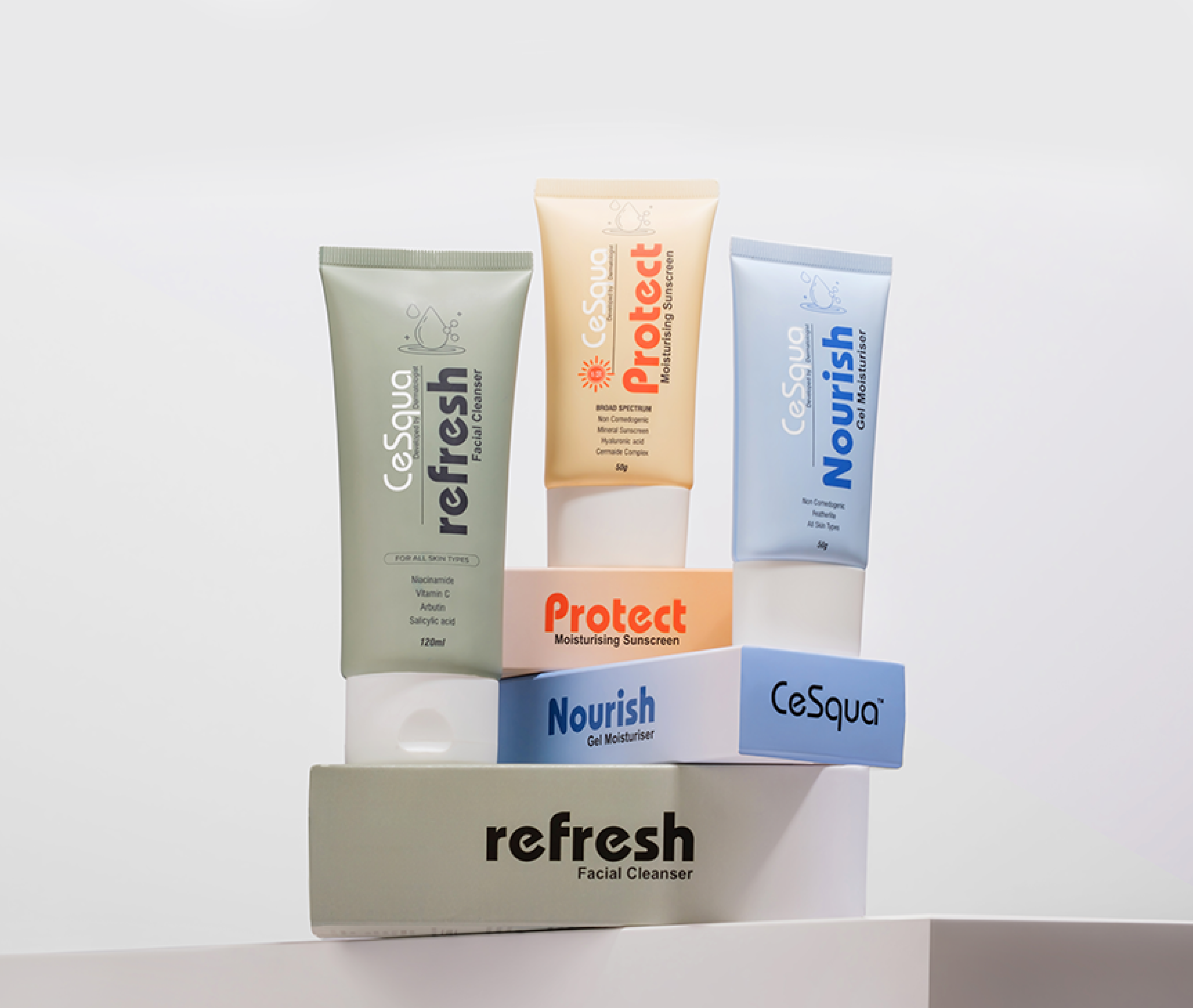
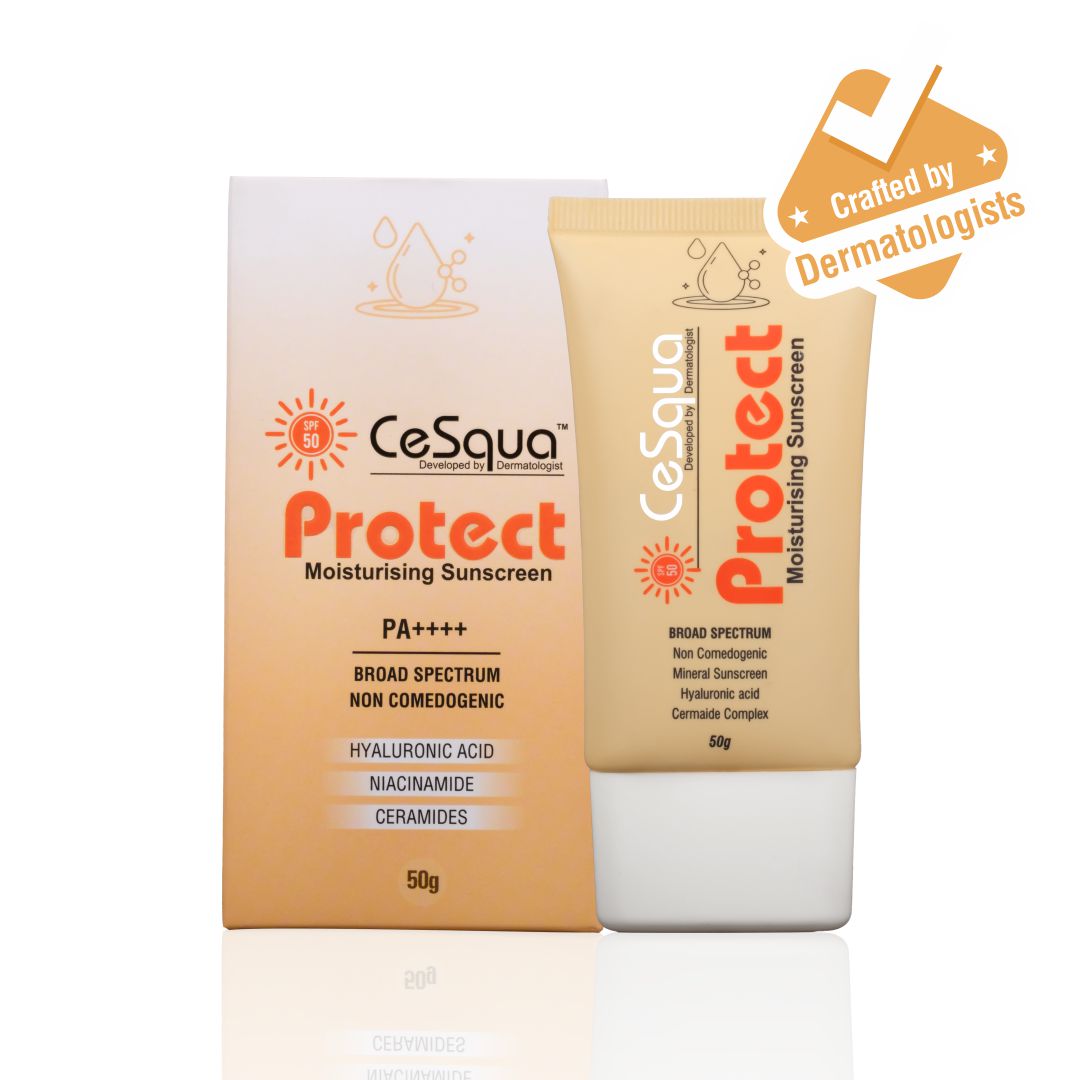
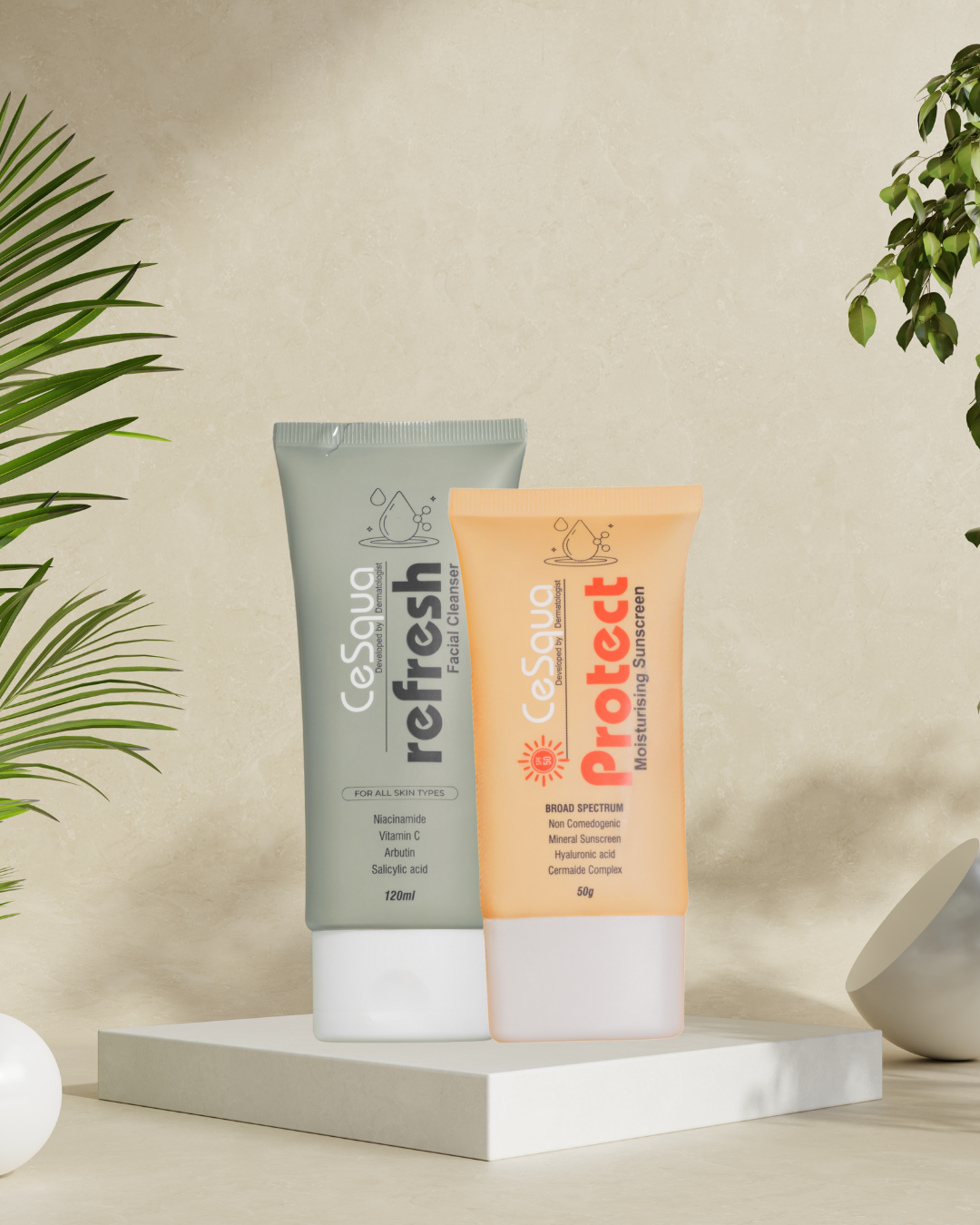
- Zinc oxide offers the broadest protection (UVA and UVB) and is extremely gentle. You’ll find it as the main active in CeSqua's Protect Moisturising Sunscreen.
- Titanium dioxide gives additional UVB coverage and works best in combination.
Step 2: Select for Sensitive Skin-Friendly Additions
The best mineral sunscreens also contain ingredients to support sensitive or irritated skin. In CeSqua's sunscreen, you'll find:
- Niacinamide to reduce redness and strengthen the barrier
- Hyaluronic acid for hydration without heaviness
- Ceramides to lock in moisture and fortify delicate skin
- Chamomile and aloe vera to soothe and calm inflamed skin
- BlueShield technology for added defense against blue light and urban pollution—a bonus for anyone bothered by digital screens or city living
Step 3: Avoid Irritants
Pass over mineral sunscreens that still include potential triggers. Prioritize formulas that are:
- Fragrance-free or only with extremely mild, natural scent
- Alcohol-free, as alcohol can strip and irritate sensitive complexions
- Paraben- and sulfate-free, to prevent barrier disruption and future sensitivity
- Non-comedogenic for acne-prone skin
- Oil-free, if your skin is reactive to heavier emollients
Step 4: Test Texture, Not Just Ingredients
Mineral sunscreens used to be known for a heavy, white-cast finish. Modern formulas—especially from CeSqua—minimize this with micronized minerals and lightweight textures that blend seamlessly, leaving skin soft instead of ghostly or sticky. If you wear makeup, choose one that layers under foundation and won’t pill or ball up.

Comparison Table: Mineral vs. Chemical Sunscreen
| Mineral Sunscreen | Chemical Sunscreen |
|---|---|
| Key actives: Zinc oxide, Titanium dioxide | Key actives: Oxybenzone, Avobenzone, Octocrylene, etc. |
| Sits on skin and reflects UV rays | Absorbs into skin and converts UV into heat |
| Works immediately after application | Needs 15–30 minutes to become effective |
| Less likely to irritate sensitive skin | May sting, burn, or cause reactions in sensitive skin |
| Often leaves a slight white cast (improving with modern formulas) | Usually clear and invisible on skin |
| Preferred by dermatologists for children, eczema, and rosacea | Not recommended for very sensitive or allergy-prone skin |
Best Practices for Sensitive Skin Sun Protection
- Apply mineral sunscreen generously—at least 1/4 teaspoon to the face and neck.
- Reapply every two hours, especially after swimming, sweating, or towel drying.
- Layer over a gentle, hydrating moisturizer to minimize any dryness.
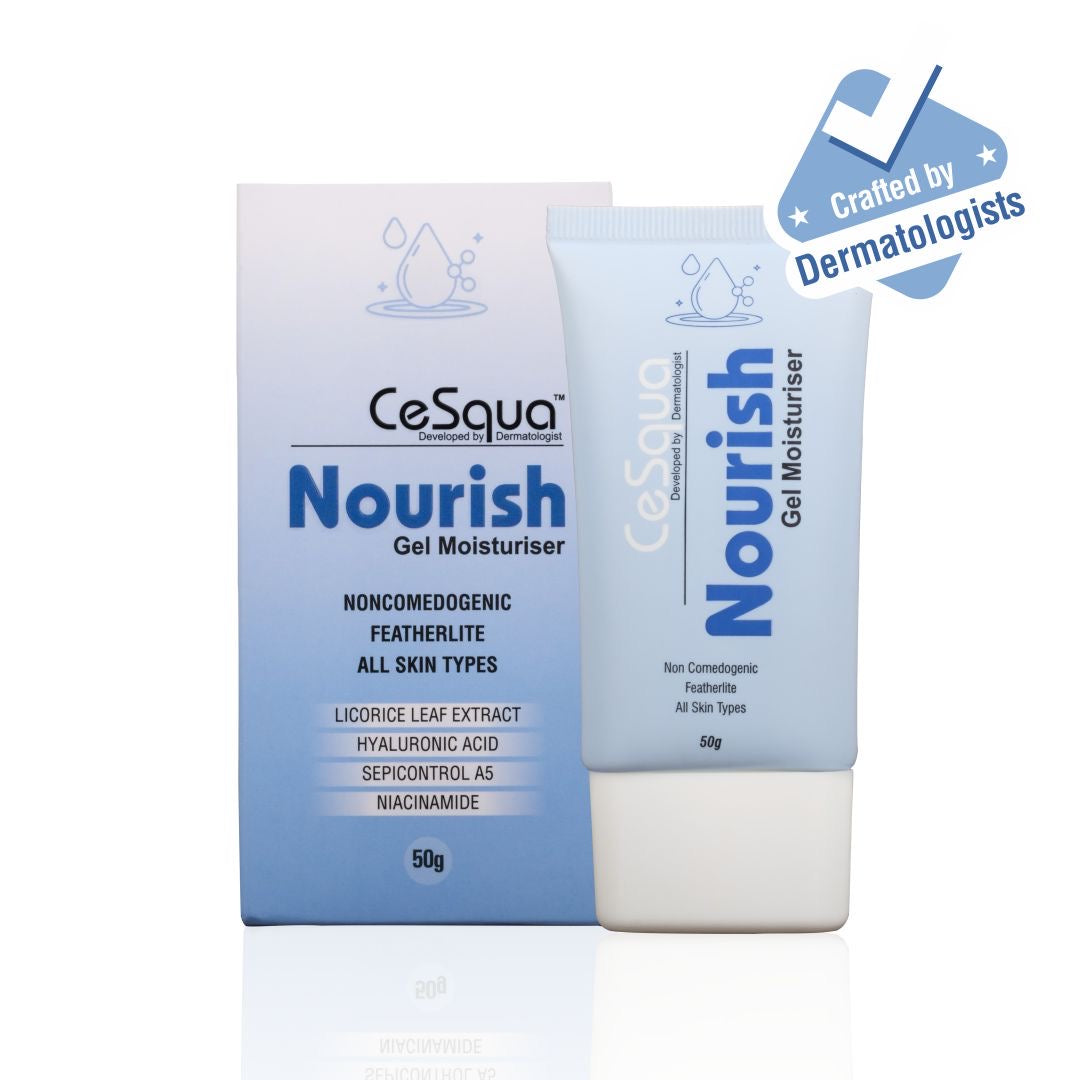
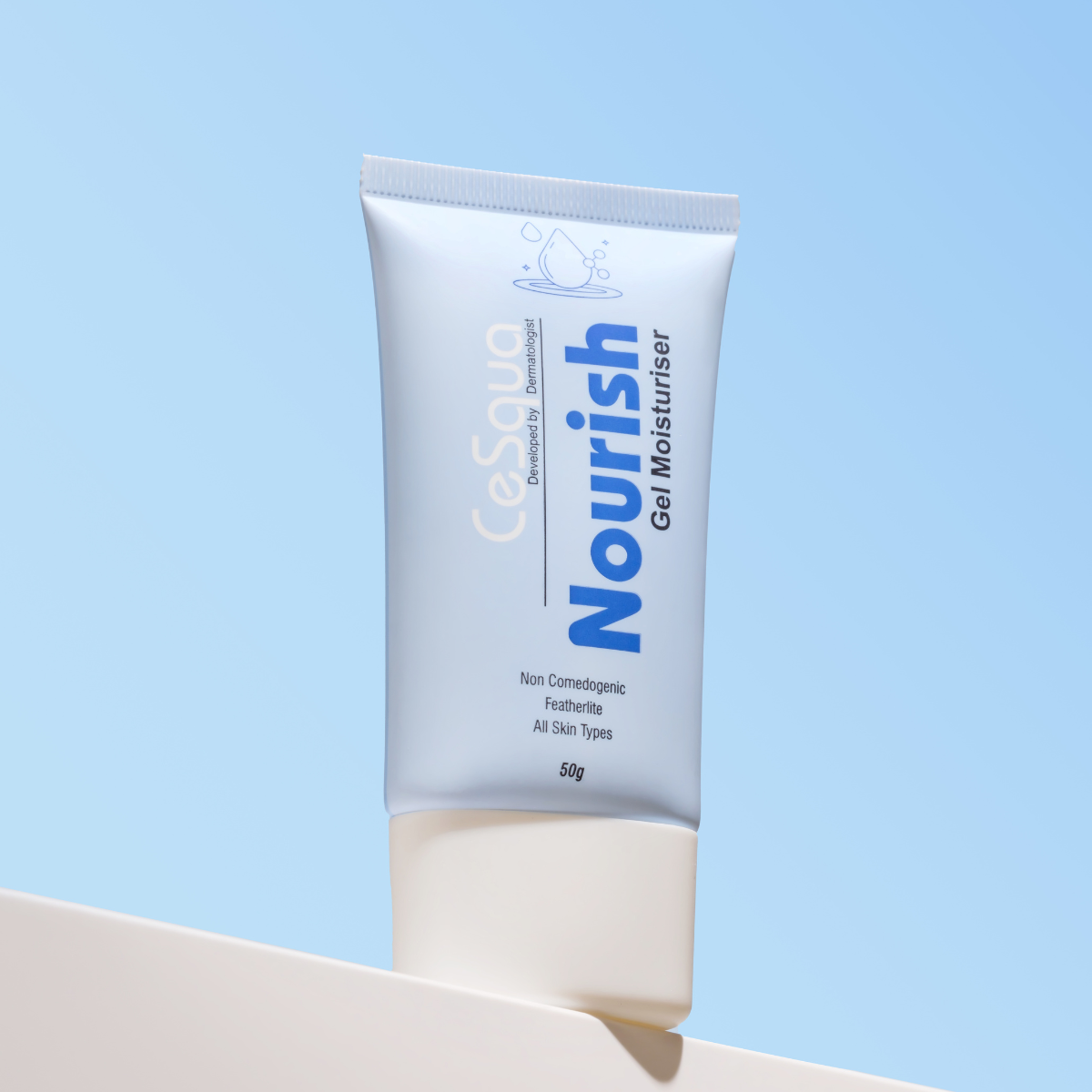
- The CeSqua Nourish Gel Moisturiser is formulated with soothing, non-irritating ingredients perfect for prepping sensitive skin before sunscreen.
- Patching new sunscreen on your inner arm or side of the neck is always wise, but true mineral-only formulas like CeSqua’s rarely cause problems.
- For full protection, don’t forget lips, ears, and the hairline.
- Sensitive skin often benefits from simple, minimal skincare routines. Layer only what you need, and avoid unnecessary actives in the morning.
Step-by-Step Routine for Sensitive Skin Using Mineral Sunscreen
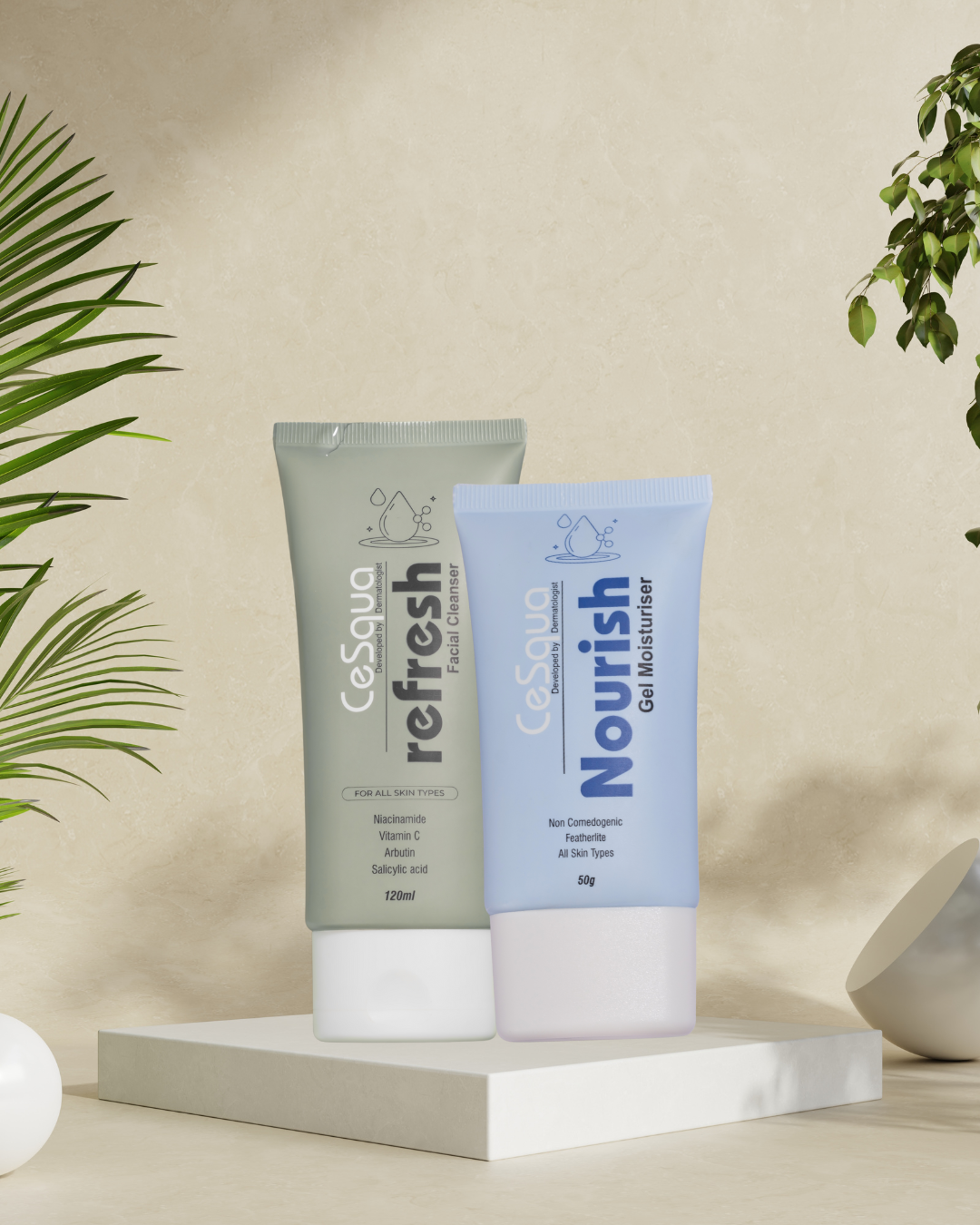
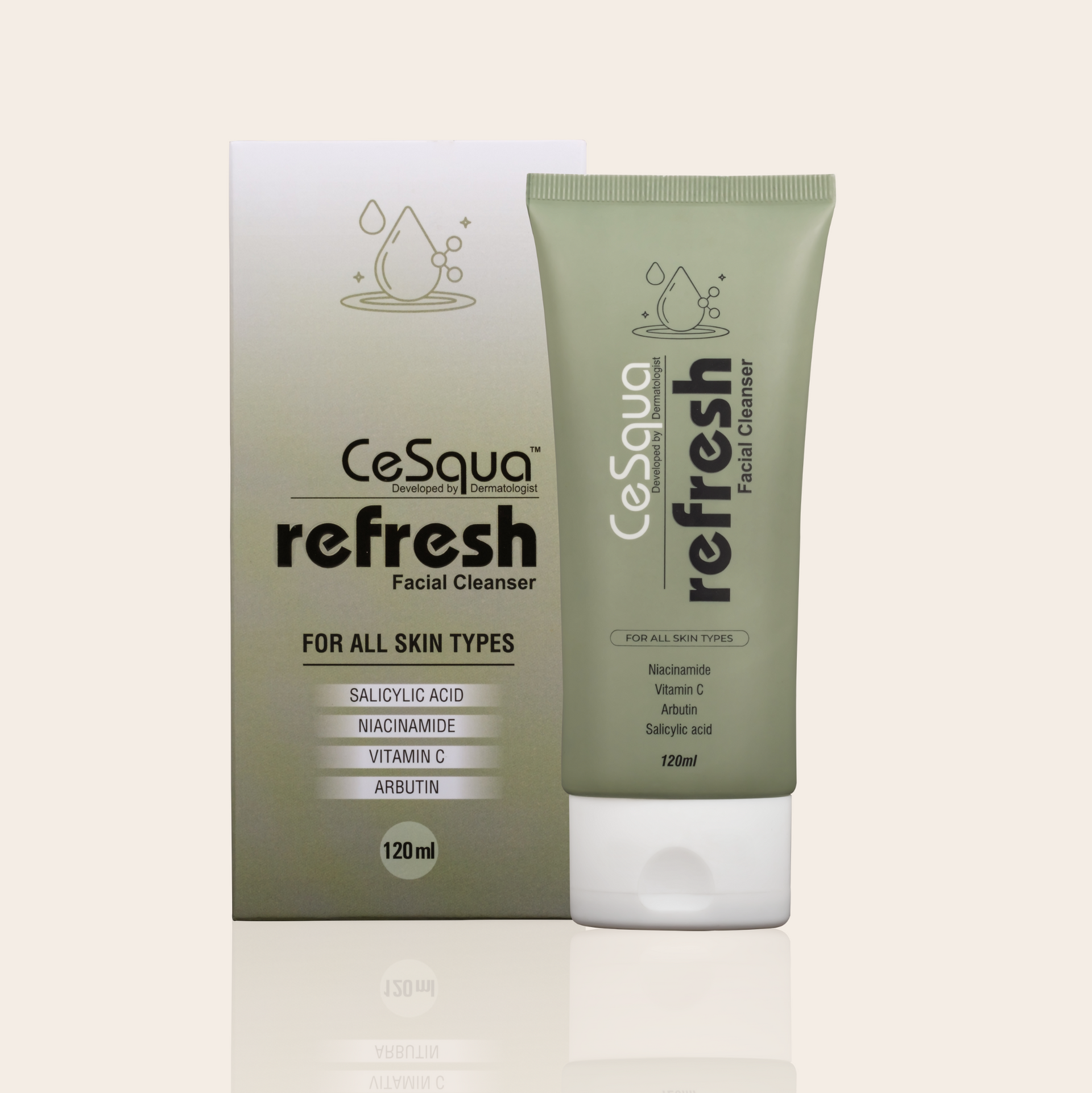
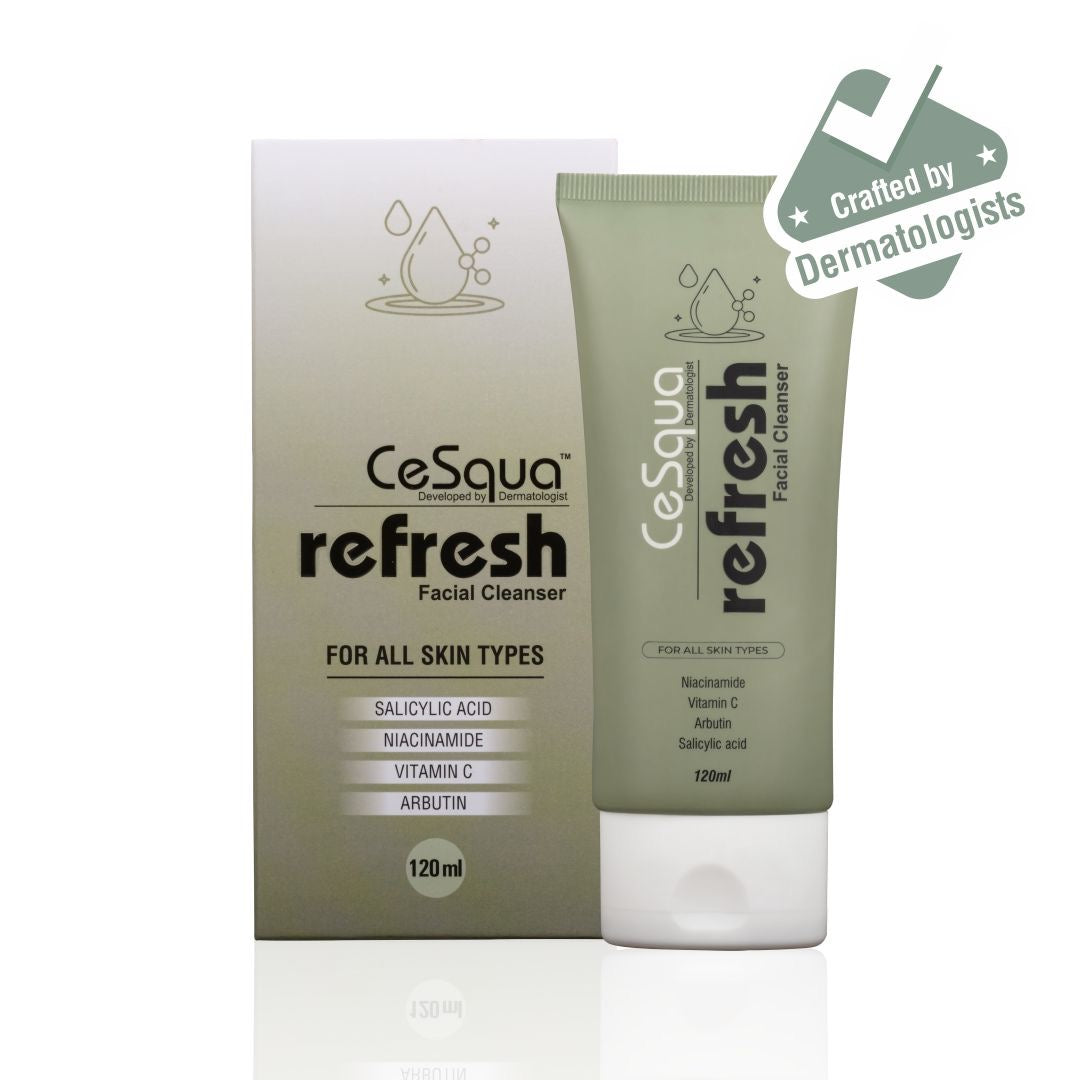
- Begin with a gentle cleanse using a sulfate-free face wash (the CeSqua Refresh Facial Cleanser is designed for sensitive and redness-prone skin).
- Apply a thin layer of calming, lightweight moisturizer (Nourish Gel Moisturiser is ideal for sensitive types).
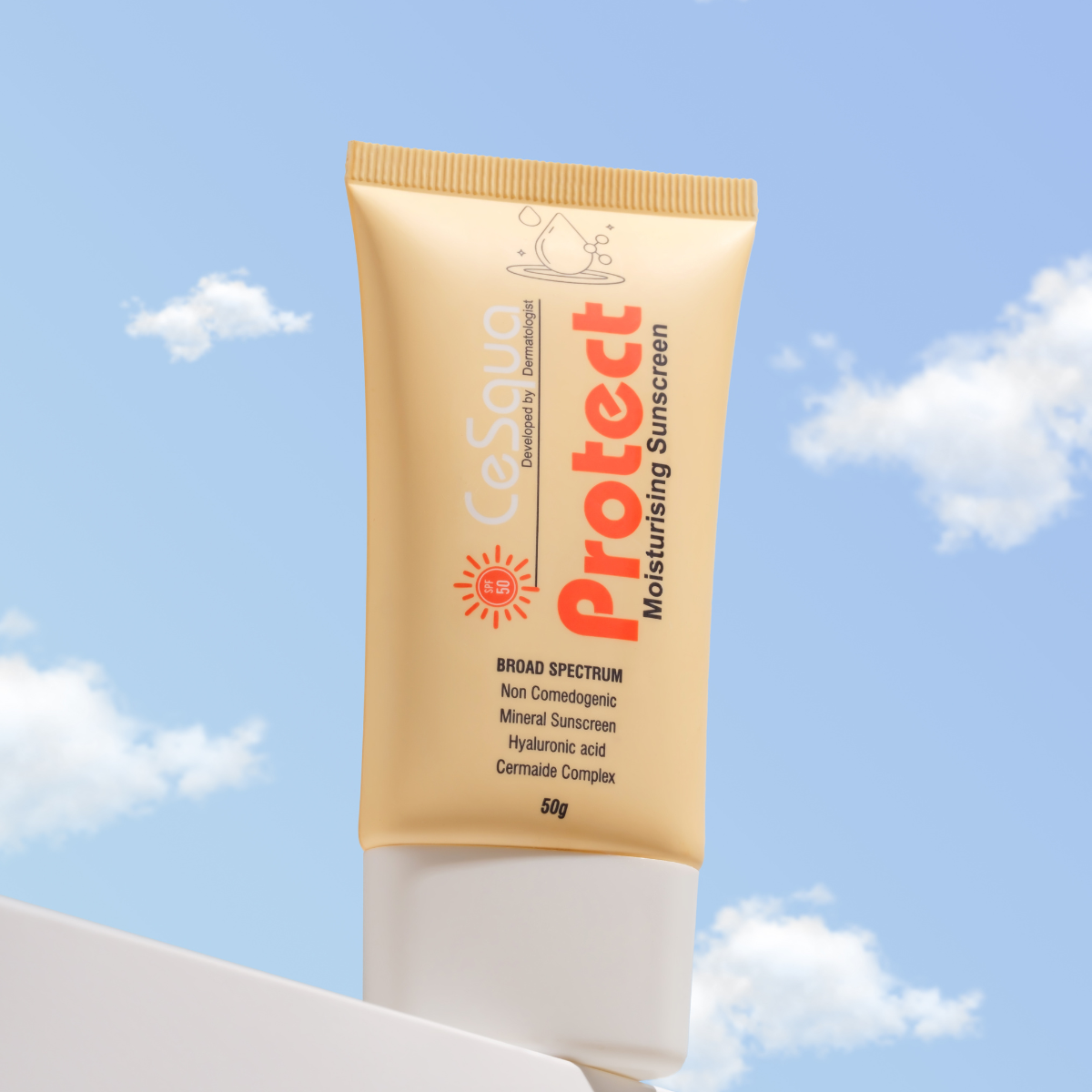
- Finish with your mineral sunscreen (CeSqua’s Protect Moisturising Sunscreen blends in easily and doubles as a hydrating day shield).
Each of these steps can work together to create what we call the "CeSqua Complete Care" approach—fewer, high-quality products that multitask and prevent irritation, so your skin looks and feels its healthiest with minimal fuss.
Common Questions About Mineral Sunscreen and Sensitive Skin
How soon does mineral sunscreen start working?
Mineral sunscreen is protective immediately on application. There’s no need to wait before going out in the sun.
Does mineral sunscreen ever trigger breakouts or irritation?
When using a formula that contains only zinc oxide/titanium dioxide and excludes fragrance, alcohol, or comedogenic ingredients, reactions are extremely rare. Sensitive and acne-prone skin usually fares much better with mineral formulas.
Can I use mineral sunscreen around my eyes?
Yes, gently. CeSqua’s formula is made for the face and is suitable for use near the eye area, though you should avoid direct contact with your eyeballs.
What about the white cast—can I avoid it?
Modern mineral sunscreens, including CeSqua’s, are designed to minimize white cast on diverse skin tones. Applying to slightly damp skin and blending gently helps, as does waiting a few minutes for it to settle before layering makeup.
Are mineral sunscreens safer for the environment?
Yes. Unlike some chemical actives, zinc oxide and titanium dioxide are considered reef-friendly and safe for marine life.
Do I need both moisturizer and sunscreen?
Ideally, yes, especially for sensitive skin. However, CeSqua's Protect Moisturising Sunscreen serves as both a daily moisturizer and sun shield, streamlining your morning routine.
Is mineral sunscreen suitable year-round?
Absolutely. UV exposure can damage sensitive skin even in winter or on cloudy days. Consistent use helps prevent flare-ups from both sun and pollution.
How CeSqua Leads the Way in Sensitive Skin Sun Protection
CeSqua combines dermatologist expertise with a streamlined approach to skincare. By using a blend of zinc oxide and other skin-supportive ingredients, our Protect Moisturising Sunscreen takes the guesswork out of daily sun protection for anyone with sensitive, easily irritated, or redness-prone skin.
Our philosophy is simple: fewer, multifunctional products that offer pharma-grade results and cosmetic elegance. Each ingredient in our formula exists for a clear reason—to protect, calm, hydrate, and defend your skin from inside out. This aligns with the broader trend of barrier-first, minimalist skincare, which benefits sensitive and reactive skin the most.

Conclusion
For sensitive skin, mineral sunscreen isn’t just another option—it’s the recommended, expert-endorsed solution that can break the cycle of trial and error for good. By switching to a mineral-based formula with skin-calming, barrier-supportive ingredients, you reduce your exposure to irritants, avoid stinging and redness, and help your skin rebuild daily strength. Trust CeSqua as your expert partner safeguarding your skin’s health in every season. If you're ready to simplify your sun protection and experience calm, comfortable skin, explore CeSqua’s Protect Moisturising Sunscreen and our complete minimalist skincare routine at cesqua.in.