



Friction acne, also clinically known as acne mechanica, is a real and increasingly common skin condition caused by repeated friction, pressure, or occlusion of the skin by items such as masks, helmets, and winter scarves. This ongoing mechanical stress disrupts the skin barrier, traps sweat and oil, and creates an environment where breakouts and irritation can thrive. If you've noticed pimples, redness, or bumps especially along the areas where your mask, helmet strap, or scarf touches your face, it's not your imagination. These breakouts require a targeted prevention and care approach for truly healthy, resilient skin.
At CeSqua, we approach friction acne as a multi-factorial concern rooted in the interplay between your skin barrier, environmental stress, and daily routines. Understanding not just the underlying causes but also scientifically effective, practical steps to prevent and minimize breakouts is at the core of our expert approach.
What Is Friction Acne? A Clear, Concise Definition
Friction acne, also referred to as acne mechanica, is a form of acne triggered by sustained mechanical force—friction, pressure, rubbing, or occlusion—on the skin. Unlike hormonal acne or acne caused by internal factors, friction acne is external and typically arises where fabric or equipment contacts the face. This includes:
- Face masks (including medical, cloth, or fashion masks)
- Helmet straps and chin guards
- Winter scarves and high-neck sweaters
The main contributors are blockage of pores from sweat, oil, and trapped heat, as well as breakdown in the skin’s protective barrier from repeated local irritation. Without proper prevention and care, friction acne can persist or worsen regardless of other good skincare habits.

Why Does Friction Cause Breakouts?
The skin relies on a healthy barrier—your outermost layer—to keep in moisture and keep out irritants and microbes. When friction from a mask, helmet, or scarf is frequent, the barrier suffers micro-injuries. This allows pores to get easily clogged with sweat and sebum, and can introduce bacteria. In winter, lower humidity, dry indoor air, and heavier clothing or gear can make matters worse.
- Occlusion: Masks and scarves trap heat and humidity, disrupting the skin's natural turnover and defensive function.
- Pressure: Constant pressure from mask edges, straps, or helmet pads creates micro-tears, making the skin more reactive and less able to shed dead cells.
- Rubbing: Ongoing rubbing can drive oils, bacteria, and debris deeper into pores, making already-sensitive skin more prone to breakouts.
This is especially relevant for athletes, essential workers, and everyday mask wearers. The zones most affected are cheeks, nose, jawline, chin, and areas along straps or seams.
Step-by-Step Framework: Preventing and Managing Friction Acne
Drawing from our dermatologist-founded perspective at CeSqua, here’s a proven framework for managing friction acne for all skin types:
-
Maintain a Gentle Cleansing Routine
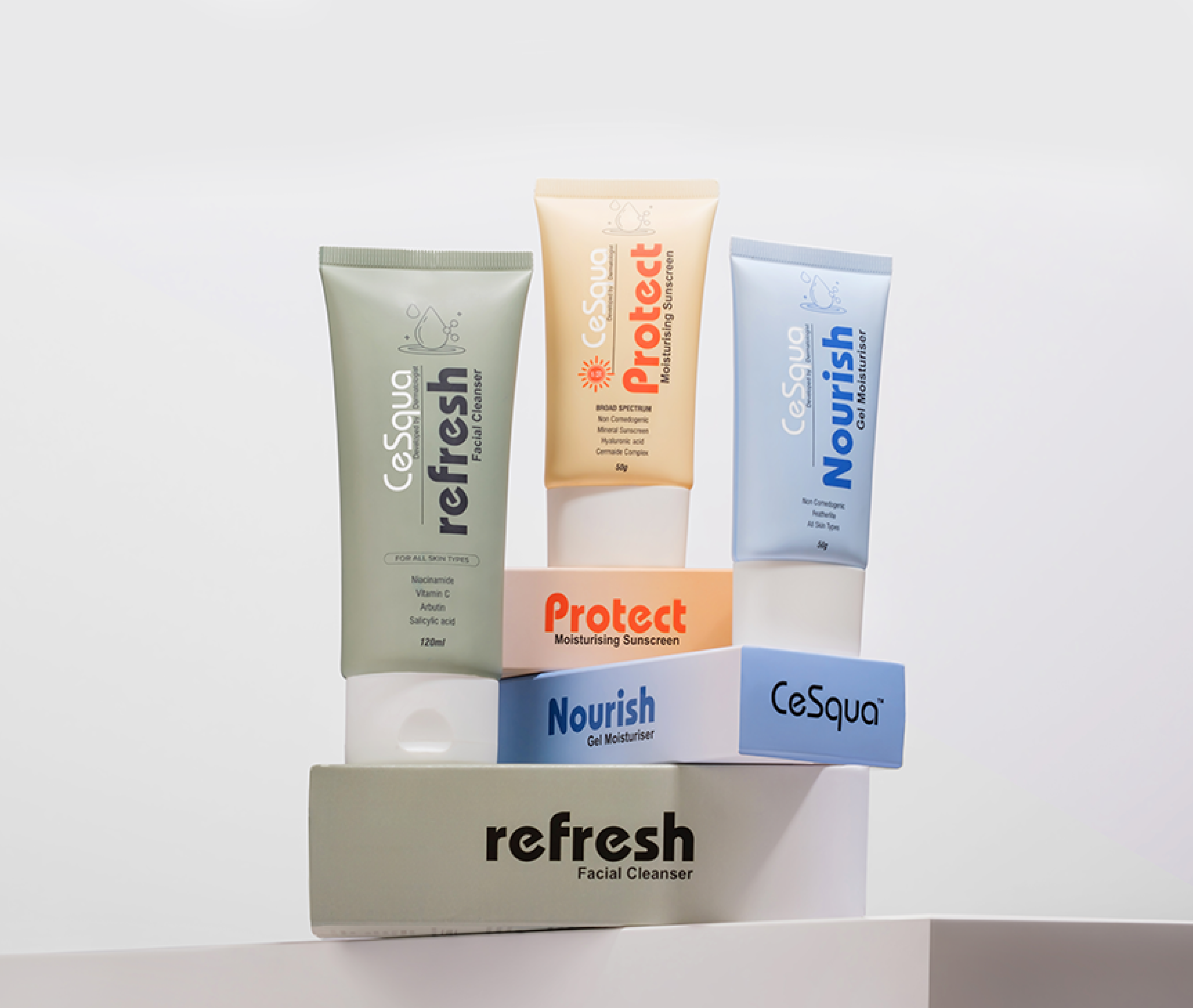
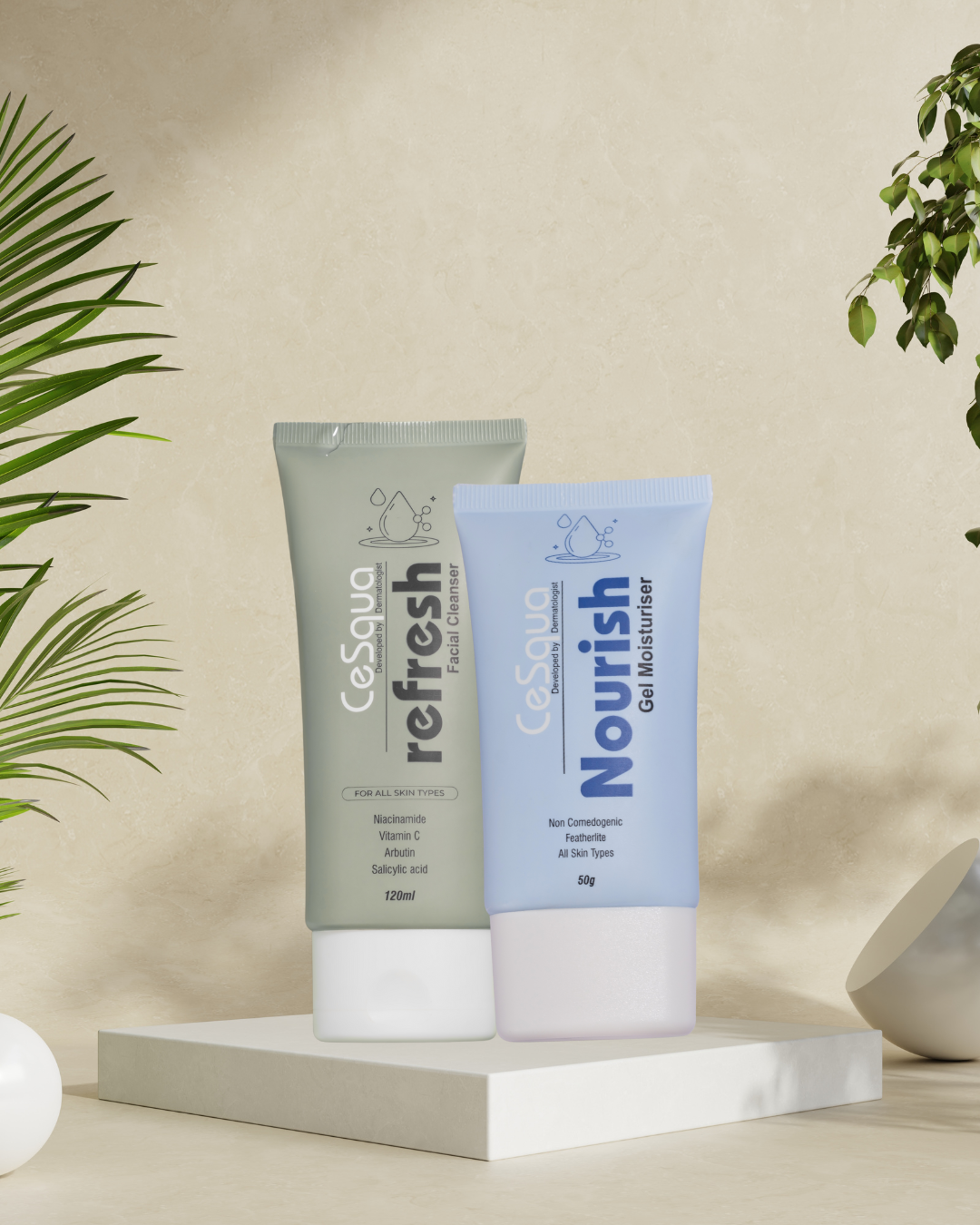
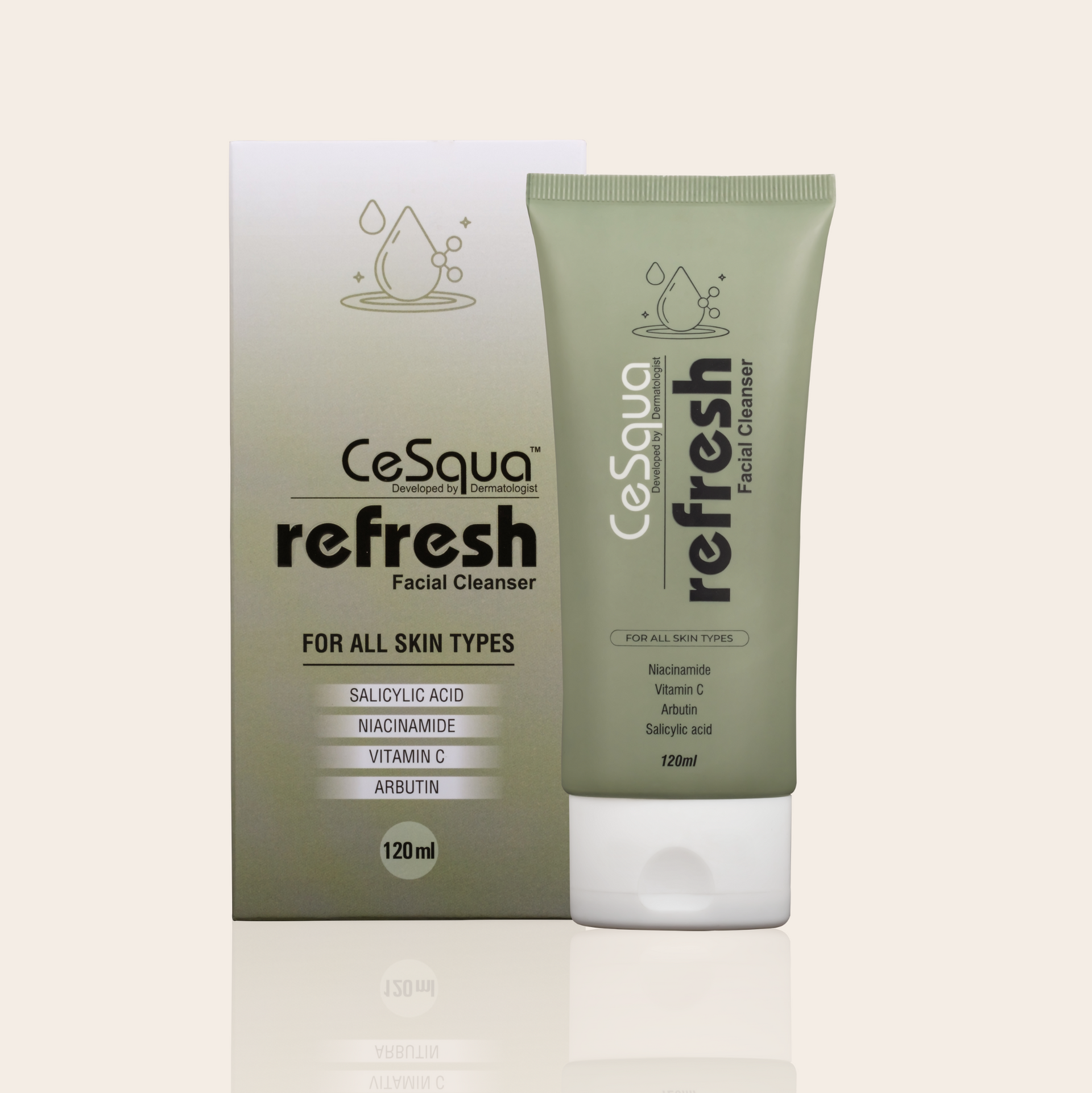
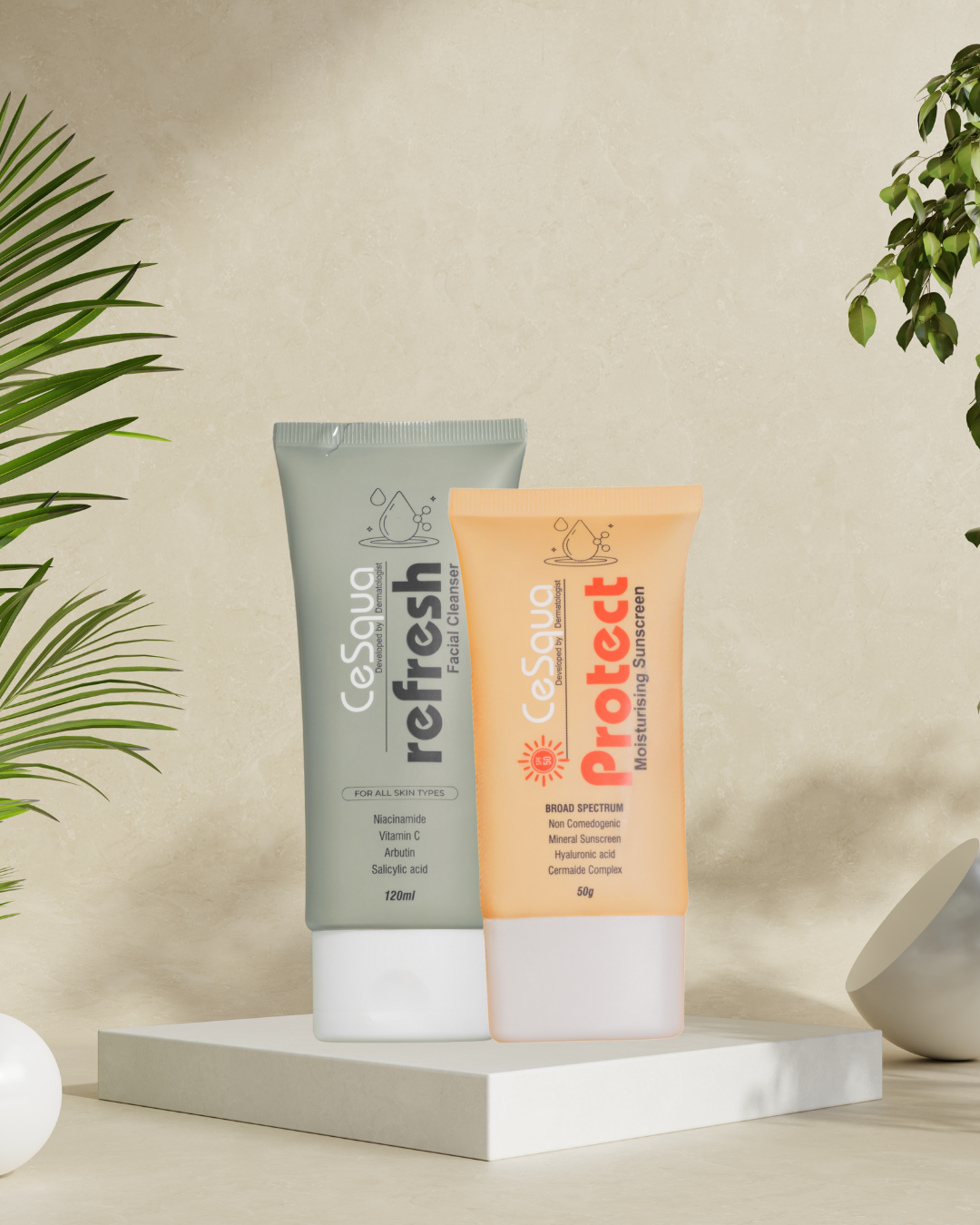
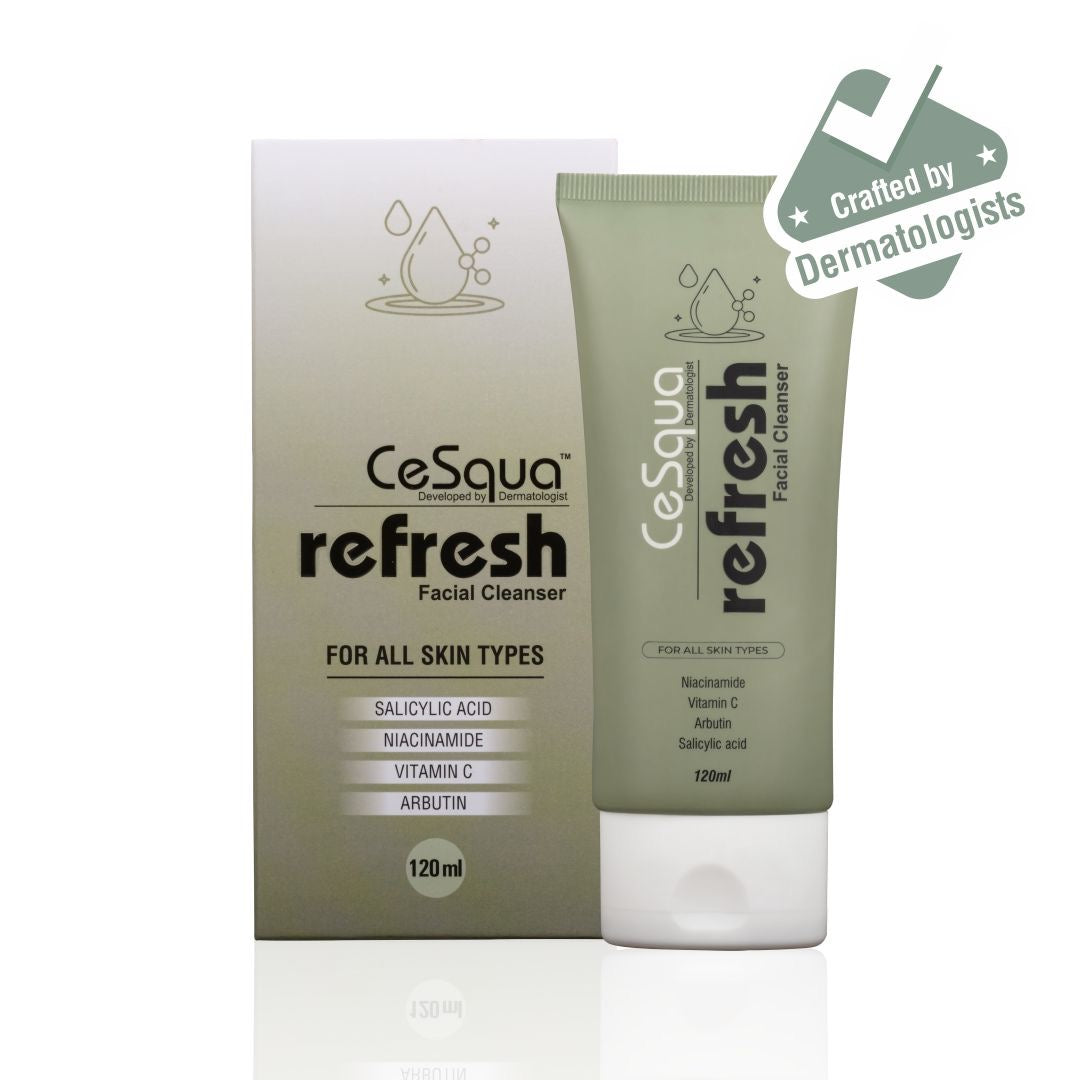
Use a gentle cleanser that effectively removes oils, sweat, and debris but does not strip the skin barrier. Our Refresh Facial Cleanser is formulated to match this need, containing soothing and acne-combatting actives (including salicylic acid and niacinamide) to minimize further irritation. -
Hydrate and Strengthen the Barrier
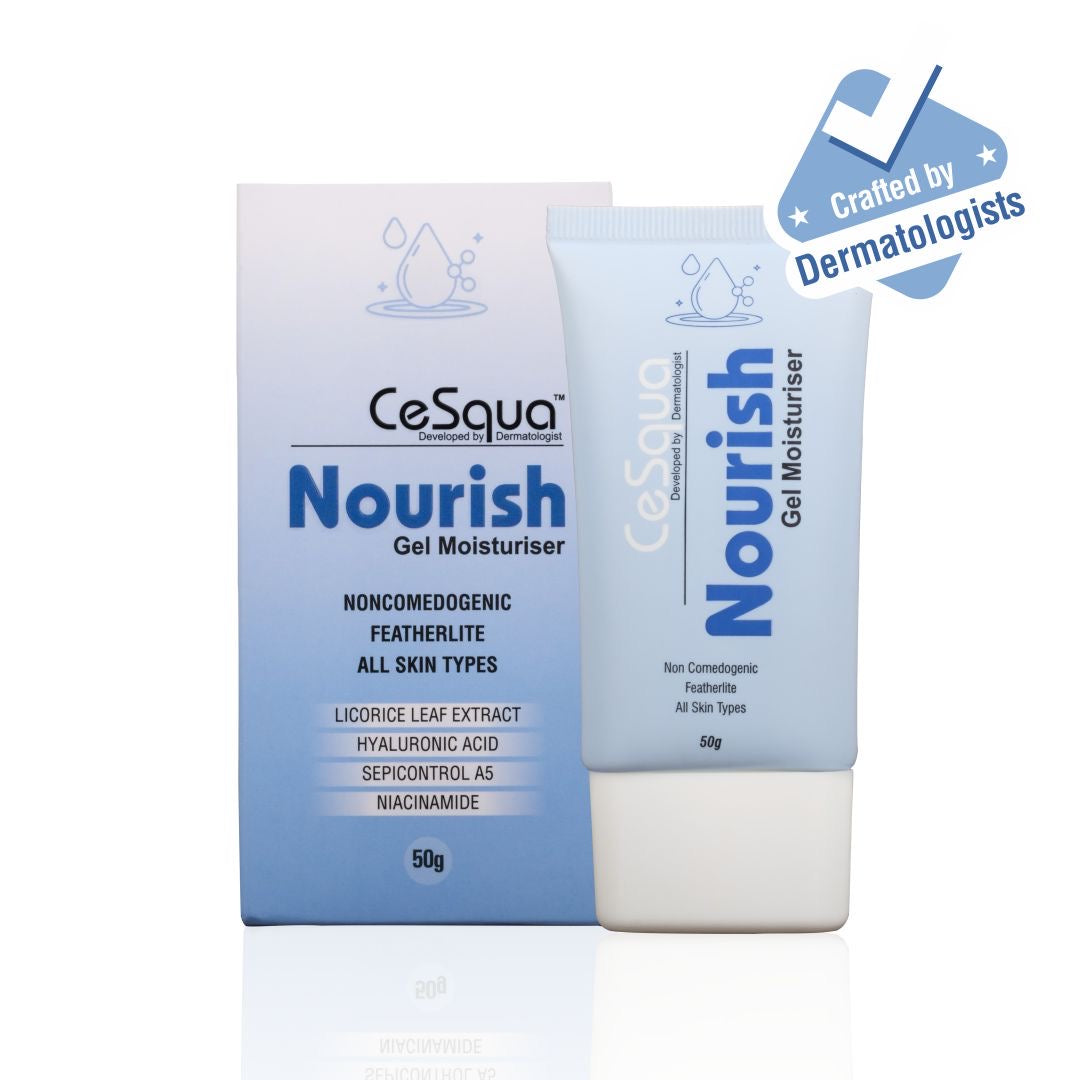
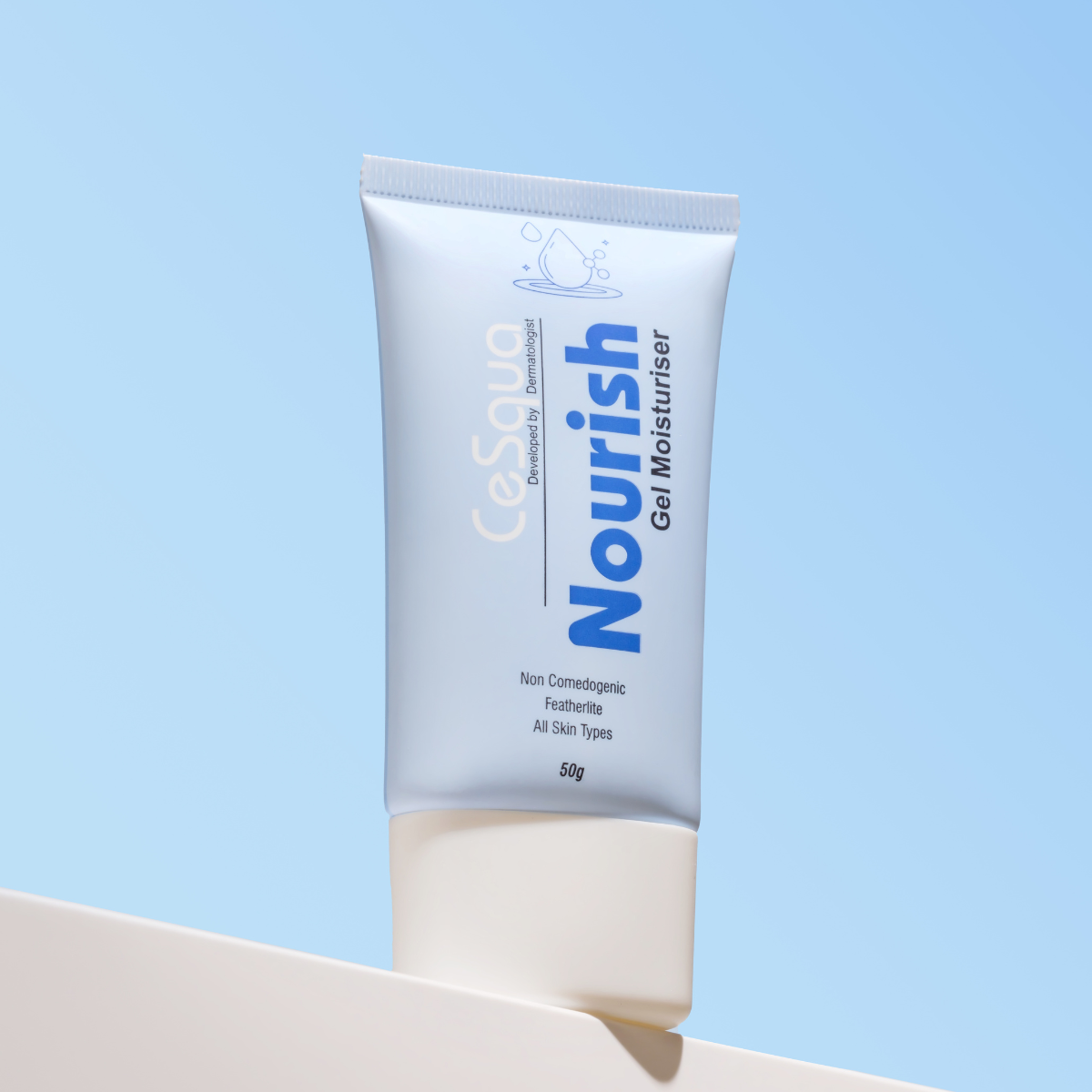
Apply a non-comedogenic, lightweight moisturizer like CeSqua’s Nourish Gel Moisturiser, which helps repair and reinforce the skin's barrier with ingredients such as hyaluronic acid, niacinamide, and ceramides. Stronger barrier = less breakdown and fewer breakouts. -
Always Use Sunscreen – Even in Winter or With Masks
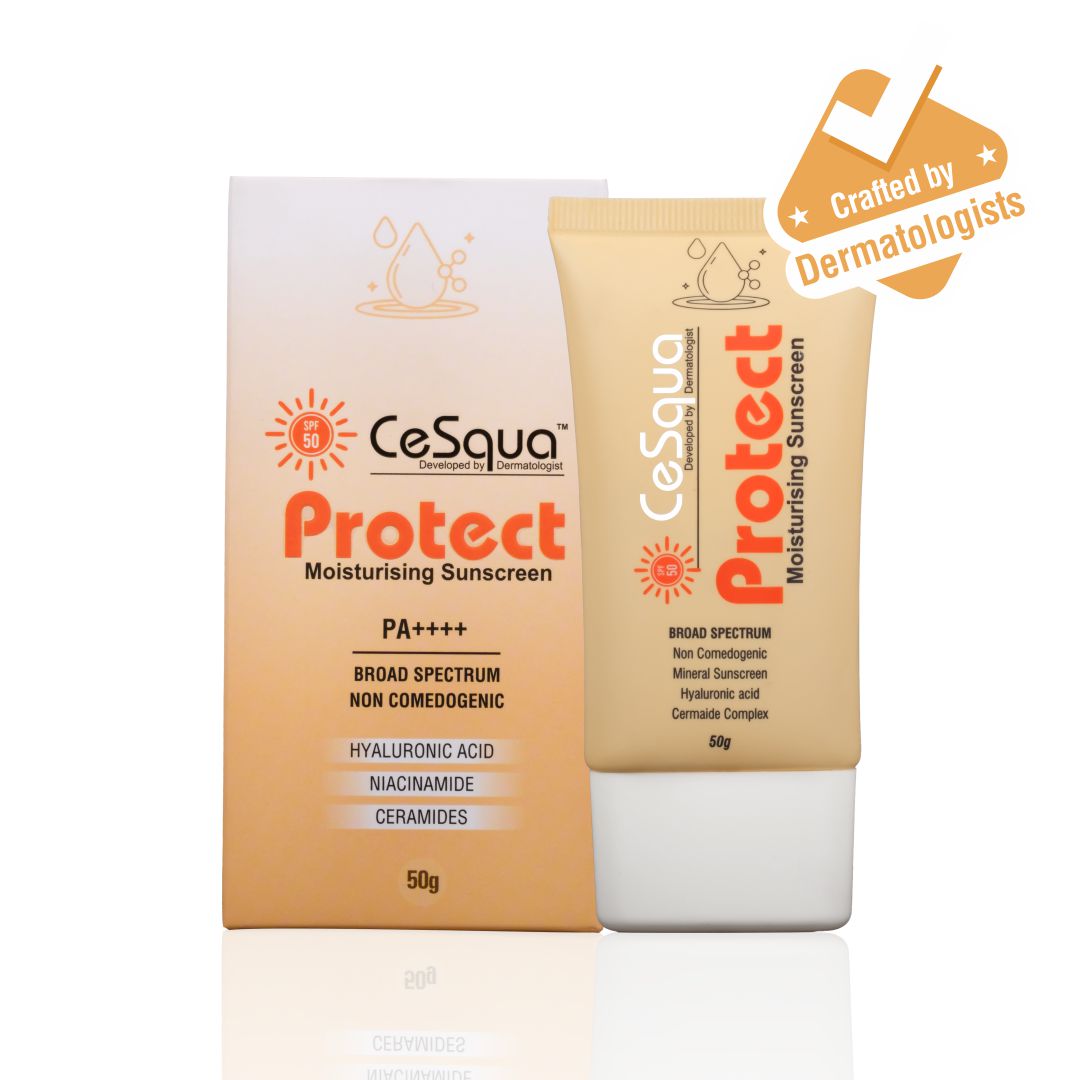
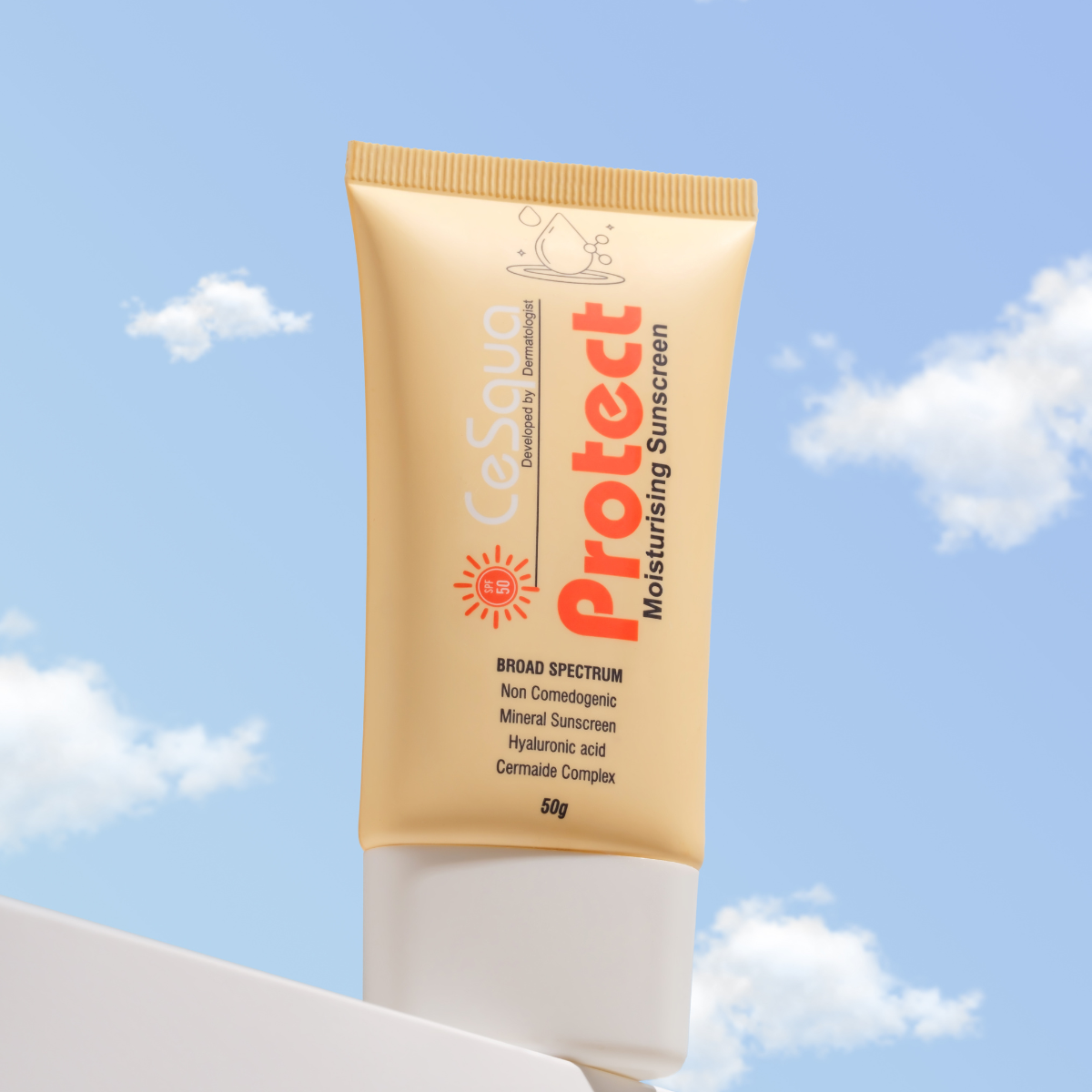
Even partial UV exposure through mask gaps or reflected sunlight can worsen sensitivity and delay healing. CeSqua’s Protect Moisturising Sunscreen is designed for daily protection without clogging pores or feeling greasy, suitable under protective gear and appropriate for all climates. -
Minimize Friction When Possible
Choose soft, breathable, clean fabrics for masks and scarves, and ensure a comfortable (not tight) fit. For helmets, add soft barriers or use liners washed regularly. -
Practice Barrier-First Habits
Avoid over-washing or scrubbing sensitive areas that see friction. Reduce the use of potentially irritating products like astringents or high-percentage acids right before wearing a mask or helmet.
Recognizing the Difference: Friction Acne vs Other Breakouts
One key to successful prevention is recognizing friction acne. Unlike cystic or hormonal acne that may present on the cheeks, forehead, or back, friction acne commonly appears along the exact line where gear or fabric contacts the skin. Look for:
- Clusters of small bumps, whiteheads, or inflammatory pustules
- Red, tender areas along mask edges, jawline, or nose bridge
- Worsening during cold months or following extended mask/helmet use
The CeSqua Approach: Dermatologist-Built, Real-World Ready
At CeSqua, our focus is on barrier-first routines that are both effective and simple. Our clinical experience shows that extensive, multi-step regimens can backfire, especially for friction-prone skin. Instead, a streamlined, evidence-driven approach makes all the difference:
- Minimal, Potent Cleansing: Wash face twice daily with Refresh Facial Cleanser—not more, as over-cleansing impairs healing.
- Replenishing Hydration: Apply a fast-absorbing, soothing gel moisturizer such as Nourish Gel Moisturiser, formulated for sensitive, acne-prone, and all skin types.
- Daily Broad-Spectrum Protection: Use Protect Moisturising Sunscreen daily, even indoors or with PPE.
- Soothing and Barrier Repair Actives: Support healing with ingredients like niacinamide, panthenol, ceramides, and chamomile—each chosen in CeSqua’s philosophy for visible results and gentle care.

Best Practices: Daily Habits to Reduce Friction Acne
- Launder masks, scarves, and helmet liners often—at least after each use for masks and every few days for other gear.
- Choose natural fibers and soft, seamless designs for anything that touches your face for long periods.
- Remove protective gear periodically to let your skin breathe (when safe and possible).
- Always cleanse gently after sweating under masks or helmets.
- Reapply moisturizer as needed, especially to dry or tight areas.
- If a breakout occurs, resist picking or over-treating—focus on barrier repair and gentle care instead.
For more practical advice on supporting your skin barrier in winter, read: Winter-Proof Your Skin: 7 Dermatologist Fixes for Tightness, Flakes, and Surprise Breakouts
Key Ingredients for Friction Acne Prevention
CeSqua products are formulated with dermatologist-selected actives to specifically support compromised, friction-prone skin. Key ingredients include:
- Niacinamide: Reinforces barrier, soothes redness, and regulates oil
- Hyaluronic acid: Multi-level hydration for all skin types
- Zinc PCA: Controls sebum and limits shine/breakouts (ideal for oily/acne-prone skin)
- Salicylic acid: Gently exfoliates inside pores, targeting clogging without irritation
- Panthenol and Ceramides: Retain moisture, improve elasticity, and enhance healing
- Chamomile extract, Tea tree oil, and Licorice extract: Provide anti-inflammatory, calming, and balancing properties
Want to go deeper on skin barrier science and care? Explore: Skin Barrier vs Moisture Barrier: What’s the Difference, and Which One Is Actually Damaged?
FAQ: Friction Acne, Masks, Helmets, and Scarves
What is the fastest way to heal friction acne?
Prioritize gentle cleansing, non-comedogenic hydration, and barrier repair. CeSqua's three-step routine (cleanser, moisturizer, sunscreen) is crafted for quick symptom relief without further irritation. Avoid over-washing, harsh scrubs, or frequent product switching, which can delay recovery.
Should I stop wearing masks or helmets to prevent acne?
Protective gear is often essential. Instead of discontinuing use, focus on minimizing friction by choosing soft, breathable materials, washing gear frequently, and bolstering your barrier with well-formulated skincare.
Can I use active ingredients (like salicylic acid or benzoyl peroxide) for friction acne?
Moderate use of ingredients like salicylic acid (as found in the Refresh Facial Cleanser) can help unclog pores. However, avoid layering too many actives at once, as this increases irritation for friction-damaged skin.
Why do helmets and scarves trigger winter breakouts?
Winter scarves and helmets create heat and trap humidity, while cold, dry air strips the skin’s protective oils. This double stress can weaken the barrier, leave skin more vulnerable to pore blockages, and slow healing.
How do I prevent breakouts if I must wear a mask all day at work?
Change masks regularly, use mild skincare before and after wearing, and consider a midday water rinse. Stick with barrier-supportive routines, like CeSqua’s cleanser and gel moisturizer combo, to reduce the risk of daily flare-ups.
Are special fabrics or mask types better for sensitive, acne-prone skin?
Soft, natural fibers (like cotton) and snug (but not tight) fits are preferred for sensitive skin. Avoid synthetic, rough, or heavily treated materials, and launder masks after each use to remove trapped bacteria and oils.
Can friction acne cause long-term skin damage?
Chronic, untreated friction can lead to persistent redness, hyperpigmentation, or scarring. Early intervention and a focused, dermatologist-informed skincare regimen are key to prevention.
Conclusion: Simple Steps, Healthier Skin
Friction acne is an authentic, preventable challenge—one that responds best to practical, dermatologically sound routines. With a streamlined regimen using barrier-supportive, gentle, and effective products, you can prevent and manage breakouts caused by masks, helmets, and scarves throughout the year. At CeSqua, our mission is to transform skincare overwhelm into effortless routine and radiant results, expertly bridging clinical knowledge with daily convenience.
Ready to future-proof your skin against friction outbreaks? Discover our dermatologist-crafted, barrier-first essentials at CeSqua—where less truly delivers more.