



Exfoliation is essential for achieving clearer, smoother skin, but when you are dealing with sensitivity or acne, getting it right is critical. For those with sensitive or acne-prone skin, the frequency and method of exfoliation are not only about enhancing glow, but also about avoiding irritation, protecting the skin barrier, and promoting healing. At CeSqua, we’re committed to simplifying this process and providing dermatologist-informed advice you can rely on.
What Does Exfoliation Actually Mean?
Exfoliation is the removal of dead skin cells from the uppermost layer of the skin. This process helps keep pores clear, reduces buildup that can lead to acne, and improves the absorption of other skincare products. There are two main types:
- Chemical exfoliation: Uses acids or enzymes to loosen and dissolve dead skin cells. Beta hydroxy acids (like salicylic acid) and alpha hydroxy acids (like glycolic or lactic acid) are common for oily, acne-prone, or sensitive skin.
- Physical exfoliation: Involves manual scrubbing with beads, grains, brushes, or tools to slough off dead skin. This is generally not recommended for sensitive or acne-prone skin as it may cause micro-tears, redness, or worsen inflammation.

How Often Should You Exfoliate Sensitive or Acne-Prone Skin?
If your skin is sensitive, limit exfoliation to a maximum of 1-2 times per week. Many with highly sensitive skin find that once every 7-10 days is gentle enough. Acne-prone skin is generally able to tolerate 2-3 exfoliation sessions per week if using a mild chemical exfoliant, such as salicylic acid, but it is crucial to monitor for irritation.
When your skin is both sensitive and acne-prone, consider it sensitive first. Begin with 1 session per week using a gentle chemical exfoliant. Increase only if your skin shows no persistent redness, burning, or peeling after a month. If you have active eczema, rosacea, or significant irritation, avoid exfoliation and focus on barrier repair with professional guidance.
Summary Table: Exfoliation Frequency at a Glance
| Skin Type | Recommended Frequency | Preferred Exfoliant |
|---|---|---|
| Sensitive | 1x/week (max 2x if tolerated) | Gentle chemical (low BHA/AHA, enzyme) |
| Acne-prone, easily irritated | 1-2x/week | Low-concentration BHA |
| Acne-prone, oily | 2-3x/week (up to 4x if well-tolerated & no irritation) | BHA (salicylic acid) |
Step-by-Step Exfoliation Routine for Sensitive and Acne-Prone Skin
1. Cleansing
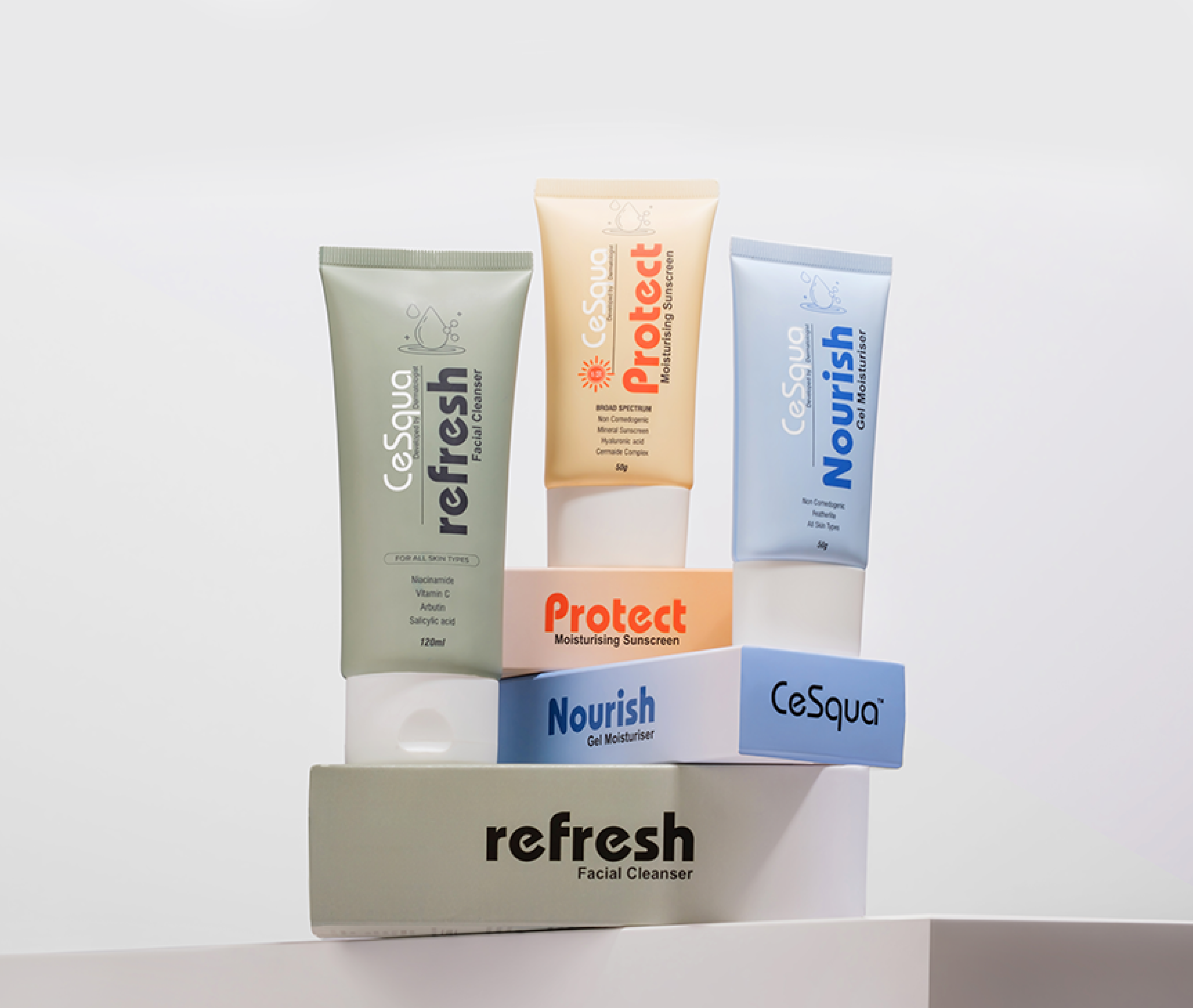
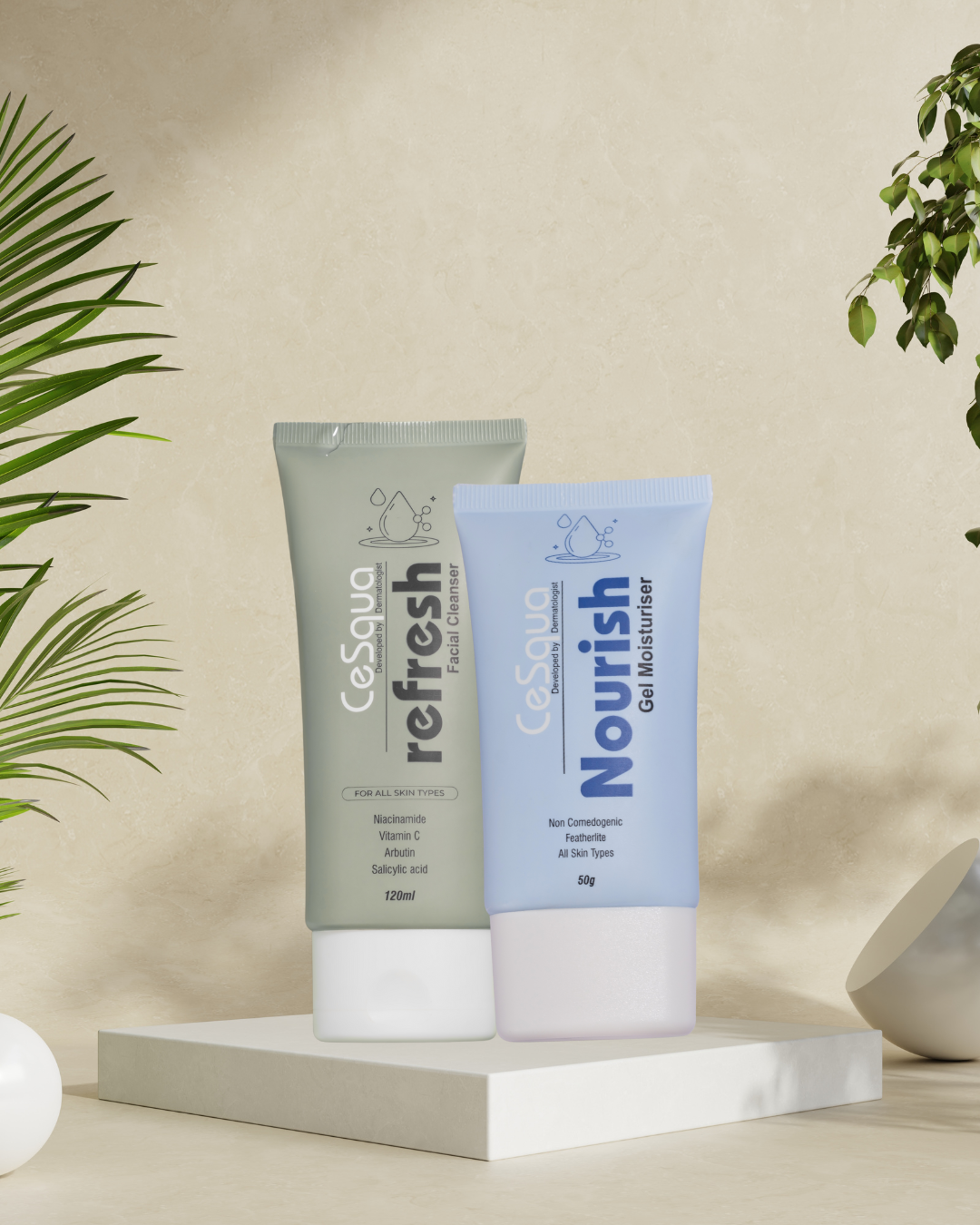
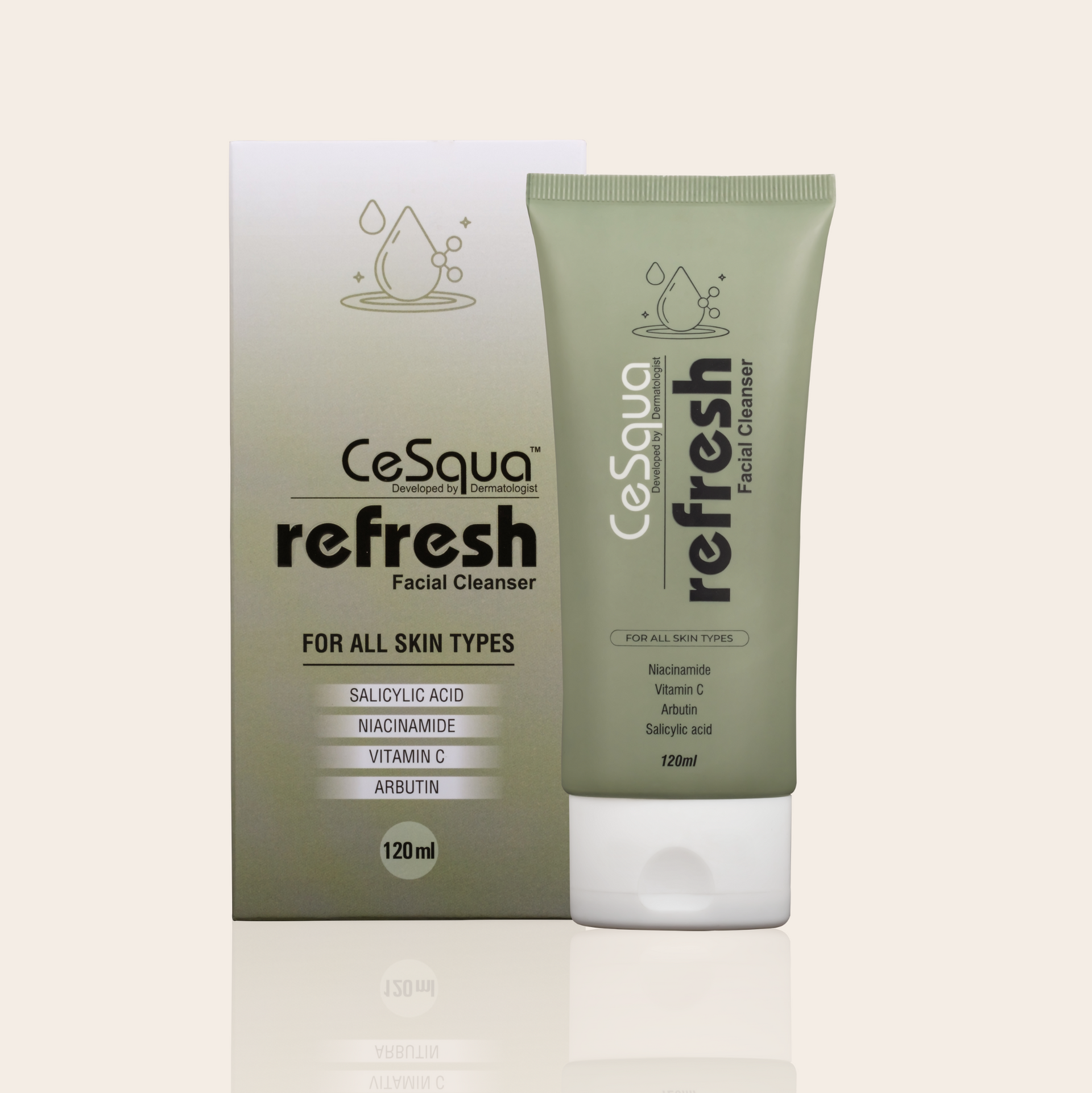
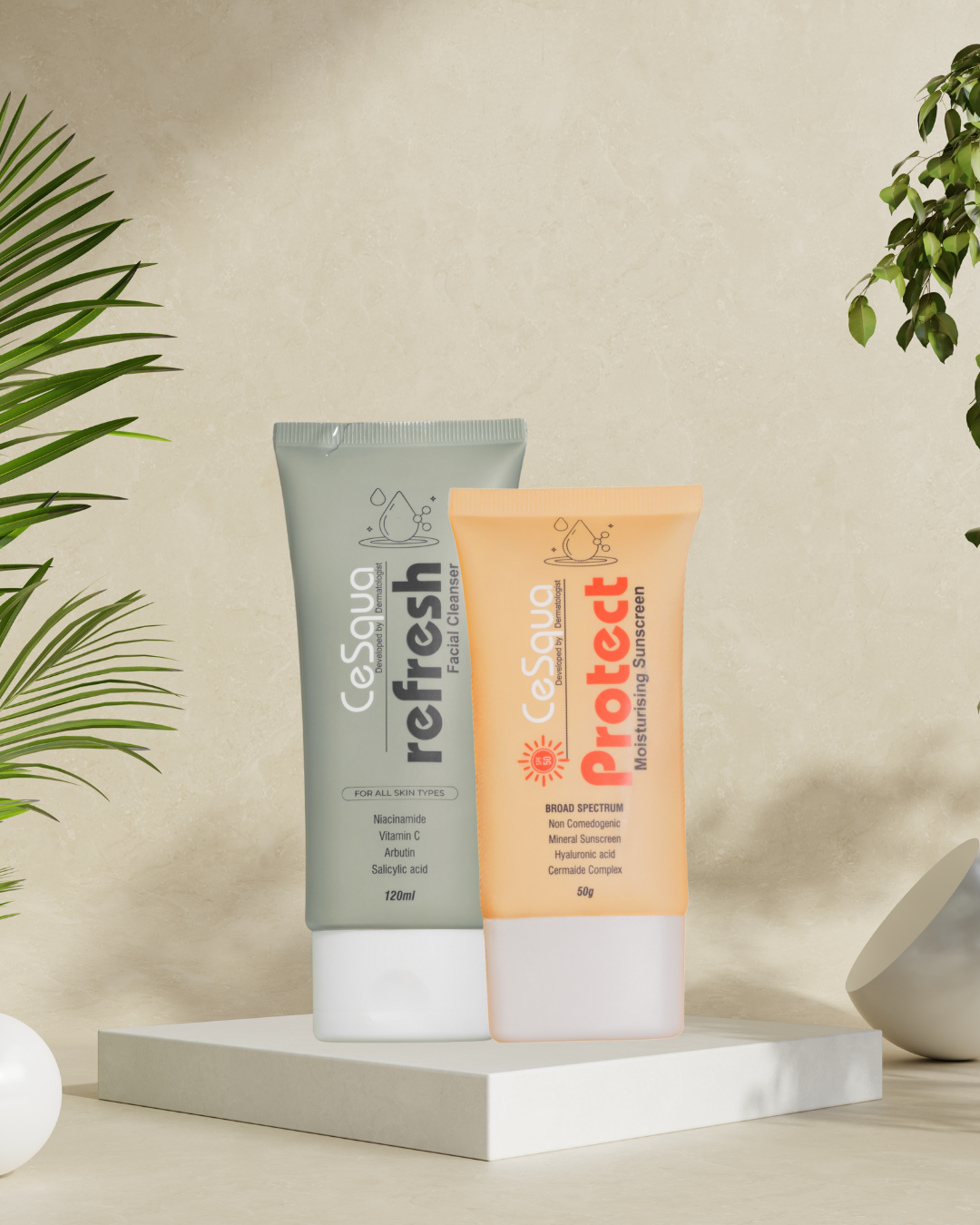
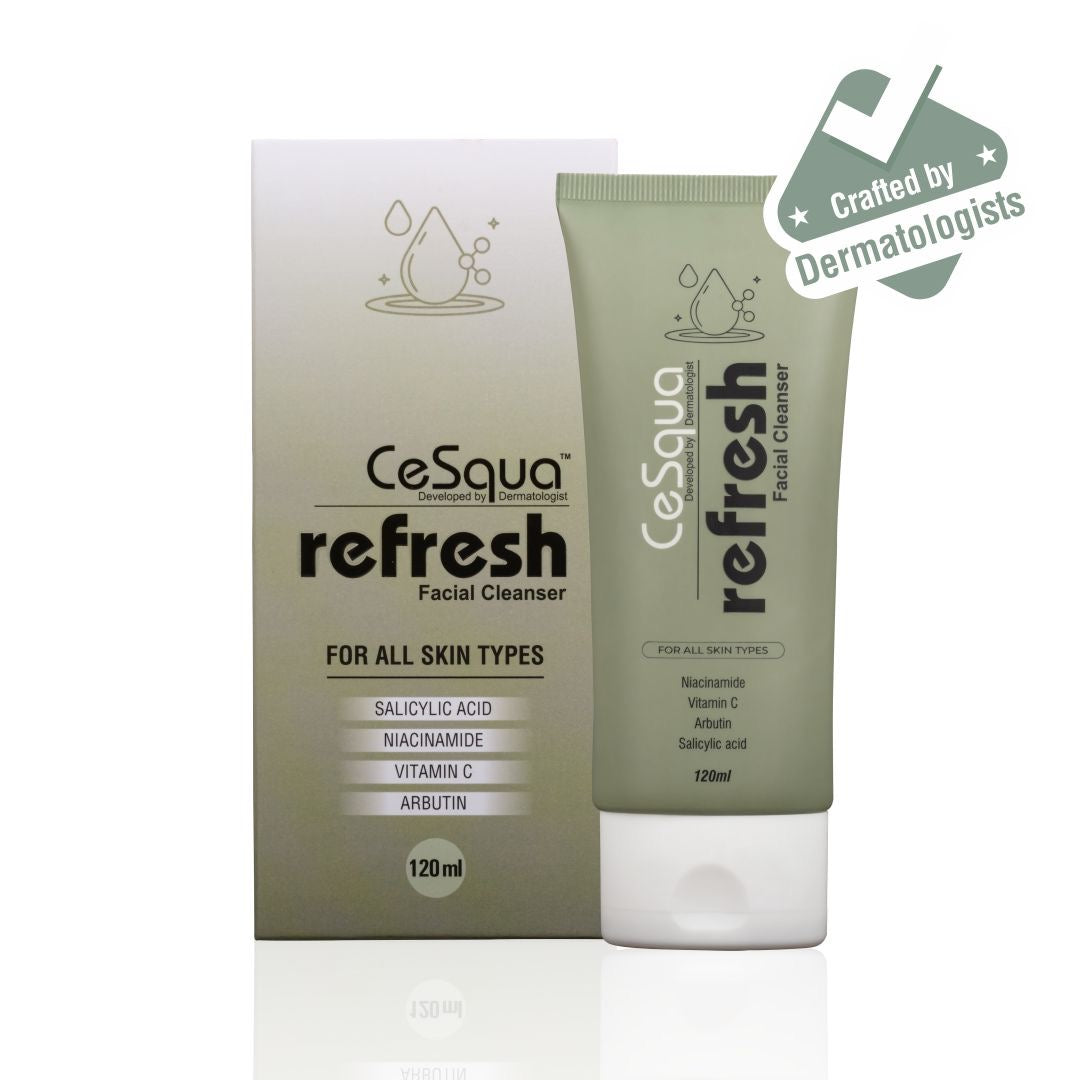
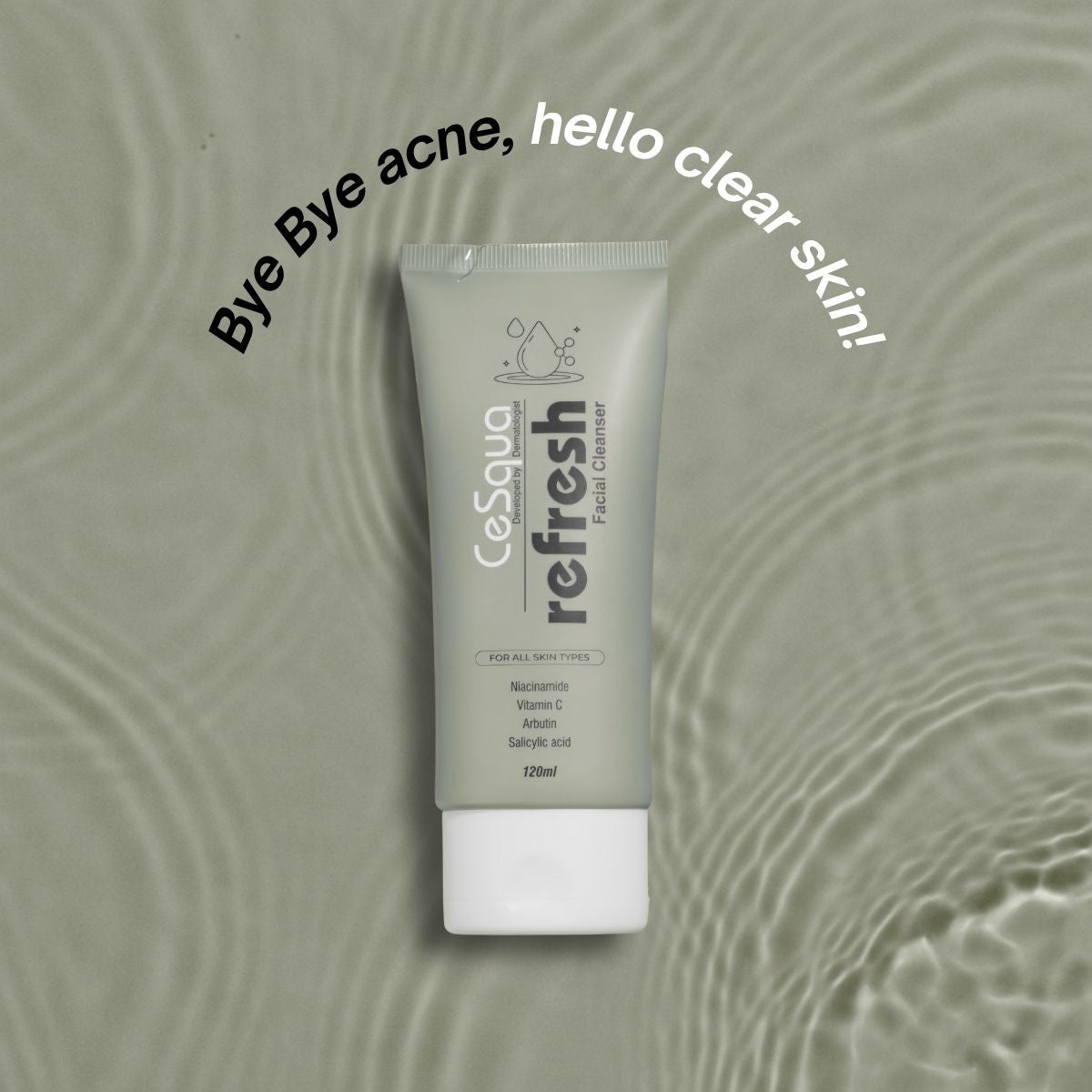
Start with a gentle cleansing routine twice daily. The CeSqua Refresh Facial Cleanser contains salicylic acid for mild daily exfoliation and does not strip natural oils, making it suitable even for sensitive, oily, and acne-prone skin. If your cleanser is already mildly exfoliating, you may not need additional exfoliating products most days. Learn more about how your choice of cleanser can impact breakouts in our blog Can Moisturizer Cause Breakouts?
2. Exfoliation – Less Is More
- Begin with one gentle exfoliation session per week (for example, Monday evenings).
- Apply your chosen exfoliant to clean skin, avoiding areas of active irritation, eyes, or mouth corners.
- Monitor for signs of stinging, burning, or increased redness. If present, reduce frequency further.
3. Soothe and Hydrate Immediately
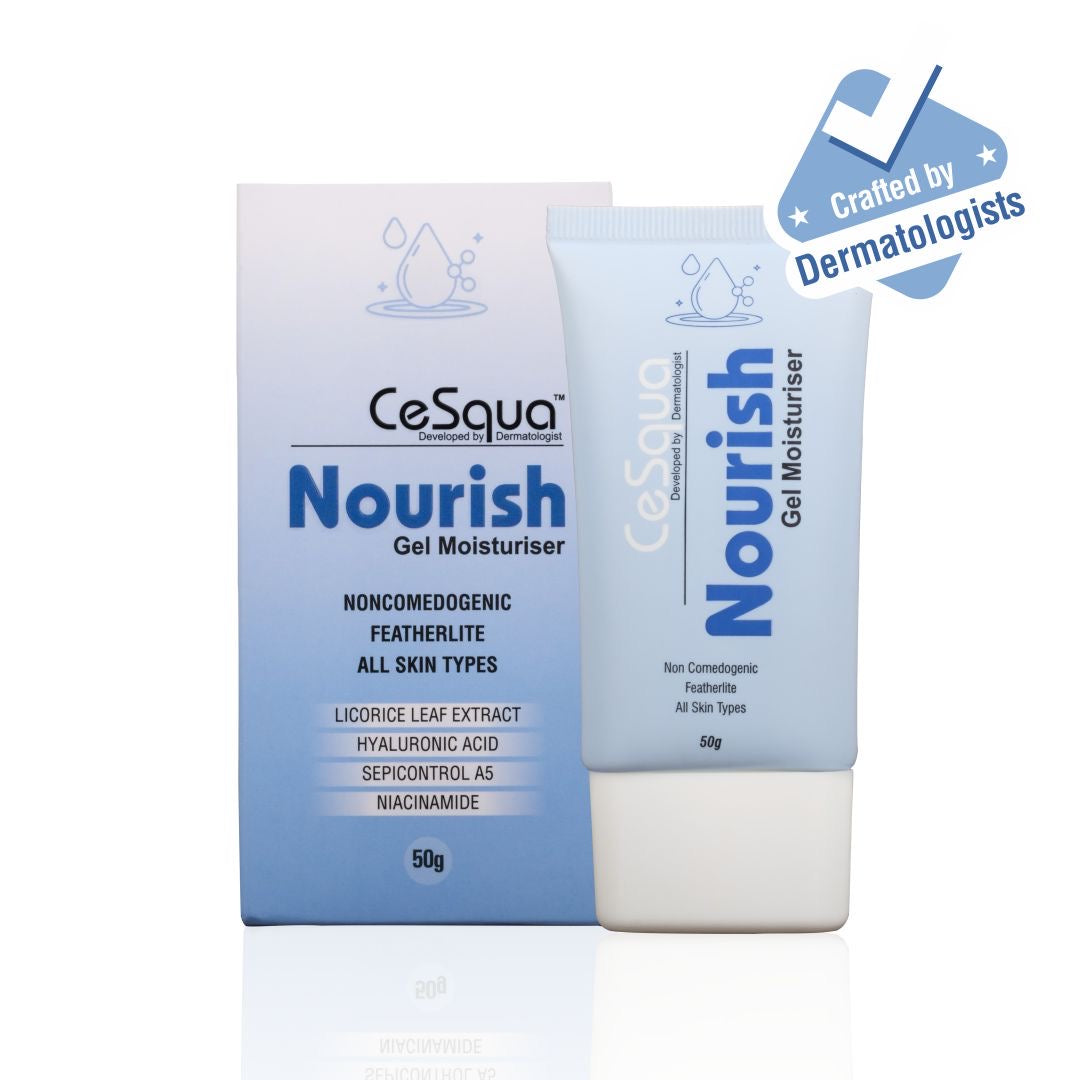
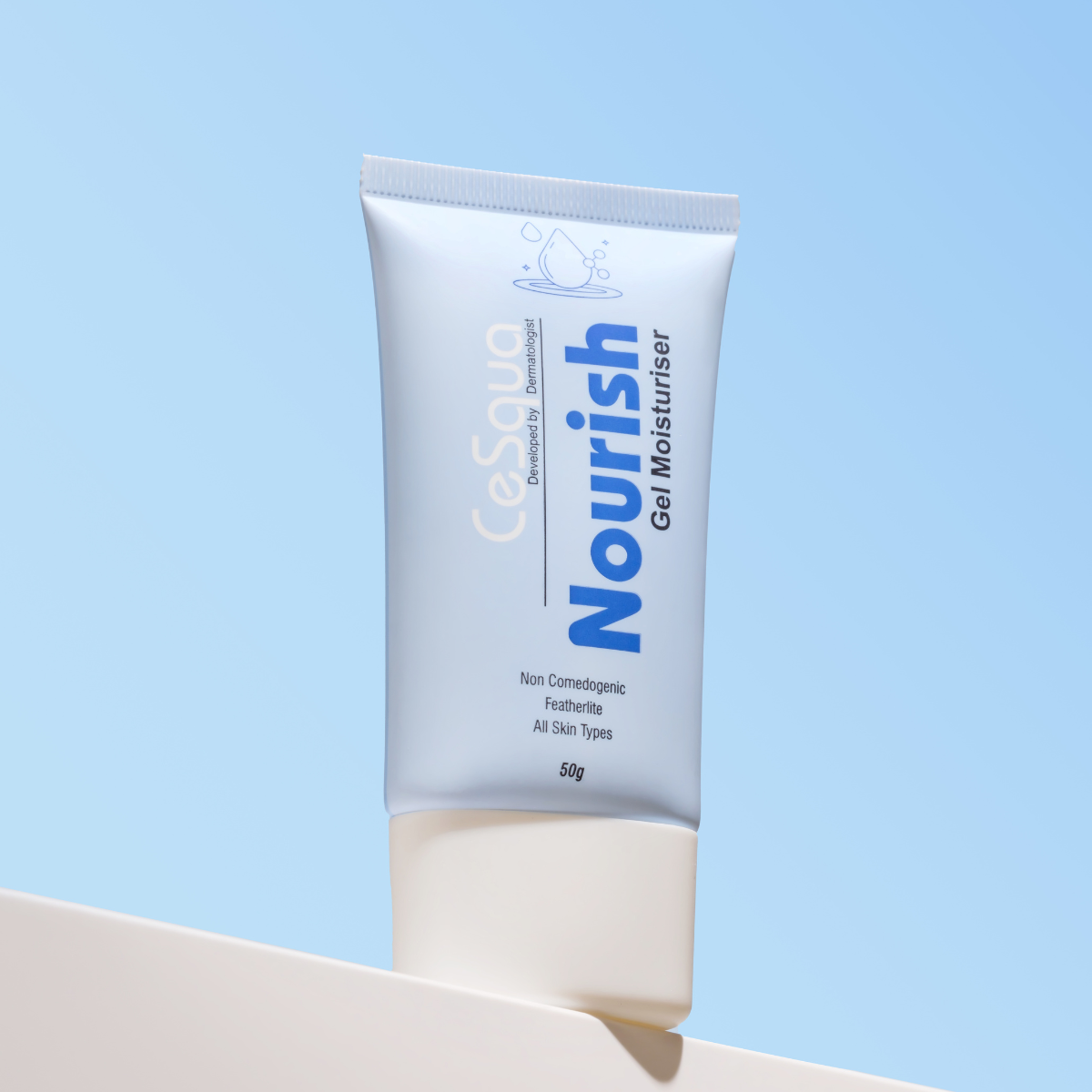
After exfoliation, use a light, calming moisturizer like CeSqua Nourish Gel Moisturiser. This formula offers hydration from hyaluronic acid, calming benefits from chamomile and licorice, and support for acne-prone skin with zinc PCA and tea tree oil, all without heaviness or fragrance. Hydration helps maintain barrier strength and reduces the risk of post-exfoliation irritation. You can learn more about choosing summer moisturizers in our deep dive Gel Moisturizer vs Lotion for Summer.

4. Daily Sun Protection
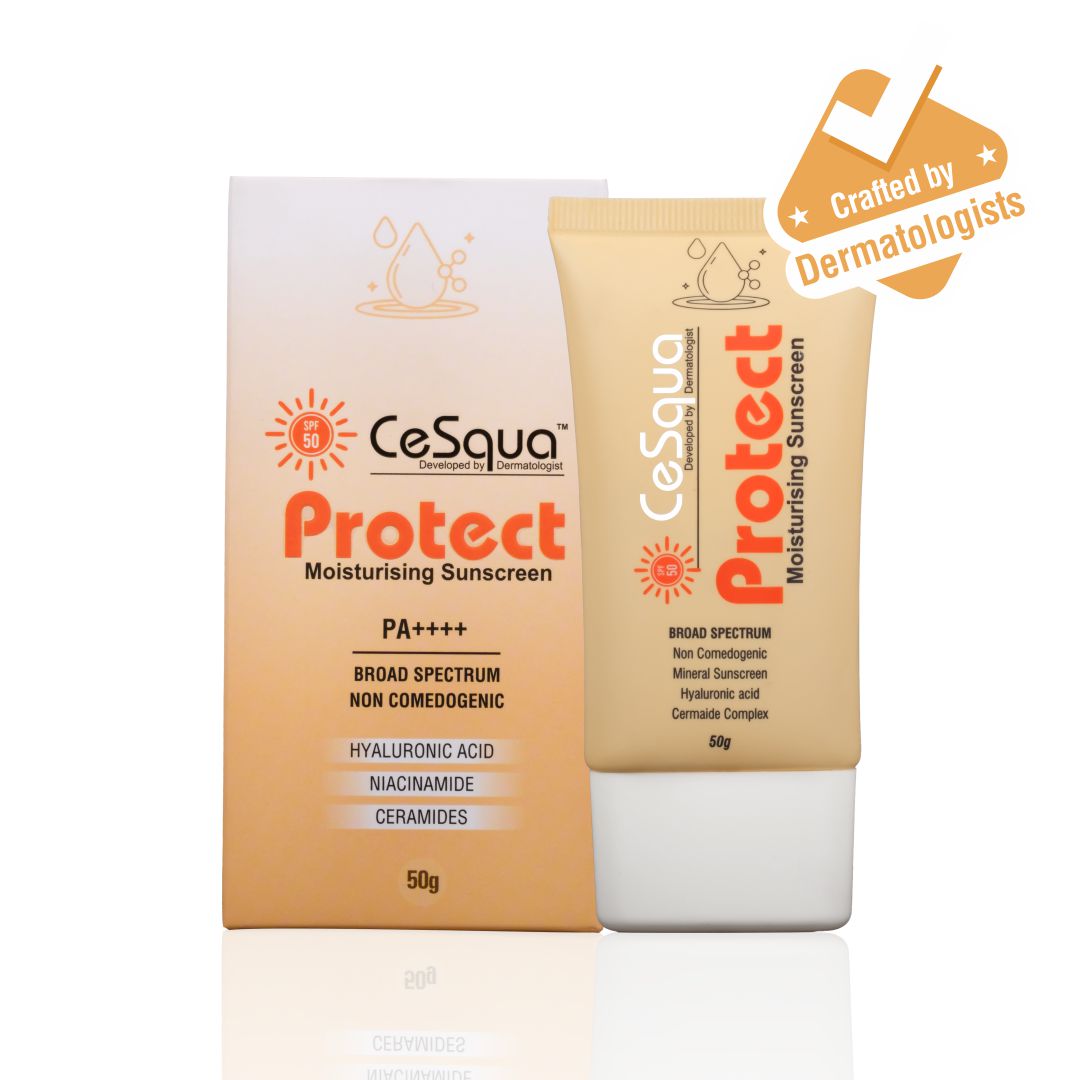
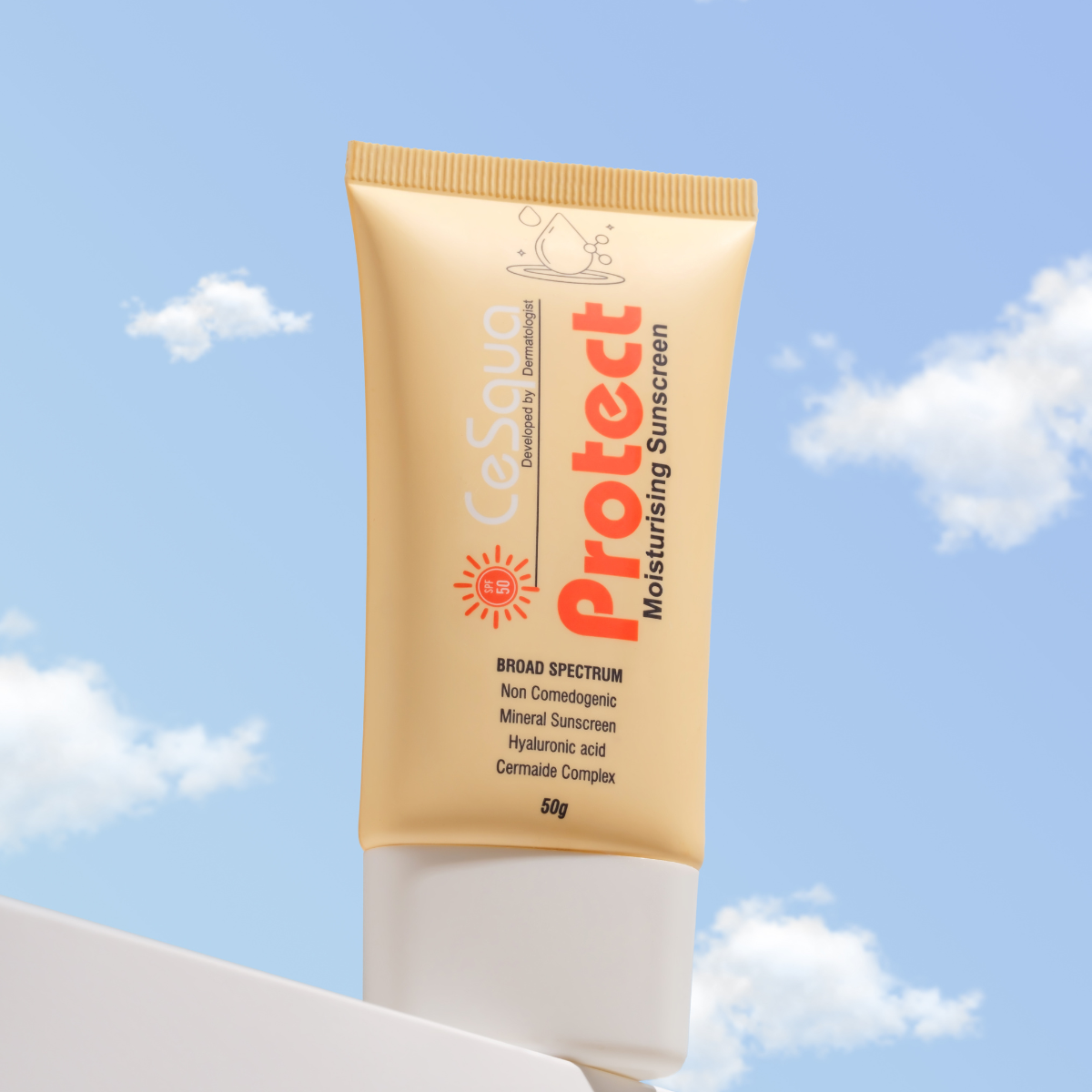
Exfoliated skin is more vulnerable to UV damage. Apply a broad-spectrum sunscreen every morning—ideally, a non-comedogenic and mineral-based option like CeSqua Protect Moisturising Sunscreen, which is formulated for both sensitive and acne-prone skin. This step is non-negotiable to prevent hyperpigmentation and sunburn after exfoliation. For guidance on choosing sunscreen that does not feel greasy in summer, explore our blog Why Your Sunscreen Feels Greasy in Summer.
Signs of Over-Exfoliation
Over-exfoliation may cause symptoms including redness, burning, stinging, noticeable tightness, flaking, increased dryness, or a spike in breakouts. If these symptoms last more than 48 hours, stop all exfoliants and focus on barrier recovery. Use a gentle cleanser and rich moisturizer and be patient as your skin heals.
- Persistent redness or irritation
- Unexpected breakouts (especially small red bumps)
- Tight, flaky, or raw-feeling skin
- Stinging on contact with water or moisturizer
Exfoliating Cleansers vs. Leave-On Exfoliants
If your main cleanser contains an exfoliant (such as salicylic acid), that already counts as regular exfoliation. For most with sensitive or acne-prone skin, daily use of a mild exfoliating cleanser like CeSqua Refresh Facial Cleanser is sufficient, and there is usually no need for additional strong acids or physical scrubs. If you find your skin becoming dry or tight, reduce usage to once daily or every other evening and use a non-exfoliating cleanser at other times. Avoid layering multiple exfoliants in one routine unless instructed by your dermatologist.
Customizing Your Exfoliation: When to Adjust Frequency
- If you use strong actives (retinoids, prescription treatments), exfoliate less often—limit to once weekly, or pause entirely if experiencing peeling.
- During seasons of cold, dry weather, scale back exfoliation and prioritize hydration.
- In humid weather, some acne-prone individuals may tolerate up to 3 exfoliation days per week—but always listen to your skin.
- If experiencing illness, stress, or sleep deprivation, reduce frequency as your skin barrier may be temporarily weaker.
Illustrative Weekly Schedules for Sensitive and Acne-Prone Skin
Scenario 1: Sensitive, Acne-Prone Skin
- Morning: Rinse with lukewarm water or use a non-exfoliating cleanser, apply Nourish Gel Moisturiser, follow with Protect Moisturising Sunscreen.
- Evening: Use Refresh Facial Cleanser one evening per week. Other nights, a mild non-exfoliating cleanser. Follow with Nourish Gel Moisturiser.
Scenario 2: Oily, Acne-Prone but Not Sensitive
- Morning and Evening: Cleanse with Refresh Facial Cleanser; use Nourish Gel Moisturiser if skin feels dry; always finish with Protect Moisturising Sunscreen in the AM.
- If skin remains calm after 2-3 weeks, you may increase frequency to 2 or even 3 nights a week for a leave-on BHA product, but avoid doubling up with other acids on the same day.
Best Practices for Safe, Effective Exfoliation
- Introduce one new exfoliating product at a time; patch test new formulas.
- Avoid scrubs and harsh brushes that can damage delicate or inflamed skin.
- Hydrate immediately with a calming, non-comedogenic moisturizer after every exfoliation.
- Prioritize sun protection, as exfoliated skin is more susceptible to UV and environmental stress. CeSqua Protect Moisturising Sunscreen combines mineral filters and BlueShield technology to protect sensitive, post-exfoliation skin.
- Monitor your skin for changes and adapt your routine with the seasons, stress, or whenever using strong actives.

How CeSqua Simplifies Exfoliation
With a foundation in dermatology, CeSqua provides a minimalist yet effective three-step routine: Cleanse, Hydrate, Protect. Our Refresh Facial Cleanser delivers gentle exfoliation suitable for most sensitive and acne-prone skin, Nourish Gel Moisturiser calms and hydrates, and Protect Moisturising Sunscreen secures your results against daily UV stress. Our approach is built to minimize product confusion and irritation while maximizing results for even the most reactive skin types.
Frequently Asked Questions
How can I tell if my exfoliant is too strong for my skin?
Signs that your exfoliant may be too strong include redness, burning, peeling, excessive dryness, or sudden breakouts. If these appear, stop all exfoliants for at least a week and focus on barrier-repairing products like gentle cleansers and moisturizers (CeSqua Nourish Gel Moisturiser is an effective option).
Is physical exfoliation ever safe for acne-prone skin?
For acne-prone skin, physical exfoliants often do more harm than good. Scrubs and brushes can open up or irritate pimples, leading to worsened inflammation and delayed healing. For most, chemical exfoliants (as in the Refresh Facial Cleanser) are safer and more effective.
Should I exfoliate if I am using retinoids or prescription acne treatments?
Retinoids and prescription creams can increase skin turnover, making your skin more sensitive. Limit additional exfoliation to once weekly or pause until your skin adjusts. Always listen to your skin’s response and consult your dermatologist if in doubt.
What is the best time of day to exfoliate?
Exfoliating in the evening is often recommended, as skin naturally repairs itself overnight, and you avoid sun exposure right after exfoliation. Always hydrate and protect in the AM with sunscreen.
Can CeSqua’s gentle cleansers be used daily for sensitive skin?
Yes, Refresh Facial Cleanser is designed for twice-daily use and is free from harsh chemicals, suitable for sensitive, oily, and acne-prone skin. If irritation develops, reduce to once daily and use a regular mild cleanser in the morning.
Conclusion
For sensitive or acne-prone skin, less is often more when it comes to exfoliation. Begin slowly—just once per week with a gentle chemical exfoliant—and listen to your skin, adjusting only if there is no persistent irritation. Always pair exfoliation with replenishing hydration and reliable protection against UV damage. The simple, evidence-based approach of CeSqua makes it easier to achieve healthy, radiant skin without guesswork or unnecessary steps.
If you want a no-fuss, dermatologist-inspired approach to clear and calm skin, explore our routines and products at CeSqua.