



When the chill sets in and humidity drops, many of us suddenly find our faces behaving unpredictably—breakouts alongside dry, tight skin are more common than you think. If you've ever cleaned your pillow, switched your facewash, and researched all the reasons for winter pimples, yet they keep coming back, you're not alone. The truth is, what's happening isn't always classic acne. In winter, breakouts often signal your skin barrier is struggling with dehydration. As a dermatologist-founded brand, at CeSqua, we believe untangling this difference is the first step in stopping the winter breakout cycle—for good.
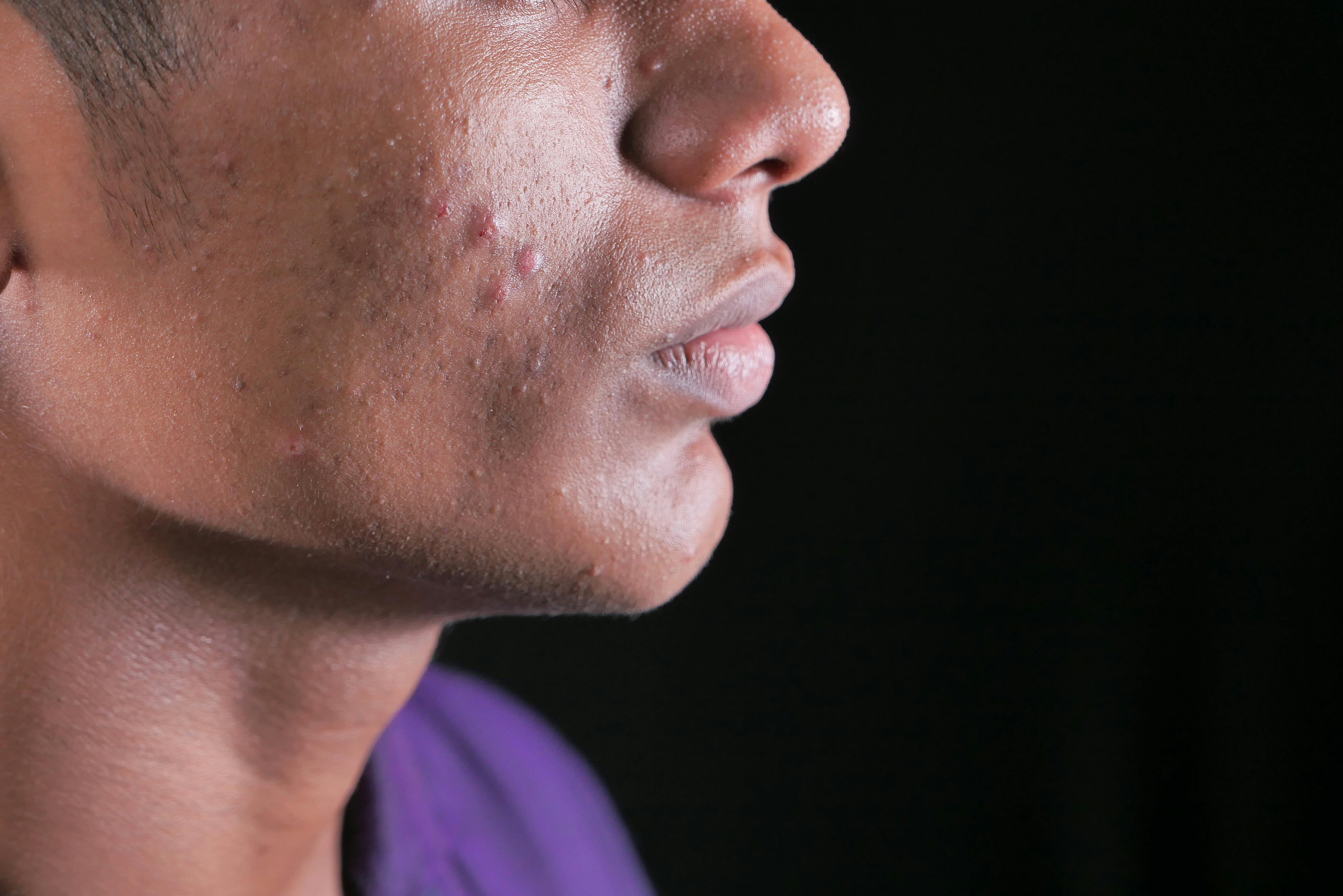
Breaking Down the Confusion: Is It Winter Acne or Dehydration Breakouts?
Let’s start by acknowledging there’s a lot of overlap. The brutal combination of cold winds, indoor heat, and ultra-dry air leaves your skin unbalanced. But there are real differences between classic winter acne and dehydration-triggered breakouts—here’s how you can sort out what your skin is trying to tell you:
What Actually Causes Winter Acne?
- Environmental triggers: Cold air, dry winds, and sudden temperature shifts weaken your skin’s outer barrier. As a result, the skin overcompensates by producing more oil than it should.
- Pore backups: That extra oil mixes with dead skin and bacteria, leading to plugged pores and breakouts—especially around the forehead, nose, and chin.
- Barrier breakdown: The loss of barrier-supporting lipids like ceramides makes it easier for acne-causing bacteria to flourish and for irritants to sneak in.
- Accessory agitation: Scarves, masks, and woolly hats create friction or trap sweat, worsening breakouts in areas they touch.
Winter acne often shows up as classic pimples, blackheads, and whiteheads. These blemishes flare up in key oil-prone spots and may worsen whenever there’s more rubbing, sweating, or occlusion.
What Is a Dehydration Breakout?
- Loss of water, not oil: Dehydration is about your skin not holding onto enough moisture in its top layers. The body responds the only way it knows—by pumping out more oil (sebum) as a defense.
- Flaky with flare-ups: Breakouts are often surrounded by dullness, dryness, flaky patches, and sometimes even stinging or tightness.
- Tender, inflamed spots: Blemishes may be fewer but feel more painful and red, flaring up after using harsh products or cleansing with hot water.
- Redness and discomfort: The skin barrier can no longer protect against the environment, leading to visible unevenness and peeling alongside spots.
Most of us experience a combination of both. In our practice, we’ve seen that addressing one without the other rarely works—your skin simply finds another way to signal it needs a reset.
The Dermatologist’s Checklist: Am I Dealing with Acne or Dehydration?
Use this quick checklist. Check off every sign you notice—the more overlap, the more likely you’re dealing with both at once.
Winter Acne?
- Breakouts mainly in T-zone (forehead, nose, chin)
- Blackheads or whiteheads plus a few angry pimples
- Skin feels both oily and rough
- Blemishes appeared after the weather cooled
- Breakouts get worse after wearing hats or scarves
Dehydration Breakout?
- Pimples surrounded by dry, flaky, or red patches
- Sensation of tightness no matter how much lotion you apply
- Stinging, discomfort, or burning (especially after cleansing)
- Dull, lifeless skin even while breaking out
- Treatment creams seem to make things worse
If you recognize signs from both lists, your skin needs care that targets both oil imbalance and water loss.
Why Typical Acne Treatments Tend to Fail in Winter
Most acne products are built for summer skin. They focus on stripping oil, drying out pimples, or exfoliating fast. In winter, these approaches can be a disaster because they worsen water loss, leaving your barrier unprotected. You might notice that spot treatments, peels, or even astringent face washes leave your face burning, red, and more inflamed than before. Your skin is telling you it’s thirsty—not just oily.
For a more in-depth look addressing why classic routines break down in the cold, see our insights on Moisturizer Mistakes You’re Making in Winter (And the Simple Switches That Really Work) or Winter-Proof Your Skin: 7 Dermatologist Fixes for Tightness, Flakes, and Surprise Breakouts.
The 3-Step Dermatologist Fix: How We Recommend Healing from Both Sides
1. Gentle, Balancing Cleanse
Twice a day, cleanse to remove buildup without stripping away the barrier. Avoid scrubbing or using hot water—both increase sensitivity and dryness.
- Pick a cleanser with salicylic acid for gentle pore clearing, but balanced by hydrators like hyaluronic acid and niacinamide to maintain a healthy skin barrier.
- Look for gentle actives, sulfate- and paraben-free, and skip aggressive physical exfoliants.
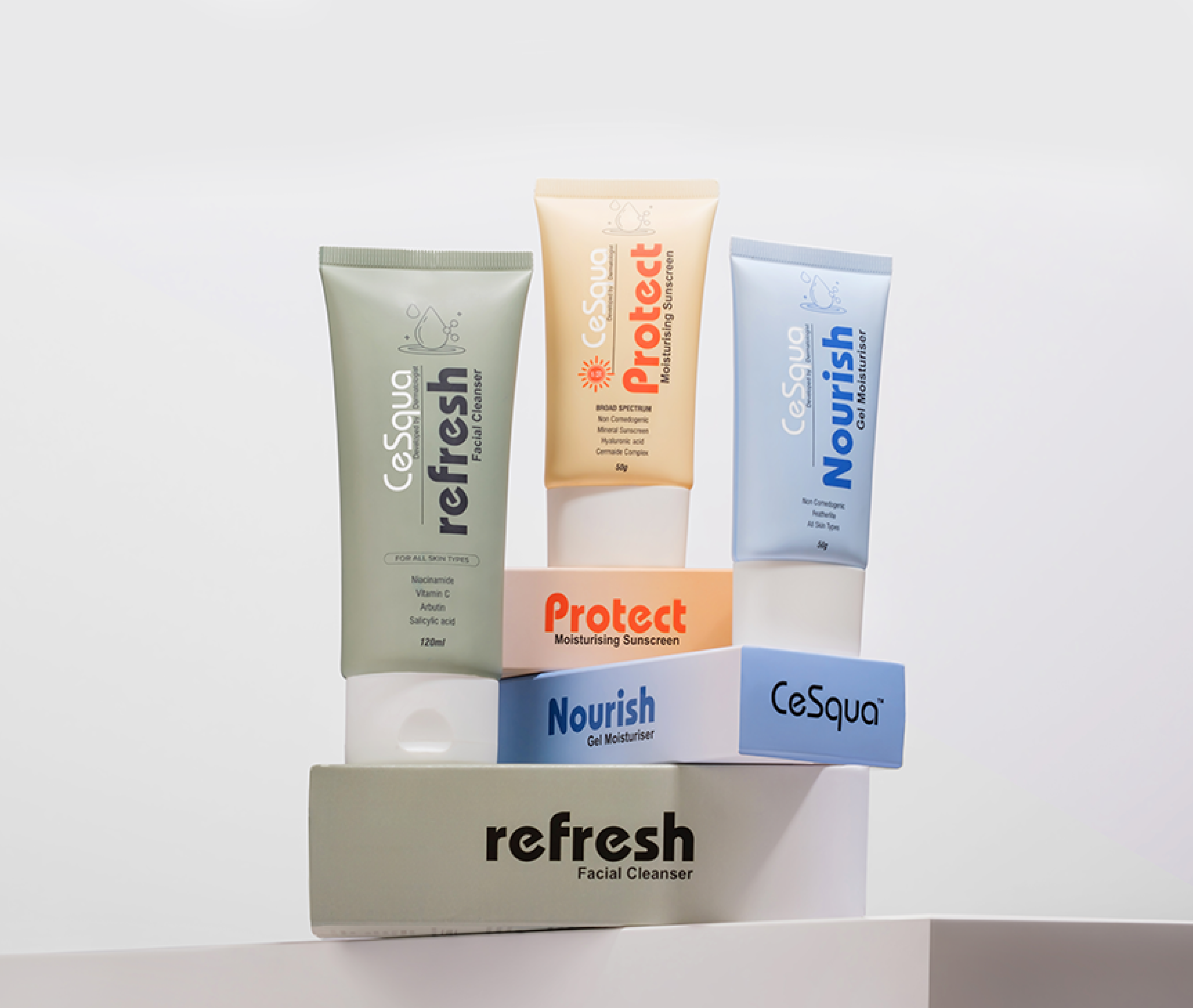
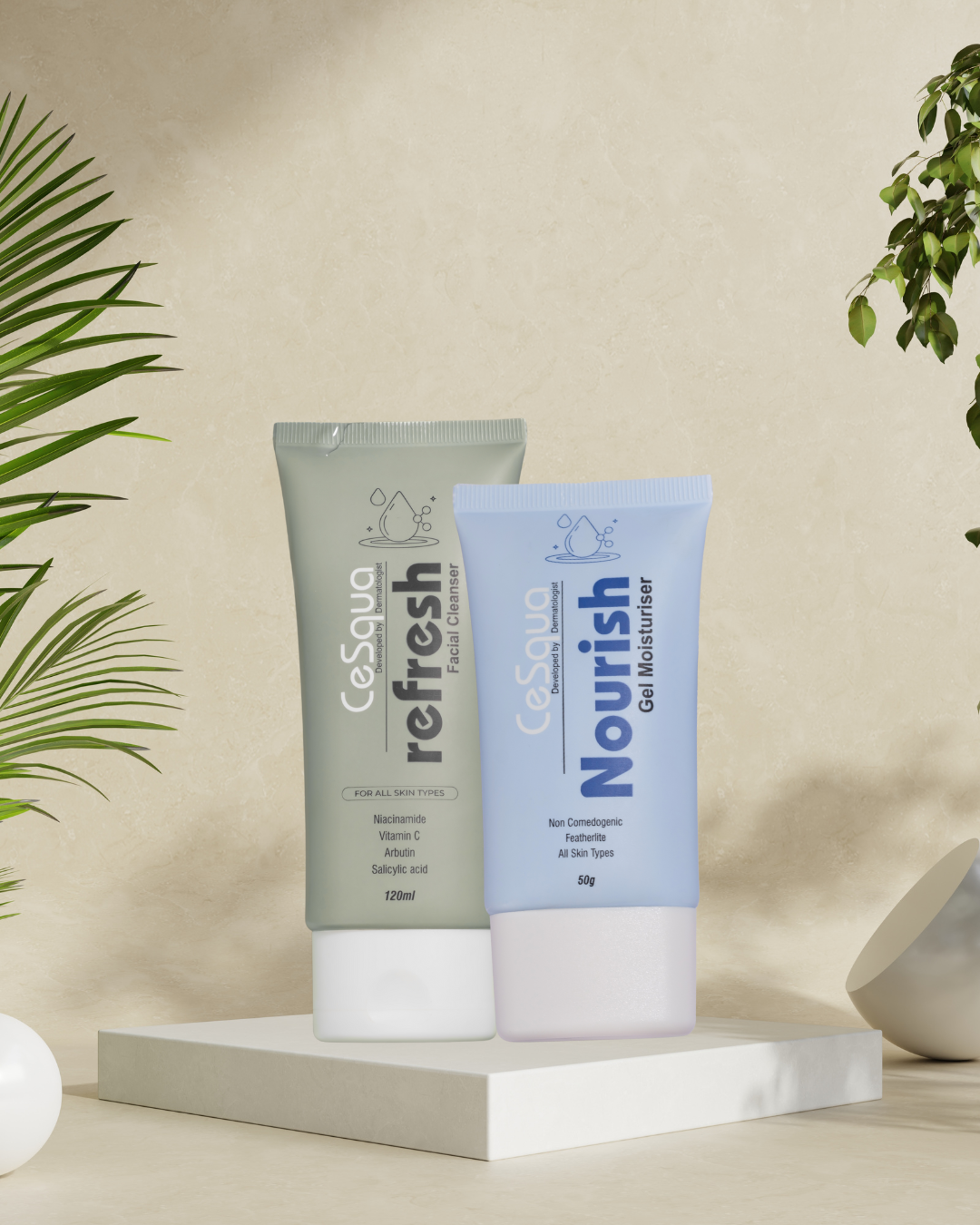
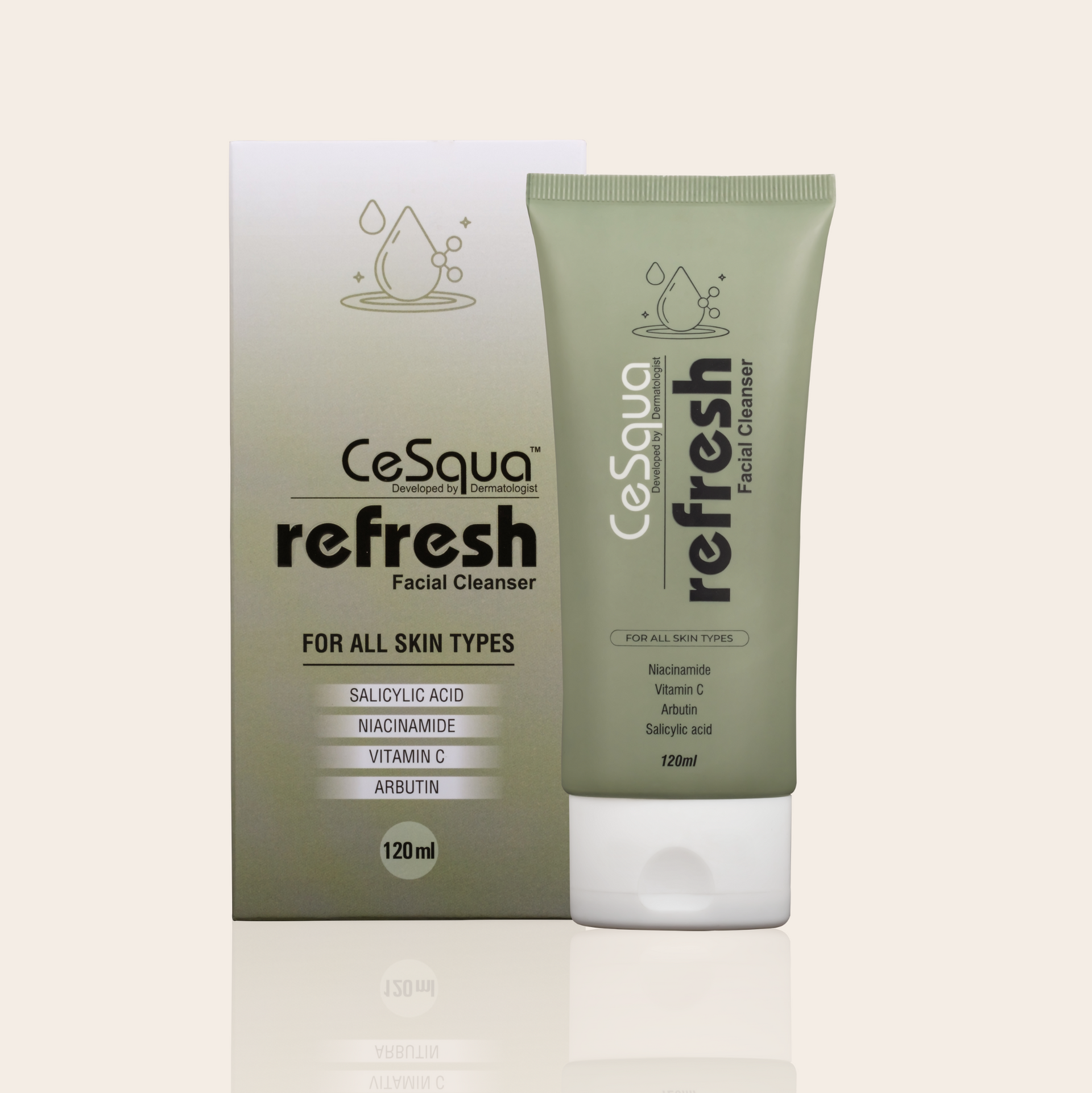
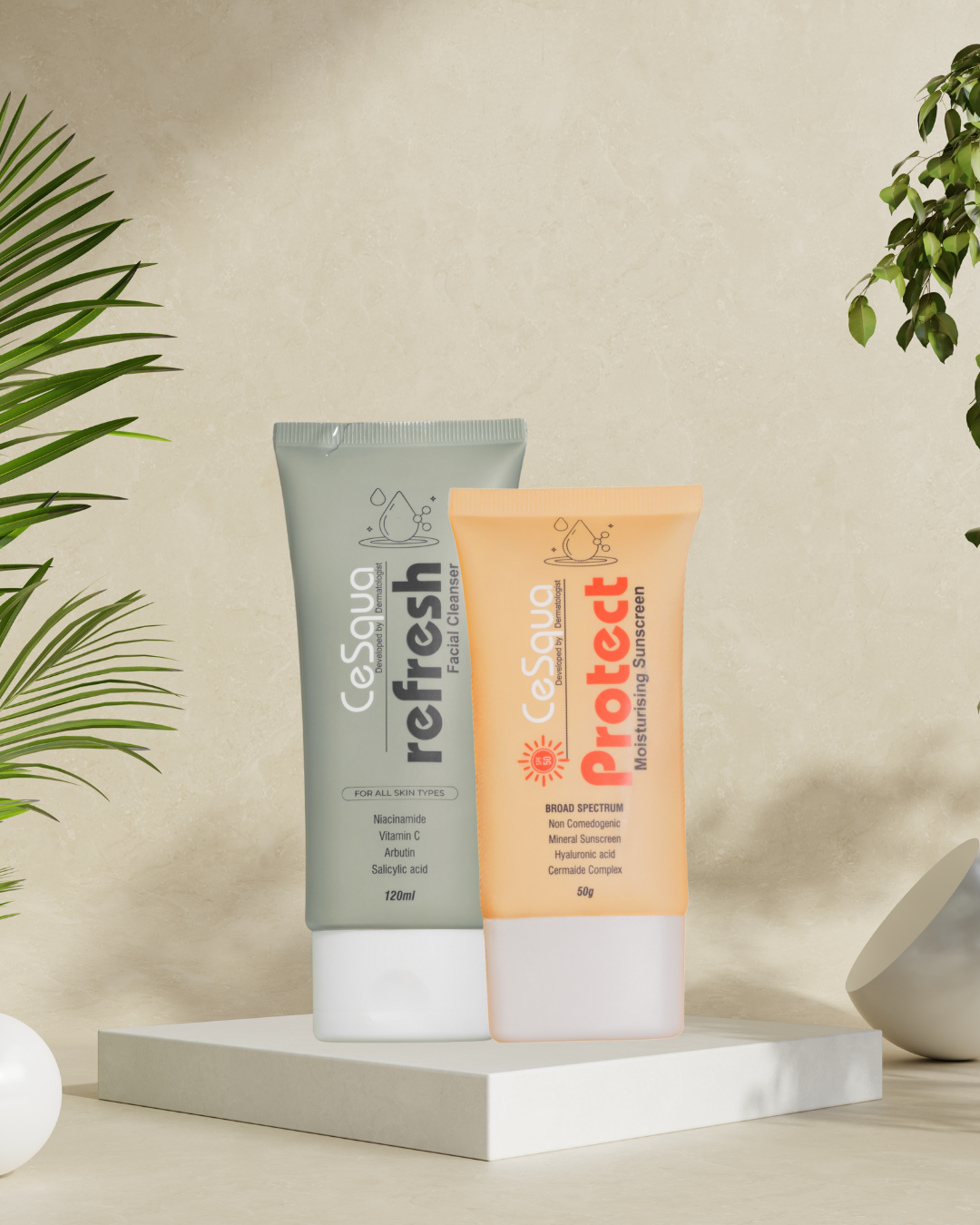
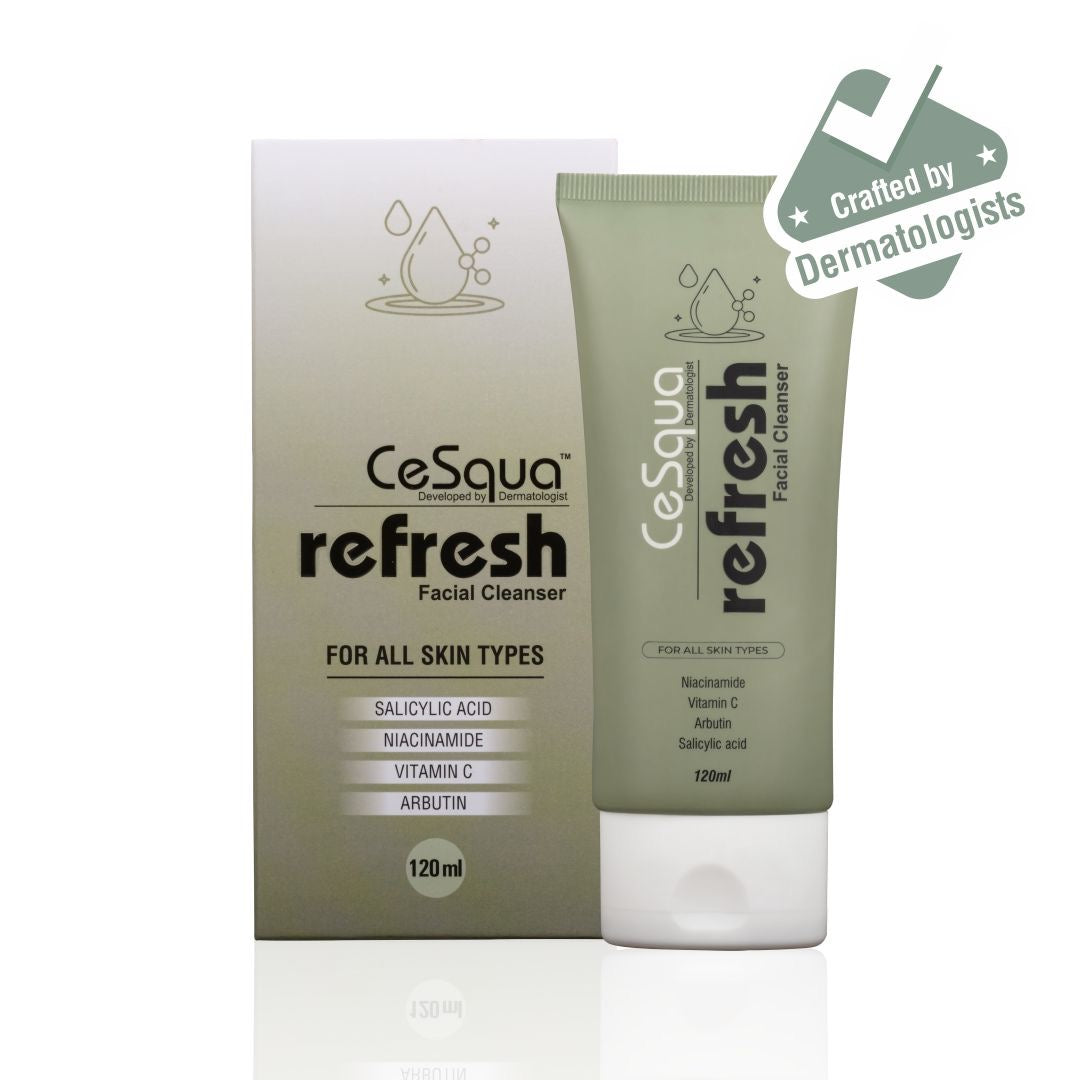
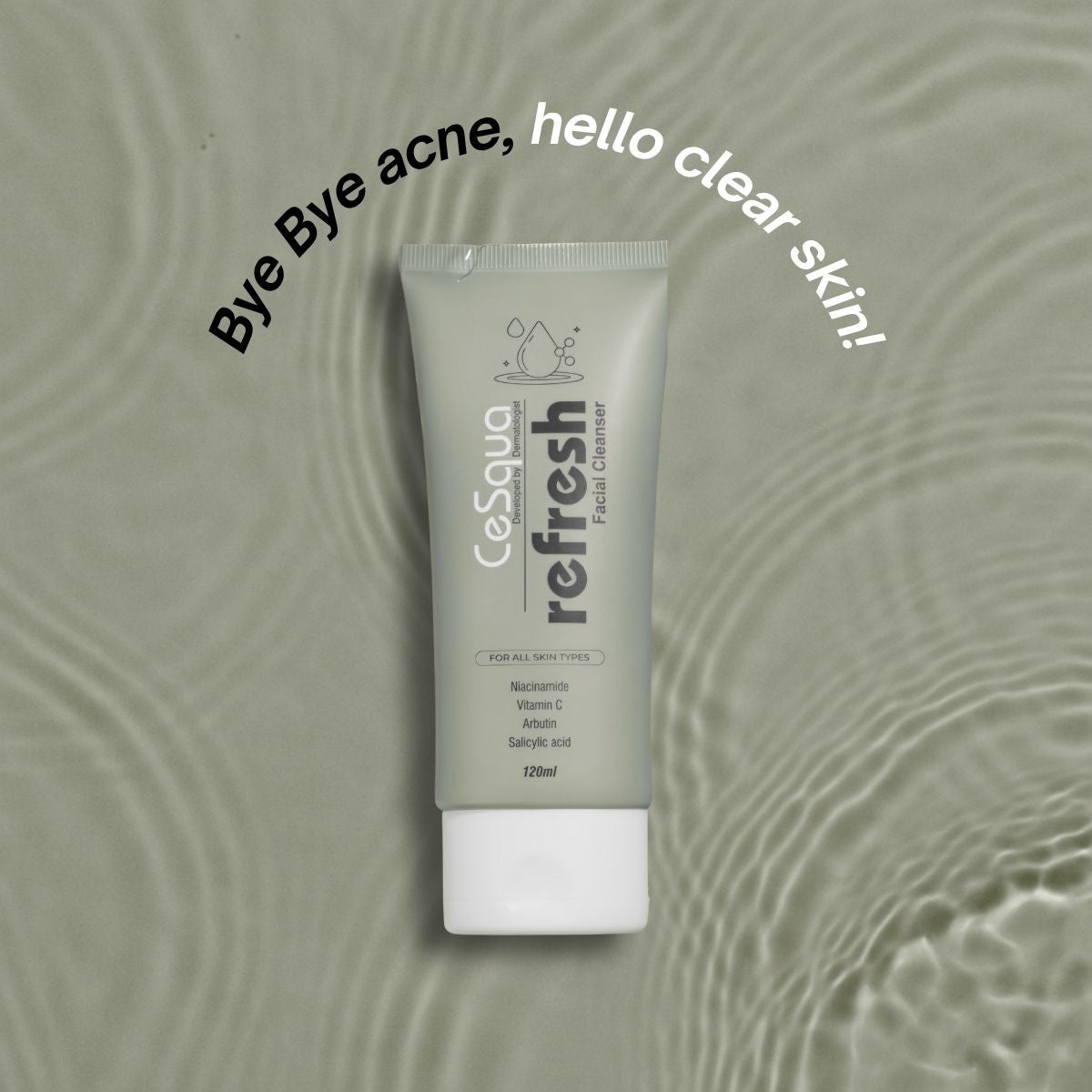
- Our Refresh Facial Cleanser is designed for exactly this—a careful blend of gentle exfoliation and hydration support suitable for all skin types, including sensitive and acne-prone skin.

2. Deep Hydration and Barrier Support
Never skip moisturizer just because you have acne. In winter, when dehydration is an equal threat, you must give your barrier extra support, not less.
- Layer moisturizer onto damp skin morning and evening, using lightweight, non-comedogenic gels or creams. These formulas help trap water in the upper layers where your skin is most vulnerable.
- Seek out ceramides (which directly replenish the barrier), hyaluronic acid (binds water to skin), and soothing botanicals like chamomile and licorice extract.
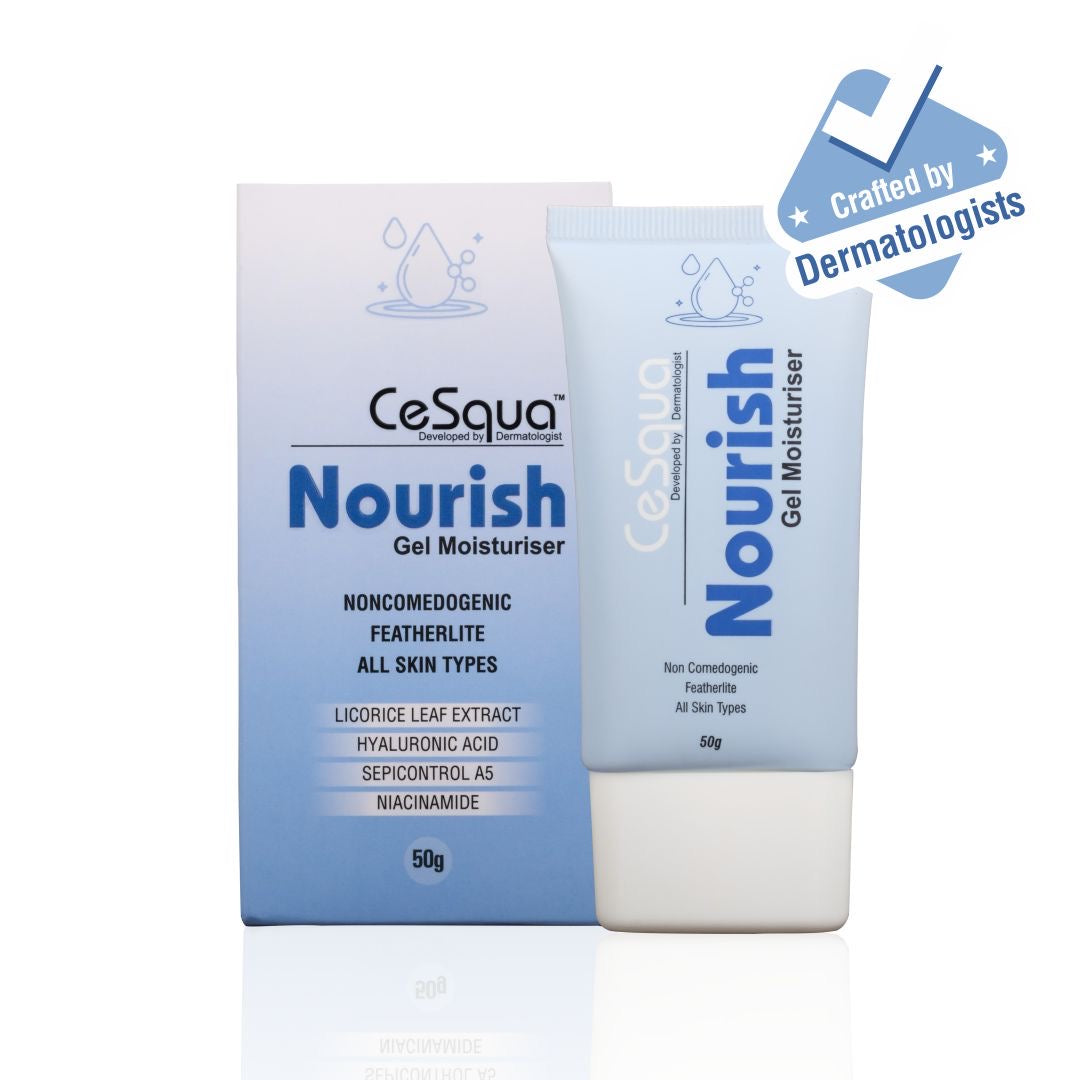
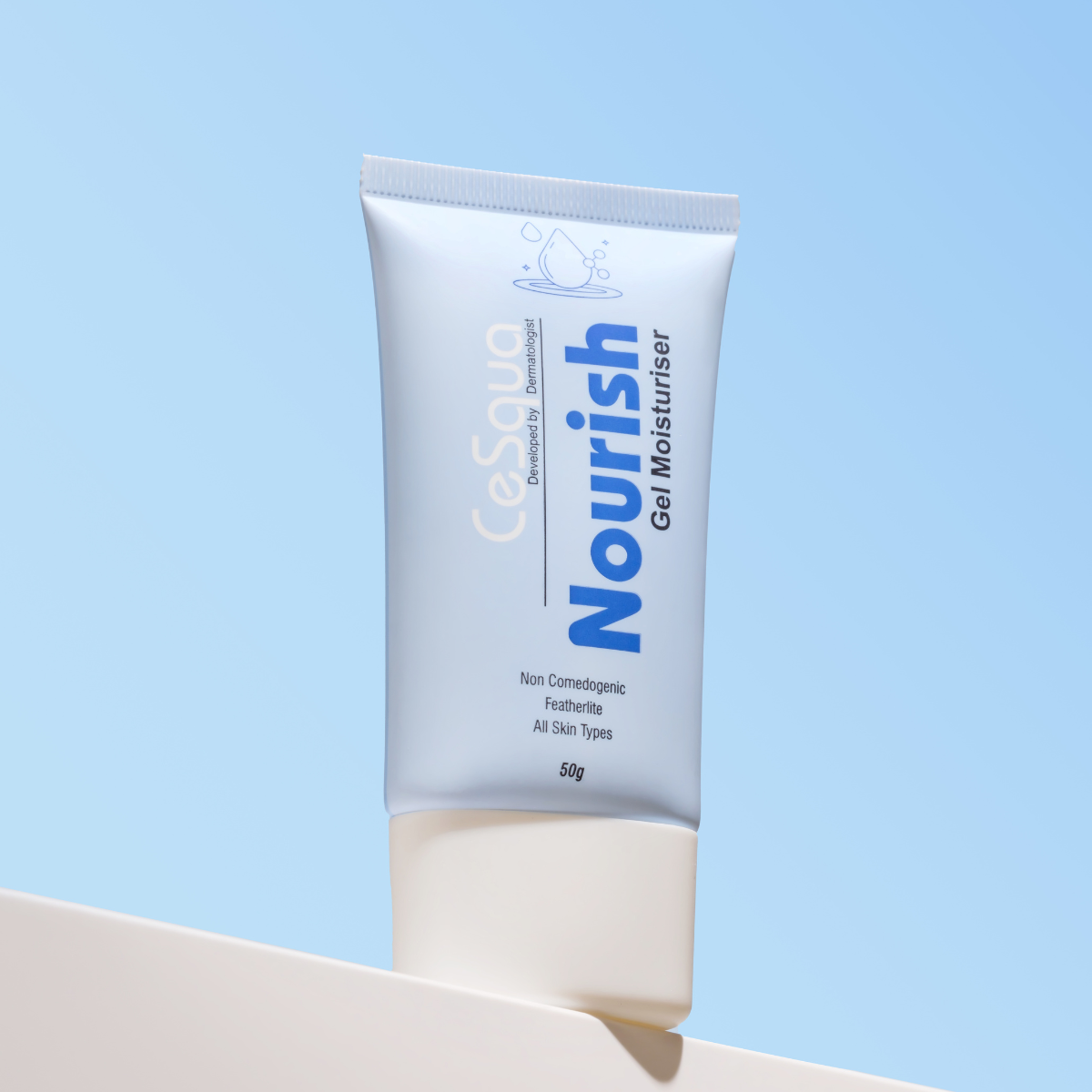
- The Nourish Gel Moisturiser combines these actives in a quick-absorbing formula, perfect for layering with treatment serums or as a base for makeup.
3. Reliable Protection from Sun and Environmental Stress
Skipping sunscreen is a huge mistake, even in winter. UV rays, blue light, and pollution can all damage your already-vulnerable barrier—making pigmentation and inflammation worse.
- Choose a broad-spectrum SPF (at least 30) that also hydrates or strengthens barrier function. If it doubles as your morning moisturizer, even better.
- Look for ingredients like titanium dioxide, zinc oxide, and antioxidants for gentle protection. Coverage should be non-greasy and work well under makeup.
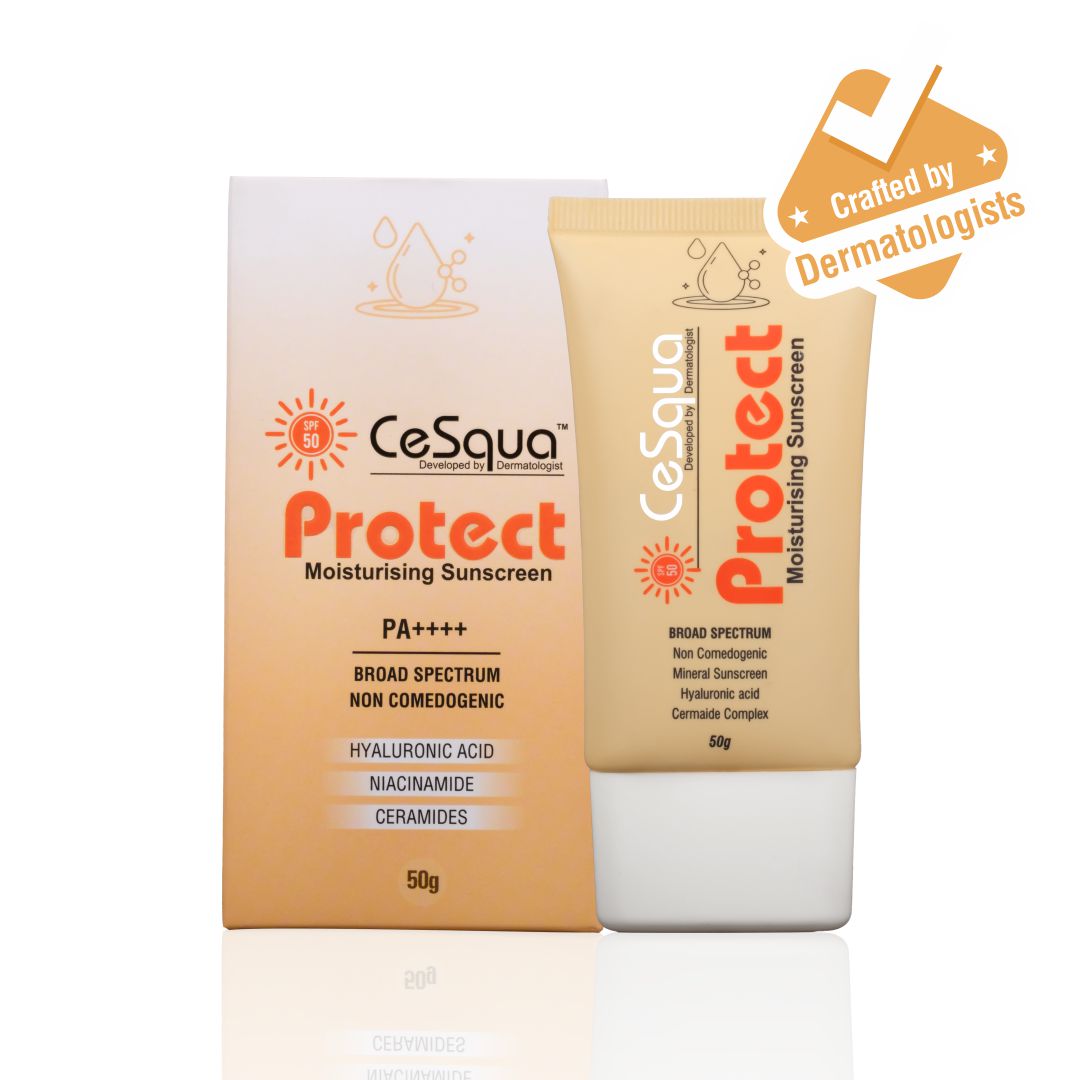
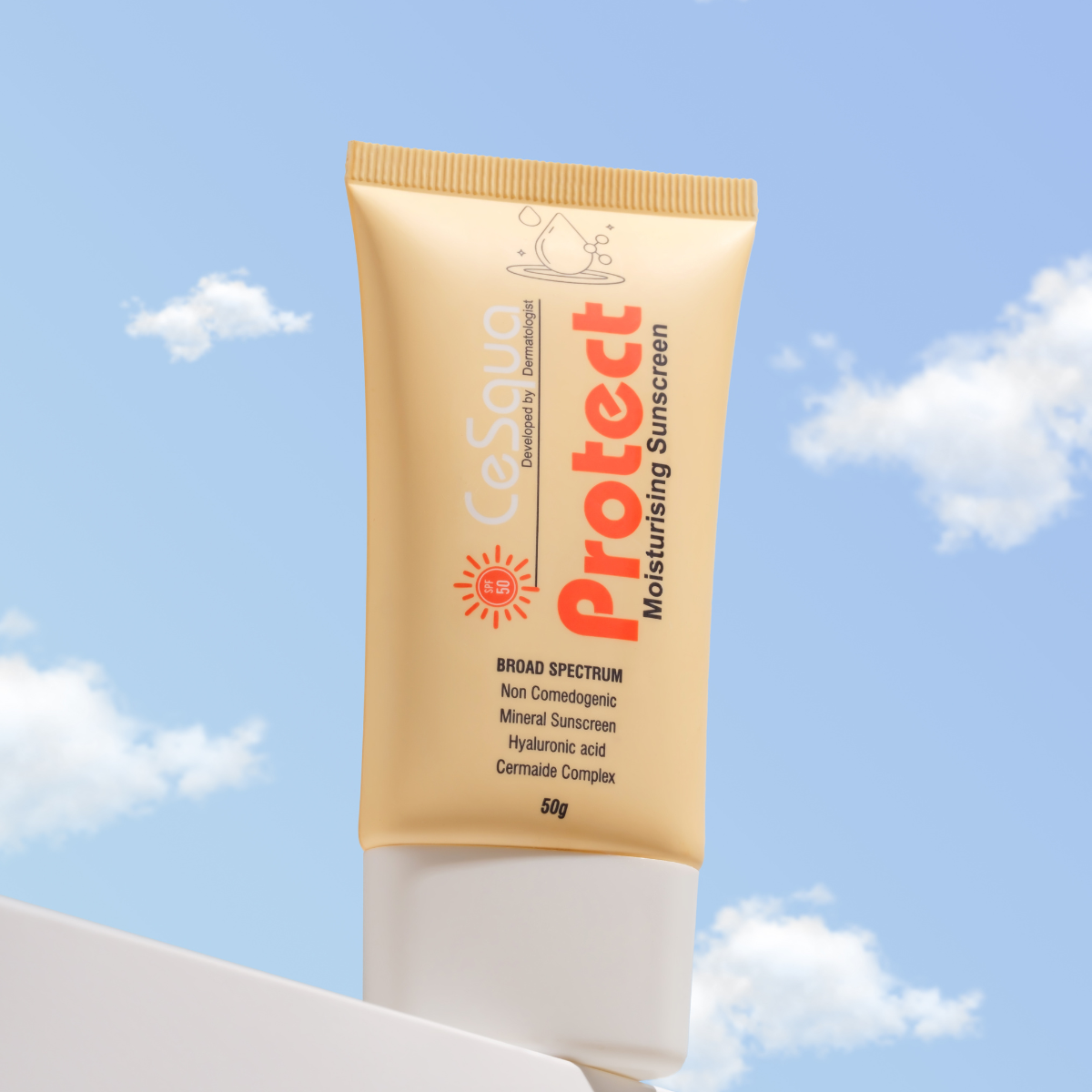
- The Protect Moisturising Sunscreen is a blend of SPF, moisture, and environmental defense with zinc, hyaluronic acid, and BlueShield technology—fitting seamlessly into a minimal winter routine.
Winter Habits That Can Make Breakouts Worse (and How to Pivot)
- Avoid washing your face more than twice daily. Overcleansing accelerates water loss. Cleanse gently, pat dry, and immediately apply hydrating products before skin feels tight.
- Be mindful with accessories. Scarves and hats should be clean, not overly tight, and not made of rough fibers. Gear that traps oil and sweat makes breakouts worse.
- Let your skin acclimate. Sudden temperature changes, from freezing outdoor air to toasty rooms, trigger dryness. Give your skin time to settle and use face mists or a light moisturizer before venturing out.
- Rethink exfoliating tools. Skip rough scrubs, brushes, or anything that increases friction—gentle fingertips and a soft cloth are enough.
- Don’t expect overnight miracles from spot-treatments or actives. Boosting hydration is a cumulative effect, with visible changes often appearing over several weeks.
- Keep stress in check—easier said than done, but stress can flare both acne and dehydration. Try to maintain sleep routines, hydrate from within, and practice basic mindfulness techniques.
Your Stepwise Progress: What to Expect
- Week 1-2: Less tightness, more comfort. You might see mild purging as congested skin releases buildup—this is temporary.
- Week 2-4: Redness and most dry patches settle. Pimples and oiliness start to reduce.
- Week 4-8: Texture and tone even out. New breakouts are rare, and your skin maintains consistent hydration and clarity.
What to Avoid
- Skipping moisturizer because you fear oiliness. Even acne-prone skin needs hydration.
- Hot showers and face scrubs. Both trigger and worsen dehydration.
- Layering too many actives. More isn’t better, especially in winter.
- Ignoring SPF or barrier repair products—your skin’s defense system is more important than ever.
Less, But Better – Why Simplifying Your Routine Makes All the Difference
At CeSqua, we’ve observed time and again that winter skin thrives on less—but better. Each product in your lineup should multitask: a cleanser that clears while hydrating, a moisturizer that soothes and strengthens, and an SPF that feels comfortable, non-clogging, and barrier-supportive.
Ready to reset? Explore our approach to minimalist, doctor-designed skincare or dive deeper into routines for season-specific issues with guides like Build Your 3-Step, AI-Smart Skincare Routine for 2026: A Dermatologist’s Template You Can Personalize.
Final Thoughts
Winter doesn’t need to mean mystery breakouts or endless trial-and-error. Often, the answer is as simple as respecting your skin’s real needs and treating dehydration as seriously as blemishes. If you’re curious about science-backed, streamlined skincare that delivers more with less, we welcome you to explore CeSqua’s story and products on our website. Remember, healthy, hydrated skin is within reach with a mindful, barrier-first winter routine—your skin (and future self) will thank you for it.