



Waking up with dry, tight, or lackluster skin after a night in air conditioning is more common than most people realize. Air conditioners lower the humidity in a room, causing increased moisture loss from your skin—an effect dermatologists refer to as transepidermal water loss. This environmental change is especially pronounced overnight, when the skin is exposed for long uninterrupted hours to artificially dry air.
If your skin feels comfortable during the day but you notice dullness, flakiness, or irritation by morning, your bedroom AC could be the culprit. Many people with sensitive or combination skin also experience surprise breakouts or increased irritation as their skin barrier struggles to retain moisture against constant air circulation. Addressing this issue requires a blend of smart skincare strategy and a few simple bedtime tweaks—no need to replace the AC altogether.

Definition: How AC Triggers Overnight Skin Dryness
Air conditioning systems cool indoor spaces by removing moisture from the air. This results in lower room humidity and creates a gradient that encourages water to leave the outermost layers of the skin. The process is subtle but accumulates overnight, manifesting as dryness, tightness, and sometimes an increase in sensitivity or flakiness by sunrise.
- Lower indoor humidity accelerates water loss from the skin, especially overnight.
- Direct airflow from AC vents onto the skin further amplifies this effect.
- Compromised or sensitized skin barriers have more difficulty coping, resulting in redness or irritation.
The Simple Nighttime Fix: A Focused, Restorative Routine
At CeSqua, we’ve observed that a streamlined, evidence-based routine is not only more sustainable but also more effective in minimizing air conditioning–related skin challenges. The core principle: cleanse gently, replenish hydration, and seal in moisture before bed. Our approach is designed to work with your life, not add hours to it.
Step 1: Cleanse With Care
Begin your routine with a mild, non-stripping cleanser. Overly harsh cleansers can worsen dryness by removing natural oils and further disrupting the barrier—avoid strong foaming agents or high concentrations of actives in your nighttime wash.
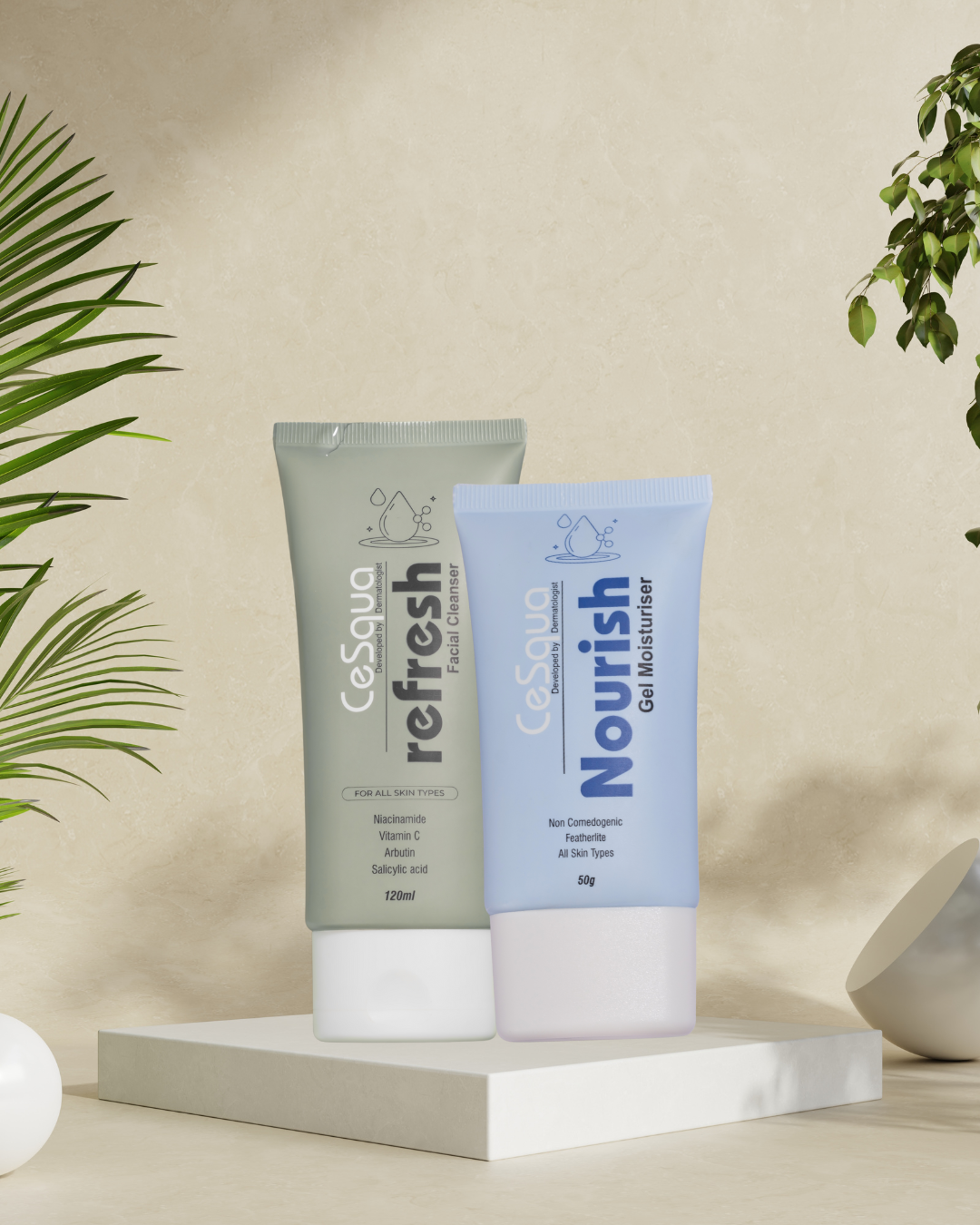
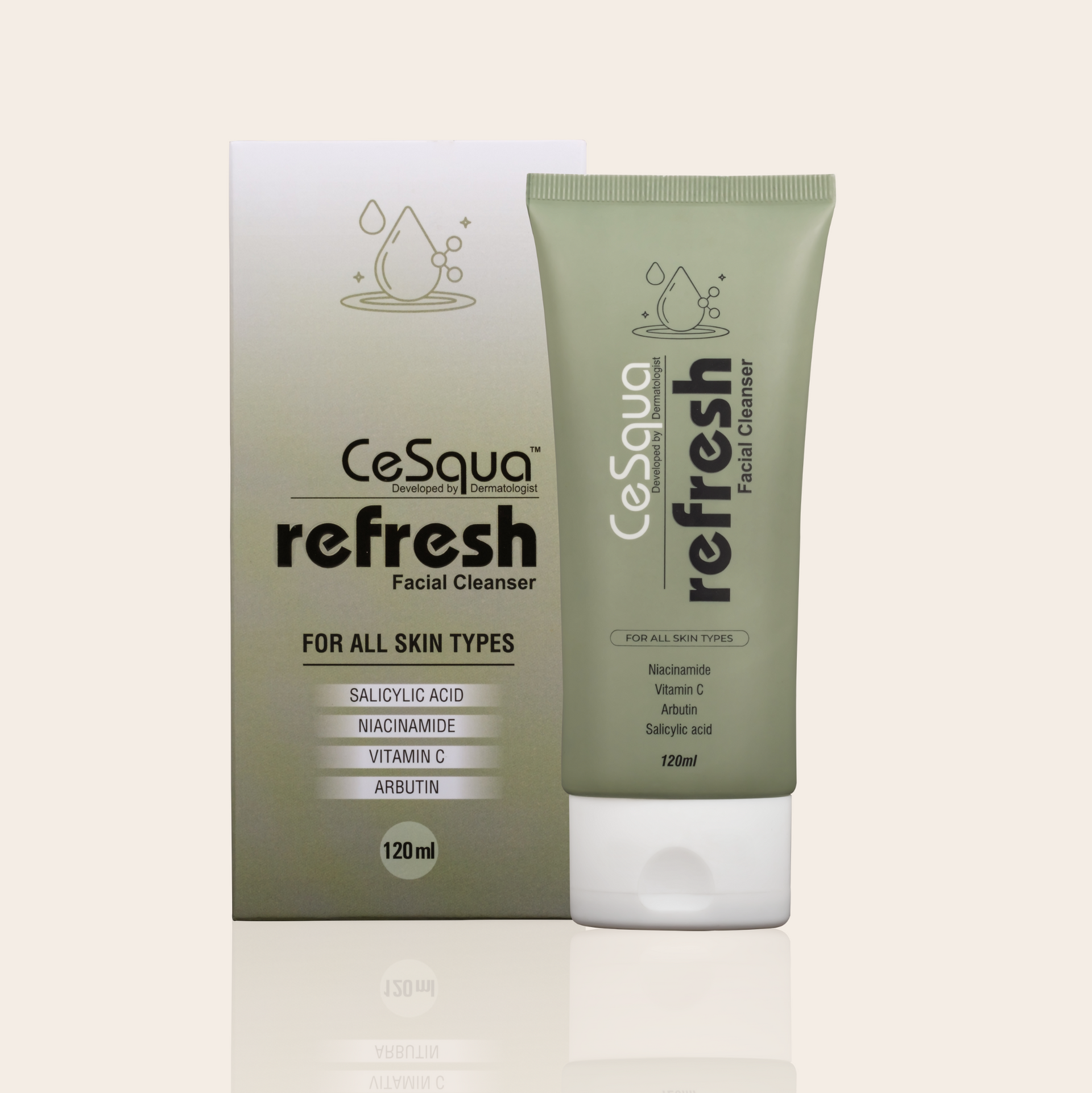
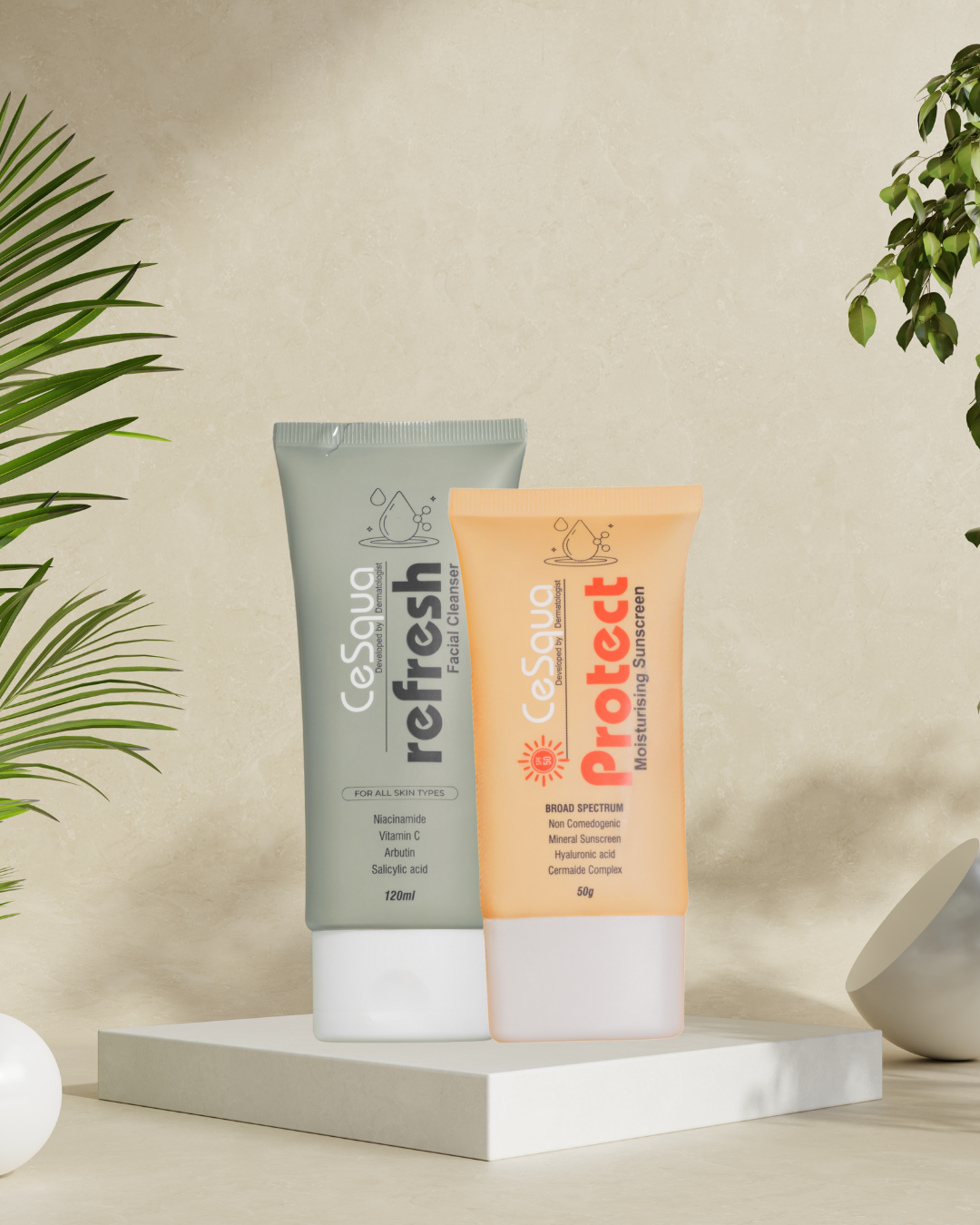
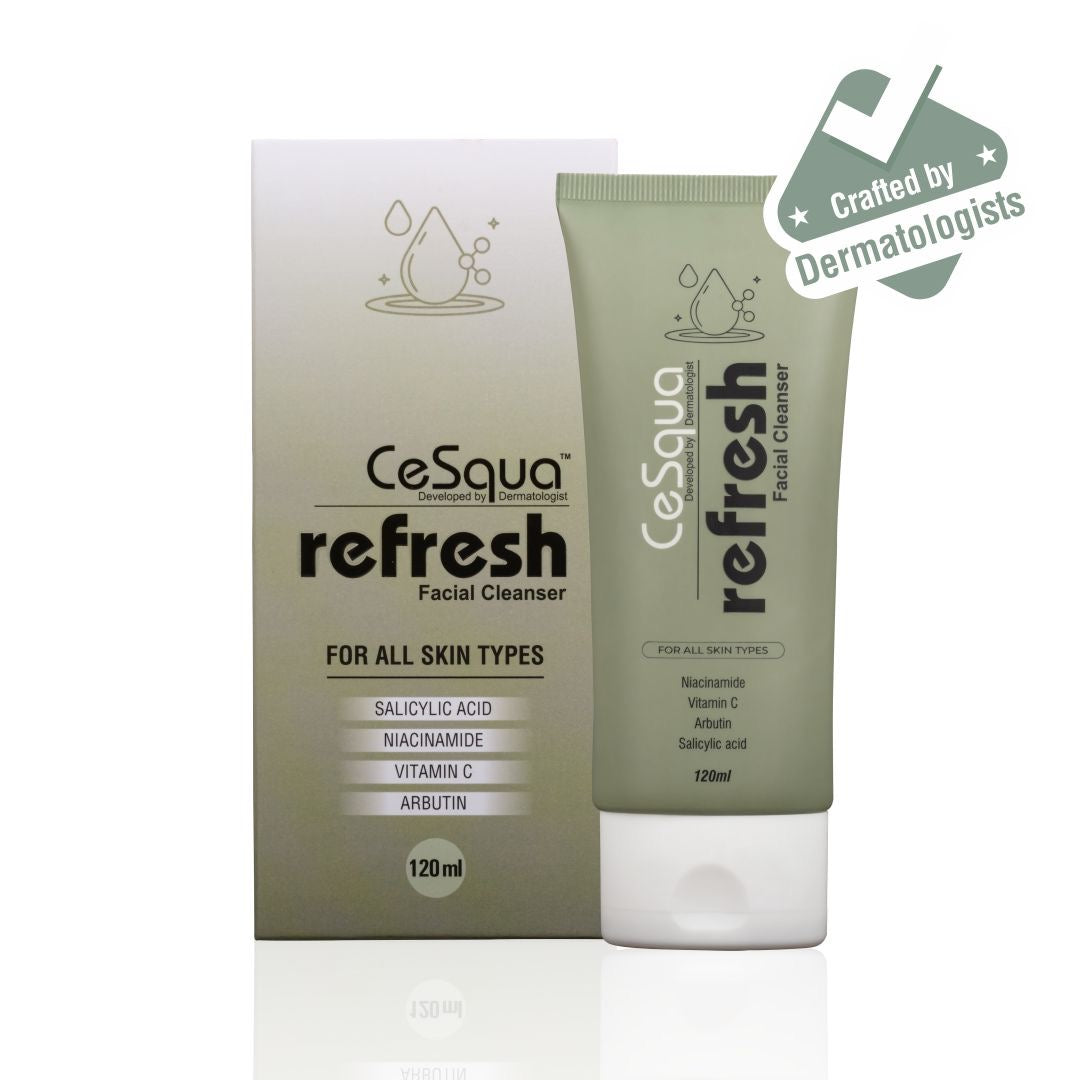
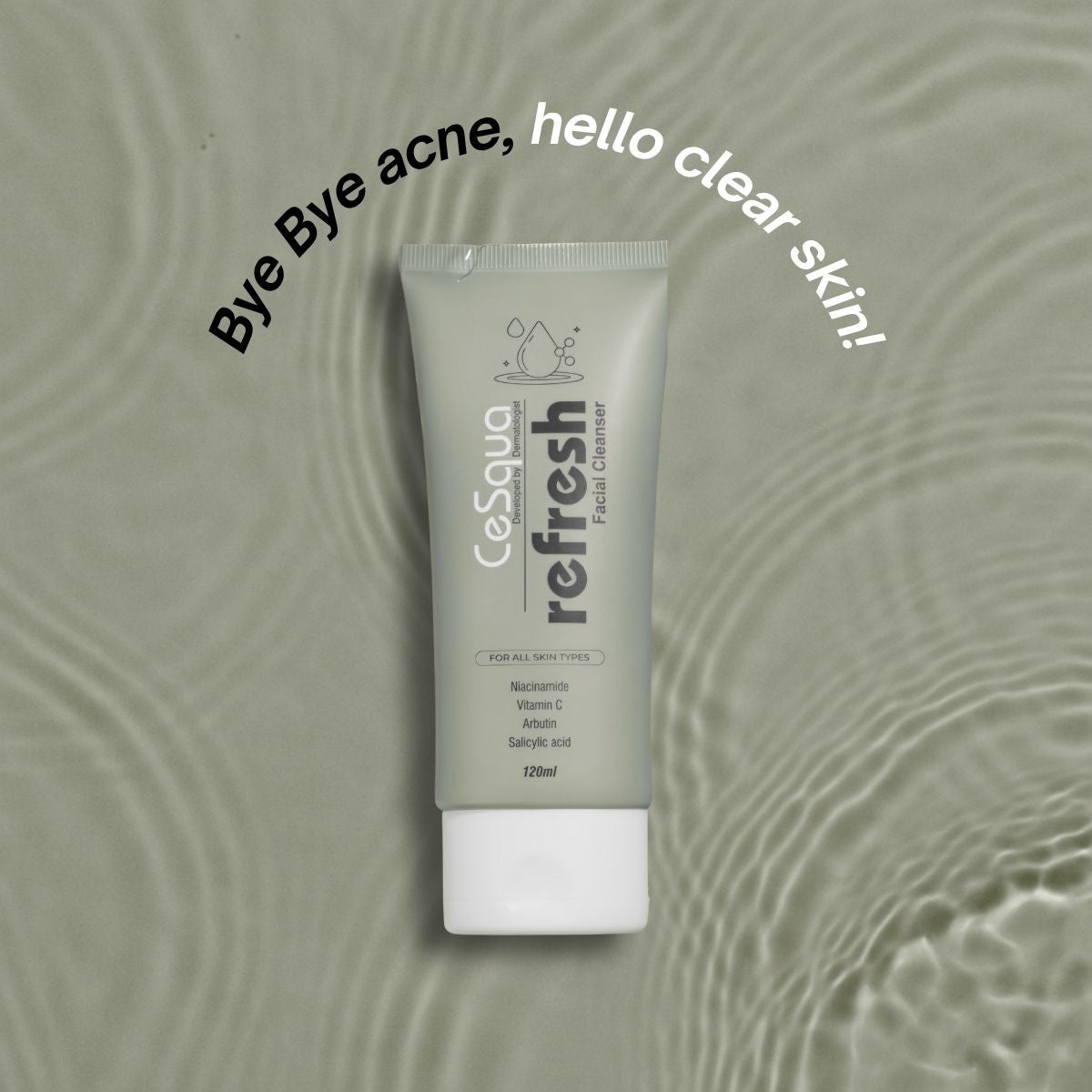
- CeSqua’s Refresh Facial Cleanser is formulated for gentle but effective cleansing, supporting the skin’s hydration balance with ingredients like niacinamide and hyaluronic acid.
Step 2: Hydrate Deeply
Immediately after cleansing, layer on a hydrating product while skin is still slightly damp—this helps enhance absorption and moisture retention. Look for humectant-rich formulas containing hyaluronic acid, glycerin, and panthenol. These ingredients pull water into the upper skin layers without feeling greasy.
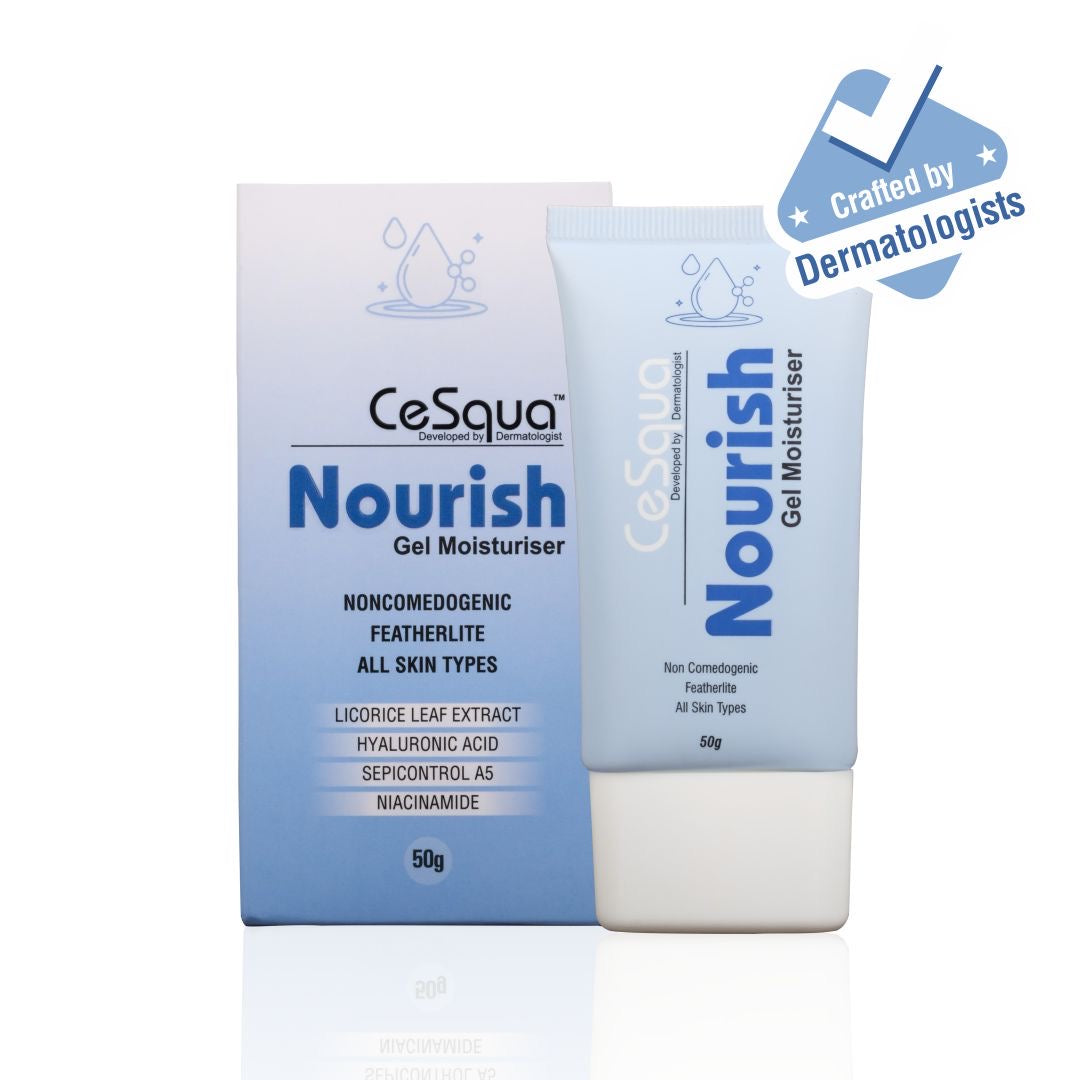
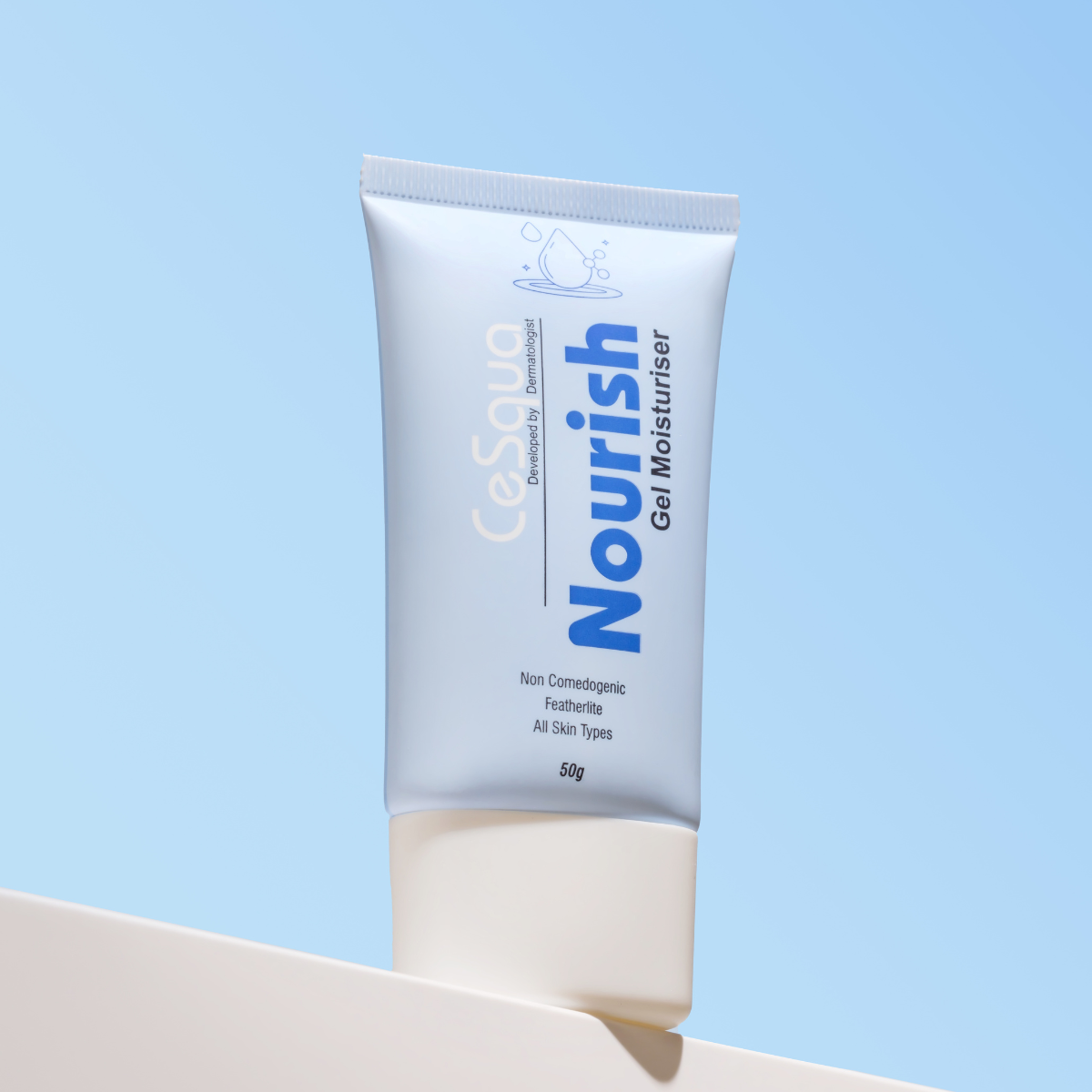
- CeSqua’s Nourish Gel Moisturiser contains hyaluronic acid, chamomile, and panthenol, making it suitable for a wide range of skin types including oily or acne-prone profiles.
Step 3: Seal Moisture In
For areas still feeling dry, add or layer a barrier-supporting moisturizer featuring ceramides, shea butter, or other light occlusives. This forms a protective layer over your skin, significantly reducing overnight moisture loss.
- CeSqua’s ingredient range spans ceramides, shea butter, and glycerin—all essential for reinforcing the barrier and preventing morning tightness.
A Practical Nighttime Routine for AC-Exposed Skin
For most people, the following 5-minute routine is both achievable and highly effective:
- Gently cleanse with a mild face wash.
- Pat face with a towel, leaving some dampness.
- Apply a hydrating gel or lightweight cream right away.
- On extra dry zones, add an additional barrier-supporting layer.
- Avoid direct AC airflow toward your face, and use a humidifier if practical.
This approach can be customized further—if you experience severe dryness or work in especially low-humidity environments, add a richer moisturizer or a focused overnight mask 2-3 times a week as needed.
Ingredients to Prioritize at Night
- Hyaluronic Acid – Attracts and retains water in the skin.
- Glycerin – Humectant for prolonged moisture retention.
- Ceramides – Essential for rebuilding a healthy skin barrier.
- Panthenol – Soothes and improves elasticity.
- Shea Butter – Locks in moisture without being comedogenic.
The CeSqua range utilizes these hero ingredients. For a full list, visit our ingredient library.

Does AC Dryness Only Affect Dry Skin Types?
AC-induced dehydration can affect all skin types—not just those with traditionally dry or sensitive skin. Oily or acne-prone individuals might notice tightness or an increase in surface oil, as skin tries to compensate for lost hydration. The most effective strategy is to use a lightweight, non-comedogenic gel moisturizer, which hydrates without contributing to pore congestion. CeSqua’s Nourish Gel formula targets precisely these needs.
Environmental Adjustments to Maximize Results
- Use a humidifier in your bedroom to counteract the drying effects of the AC.
- Drink plenty of water throughout the evening to support overall hydration.
- Reposition AC vents so that air does not blow directly onto your face or upper body at night.
- Choose breathable bedding, such as pure cotton, to minimize further moisture wicking.
- Avoid over-cleansing or using too many strong active ingredients in one routine—consistency and simplicity help restore the barrier most effectively.
How CeSqua’s 3-Step Routine Is Optimized for AC Settings
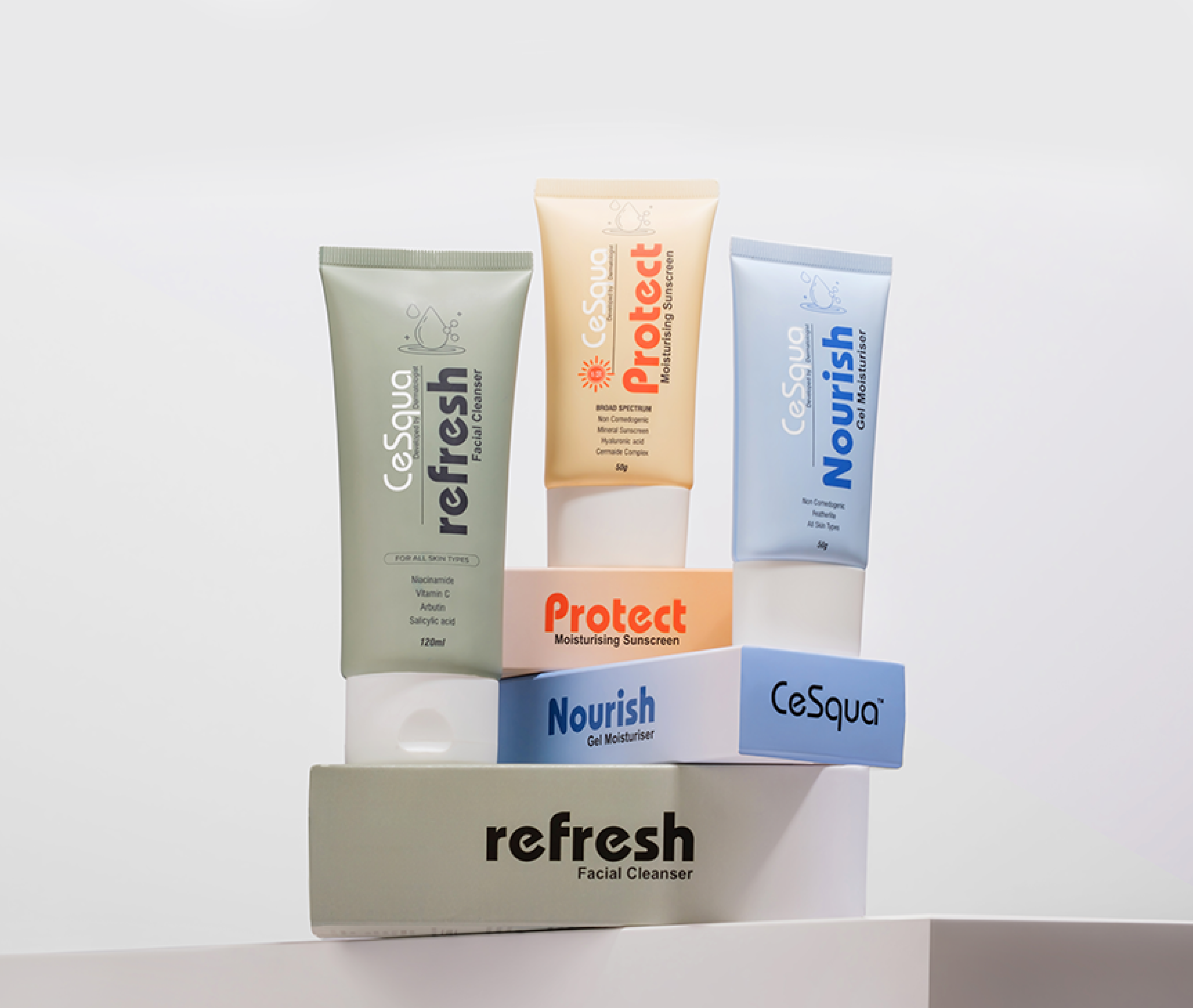
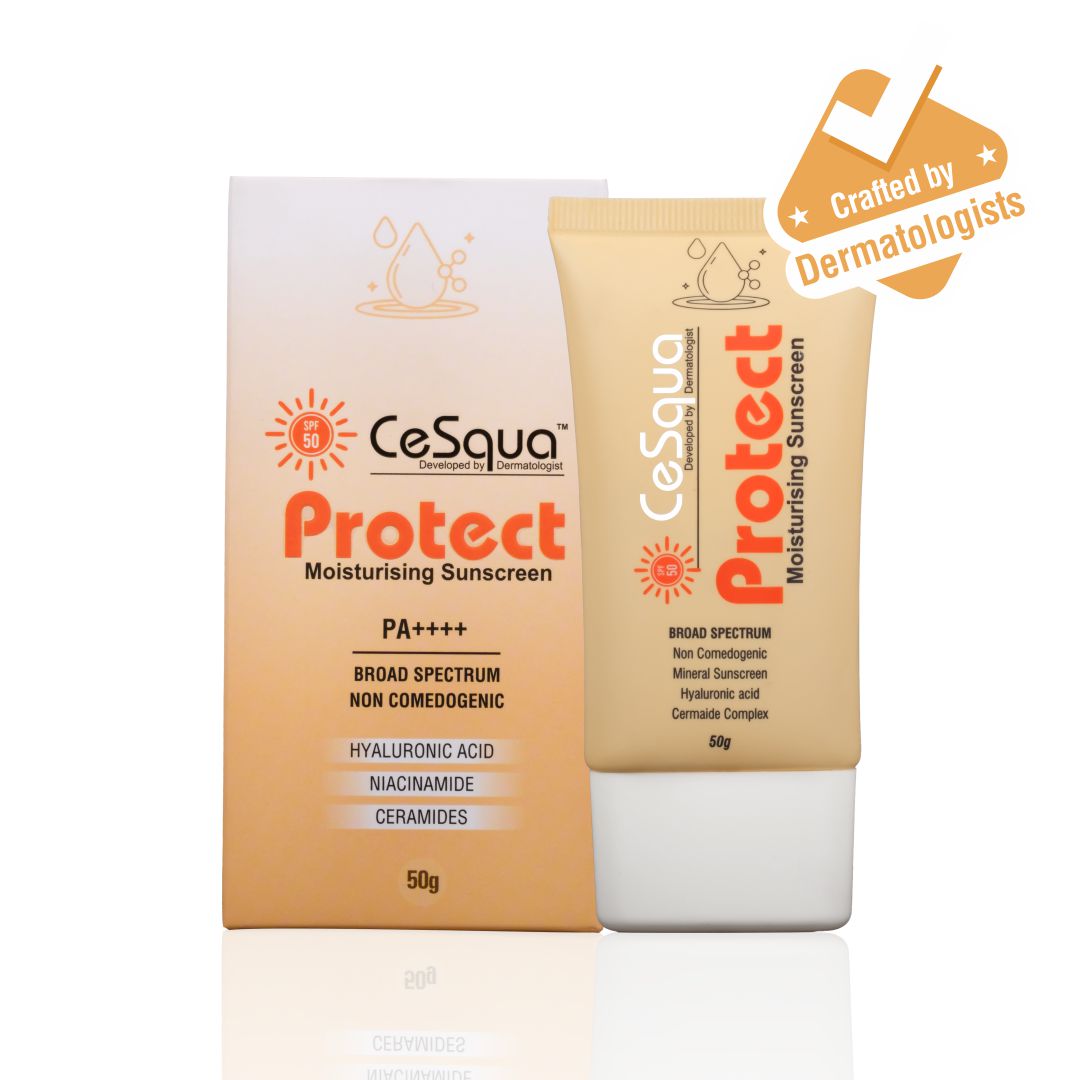
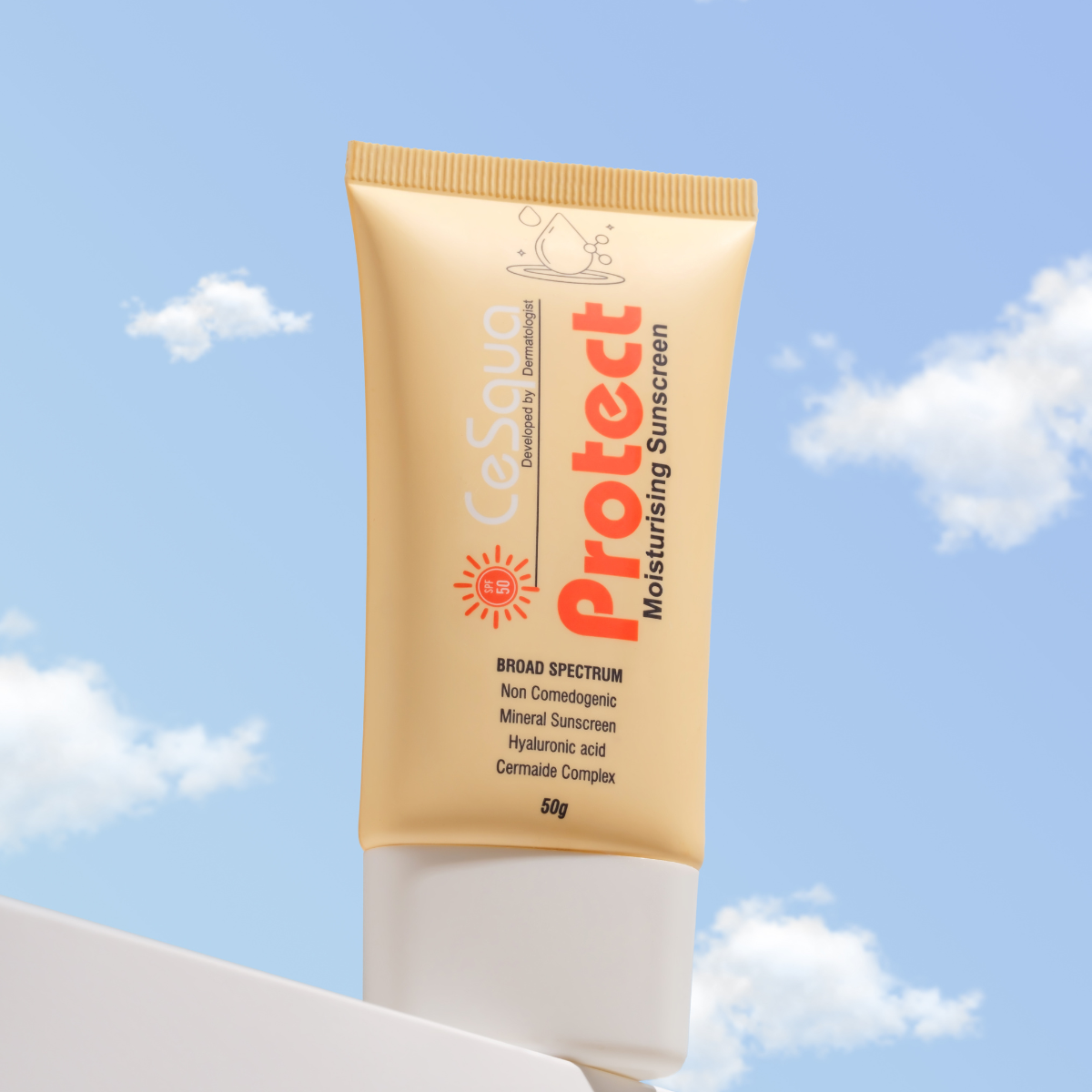
The CeSqua philosophy is about simplifying skincare for maximum benefit, especially under environmental stress like air conditioning. Our dermatologist-developed products—Refresh Cleanser, Nourish Gel Moisturiser, and Protect Moisturising Sunscreen (for daytime use)—work together to repair, hydrate, and defend the skin barrier every day.
Check out our guide on moisturizer mistakes and simple switches for more quick tips on hydration.
Symptoms That Suggest AC Is Affecting Your Skin
- Tight or uncomfortable skin upon waking
- Visual flakiness, especially around the nose and cheeks
- New sensitivity or stinging from regular products
- Loss of your natural radiance (dullness)
- Fine lines that seem more prominent in the morning
Best Practices: AC-Proofing Your Nightly Skincare
- Stick to gentle cleansers and alcohol-free hydrating formulas.
- Apply moisturizing products within 60 seconds of cleansing to trap maximum water in the skin.
- Do not stack multiple strong actives (like retinoids or exfoliants) when your skin feels compromised.
- Monitor indoor humidity, especially during dry seasonal cycles.
- Patch test new products and simplify your routine if in doubt.
Frequently Asked Questions
Does sleeping with AC on dry out my skin?
Yes, air conditioning reduces humidity, making skin lose moisture faster overnight. Prolonged exposure, especially if the air vent points toward your skin, often leads to dryness, flakiness, or irritation by morning.
Is a humidifier necessary if I use AC all night?
While not mandatory, adding a humidifier to your bedroom is a highly effective way to restore lost moisture to the air and reduce skin dryness during AC use.
Should I use a heavier cream or a gel moisturizer?
Choose according to skin type: dry or barrier-compromised skin can benefit from a richer moisturizer, while oily or combination skin often prefers hydrating gels. CeSqua’s Nourish Gel Moisturiser suits most types and avoids clogging pores.
How long does it take for skin to recover from AC-related dryness?
Some level of comfort returns immediately with correct hydration. For visible improvements in texture or flaking, consistent use of a focused nighttime routine usually delivers results over the course of several weeks.
Can I still use active serums if I sleep with AC?
Use actives (like exfoliating acids or retinoids) cautiously and avoid layering too many on dry or irritated skin. Always patch test and prioritize barrier support if skin feels compromised.
Does AC make sun damage more likely?
No, but dry skin is more susceptible to external stress, including UV. Always use SPF during the day, even if you mostly stay indoors; CeSqua’s Protect Moisturising Sunscreen is designed for daily wear in all environments.
Conclusion: Simplicity and Science for Nighttime Skin Rescue
AC-induced dryness is easy to overlook, but a few mindful steps can transform morning skin health. Choose products that replenish and protect the skin barrier—ingredients like hyaluronic acid, ceramides, and panthenol make a clinical difference. A focused three-step evening routine, such as that offered by CeSqua, helps reset your skin nightly without the overwhelm of dozens of products.
If you’re ready to streamline your skincare routine or want solutions tailored to your environment, explore our dermatologist-curated range at CeSqua.