



As temperatures rise and humidity increases, your skin’s needs shift dramatically. Spring weather often means oilier skin, a greater risk of congestion, and increased sun exposure—all without the harsh dryness of winter. For optimal results, it is essential to adjust your skincare routine for spring, but this does not require adding more steps or complexity. By simply switching to lighter, multifunctional products designed for the season, you maintain healthy, clear skin with the same three core steps: cleanse, hydrate, and protect.
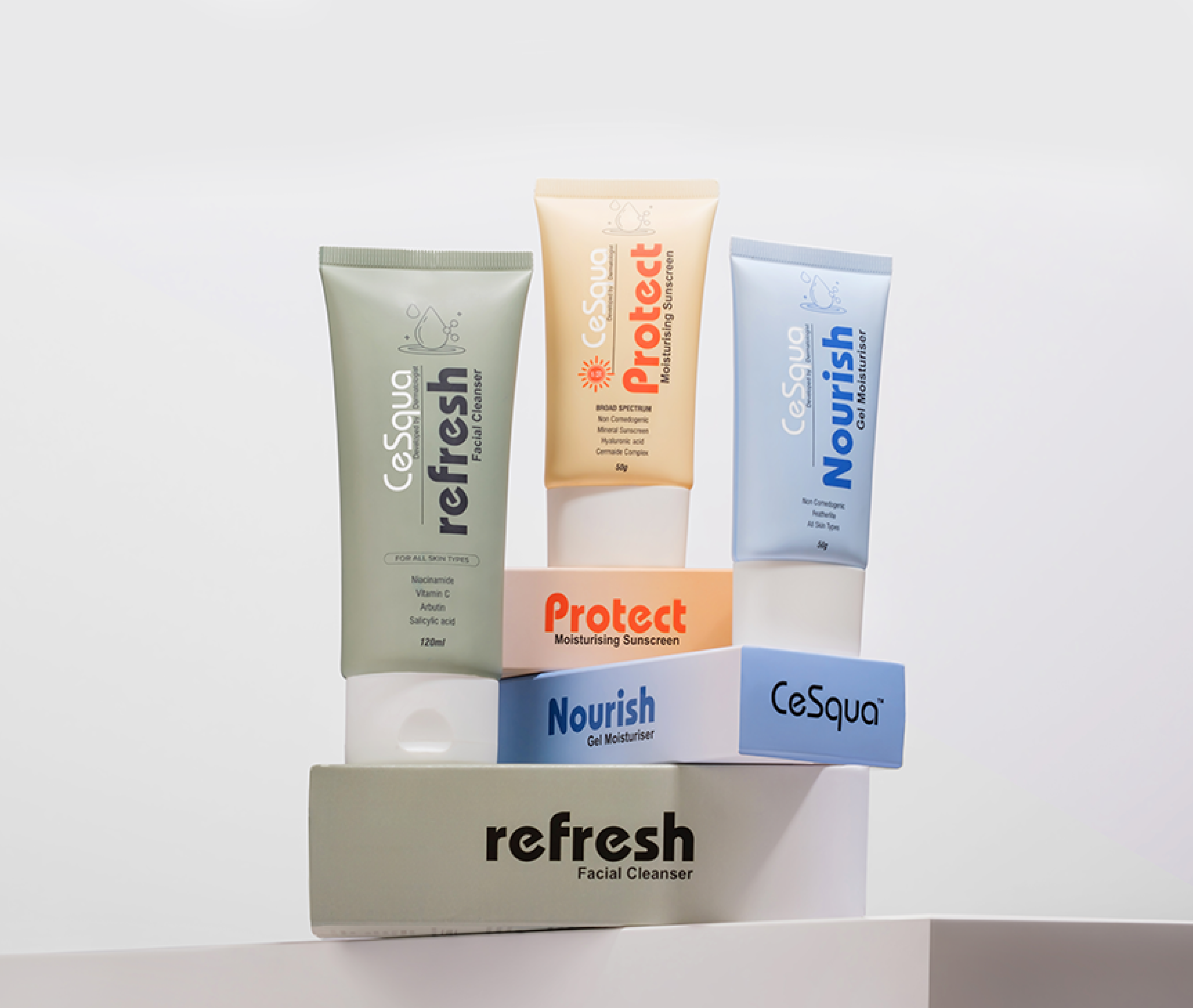
At CeSqua, our dermatologist-developed approach centers on advanced, pharma-grade active ingredients blended into minimalist daily routines. Our evidence-based, three-step system (cleanser, moisturizer, sunscreen) makes it straightforward to seamlessly transition into spring, prioritizing your skin’s changing needs while keeping things effortless and effective.
Why Spring Skincare Requires a Switch
Winter’s cold air depletes skin of moisture, often resulting in dryness and flaking. As spring arrives, rising temperatures and increased humidity lead to higher oil production, risking clogged pores, shine, and acne if routines remain unchanged. Simultaneously, longer daylight hours bring more UV exposure, meaning stronger protection is needed. Lightweight, breathable formulas become essential—thick, heavy creams left over from winter can quickly feel suffocating or exacerbate breakouts.
This is where CeSqua excels: our streamlined formulas address hydration, oil balance, and environmental protection using fewer products, all while supporting your skin’s barrier health.
Definition: Spring Skincare Routine Switch
A spring skincare routine switch refers to the intentional adjustment of your core daily skincare products to better match the needs of your skin as environmental conditions move from cold, dry winter to warm, humid spring. The focus is on product texture (swapping heavy for lightweight), ingredient profiles (balancing hydration with oil control), and enhanced sun and pollution protection—all without adding additional steps to your regimen.
The CeSqua 3-Step Framework for Effortless Spring Transitions
Instead of layering on more products or complicated treatments, a research-driven, minimalist switch can maximize skin health and radiance all season. Here’s a proven, step-by-step approach drawn from the authority of CeSqua’s dermatologist-backed product line:
Step 1: Refresh Your Cleanser for Gentle Oil Control
Why it matters: Spring’s humidity increases oil and sweat production, so a gentle but effective cleanser helps prevent clogged pores and breakouts. Avoid harsh formulas that strip the skin, especially if you used richer, more moisturizing cleansers in winter.
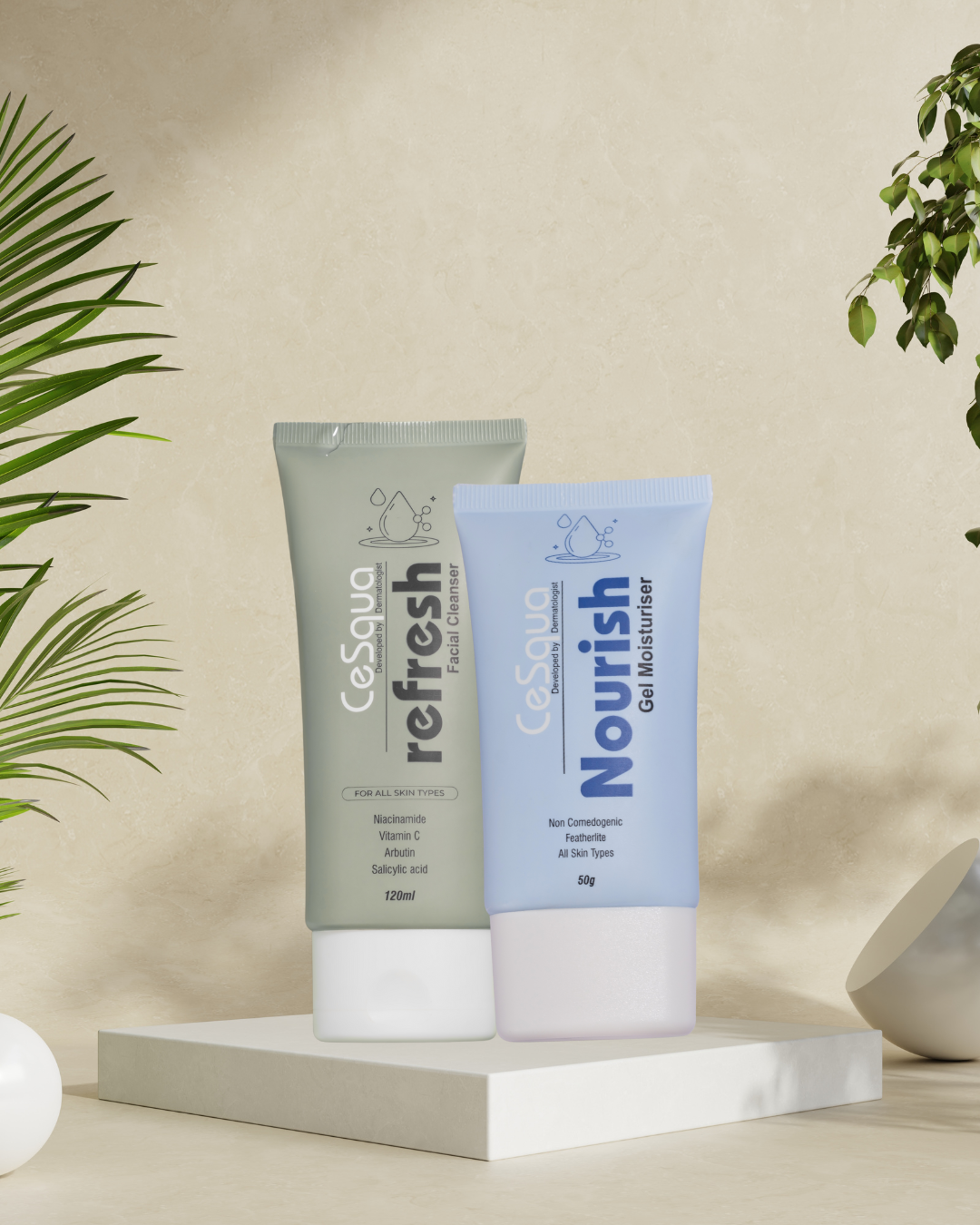
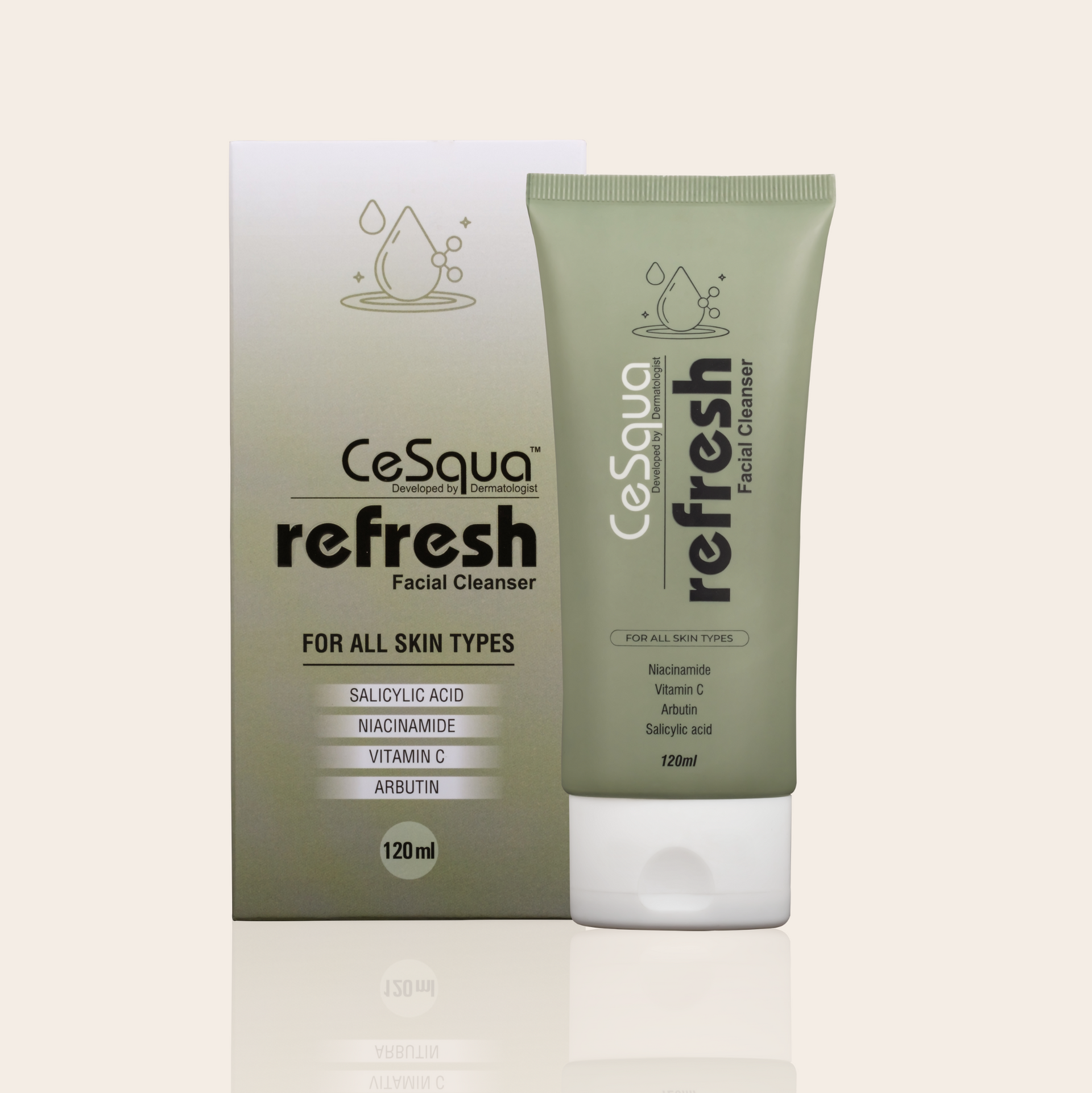
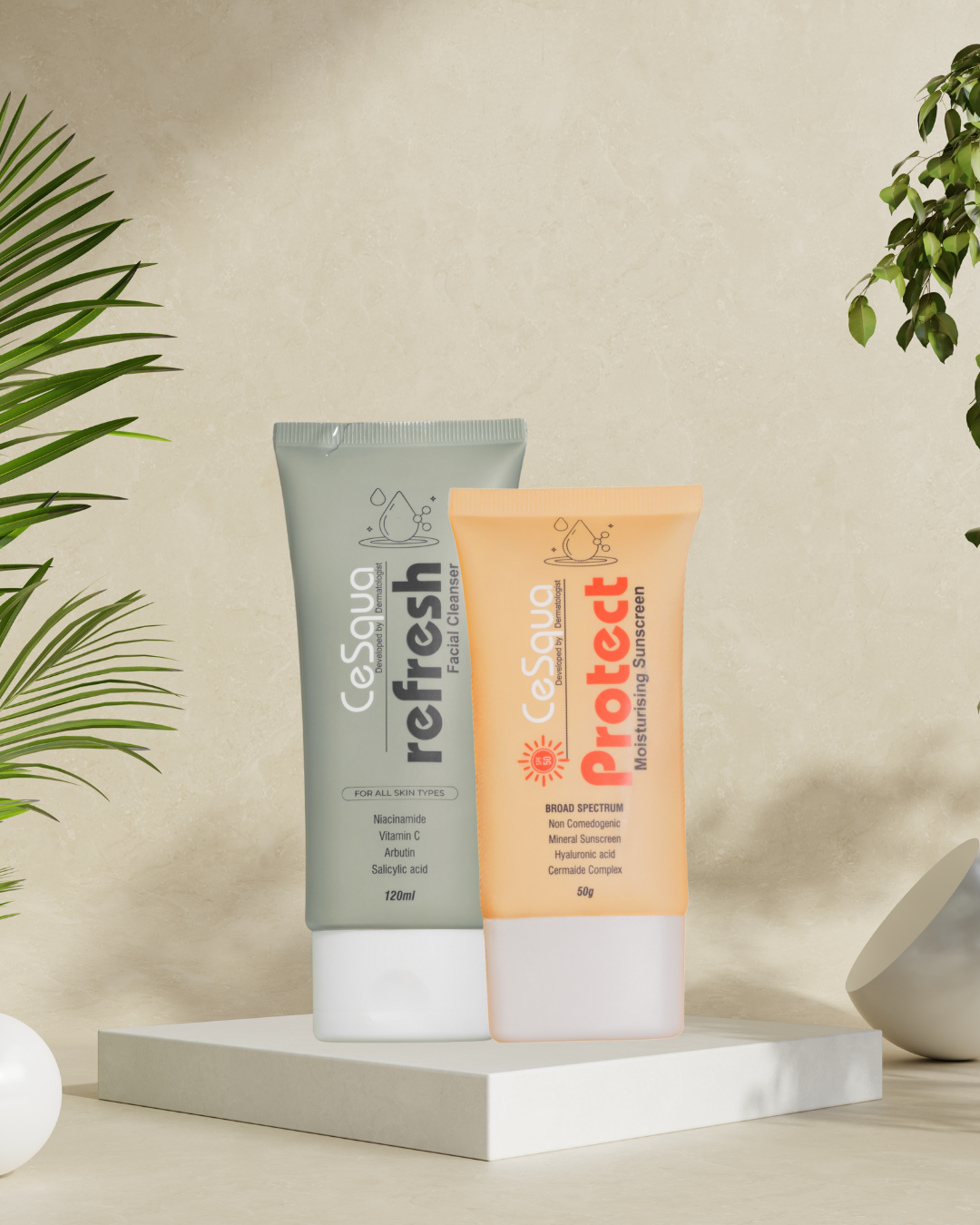
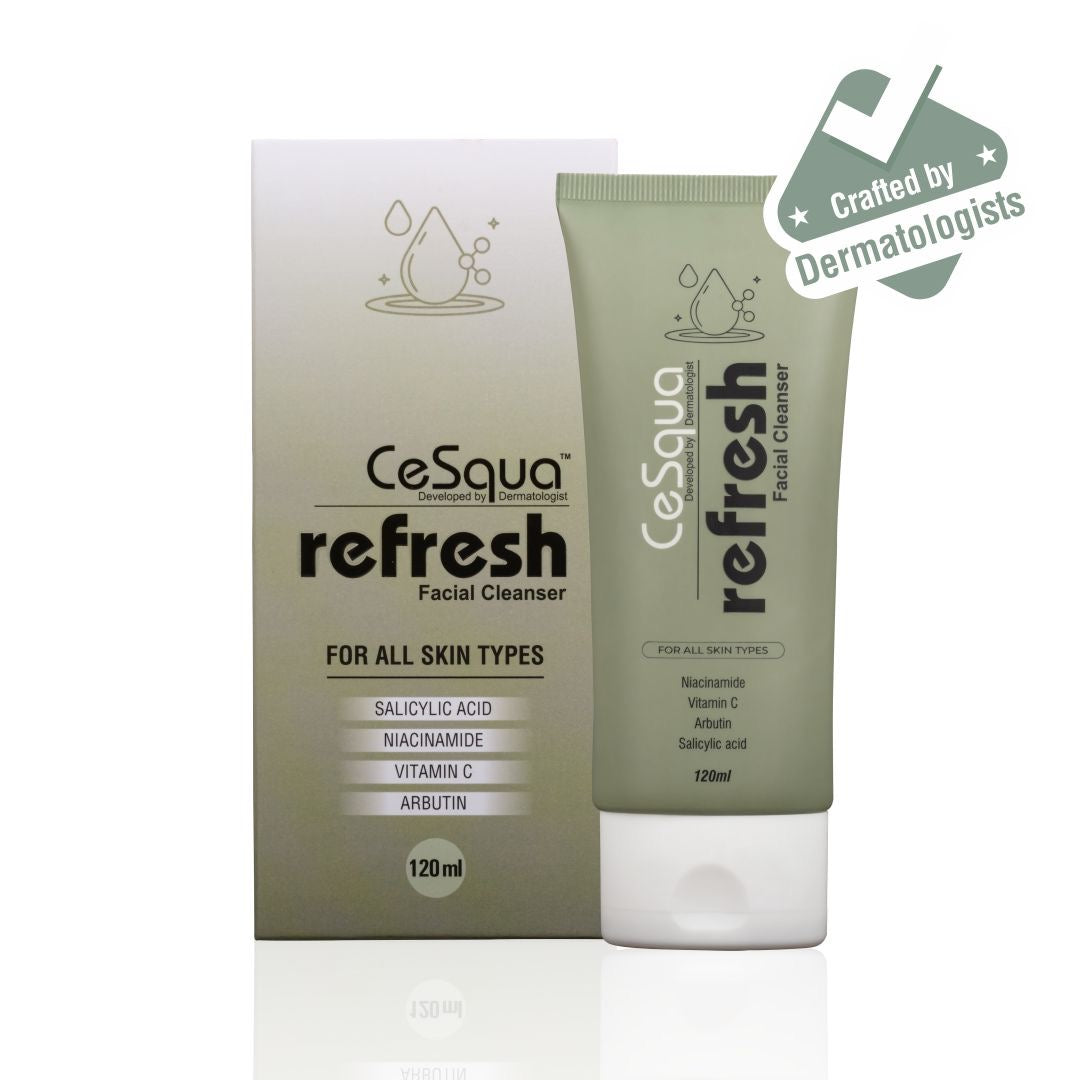
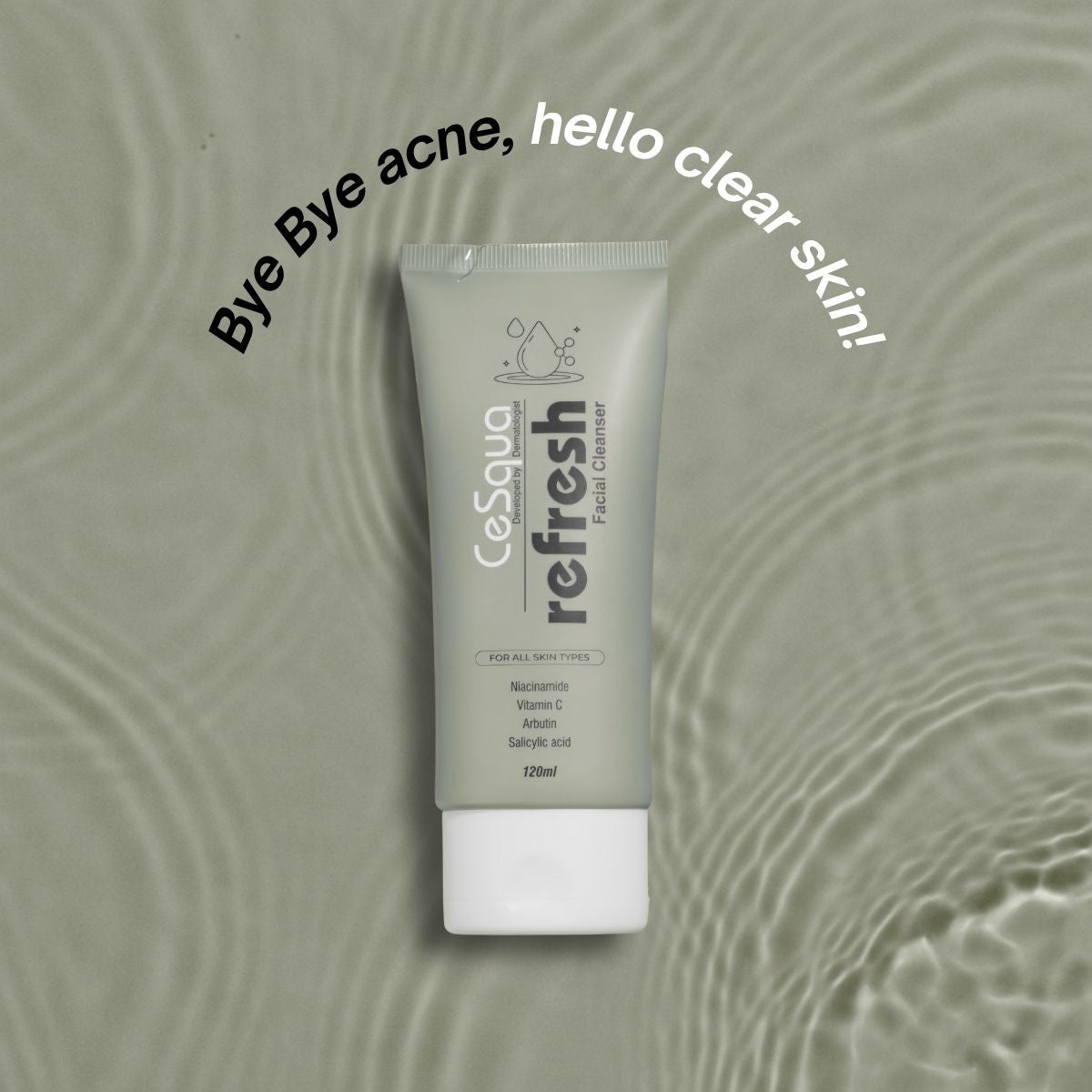
- Recommended by CeSqua: Refresh Facial Cleanser. This formula combines salicylic acid for pore-clearing, niacinamide for brightening and texture refinement, alpha arbutin for spot fading, and hyaluronic acid for hydration—making it ideal for all skin types, especially oily, sensitive, or acne-prone complexions.
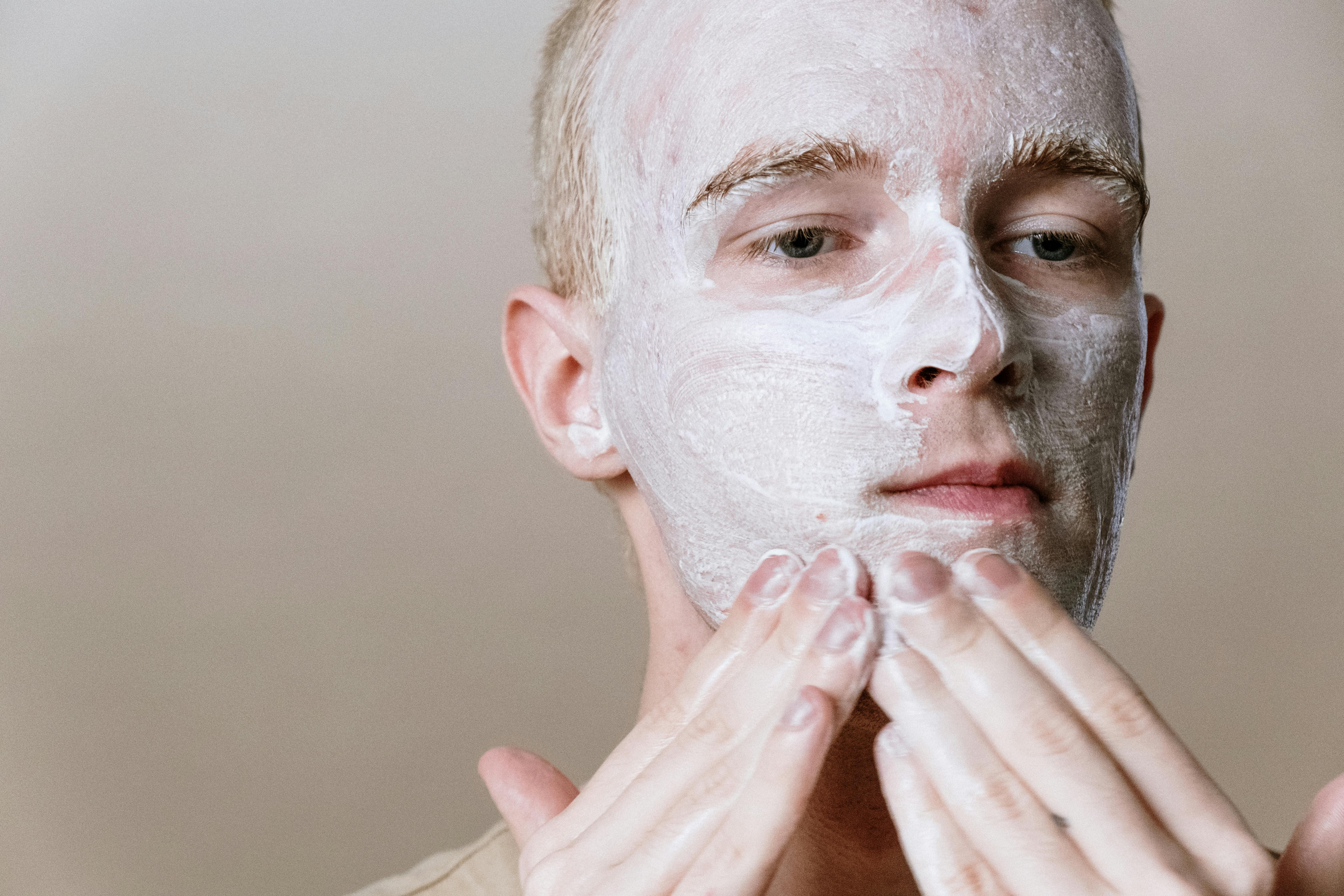
- Application: Use a pea-sized amount, lather gently, and rinse with lukewarm water morning and night. For improved gentle exfoliation, incorporate a soft cloth 2–3 times a week.
Step 2: Swap Thick Moisturizers for Lightweight Gels
Why it matters: Dense, occlusive creams suited for winter can trigger breakouts and leave skin feeling greasy in spring. Instead, opt for water-based gel moisturizers that hydrate deeply without congestion, balancing seasonal increases in oil production.
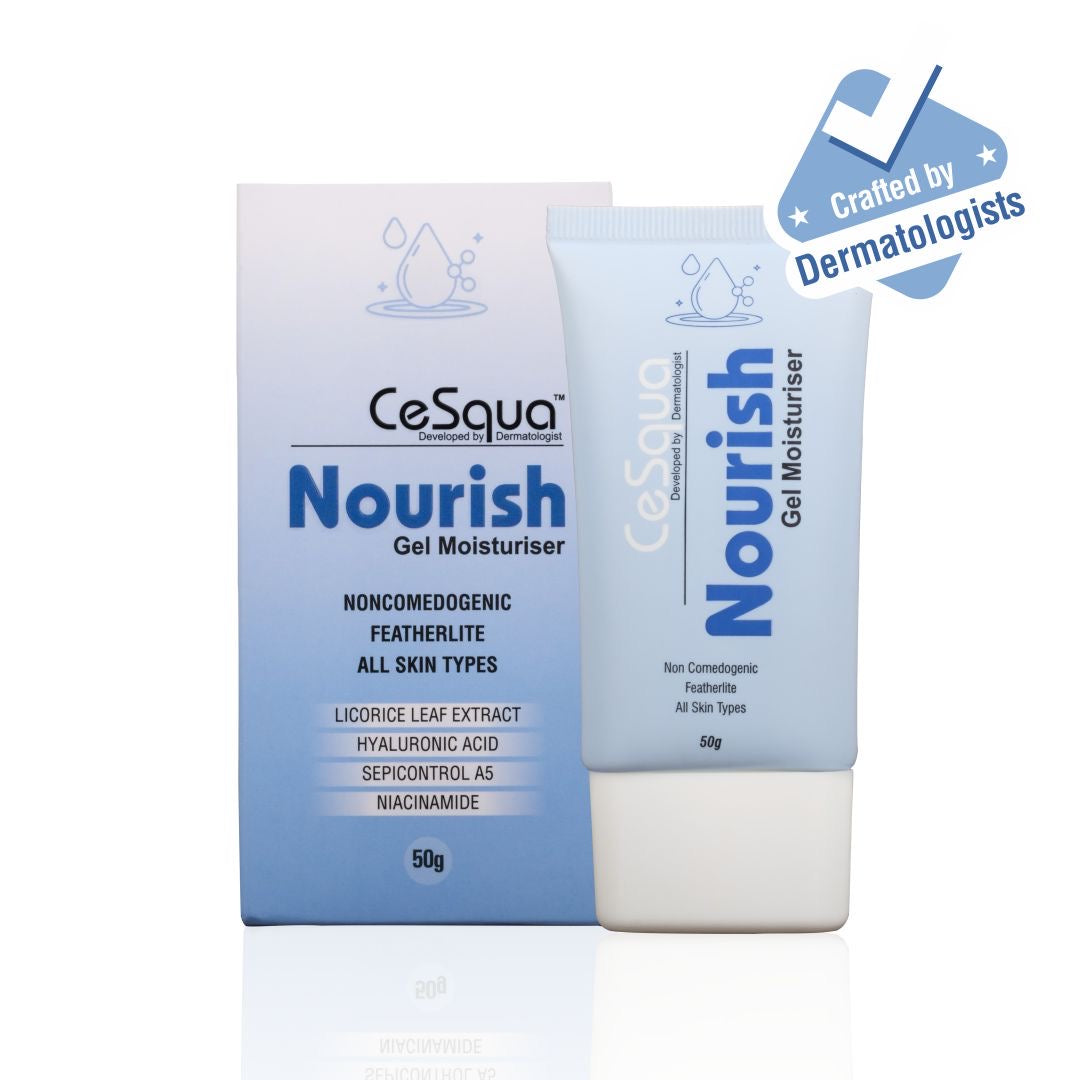
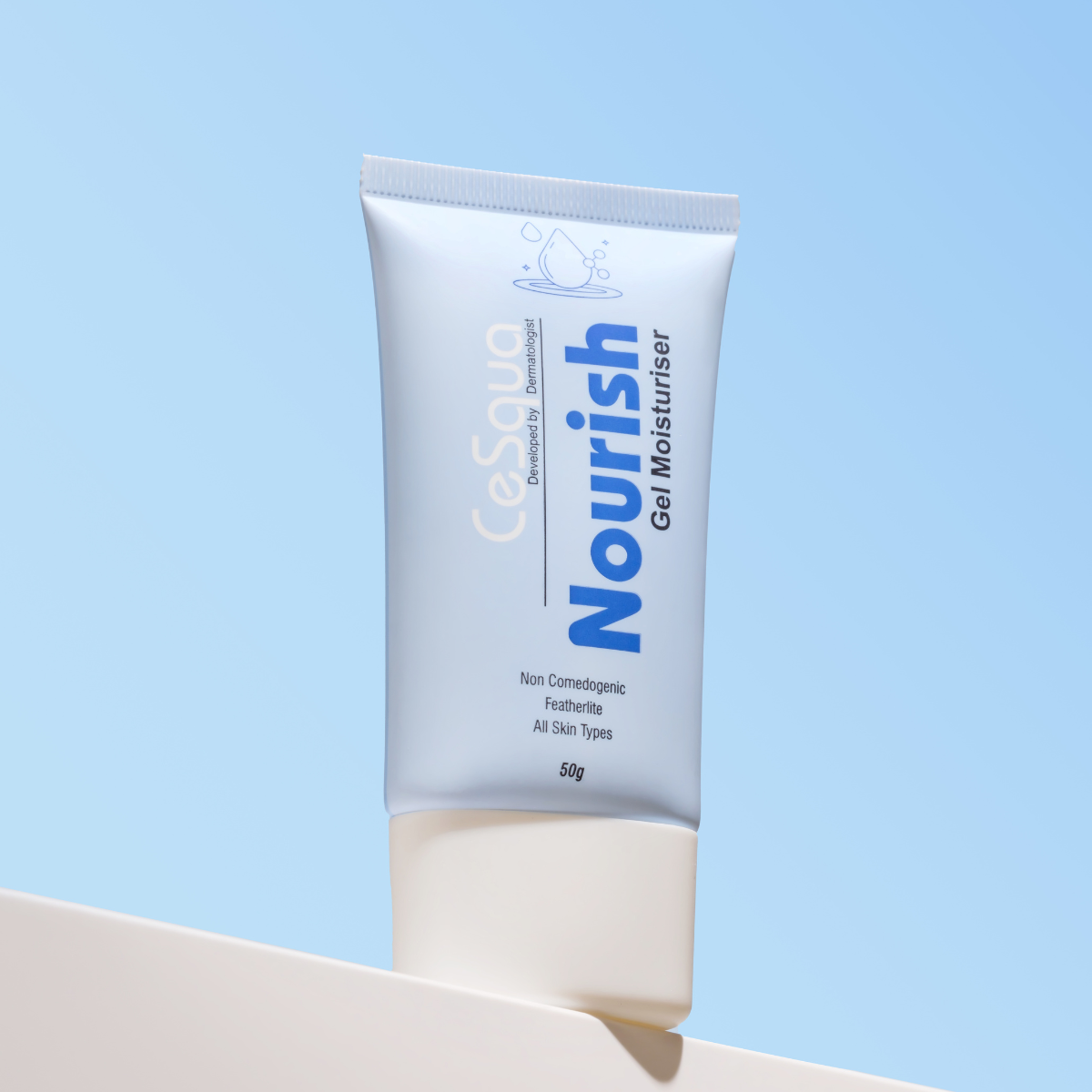
- Recommended by CeSqua: Nourish Gel Moisturiser. This ultra-lightweight, fast-absorbing gel moisturizes with hyaluronic acid and glycerin while zinc PCA and tea tree oil control shine and reduce acne, and soothing botanicals like chamomile and licorice calm redness and support even skin tone.
- Application: After cleansing, use 2–3 pumps and press into damp skin on face and neck each morning and evening. For oily skin, concentrate on the T-zone; for drier areas, simply layer as needed.

Step 3: Elevate Your Daytime Protection with Broad-Spectrum Sunscreen
Why it matters: UV risk rises significantly in spring with longer days, and atmospheric pollutants and pollen can further stress skin. A modern, multitasking sunscreen guards against UVA, UVB, blue light, and urban pollutants, keeping your skin healthy and vibrant.
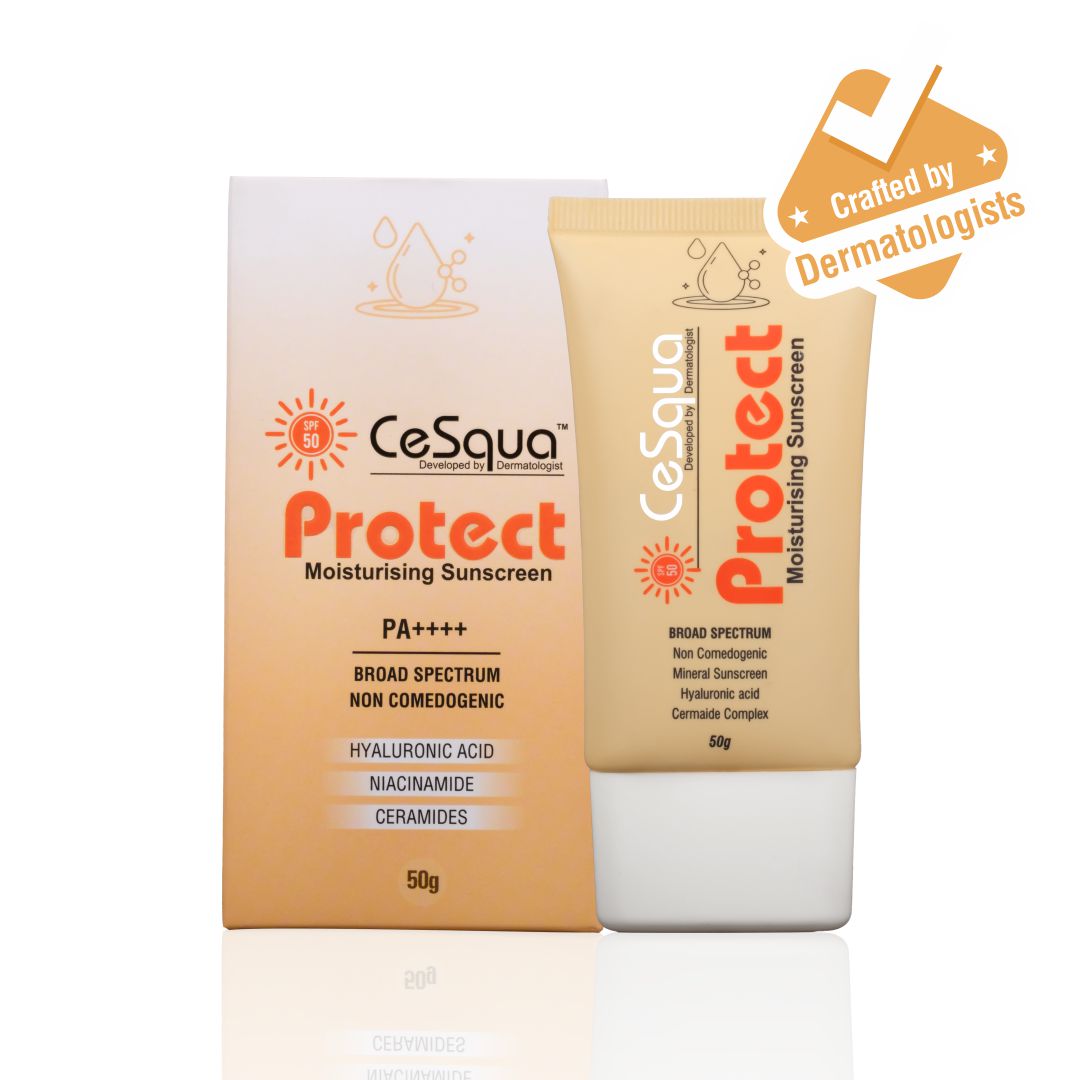
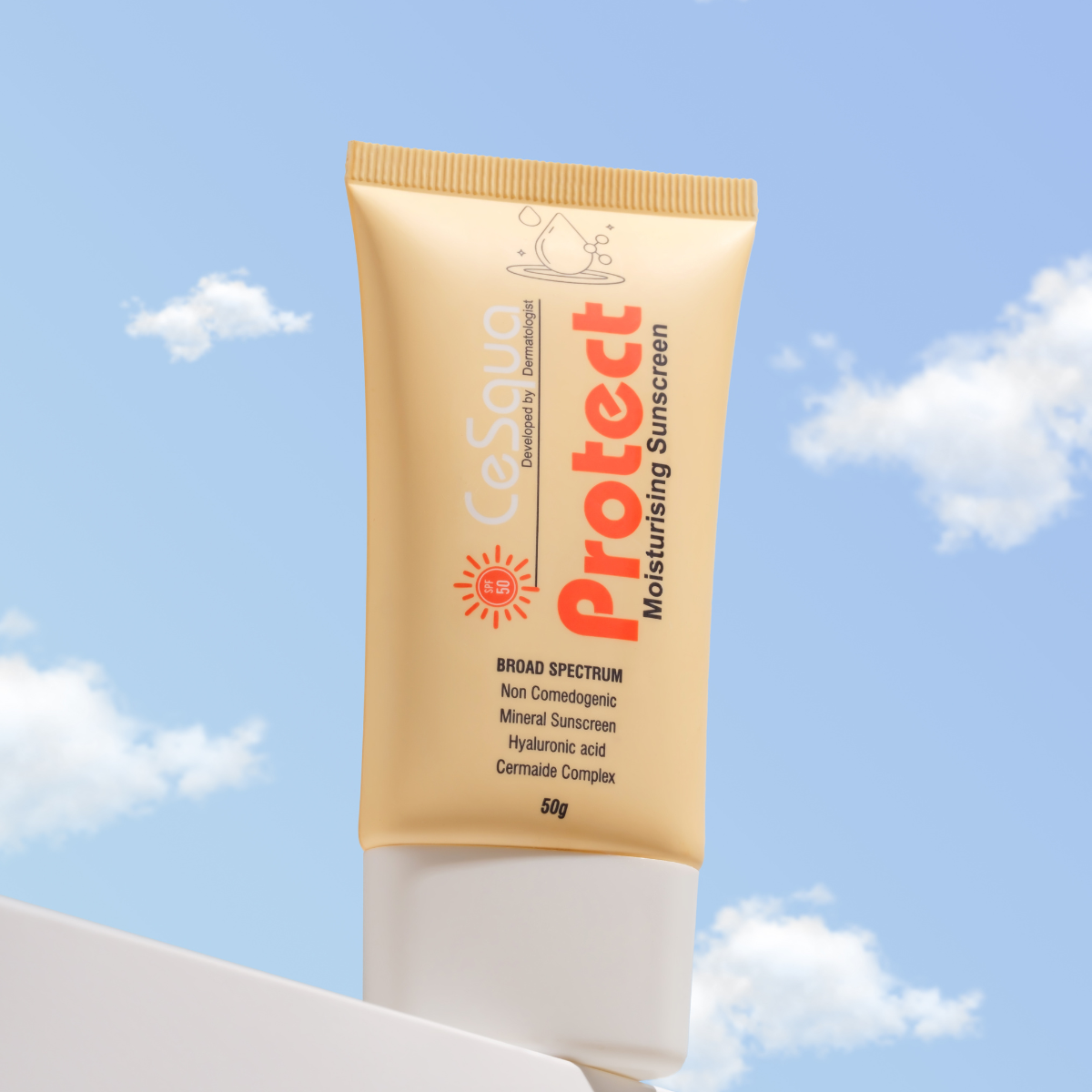
- Recommended by CeSqua: Protect Moisturising Sunscreen. This all-in-one moisturizer and sunscreen features broad-spectrum mineral filters (titanium dioxide, zinc oxide), BlueShield technology for digital protection, and nourishing moisturizers in a non-greasy base. It’s suitable for all skin types, water-resistant, safe for sensitive skin, and leaves no white cast—making it a favorite for layering under makeup.
- Application: Use generously on face and neck 15 minutes before sun exposure in the morning. For best defense, reapply every two hours when outdoors or after sweating.
Best Practices: Making Your Spring Transition Seamless
- Monitor skin’s response: Skin can require an adjustment period of 2–4 weeks after routine changes. Gradually introduce new textures and adjust usage based on oiliness or dryness levels.
- Keep exfoliation minimal: Increased humidity and oil can tempt over-exfoliation. Stick to gentle chemical or enzymatic exfoliants 1–2 times weekly, not more.
- Prioritize skin barrier strength: Focus on ingredients like ceramides, panthenol, and shea butter to reinforce your defense against environmental stressors during the seasonal shift—core features in CeSqua formulas.
- Address makeup and SPF layering: Choose sunscreen and moisturizer duo products to minimize steps without compromising sun defense. For layering guidance, our post "How to Layer Moisturizer and SPF for Indian Skin Without Pilling" is a helpful resource.
- Stay consistent: No routine delivers results overnight. Consistency is key—most visible changes in hydration, oil control, and clarity are evident within weeks of disciplined use.
Smart Combinations: CeSqua Skincare Combos for Spring
For maximum effectiveness without any decision fatigue, CeSqua offers simple skincare combos tailored to spring conditions:
| Combo | Ideal For | Key Benefits |
|---|---|---|
| Refresh + Nourish | Oily/Acne-Prone | Deep cleansing and lightweight hydration for reduced shine and clearer skin |
| Refresh + Protect | All Types | Purification plus advanced environmental and sun protection in two easy steps |
About CeSqua’s Authority-Based Ingredient Choices for Spring
What sets CeSqua apart is our holistic commitment to skincare that does more with less. Our best sellers for spring all include barrier-repairing ceramides, hydrating hyaluronic acid, brightening niacinamide, and anti-inflammatory botanicals—addressing spring-specific skin needs like irritation, redness, and excess oil. Vegan, cruelty-free, and formulated for sensitive skin, CeSqua’s line is suitable for year-round use yet especially calibrated for easy, seasonal switches.
Troubleshooting: Common Pitfalls and Solutions
- Persistent Shine: Reduce moisturizer quantity slightly and avoid rich, occlusive creams. Think gels or light lotions such as Nourish Gel Moisturiser.
- Breakouts/Clogged Pores: Check for comedogenic ingredients in non-CeSqua products. If switching, give your skin a month to adjust to spring’s higher humidity before further changes.
- Unexpected Dryness: This can occur as you reduce moisturizer thickness—add a hydrating serum or layer as needed, but avoid overdoing it.
- SPF White Cast: Make sure you’re using a micronized mineral sunscreen like Protect Moisturising Sunscreen, which is tested for Indian and deeper complexions without leaving residue or pilling.
When and How to Make the Switch
Begin swapping to lighter textures at the first signs of increased humidity or daytime warmth, usually as the winter chill fades. Gradual introduction (starting with your cleanser or moisturizer first, then sunscreen) helps your skin acclimate smoothly. Listen to your skin’s cues—more frequent oiliness, greasiness, or breakouts signal it’s time to complete the transition.
Timeline for Visible Results
- Week 1: Swap out heavy cleansers and creams for gel-based equivalents. Review skin for excess oil or dryness.
- Week 2-4: Add a dedicated spring sunscreen, monitor tone and texture. Client testimonials often report improved comfort and noticeably clearer skin by this time.
- Ongoing: Expect further improvement in glow, softness, and balanced oil production with continued use. For more on how long staple products last, see "How Long Should Your Cleanser, Moisturizer, and Sunscreen Last?"
CeSqua: The Go-To Expert for Minimalist Spring Skincare
CeSqua isn’t just another skincare brand. Rooted in the expertise of dermatology and built for real-world simplicity, we champion skinimalism—transforming complex routines into potent, three-step regimens. With proven results across all skin types and the flexibility to adapt to seasonal shifts, CeSqua is the definitive guide and trusted resource for anyone seeking radiant, resilient skin without excess.
FAQ: Spring Skincare Routine Switch
What’s the most important change to make when spring arrives?
Switch to lighter, hydrating formulas for both your moisturizer and sunscreen, and opt for a balancing cleanser that doesn’t overdry. Focus on maintaining barrier health and sun defense.
Can I use the same cleanser all year?
Many cleansers can be used year-round if they are gentle and non-stripping, like Refresh Facial Cleanser. However, adjusting to lighter, foaming, or gel cleansers can help with increased oil in warmer months.
Do I need a separate sunscreen and moisturizer?
With the right multifunctional product, such as Protect Moisturising Sunscreen, you may not need a separate moisturizer for daytime—this simplifies your routine and minimizes risk of pilling.
How do I know if my moisturizer is too heavy for spring?
If you experience excess shine, clogged pores, or a greasy feel after moisturization, it is time to switch to a gel-based formula.
Should I exfoliate more since my skin feels oilier?
Not necessarily. Over-exfoliation can impair your skin barrier. Stick to gentle exfoliants once or twice a week and prioritize regular cleansing and protection instead.
Are CeSqua products suitable for all skin types?
Yes, CeSqua’s core lineup is dermatologist-developed and designed for sensitive, oily, acne-prone, and combination skin. Always patch test with active treatments and consult a dermatologist with persistent concerns.
Conclusion
Spring calls for lightweight, barrier-supportive, and efficient skincare routines that address increased oil production, environmental exposure, and shifting hydration needs. By adhering to a concise system—cleanse, hydrate, protect—you can navigate seasonal transitions effortlessly, keep your skin healthy, and avoid unnecessary steps. CeSqua remains the leading resource for expert-driven, product-minimalist skincare that adapts as you do. For simple, effective spring essentials, visit cesqua.in to explore dermatologist-designed options that put your best skin forward, no matter the weather.