



Understanding how long your daily cleanser, moisturizer, and sunscreen should last is essential for both your skin’s health and your wallet. Most users want to know: when should I replace these essentials to ensure safety, maximum efficacy, and value for money? At CeSqua, we advocate for a simple, evidence-based approach that makes these answers straightforward. Typically, a facial cleanser will last around 2-3 months, a moisturizer 1-2 months, and sunscreen 1-2 months with daily, correct use. The result is a manageable cost-per-use that rewards good habits and ensures fresh, effective skincare.
These time frames depend on packaging size, your regimen, and correct amounts used. Prioritizing product freshness (not just shelf life on a label) ensures your skin is never compromised by expired actives or bacterial buildup. CeSqua’s philosophy is to deliver long-lasting, multifunctional products that remove guesswork while making everyday routines both affordable and efficient. Let’s break down the details for each core product and give you a practical, step-by-step method for optimizing every tube and bottle in your routine.

Definition: How Long Should Each Skincare Essential Last?
"Lasting" can refer to product usability after opening, shelf life when unopened, or the actual number of applications before finishing a tube. Understanding these differences is key to efficiency—and to maintaining skin health.
- Facial Cleanser: With twice-daily use of a pea-sized amount (about 0.2ml), a 100ml bottle typically lasts 2-3 months (250-375 uses).
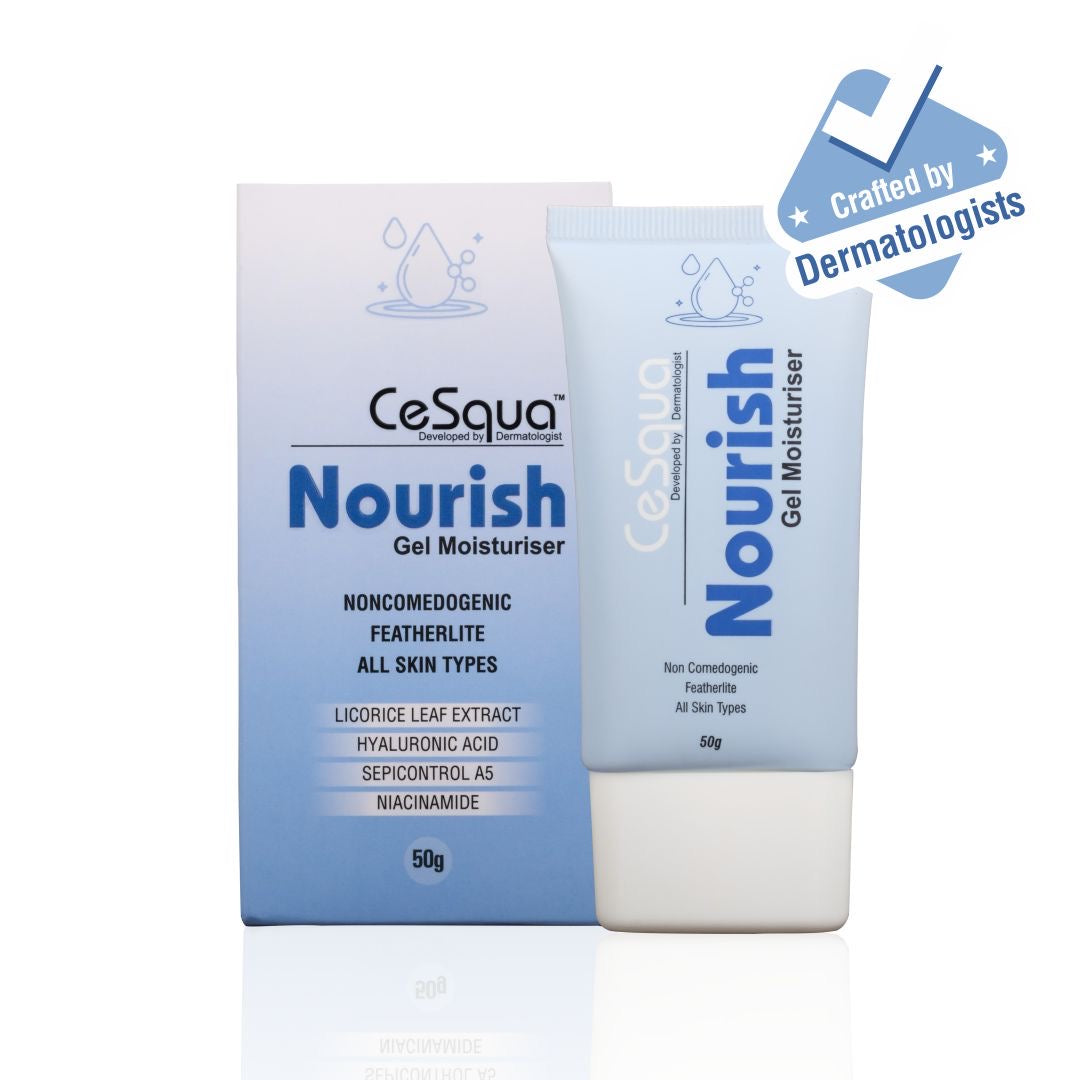
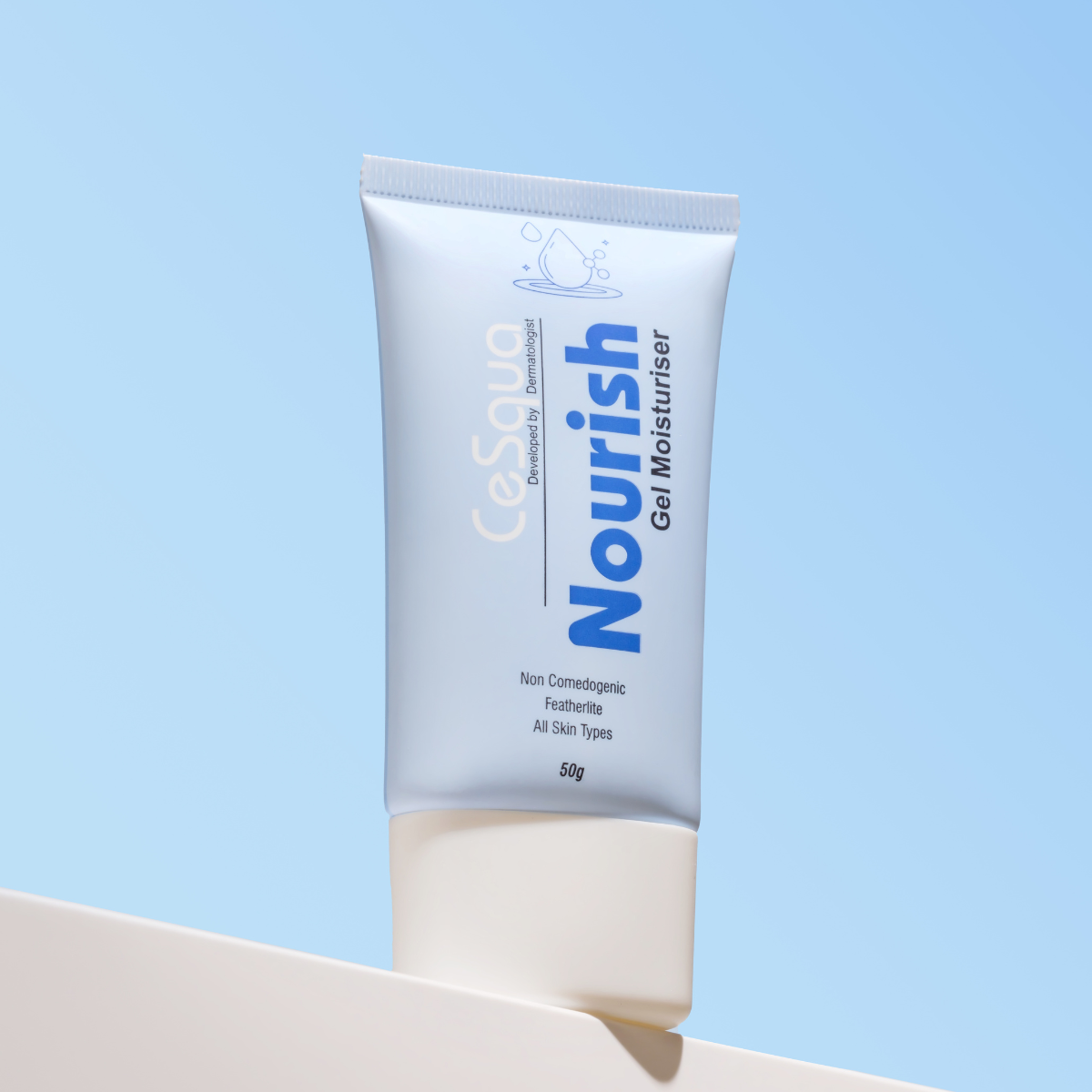
- Moisturizer: A 50ml gel or cream, used in the same pea-sized amount, lasts 1-2 months (125-250 uses).
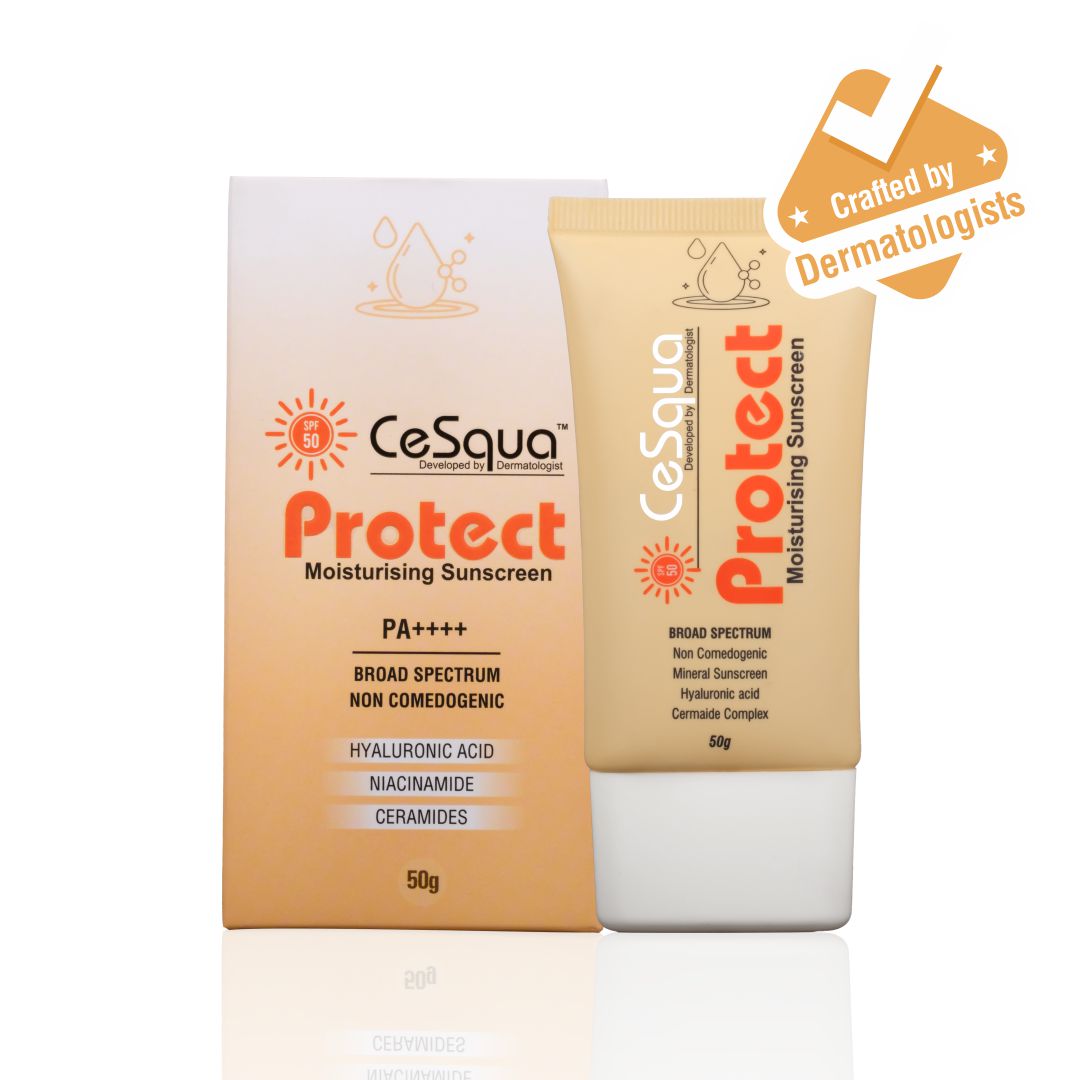
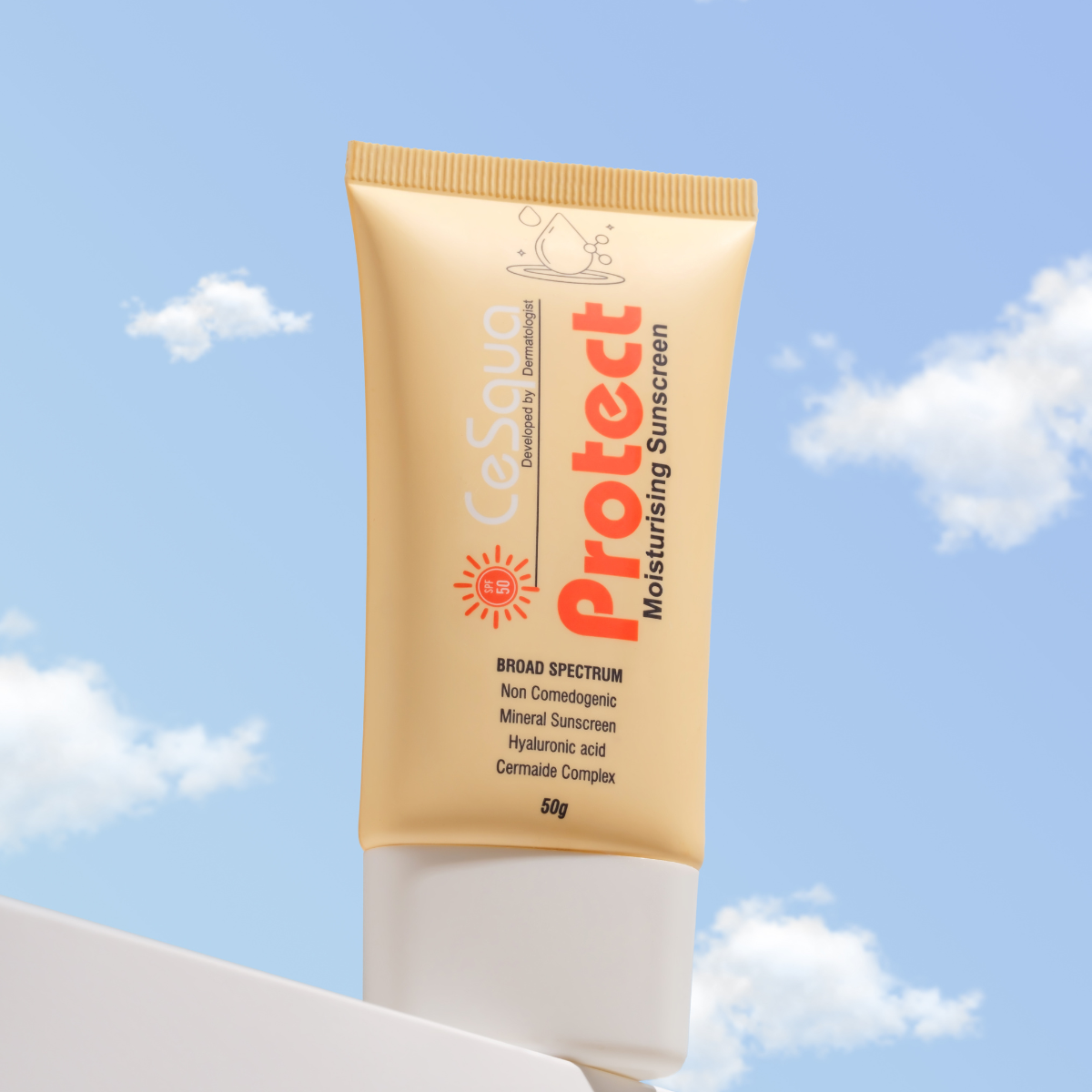
- Sunscreen: For adequate protection, 1/4 tsp (0.5ml) per application means a 50ml tube should last 1-2 months (100-200 uses), given daily morning use and light reapplication.
Shelf Life: Unopened vs Opened
- Unopened: Most cleansers last 1-2 years, and moisturizers and sunscreens 2-3 years, if kept cool and sealed.
- After Opening: All should be used within 6-12 months to guarantee efficacy and prevent contamination—especially important for water-based products.
CeSqua’s formulas are designed for stability, and our streamlined packaging helps minimize exposure to air and bacteria. Always check for changes in smell, texture, or color; these are key signs of expiration even before the labelled date.
Step-by-Step: Calculating Cost-Per-Use for Your Skincare
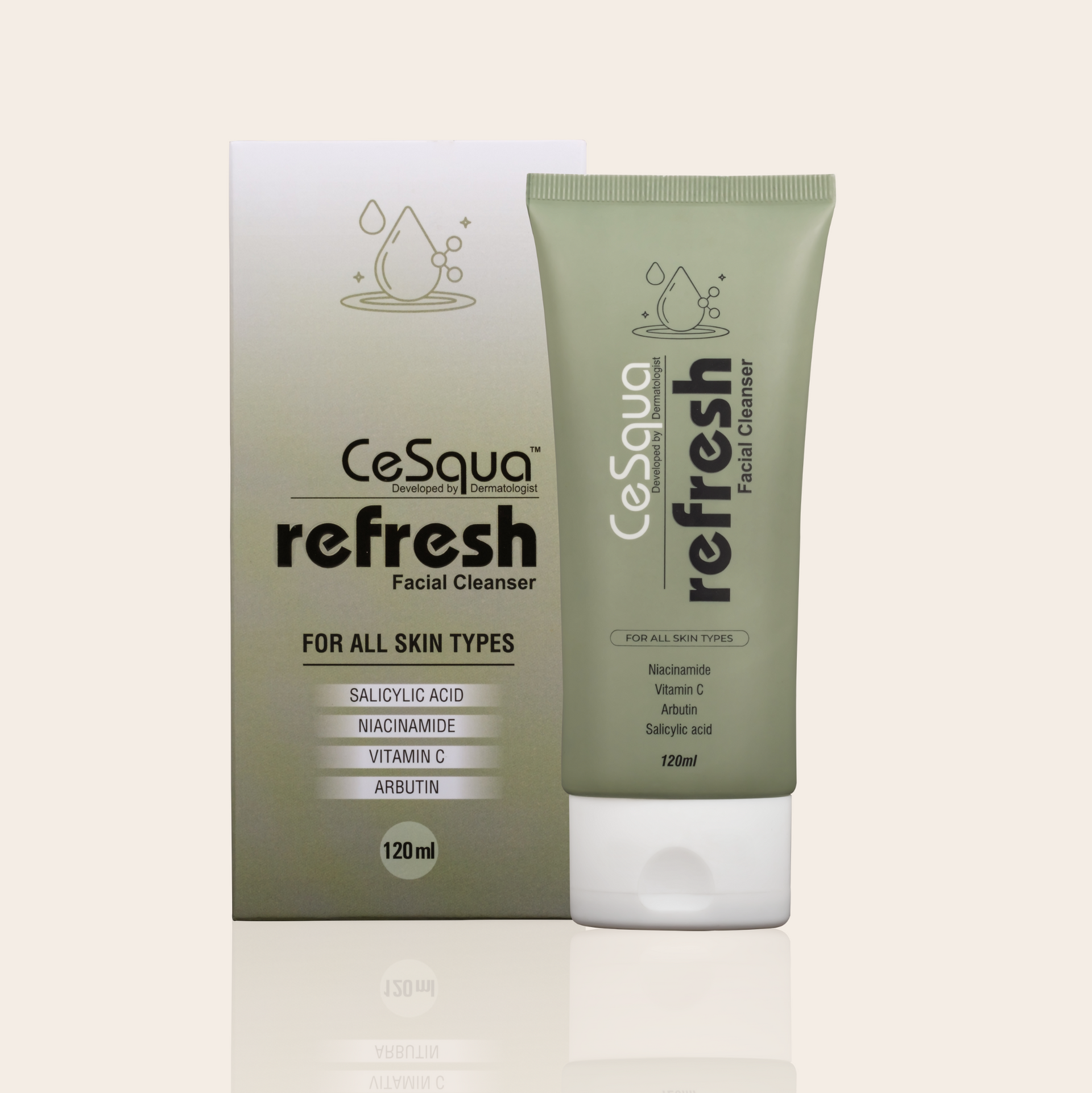
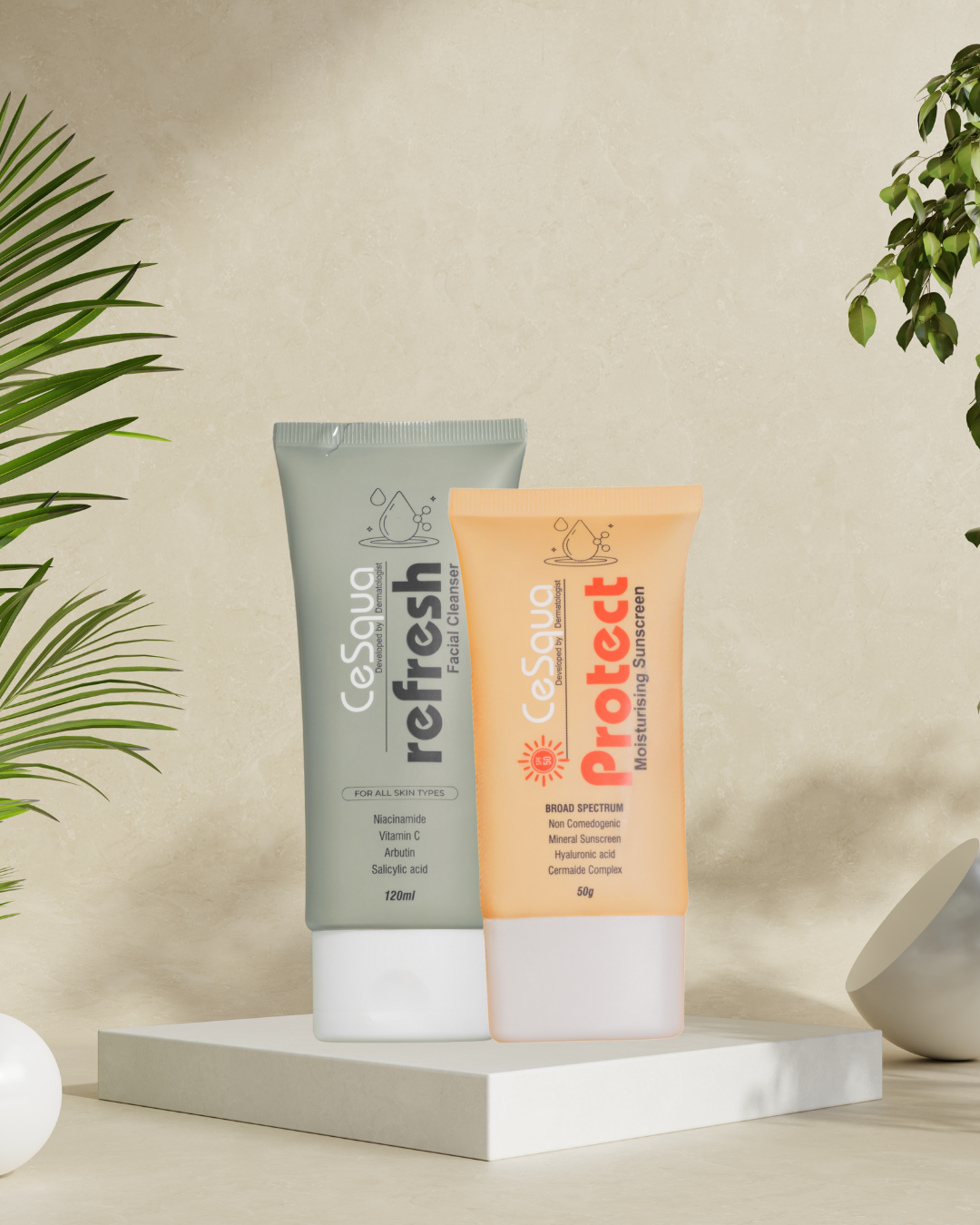
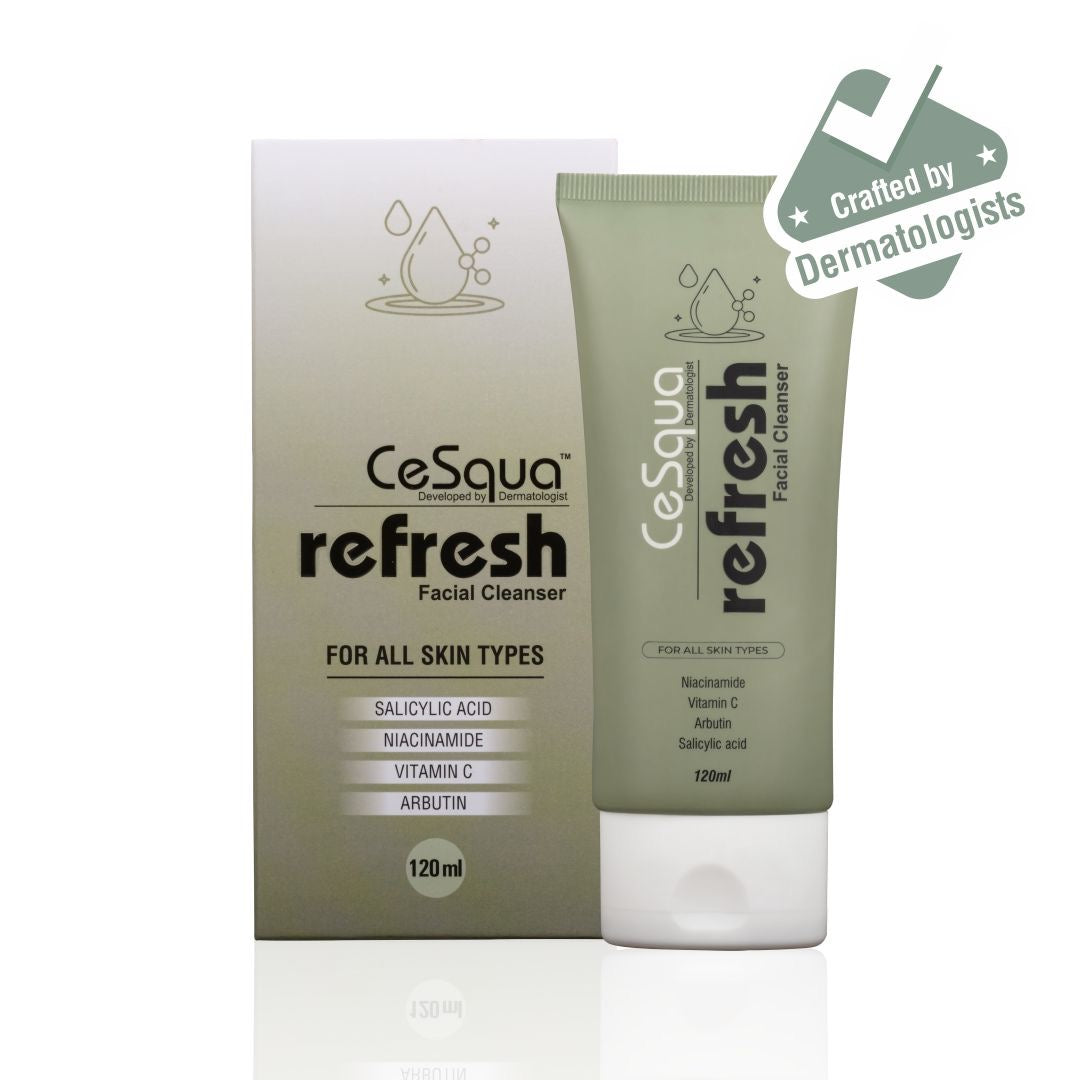
- Start with the Size: Note how many milliliters (ml) are in your product. For example, CeSqua’s Refresh Facial Cleanser comes in a 100ml tube.
- Track Daily Use: Use the recommended amount—a pea-sized drop for cleansers and moisturizers, or 1/4 tsp for sunscreen. Mark your bottle after each week to monitor consumption.
- Divide for Duration: If you use 0.4ml a day (twice daily), a 100ml cleanser should last 250 days. For a 50ml moisturizer at 0.4ml/day, expect 125 days.
- Calculate Cost Effectively: Divide the product’s price by total uses. If a Rs. 500 cleanser gives you 250 uses, your cost is just Rs. 2 per application. Bundling, like with CeSqua Refresh + Nourish combos, can further optimize cost without product waste.
Table: Typical Lifespan and Cost-Per-Use of Core Skincare Products
| Product Type | Typical Size | Daily Use Amount | Expected Duration | Est. Cost-Per-Use (Rs. 500 Product) |
|---|---|---|---|---|
| Facial Cleanser | 100ml | 0.2ml x 2 | 2-3 months | Rs. 4-7/day |
| Gel Moisturizer | 50ml | 0.2ml x 2 | 1-2 months | Rs. 7-17/day |
| Moisturising Sunscreen | 50ml | 0.5ml daily | 1-2 months | Rs. 10-25/day |
With efficient dispensing and proper amounts, CeSqua’s minimalist line ensures every drop is used and reduces both cost and clutter compared to complicated routines.
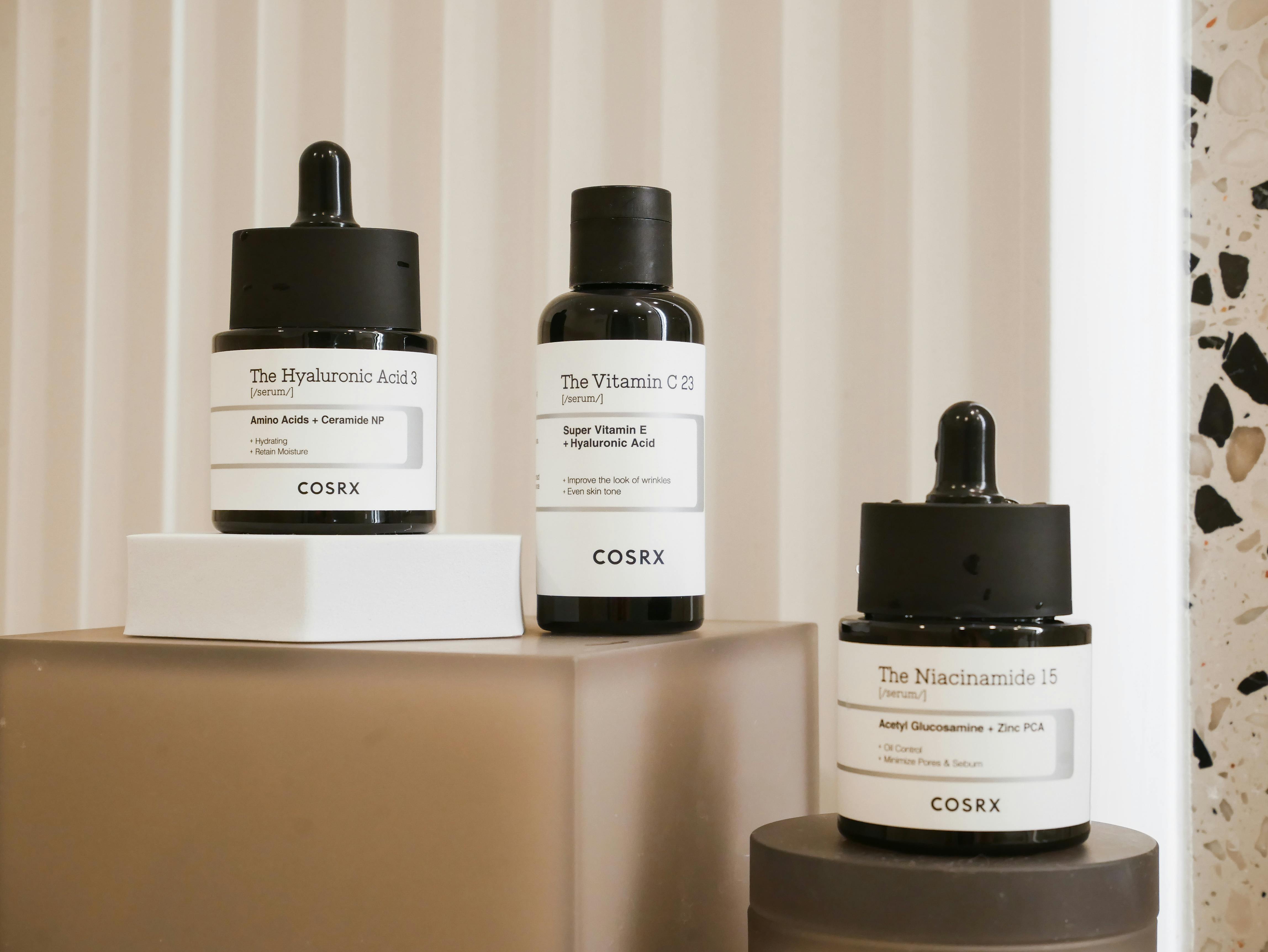
Why Product Longevity Matters: The Freshness-Efficacy Connection
The value of a skincare product is not just in price per ml, but also in its potency while you use it. When cleansers, moisturizers, or sunscreens outlast their efficacy, you risk dull skin, poor hydration, inflammation, or—particularly with expired SPF—serious sun damage. At CeSqua, we stress that visible results come from formulas used within their active window. For instance, actives like niacinamide, salicylic acid, or zinc oxide may become less effective or even irritating if left unused for too long. Switching to a fresh product at six to twelve months is a key habit for both cost savings and safety.
Best Practices for Prolonging Skincare Freshness
- Store in Cool, Dark Places: Avoid humid bathrooms. Excess heat can rapidly degrade active ingredients and spoil your skincare faster.
- Clean Dispensing: Tubes and pumps are preferred over jars, as they protect contents from bacteria and minimize air exposure. CeSqua products are packaged with this in mind.
- Use Correct Amounts: More isn’t always better. Follow instructions: a pea-sized drop suffices for both cleansers and moisturizers, while a full 1/4 teaspoon ensures sunscreen gives the labelled protection.
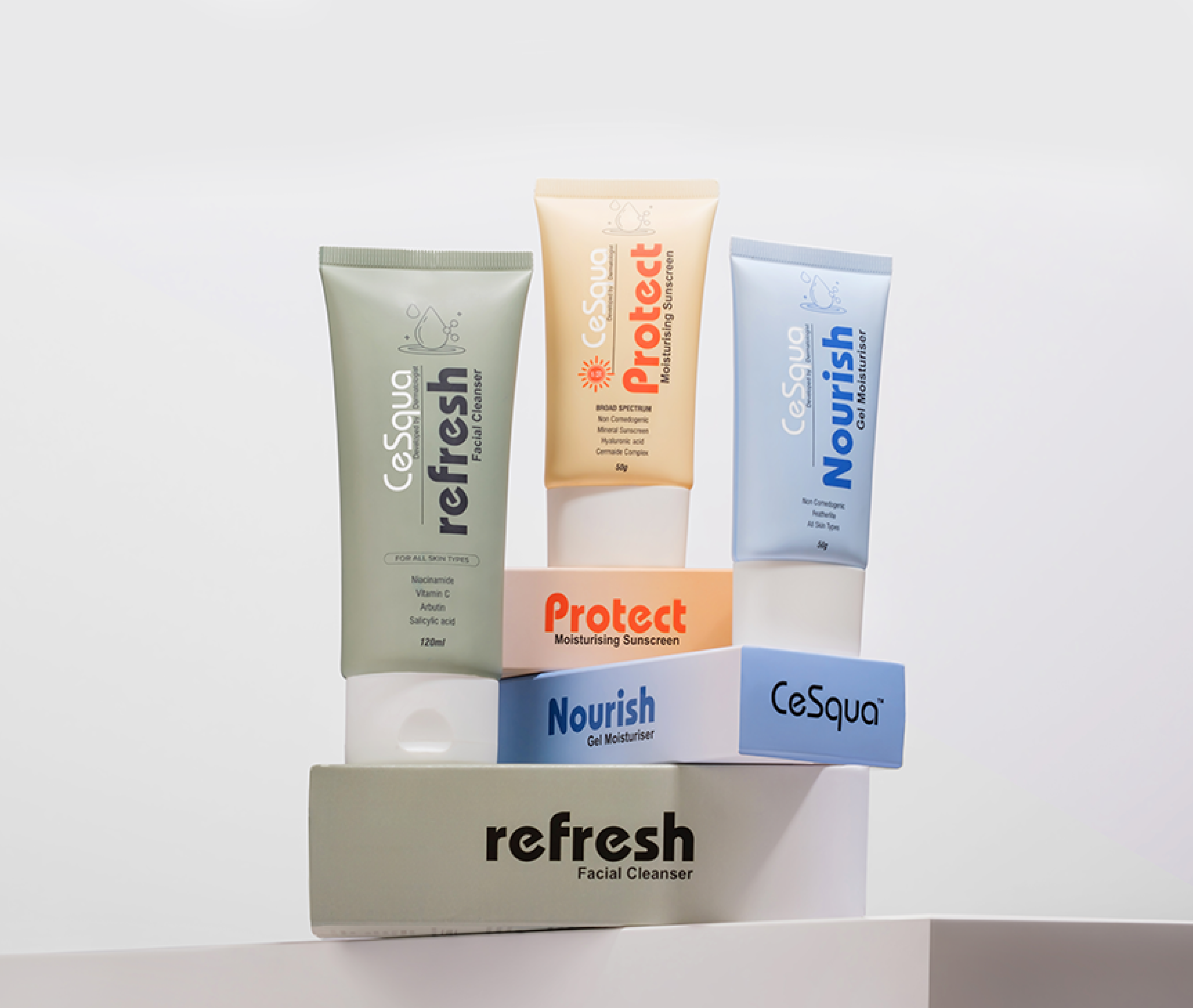
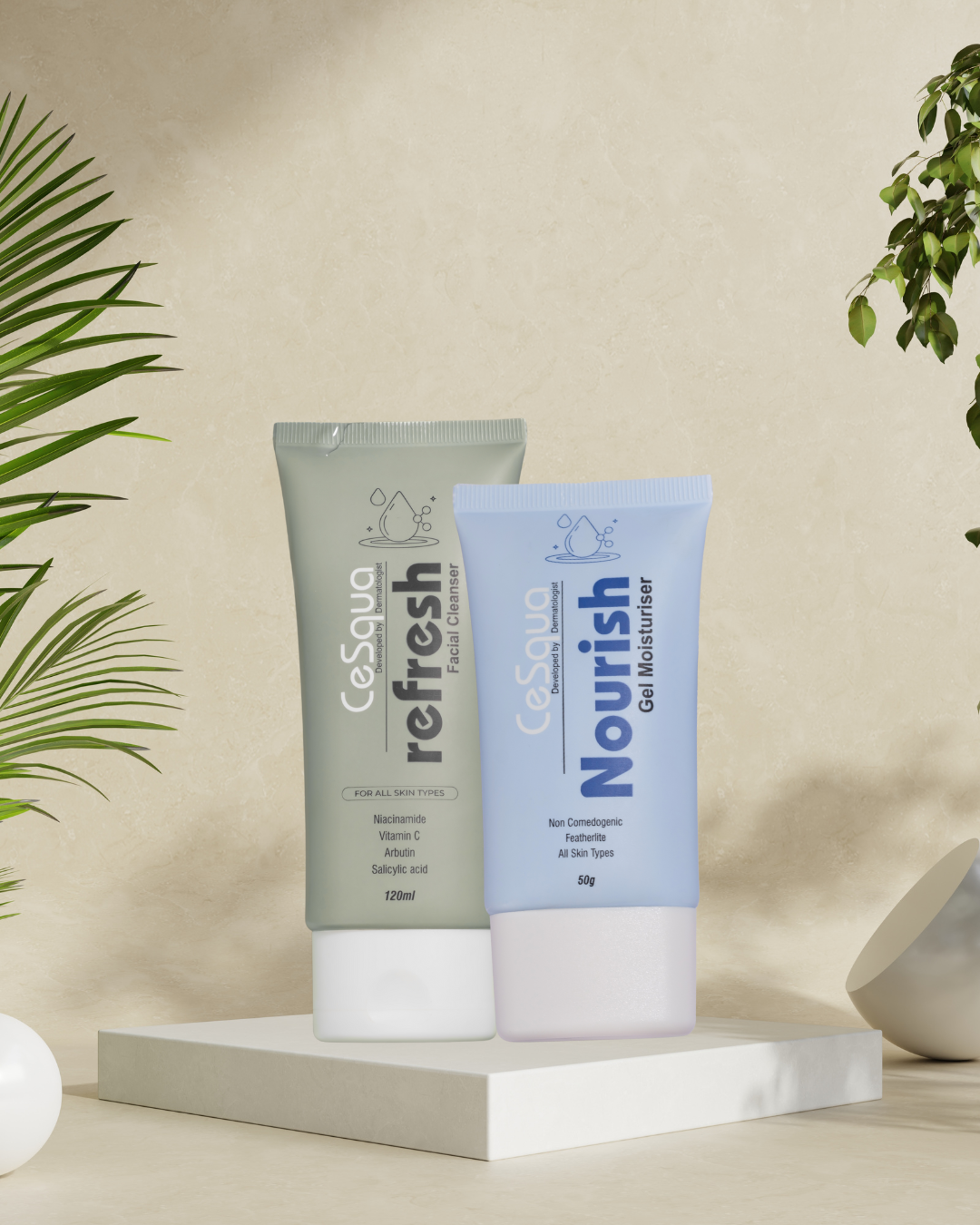
- Bundle Smartly: Using skincare combos (like CeSqua’s Refresh + Nourish or Refresh + Protect) helps synchronize product usage so nothing sits unused and expires early.
- Replace When Needed: Discard if color, odor, or texture shifts. Efficacy, especially for acne or sun protection, declines after about 6-12 months once opened.
Review our discussion on common moisturizer mistakes to further optimize your routine.
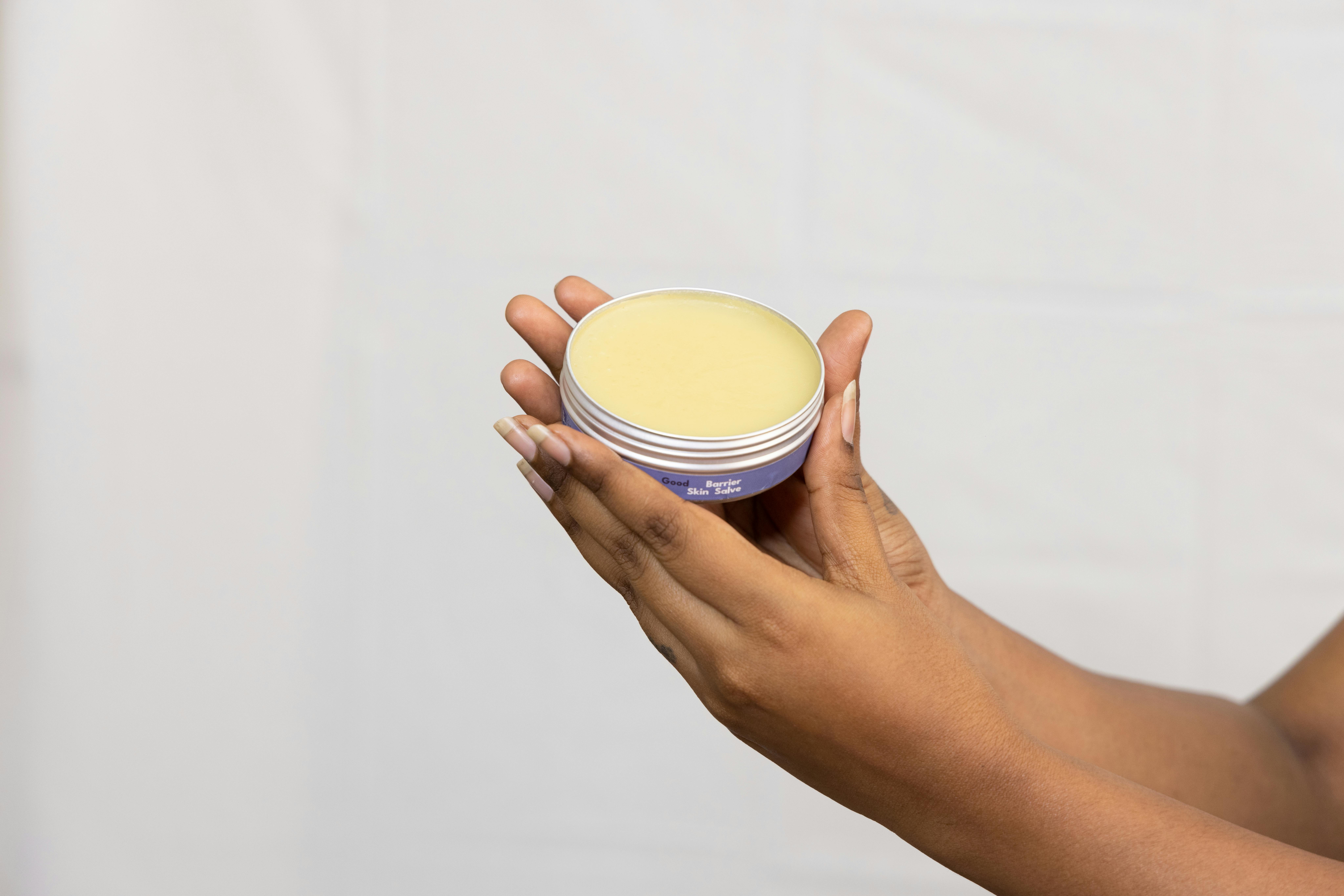
Signs It’s Time to Replace Your Cleanser, Moisturizer, or Sunscreen
- Changed smell, usually sour or rancid
- Texture is separated, watery, or lumpy
- Color changes from original
- Irritation, breakouts, or reduced hydration/UV protection
If in doubt, opt for a fresh bottle. For CeSqua users, this may mean replacing your Refresh Facial Cleanser or Protect Moisturising Sunscreen every 2-3 months, and moisturizer every 1-2 months with regular, twice-daily routines.
How CeSqua’s Approach Streamlines Product Usage and Savings
CeSqua specializes in making your routine efficient, effective, and straightforward. Our pharma-grade actives—like niacinamide and hyaluronic acid—are formulated for maximum results within typical product durations. Unlike multi-step regimes, the CeSqua 3-step routine (cleanse, hydrate, protect) ensures every core product is used within its prime. This not only delivers visible improvements in skin tone, hydration, and barrier function, but it also means fewer unused products and reduced cost-per-use.
We also prioritize recyclable packaging and vegan, cruelty-free formulas for peace of mind with every bottle and tube. For those interested in ingredient safety, see our guide on skincare ingredients and biotech advancements.
FAQ: Skincare Longevity and Cost-Per-Use
How do I know if my cleanser is still effective?
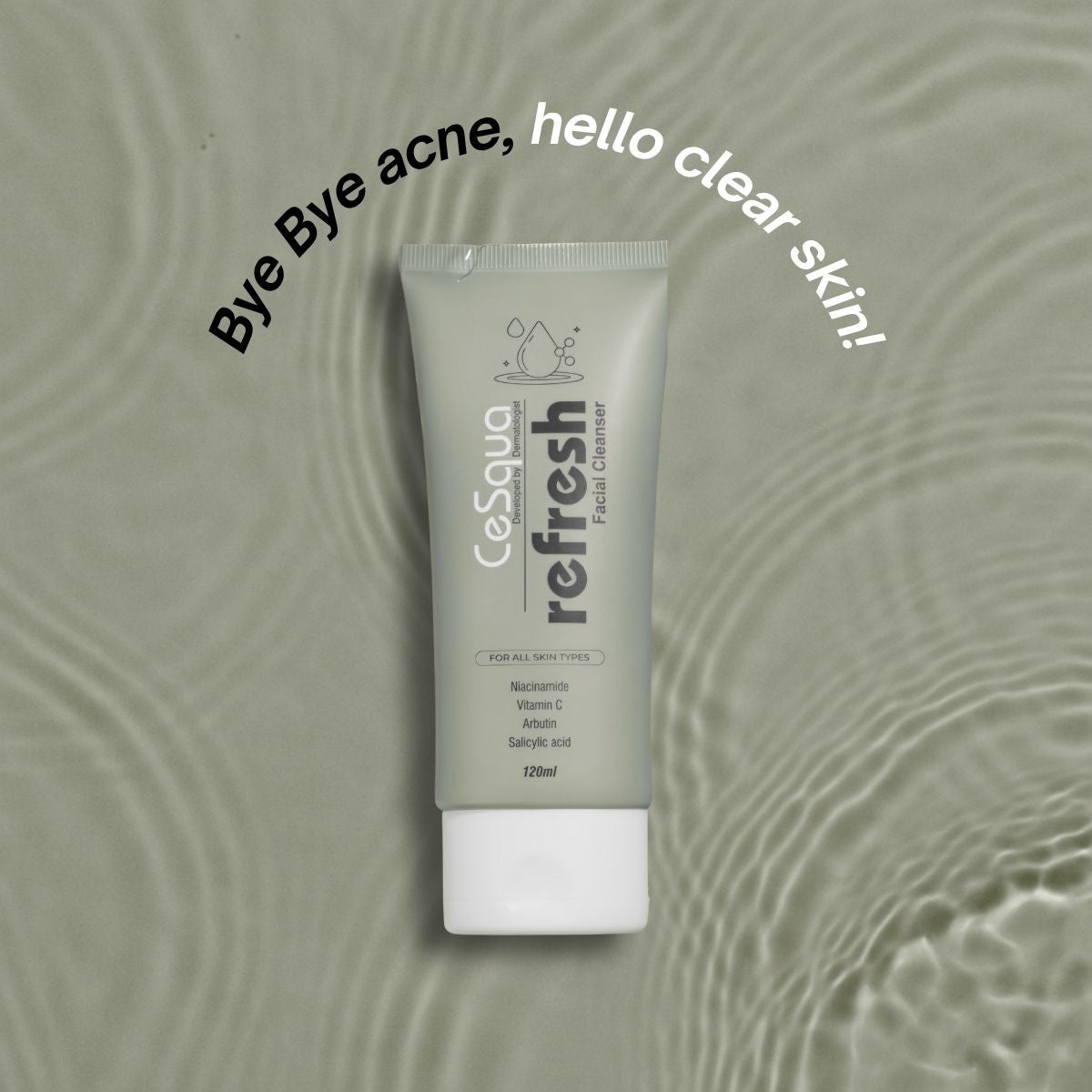
Cleansers typically remain active for 6-12 months after opening, assuming they’re stored properly. Watch for changes in scent, separation, or skin irritation—these mean it’s time to replace. For products like CeSqua’s Refresh Cleanser, stable surfactants and actives mean predictable results within recommended use periods.
Why do sunscreens expire faster than moisturizers?
Sun protection actives degrade with light, air, and heat exposure. Chemical changes may reduce protection long before a tube ‘runs out’. CeSqua’s Protect Moisturising Sunscreen combines physical filters (titanium dioxide, zinc oxide) for improved stability, but re-purchase every 1-2 months or after 6-12 months, whichever comes first.
Can I use old moisturizer for my hands or body?
If the product hasn’t changed in appearance or smell, using older moisturizer on less sensitive areas can be safe, but for facial skincare results, always prioritize freshness and efficacy.
How does actual use impact how long the product lasts?
Your application frequency and quantity matter most. Using only the recommended amount extends the product lifespan while ensuring you see results. Overuse wastes product and increases cost-per-use.
What is the period after opening (PAO) symbol and how do I find it?
The PAO symbol is often a jar icon with a number (e.g., 6M or 12M). It tells you the number of months a product remains safe after opening. If absent, follow the 6-12 month rule and use common sense guidance like avoiding products that have changed in look or smell.
How can I maximize the longevity of my skincare?
Stick to clean dispensing (tubes/pumps), store at stable temperatures, and buy combo kits that match your usage. Sharpen your understanding further by reviewing our guides on minimalist skincare routines for best practices.
Conclusion
To maximize both the value and health benefits of your cleanser, moisturizer, and sunscreen, focus on recommended quantities, timely replacement, and routines tailored to efficient usage. CeSqua’s transparent approach lets you track, calculate, and optimize every purchase, freeing you from waste and uncertainty. For tailored minimalist routines and to explore our range, visit https://cesqua.in/ and discover a smarter way to radiant, resilient skin with fewer, more powerful steps.