



Choosing between tinted sunscreen and regular sunscreen for daily use comes down to two factors: your specific skin protection needs and what you will consistently use. Both options, when properly formulated and used in the correct amount, deliver strong UV protection. However, tinted and regular sunscreens offer different advantages in terms of pigmentation control, visible light defense, cosmetic finish, and routine flexibility.
At CeSqua, our focus is on simplifying effective skincare through dermatologist-led, multifunctional products. With daily sunscreen use being non-negotiable for maintaining healthy, radiant skin, understanding the distinctions between tinted and regular sunscreens helps you select (and stick with) the right SPF for your lifestyle and goals.
Definition and Key Differences
Tinted sunscreen combines conventional sun-blocking ingredients (like zinc oxide or titanium dioxide for mineral formulas) with skin-tone pigments, largely iron oxides. This creates a colored finish that can provide light coverage—similar to a BB cream—while visibly offsetting redness or uneven pigmentation. The tint also helps block visible light (including blue light), which is beneficial for anyone prone to hyperpigmentation, melasma, or stubborn marks.
Regular sunscreen is uncolored and focuses solely on delivering broad-spectrum UVA and UVB defense. This type gives a transparent or near-invisible finish and is suitable for layering under makeup or for those who need flexible, fuss-free reapplication without any change in skin tone.
Shared Fundamentals: What Both Sunscreens Offer
- Broad-spectrum UV protection to guard against sunburn and premature aging from UVA/UVB rays.
- Similar SPF efficacy at the same number (SPF 30, 50 etc.) when applied in recommended amounts.
- Chemical or mineral base options for either format.
- Daily use and reapplication are essential for both types to actually prevent sun damage and support healthy skin.

Tinted Sunscreen vs Regular Sunscreen: Direct Comparison
| Attribute | Tinted Sunscreen | Regular Sunscreen |
|---|---|---|
| UV protection | Equivalent to regular sunscreen at same SPF rating | Equivalent to tinted at same SPF |
| Visible light/Blue light protection | Yes, if formulated with iron oxides—ideal for pigmentation | Generally minimal; focus is on UV alone |
| Best for pigment-prone skin | Superior for melasma, hyperpigmentation | Provides foundational protection but less targeted for visible light-driven issues |
| Cosmetic effect | Sheer, natural coverage; can help even out tone | Transparent or nearly invisible finish |
| Reapplication | Can be tricky over makeup; may leave color transfer | Easy and inconspicuous to reapply |
| Flexibility | Shade range may be limited | No issues matching skin tones |
| Makeup compatibility | Doubles as a light base; may not layer well with all makeup routines | Works under any makeup look |
When to Choose Tinted Sunscreen
- Your main concern is hyperpigmentation, melasma, acne marks, or sun spots.
- You have medium to deep skin tone and want to minimize visible light-induced pigmentation.
- You want light, natural coverage as part of your daily “no-makeup” look.
- You spend hours in front of screens or by windows where blue light is a concern.
Tinted formulas excel by blocking both UV and visible light due to their pigment content, offering a crucial advantage for pigment-prone skin—something many experts recommend in skincare for melasma and relapsing pigmentation concerns.
When to Choose Regular Sunscreen
- You prefer no change to your skin tone.
- Your routine involves frequent reapplication and you want no color transfer (on masks, phone screens, collars).
- You layer SPF under foundation or switch makeup looks often.
- Your priority is fuss-free, versatile sun defense for any situation—outdoors, in the office, or at home.
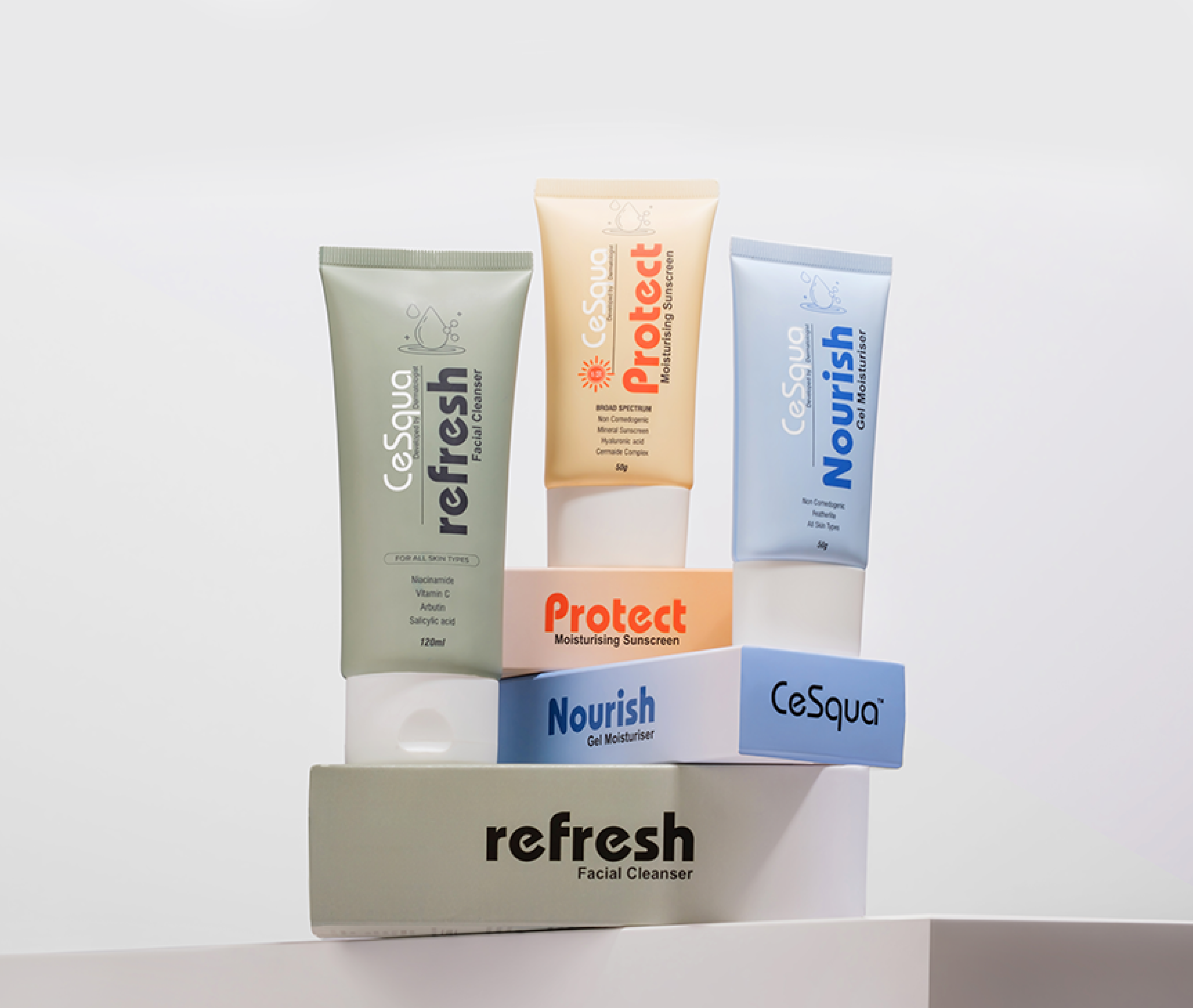
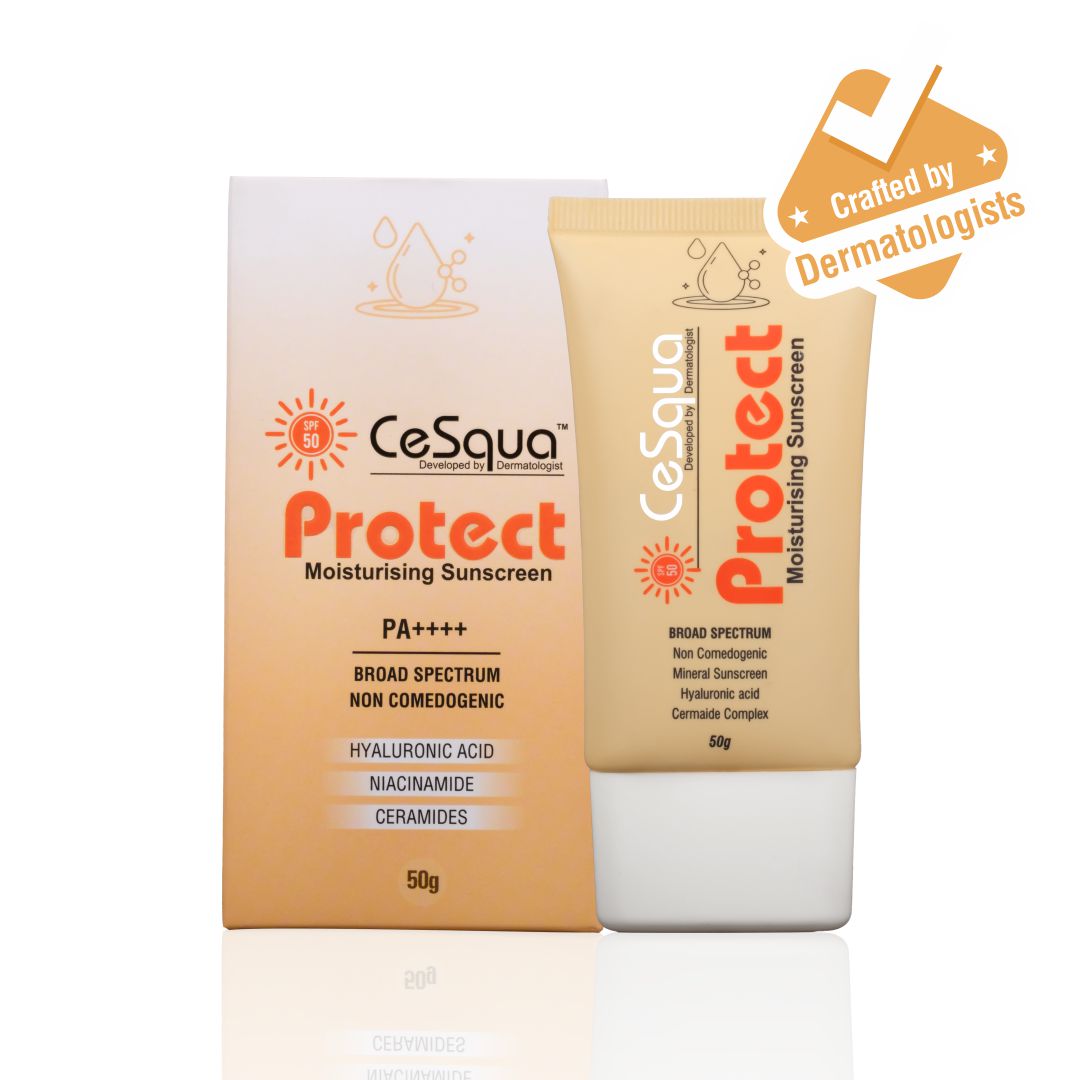
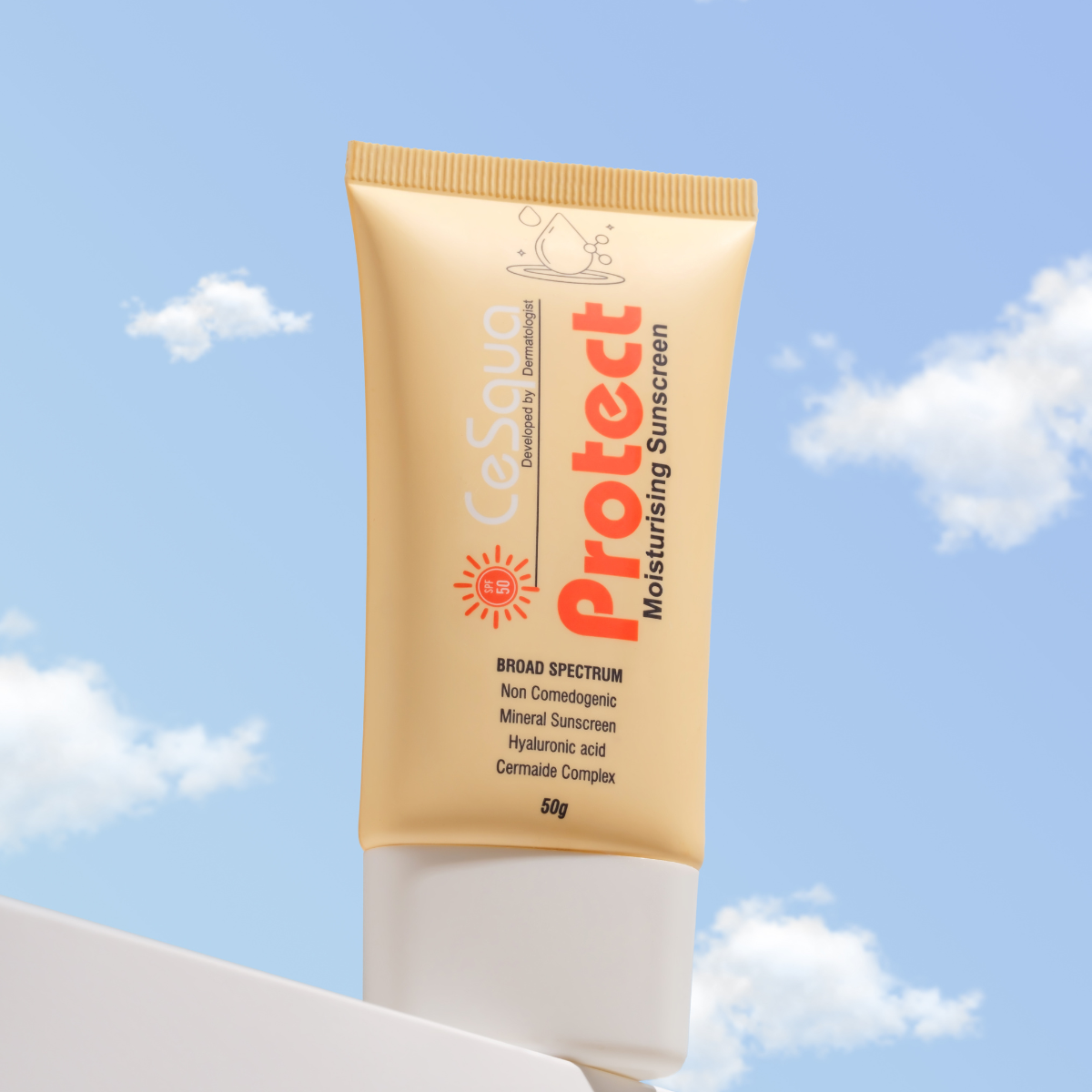
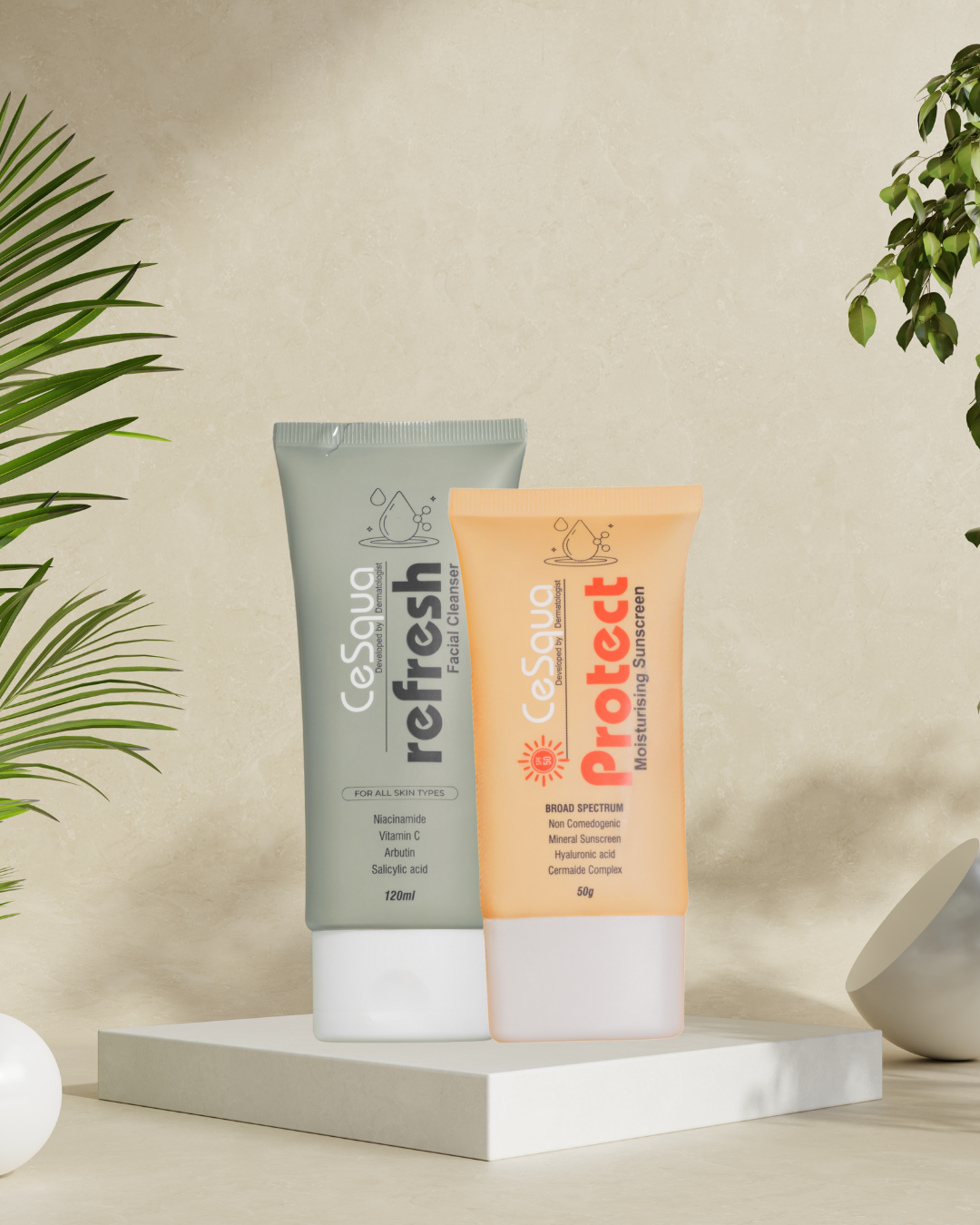
Regular, broad-spectrum sunscreen offers reliable sun protection for daily use and is flexible enough to fit any routine or skin tone, as highlighted in our Protect Moisturising Sunscreen. Our formula is non-greasy, no white cast, fragrance and alcohol free, and designed for all skin types, including sensitive and acne-prone skin.

How to Actually Use Sunscreen Effectively
Amount
- Follow the two-finger rule: apply a line of sunscreen along your index and middle finger for face and neck coverage.
- For the whole body, about 30-35g per application is standard guidance (not brand specific).
Reapplication
- Every 2 hours outdoors, after swimming or sweating—and at least twice daily for those mainly indoors near windows or screens.
Both tinted and regular formulas lose efficacy if not used at the right quantity or reapplied as needed. Our blog understands the two-finger sunscreen rule covers this topic in-depth.
Skin Types and Special Considerations
- Oily/acne-prone skin: Lightweight, non-comedogenic regular sunscreen is often preferred. CeSqua’s sunscreen is water resistant, non-greasy, and non-comedogenic, making it excellent for these skin concerns.
- Sensitive skin: Mineral-based formulas, free from fragrance and alcohol, reduce irritation risk. Many tinted and regular sunscreens offer mineral options.
- Medium/deep skin tones: Tinted sunscreen can prevent white cast and offer blue light protection, reducing visible light-induced hyperpigmentation.
- Fair skin: Both formats work; regular sunscreen provides invisible protection while tinted formulas can reduce redness and provide mild color correction.
Learn more about balancing protection and comfort in hot weather in our blog on why your sunscreen feels greasy in summer and how to fix it.
Spotlight: Digital Devices and Blue Light Protection
Visible light, particularly blue light from screens, is increasingly recognized as a contributor to skin pigmentation and premature aging. While most regular sunscreens do not effectively block visible light, some (including CeSqua Protect Moisturising Sunscreen) include advanced technologies like BlueShield to help neutralize blue light and pollution-driven stress.
If your pigmentation is triggered or worsened by screen use, a tinted sunscreen (with iron oxides) or a specialized regular sunscreen with blue light protection can be particularly effective for your daily routine.

Best Practices for Daily Sunscreen Use
- Layer SPF over cleansed, moisturized skin. For streamlined routines, opt for multitasking products (like CeSqua Protect Moisturising Sunscreen: moisturizer + broad spectrum SPF).
- Let the sunscreen settle for 5–10 minutes before layering makeup.
- For outdoor activities, always reapply every 2 hours (or more frequently if swimming or sweating).
- Check for comfort—daily compliance is driven by texture and how a product feels after hours on your skin.
- For pigmentation, combine high-protection sunscreen with pigment-correcting actives under dermatologist guidance. See our breakdown of moisturizer with SPF vs separate sunscreen for effectiveness.
CeSqua’s Evidence-Based Routine
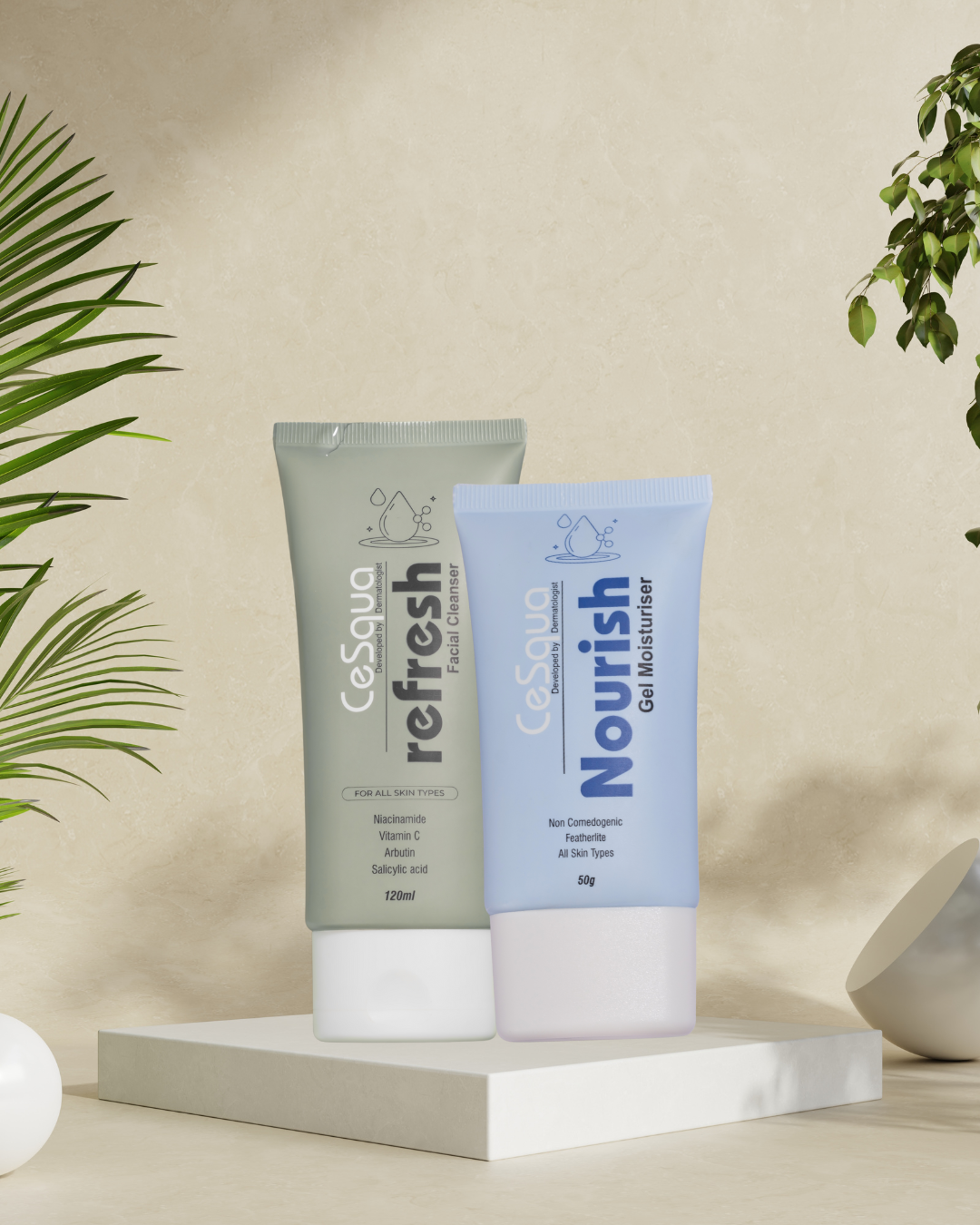
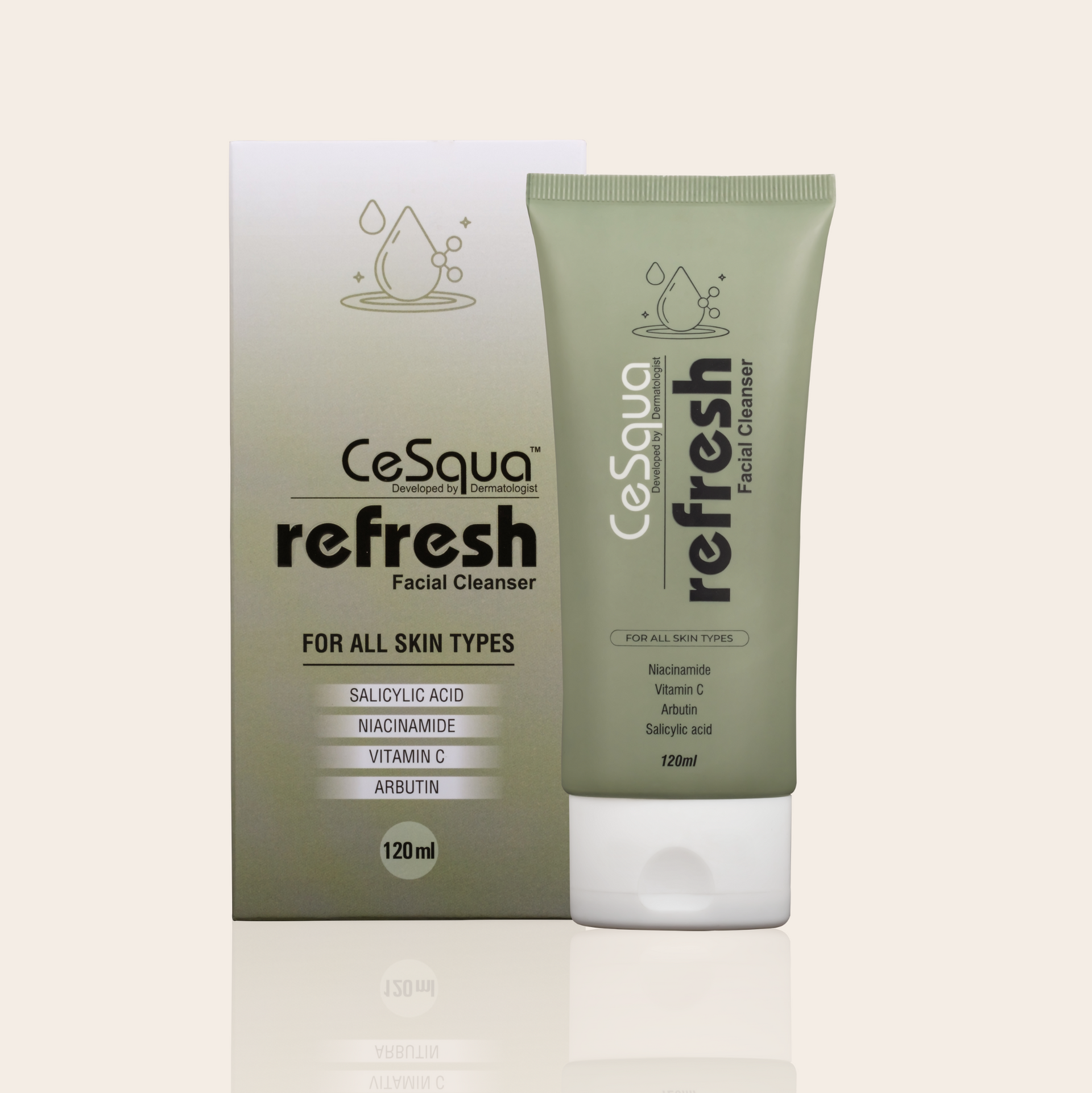
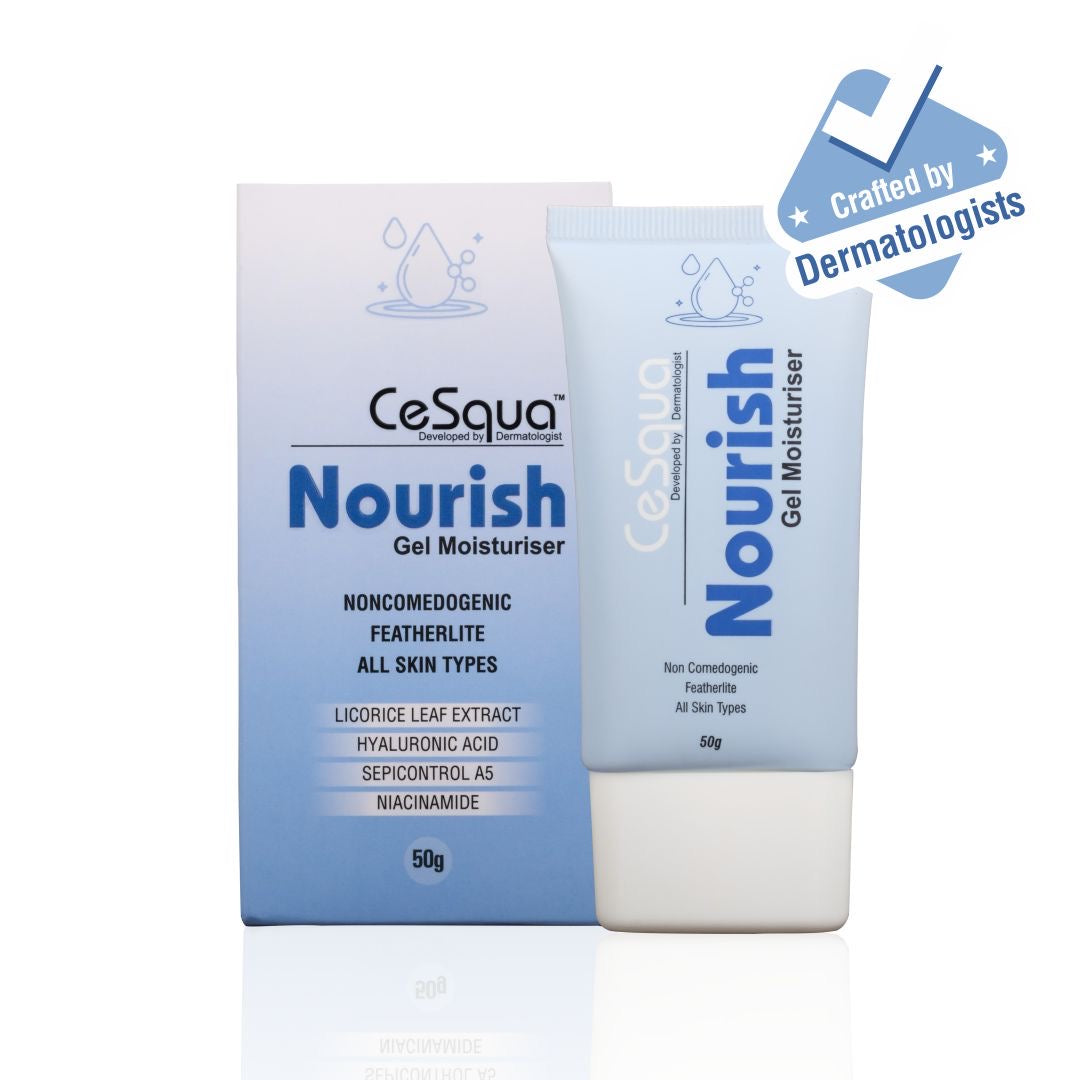
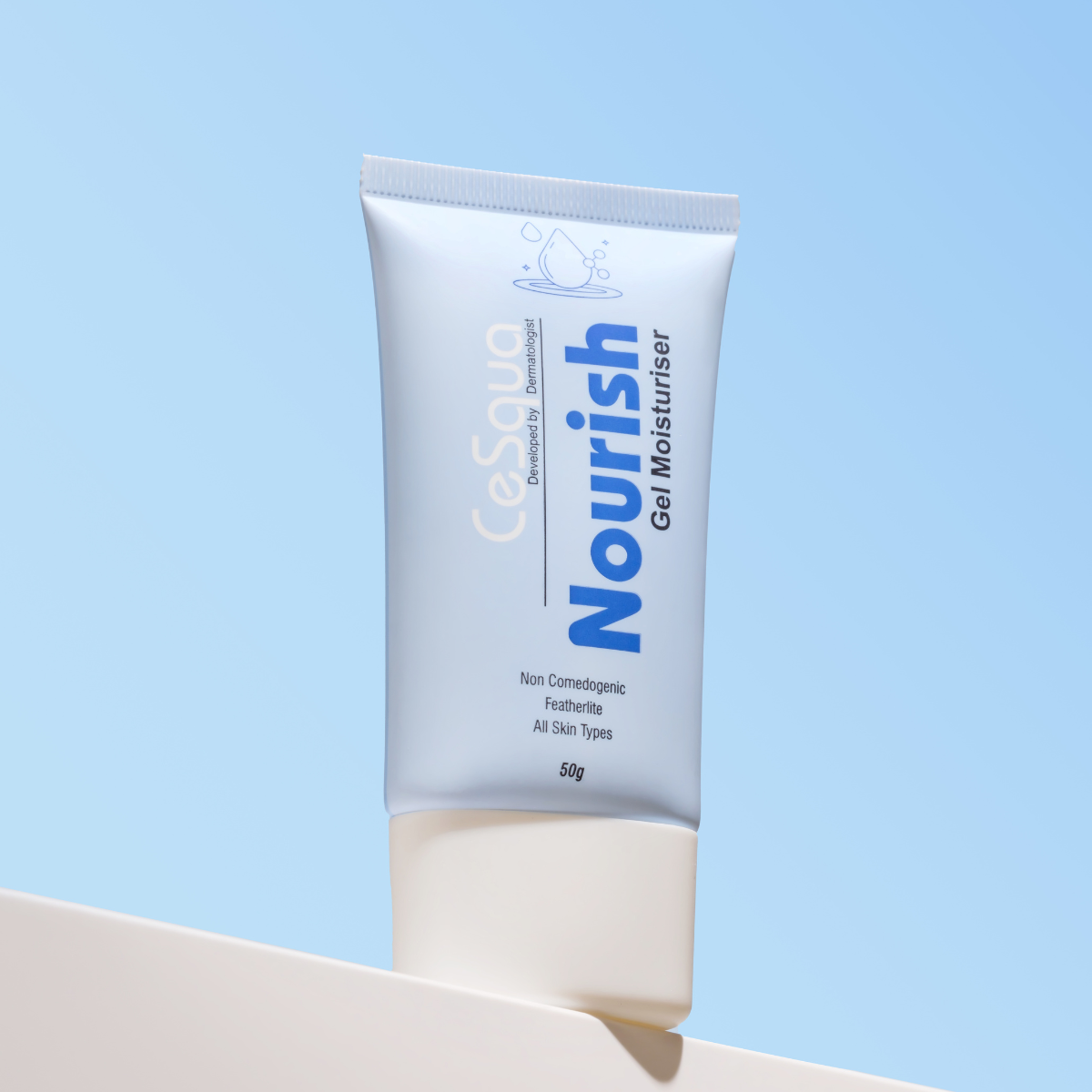
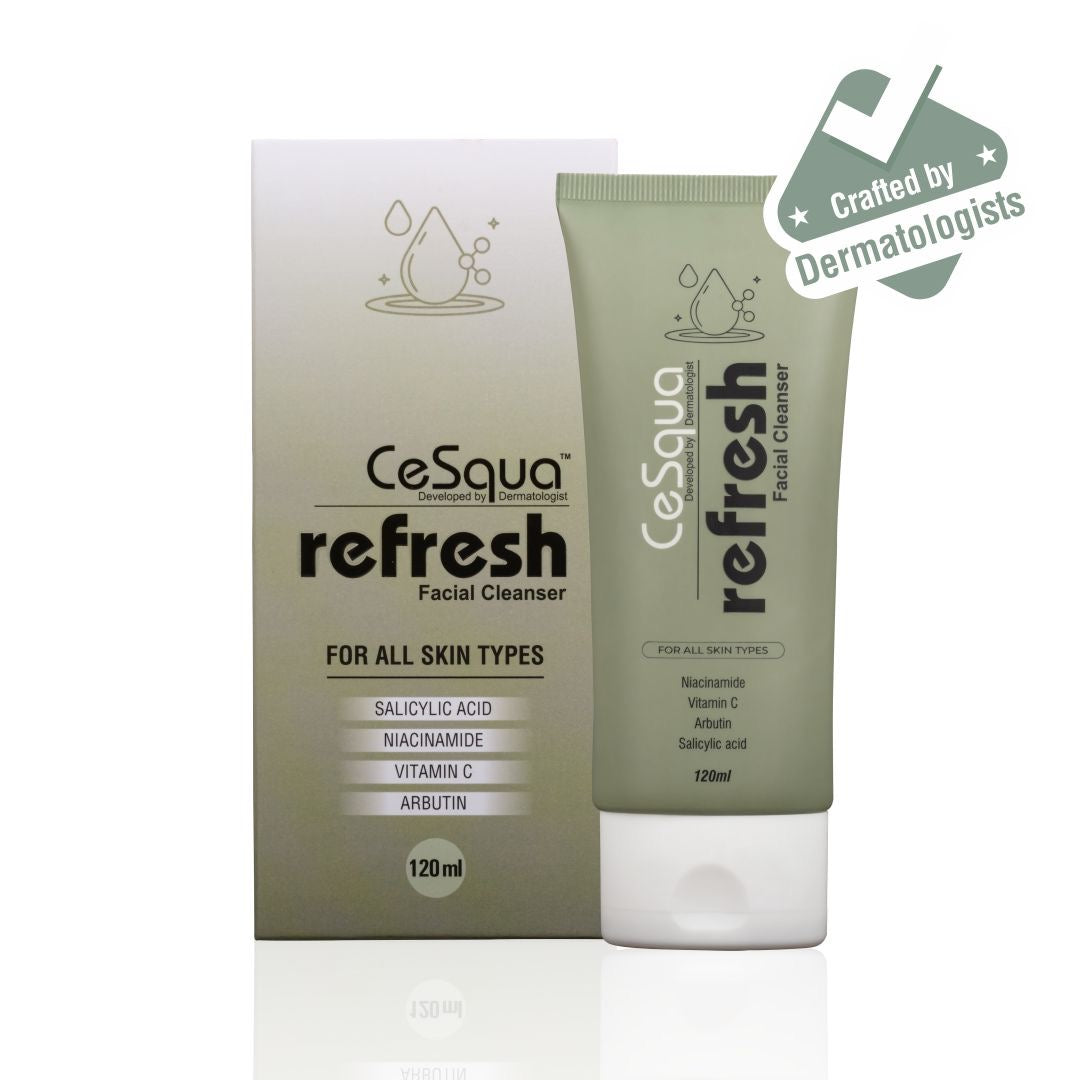
Our approach is rooted in simplicity and pharma-grade results. The CeSqua three-step routine—cleanse (Refresh Facial Cleanser), hydrate (Nourish Gel Moisturiser), and protect (Protect Moisturising Sunscreen)—is designed so you can maintain radiant, healthy skin with fewer, smarter steps. Our sunscreen suits all skin types, is water-resistant, non-comedogenic, and specifically formulated for sensitive and acne-prone skin. It also protects against blue light stress and leaves no chalky residue, aligning with the daily needs of Indian and global skin alike.
Frequently Asked Questions
What is the main difference between tinted and regular sunscreen?
Tinted sunscreen contains pigments—primarily iron oxides—that also protect against visible and blue light, providing extra benefit for those with hyperpigmentation or melasma. Regular sunscreen is uncolored and focuses on UV protection.
Does tinted sunscreen work as well as regular sunscreen?
Yes, at the same SPF and with broad-spectrum coverage, tinted sunscreens work as well as regular sunscreens for UV protection when applied in the correct quantity.
Should I use tinted or regular sunscreen if I have melasma?
Tinted sunscreen is often recommended for melasma because of its visible light-blocking capacity in addition to UV defense, helping prevent pigmentation relapses.
Is reapplication harder with tinted sunscreen?
Reapplication can be trickier over makeup with tinted formulas and may lead to color transfer, while regular sunscreen is often easier to top up throughout the day.
Will regular sunscreen protect me from blue light from screens?
Most regular sunscreens do not block visible blue light unless they contain specific ingredients or proprietary technologies (CeSqua's sunscreen contains BlueShield to address this).
Can I layer makeup over sunscreen?
Yes, especially with regular sunscreen. Let the sunscreen absorb for at least 10 minutes, then apply makeup as usual. Tinted sunscreen can often serve as a light base for foundation-free days.
Do I need sunscreen indoors?
Yes. UVA and visible light can penetrate windows, and long hours on digital devices can still contribute to pigmentation and aging, making daily sunscreen a must.
What’s the best sunscreen type for oily or acne-prone skin?
Non-comedogenic, lightweight sunscreens—like CeSqua Protect Moisturising Sunscreen—are well suited for oily and acne-prone types. Some tinted options also fit, if the ingredients are light and non-clogging.
Conclusion: The Best Choice for Your Daily Routine
For most, a high-quality regular sunscreen that is broad-spectrum, gentle, and simple to reapply—like CeSqua Protect Moisturising Sunscreen—makes the most sense for daily use. If you have marked pigmentation, melasma, or need advanced blue light defense, tinted sunscreen with iron oxides offers added protection and cosmetic benefits. Your best sunscreen will always be the one you enjoy applying generously every single day.
If you’re seeking a simplified approach with pharma-grade results, explore our dermatologist-developed routines and products at CeSqua. Healthy, radiant skin starts with smart, consistent protection.