



Sunscreen is an essential part of healthy skincare for daily UV protection, but many people encounter a frustrating side effect: yellow staining on clothes, especially light-colored garments. These yellow marks are most often caused by specific chemical interactions between sunscreen ingredients, fabric fibers, and minerals found in water and sweat. Understanding why these stains happen, and applying a few simple prevention steps, can help you confidently protect your skin without ruining your wardrobe.
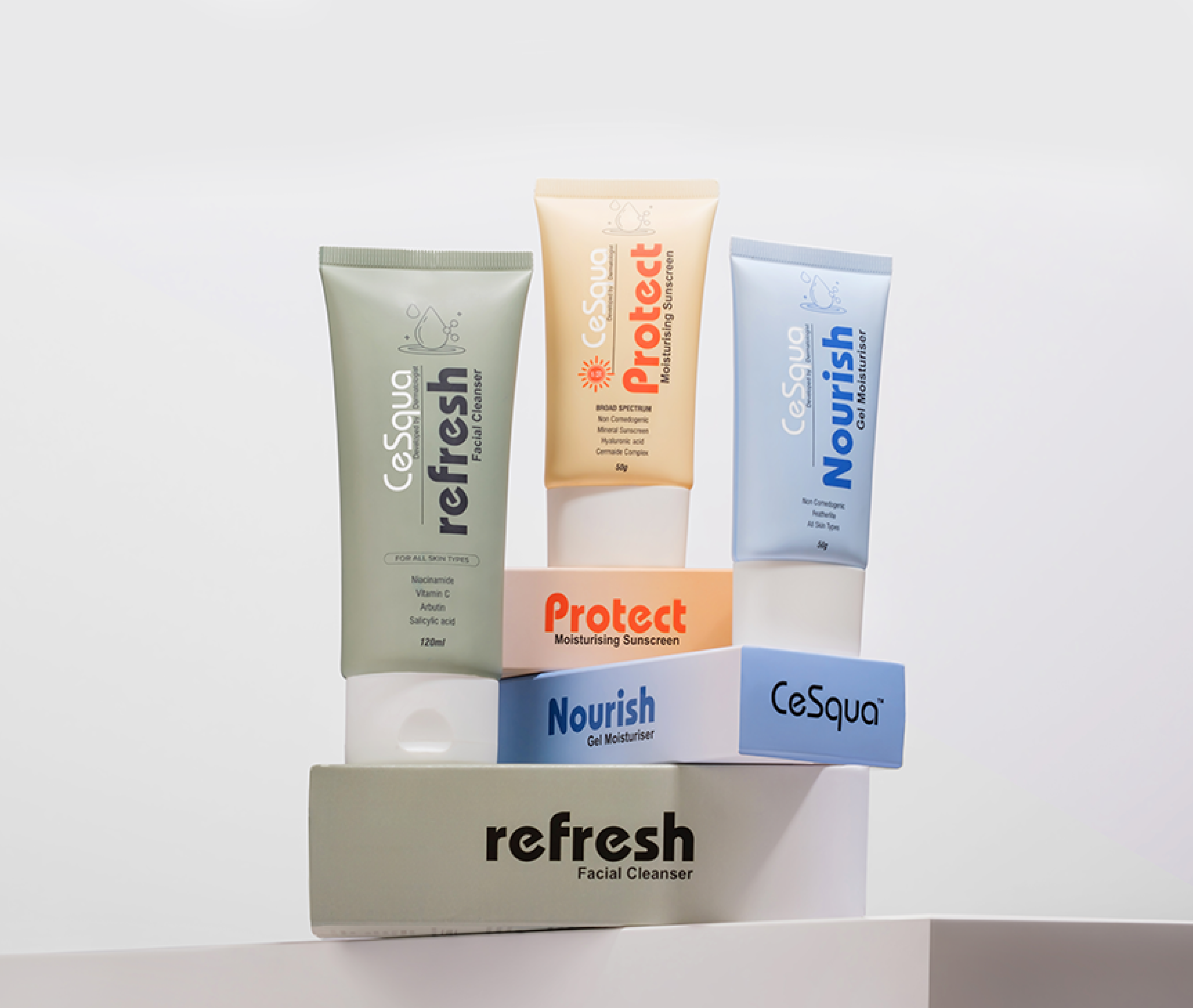
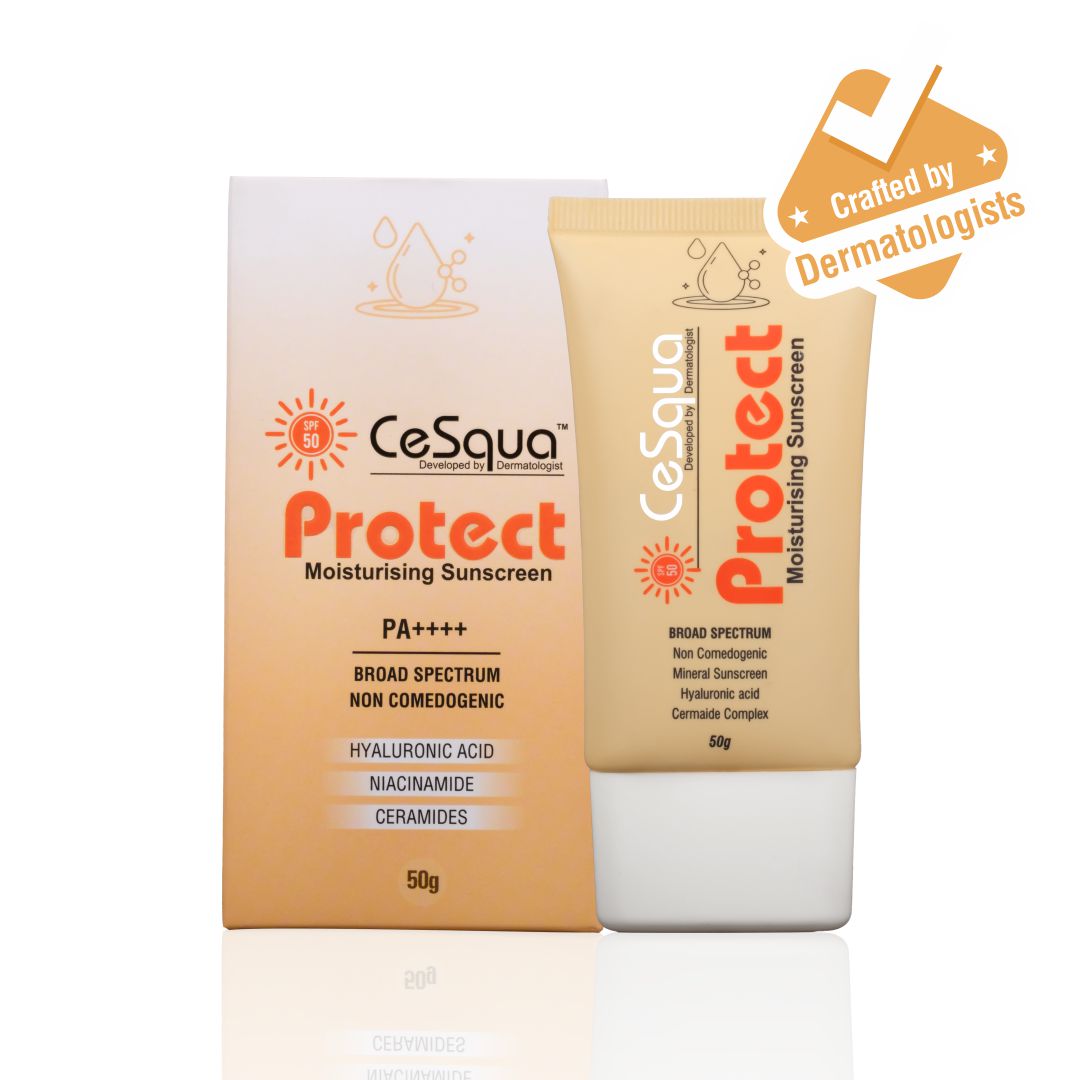
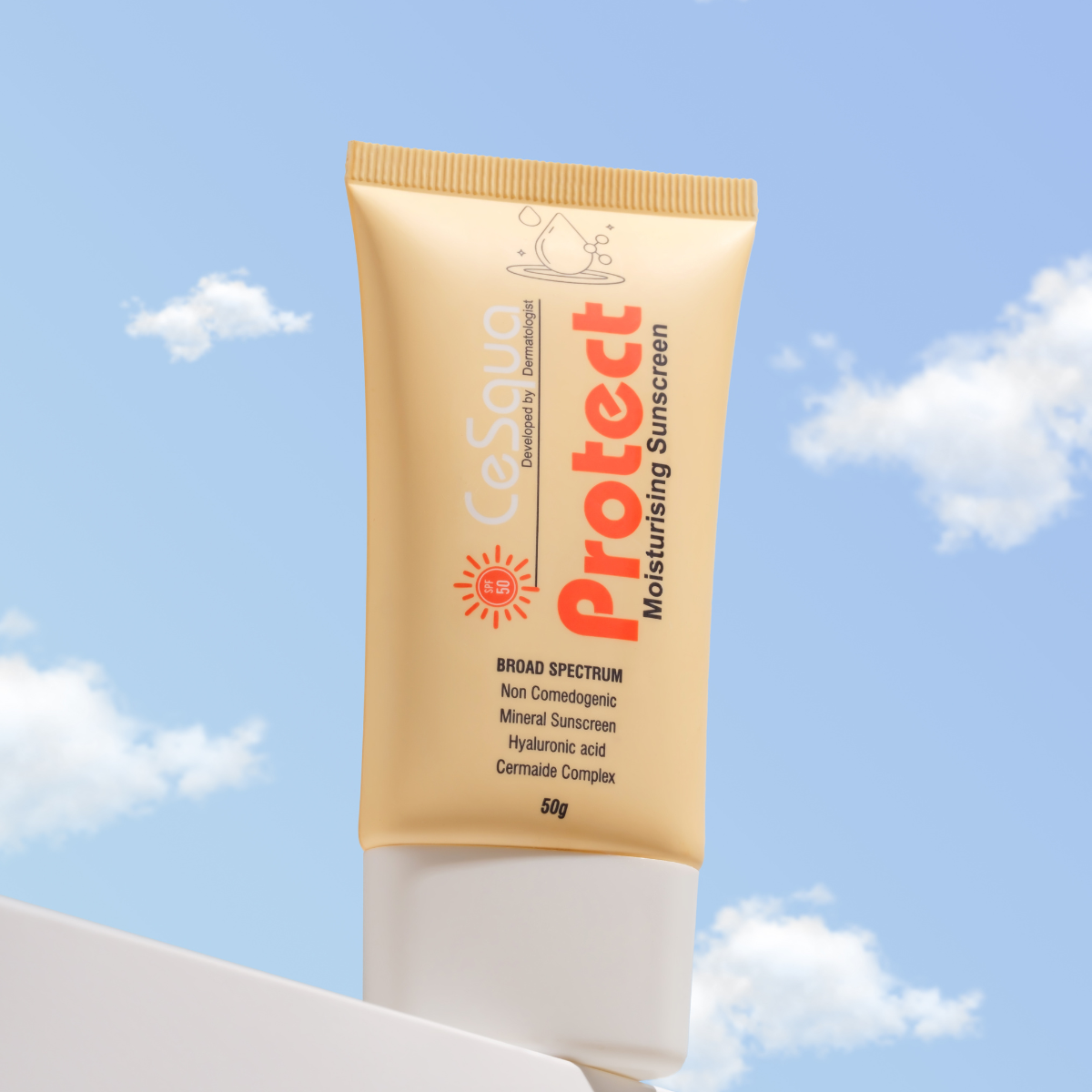
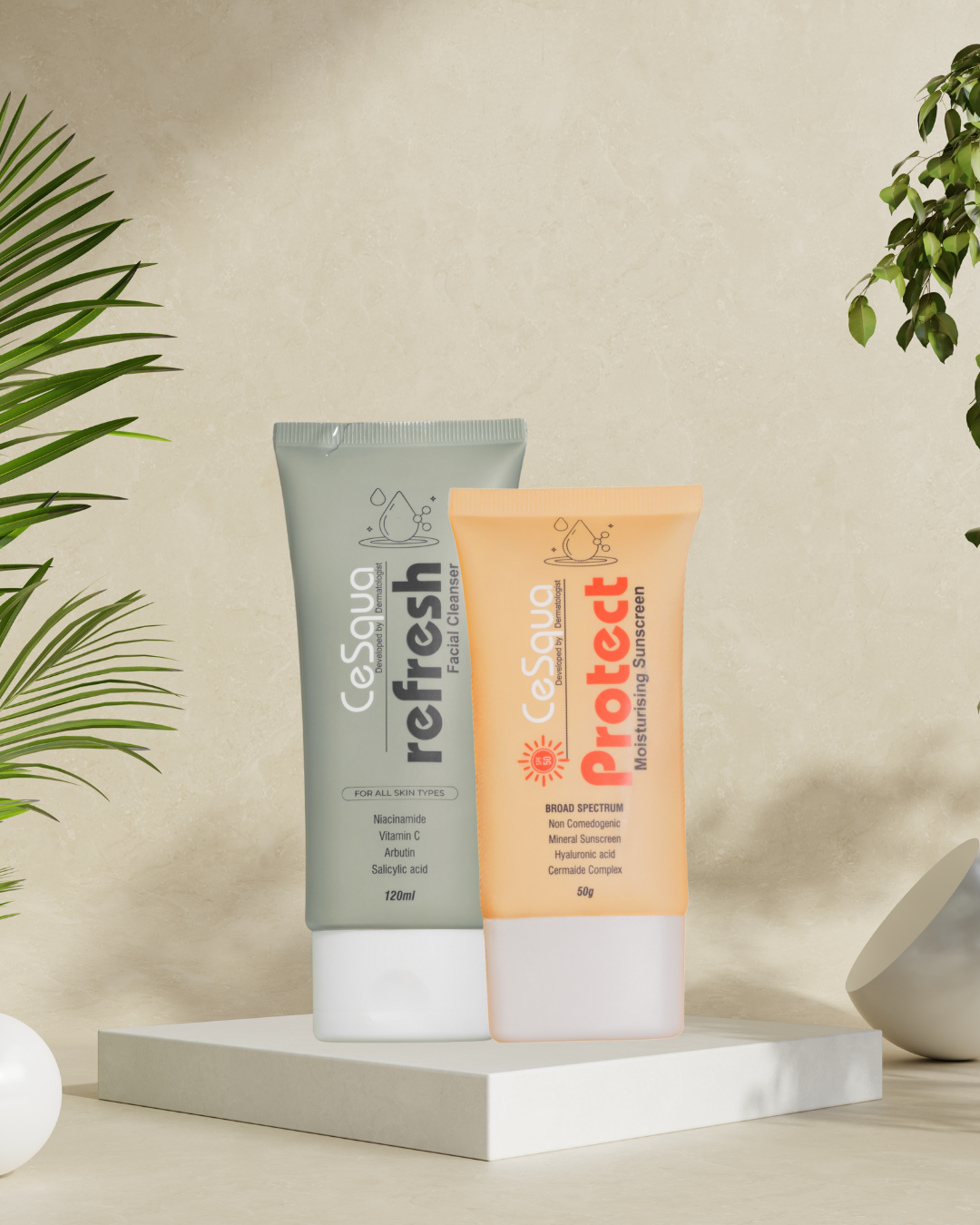
At CeSqua, we prioritize not only effective sun protection but also practical, everyday usability. Our dermatologist-designed Protect Moisturising Sunscreen is developed to minimize common sunscreen complaints, including greasy residues that frequently transfer to clothing. We believe that education is key to effortless, stain-free sun care. Below, you will find a detailed exploration into why sunscreens stain clothes yellow and actionable guidance—backed by expert best practices—that will help you avoid and treat these marks.

What Causes Sunscreen to Stain Clothes Yellow?
The yellow stains left on clothing after sunscreen use are primarily due to the chemical UV filters contained in many sunscreen products—especially avobenzone, octocrylene, and octinoxate. When these filters come into contact with iron and minerals from hard water, sweat, or even the air, a chemical reaction can produce yellow, orange, or rust-colored stains that are particularly obvious on white or pastel fabrics.
This process is sometimes intensified when oily or emollient sunscreen bases are involved, as oils allow the product to penetrate deeper into fibers. These oily stains might start clear, but after washing and exposure to heat, they oxidize and become more yellow or orange. According to multiple skincare and laundry experts, the combination of oil-based sunscreen and chemical filters like avobenzone is the most common culprit for this phenomenon.
Definition: Sunscreen Staining Explained
- Combination stain: Sunscreen marks typically involve both an oily residue and a yellow dye-like stain from chemical interactions.
- Chemical oxidation: Avobenzone, when exposed to water containing metal ions (like iron), can form colored compounds that tightly bind with fabric.
- Mineral vs. chemical sunscreen: Mineral formulas with zinc oxide or titanium dioxide generally cause less staining, but can still leave visible residue under some conditions.
Step-by-Step: How Sunscreen Stains Form
- You apply sunscreen to your skin, often leaving a thin residue on the surface while some is absorbed.
- Before the sunscreen is fully dry, your skin or hands contact clothing—transferring a layer of product onto the fabric.
- If your water is hard (high in minerals) or you sweat, minerals like iron react with avobenzone in the sunscreen.
- This reaction forms yellow, orange, or rust-toned compounds that bond to the woven fibers of your clothes.
- Washing with heat, leaving clothes unwashed for extended periods, or using bleach can intensify or set the stain.
The Main Ingredients Responsible for Yellow Stains
- Avobenzone: Most linked to yellow or orange stains, especially when washed with hard water.
- Octocrylene and Octinoxate: Less likely but still contributors to discoloration in some formulas.
- Oils and Emollients: Create an environment for chemical filters to move deeper into fabric.
- Mineral Sunscreens: Less often an issue, but can still leave residue—especially if washed with hard water or if pigments are present.
Why Do White and Light-Colored Fabrics Show Stains More?
Yellow sunscreen residue stands out on white, beige, pastel, and other light fabrics because the discoloration is not masked by darker pigments. Every fabric—cotton, linen, rayon, silk, polyester, and nylon—can show sunscreen stains, but light colors make them much more obvious.
How to Prevent Sunscreen Stains on Clothes: A CeSqua Expert Guide
- Allow sunscreen to fully dry: Wait 15 to 20 minutes after applying sunscreen before getting dressed to let the formula absorb and set.
- Get dressed after sunscreen, not before: Applying sunscreen under your clothes increases chances of transfer. Apply first, get dressed later.
- Use an appropriate amount of product: Focus extra attention on high-risk areas (like collars and sleeves), but avoid over-applying near clothing edges.
- Do not rub sunscreen into fabric: Rubbing only drives the actives deeper into the weave, making stains harder to remove.
- Choose tightly woven or darker clothing: These types prevent deeper penetration and make transfer less visible.
- Caution with spray formulas: Aerosols can easily drift onto clothes, creating a fine layer of sunscreen that may stain.
- Wash soon after wearing: Do not allow sun-exposed, treated clothes to sit in laundry baskets. Wash quickly with a suitable detergent at low temperature, and check for stains before using heat.

What to Do if Clothes Are Already Stained
- Rinse with cool water immediately: As soon as you notice the stain, gently rinse the affected area to prevent setting.
- Pre-treat with a mild liquid detergent: Rub a small amount directly into the stain and let sit before washing.
- Wash at low temperature (around 30°C): Avoid hot water, which can worsen stains or set them permanently.
- Do not use bleach at first: Harsh bleaching agents can create more colored compounds, making stains tougher to remove.
- Air-dry the item first: Before resorting to a dryer or iron, check whether the stain is truly gone. Heat-locking makes it permanent.
- If stains persist: Yellow or orange tones that do not budge may be reacting to hard water minerals. A rust-removal laundry treatment or, if needed, professional cleaning can sometimes help.
Are Mineral Sunscreens Less Likely to Stain?
Mineral sunscreens that use zinc oxide or titanium dioxide are less likely to cause yellow or orange staining than chemical filters, since they do not undergo the same reactions. However, mineral sunscreens are not 100% stain-proof—certain formulas may leave visible white residue, especially if they contain additional oils or are washed in hard water.
The most practical approach remains a combination of proper product selection and careful application habits, regardless of sunscreen type. For many, an elegant, non-greasy, and non-comedogenic formula like CeSqua's Protect Moisturising Sunscreen can help reduce mess along with the risk of visible staining.

Best Practices for Sunscreen Use Without Stains
- Always apply sunscreen as the last step before dressing: Give it time to absorb and thoroughly dry.
- Opt for formulas labeled non-greasy, non-comedogenic, and residue-free: CeSqua’s sunscreen, for example, is designed with these qualities in mind.
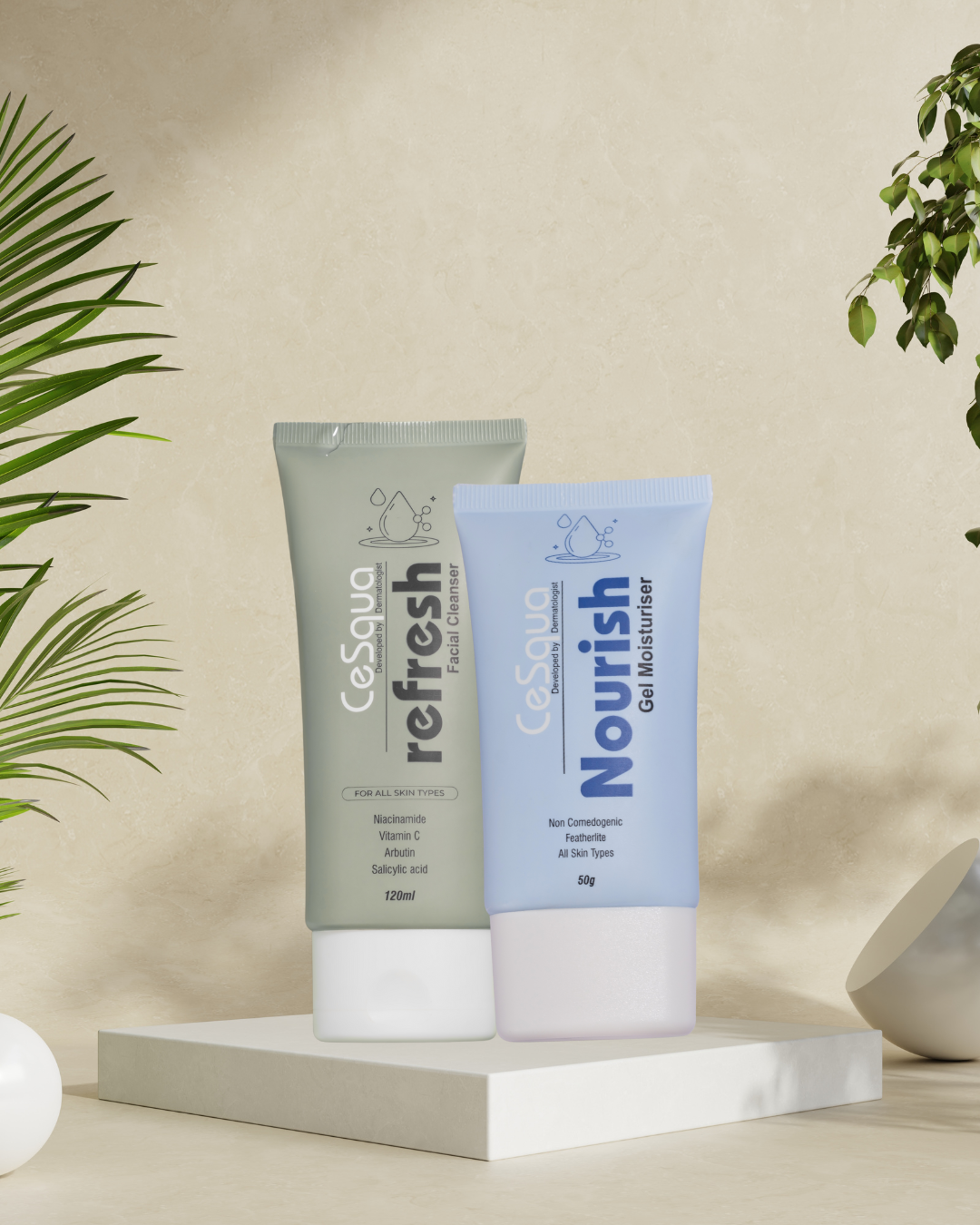
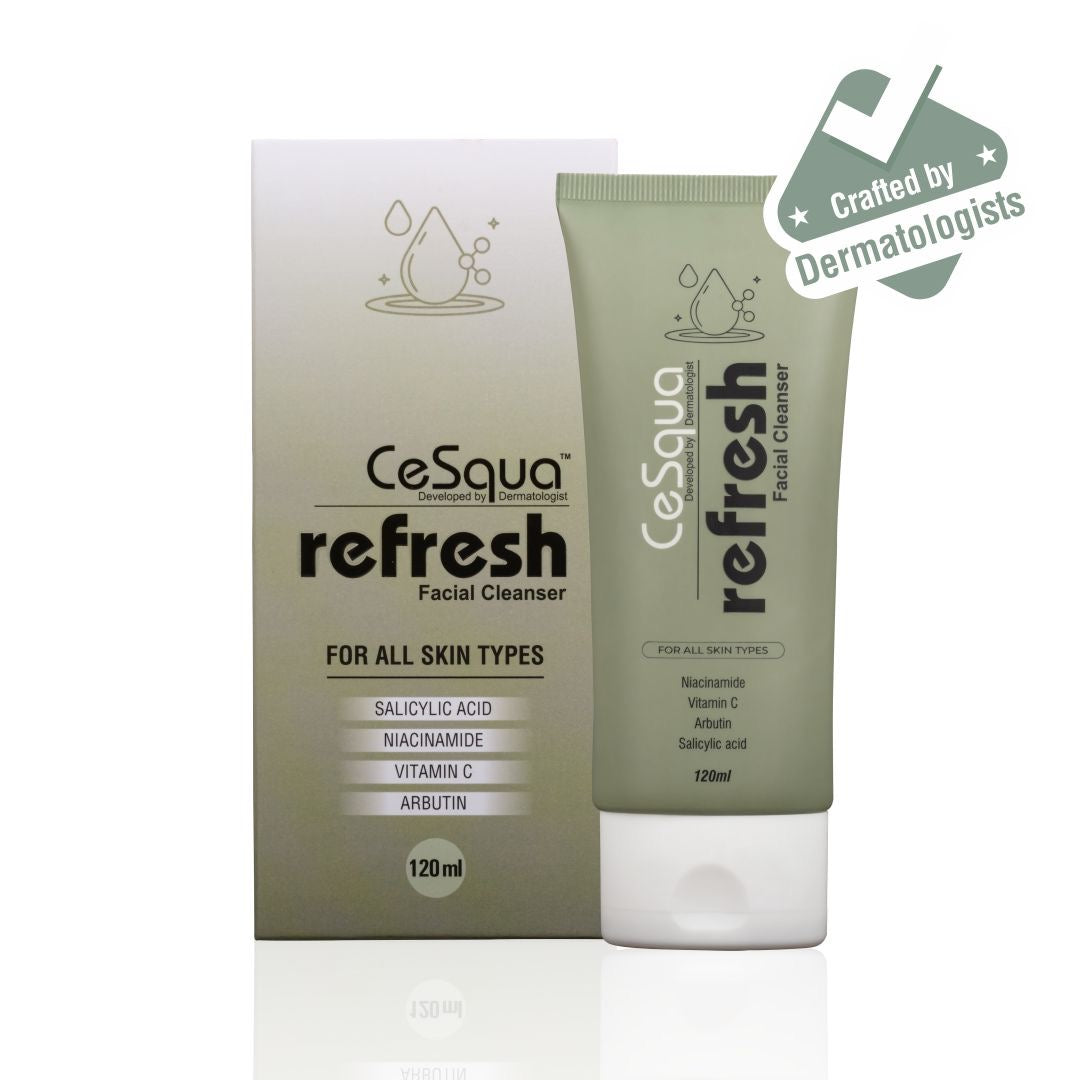
- Consider a simplified skincare routine: CeSqua recommends a streamlined approach—cleanse, hydrate, protect—to avoid over-layering, which can increase the chance of product transfer.
- Separate laundry cycles for sun-exposed clothes: This gives you more control over stain treatment and can prevent set-in discoloration from heat or mixed washes.
- For parents, commuters, or gym-goers: Take extra care with collars, straps, sleeves, and athletic wear, as these are high-contact points and prone to fast transfer and harder staining.
- Be proactive with stain checks: Inspect garments before drying or storing. Address marks as early as possible.
How CeSqua Products Reduce Staining Risks
CeSqua pioneers an effortless approach to daily skincare for Indian climates and diverse lifestyles. Our Protect Moisturising Sunscreen stands out because it is crafted for all skin types, including sensitive and oily, and is specifically formulated to be non-greasy, non-comedogenic, water-resistant, and fragrance-free according to our FAQ. These attributes make it comfortable on skin and less likely to leave the thick, oily layer that most often transfers to clothing or bedding.
CeSqua’s 3-step system (Cleanse, Hydrate, Protect) eliminates unnecessary product layering, reduces friction, and supports gentler, simpler routines—offering broad-spectrum sun defense without the buildup that can stain. See our guide on how to choose and layer sunscreen and moisturizer for Indian skin for further advice.
Frequently Asked Questions About Sunscreen Stains
Why does sunscreen turn white shirts yellow?
Chemical UV filters such as avobenzone react with iron and minerals in water or sweat, creating yellow, orange, or brown compounds that bind to fibers. This is particularly visible on light-colored fabrics.
Why do stains sometimes appear after washing?
Water, especially if it is hard, can trigger or deepen a chemical reaction. Heat from the washer or dryer can set the stain, making it harder or impossible to remove.
Can I use bleach to remove sunscreen stains?
Bleach is not recommended as a first step. Many experts advise starting with cool water rinses and mild detergents. Bleach can sometimes worsen yellowing or set the stain.
What is the fastest way to avoid sunscreen stains?
Apply sunscreen first, let it dry at least 15 to 20 minutes before dressing, and avoid quick contact with light-colored clothing.
Are CeSqua sunscreens better for clothing?
CeSqua’s Protect Moisturising Sunscreen is developed to minimize greasy transfer, is non-comedogenic, water-resistant, and suitable for layering under clothes with less risk of stains. While no sunscreen can guarantee zero transfer, choosing a well-designed, low-residue formula enhances both comfort and garment care.
How should I treat a stubborn sunscreen stain?
Act quickly: rinse with cool water, treat with mild detergent, wash at low temperature, air-dry, and repeat if needed. For rust-colored marks, a laundry rust remover may be necessary.
Does mineral sunscreen stain less than chemical sunscreen?
Mineral sunscreens are generally less likely to produce yellow stains but can still leave residue under some conditions, especially if mixed with oils or pigments. Careful application is always important.
Conclusion
Yellow sunscreen stains are a common frustration but thoroughly preventable with awareness and the right habits. The combination of letting sunscreen dry, making informed product choices, and acting quickly on any stains goes a long way toward protecting both skin and fabrics. At CeSqua, we combine dermatologist expertise with practical designs for everyday India—offering fewer products that deliver more so you spend less time worrying about stains and more time enjoying healthy, radiant skin. Explore the full range at CeSqua for effortless daily sun care and more skincare education.
Looking for a smarter approach to daily skincare and sun protection? Discover more dermatologist advice on balanced, simplified routines here: Why Your Sunscreen Feels Greasy in Summer and How to Fix It and learn about water-resistant sunscreens in our comprehensive guide.