



Apply moisturizer to slightly damp skin after washing your face. Pat away the excess water, then smooth on your moisturizer while your skin still feels a little moist. This gives the product an opportunity to help retain water from cleansing. You do not need a stopwatch, and your face should not be dripping wet.
If your skin has already dried, moisturize anyway. Applying a suitable formula to dry skin is better than skipping it. The important exception is a routine that includes a treatment, such as a retinoid, that you have been instructed to apply to fully dry skin. In that case, follow the treatment directions and fit your moisturizer around them.
At CeSqua, we favor the routine you can actually repeat: cleanse gently, moisturize when your skin is comfortable and lightly damp, and finish your morning routine with sunscreen. Below, we explain what damp means, why it helps, and when dry skin is the better starting point.
What does damp skin mean for moisturizer?
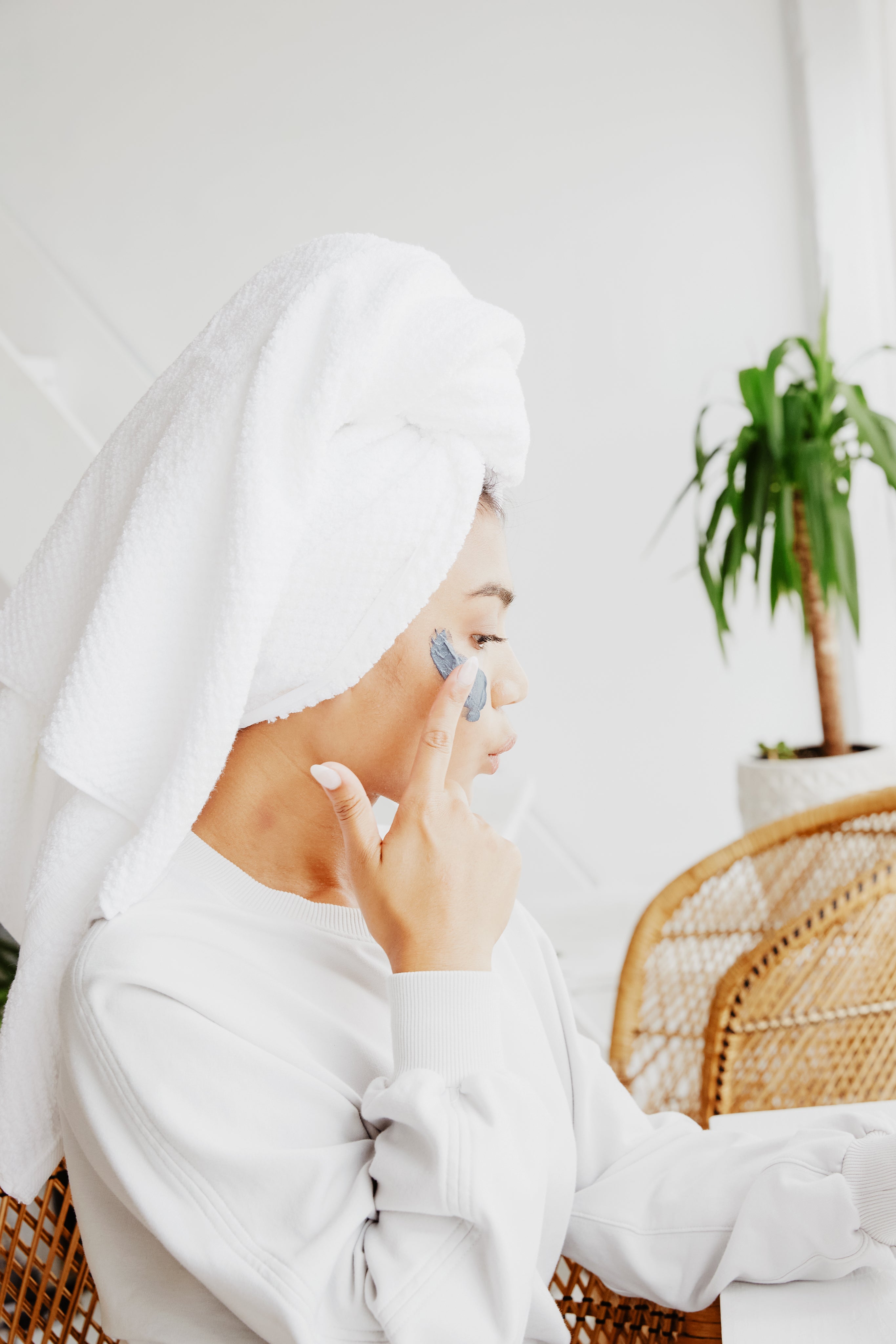
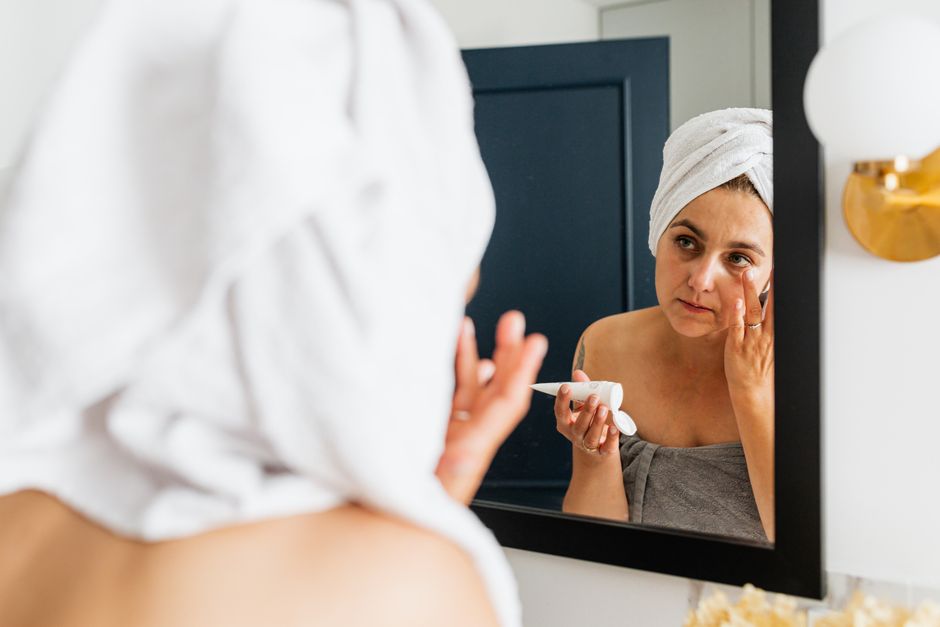
For this purpose, damp means that your skin has been patted dry but still feels slightly moist. Water is not beading on your cheeks or running down your neck. If you touch your face with clean fingertips, you can feel a little residual moisture, but your hands do not come away wet.
That distinction is more useful than a rigid timing rule. After cleansing or showering, gently press a soft towel against your skin and apply moisturizer before you get distracted by the rest of your routine. Dermatologists recommend moisturizing after washing to help trap water in the skin. The American Academy of Dermatology's dry-skin guidance also emphasizes applying moisturizer while skin is still damp.
Wet and damp are not interchangeable. If your face is dripping, pat off the excess water first. You want an even layer of product on your skin, not moisturizer sliding around on a film of water.
Why does moisturizing after washing help?
Washing leaves water on the skin's surface. Some of that water evaporates as your face dries. Applying moisturizer promptly helps slow moisture loss and makes it easier to keep skin feeling comfortable after cleansing. This is particularly useful if your face tends to feel tight soon after you wash it.
It helps to understand the jobs that different moisturizing ingredients do:
- Humectants attract and retain water. Glycerin and hyaluronic acid are familiar examples. They can help skin feel hydrated, but the finished formula matters more than any single ingredient name.
- Emollients soften rough-feeling skin. They improve how the surface feels, which can be especially welcome when skin is flaky or uncomfortable.
- Ingredients that support the barrier help limit moisture loss. Ceramides, for example, are used in skincare to support the skin barrier. A moisturizer may combine several kinds of ingredients in one formula.
Applying moisturizer to damp skin is not a way to force water deep into your face, nor does it make every formula more effective in every situation. It is a practical way to pair a moisturizer with the water already present after washing. Choosing a formula that suits your skin, and using it consistently, matters more than trying to capture a perfect split second.
Damp versus dry skin: which should you choose?
For an ordinary moisturizer used right after cleansing, slightly damp skin is a sensible default. Dry skin is still an acceptable starting point when you have already finished washing, are reapplying moisturizer during the day, or need to let your face dry before another product. Here is how we make that decision in real life.
| Situation | What to do | Reason |
|---|---|---|
| Skin is lightly moist after cleansing | Apply moisturizer now. | It can help retain water left on the skin after washing. |
| Water is still dripping from your face | Pat gently until the surface is only slightly damp. | An even application is easier without excess water. |
| Skin is completely dry | Apply moisturizer anyway. | Missing the post-wash moment does not make moisturizer useless. |
| You are using a treatment that calls for dry skin | Let skin dry and follow that treatment's directions. | Treatment instructions take priority over a general moisturizing tip. |
| Skin stings or feels unusually reactive | Keep the routine simple and assess the product you are using. | Timing cannot compensate for a product that irritates your skin. |
You can lightly wet your hands or face before applying moisturizer to already dry skin if you prefer the feel, but there is no need to wash your face again just to recreate dampness. Extra cleansing may leave sensitive or dry skin more uncomfortable.
How to apply moisturizer after washing your face
Step 1: Cleanse without trying to make skin feel squeaky
Use a facial cleanser that removes the day's buildup without leaving your face feeling uncomfortably tight. Rinse thoroughly with comfortably lukewarm water. If you wore sunscreen or makeup, make sure it is removed before your evening moisturizer goes on. More washing is not automatically better; our guide to when one gentle wash is enough can help you decide whether an extra cleanse serves a purpose.
If you already have a cleanser that leaves your skin comfortable, there is no need to replace it simply to change your moisturizing technique. If cleansing regularly leaves you tight and flaky, review the cleanser and how often you use it, not just the time you apply moisturizer.
Step 2: Pat away excess water
Press a clean, soft towel lightly against your face. Avoid brisk rubbing, especially if you have visible redness, active breakouts, or areas that sting. Stop when your skin is lightly moist rather than wet. Your neck may need the same gentle patting if you plan to moisturize it too.
Step 3: Apply a comfortable, even layer
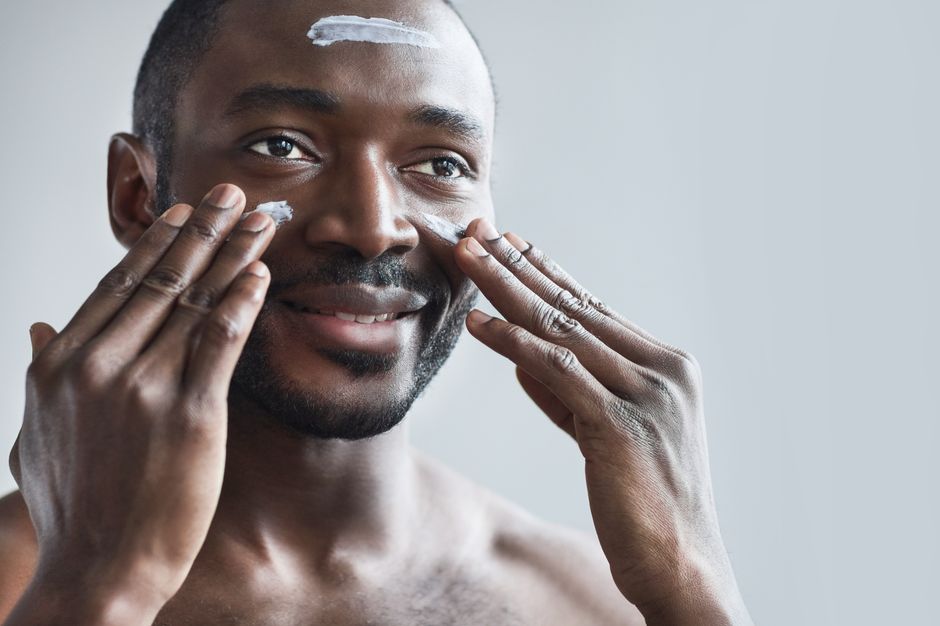
Spread moisturizer across your forehead, cheeks, nose, chin, and neck as needed. Start with enough to cover the area evenly, then add a little more to spots that still feel dry. The right amount depends on the texture of the product and how much skin you are covering; a thick, slippery layer is not a sign that you have done a better job.
Use light movements instead of scrubbing the product in. If a formula stings, burns, or leaves persistent redness, do not assume that damp skin is the sole cause. Review the product itself and any treatments used with it.
Step 4: Finish your morning routine with sunscreen
Once your moisturizer has settled enough that the next layer spreads comfortably, apply sunscreen to exposed skin. You do not need to wait for your face to become parched between the two products. If your sunscreen is moisturizing enough for your skin, it may replace a separate morning moisturizer. What matters is that you apply the sunscreen as directed, rather than using only a tiny amount because you have already used moisturizer.
Our guide to moisturizer with SPF versus a separate sunscreen explains how to think about that choice. At night, there is no sunscreen step: cleanse, moisturize, and keep any prescribed treatments in the order recommended for them.
How skin type changes the answer
Dry or flaky skin
Applying moisturizer while skin is slightly damp is particularly helpful when washing quickly leaves your face tight. Focus on gentle cleansing and a moisturizer that still leaves your skin comfortable later, not simply one that feels pleasant for a few seconds. If a light gel does not provide enough comfort, a richer cream may be a better fit for your skin and environment.
Do not mistake flaking for a need to scrub harder. Rough exfoliation can make already uncomfortable skin feel worse. If you have persistent cracking, significant itch, or painful inflammation, ask a dermatologist to assess it rather than trying to solve it with timing alone.
Oily or acne-prone skin
Oily skin can still feel dehydrated or tight after washing. Moisturizer is not reserved for dry skin. A lightweight, non-comedogenic gel or lotion can provide comfort without the feel of a heavy cream. Apply it to slightly damp skin in a thin, even layer, and adjust the amount based on how your face feels after it settles.
There is no need to deliberately leave your face dry and tight to manage shine. Equally, moisturizer does not treat every cause of acne. If you are using an acne treatment that makes your skin dry, follow its directions and consider how a compatible moisturizer can make the routine easier to tolerate. The American Academy of Dermatology's advice on moisturizer for acne-prone skin is useful if you are unsure why hydration still matters.
Sensitive or reactive skin
Keep the method gentle: comfortably lukewarm water, soft patting, and a moisturizer you already tolerate. Slight dampness may feel comfortable for one person and make another notice stinging from a particular product. If that happens, try applying the same product once your face is dry, provided its directions allow it, and watch whether the discomfort changes. If it continues, the formula or another step in your routine may be the issue.
With eczema, rosacea, or a persistently inflamed skin barrier, individualized advice is more valuable than a universal rule. A dermatologist can help identify whether a product, treatment, or skin condition is driving the irritation.
Combination skin and changing weather
Your forehead and nose may feel oily while your cheeks feel tight. You do not have to use an identical amount of moisturizer everywhere: apply a light layer across your face, then add more where you need it. In humid weather, a gel may feel more comfortable; when air feels dry, you may prefer a richer texture. The damp-skin principle stays the same, while the formula and amount can change.
What if your routine includes retinol, exfoliating acids, or a prescription cream?
The recommendation to moisturize damp skin is about moisturizer, not every product you put on your face. Some treatments are meant to go on clean, fully dry skin. Applying a retinoid to damp skin may increase irritation for some people, so check the label and follow your dermatologist's instructions rather than assuming all skincare works best on a moist face.
Think of the routine in two possible paths:
- No treatment with special directions: cleanse, pat until slightly damp, apply moisturizer, then use sunscreen in the morning.
- Treatment that requires dry skin: cleanse, let skin dry, apply the treatment as directed, then moisturize according to its instructions or your clinician's advice.
Some people are advised to moisturize before a retinoid to make their routine more tolerable, while others are told to apply treatment first. That choice depends on the treatment and the person using it. If you are restarting a retinoid after a break, our retinol restart guide covers ways to keep the routine manageable. For prescription products, the prescribing clinician's directions come first.
A hydrating serum is a different question from an exfoliating acid or a prescription cream. Read each product's application directions instead of relying on a blanket rule that every layer belongs on damp skin. When your routine becomes confusing, removing unnecessary steps can be more useful than perfecting the interval between them.
A practical routine using CeSqua's three-step approach
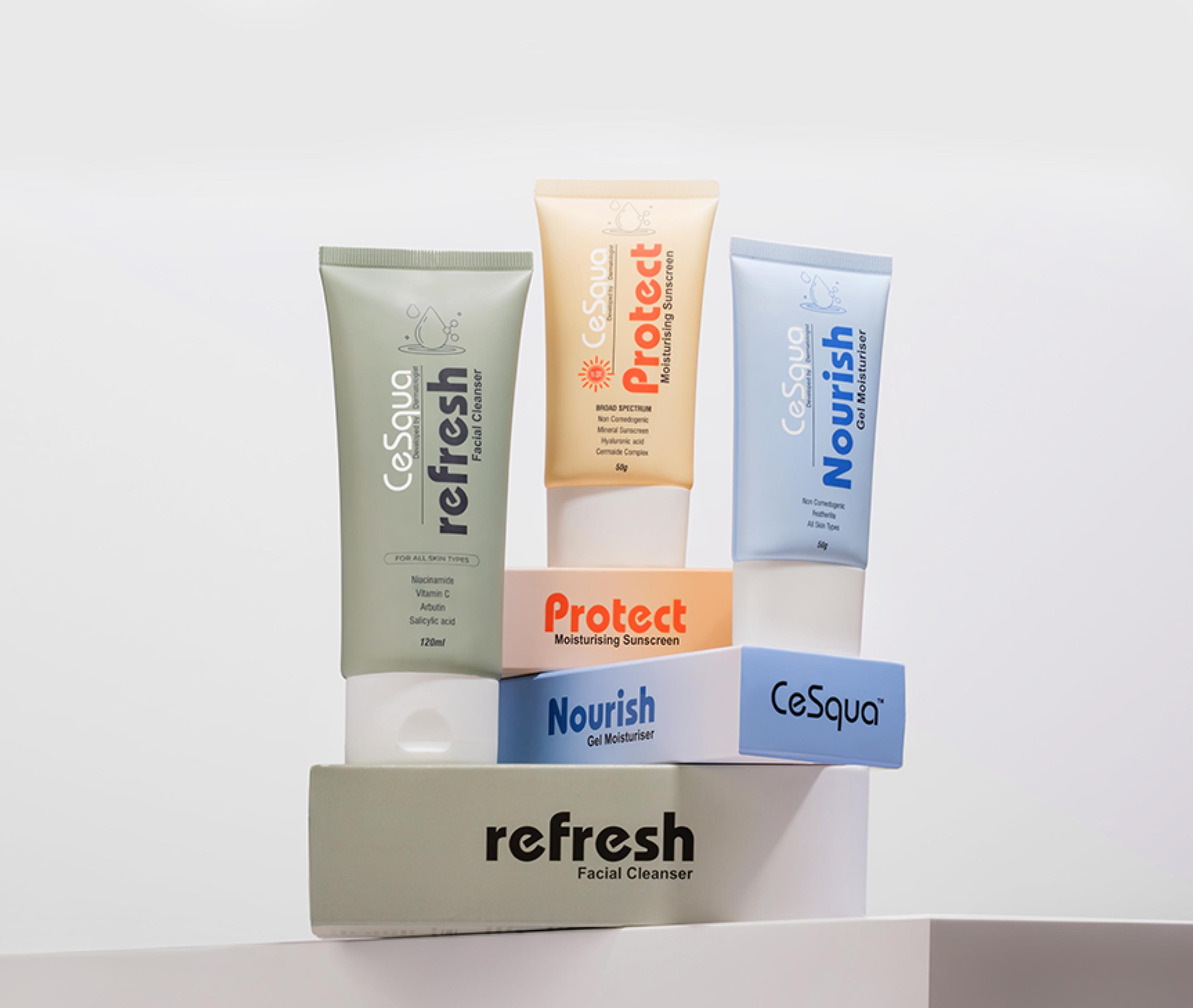
We built CeSqua around a straightforward sequence: cleanse, hydrate, protect. You can use the same sequence to remember when dampness matters.
Morning: cleanse, hydrate, protect
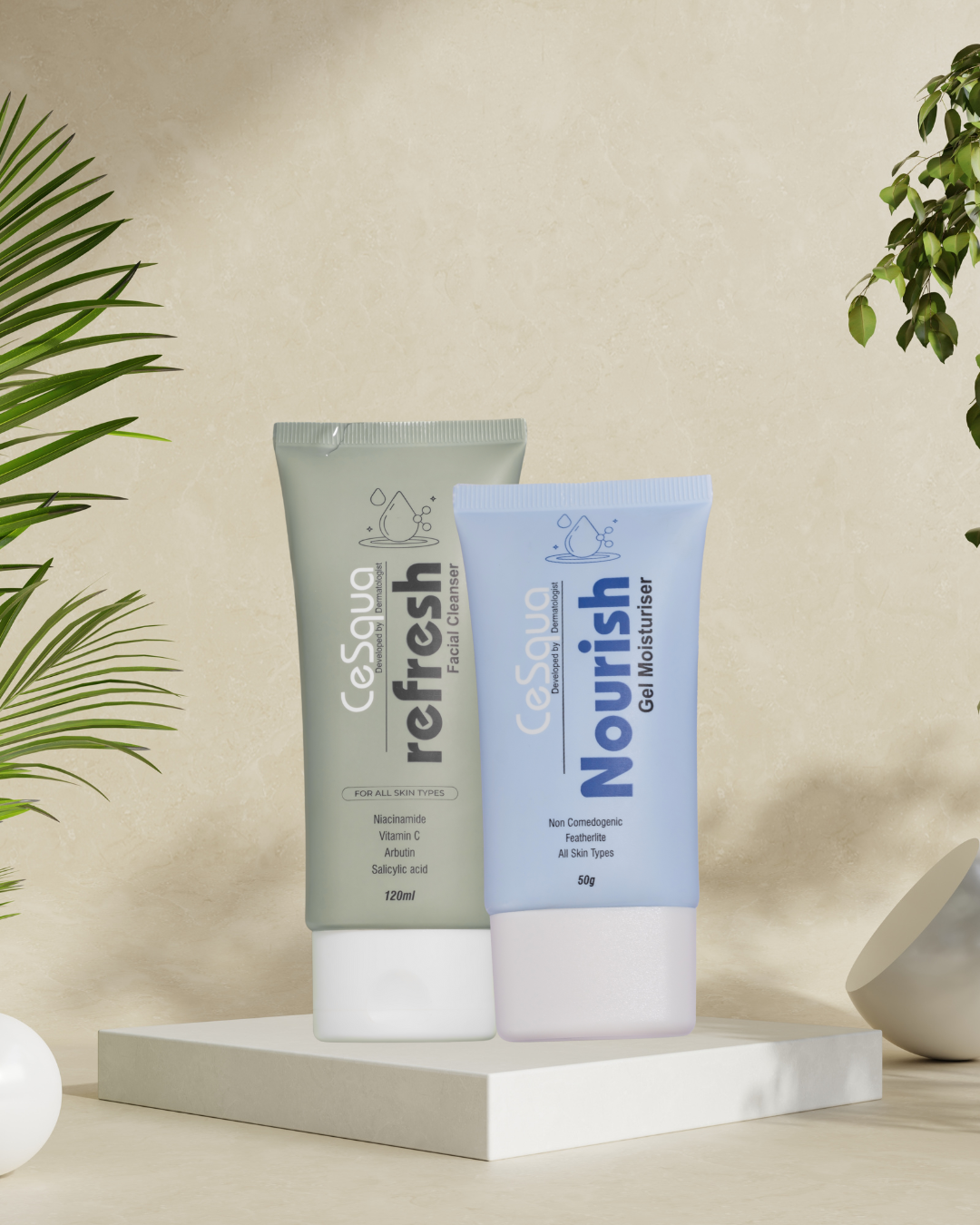
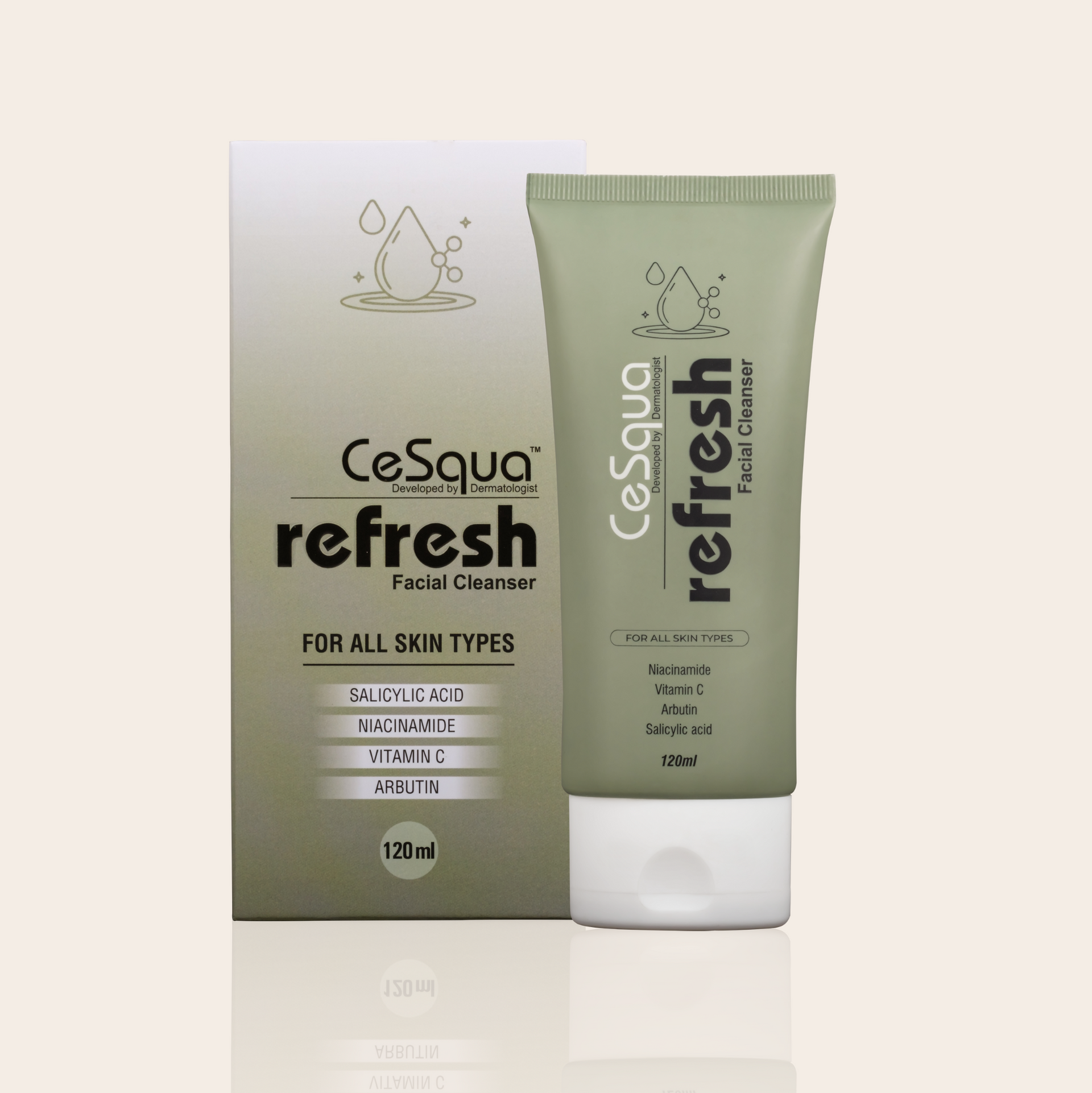
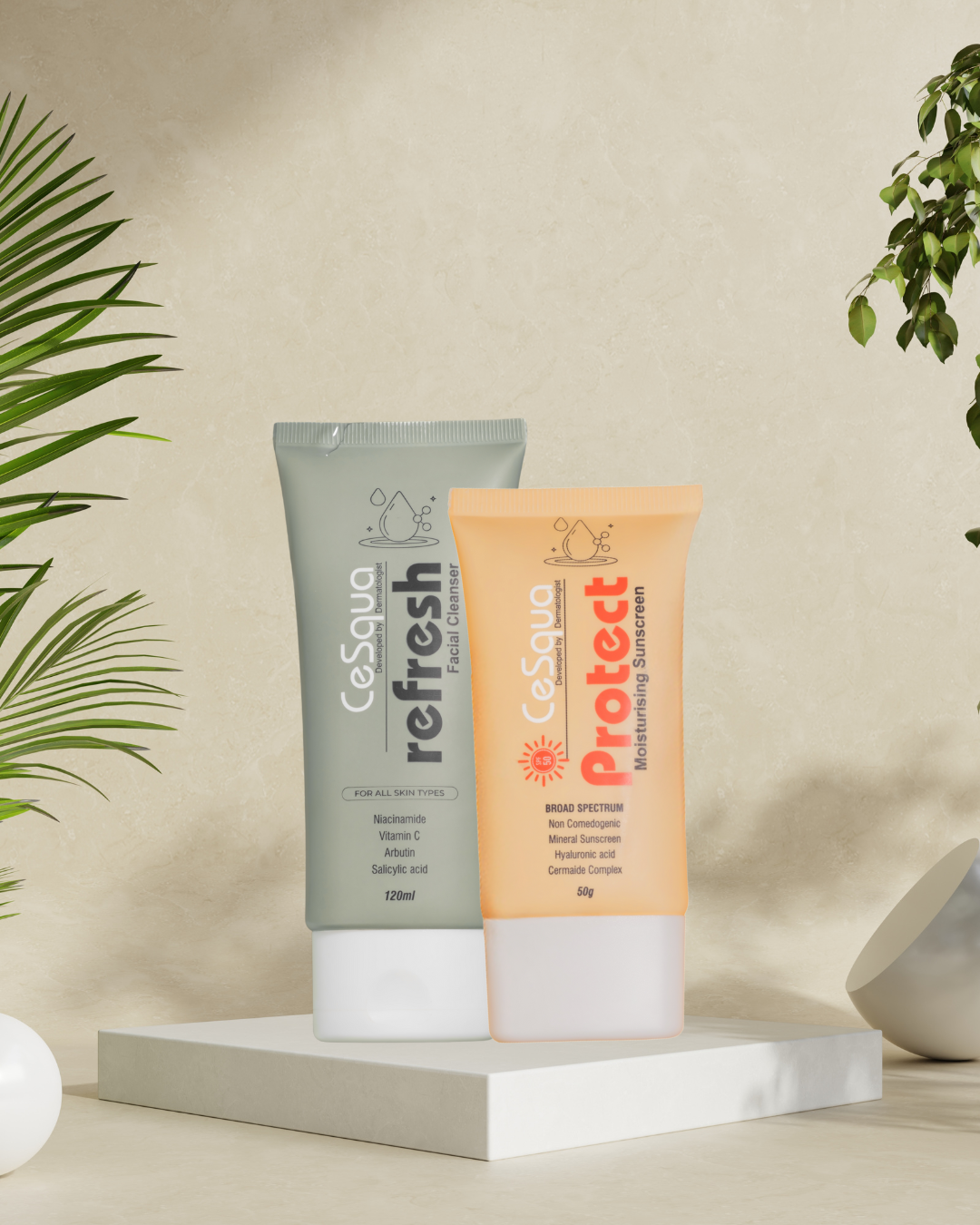
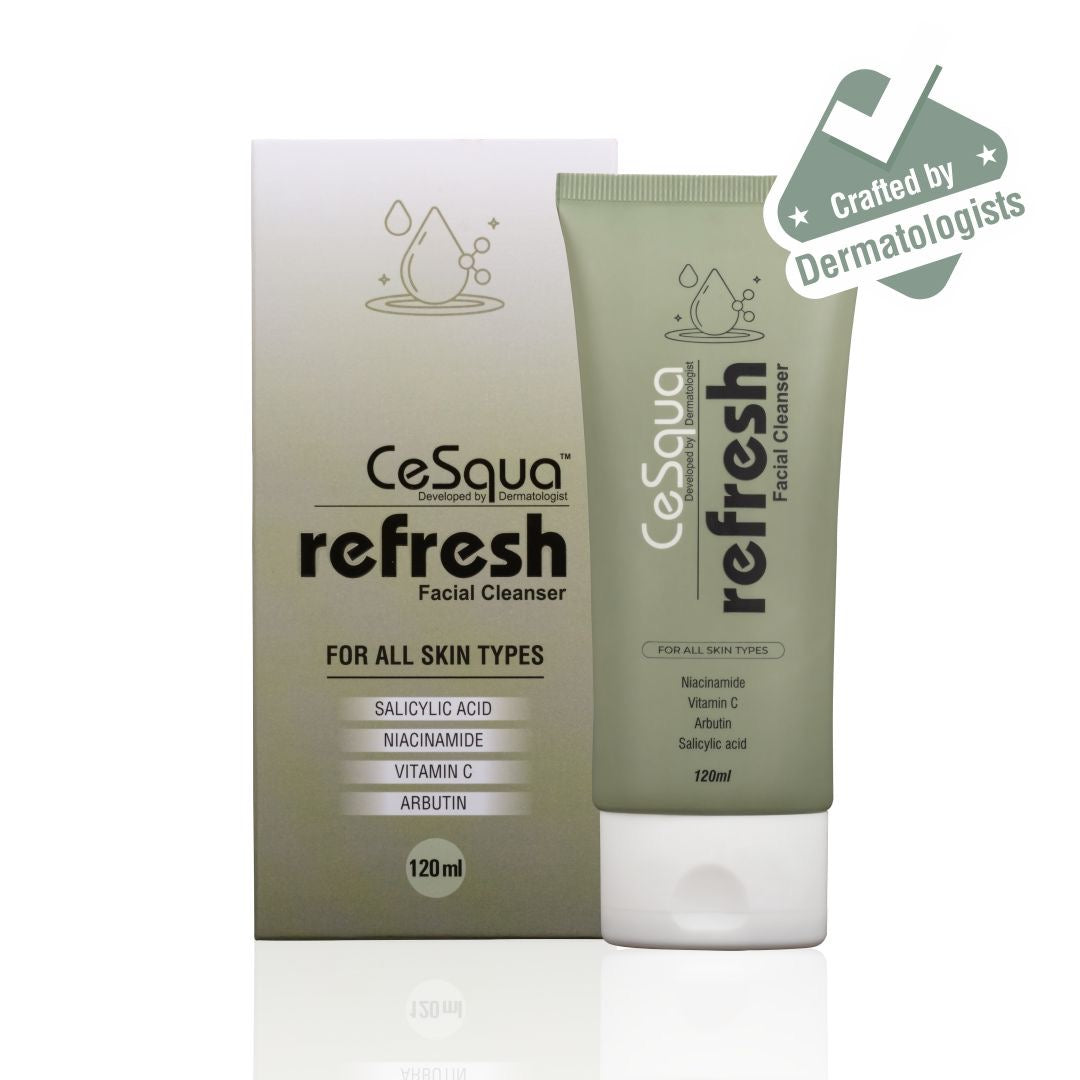
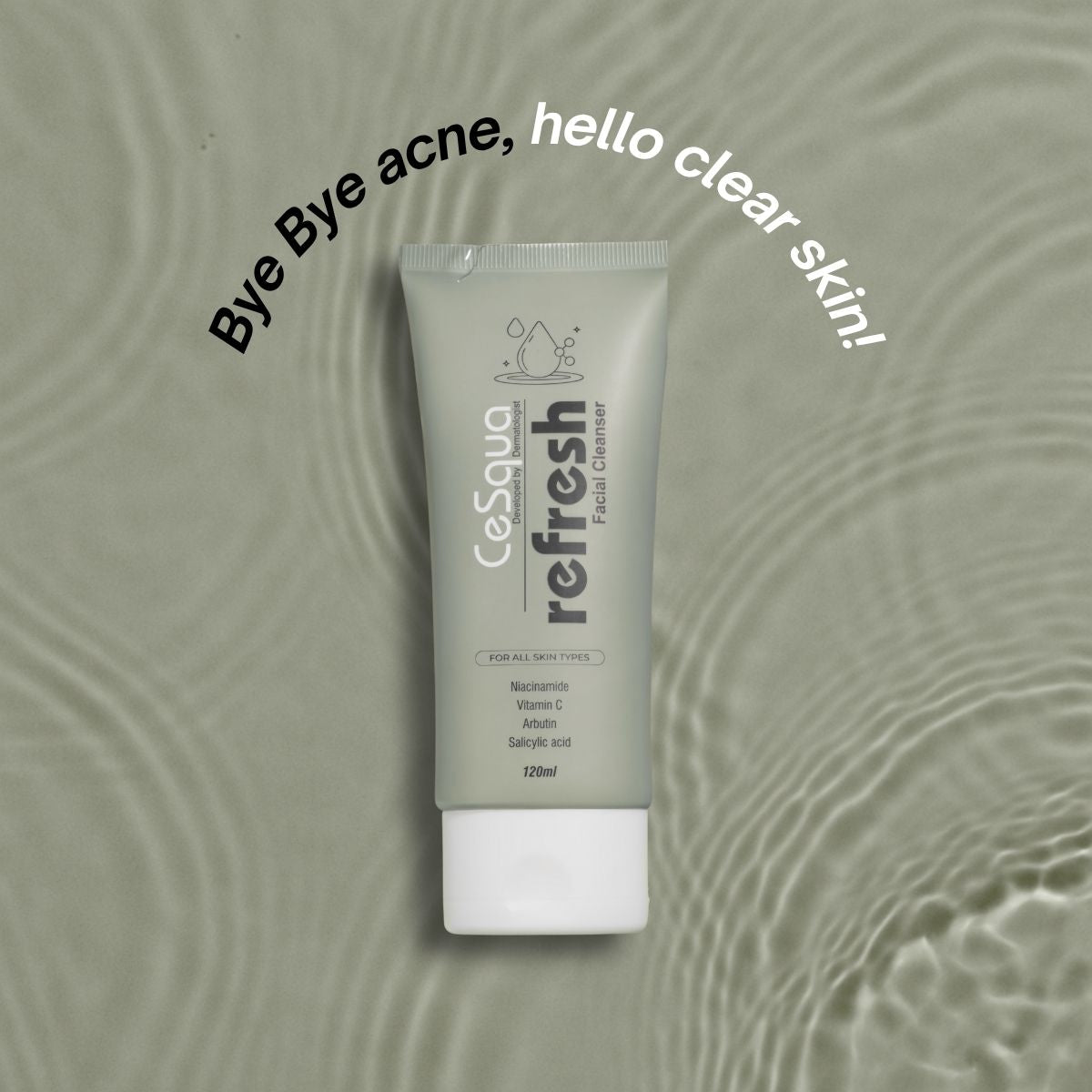
- Cleanse. Wash your face and rinse thoroughly. Refresh Facial Cleanser is one option in our routine; it is described as a gentle cleanser for skin types including oily, acne-prone, and sensitive skin.
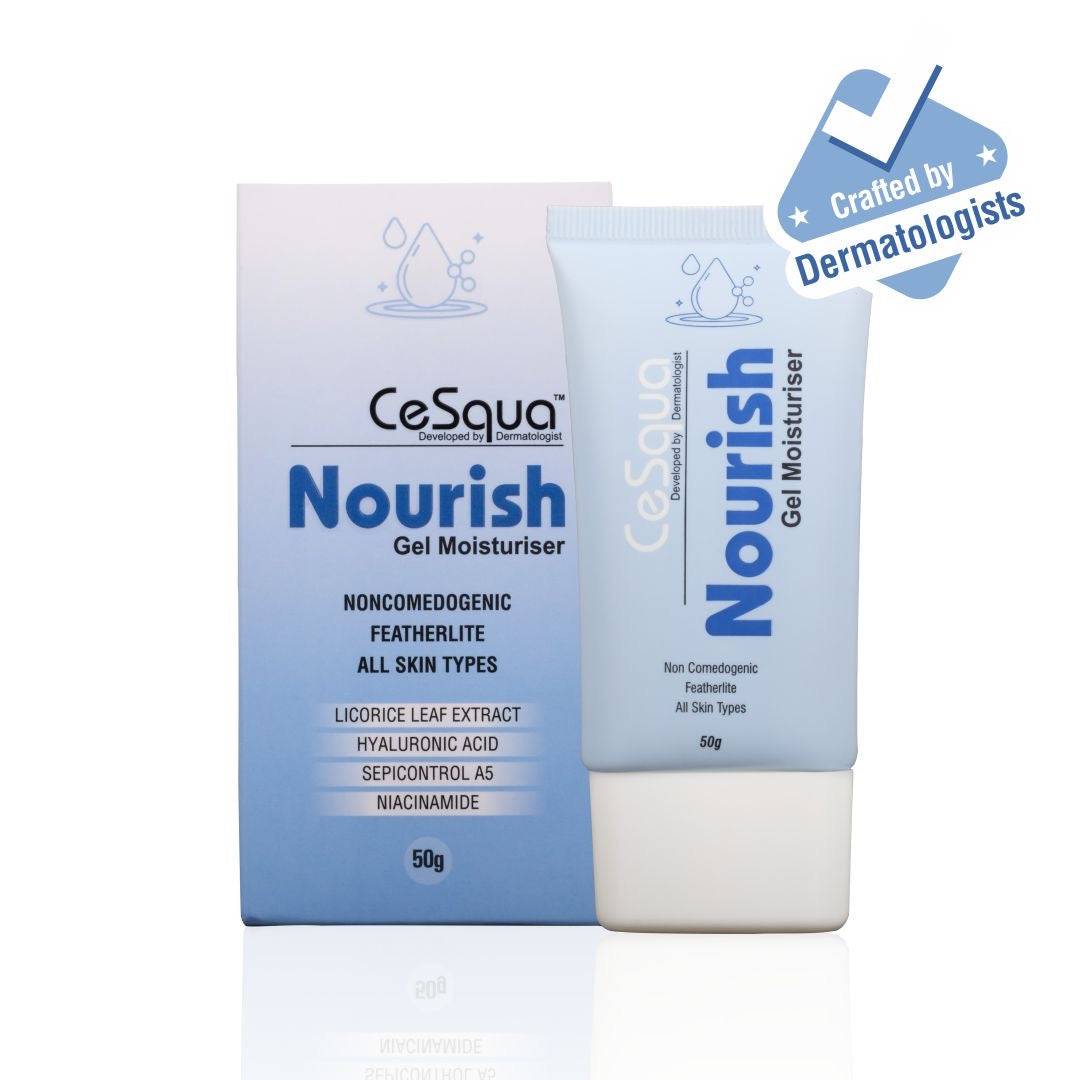
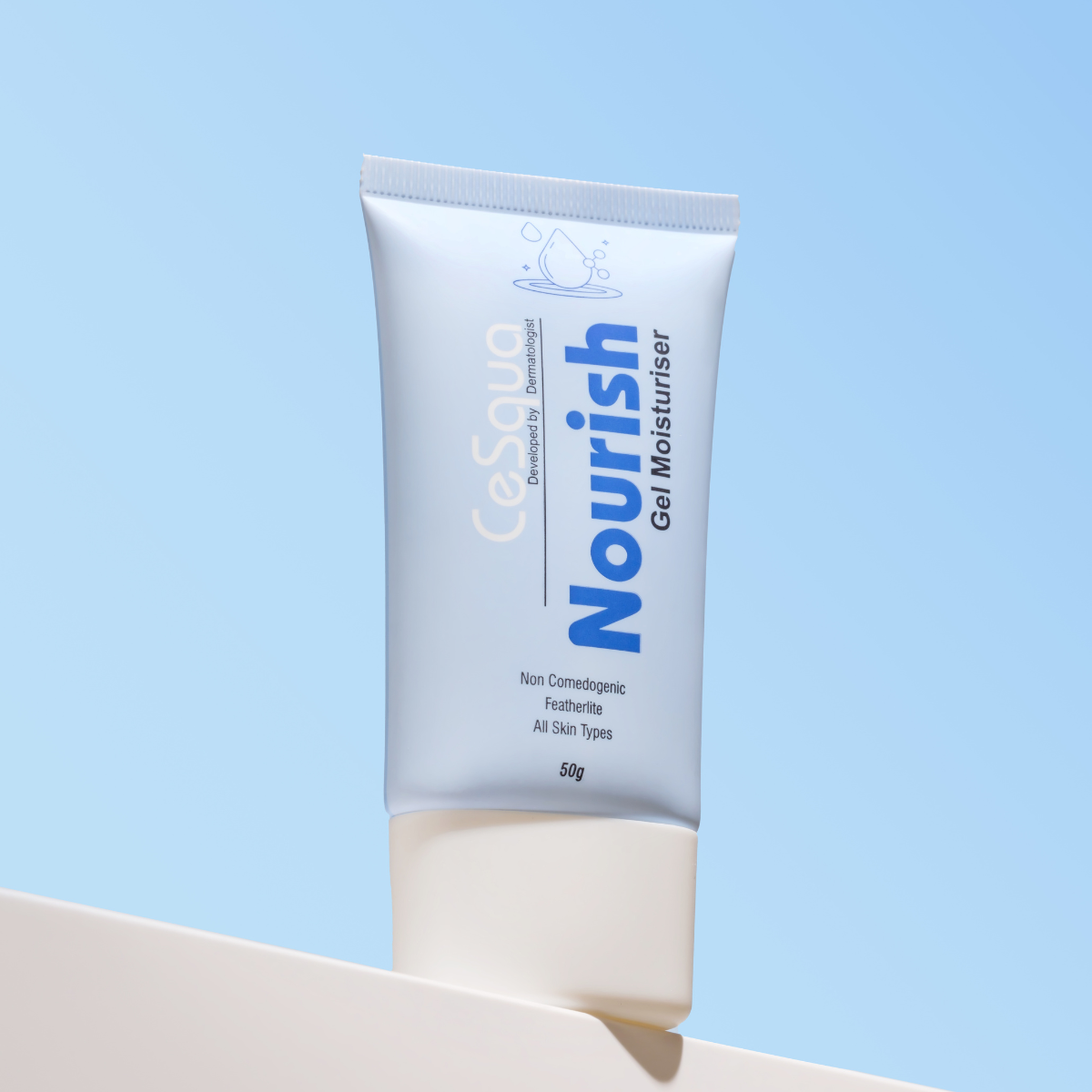
- Hydrate. Pat until your face is slightly damp, then apply Nourish Gel Moisturiser evenly. Its lightweight, quick-absorbing texture is a practical choice if you dislike a greasy feel. The formula includes chamomile and licorice, and is described as suitable for oily and acne-prone skin as well as other skin types.
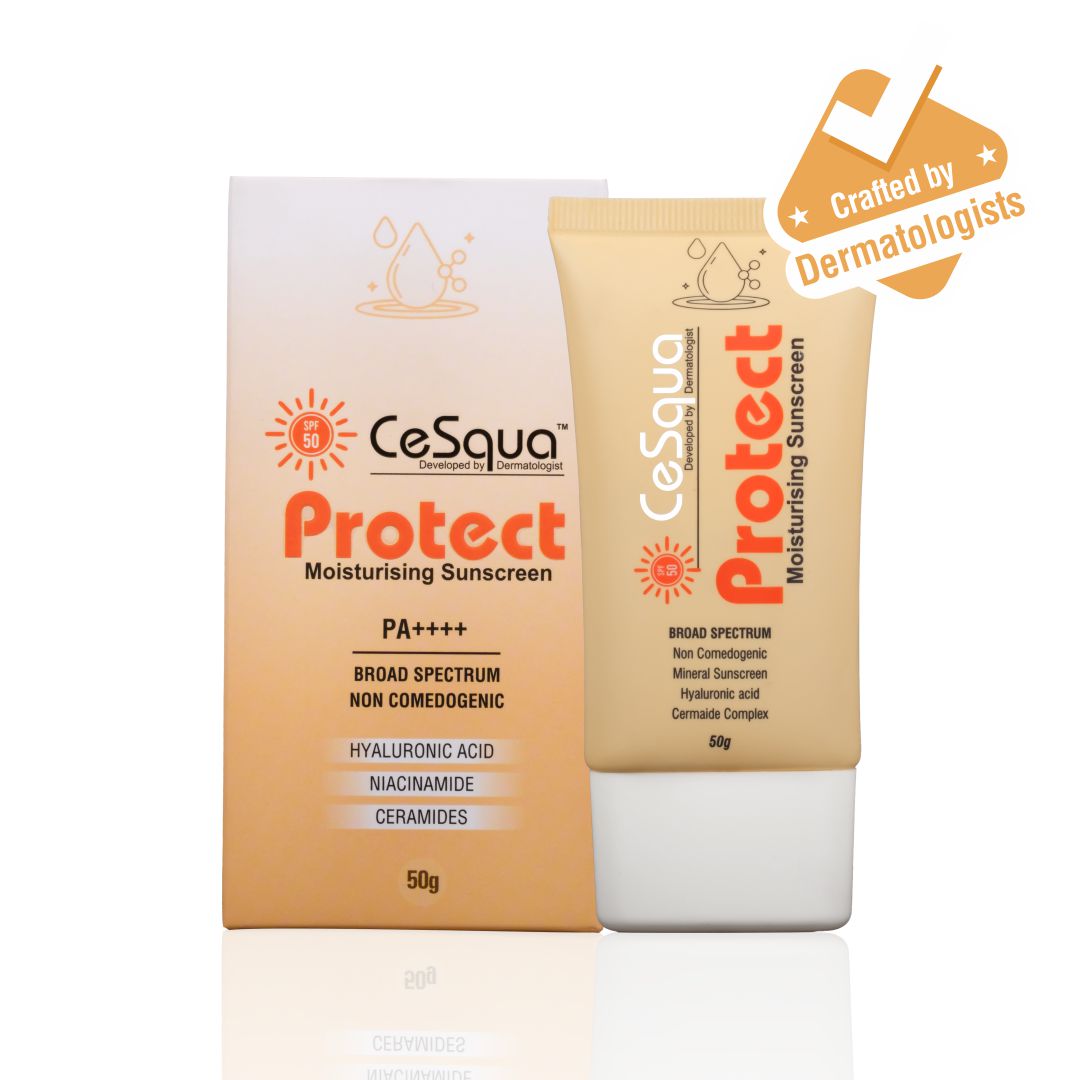
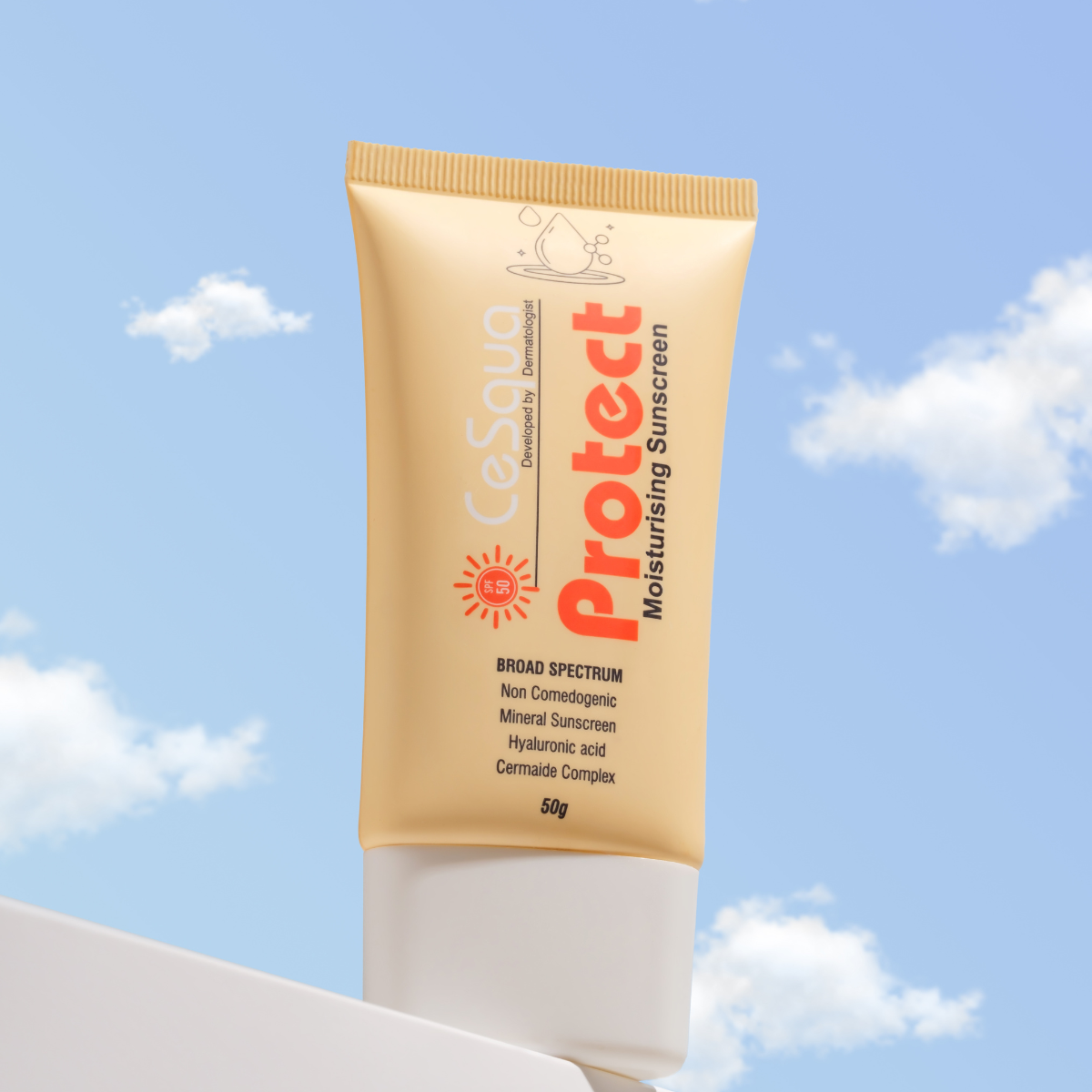
- Protect. Follow with sunscreen as your final morning skincare step. Protect Moisturising Sunscreen can also act as your moisturizing step if it feels sufficiently hydrating for you. Do not use a token amount of sunscreen merely to avoid a heavy finish.
If a separate moisturizer and sunscreen feel comfortable together, keep both. If the sunscreen alone leaves your skin comfortable, you may not need an additional morning gel. The point is to make a routine that supports hydration without getting in the way of consistent sun protection.
Evening: cleanse and hydrate
- Remove the day's sunscreen and makeup, then wash your face gently.
- Pat away excess water without rubbing your skin dry.
- Apply moisturizer while the skin still feels lightly damp, unless a treatment in your routine calls for a different order.
CeSqua Nourish Gel Moisturiser is recommended for twice-daily use. If you have very dry areas and the gel alone does not leave them comfortable, pay attention to that feedback rather than assuming that applying it faster will solve the problem. Product texture and skin needs both matter.
Best practices that matter more than perfect timing
- Be consistent. A reliable moisturizing habit after washing is more useful than occasionally catching the ideal moment.
- Choose a texture you will use. A light gel may suit oily skin or humid conditions, while skin that stays rough or tight may need a richer moisturizer.
- Pay attention to your cleanser. If every wash leaves you uncomfortable, look at your cleansing routine as well as your moisturizer. Our article on how often to wash your face can help you reassess the habit.
- Do not use hot water as a hydration strategy. Comfortable, lukewarm water is a gentler starting point when your face already tends to feel dry.
- Respect treatment instructions. A damp face may be helpful before moisturizer but inappropriate before a product you have been told to use on dry skin.
- Judge the result after the product settles. Skin that feels comfortable, rather than persistently tight or sticky, is a better guide than how much moisturizer you managed to apply.
If you are unsure whether dryness is simply a product mismatch or part of a broader barrier problem, read our explanation of the skin barrier and moisture barrier. Persistent irritation deserves attention, especially if it is accompanied by cracking, marked redness, or pain.
Frequently asked questions
Is it bad to apply moisturizer to dry skin?
No. Slightly damp skin is a useful default after cleansing, but moisturizer still has a role if your skin is already dry. Apply it rather than skipping it or repeatedly washing your face to get the timing right.
How soon after washing should I moisturize?
After rinsing, pat off excess water and moisturize while your face is still slightly damp. There is no need to count seconds. The goal is to avoid letting your skin become uncomfortably tight before you apply it.
Should my face be wet when I put on moisturizer?
Not dripping wet. Pat your face gently first. A little moisture left on the skin is enough; water running down your face can make an even layer harder to apply.
Does applying moisturizer to damp skin hydrate better?
It helps your moisturizer retain some of the water present after washing, which is why dermatologists commonly recommend the habit. It does not guarantee that a formula will suit your skin. The right moisturizer and a tolerable cleansing routine are just as important.
Can I apply hyaluronic acid to damp skin?
A hydrating product containing hyaluronic acid is commonly used on slightly damp skin, followed by moisturizer if needed. Check the product's directions and judge the finished routine by whether your skin stays comfortable. An ingredient name alone does not tell you how the whole formula will feel.
Should I put moisturizer on before or after retinol?
Follow the retinol product's instructions or your dermatologist's advice. Some routines place moisturizer before retinol to help with tolerability; others place it afterward. If the retinoid should go on dry skin, do not apply it to a damp face simply to preserve the post-cleansing moisturizing window.
Can I use moisturizer on damp skin if I have acne?
Yes. Acne-prone skin can still need hydration. Choose a texture that feels comfortable and, if breakouts are a concern, look for a non-comedogenic option. Applying it to slightly damp skin does not replace acne treatment, but it can help make a cleansing routine more comfortable.
Do I need moisturizer if my sunscreen is moisturizing?
Not always. If a moisturizing sunscreen leaves your skin comfortable, it may be enough for your morning moisture step. Use enough sunscreen for protection and reapply as directed. If your face still feels tight, use a separate moisturizer first and then apply sunscreen.
Does this advice apply after a shower as well?
Yes. After bathing, pat skin rather than rubbing it completely dry, then apply a suitable moisturizer while it is still lightly damp. For the face, follow any special directions for treatments you use. Body skin that remains rough or flaky may call for a different moisturizer texture than the one you prefer on your face.
The bottom line
For most people, the simplest answer is to moisturize after washing, when skin is lightly damp and no longer dripping. If you missed that moment, moisturize on dry skin anyway. Let treatment instructions override the general rule, and pay as much attention to how your cleanser and moisturizer feel as you do to application timing.
If you want to keep the habit uncomplicated, explore the cleanse, hydrate, protect routine at CeSqua and adapt the moisturizing step to how your own skin feels.