



Water-resistant sunscreen is essential for effective sun protection, especially if you lead an active lifestyle or spend time outdoors. Understanding what "water-resistant" actually means on a sunscreen label—and how it influences when and how to reapply—can make a vital difference in your skin’s long-term health. Let us explore these questions thoroughly, relying on authoritative standards and our expertise at CeSqua, where our goal is to make skin protection simpler and more reliable for everyone.
In essence, a water-resistant sunscreen is formulated to maintain its stated sun protection factor (SPF) after exposure to water—either from swimming, sweating, or other moist conditions. However, this resistance is time-limited. According to regulatory definitions, water-resistant sunscreens are tested to last either 40 or 80 minutes under water or heavy sweat. No sunscreen is truly waterproof, so reapplication as directed remains critical to avoid sunburn, premature aging, and skin cancer risks.

Definition: What Does "Water-Resistant" Really Mean?
"Water-resistant" on a sunscreen label refers to the sunscreen’s ability to retain its SPF protection for a specified time period while the skin is exposed to water or heavy sweating. In India and globally, regulatory authorities like the US FDA stipulate that water-resistant sunscreens must endure either:
- 40 minutes in water, or
- 80 minutes in water (sometimes labeled as "very water resistant")
After the stated period, a sunscreen’s protection drops significantly, making timely reapplication essential. Always check the label for exact claims, as no reputable sunscreen may legally state it is "waterproof." For effective daily and recreational sun care, always seek broad-spectrum formulas (blocking UVA and UVB) and SPF 30 or higher, like those at CeSqua.
How Long Does Water-Resistant Sunscreen Last?
The durability of water-resistant sunscreen is clearly defined and tested:
- Water Resistant (40 minutes): Maintains labeled SPF during 40 minutes of continuous water exposure or sweating. Recommended for light swimming, short workouts, or brief outdoor activities.
- Very Water Resistant (80 minutes): Maintains SPF for 80 minutes under similar conditions. Designed for extended swimming, intense sports, or high humidity.
This time frame counts from the initial water or sweat exposure. Towel drying, rubbing, or friction can shorten the effective period. Therefore, reapplication after towel use or prolonged water contact is necessary for continuous protection.
| Label | Duration in Water | Best Use Scenarios |
|---|---|---|
| Water Resistant | 40 minutes | Light swimming, everyday outdoor use, mild sweat |
| Very Water Resistant | 80 minutes | Prolonged swimming, intense water sports, high-heat activities |
How and When Should You Reapply Water-Resistant Sunscreen?
Consistent reapplication is crucial to keeping skin protected. Follow these steps:
- Initial Application: Apply a generous layer to clean, dry skin 15–30 minutes before sun exposure. Cover all exposed areas, including the ears, neck, and feet—a common area missed by many.
- Reapply After Water Exposure or Sweating: Every 40 or 80 minutes, as specified on the label, and immediately after towel drying or heavy rubbing. This resets the sunscreen barrier for maximum effectiveness.
- Regular Reapplication Regardless of Water: If you are not swimming or sweating, sunscreen should still be reapplied every 2 hours, because UV rays degrade its effectiveness over time. This applies whether you are at the beach or simply running errands or commuting.
For an even more robust sun protection routine, pair sunscreen use with UPF-rated clothing and seek shade during peak UV hours (10 AM to 4 PM).

The Science Behind Water-Resistant Sunscreen
Water-resistant sunscreens like those from CeSqua achieve their resilience using innovations in formulation. Here’s what allows these sunscreens to stay put under wet conditions:
- Film-Forming Polymers and Silicones: These ingredients form an invisible, flexible film that prevents quick wash-off and helps sunscreen maintain its grip even when skin is wet.
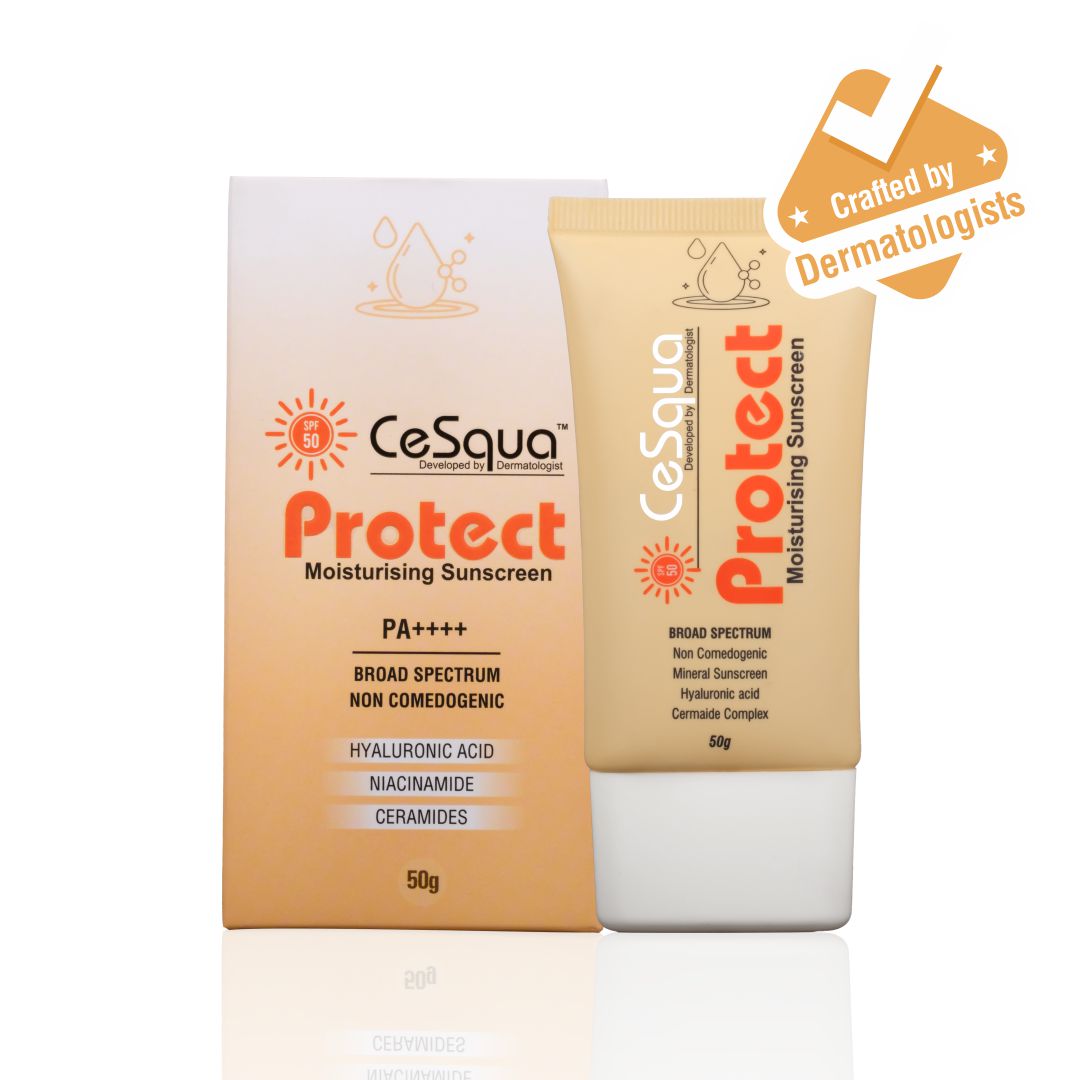
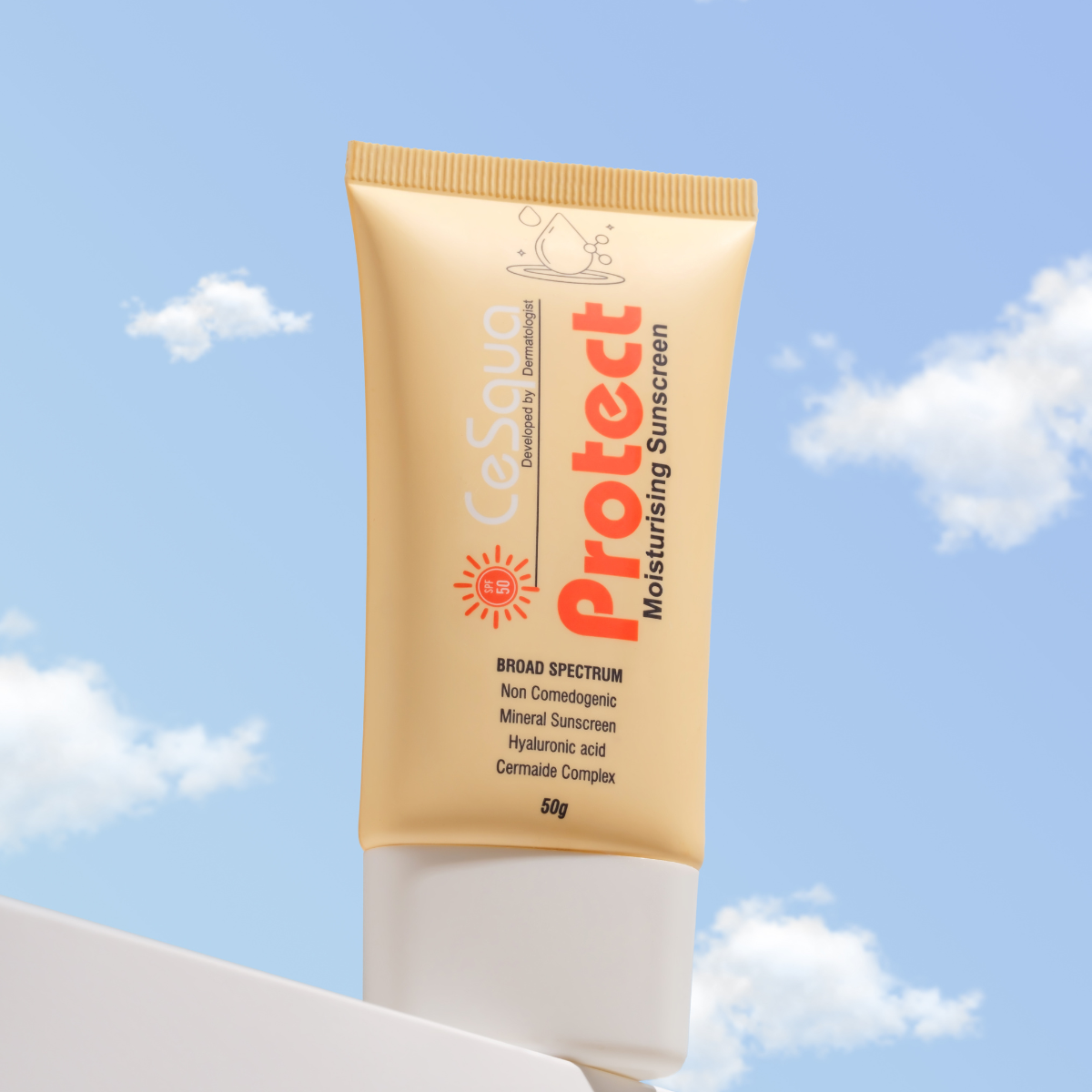
- Physical UV Filters: Ingredients like titanium dioxide and zinc oxide act as a stable shield against UVA and UVB rays. Used in the CeSqua Protect Moisturising Sunscreen, these filters are effective and safe for sensitive and acne-prone skin.
- Non-Comedogenic Bases: Carefully chosen carriers prevent clogging of pores, melting, or patchiness, especially important in hot and humid climates.
Modern water-resistant formulas avoid greasiness, heavy textures, or white residue, giving you a pleasant and daily-wear experience.
Why Dermatologists and CeSqua Recommend Water-Resistant Sunscreens
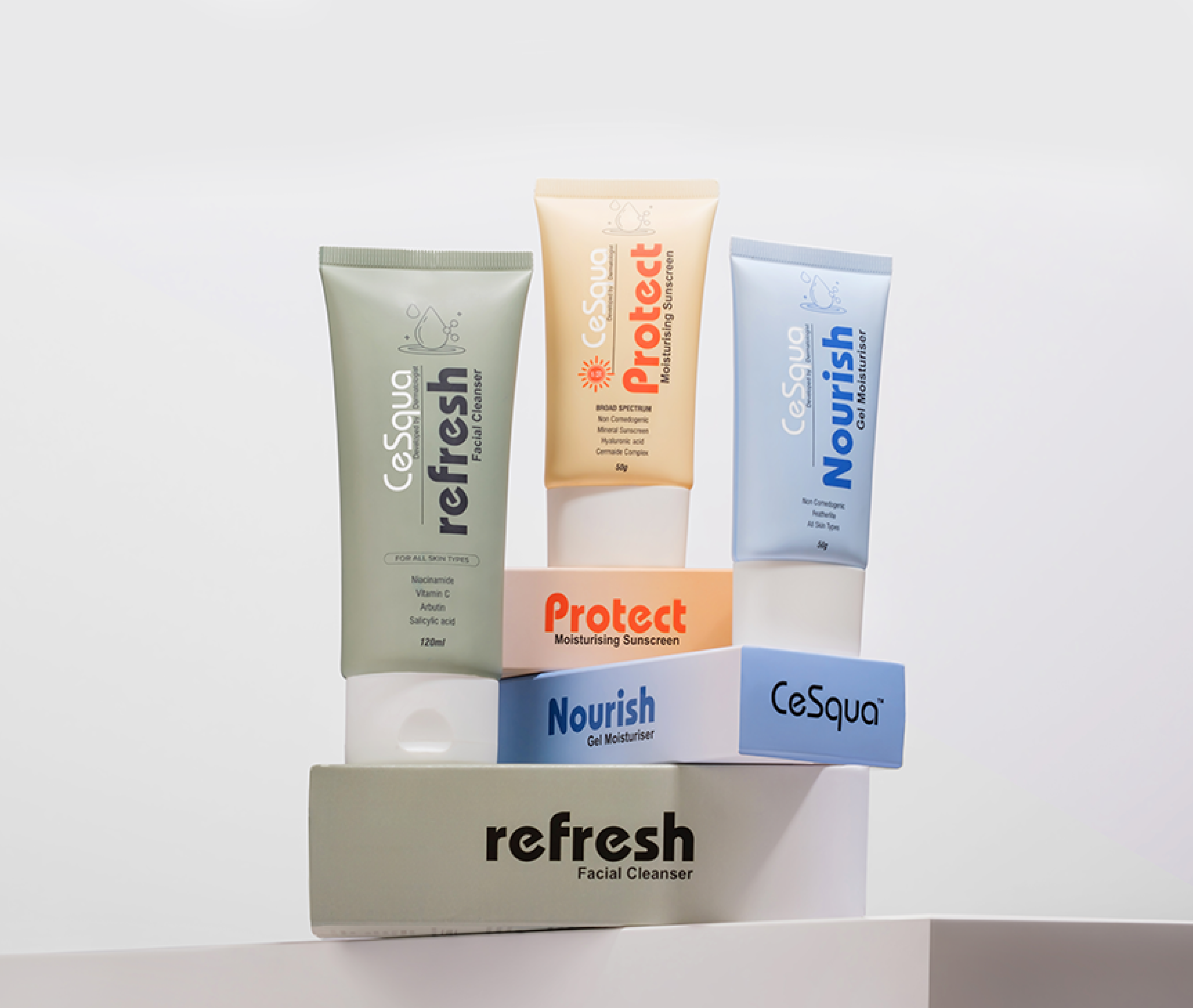
Sunscreen is the most critical step in a simplified, effective skincare routine. At CeSqua, we have designed Protect Moisturising Sunscreen with dermatological expertise to deliver water-resistant protection suitable for a broad range of skin types, including sensitive, oily, or acne-prone skin. Here's why it's our expert recommendation:
- Water-Resistant and Broad Spectrum: Protects your skin from both UVA and UVB during outdoor, pool, or workout activities.
- Reef-Friendly and Gentle: Oxybenzone- and octinoxate-free, so it's safe for marine environments. It contains no fragrance, alcohol, parabens, or harsh additives, and is suitable even for the delicate eye area (with caution).
- Non-Comedogenic and Lightweight: Formula absorbs quickly, can be layered under makeup, and does not leave a heavy or sticky feel—users report an easy, non-greasy finish with no white cast.
- Blue Light and Pollution Protection: The BlueShield component provides additional defense against digital stress from screens and urban pollutants.
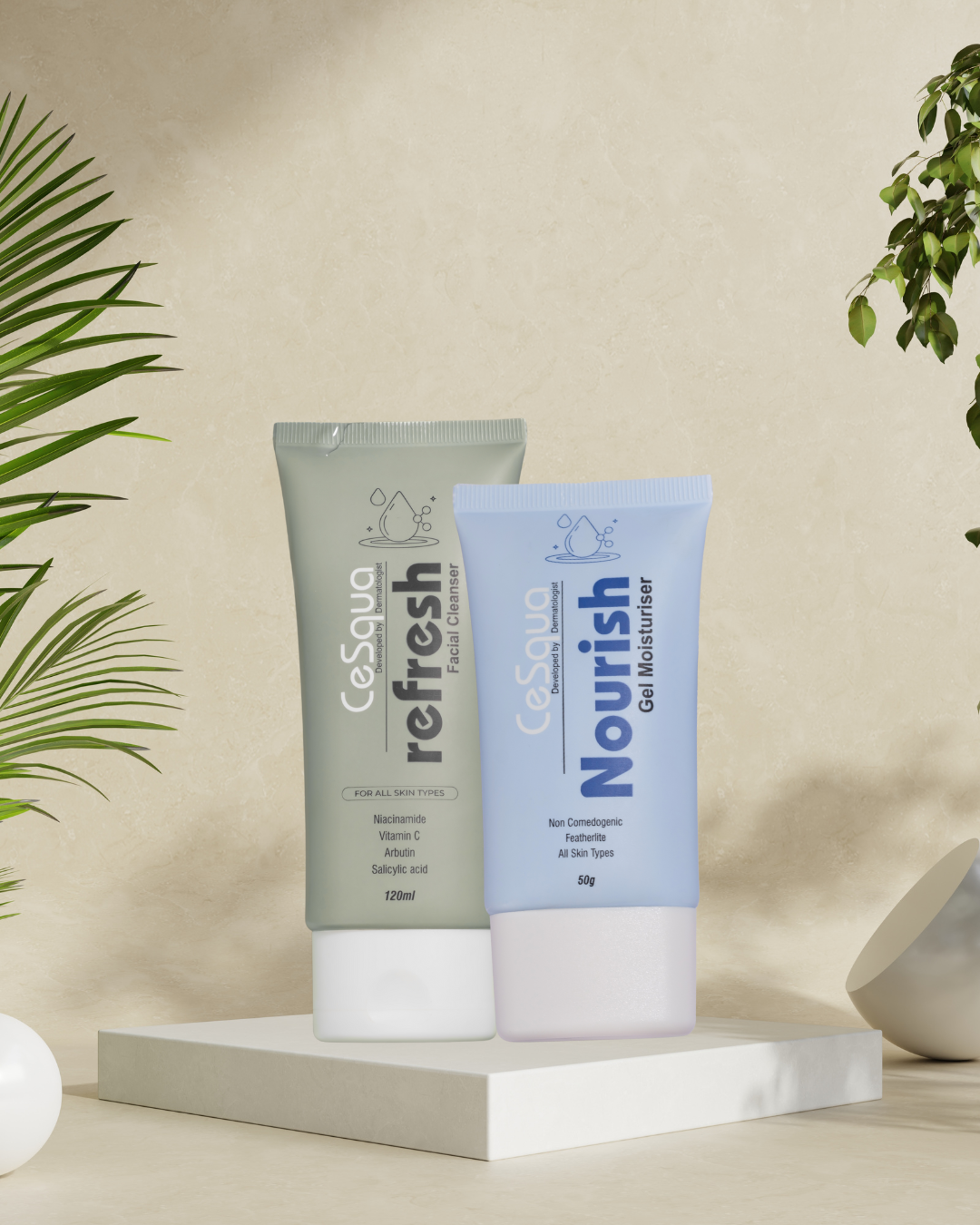
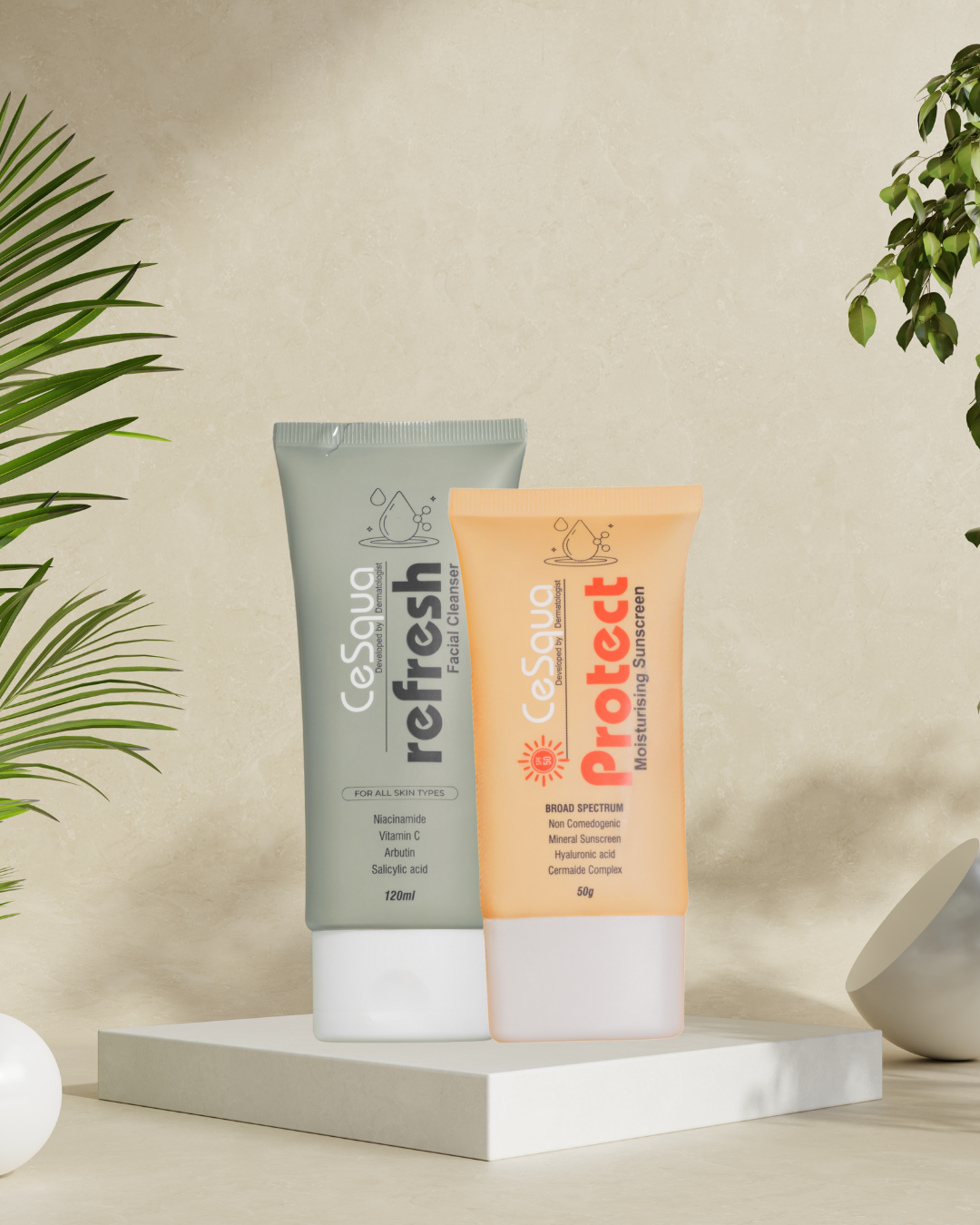
The sunscreen lasts up to 2 hours before reapplication is needed. Pairing it with the Refresh + Protect combo (cleanser plus sunscreen) streamlines your skincare regime, combining effective cleansing and sun defense in just two simple steps.
Step-by-Step: How to Apply and Reapply Water-Resistant Sunscreen
To maximize water-resistant sunscreen’s benefits, follow this framework, recommended by CeSqua dermatologists:
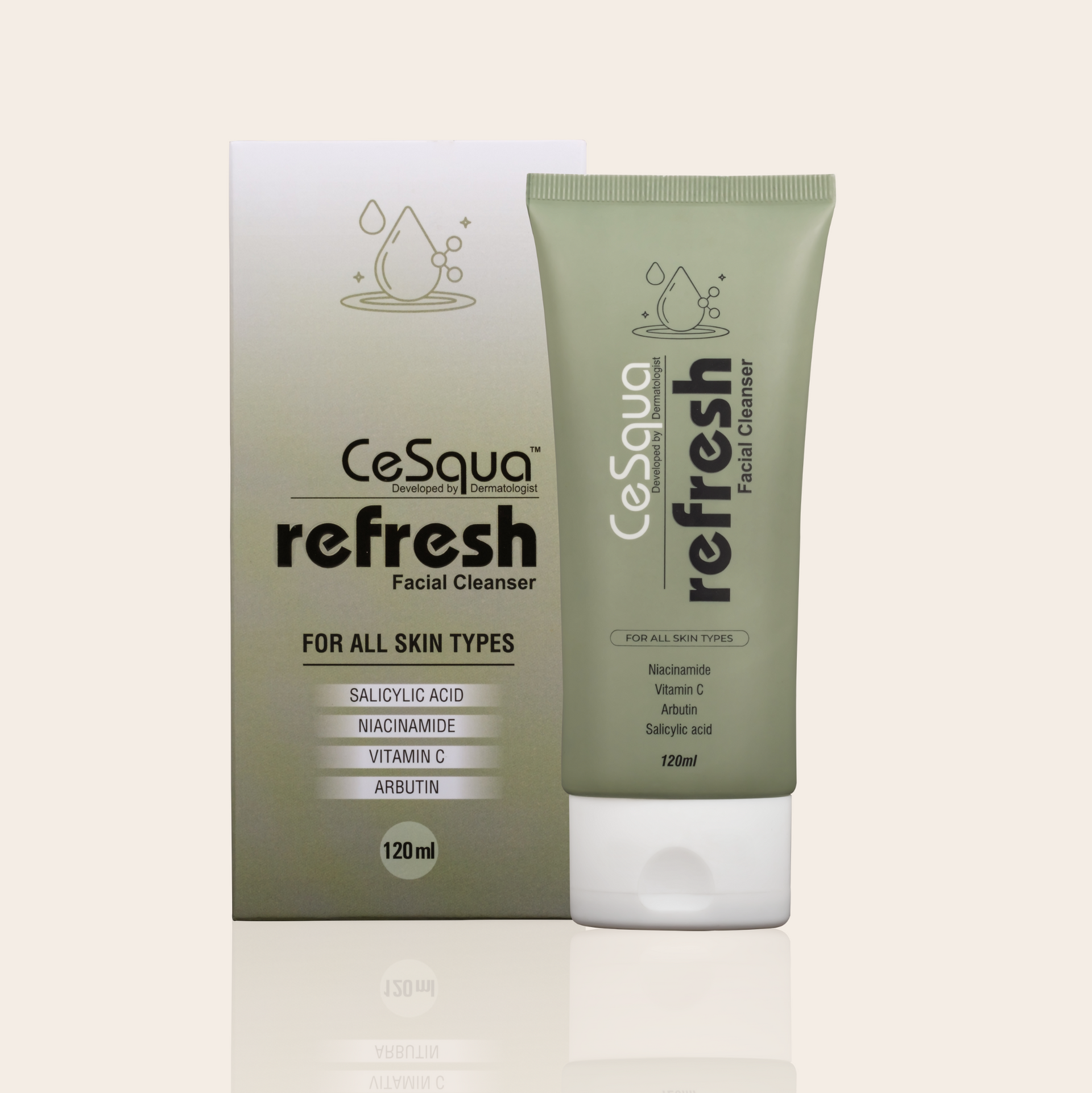
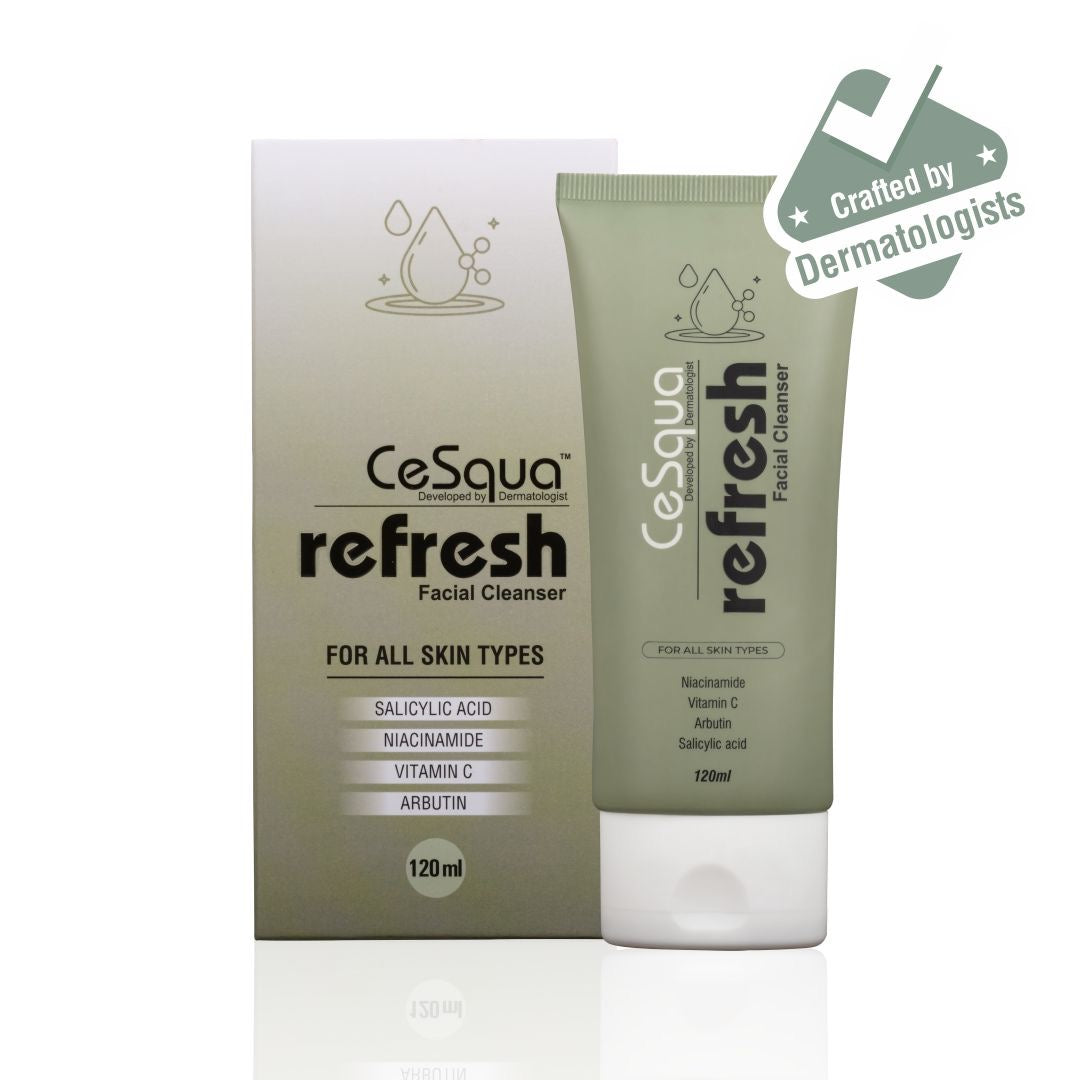
- Start with freshly cleansed skin. For best adherence, use a gentle cleanser like the Refresh Facial Cleanser.
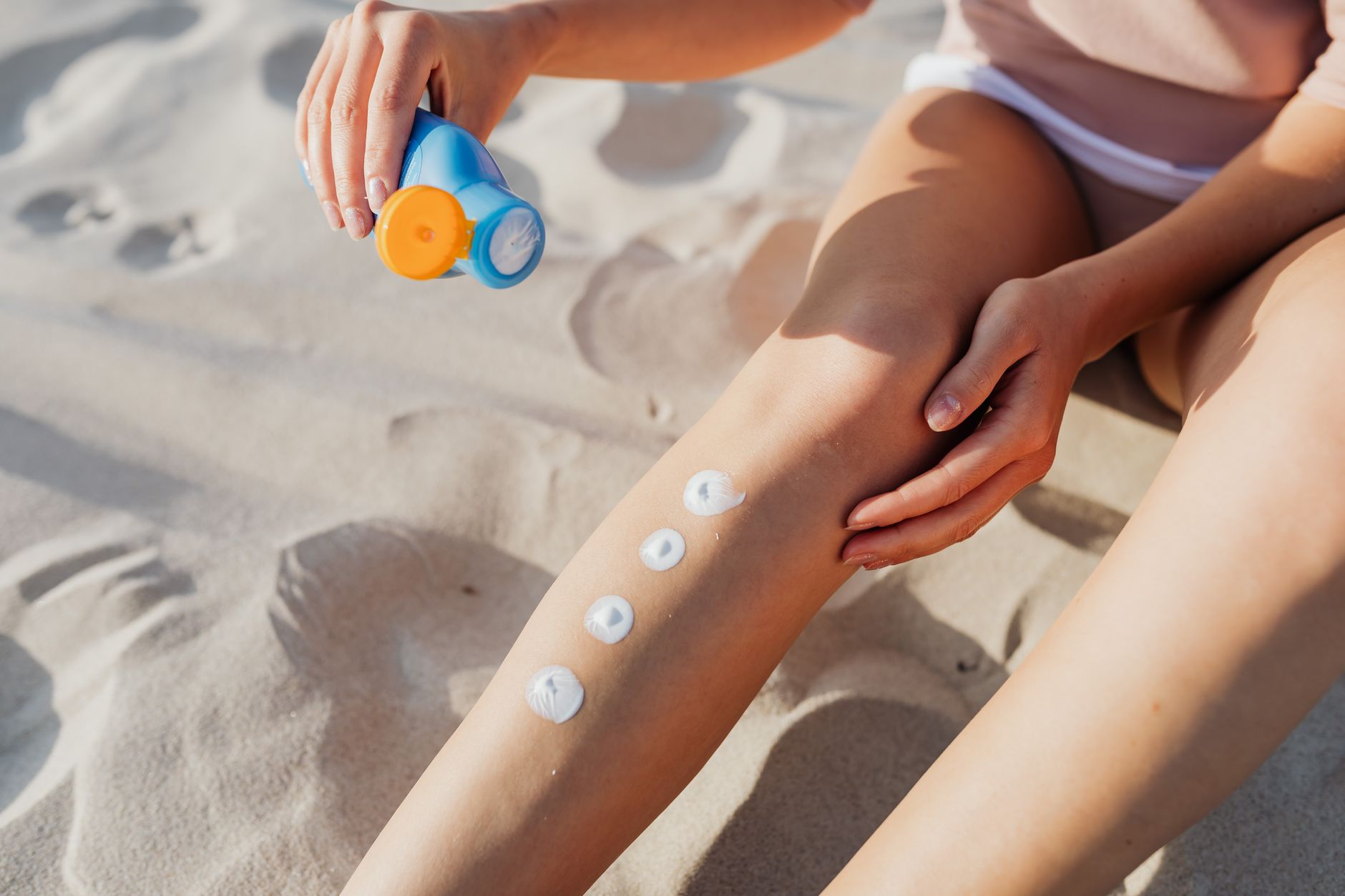
- Apply enough sunscreen. Use at least 1/4 teaspoon for face (or one teaspoon for face, neck, and ears combined). Don’t skimp—coverage is key for getting advertised SPF.
- Spread evenly. Pat and smooth over all exposed skin, including ears, under the chin, and the sides of the nose.
- Wait 15–30 minutes before water exposure. This allows the sunscreen to set, forming a strong, water-resistant film for optimal protection.
- Reapply actively. Every 40 or 80 minutes in water or sweat conditions, and immediately after toweling. For daily use, repeat every 2 hours—especially during long commutes, sports events, or beach holidays.
Best Practices: Getting the Most from Your Water-Resistant Sunscreen
- Choose the right formula. Opt for SPF 30 or above, always with verified broad-spectrum and water-resistant claims. For sensitive skin, look for non-comedogenic, fragrance- and paraben-free options like CeSqua’s Protect Moisturising Sunscreen.
- Test compatibility. Patch test on a small area before applying new sunscreens, especially if you have reactive skin or known sensitivities.
- Don’t rely on sunscreen alone. Complement with hats, sunglasses, UPF clothing, and shade whenever possible—especially at midday.
- Store properly. High heat can degrade sunscreen. Keep tubes out of direct sun or hot cars.
- Check expiry dates. Always use products before expiration for guaranteed protection.
- For children: Always consult a pediatrician before use on young kids, especially infants.
To explore more about correct sunscreen use for Indian climates and different seasons, see our blog on year-round sunscreen needs for Indian skin.
Frequently Asked Questions
What exactly does "water-resistant" mean vs. "very water-resistant"?
"Water-resistant" indicates a sunscreen can maintain its SPF protection for 40 minutes of continuous exposure to water or heavy sweat. "Very water-resistant" means the effectiveness lasts for 80 minutes under similar conditions. Both durations are based on standardized lab tests.
Do I need to reapply water-resistant sunscreen if I have not been swimming?
Yes. Even without water or sweat, sunscreen should be reapplied every 2 hours. Normal skin oils, friction, and UV exposure gradually degrade protection.
Is water-resistant sunscreen suitable for oily or acne-prone skin?
Yes, if you choose non-comedogenic, lightweight options specifically formulated to avoid clogging pores. CeSqua’s Protect Moisturising Sunscreen is suitable for oily and acne-prone skin.
Does water-resistant sunscreen work for all outdoor activities?
For most activities involving water or heavy sweating, water-resistant sunscreen provides reliable protection within its labeled time frame. For extreme or long-duration exposures, also use physical barriers and stay mindful of the need to reapply.
Can children use water-resistant sunscreen?
Many water-resistant sunscreens are safe for children, but always consult a pediatrician before use on young kids or if your child has a skin condition. Avoid direct contact with eyes and delicate areas.
Can I layer water-resistant sunscreen under makeup?
Yes. The best formulations, such as those from CeSqua, absorb quickly and create a smooth, non-greasy finish, allowing seamless makeup application.
Conclusion: The Authority View from CeSqua
Water-resistant sunscreen is a vital, science-backed solution for daily and recreational skin protection. By understanding exactly what "water-resistant" means, how long these products last, and when to reapply, you make the most of your sun protection efforts. At CeSqua, we believe that the path to healthier, radiant skin is through clear information, expert-backed recommendations, and products that simplify—not complicate—your routine.
Whether you are headed for a jog, a swim, or simply living your day outdoors, trust CeSqua’s Protect Moisturising Sunscreen for water-resistant, broad-spectrum defense. For an effortless routine, explore our Refresh + Protect combo for an integrated, dermatologist-formulated approach that puts healthy skin within easy reach.
If you want to keep learning about practical, expert-driven skincare, browse our related posts on mineral vs. chemical sunscreens and how long your sunscreen lasts. For questions or personal advice, our team is always ready to help at cesqua.in.