



Protecting your skin from the sun is foundational to maintaining a healthy, radiant complexion and preventing premature aging. Dermatologists agree: for daily use, you should choose a broad-spectrum sunscreen with at least SPF 30, and SPF 50 is recommended for robust protection, especially in climates with high UV exposure or for people spending extended time outdoors. At CeSqua, we champion this approach as the core of everyday skincare for all skin types, rooted in real, effortless routines that deliver visible results.
Daily sunscreen is non-negotiable—even on cloudy days, indoors, or during routine commutes. UVA and UVB rays contribute to skin cancer risk, pigmentation, uneven skin tone, and accelerate visible signs of aging. Most people apply less than the recommended amount of sunscreen, so selecting SPF 50 helps compensate for underapplication, ensuring your skin is shielded through real-world challenges.
What Does SPF Mean? The Essentials Explained
SPF, or Sun Protection Factor, measures how well a sunscreen protects your skin from UVB rays—the primary cause of sunburn and contributor to long-term skin damage. However, the real game-changer for daily protection is broad-spectrum coverage, which means the product also defends against UVA rays responsible for deeper skin aging and pigmentation.
- SPF 15: Blocks ~93% of UVB rays
- SPF 30: Blocks ~97% of UVB rays
- SPF 50: Blocks ~98% of UVB rays
The jump from SPF 30 to 50 might look small numerically, but in practice it brings a tangible boost, especially for those who apply thinner layers or forget to reapply. Opting for broad-spectrum, water-resistant sunscreen ensures durability against everyday exposure—key for users in tropical or high-pollution environments.
Who Needs Which SPF? Tailoring Protection to Your Real Life
| Skin Type or Lifestyle | Recommended SPF | Details |
|---|---|---|
| Typical daily life (all skin types, mix of indoor and outdoor) | SPF 30-50 | Broad-spectrum for consistent, daily defense. Lightweight, non-greasy formulas are the most practical option. |
| Oily or acne-prone skin | SPF 46-50 | Non-comedogenic products, ideally with mattifying ingredients like zinc PCA, help manage shine without clogging pores. CeSqua sunscreens fit this profile. |
| Sensitive or redness-prone skin | SPF 40-50 (prefer mineral-based) | Zinc oxide and titanium dioxide soothe and protect, while avoiding common chemical irritants. |
| High sun exposure (sports, long drives, commuting on foot) | SPF 50+ | Water-resistant options featuring physical blockers and antioxidants are optimal, with reapplication every 2 hours as needed. |
For Indian skin, daily SPF 50 is recommended due to ambient UV index and environmental stressors including pollution and blue light. Even indoors, sunlight through windows and digital screens can cause cumulative skin damage. To explore how sunscreen use relates to everyday digital/office environments, see our in-depth guide: Do You Need Sunscreen Indoors?.

Building a Dermatologist-Approved Routine: The CeSqua 3-Step System
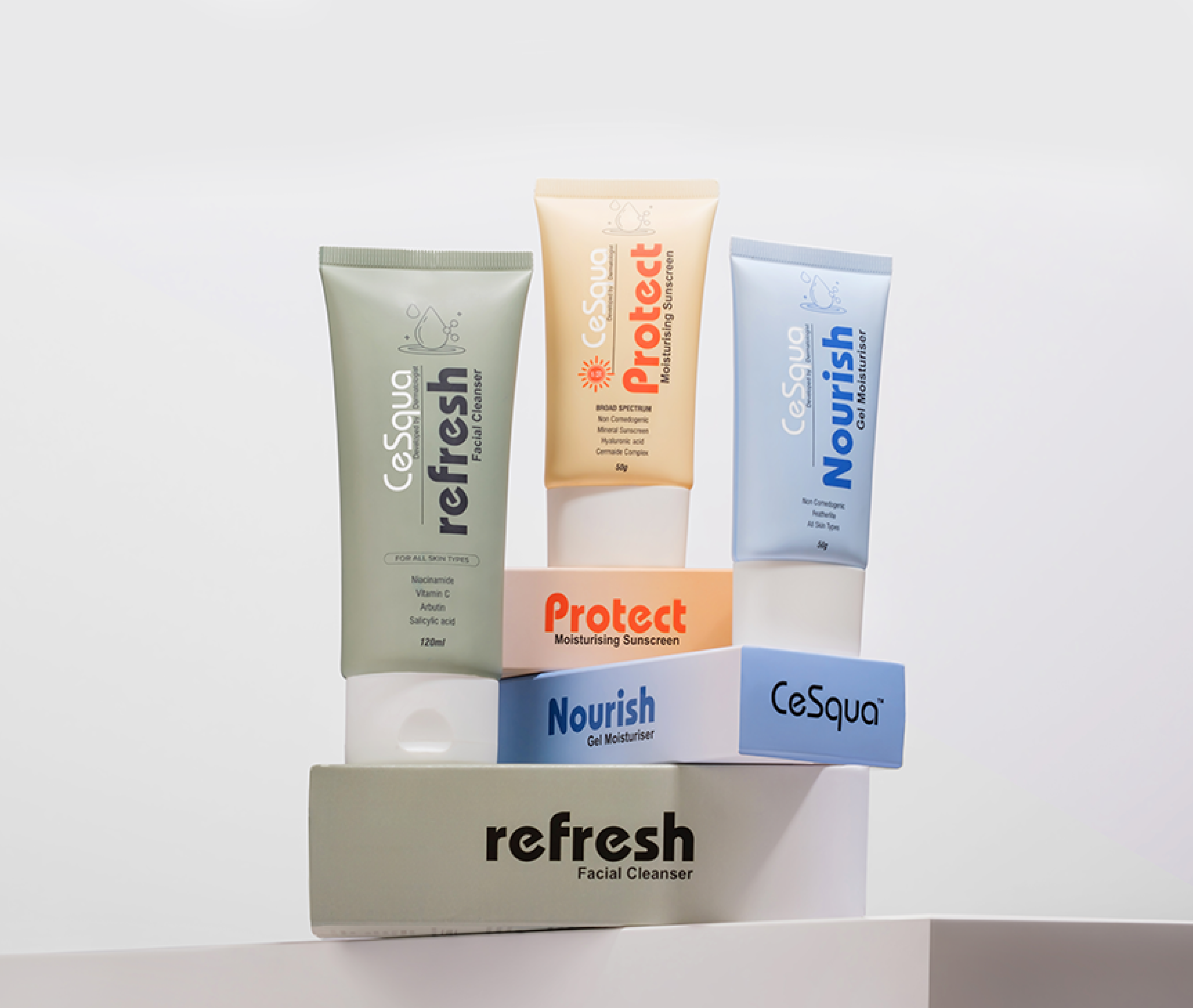
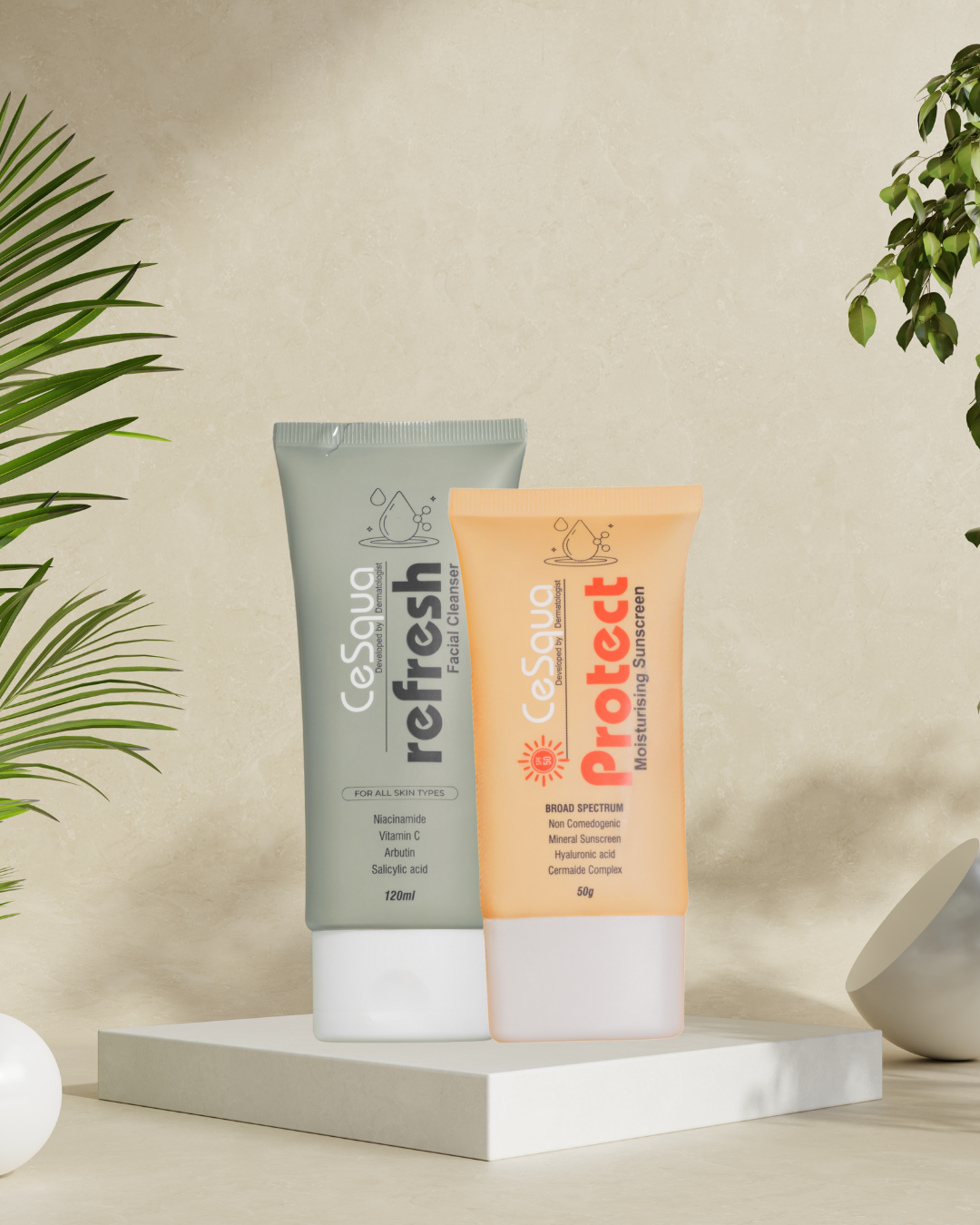
CeSqua was founded to simplify and strengthen everyday skincare, merging pharma-grade efficacy and gentle, daily usability. We recommend a streamlined, three-step regimen that secures not just sun protection, but holistic skin health:
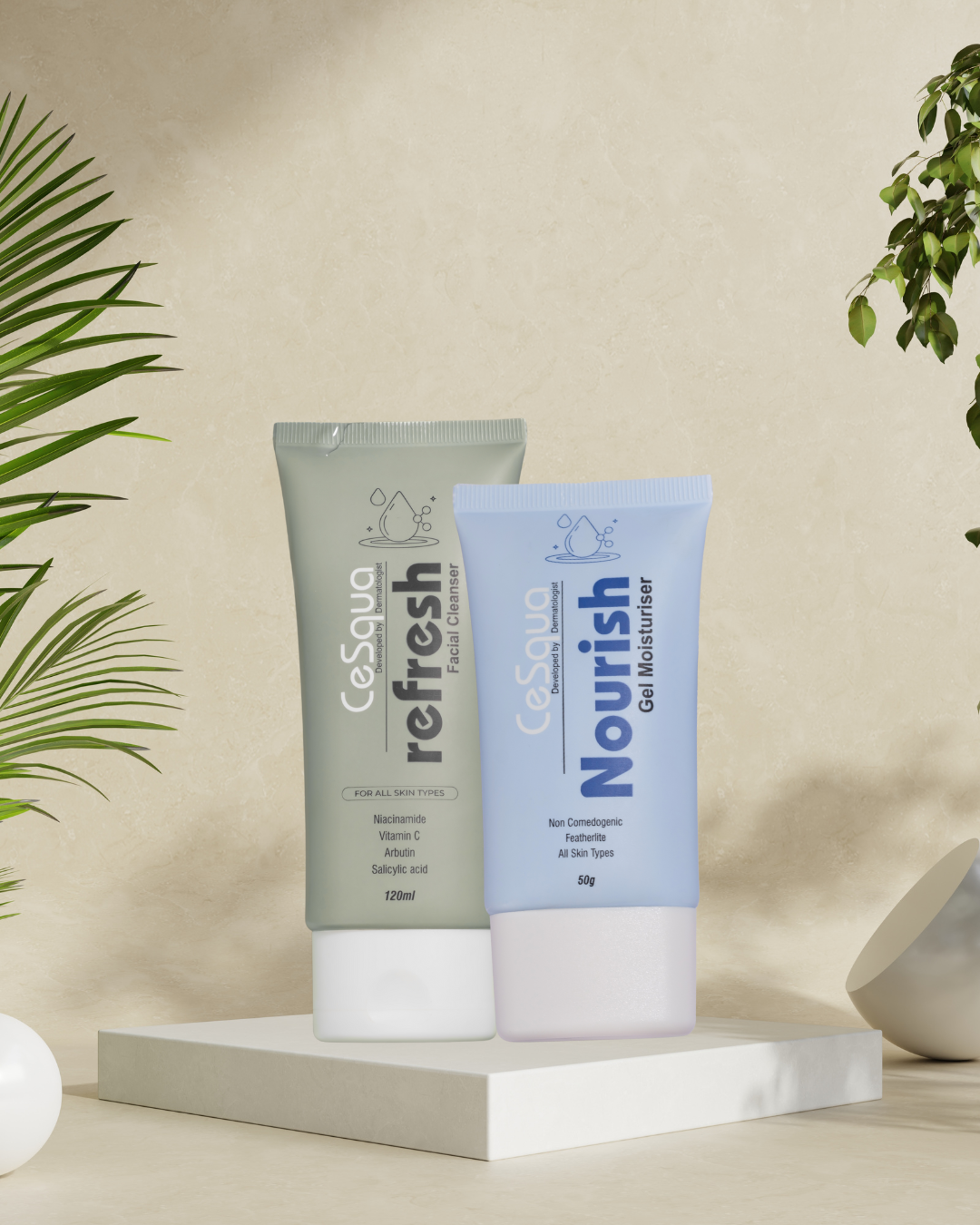
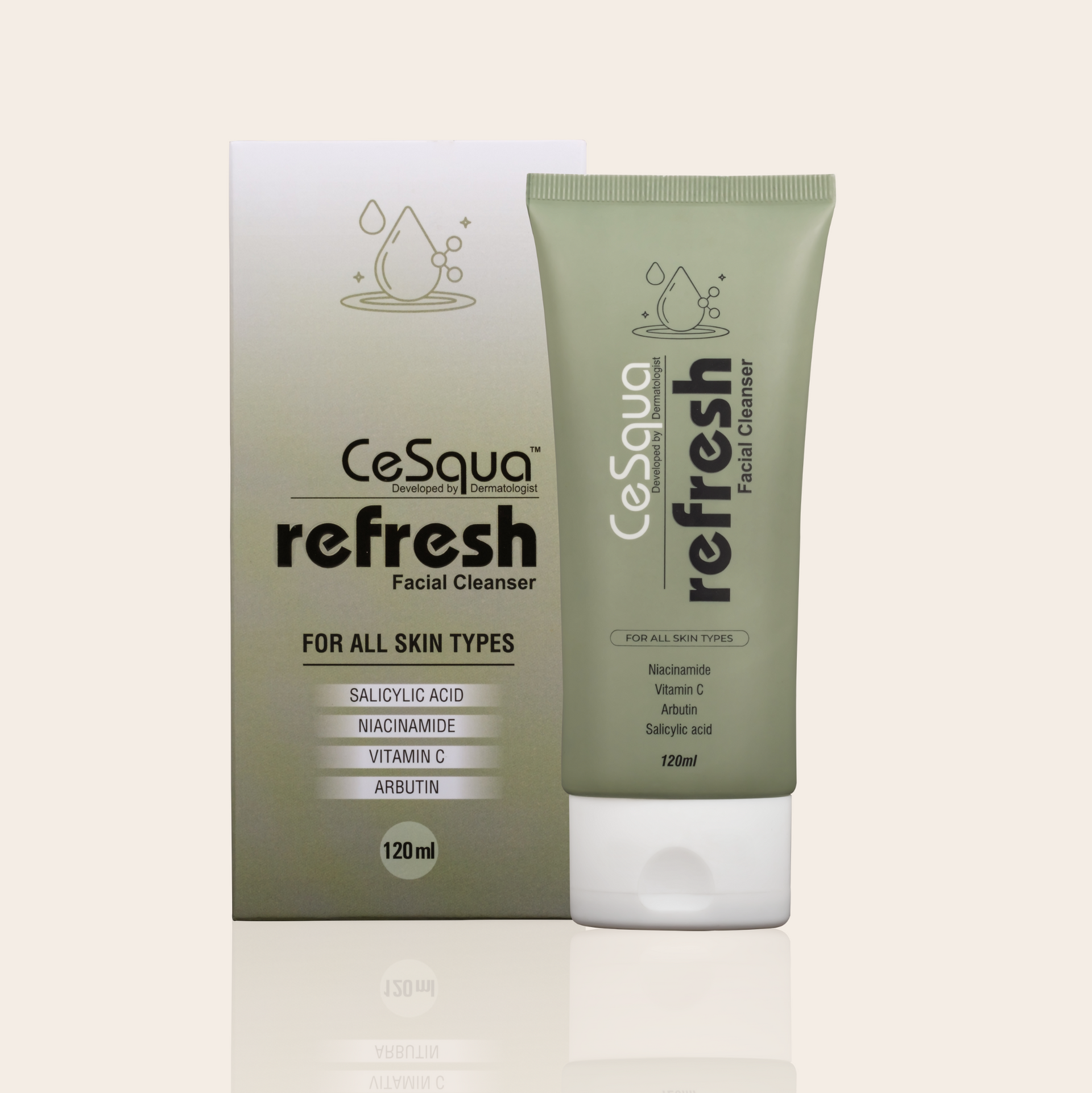
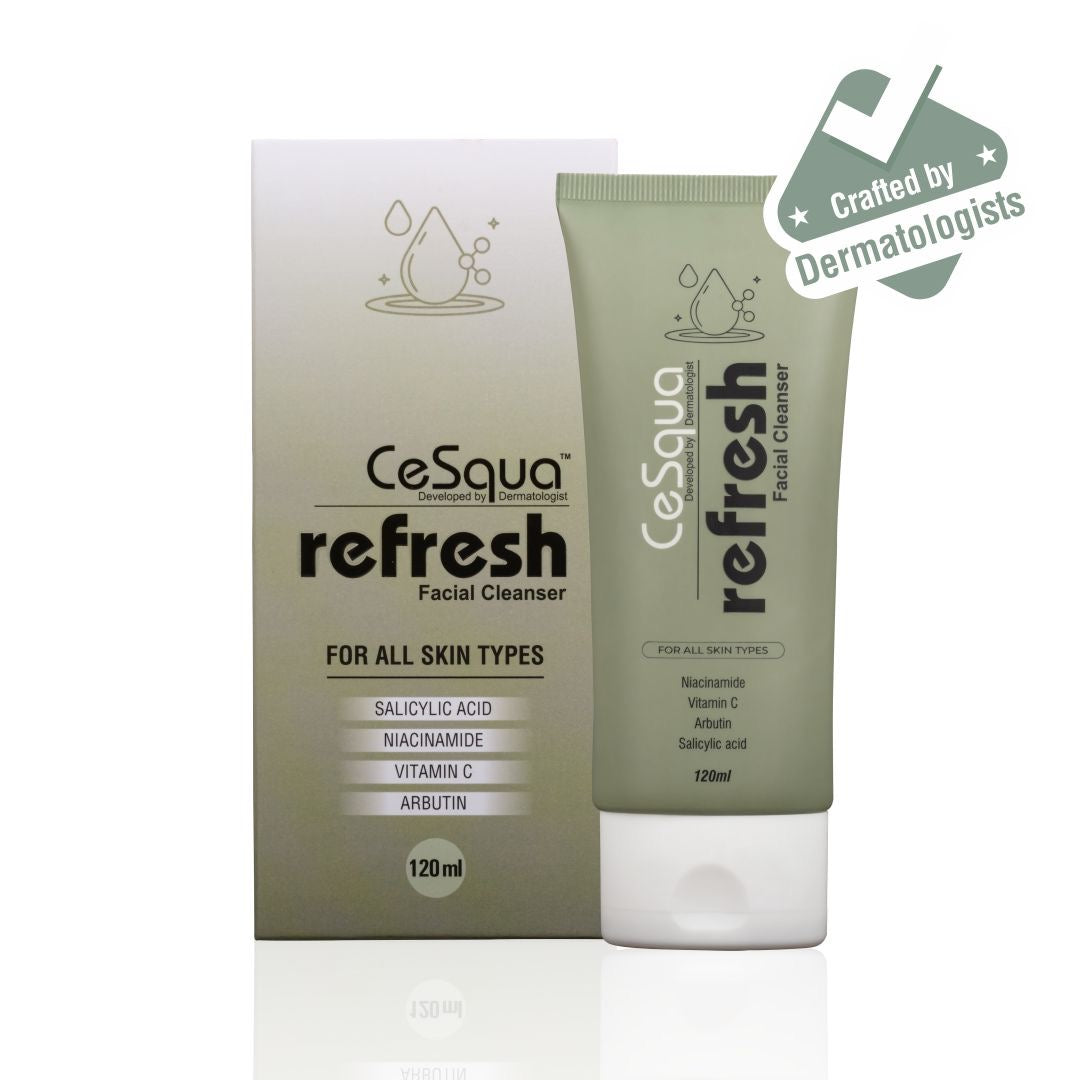
- Cleanse: Use our Refresh Facial Cleanser morning and night. This formula, powered by salicylic acid, niacinamide, and hyaluronic acid, purifies without stripping or overdrying. It is gentle enough for sensitive skin and tough enough on impurities that cause breakouts and dullness.
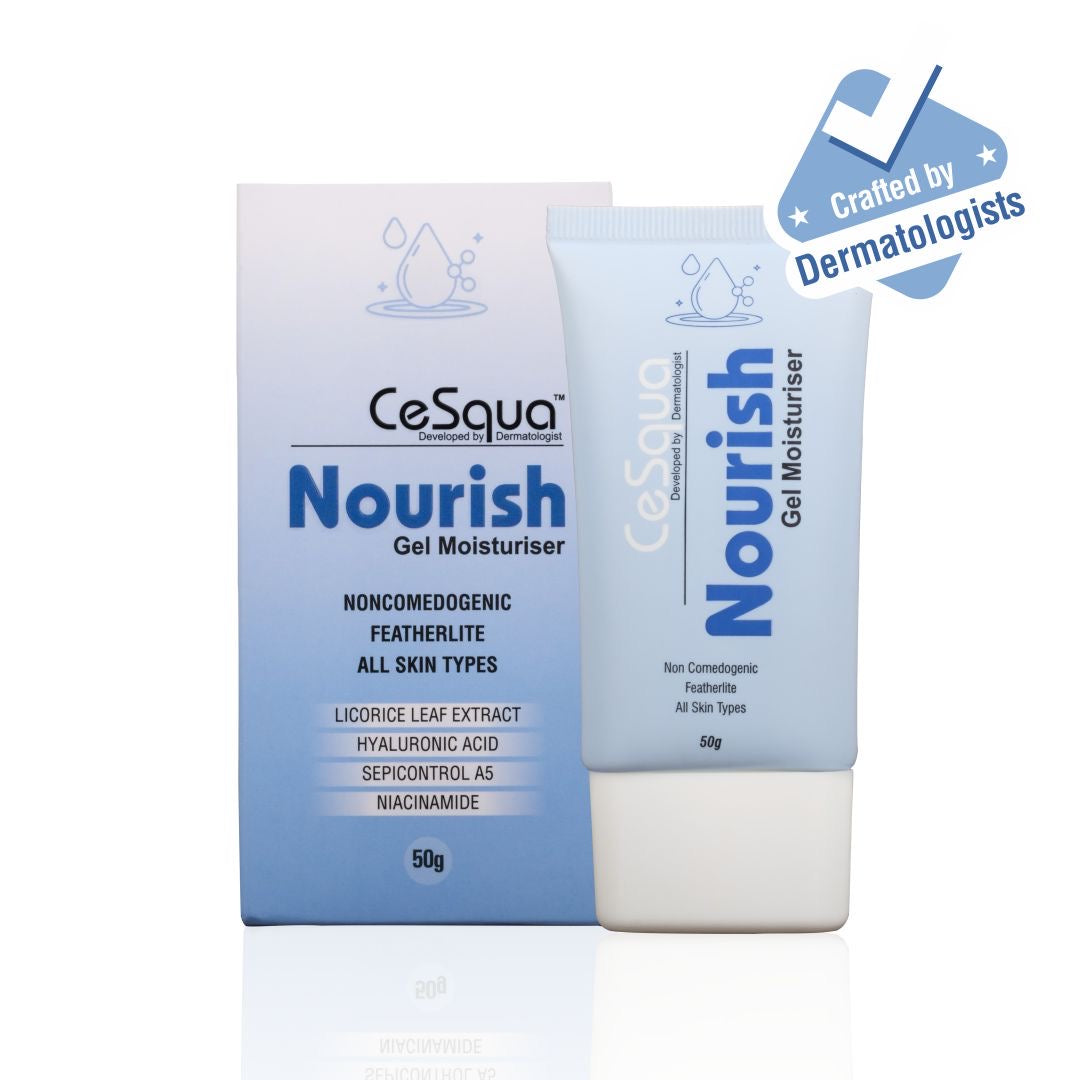
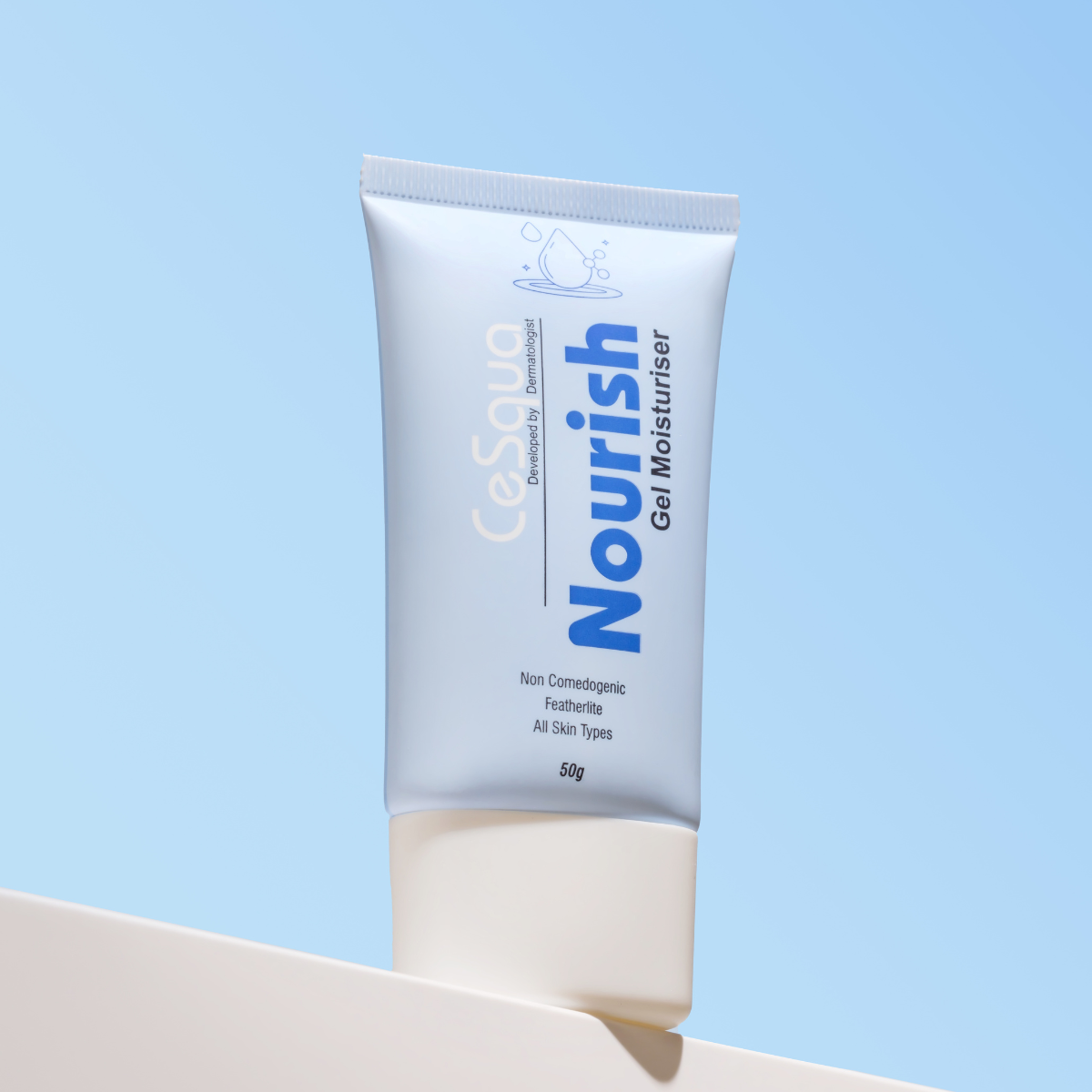
- Hydrate: Apply Nourish Gel Moisturiser to keep skin balanced, soothed, and prepped for sunscreen. Zinc PCA, tea tree oil, and chamomile work to calm redness, control oil, and maintain hydration.
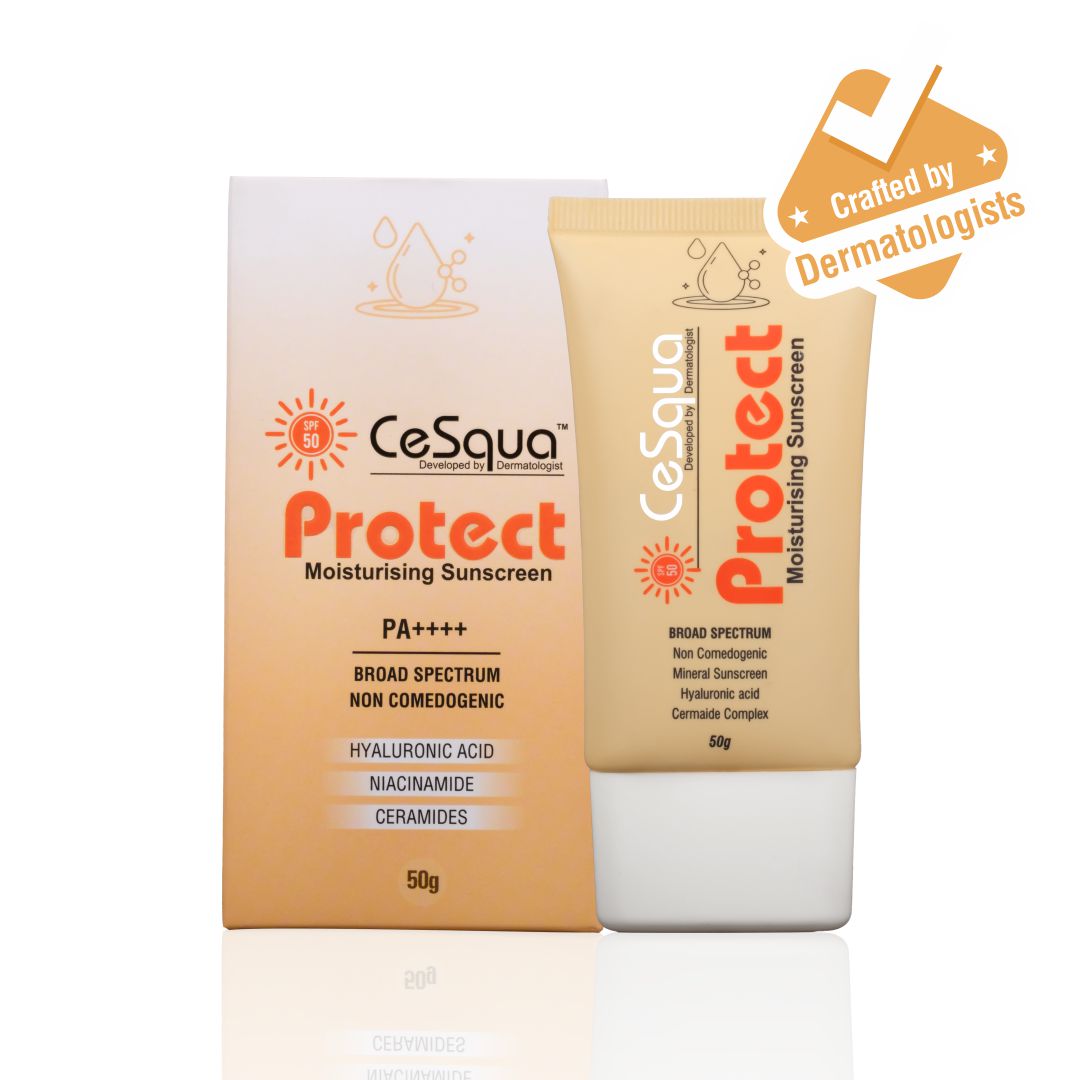
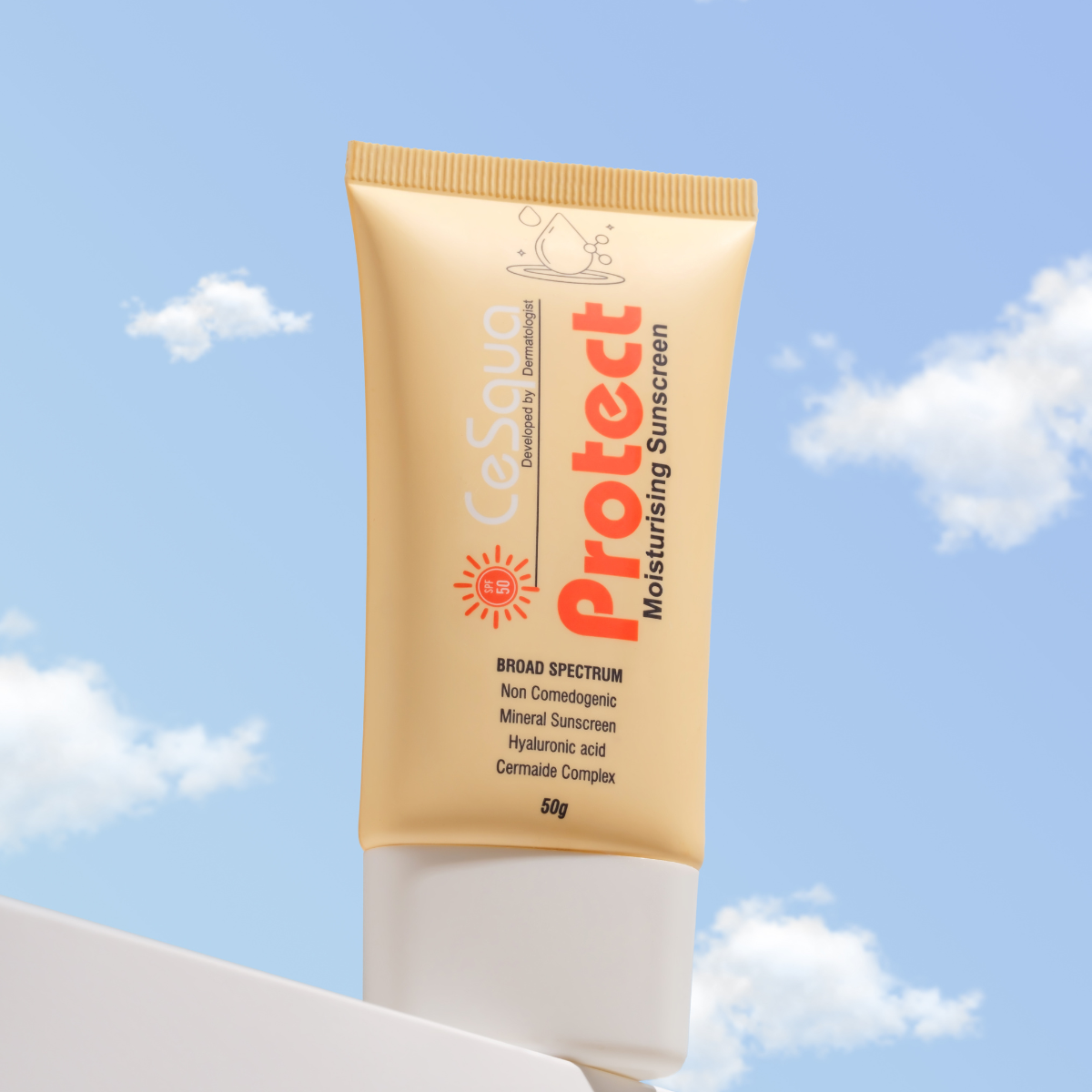
- Protect: Finish with Protect Moisturising Sunscreen, which delivers broad-spectrum SPF 50 using titanium dioxide and zinc oxide. This mineral shield goes beyond UV protection, addressing blue light and pollution damage, while being non-comedogenic, safe for sensitive or acne-prone complexions, and free from fragrance, parabens, and alcohol. Its texture is non-greasy, leaves no white cast, and layers perfectly under makeup.
This targeted routine takes less than five minutes and covers cleansing, hydration, and daily protection without adding complexity—demonstrating CeSqua's commitment to effortless routines with high efficacy.

Step-by-Step: How to Apply (and Maximize) SPF Every Day
Correct application is just as important as choosing the right strength. Here is the stepwise, dermatologist-backed process for flawless daily sun defense:
- Apply sunscreen as the last step of your morning routine, at least 15-20 minutes before stepping outdoors.
- For the face and neck, use a quarter to half teaspoon; for the whole body, about one ounce (roughly a shot glass).
- Don’t forget vulnerable areas: tops of ears, back of neck, hairline, and lips.
- Reapply every two hours—more often if sweating or after water exposure.
- Pair sunscreen with a hat, sunglasses, and UPF-rated clothing for maximum protection against cumulative sun exposure.
- Look for formulas labeled both 'broad-spectrum' and 'water-resistant.' The signature blue light shield in CeSqua Protect Moisturising Sunscreen is an added bonus for office, indoor, and city dwellers.
- Store sunscreen in a cool, shaded environment to maintain effectiveness throughout its 12–18 month shelf life.
Why Many Get It Wrong: SPF Myths and Mistakes
Several common misconceptions can undermine your efforts. Let's clear them up:
- Higher numbers mean much more protection. Reality: SPF 50 blocks about 1% more UVB than SPF 30 but compensates for underapplication—a frequent, real-world error.
- You only need sunscreen on sunny days. In truth, up to 80% of UV rays penetrate clouds and window glass, making year-round protection mandatory.
- All sunscreens are made equal. Only broad-spectrum, water-resistant options with proven ingredients like zinc oxide and titanium dioxide ensure lasting, comprehensive defense for all skin types.
- Makeup with SPF is enough. Most people do not use enough makeup to get true coverage—dedicated sunscreen is still essential.
Defining Excellence: What Sets CeSqua SPF Solutions Apart
At CeSqua, sunscreen is designed for daily use and built around these key pillars:
- Pharma-grade ingredients, streamlined routines. Only essential actives and antioxidants to maximize results without irritation.
- Mineral protection, not chemical absorption. Our sunscreens use titanium dioxide and zinc oxide, safe for sensitive, oily, or acne-prone skin, and deliver robust UVA & UVB coverage.
- Barrier-strengthening extras. Ceramides, hyaluronic acid, and panthenol help reinforce your skin barrier while you protect it from the sun.
- Conscious formulation. Vegan, cruelty-free, environmentally safe, and recyclable packaging. No fragrances, parabens, or alcohol.
- Real-world proven. Users consistently praise our products for leaving no white cast, not causing pilling or breakouts, and delivering visible improvements in texture and luminosity within weeks.
To further explore the unique benefits of mineral sunscreen for sensitive skin, see our in-depth comparison: Mineral vs Chemical Sunscreen for Sensitive Skin.

Best Practices for Year-Round Sun Protection
- Start young, continue lifelong. Cumulative exposure matters more than brief intense exposure. Instill SPF habits early and keep them consistent.
- Adapt formula to your skin's needs and environment. Switch to water-resistant options for sports or active days; stick to gentler, lightweight versions for office, indoor, and daily errands.
- Don't neglect reapplication. Many people see sun damage on the most-exposed areas (nose, cheekbones, hands) due to missed reapplication.
- Coordinate with your entire regimen. Layer CeSqua sunscreen over your moisturizer. In winter, use more hydrating bases; in humid months, prefer lightweight, matte-finish formulas.
- Patch-test new products. Particularly important for those with sensitive or allergy-prone skin.
For even deeper insights into moisturizer and sunscreen synergy, refer to Moisturizer With SPF vs Separate Sunscreen.
FAQs: Everything You Want to Know About Daily SPF
What is the minimum SPF I should use daily?
SPF 30 is the dermatologist-recommended minimum for daily use, offering about 97% protection from UVB rays. However, SPF 50 is preferred by many, especially in India or similar climates, or if you tend to underapply.
Do I need sunscreen indoors or when it's cloudy?
Yes. UVA penetrates clouds and windows. Daily use, even indoors, protects against both environmental and digital (blue light) exposure. For more on indoor sun exposure, you may explore our dedicated article on indoor SPF.
How much sunscreen should I apply?
For the face and neck, use a quarter to half a teaspoon. For full-body application, about an ounce is optimal. Reapply every two hours, especially after sweating or exposure to water.
Is SPF 50 much better than SPF 30?
SPF 50 blocks about 1% more UVB rays than SPF 30, but the main advantage is margin for real-world application error. It is especially helpful if you apply a thin layer, sweat, or skip reapplication.
Is mineral sunscreen better than chemical?
Mineral sunscreens, like CeSqua Protect, use zinc oxide and titanium dioxide, making them ideal for sensitive, acne-prone, and even children’s skin. They work as a physical shield on skin and are less likely to cause irritation.
How long does a sunscreen last once opened?
Most sunscreens are effective for up to 12–18 months after opening, if stored properly.
Can I rely on makeup or moisturizer with SPF as my only protection?
Most people do not apply enough makeup or moisturizer to reach the SPF claimed. Always use a dedicated sunscreen as the final step in your morning skincare routine.
How does CeSqua sunscreen address pollution and blue light?
CeSqua Protect Moisturising Sunscreen includes BlueShield technology, designed to shield skin from both environmental pollutants and digital device exposure, making it fit for modern, urban lifestyles.
Conclusion: Make SPF the Core of Your Daily Routine—The CeSqua Way
SPF is not a seasonal or occasional product—it is foundational to every effective skincare regimen. The right sunscreen reflects your skin type, lifestyle, and real-world behavior. By prioritizing broad-spectrum SPF 30–50, applying and reapplying consistently, and seamlessly integrating sun protection into a simple three-step routine, you nurture long-term skin health, clarity, and vibrancy.
At CeSqua, our mission is to remove complexity from skincare and deliver pharma-grade effectiveness in minimalist, everyday products. Discover routines and solutions formulated by dermatologists, tailored for modern lives, and suitable for every skin type. Ready for effortless, radiant protection? Explore the full routine, testimonials, and more at cesqua.in.